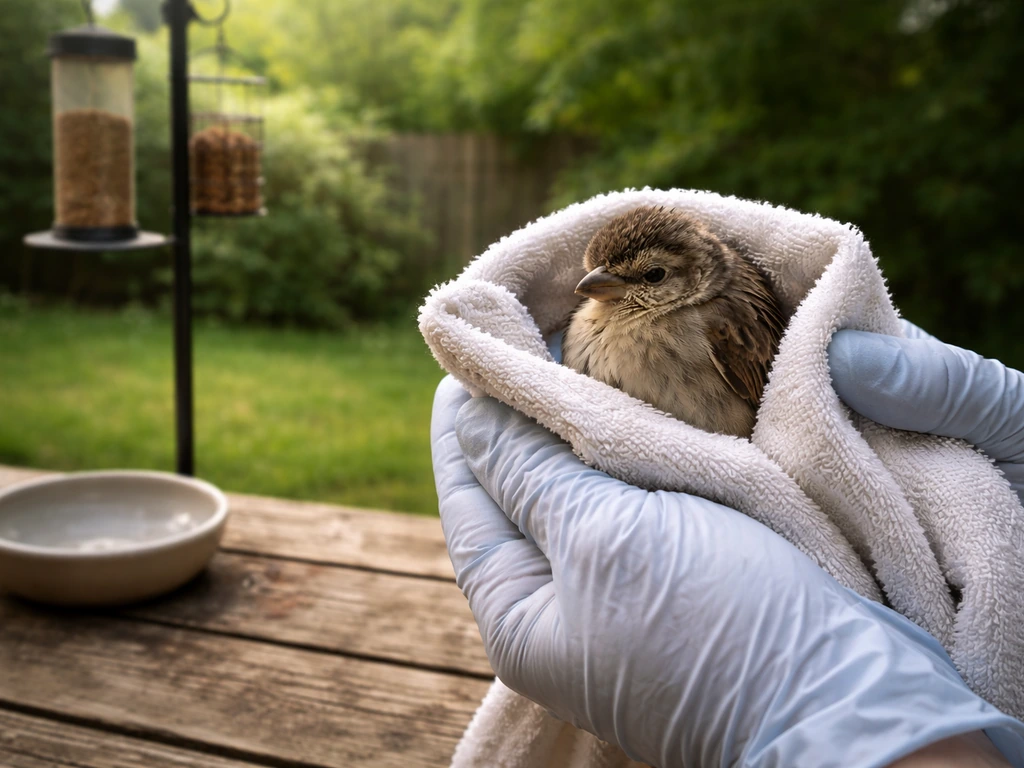
A bird virus is a microscopic infectious agent that invades a bird's cells, hijacks their machinery to replicate, and triggers illness ranging from mild respiratory sniffles to rapid, fatal systemic disease. Unlike bacterial infections (which respond to antibiotics) or fungal diseases (which require antifungals), viruses cannot be killed by those drug classes. That distinction matters enormously when your bird is sick, because the wrong treatment wastes precious time and money while the real problem progresses.
What Is Bird Virus? Symptoms, Spread, and Next Steps

Marcus Webb
20 May 2026
What a bird virus actually is, and how it differs from bacteria or fungi
Viruses are not living organisms in the traditional sense. They are packets of genetic material (DNA or RNA) wrapped in a protein coat, and they can only reproduce inside a host cell. That is why antibiotics are useless against them. Bacteria, by contrast, are single-celled living organisms that can be targeted with antimicrobial drugs. Fungi are even more complex, requiring dedicated antifungal treatments like fluconazole or voriconazole.
For bird owners, the practical takeaway is this: if a vet suspects a viral cause, they are not going to prescribe antibiotics to fight the virus itself. Any antibiotic use will be aimed at secondary bacterial infections that sometimes pile on after a virus weakens the immune system. The Merck Veterinary Manual confirms that gram-negative bacteria like Klebsiella, Pseudomonas, and E. coli are commonly reported opportunists in already-sick pet birds.
How bird viruses spread
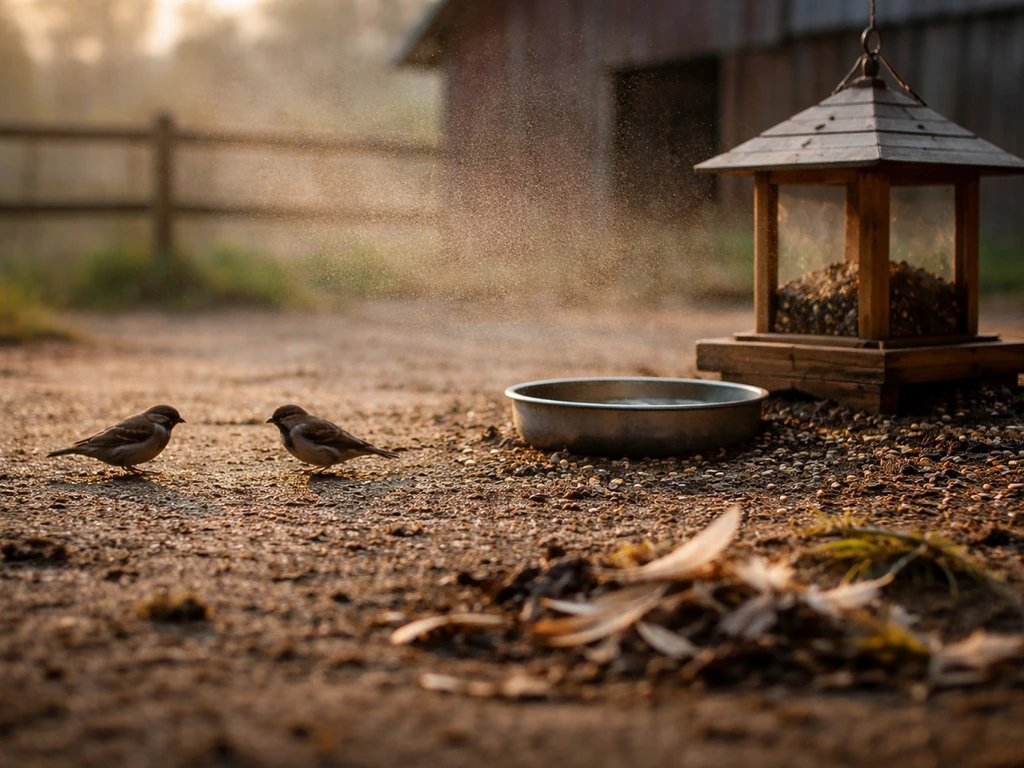
Most avian viruses travel by one of four main routes, and knowing them helps you understand exactly where your bird's exposure risk comes from.
- Direct bird-to-bird contact: USDA APHIS confirms that avian influenza spreads directly when infected birds are in close proximity to healthy ones, through respiratory secretions and droppings.
- Contaminated droppings and water: Wild migratory birds carry HPAI H5N1 in their droppings and contaminate water sources, feeders, and ground surfaces, especially during migration seasons.
- Fomites (objects and clothing): People can unintentionally carry virus on work boots, clothing, farm equipment, and vehicles that haven't been cleaned and disinfected. This is a significant route for backyard flock owners.
- Insect vectors: Avian pox is transmitted when mosquitoes or other biting insects carry the virus between birds, or when a bird has a break in the skin that contacts contaminated material.
- Carrier birds shedding silently: Pacheco's disease (a herpesvirus) is a classic example where apparently healthy birds shed virus in droppings and respiratory secretions without looking sick at all.
Wild birds are one of the most underappreciated risk factors for domestic flocks and pet birds near open windows or outdoor aviaries. Even a bird that never leaves the house can be exposed if you handle wild birds or visit places where infected birds have been present. For avian (zoonotic) influenza, WHO highlights that people can be exposed through direct contact with infected animals and through indirect contact via contaminated environments and surfaces exposed if you handle wild birds or visit places where infected birds have been present.
Warning signs that suggest a viral illness in your bird
Birds hide illness instinctively, so by the time you notice something is wrong, the disease may already be well advanced. With viral infections specifically, symptoms can appear across multiple body systems at once, which is a useful clue. If you are wondering what bird disease is going around in your area, those multi-system viral clues can help you decide when to call an avian vet right away. A fever can be a sign that a bird's immune system is reacting to an infection, including viral disease symptoms can appear across multiple body systems at once. Here are the warning signs to watch for.
Respiratory signs
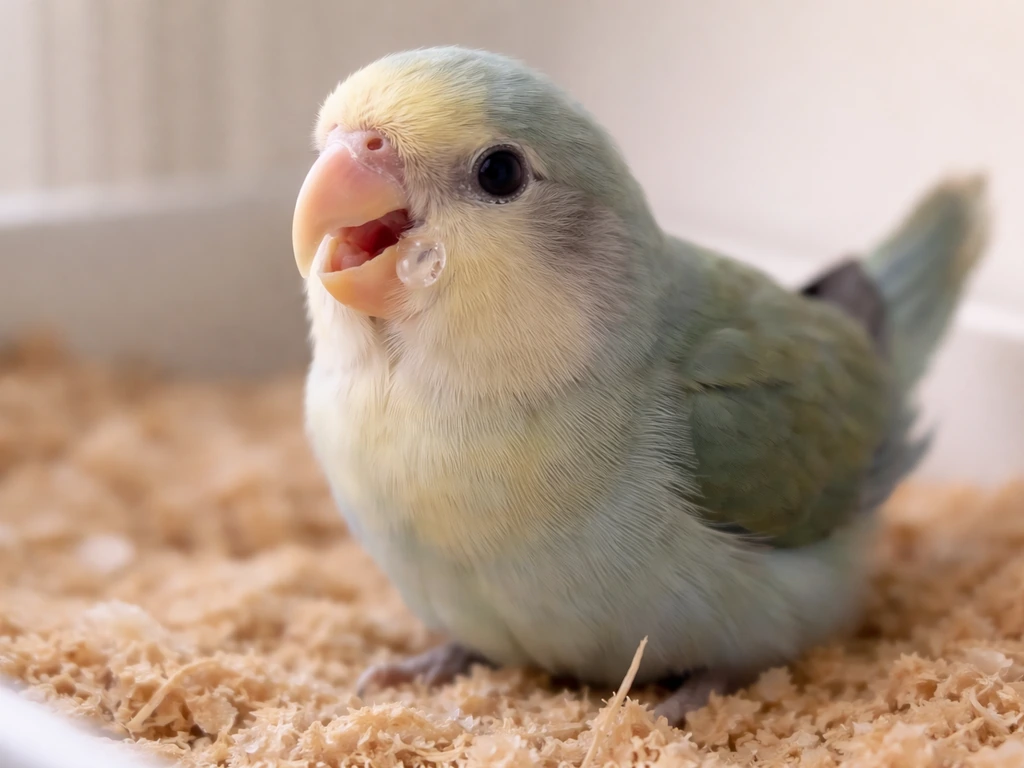
Respiratory distress is one of the most common presentations of viral illness in birds. AAHA specifically lists tail bobbing, open-mouth breathing, and nasal discharge as signs seen in pet birds with HPAI H5N1. You may also see ocular discharge (watery or crusty eyes), labored breathing where you can see the chest heaving, or a change in the bird's voice or vocalizations.
Neurological signs
Some avian viruses, particularly Newcastle disease, can target the nervous system. WOAH (formerly OIE) documents neurological signs including tremors, clonic spasms, limb paralysis or paresis, circling, and torticollis (twisted neck). If your bird suddenly starts circling, falling off its perch, or holding its head at an abnormal angle, that is a veterinary emergency.
Feather and skin changes
Psittacine beak and feather disease (PBFD) causes progressive loss of feathers, abnormal feather development, and beak deformities. Hummingbirds can be affected by certain bird diseases, so watch for respiratory, neurological, or sudden behavior changes and get avian-specific care if you suspect illness are hummingbirds affected by the bird disease. Avian pox creates wart-like nodules on unfeathered skin areas like the face, legs, and feet. Unlike respiratory signs, these changes tend to develop slowly, which is one reason they are easy to miss early on.
Digestive and systemic signs
- Sudden drop in appetite or complete refusal to eat
- Diarrhea or unusually loose, discolored droppings
- Weight loss, often noticeable when you feel the keel (breastbone)
- Lethargy, fluffed feathers, and sitting on the cage floor
- Sudden death with no prior obvious signs (seen especially with exotic Newcastle disease, where USDA notes unvaccinated birds can die without clinical signs)
Key bird viruses you should know about
There are dozens of avian viruses, but a handful account for the majority of serious illness in both pet and wild birds. Here is a practical overview of the ones most relevant to bird owners and caretakers.
| Disease | Virus type | Birds most affected | Key signs | Incubation |
|---|---|---|---|---|
| Avian Influenza (HPAI H5N1) | Influenza A virus | Poultry, waterfowl, raptors, pet birds | Respiratory distress, neurological signs, sudden death | 1–5 days typically |
| Newcastle Disease | Paramyxovirus (PMV-1) | Poultry, parrots, pigeons, wild birds | Respiratory, digestive, or neurological signs depending on strain | 2–15 days (field average 4–6 days) |
| Psittacine Beak and Feather Disease (PBFD) | Circovirus | Parrots and psittacines | Progressive feather loss, beak deformity, immune suppression | 2–4 weeks in nestlings; months to years in young adults |
| Pacheco's Disease | Herpesvirus (PsHV) | Parrots, especially Amazons and macaws | Sudden death, liver disease, green/yellow urates | 3–14 days |
| Psittacine Polyomavirus | Polyomavirus | Young psittacines and other caged birds | Bleeding under skin, abdominal distension, sudden death in nestlings | Days to weeks |
| Avian Pox | Poxvirus | Chickens, wild songbirds, raptors | Wart-like skin lesions, sometimes wet lesions in mouth/throat | 4–10 days |
Newcastle disease is worth special attention because of how variable it is. The Merck Veterinary Manual notes that clinical signs depend on whether the virus shows a predilection for the respiratory and digestive tract or the nervous system, which means two birds with the same infection can look completely different. PBFD is equally worth knowing because its long incubation means a bird can look healthy for months while still carrying and spreading the virus.
What to do right now if you suspect a viral illness
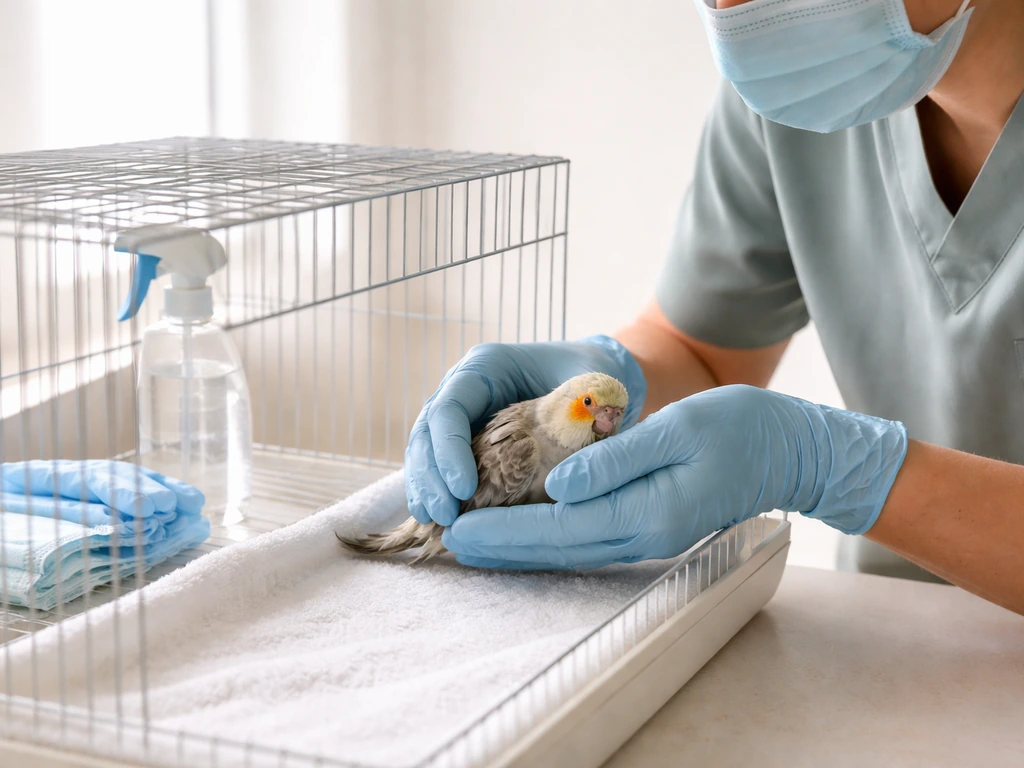
Speed matters. If your bird is showing respiratory distress, neurological signs, or has suddenly deteriorated, treat it as an emergency and contact an avian vet the same day. While you are arranging that, here is what to do immediately.
- Isolate the sick bird immediately. Move it to a separate room with its own food, water, and equipment. Use separate tools for cleaning. Do not let the sick bird near other birds.
- Keep the bird warm. A sick bird that can't thermoregulate will deteriorate faster. Aim for around 85–90°F (29–32°C) using a heat lamp positioned so the bird can move away from the heat if needed.
- Do not force-feed or give supplements you are unsure about. Offer fresh water and soft, easy-to-eat food, but do not stress the bird further with handling unless necessary.
- Wash your hands thoroughly after handling the sick bird or anything in its environment. Change clothes if you have other birds at home. Virus on your hands, clothing, or shoes can travel to other animals.
- Do not use antibiotics you have at home without a vet's direction. Viral illness will not respond to them, and using them incorrectly can cause resistance problems and delay the right treatment.
- Write down what you have observed: when signs started, what they look like, what the bird has been eating, and whether it has had any contact with new birds or wild birds recently. This history is invaluable for the vet.
If you have a backyard flock and suspect avian influenza specifically, USDA APHIS is the right contact. Highly pathogenic avian influenza is a reportable disease, meaning your vet is legally required to notify animal health authorities. This is not a reason to avoid the vet. Early reporting protects your birds and others in the area.
How vets diagnose viral illness in birds
A good avian vet will start with a thorough physical exam and a detailed history of exposure, recent additions to the flock, and symptom progression. From there, diagnosis usually involves a combination of the following.
Laboratory testing
PCR (polymerase chain reaction) testing is the gold standard for most avian viral diseases. It is highly sensitive and specific. For Pacheco's disease, Washington State University's WADDL notes that PCR on both a blood sample and a cloacal swab gives the most complete picture. For Pacheco's specifically, PetMD confirms that PCR of droppings and a blood test can help establish status. For avian influenza, nasopharyngeal swabs and cloacal swabs are submitted. For fowlpox, Merck notes PCR can detect fowlpox virus-specific genes alongside evaluation of the characteristic lesions.
Other diagnostic tools
- Complete blood count (CBC) and blood chemistry panel to assess organ function and immune response
- Radiographs (X-rays) to look for fluid, masses, or organ enlargement
- Necropsy (post-mortem examination) if a bird has died, which can yield definitive answers and protect remaining birds
- Gross and microscopic lesion evaluation, particularly useful for fowlpox and pox-like conditions
If you have multiple birds and one has died, a necropsy is one of the most useful things you can do. It feels difficult, but the information it provides can save the rest of your flock.
Treatment and what to realistically expect
Here is the honest reality: most viral infections in birds have no specific cure. Treatment is almost always supportive, meaning the goal is to keep the bird stable and comfortable while its immune system fights the virus. AAHA is explicit that there is no approved treatment or vaccine authorized for HPAI H5N1 in companion birds in the United States. Antiviral drugs exist for some human viral diseases, but approved avian antivirals are rare, and their use in companion birds is extremely limited.
Supportive care basics
- Heat support to maintain body temperature and reduce metabolic stress
- Fluid therapy (oral or injectable) to prevent or correct dehydration
- Nutritional support, including assisted feeding if the bird stops eating on its own
- Oxygen therapy for birds in respiratory distress
- Anti-nausea medications or gut motility drugs if the bird is vomiting or has GI signs
- Pain management where appropriate
When antibiotics come in
Antibiotics are not for the virus. But because viral illness suppresses the immune system, secondary bacterial infections are genuinely common, especially in the respiratory tract and gut. If your vet prescribes antibiotics alongside supportive care, that is why. It does not mean they have misdiagnosed the case. It means they are treating a known complication.
Prognosis
Prognosis varies enormously depending on the specific virus, the bird's age and immune status, and how quickly treatment started. Mild avian pox often resolves on its own, as Cornell's Center for Wildlife Health notes that most mild cases resolve without intervention. At the other end of the spectrum, HPAI H5N1 and exotic Newcastle disease can be fatal very quickly, and USDA notes mortality in unvaccinated birds can reach 100% with exotic Newcastle disease. The bird disease question, such as whether it is the bird disease over, often comes down to whether HPAI H5N1 is involved and how fast appropriate care is started. PBFD in young birds carries a poor long-term prognosis because it destroys the immune system, while some adult birds with PBFD live for years with careful management.
Prevention and biosecurity: the practical steps
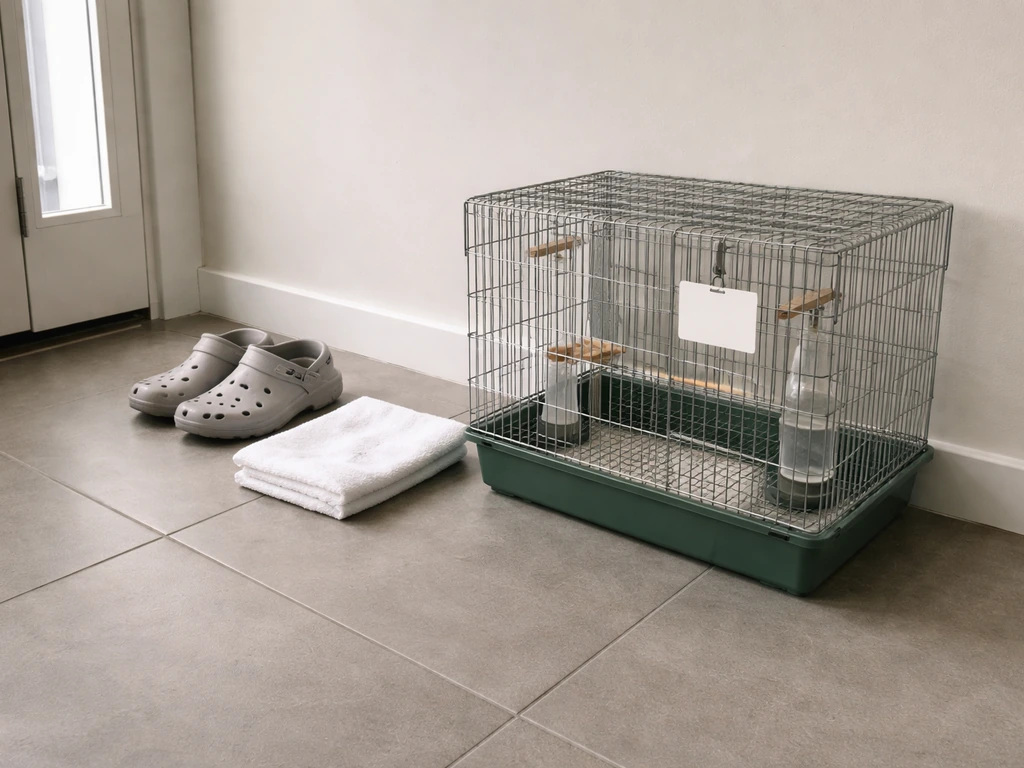
Prevention is far more effective than treatment for virtually every bird virus. Whether you keep a single pet parrot or a backyard flock of 30 chickens, the same core principles apply.
For pet bird owners
- Quarantine every new bird for at least 30 days before introducing it to existing birds. AAHA recommends this specifically in the context of H5N1 preparedness, but it applies to every new arrival regardless of species or apparent health.
- Ask for health testing before purchasing or adopting. For psittacines, PBFD and polyomavirus PCR testing before a bird enters your home is standard practice at responsible breeders.
- Avoid bird markets, swap meets, and pet stores where birds from many sources mix without quarantine.
- Wash hands before and after handling your bird, and do the same after handling any other bird or visiting a place where birds live.
- Keep your bird away from wild birds. Even through a window screen, virus-laden droppings from wild birds can get close enough to pose a risk.
For backyard flock owners
- Use dedicated footwear and clothing for the coop area. Avian influenza virus travels on boots and clothing, so keeping dedicated gear at the coop entrance is a real barrier.
- Limit access to your flock from visitors who have been around other birds.
- Prevent contact between your flock and wild waterfowl or migratory birds by using netting or covered runs. During migratory seasons, USDA APHIS specifically warns that wild birds are the primary HPAI transmission source via contaminated droppings and water.
- Disinfect feeders, waterers, and equipment regularly. Most enveloped viruses (like influenza) are killed by common disinfectants, but timing and contact time matter.
- Report unusual illness or sudden deaths to your state veterinarian or USDA APHIS right away. Early detection limits how far an outbreak spreads.
Vaccination where it applies
Vaccines exist for some avian viruses in poultry settings, including Newcastle disease. Talk to an avian vet or poultry extension specialist about which vaccines are appropriate for your specific flock type and location. For pet birds, vaccination options are much more limited, which makes the quarantine and biosecurity steps above even more important.
If you are trying to understand the broader landscape of avian illness beyond viral causes, it is worth knowing that bacterial infections, fungal disease, and parasites can all mimic viral signs. If you want the latest on bird disease, including outbreak updates and emerging patterns, check the latest on bird disease before planning your next biosecurity steps. If you are wondering why this condition was given the name “bird fever,” it helps to know a bit about how names like this vary by outbreak and region why was bird fever named so. The question of what bird disease is currently circulating in your area is also worth asking your local avian vet, since disease pressure varies by region and season. If you are wondering whether "the fever bird" is real, the best approach is to look for verified outbreaks and veterinary guidance in your area rather than rumors is the fever bird real. The key takeaway is that any sick bird deserves prompt attention, good isolation hygiene, and a proper diagnosis before treatment begins.
FAQ
Can humans catch a bird virus from a pet bird or backyard flock?
Some bird viruses can infect people, but the risk depends on the specific virus and exposure type. If your bird has suspected avian influenza or other high-concern illness, minimize close contact, wear appropriate protection during cleaning, and have your vet guide whether any public health notification or precautions are needed.
Are antibiotics completely useless when a bird has a viral infection?
They are not used to kill the virus itself, but vets may prescribe antibiotics if there is evidence of secondary bacterial infection (for example, worsening discharge, persistent respiratory signs, or suspected gut infection). Ask your vet what finding prompted the antibiotic and when to reassess, so you do not continue it longer than necessary.
What should I do with droppings, cages, and surfaces when I suspect a bird virus?
Treat it as contaminated material. Remove birds from shared spaces if possible, clean visible waste promptly, and disinfect using products appropriate for avian pathogens. Because some viruses can persist in dried material, avoid dry sweeping, and wash hands and change clothing before handling other birds.
How soon after exposure do viral symptoms appear in birds?
Timing varies by virus, with some incubating quietly for days to weeks, and some conditions allowing long asymptomatic carriage (notably PBFD). If you recently brought in a new bird or had contact with wild birds, monitor closely even if the bird looks normal and start quarantine before illness develops.
Is it possible to have a viral infection without obvious respiratory symptoms?
Yes. Many bird viruses can show multi-system signs, including neurological changes, skin or feather changes, or digestive illness, sometimes with little to no nasal involvement early on. If your bird has behavior changes, balance issues, or progressive feather or beak abnormalities, treat it as potentially viral and seek avian-specific care.
What is the safest way to isolate a sick bird at home?
Use a separate room if possible, keep food and water items dedicated to the sick bird, and handle the sick bird last. Limit people traffic and avoid sharing towels, perches, or tools between birds. If you have multiple species, isolate by species since cross-exposure can complicate diagnosis.
When should I consider emergency care versus a routine appointment?
Go the same day if your bird has trouble breathing (open-mouth breathing, heavy breathing), acute neurological signs (falling, circling, twisted neck), or rapid deterioration. Birds can worsen quickly, and delays can reduce the chance to stabilize breathing, hydration, and body temperature.
If one bird dies, do I need a necropsy even if the rest look healthy?
It is strongly helpful, because the cause can change your prevention strategy for the remaining flock. Necropsy results can guide whether to maintain strict isolation longer, which tests to run on survivors, and whether other birds require treatment for complications.
What sample types are typically used for viral testing in birds?
Testing often uses PCR, and sample choice depends on the suspected disease. Common approaches include swabs from the respiratory tract and/or cloaca, blood, and sometimes droppings. If your bird is worsening, ask your vet which samples best match the signs you are seeing, since timing and site selection affect accuracy.
Why might PCR be negative even if the bird clearly looks sick?
False negatives can occur if the wrong sample type was collected, the sample was taken too early or too late in the course, or the viral load is low at that site. Ask the vet whether repeat sampling is appropriate, and whether bacterial cultures or imaging should be considered to explain persistent symptoms.
Are there vaccines for pet birds, and should I vaccinate for every bird virus?
Vaccination options for companion birds are limited compared with poultry, and not every virus has a vaccine available or appropriate for your species. A vet can advise based on your bird type, local disease pressure, and whether vaccination would help prevent the most likely threats for your household.
How long should I keep a new bird in quarantine?
Quarantine length depends on the species and the region’s circulating diseases, but a common practical approach is longer than the incubation period for the most likely viruses, and it often includes at least an initial vet check and, when feasible, testing. If the bird develops any symptoms, extend isolation and retest based on what the symptoms suggest.
What supportive care can I ask my vet about if there is no specific cure?
Support typically includes maintaining hydration and calories, oxygenation if breathing is compromised, temperature support for sick birds, and managing secondary infections when present. Ask specifically about a plan for nutrition, warmth targets, and follow-up timing, since supportive needs change quickly.
Next Article
What Bird Disease Is Going Around: Symptoms and What to Do Now
Identify common contagious bird illnesses, match symptoms, avoid look-alikes, and follow immediate isolation and vet-cal