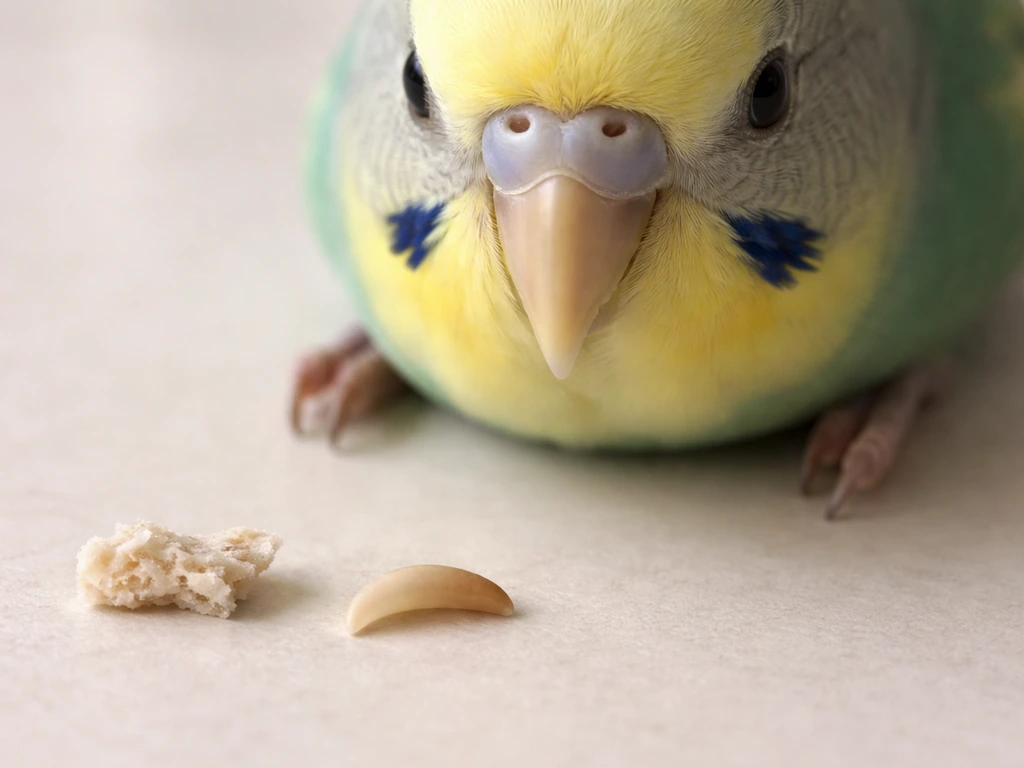
If a bird has been around a bird cherry tree (Prunus padus or related Prunus species) and is suddenly showing breathing difficulty, weakness, or collapse, treat it as a potential poisoning emergency. The leaves, seeds, bark, and unripe fruits of these trees contain cyanogenic glycosides that can release hydrogen cyanide when chewed or crushed, and acute cyanide poisoning in birds can be fatal within hours. Get to an avian vet fast, and keep reading so you know exactly what to watch for and what to do right now.
Bird Cherry Tree Problems: Symptoms, First Aid, and Prevention

Marcus Webb
12 May 2026
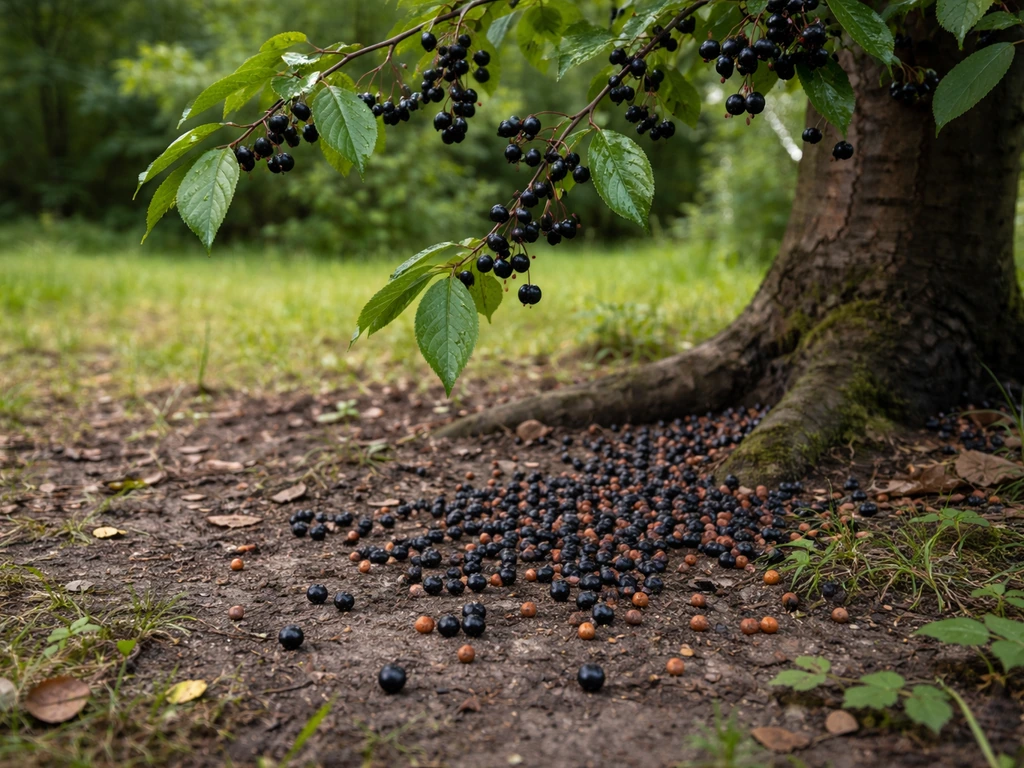
Why cherry trees are a real health risk for birds
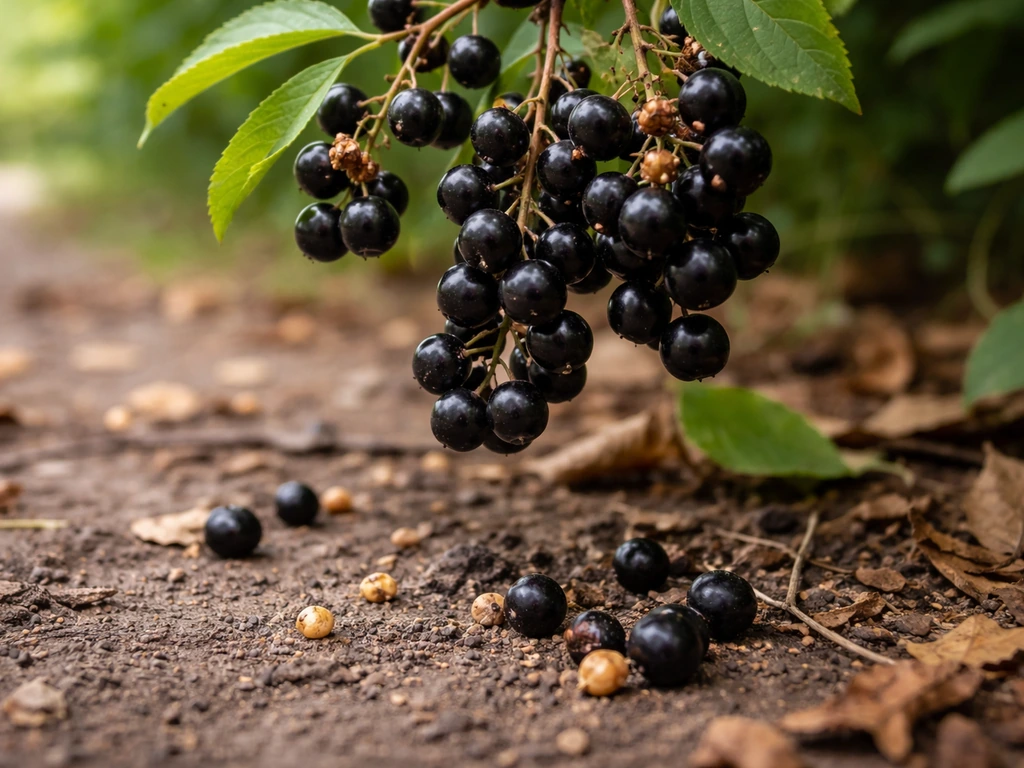
Bird cherry trees look harmless and are genuinely attractive to birds, which is part of the problem. Prunus padus produces berries that wild birds love, and ornamental cherry varieties are common in gardens where pet birds may spend outdoor time. The danger lies in the chemistry: the bark, unripe fruit, leaves, and especially the seed kernels inside the pits contain cyanogenic glycosides, specifically compounds like prunasin, prulaurasin, and amygdalin.
When a bird crushes or chews these plant parts, the glycosides are hydrolyzed and release hydrogen cyanide (HCN). HCN blocks mitochondrial oxidative phosphorylation, which is the process cells use to produce energy. The result is histotoxic anoxia: the bird's cells suffocate even when oxygen is available. This is why respiratory distress is such a prominent early sign.
Beyond direct toxin exposure, ornamental cherry trees are frequently treated with pesticides, fungicides, or herbicides. Bird nest spruce problems can look different, but poisoning and toxic exposure are still common causes of sudden illness in birds pesticides, fungicides, or herbicides. A bird that forages on treated foliage or bark can absorb organophosphates or other compounds that produce their own serious neurological and respiratory symptoms. So when you see a sick bird near a cherry tree, there are at least two distinct hazard pathways worth considering.
How birds actually get exposed
Understanding the exposure route helps you give useful information to a vet and figure out how urgent the situation is.
- Eating the seed kernel: The fleshy berry pulp contains lower concentrations of cyanogenic compounds than the kernel inside the pit. A bird that cracks open and eats the seed kernel gets the highest dose.
- Chewing leaves or bark: Especially unripe or damaged leaves, where glycoside concentrations are higher and cellular disruption accelerates HCN release.
- Consuming unripe fruit: Unripe cherries have significantly higher cyanogenic glycoside levels than ripe ones.
- Foraging on treated trees: Pesticide or fungicide residue on leaves, bark, and fruit surfaces. Risk spikes right after spraying or during dry weather when residue concentrates.
- Nesting in treated or infested trees: Birds nesting in trees sprayed with chemicals or heavily colonized by caterpillar infestations (bird cherry ermine moth is common on Prunus padus) may experience prolonged low-level exposure.
- Wild foraging vs. captive exposure: Wild birds self-regulate more and usually eat ripe pulp without cracking pits. Pet birds given cherry-related food scraps, or allowed outdoor time near Prunus trees, face a more concentrated and direct risk.
Symptoms to watch for, in pet birds and wild birds
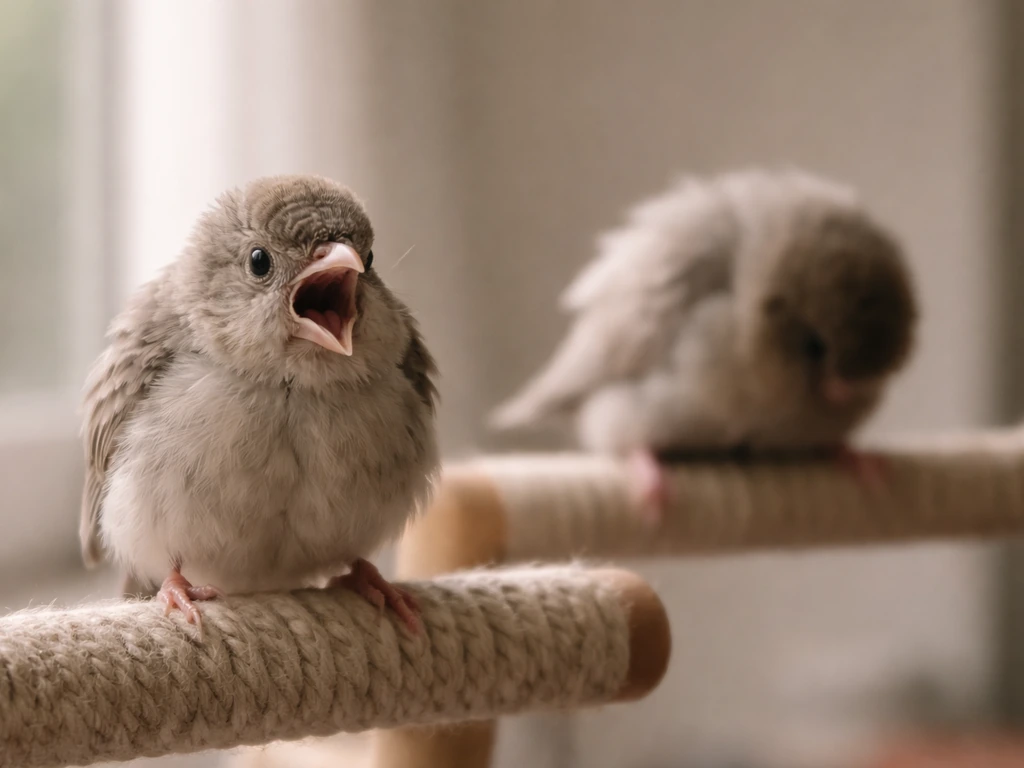
The clinical picture can vary depending on how much the bird ingested, how quickly, and which toxin was involved. Cyanide poisoning has a very compressed timeline: signs typically appear within 15 to 20 minutes and can progress rapidly. Pesticide poisoning often builds more gradually. Here is what to look for in both scenarios.
Signs consistent with cyanogenic (HCN) exposure
- Rapid or labored breathing, open-mouth breathing, or gasping
- Sudden extreme weakness or inability to perch
- Bright red or bluish discoloration of mucous membranes (cyanosis)
- Seizures or uncontrolled trembling
- Cardiovascular signs: irregular heartbeat, pale or blue coloring around the face
- Sudden collapse or loss of consciousness
- Vomiting or diarrhea preceding or alongside neurological signs
Signs consistent with pesticide/chemical exposure
- Excessive salivation or discharge from nostrils
- Muscle twitching, tremors, or inability to coordinate movement
- Dilated or pinpoint pupils
- Lethargy progressing over minutes to hours
- Respiratory distress with audible clicking or wheezing
- Crop stasis or visible abdominal discomfort
Pet birds vs. wild birds: practical differences
With a pet bird, you have a big advantage: you can observe it closely, know its baseline behavior, and act quickly. Any sudden behavior change in a pet bird that has been near a cherry tree is a red flag. With wild birds, you are more likely to encounter one already in late-stage distress because wild birds hide illness until they can no longer do so. A wild bird found on the ground near a cherry tree, unable to fly, should be treated as an emergency from the moment you spot it.
Also worth noting: if you are seeing multiple wild birds showing distress in the same area around a specific tree, pesticide contamination becomes more likely than individual plant toxin ingestion, and you should alert your local wildlife authority in addition to seeking vet help.
Home triage: what you can check right now

Do not attempt to treat the bird yourself, but do use the next few minutes to gather information and stabilize the situation while you arrange vet transport.
- Confirm the exposure: Look at the tree. Are there cracked cherry pits on the ground? Evidence of chewing on leaves or bark? Fresh pesticide smell or visible spray residue? Take a quick photo of the tree and any plant material the bird may have consumed.
- Check breathing: Is the bird breathing rapidly, struggling, or breathing with its beak open? Count breaths if you can; a bird at rest that is breathing visibly fast or with effort needs urgent care.
- Check posture and muscle control: Can it grip a perch? Is it falling to one side or trembling? Neurological signs alongside respiratory signs are a serious combination.
- Look at color: Check the area around the beak, cere, and feet. Pale, blue, or grayish color suggests oxygen deprivation.
- Note the timeline: When did you last see the bird behaving normally? Cyanide signs appear within 15 to 20 minutes of ingestion, so a tight timeline points toward acute plant toxin exposure.
- Contain and warm the bird: Place a pet bird in a small, covered carrier with a warm (not hot) towel underneath to prevent heat loss. Keep the environment quiet and dark to reduce stress. Do not put food or water in front of a bird showing respiratory distress or neurological signs.
- Do not induce vomiting: This is counterproductive in birds with neurological or respiratory compromise and can cause aspiration.
When to go to the vet urgently, right now
With suspected cyanide poisoning, the window is brutal: survival after symptom onset is rarely more than two hours. EFSA Journal (2016) provides an example stoichiometry showing how amygdalin degradation can quickly generate hydrogen cyanide, supporting the rapid and severe nature of cyanide poisoning survival after symptom onset is rarely more than two hours. Do not wait to see if the bird improves on its own. Call an avian vet or emergency animal clinic immediately if you see any of the following.
- Open-mouth breathing, gasping, or visible effort with each breath
- Collapse, inability to stand, or loss of consciousness
- Seizures or uncontrolled tremors
- Cyanosis: bluish or gray coloration of beak, cere, or feet
- Sudden complete lethargy after known or suspected exposure to cherry tree material
- Multiple birds showing simultaneous distress in the same location
- Any bird that was fine and is now completely unresponsive within minutes to an hour
For wild birds, contact a licensed wildlife rehabilitator as well as an avian vet. Many emergency animal hospitals can advise by phone even if they cannot treat wildlife directly. When you call, tell them: the type of tree, what plant material you think the bird ingested, approximately when exposure may have occurred, and the specific symptoms you are seeing. That information helps them prepare for your arrival.
What to do and what to avoid right now
Do these things
- Move the bird away from the tree and any plant material immediately.
- Keep it warm, quiet, and calm in a covered carrier or box.
- Phone an avian vet or wildlife rehabilitator while you are preparing to travel, not after.
- Bring a sample of the plant material (a leaf or berry in a sealed bag) to help the vet identify the toxin pathway.
- Note and report any pesticide treatments the tree may have received, including product name if you know it.
- If you witnessed the bird eating something specific (a cracked pit, a leaf), tell the vet exactly that.
Avoid these things
- Do not give the bird water or food if it has breathing trouble or cannot swallow normally.
- Do not try to induce vomiting or flush the crop yourself.
- Do not leave the bird alone in a cold or overly stimulating environment.
- Do not assume the bird will recover on its own because cyanide toxicity is progressive.
- Do not handle the bird more than necessary; stress significantly worsens outcomes in compromised birds.
- Do not use human medications or home remedies.
Preventing problems: safer habitat management and feeding
If you have pet birds and a bird cherry or other Prunus tree in your garden, the simplest fix is to keep outdoor birds away from areas where they could access fallen fruit, cracked pits, or chewed bark. A physical barrier around the base of the tree during fruiting season is practical and effective.
For wild bird feeding, avoid offering any stone fruit scraps that include the pit, and do not put out unripe cherry-family berries. Ripe fleshy pulp of sweet cherries in very small amounts is considered lower risk, but it is safer to simply skip cherry-family foods for pet birds altogether. Stick to commercially prepared seed mixes, pellets, and known-safe fresh produce.
If you are managing a garden or property where wild birds nest, think carefully before using pesticides on any Prunus tree during nesting season. For example, bird nest fern problems can also show up during nesting season when ferns are disturbed or treated with chemicals, so it helps to consider the plant sources in the yard. Organophosphate and carbamate pesticides are particularly dangerous to birds, and residue persists on leaf surfaces. If treatment is necessary, choose a bird-safe product, apply it in the evening when birds are less active, and keep birds away from the area for the full re-entry interval on the product label.
For nesting habitat: bird cherry trees do provide valuable nesting cover, and you do not need to remove them entirely. Instead, focus on reducing the two main risks. Remove fallen fruit promptly during fruiting season so birds are not exposed to cracked, fermenting, or pit-accessible berries on the ground. And if you are aware of caterpillar infestations (the bird cherry ermine moth can defoliate whole branches), address those with targeted, bird-safe methods rather than broad-spectrum sprays.
Safer feeding alternatives for birds that visit cherry trees
- Rowan berries, elderberries, and hawthorn berries are all safer wild food sources for garden birds.
- Commercially prepared suet cakes, sunflower seeds, and nyjer seeds provide reliable nutrition without toxin risk.
- For pet birds: blueberries, watermelon, and leafy greens like kale are safe fresh food options that replace any temptation to offer cherry-family fruits.
- Provide fresh water in a bird bath away from Prunus trees to reduce the chance that birds drink water contaminated by fallen leaves or fruit.
If you are already thinking about other health issues that can present similarly, beak problems and crop infections can both produce breathing changes and lethargy that look alarming. Bird crop infection symptoms can also include lethargy and breathing trouble, so timing and context are important when triaging a sick bird crop infections. The key difference with cherry tree exposure is the timing relative to access to the tree and the speed of onset. Sudden neurological signs appearing minutes after outdoor access near a Prunus tree should always point you toward toxin exposure first. Bird clinical signs of organophosphate toxicity in Michigan DNR guidance include dyspnea, salivation or eye-lid droop, diarrhea, and wing-spasm or convulsive signs, with death due to respiratory failure Sudden neurological signs appearing minutes after outdoor access.
FAQ
What should I tell the avian vet if I suspect bird cherry tree problems but I am not sure the bird ate anything?
Provide the tree species (Prunus padus or ornamental cherry), how long the bird was outdoors, what plant parts were accessible (fallen berries, pits, chewed bark, leaves), and the exact timeline from first noticed symptom to your call. If you can, also mention whether other birds are showing signs in the same area, because that pattern can suggest pesticide residue rather than plant toxin.
Can a bird cherry seed kernel inside a pit be more dangerous than the berry pulp?
Yes. The cyanide risk is highest when pits are cracked and kernels are chewed or crushed, because the cyanogenic glycosides are concentrated in those parts. Berry pulp may be lower risk in small amounts, but once a pit is accessible, treat it as a high-risk exposure.
How fast do bird cherry tree problems from cyanide typically progress, and what does that mean for decision-making?
With cyanide poisoning, signs commonly start within minutes to about 20 minutes after chewing or crushing plant material, and deterioration can be very rapid. If a bird was near a Prunus tree and develops sudden breathing difficulty or collapse, do not wait for improvement, start urgent transport planning immediately.
What symptoms make pesticide or chemical exposure more likely than cyanogenic poisoning?
If symptoms appear more gradually, or multiple birds in the same yard or feeding area become ill around the same time, pesticide or chemical exposure becomes more likely. Also consider chemical exposure if you notice residue on foliage or bark, or if the bird seemed affected after contacting or ingesting treated plant surfaces.
Should I try to remove plant material from a pet bird’s beak or mouth?
Do not attempt home detoxification or induce vomiting. If plant debris is visible, you can gently prevent further chewing by separating the bird from the source and keeping it warm and calm while you arrange veterinary help, but focus on immediate transport. Forcing anything into the mouth or trying to flush the crop can worsen distress.
Is it safe to give activated charcoal or any home remedy for suspected bird cherry tree problems?
No, not without veterinary guidance. Timing and the specific toxin matter, and some interventions can delay critical care or complicate diagnosis. Instead, prioritize emergency contact, minimize handling stress, and keep the bird in a secure, dark, warm carrier for transport.
What is the best way to contain a wild bird with suspected toxin exposure before help arrives?
Handle as little as possible, use a towel or ventilated carrier, and reduce visual and handling stress. Keep it in a warm, quiet place and avoid offering food or water. If the bird is barely moving or unable to stand, treat it as a time-critical emergency while you coordinate both a wildlife rehabilitator and an avian vet.
If multiple wild birds are sick near one tree, does that change what I should do?
Yes. Multiple affected birds in the same area suggests a shared exposure like pesticide contamination or widespread residue, not just individual accidental foraging. Alert your local wildlife authority or relevant agency in addition to veterinary or rehabilitator calls, and note the exact tree location and recent treatments if you know them.
How can I reduce risk in my yard without removing bird cherry trees entirely?
Focus on the two main hazards: access to fallen fruit and access to cracked pits. Remove fallen fruit promptly during fruiting season, keep birds from reaching accessible pits underfoot, and consider a temporary physical barrier around the base to prevent access to chewed bark and fallen seeds.
What should I avoid feeding to pet birds if I have Prunus trees at home?
Avoid any cherry-family items that may include pits (whole cherries with pits intact, dried fruit that includes hard seed parts, or anything where the pit could be cracked). If you want fruit, choose safer options that do not belong to the Prunus family and stick to known-safe, bird-appropriate foods to reduce accidental access to cyanide-containing parts.
If I must use pesticides on a Prunus tree near birds, what precautions actually reduce bird cherry tree problems risk?
Use bird-safe products when possible, apply at a time when birds are less active, and strictly follow the label re-entry interval. Because residue can persist on leaf surfaces, keep birds away for the full interval, and avoid broad-spectrum products when alternatives exist, especially those associated with organophosphate or carbamate effects.
Could other illnesses look like bird cherry tree problems, and how do I avoid missing them?
Yes. Breathing changes and lethargy can also occur with crop infections and some beak or respiratory disorders. The key triage rule is context and timing: sudden neurological or respiratory signs shortly after outdoor access near a Prunus tree should raise toxin exposure to the top of your priority list.
Next Article
Bird Beak Problems: Symptoms, Causes, Safe At-Home Steps
Spot beak deformities, wounds and discharge, assess safely at home, know causes, diet fixes, and when to see an avian ve