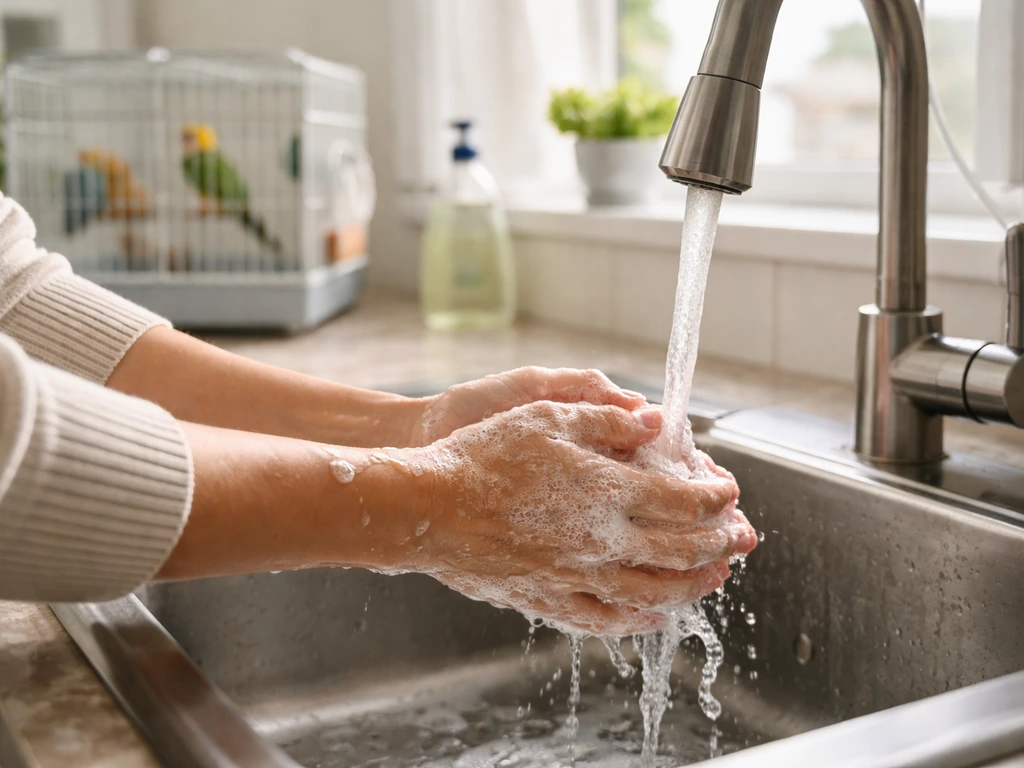
No, a bird GIF cannot make you sick. Neither can a bird photo, video, meme, or any other digital image. There is no biological mechanism by which a static or animated image transmits viruses, bacteria, fungi, or parasites to a human viewer. If you watched a GIF of a sneezing parrot and now you're worried, you can let that concern go completely.
You Can’t Get Diseases From a Bird GIF: What’s Real

Marcus Webb
29 Apr 2026

Why people worry about getting sick from bird images
It sounds like an obvious thing to dismiss, but the worry makes sense when you think about the context. Bird diseases like avian influenza (bird flu) and psittacosis get a lot of alarming headlines. If you've been reading about how infectious these illnesses can be, it's easy for anxiety to outpace logic, especially when you've just watched a video of a sick-looking bird or stumbled on content describing bird disease outbreaks.
Some people also conflate digital viruses with biological ones. Computer viruses are called viruses because they spread and replicate, which sounds a lot like what biological pathogens do. That fuzzy overlap in language can create a strange mental association between viewing something online and being at risk from what it depicts.
The concern is also worth addressing plainly because the diseases themselves are real. Bird flu, psittacosis, salmonella, and Newcastle disease are genuine zoonotic risks for people who spend time around birds. Understanding what actually puts you at risk helps you focus your worry in the right direction.
What diseases can actually spread from birds to people
Several diseases can pass from birds to humans, but they all require one thing: real, physical contact with the bird or something the bird has contaminated. Here are the main ones to be aware of.
Psittacosis (parrot fever)
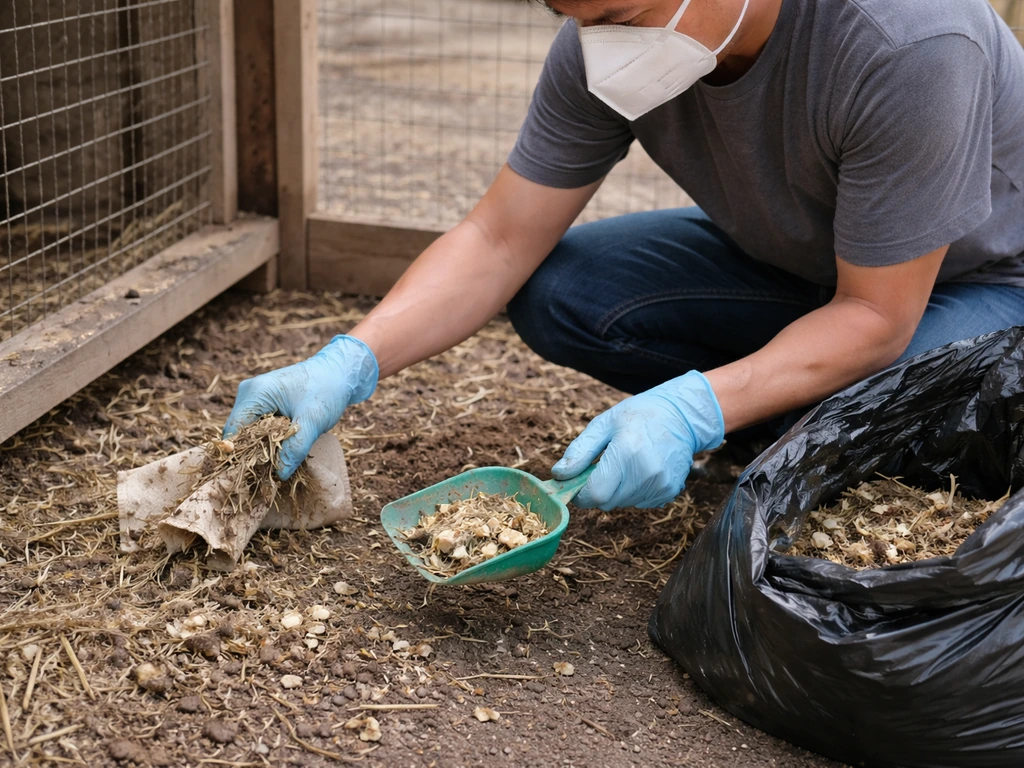
Psittacosis is caused by the bacterium Chlamydia psittaci and is probably the most relevant disease for pet bird owners. Birds shed it in their droppings and respiratory secretions, and the most common way people get infected is by breathing in dust from dried droppings or secretions. This can happen during cage cleaning if you disturb dry material and inhale the particles. It can also, less commonly, occur through bites or beak-to-mouth contact. Even brief, passing exposure to an infected bird or its contaminated droppings has been documented as enough to cause infection.
Avian influenza (bird flu)
Human cases of avian influenza happen after close exposure to infected birds or contact with virus-contaminated environments. Transmission routes include inhalation of respiratory secretions and direct contact with infected feces, saliva, or mucus. The CDC notes that wild birds can carry bird flu without appearing sick, which is why exposure precautions matter even around apparently healthy birds. Sustained human-to-human transmission has not been identified, according to the WHO.
Salmonella
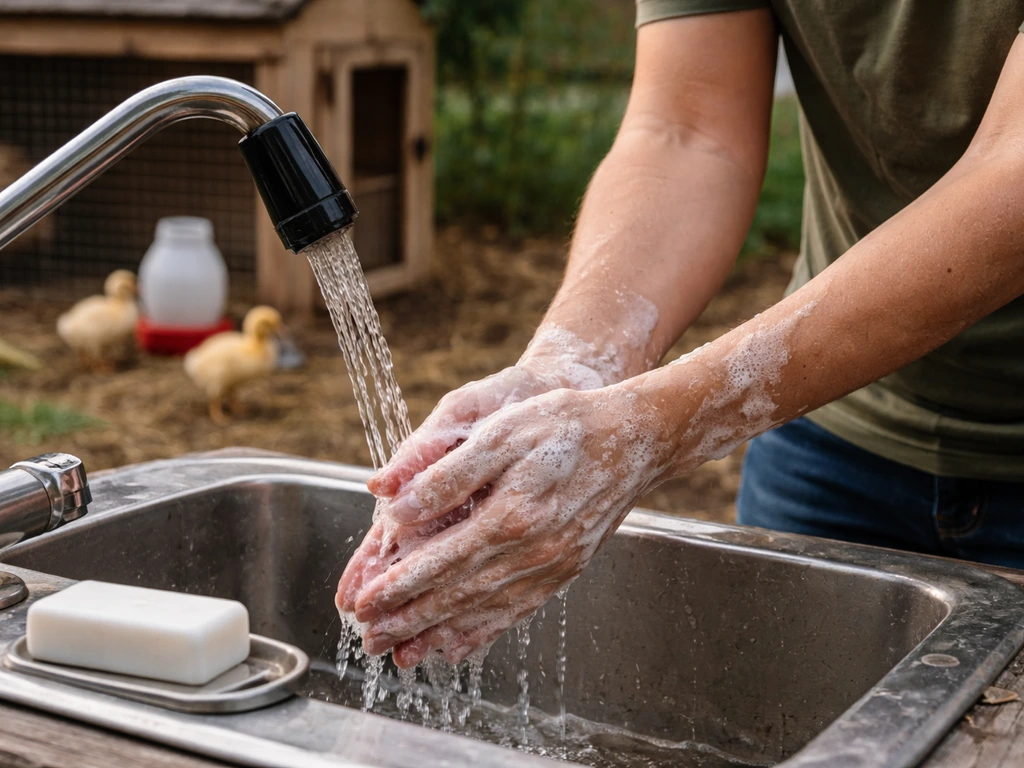
Salmonella can spread through direct contact with infected birds or by ingesting food or water contaminated with bird feces. Backyard poultry, including chicks and ducklings, are a known source. The CDC has linked multiple outbreaks specifically to handling baby poultry and not washing hands afterward.
Newcastle disease
Newcastle disease spreads via direct contact with feces and respiratory discharges from infected birds, and also through contaminated food, water, equipment, and clothing. In humans, significant exposure can occasionally cause a brief, mild conjunctivitis (eye irritation), but this is typically associated with high-exposure situations like working directly with heavily infected birds.
The common thread
Every single one of these diseases requires a physical portal of entry: inhaling contaminated aerosols or dust, touching mucous membranes after contact with contaminated surfaces, ingesting something contaminated, or direct injury like a bite or scratch. Infection depends on the dose of the pathogen, the route it enters the body, and your own immune defenses. A screen displaying an image of a bird provides none of those conditions.
Why a bird GIF literally cannot infect you
A GIF is a file format. It stores color and timing data for animated images. When you open a GIF, your device reads that data and displays pixels on a screen. There is no biological material involved at any point in that process. Viruses, bacteria, parasites, and fungi are physical, living (or quasi-living, in the case of viruses) entities that require physical transmission to reach a host. They cannot travel through a JPEG, MP4, or GIF file, through a screen, or through the light emitted by a display.
For any bird disease to infect you, pathogens need to actually reach your body through a recognized route: your respiratory tract via inhaled aerosols or dust, your digestive system via ingestion, your eyes or mucous membranes via contaminated hands or splashes, or broken skin via a bite or scratch. Doctors wearing bird masks is one example of how they protect themselves from real pathogens during close exposure pathogens need to actually reach your body. Watching a screen provides none of these. The only possible overlap is if you touched a physical device that had contaminated material on it, but that would be about the surface of the device, not the image itself.
What to do if you're still feeling anxious
If you're reading this because you genuinely felt a spike of worry after watching a bird video, the most useful thing you can do right now is run through a quick reality check based on actual exposure.
- Ask yourself: have you physically touched a bird, its droppings, its cage, its food, or its bedding recently? If the answer is no, your risk from any bird disease is effectively zero right now.
- If you have handled a bird or cleaned a cage recently, wash your hands thoroughly with soap and running water. The CDC recommends this as the single most effective step after any bird contact.
- If you've been cleaning a cage and inhaled dust, note the date and watch for symptoms over the next week or two. Psittacosis symptoms typically appear within 5 to 14 days of exposure and include fever, headache, muscle aches, and dry cough.
- If you work with poultry or wild birds and had unprotected close contact with birds showing illness signs, monitor yourself for respiratory symptoms or eye redness. Bird flu symptoms typically appear within 2 to 7 days of exposure.
- If you're a bird owner generally anxious about disease risk, the most practical steps are routine handwashing after every handling session, keeping your bird's cage clean (daily food and water bowl cleaning, regular surface cleaning with disinfectant), and scheduling routine vet check-ups.
If you don't have a bird and you've only seen bird content online, there is genuinely nothing further you need to do. No exposure means no risk.
Bird health red flags: symptoms to watch for in your bird
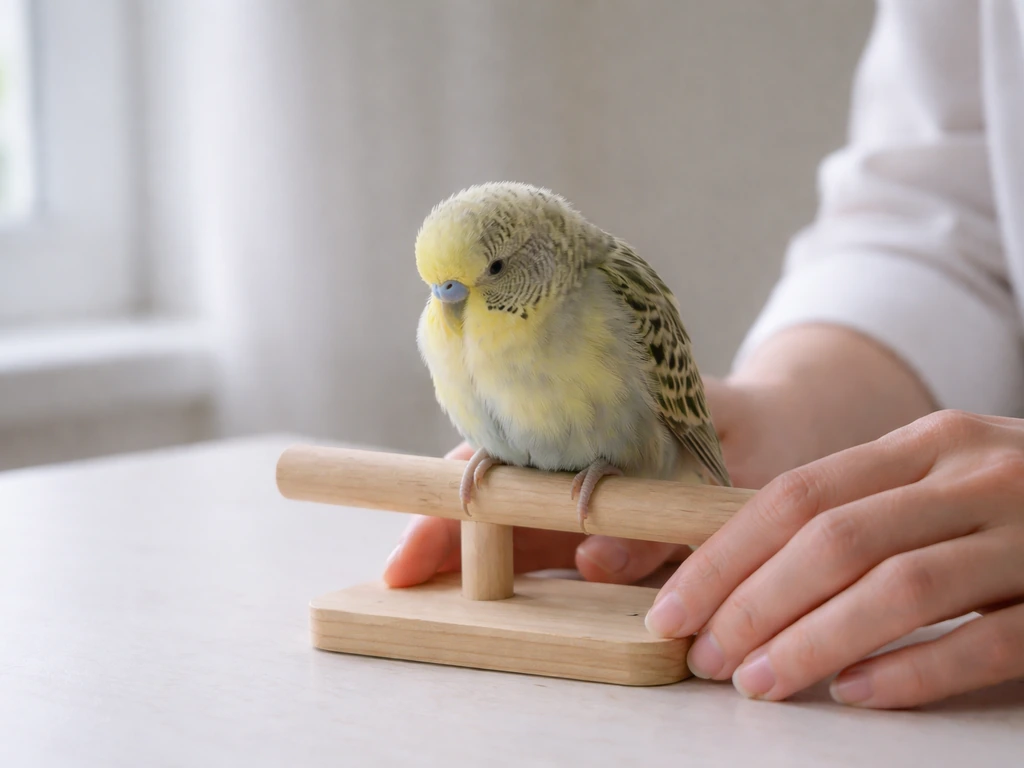
If you're a bird owner or caretaker, knowing what a sick bird looks like is far more practically useful than worrying about image transmission. Many bird diseases are most dangerous when they go undetected in the bird itself. A healthy bird is one of the best protections for your own health, which is why the CDC recommends routine veterinary care as part of preventing zoonotic disease spread.
Respiratory signs are particularly important to catch early, both for the bird's welfare and because respiratory diseases like psittacosis are among the most transmissible to humans. Watch for:
- Labored or open-mouthed breathing
- Tail bobbing with each breath (a sign the bird is working hard to breathe)
- High-pitched wheezing, clicking, or rattling sounds when breathing
- Sneezing more than occasionally, especially with discharge
- Nasal or ocular (eye) discharge, including watery or crusty material around the nostrils or eyes
- Puffed-up feathers combined with lethargy or loss of interest in food
- Changes in droppings (color, consistency, or volume)
- Sudden weight loss or a noticeably keel bone protruding
Birds instinctively hide illness until they can no longer compensate, which means visible symptoms often indicate the bird has been sick for longer than it appears. Early action matters.
When to call an avian vet and how to stay safe around birds
Call your avian vet promptly if your bird shows any of the respiratory red flags listed above, stops eating, has sustained changes in droppings, or seems suddenly lethargic and fluffed up. For serious disease concerns like suspected virulent Newcastle disease, the USDA APHIS advises contacting your accredited veterinarian immediately and reporting the signs for professional evaluation. Don't wait to see if it improves on its own.
For your own safety while handling a sick or potentially infected bird, here are the CDC-recommended precautions:
- Wash hands thoroughly with soap and running water after every contact with birds, droppings, cage surfaces, food bowls, or bedding
- When cleaning cages, wet surfaces with water or a disinfectant before wiping to avoid stirring up dry dust
- Avoid touching your face, eyes, or mouth while handling birds or cleaning their enclosures
- If cleaning a heavily contaminated area, wear gloves, eye protection, and an N95 respirator or well-fitting face mask
- Keep food and water bowls clean daily and clean cage surfaces regularly
- Use hand sanitizer as a backup when soap and water aren't immediately available, such as when children handle birds at events
It's also worth knowing that bird feathers themselves can be a source of contamination if they carry dried fecal material or secretions, which is a separate topic worth understanding if you handle birds regularly. Do bird feathers carry diseases? They can if dried droppings or respiratory secretions get onto the feathers bird feathers themselves. And if you're curious about the history of disease protection around birds, the origins of plague doctor bird masks actually offer a surprisingly relevant window into early thinking about airborne disease transmission.
The bottom line is this: real bird disease risk comes from real physical contact with birds or their contaminated environments. Watching a GIF carries exactly zero risk. If you're a bird owner, your time is much better spent learning the signs of illness in your bird and keeping up with safe handling habits than worrying about anything you've seen on a screen.
FAQ
Can I catch bird disease from a bird video or GIF if it made me anxious but I never touched a bird?
Not unless you also had real physical contact with contaminated bird material. The GIF itself cannot carry pathogens, but if you touched a device or surface that had dried droppings or secretions on it, then touched your eyes, nose, or mouth before washing, that could be a contamination pathway. If that is a concern, wash hands thoroughly (soap and water), avoid touching your face, and clean any visibly soiled surfaces.
If the bird in the GIF is sneezing or looks sick, does that increase my risk from watching?
In general, no. Infection requires a physical route like breathing in dust from droppings, getting contaminated fluid into your eyes, ingesting contaminated material, or getting a bite or scratch. Watching alone, even if the bird looks sick, does not provide those routes. The one exception is if you were actually in a setting with birds and real contaminated dust or splashes, and the screen just increased worry after the exposure.
I cleaned my bird cage after seeing bird disease content online, am I suddenly at risk because I watched a GIF?
Clean-up matters more than your viewing history. If you were cleaning a cage or handling droppings, use good ventilation, consider wearing appropriate respiratory and eye protection if dust is likely, and do the job in a way that minimizes aerosolizing dried material. If you disturbed dry droppings and felt you inhaled dust, that is a scenario where risk is based on the cleaning exposure, not the online content.
Does watching on my phone or computer screen spread anything through light or the device itself?
No. You cannot get infected from light emitted by a screen, and the display process does not create biological material. The practical takeaway is to redirect attention to whether you had any real contact with birds, droppings, or contaminated surfaces, and then follow the routine hygiene steps you would normally use when caring for birds.
What situations involving birds are more likely to lead to infection than just seeing birds online?
Most zoonotic bird diseases are unlikely from casual contact, but certain tasks create more risk, especially those that generate aerosols or involve high contamination (cage cleaning with dried droppings, handling chicks, and cleaning areas with lots of fecal contamination). If you did those tasks without washing hands afterward or without reducing dust, your risk assessment should be based on that task, not the GIF.
If I have symptoms, how do I figure out whether it was the bird content or a real exposure?
If you have ongoing exposure because you own or care for birds, the best “next step” is not medical attention for the GIF, it is consistent prevention: routine veterinary care for the bird, catching respiratory signs early, and using barrier hygiene during cleaning. Seek medical advice if you develop concerning symptoms after a real exposure, such as persistent respiratory illness after significant dust exposure, or eye symptoms after splash-type contamination.
Is there any reason I need post-exposure treatment or testing after watching bird illness content?
Psittacosis and other zoonoses are tied to specific transmission routes and an infectious dose. A brief, noncontact exposure from just watching is not a transmission event. If you truly had no physical exposure to birds or contaminated material, you do not need a post-exposure check solely because you saw a GIF.
What’s the practical hygiene routine if I’m around droppings or cleaning cages and want to reduce zoonotic risk?
If you handle birds or their cages, disinfecting can help reduce risk from physical contamination. Focus on removing visible droppings, then cleaning and disinfecting according to the product label and your bird-safe requirements. Always wash hands after cleaning, and launder clothing used during heavy contact separately if it got soiled.
Could bird feathers or dander, more than the GIF itself, be a disease risk for me?
It depends on how the feathers were contaminated and handled. Feathers can carry dried fecal material or respiratory secretions, and that material can contribute to dust when moved. If you frequently handle birds, prioritize minimizing dust (gentle cleaning, ventilation), and treat feathers and dander as potentially contaminated during grooming or cleaning.
What quick reality-check can I use when anxiety spikes after seeing a bird-related clip online?
A video or GIF can be alarming, but you can use a simple decision rule: only count risk if there was physical contact with the bird or with materials the bird contaminated (droppings, saliva, mucus, feathers with dried residue), and if it got into a route like inhalation of dust, ingestion, eye contact, or broken skin. If those conditions are not met, your risk is effectively zero from the online image.
Next Article
You Can’t Get Diseases From a Bird: What’s True
Learn which bird diseases can spread to humans, key symptoms, and practical hygiene steps to stay safe.