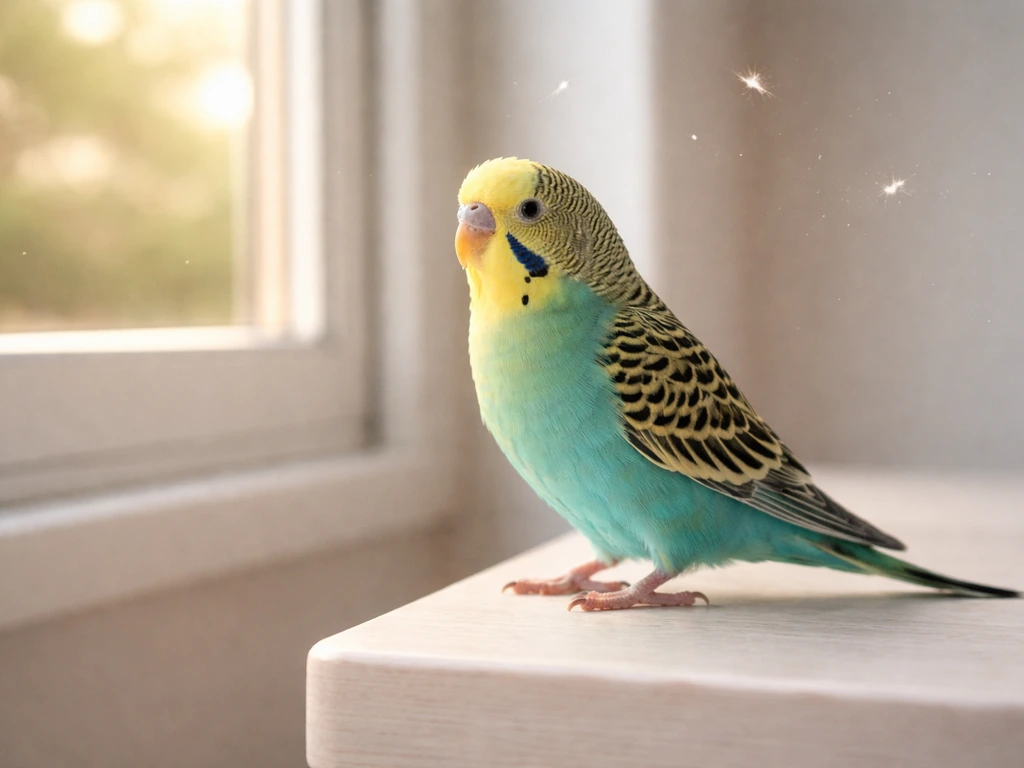
Yes, bird feathers can trigger allergic reactions, but the feathers themselves are rarely the whole story. Are bird allergies common? Many people notice symptoms after being around birds, especially with frequent feather or cage exposure. If you wonder, can you be allergic to bird feathers, the most common answer is yes, since feather-related particles can trigger allergic reactions. What actually causes most reactions are the proteins clinging to those feathers: dried skin cells (dander), saliva, droppings residue, and a fine powder called feather dust. These particles become airborne whenever a bird preens, shakes, or flies around, and they're small enough to travel deep into your airways without you noticing. If you're sneezing, coughing, or wheezing around birds, there's a real biological reason for it.
Can Bird Feathers Cause Allergies? Symptoms and Fixes

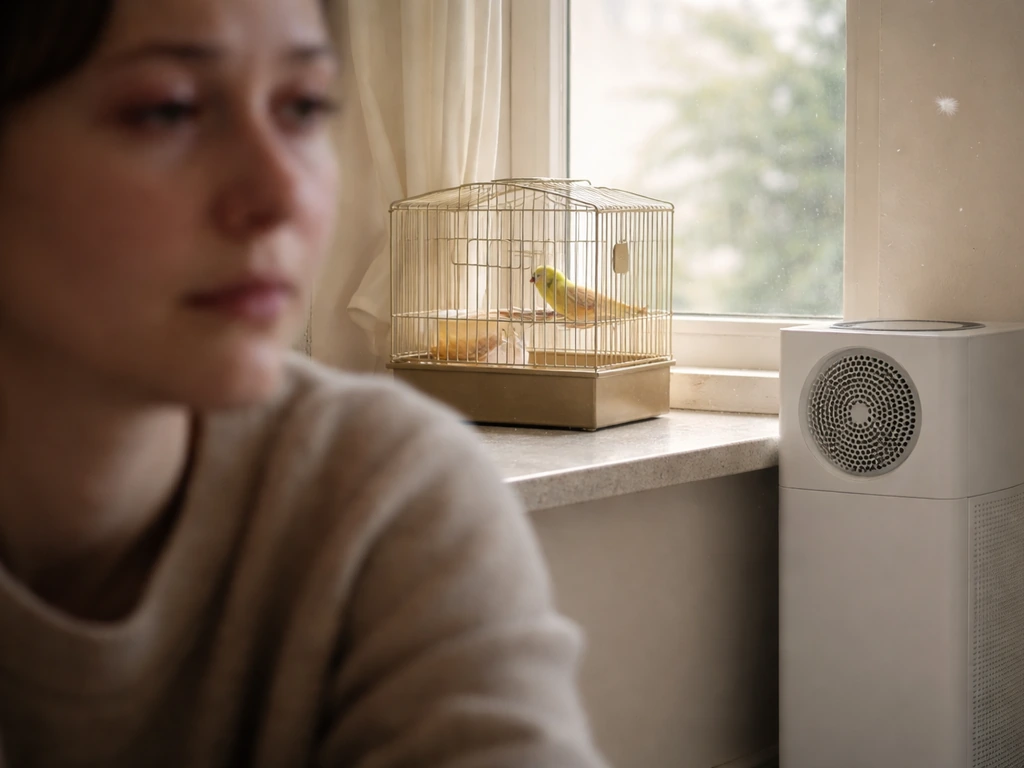
How bird feather exposure actually triggers allergies
When your immune system identifies a protein as a threat, it produces IgE antibodies against it. The next time you encounter that protein, your body releases histamine and other chemicals, which is what produces the itching, swelling, and congestion you feel. With birds, the main proteins triggering this response come from feather dust, skin secretions, droppings, and in some species like pigeons, a fine waxy powder called 'bloom' that coats the feathers. Specific IgE allergen tests even exist for individual species, including parrot feathers, canary feathers, and pigeon feathers, which tells you how well-documented these reactions are.
There's also a separate, more serious immune response called hypersensitivity pneumonitis (HP), sometimes called bird fancier's lung. This isn't a classic IgE allergy. Instead, it's a delayed immune reaction deep in the lungs caused by inhaling avian proteins from feathers and droppings. It affects an estimated 0.5–7.5% of people who regularly handle birds, and it can be mistaken for recurring pneumonia or a stubborn chest infection. Both classic allergy and HP are real risks, and both trace back to what's in and on bird feathers.
Beyond the bird itself, the environment around the bird adds to the allergen load. Cage litter, bedding, accumulated feather debris on perches and bowls, and mold that grows in damp cage corners all contribute airborne particles. So even if your reaction is labeled 'bird allergy,' you may actually be reacting to a mix of several things at once. Bird dander is one of the feather-related particles that can contribute to symptoms, so it can absolutely make some people feel sick bird allergy.
What symptoms to look for (and how to tell them apart)
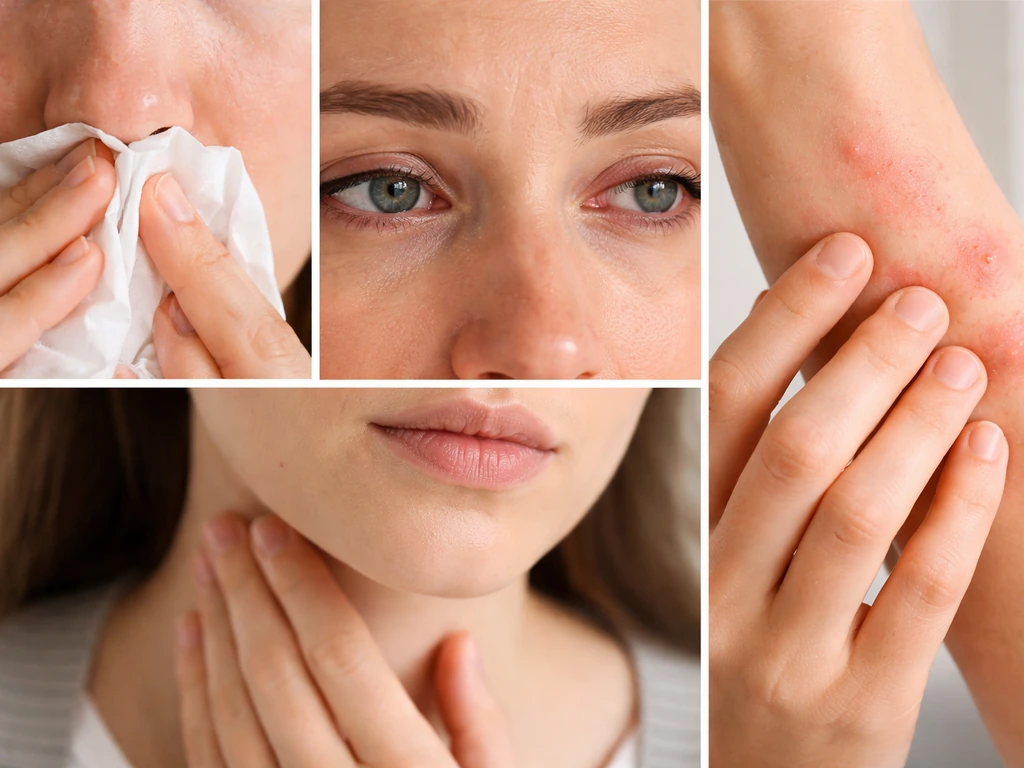
Classic IgE-mediated allergy symptoms usually appear within minutes of exposure. You might notice runny nose, sneezing, itchy or watery eyes, a scratchy throat, hives, or skin itching. Some people get an asthma flare with coughing and wheezing. These show up fast and tend to ease once you leave the area.
Hypersensitivity pneumonitis works on a completely different timeline. Symptoms typically hit 4 to 8 hours after you've left the exposure area, which is why people often don't connect them to their bird. You might feel like you're coming down with the flu: fever, chills, body aches, fatigue, and a dry cough. Some people also get shortness of breath. If this keeps happening every time you spend a long afternoon cleaning the cage and then feel sick that evening, that pattern is a red flag worth taking seriously.
| Feature | IgE-Mediated Allergy | Hypersensitivity Pneumonitis (Bird Fancier's Lung) |
|---|---|---|
| Onset after exposure | Minutes | 4–8 hours |
| Main symptoms | Sneezing, runny nose, itchy eyes, hives, wheezing | Fever, chills, body aches, dry cough, breathlessness |
| Looks like | Hay fever or asthma flare | Flu or recurring pneumonia |
| Immune mechanism | IgE antibodies (immediate) | IgG/immune complex (delayed) |
| Clears with avoidance | Yes, usually quickly | Yes, but may take longer; can become chronic |
Pure irritant reactions also exist and can mimic allergy. High dust levels from a dirty cage can irritate your airways without involving your immune system at all. The difference is that irritant reactions tend to depend on dust concentration and don't persist or worsen over time the way sensitization does.
How to confirm feathers (or feather-related particles) are the real cause
Before jumping to conclusions, track your symptoms carefully for a couple of weeks. Note exactly when symptoms start, how long after bird contact, and whether they improve when you're away from the bird for a few days. This exposure diary is genuinely useful information for a doctor.
For a confirmed diagnosis, an allergist can run a skin-prick test or a specific IgE blood test (ImmunoCAP) using bird feather allergen extracts. These tests measure whether your immune system has produced IgE antibodies against specific bird proteins. Allergen panels even break down by species, so you can find out if it's parrots, canaries, or pigeons specifically. For suspected hypersensitivity pneumonitis, your doctor may order a precipitin panel, which looks for IgG antibodies against avian antigens. Mayo Clinic Laboratories, for instance, offers a Bird Fancier's Precipitin Panel using gel diffusion testing against avian antigens.
One important caveat: confounders are common. If you have a dog or cat, are exposed to mold, or live in a high-pollen area, those can produce overlapping symptoms. Removing the bird from your environment for two to four weeks (if possible) and watching whether symptoms resolve is a crude but informative real-world test. If things clearly improve in your bird's absence, that points strongly toward avian exposure as the driver.
Steps you can take right now to reduce exposure
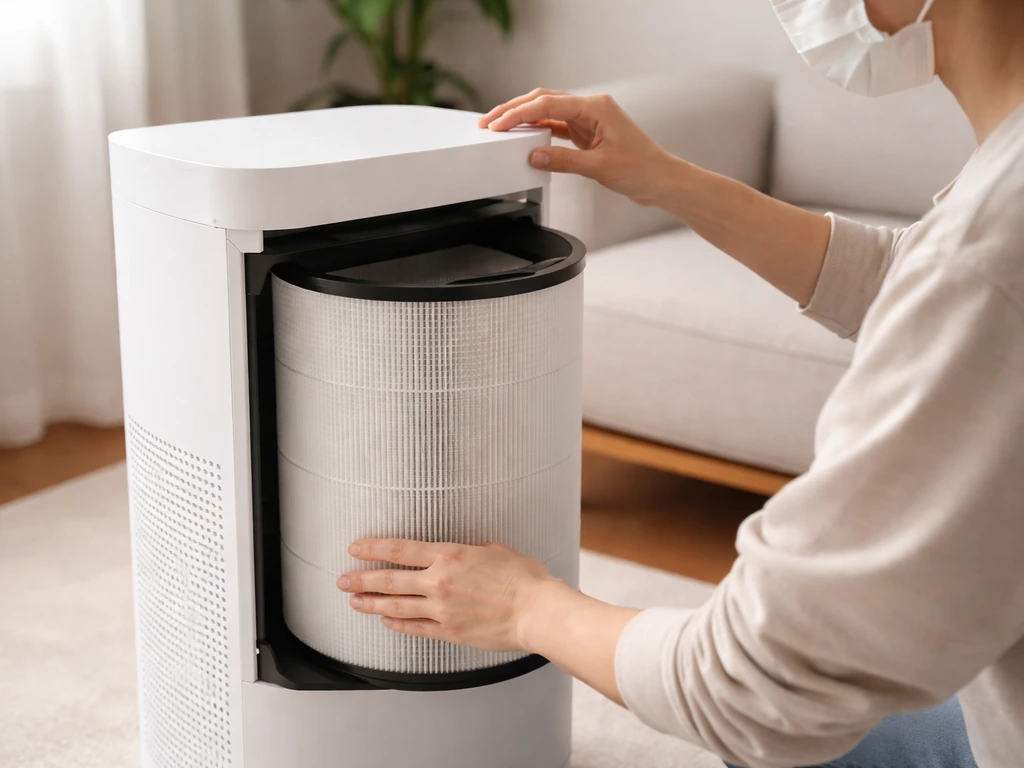
The single most effective intervention is reducing how much airborne allergen you breathe in. You don't necessarily have to rehome your bird immediately, but you do need to change some habits today.
- Wash your hands and face thoroughly after handling your bird or cleaning the cage. Don't touch your eyes or nose before washing.
- Wear a properly fitted particulate respirator (NIOSH-approved N95 or better) when cleaning the cage, changing litter, or doing anything that stirs up dust. A standard surgical mask won't filter fine particles effectively.
- Run a HEPA air purifier in the room where the bird lives. This continuously pulls fine feather dust and dander particles out of the air.
- Keep the bird out of your bedroom entirely. This gives your airways a long break during the hours you're most sedentary.
- Ventilate the bird room well. Open windows or use an exhaust fan to push airborne particles outside rather than letting them circulate.
- Damp-wipe cage surfaces instead of dry-dusting. Wet cleaning captures particles rather than aerosolizing them. Leave the area during and after vacuuming so you're not breathing in the disturbed dust.
- Wash bird-related clothing separately and change clothes after handling your bird before sitting on furniture or going into other rooms.
- Remove or cover feather-filled pillows, duvets, or cushions in your home if symptoms are severe. Feather bedding can be a hidden source of the same allergens.
When to get medical help (and what counts as an emergency)
See a doctor soon if your symptoms are frequent, affecting your sleep or daily life, or if you've started wheezing or feeling chest tightness around your bird. If you're experiencing the delayed flu-like pattern described above, bring that up specifically, because HP can become chronic and cause permanent lung damage if the exposure continues for months or years without diagnosis.
Seek emergency care immediately if you experience any of the following:
- Sudden severe difficulty breathing or inability to get a full breath
- Throat swelling or a sensation that your airway is closing
- Facial or tongue swelling
- Rapid heartbeat combined with dizziness or feeling faint
- Severe widespread hives developing quickly after bird contact
- Chest pain alongside shortness of breath
These can signal anaphylaxis or a serious respiratory event. Call emergency services rather than waiting to see if it passes.
Practical hygiene and cage management for bird owners
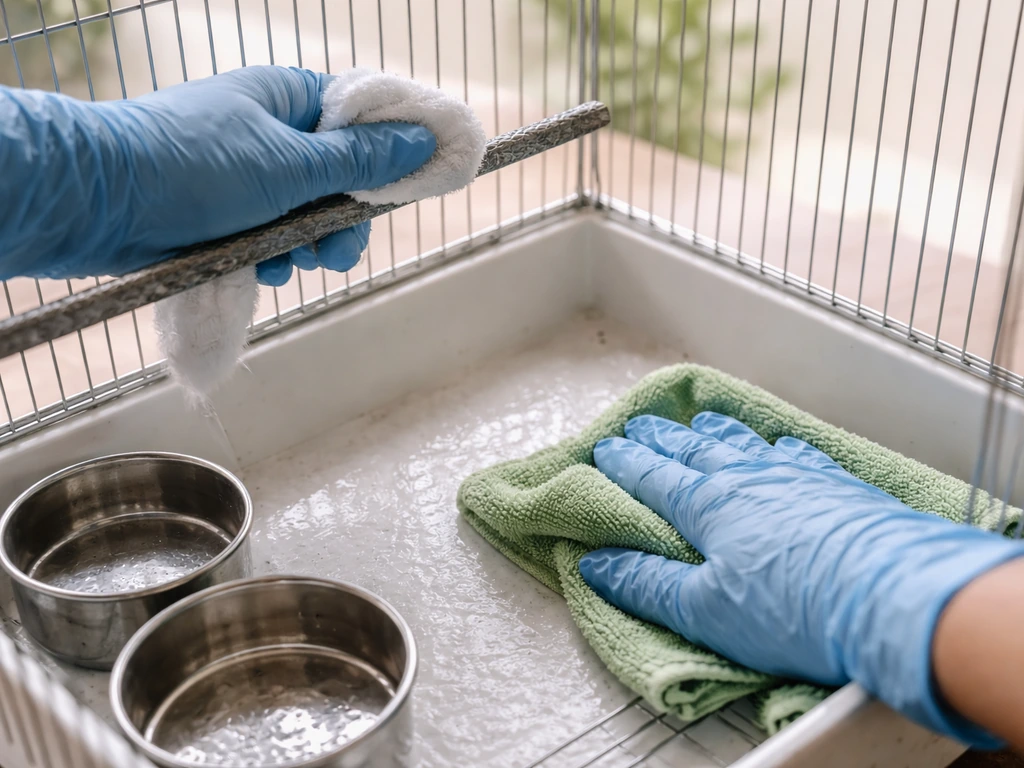
Keeping allergen levels low in your home starts with consistent cage maintenance. Dirt, fecal matter, feather debris, and dander accumulate on cage floors, perches, food bowls, and toys. The longer it sits, the more it dries out and becomes airborne. A daily spot-clean of the cage floor and a thorough weekly clean of all surfaces makes a real difference in ambient allergen load.
When doing a deep clean, wet everything down first before scrubbing. This prevents dry particles from becoming airborne. Wear your N95 and wash your hands and clothes afterward. CDC/NIOSH guidance for animal handlers recommends protective equipment and particulate respirators to reduce inhalation of allergens like dander, saliva, and body wastes that can contribute to respiratory and skin disorders Wear your N95. If possible, clean the cage outdoors or in a well-ventilated space rather than inside the living area.
HEPA filtration in the bird's room is worth the investment. Vacuum the room with a HEPA-filter vacuum regularly, and leave the room for at least 20 minutes after vacuuming to let settled dust clear before re-entering. Keep the bird's area separated from bedrooms and living spaces as much as your home layout allows.
Bird health issues that can make your allergy symptoms worse
A sick or stressed bird can significantly increase your allergen exposure. Birds that over-preen due to skin irritation or feather condition problems shed more feather debris and dander than healthy birds. Heavy molting seasons also spike airborne particle levels temporarily.
Birds with respiratory illness present a particular concern. A bird that is sneezing, coughing, or producing excessive nasal discharge is releasing more protein-laden secretions into the air. These secretions, once dried, add to the pool of inhalable particles in your home. If your bird is showing signs of respiratory disease, like labored breathing, tail bobbing, open-mouth breathing, or a change in voice quality, that bird needs to see an avian vet. Treating the bird's illness reduces your own exposure to aerosolized material at the same time.
Some species produce more dust than others. African grey parrots, cockatoos, and cockatiels are notoriously heavy powder-down producers, generating a fine white feather dust that disperses easily in the air. If you already have allergy concerns, this is worth knowing before choosing a species, and it means that owners of these birds need to be especially diligent about ventilation and air filtration.
The bottom line is that your bird's overall health directly affects how much allergen circulates in your home. Keeping your bird well-fed, well-housed, and seen by an avian vet when symptoms appear isn't just good for the bird. It's a practical part of managing your own exposure.
FAQ
Can bird feathers cause allergies even if my bird is kept in another room?
Yes. Allergens can travel through air currents and settle on soft items, clothing, and HVAC returns. If your symptoms improve when you stay out of that room but return when you come back, focus on air separation (closed door when possible), HEPA filtration, and cleaning textiles near the bird area (bedding, curtains, and washable covers).
Is “feather allergy” the same thing as being allergic to bird dander or droppings?
Not always. Many reactions are triggered by proteins carried on feathers, but you can also react to skin cells (dander), saliva, and residue from droppings that becomes airborne during cleaning or when debris dries. A species-specific IgE test can help clarify which bird proteins are involved, which is useful if you have multiple birds or move between homes with different pet exposures.
How can I tell the difference between an allergy and irritation from a dusty cage?
Allergic symptoms usually follow an exposure pattern that persists or worsens with repeated contact, and often includes itching, watery eyes, hives, or wheezing. Irritation tends to track directly with dust level in the moment, improves quickly after removing dust exposure, and is less likely to involve itch or classic immune symptoms. If symptoms keep happening after you have kept the cage clean and well-managed, allergy becomes more likely.
Can allergies happen from handling feathers or bird supplies without the live bird?
Yes. Feather dust on toys, perches, bedding, nesting material, or even secondhand cages can carry allergen proteins. If you react at bird stores, during cleaning with old cages, or after bringing in used bird items, consider it an exposure problem even when no bird is present.
Should I completely stop contact with my bird to see if it’s the cause?
If possible, a short trial helps. The article notes removing the bird from your environment for 2 to 4 weeks can clarify causation, but you may also be able to test by avoiding cleaning tasks specifically (a common trigger) and monitoring changes. If you do a trial, keep other variables steady, like pollen exposure and mold control, so you do not misattribute symptoms.
What if I have symptoms only while cleaning the cage?
That pattern often points to airborne residue and dried particles from feces, old bedding, and feather debris. The most effective adjustment is method and protection, wetting materials before scrubbing, using an N95 or better during deep cleans, cleaning in a separate ventilated area, and avoiding carrying debris through shared living spaces.
Does getting tested require a skin-prick test, or can blood tests be enough?
Blood (specific IgE) testing can be a good alternative, especially if you cannot stop certain medications or if skin testing is not appropriate for you. Discuss both options with your allergist, and ask whether the panel should include the specific species you own, since species-level results can be more actionable than a general “bird” result.
If my blood test is negative, could I still react to bird exposure?
Yes. False negatives can occur, and some symptoms come from non-IgE mechanisms such as hypersensitivity pneumonitis. If you have the delayed 4 to 8 hour “flu-like” pattern after bird exposure, mention HP specifically to your doctor and ask about further evaluation, since management differs from classic allergy.
Can bird feather exposure cause asthma or make existing asthma worse?
Yes. Even if you do not have classic hay-fever symptoms, repeated allergen inhalation can trigger bronchospasm and worsen asthma control. If you notice coughing, wheezing, chest tightness, or reduced peak flow after bird contact, treat it as an asthma trigger and seek medical guidance promptly rather than assuming it is “just allergies.”
How long do allergens stay in the home after cleaning or after the bird leaves?
Particles can remain suspended briefly and also settle onto surfaces and textiles, so symptoms may linger for a short time even after the bird is removed. A practical approach is to clean and then run HEPA filtration, ventilate, and avoid soft-surface contamination. Monitoring over several days to a couple of weeks is more reliable than judging based on one day.
What household changes help most if I’m trying to keep the bird but reduce symptoms?
Prioritize high-impact steps: HEPA filtration in the bird area, HEPA vacuuming on a consistent schedule, keeping the bird’s room away from bedrooms, and preventing feather dust from spreading during chores (wet before scrub, clean outdoors or ventilated area). If you use fans or air movement, be careful, since directing airflow from the bird room into living areas can spread allergens.
Can You Be Allergic to Bird Feathers? Symptoms and What to Do
Can you be allergic to bird feathers? Learn common symptoms, causes, triggers, cleanup tips, and when to get care.