Yes, you can absolutely be allergic to bird feathers, and it is more common than most people expect. The allergy is usually triggered not by the feather shaft itself but by proteins found in feather dust, bird dander, skin flakes, and droppings that coat those feathers. This guide explains what bird dander is and why it can trigger allergy symptoms in some people what is bird dander. When these tiny particles become airborne and you breathe them in or they land on your skin, your immune system can mount a real IgE-mediated allergic response, or in more serious cases, a deeper lung reaction called hypersensitivity pneumonitis (also known as bird fancier's lung). Both are genuine and both are worth taking seriously.
Can You Be Allergic to Bird Feathers? Symptoms and What to Do

Marcus Webb
9 Jun 2026
Yes, bird feather allergies are real: here is how they happen
The proteins responsible for bird-related allergies are well-documented. Researchers have identified specific IgE-binding proteins in feather extracts from budgerigars, parrots, pigeons, canaries, and hens, with key proteins in the 20-30 kDa and 67 kDa ranges. One particularly notable allergen is chicken serum albumin (also called alpha-livetin), which is present in feathers and is the protein behind what is known as bird-egg syndrome, where someone sensitized to bird proteins also reacts to eggs. This cross-reactivity shows that we are dealing with genuine immune sensitization, not just irritation from breathing in dust.
Pet birds like cockatiels and African greys also produce a fine white powder called powder down, which is released every time the bird preens. This powder floats into the air and settles on every surface in the room. It is incredibly fine, which means it travels easily to your airways. Even if your bird looks perfectly healthy, this powder down is always in the background in a home with a pet bird.
One important nuance: a skin test that comes back positive for feather extract does not always mean you are truly allergic to bird proteins specifically. The test material can be contaminated with dust mite allergen, so a positive result sometimes reflects dust mite allergy rather than bird allergy. That is why your clinical history (how and when symptoms appear around birds) matters just as much as a lab result.
What your symptoms might look like: allergy vs. irritation vs. asthma
Bird-related reactions fall into a few distinct patterns, and knowing which one you are dealing with changes how you approach it.
Classic IgE-mediated allergy (most common)

This is the typical "allergic" response. Symptoms tend to appear within minutes of exposure and include sneezing, runny or congested nose, itchy and watery eyes, an itchy throat, and sometimes hives or itchy red patches on skin that came into contact with feathers or a bird. If you also have asthma, exposure can trigger wheezing, chest tightness, and difficulty breathing. These symptoms ease when you leave the area or remove the trigger.
Bird fancier's lung (hypersensitivity pneumonitis)
This is a different and more serious reaction, driven not by IgE but by a deeper immune response to inhaled avian antigens from feather dust and droppings. The timing is a key clue: symptoms typically appear 4 to 8 hours after exposure rather than immediately. You might feel flu-like with fever, chills, cough, chest tightness, and shortness of breath. Crucially, wheezing is uncommon or absent in bird fancier's lung, which is the opposite of what you see in allergic asthma. Repeated, unrecognized exposure can lead to chronic lung damage, so this pattern should not be ignored.
Non-allergic irritation
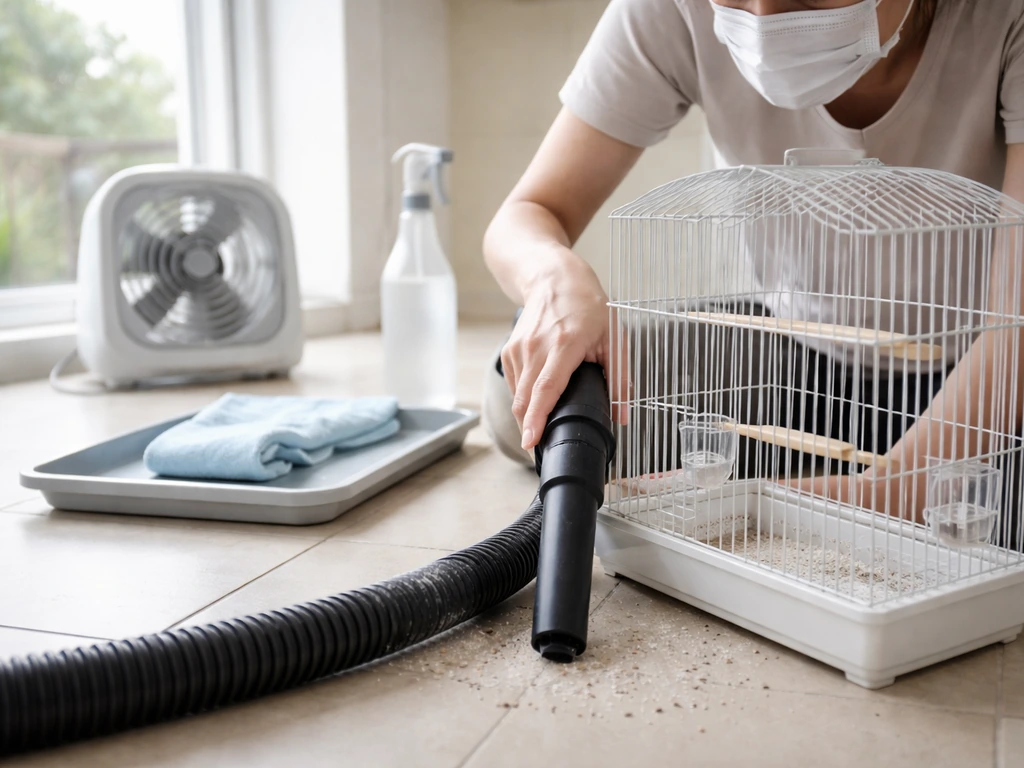
Sometimes the reaction is not allergic at all. Cleaning products, airborne feather particles, or heavy dust from a cage can irritate airways without any immune sensitization. Irritation tends to improve quickly when you ventilate the space or step outside, and it does not typically cause hives or a systemic response. If your symptoms only occur when you are cleaning with bleach or sprays near the cage, consider the cleaning chemicals as the culprit before assuming bird allergy.
| Feature | IgE Allergy | Bird Fancier's Lung (HP) | Non-allergic Irritation |
|---|---|---|---|
| Onset after exposure | Minutes | 4-8 hours | During or immediately after exposure |
| Wheezing | Common (especially with asthma) | Rare to absent | Possible |
| Fever/chills | No | Yes | No |
| Eye/nose symptoms | Common | Uncommon | Possible |
| Skin reactions | Yes (hives, itching) | No | Occasionally (contact irritation) |
| Resolves away from bird | Yes | Slowly, over hours to days | Yes, quickly |
How your exposure route changes your risk
Not all bird contact carries the same level of exposure, and it helps to think about where your contact is actually coming from.
- Pet birds at home: This is the highest ongoing exposure scenario. You are breathing in powder down, feather dust, and dander every day. Poorly ventilated rooms make this significantly worse. Cockatiels and cockatoos are especially heavy producers of powder down.
- Cleaning cages: Scraping dried droppings and disturbing feather debris creates a burst of airborne particles. This is often the moment people first notice symptoms, even if they have lived with the bird for years.
- Feather crafts, pillows, and down blankets: Down-filled bedding and feather craft materials can release allergenic dust, especially when shaken or compressed. This is a less obvious exposure that is worth considering if you have symptoms at night or when making the bed.
- Wild birds: Direct handling of wild birds (during wildlife rehabilitation, for example) can expose you to the same proteins. Casual outdoor contact with wild birds is a much lower exposure, but people who attract large numbers of pigeons or keep backyard chickens can accumulate meaningful exposure over time.
Getting a diagnosis: what to tell your clinician and what to ask for
When you go to see a doctor or allergist, the most useful thing you can bring is a clear exposure history. Note what birds you are around, how often, what you are doing when symptoms appear (handling the bird, cleaning the cage, sleeping near a down pillow), and roughly how long after exposure symptoms start. That timing detail is critical for distinguishing IgE-mediated allergy from hypersensitivity pneumonitis.
For IgE-mediated allergy, your clinician can order a skin prick test or a specific IgE blood test (sometimes called an ImmunoCAP or RAST test). Skin prick testing is usually the first step; if results are negative but suspicion is still high, intradermal testing can be done. Blood testing is an option when skin testing is not possible, for example if you are on antihistamines or have a skin condition that makes testing difficult. Keep in mind the contamination issue mentioned earlier: positive feather-extract skin tests sometimes reflect dust mite allergy, so make sure to ask about dust mite testing as well for an accurate picture.
If bird fancier's lung is suspected based on timing and symptom pattern, the workup is different and more involved, potentially including chest imaging, lung function tests, and blood tests for avian precipitins. Tell your doctor specifically if your symptoms come on hours after exposure, not minutes, and if you have had any episodes of fever or shortness of breath after being around birds.
Steps you can take right now to reduce exposure at home
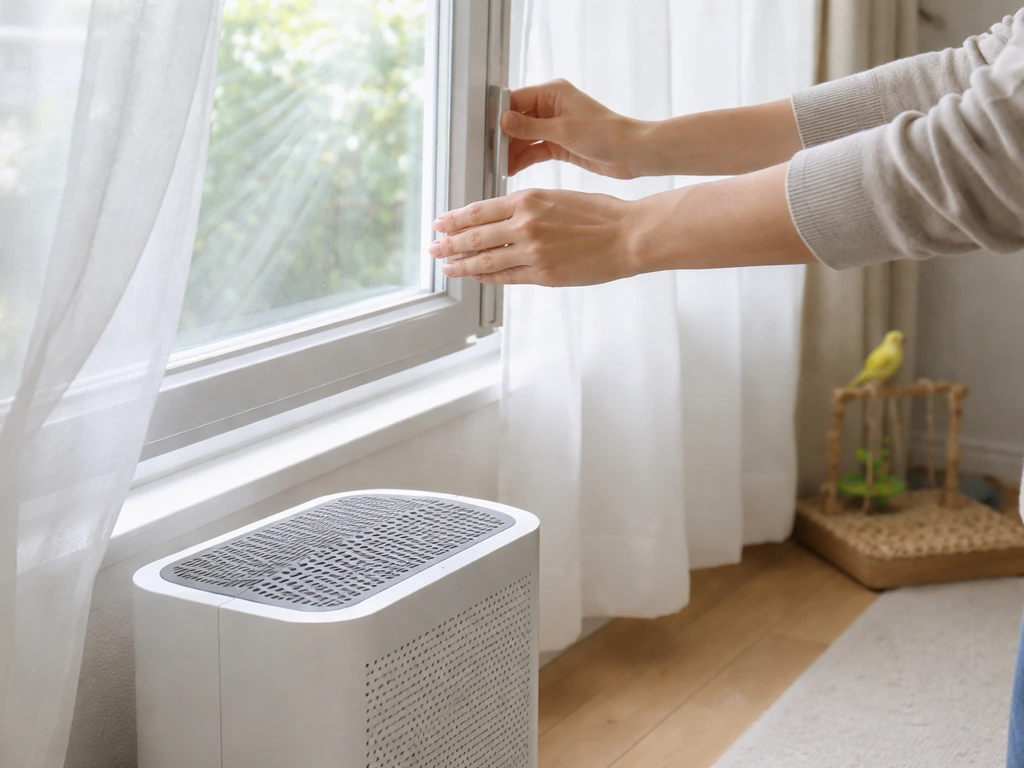
You do not have to wait for a formal diagnosis to start reducing your exposure. These steps are practical, safe, and make a real difference.
- Keep the bird in a well-ventilated room, ideally not a bedroom. Opening windows regularly or running an exhaust fan reduces the concentration of airborne particles.
- Use a HEPA air purifier near the bird's cage. HEPA filters capture 99.97% of particles as small as 0.3 microns, which covers the size range of most bird-related allergens.
- When cleaning the cage, wear a NIOSH-approved respirator mask (an N95 or equivalent, not just a paper dust mask) and disposable gloves. Wet-wipe surfaces before scraping to keep dust from becoming airborne.
- Vacuum with a HEPA-filter vacuum cleaner at least weekly. Standard vacuums can recirculate fine particles back into the air.
- Wash bedding weekly in hot water (around 130°F) to reduce allergen buildup, especially if the bird has access to sleeping areas.
- If you have feather pillows or down blankets and suspect they are contributing, switch to synthetic alternatives temporarily to see if symptoms improve.
- Ask someone else to clean the cage if your symptoms are severe. If that is not possible, always use PPE and ventilate immediately after cleaning.
- Avoid using aerosol sprays, scented products, or harsh disinfectants near the bird's cage. These can compound irritation on top of any allergic reaction.
When to seek urgent or emergency care
Most bird-allergy symptoms are uncomfortable but not dangerous in the short term. However, certain signs mean you need care immediately and should not wait.
- Severe difficulty breathing or shortness of breath that does not ease when you move away from the bird or use a rescue inhaler
- Wheezing that is worsening rapidly or not responding to usual asthma medications
- Throat tightening, swelling of the lips or tongue, or a sensation that your airway is closing
- Dizziness, sudden drop in blood pressure, or feeling faint after exposure (signs of anaphylaxis)
- High fever combined with significant shortness of breath and cough after a heavy exposure to bird dust or droppings, which could indicate a severe episode of hypersensitivity pneumonitis
- Any respiratory symptoms that are progressively getting worse over days or weeks despite reducing exposure
If you suspect anaphylaxis (throat swelling, difficulty breathing, and dizziness together), call emergency services immediately. For severe asthma that is not responding to your prescribed rescue inhaler, go to an emergency room rather than waiting it out. If wheezing comes with trouble breathing, Mayo Clinic advises seeking emergency care difficulty breathing.
Do not overlook your bird: separating your symptoms from the bird's health
Here is something that often gets missed: when a bird owner starts coughing, sneezing, or having breathing problems around their bird, the instinct is to focus entirely on the human. But it is worth pausing to observe the bird too, because birds can develop their own respiratory illnesses, and some of those conditions change what is in the air around them.
A healthy bird breathes quietly and evenly. If your bird is showing any of the following signs, contact an avian veterinarian promptly:
- Open-mouth breathing or tail bobbing with each breath (a sign of respiratory effort)
- Clicking, wheezing, or crackling sounds when breathing
- Discharge from the nares (nostrils) or eyes
- Fluffed-up feathers combined with lethargy and reduced appetite
- A change in the voice or unusual quietness in a normally vocal bird
- Visible swelling around the face or eyes
Some avian respiratory diseases, including fungal infections like aspergillosis, increase the amount of material shed into the environment and can worsen human exposure. A sick bird is not just a welfare concern for the animal; it can also mean the air quality in your home is more problematic than usual. If both you and your bird are showing signs of respiratory trouble at the same time, that is an important signal worth sharing with both your own doctor and an avian vet.
It is also worth knowing that powder down production from preening is completely normal bird behavior, not a sign of illness. But the sheer volume of this powder in a small or poorly ventilated space is a real factor in human respiratory sensitization over time. Good ventilation and regular cleaning protect both you and your bird.
The bottom line is this: bird feather allergy is real, the proteins responsible are well-identified, and your symptoms are worth investigating. Start reducing exposure today with ventilation, HEPA filtration, and PPE during cleaning. See a clinician about testing, bring your exposure timeline with you, and keep an eye on your bird's health at the same time. Catching this early, whether it is a straightforward IgE allergy, asthma, or the more serious bird fancier's lung, makes a significant difference in how well it can be managed.
FAQ
Can you be allergic to bird feathers if you never keep a bird at home?
Yes. You can react to bird feather materials indirectly, for example when feathers are in bedding, dust collected in closets, costume props, taxidermy, or secondhand items. The trigger is often airborne feather dust and associated proteins that settle on surfaces, so symptoms may show up after you sleep or spend time in that space, even if you never handle the bird.
How do you tell bird allergy from just “irritation” or smoke/cleaning fumes?
A true IgE allergy can cause hives, itching, and wheeze, but irritation from dust, scents, or cleaning chemicals can look similar at first. If your symptoms are mainly burning, dryness, or tightness that improves quickly with fresh air and never includes hives or consistent timing after bird exposure, consider non-allergic irritation as a possibility and mention that pattern to your clinician.
What timing pattern is most concerning for bird fancier’s lung versus classic allergy?
If symptoms happen within minutes and reliably track with being near the bird or feather-containing items, IgE-type allergy is more likely. If symptoms reliably begin 4 to 8 hours later with cough, fever or chills, and shortness of breath, that timing supports hypersensitivity pneumonitis instead. Timing is not perfect, but it is one of the most useful clues to bring to your appointment.
Can antihistamines or other meds change allergy test results for bird feathers?
Medication can affect testing accuracy. Antihistamines often blunt skin prick test results, so ask your clinician how long to stop them before testing (this varies by drug). If you cannot stop medications, ask whether blood specific IgE testing is appropriate, and still provide your exposure timeline.
If I’m allergic to bird feathers, will I also react to eggs or other bird-related foods?
Cross-reactivity can occur, especially related to chicken proteins and bird related proteins in general. If you react to eggs after being sensitized to bird proteins, bring that history up, because it can guide testing and prevention choices. It does not mean you will necessarily react to all birds, but it raises the likelihood that the underlying sensitization is real.
What if my feather extract skin test is negative, but I still get symptoms around birds?
Yes, a negative or indeterminate feather extract skin test does not always rule out bird allergy, particularly if the exposure is from a specific bird species or from feather-containing materials rather than the tested extract. If suspicion remains high, ask about testing for dust mite as well, and ask whether intradermal testing or species-specific extracts are available.
Can bird feather allergy make asthma worse even if it is mild at first?
You can, especially if you have asthma. Bird exposure can worsen baseline airway inflammation, and you might notice a higher need for rescue inhaler use around birds. If you have asthma, ensure your action plan is up to date and tell your doctor if symptoms are triggered not only during exposure but also later at night.
If symptoms improve after I leave the room, does that mean it’s not an allergy?
Yes. If you leave a space and symptoms rapidly improve, that pattern supports either IgE allergy that is still resolving or non-allergic irritation that clears quickly. If symptoms persist for a long time despite leaving, or keep recurring in the same environment, it suggests you may be continuing to inhale settled feather dust, so improving filtration, cleaning, and ventilation becomes more important.
What are the most practical ways to reduce exposure during cage cleaning or vacuuming?
During cleaning, proteins and fine particles can become airborne, so PPE and technique matter. Wear a well-fitting respirator or at least an appropriate mask, avoid dry sweeping, and consider wet wiping and HEPA vacuuming. Also separate “bird cleaning” from shared living areas when possible, because settled dust can spread via airflow.
What symptoms mean I should treat this as an emergency rather than waiting for a clinic visit?
Yes, and it is an important safety point. If you develop throat tightness or swelling, trouble breathing, dizziness or faintness, or symptoms rapidly escalate, treat it as possible anaphylaxis and seek emergency care right away. Do not wait to see if it passes, especially if you have asthma.
Next Article
Can Bird Dander Make You Sick? Symptoms, Causes, and Relief
Learn if bird dander can cause allergy symptoms or irritation, how to tell it from infection, and steps to reduce exposu