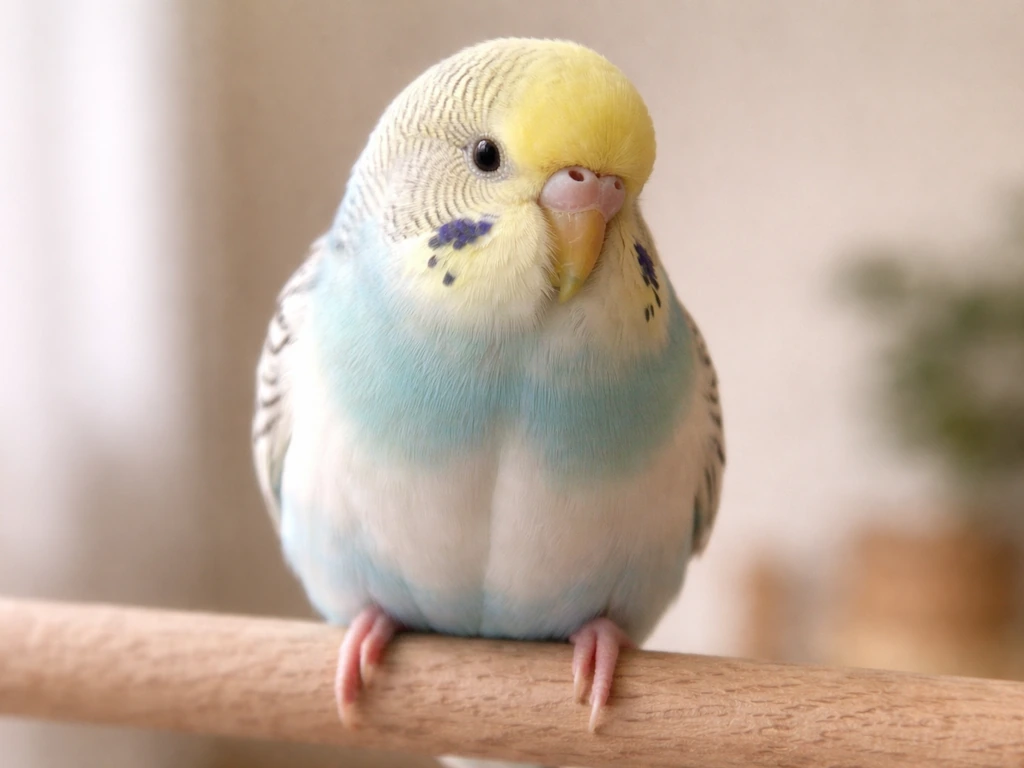
Bird fancier's lung and psittacosis are both serious respiratory illnesses tied to bird exposure, but they have completely different causes and need different treatments. Bird fancier's lung is an immune overreaction to inhaled bird dust or feather proteins, not an infection. Psittacosis is a bacterial infection caused by Chlamydia psittaci, which infected birds shed. Getting them confused can mean weeks of the wrong treatment, so it is worth knowing how to tell them apart before your test results come back.
Bird Fanciers Lung vs Psittacosis: Symptoms, Diagnosis, Prevention

Marcus Webb
4 Jun 2026

What bird fancier's lung actually is
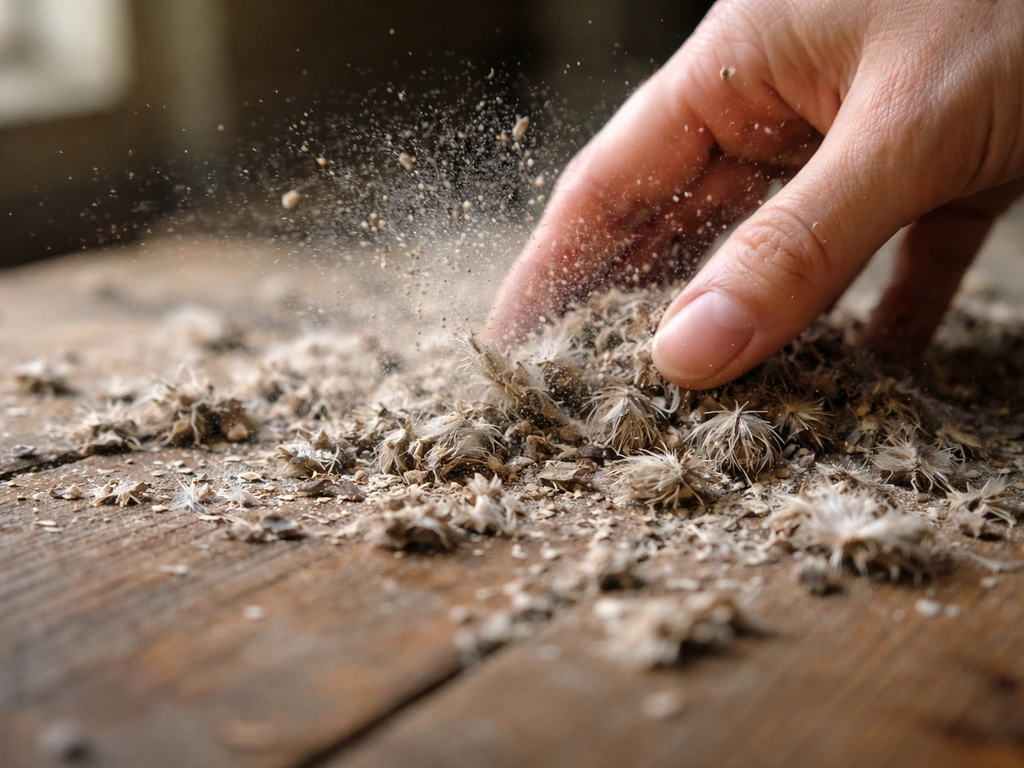
Bird fancier's lung is blank" rel="noopener noreferrer">a form of hypersensitivity pneumonitis, sometimes called extrinsic allergic alveolitis. Your immune system becomes sensitized to proteins found in bird droppings, feathers, or bird serum, and every time you breathe in those particles, your lungs mount an inflammatory response. It is not contagious. You cannot give it to someone else, and your bird is not "sick" in any traditional sense.
The trigger is aerosolized organic dust. Dry droppings crumble and go airborne when disturbed during cleaning. Feather dander floats freely in any room where birds live. Even feather-filled bedding like duvets and pillows has been documented as a trigger in people who have never owned a bird themselves, a condition sometimes called feather duvet lung.
In the acute form, symptoms typically appear 4 to 6 hours after a heavy exposure event, like cleaning a cage or spending time in a dusty aviary. Chronic forms develop more slowly over months or years of lower-level exposure, making them harder to trace back to birds.
Who is most at risk
- People who keep birds indoors, especially in poorly ventilated rooms
- Aviary workers, breeders, and bird show participants
- Pigeon fanciers (historically one of the most documented groups)
- Anyone who cleans cages or handles dry droppings regularly
- People who sleep under feather duvets or use feather pillows, even without bird ownership
- Poultry workers exposed to duck or goose feathers
What psittacosis actually is
Psittacosis is an infection caused by the bacterium Chlamydia psittaci. It is a zoonotic disease, meaning it passes from animals to people. The primary source is psittacine birds (parrots, cockatoos, cockatiels, budgerigars, and macaws), though other birds including pigeons, poultry, and wild birds can carry and shed it too.
Infected birds shed the bacteria through droppings, respiratory secretions, and feather dust. You can breathe it in, get it in your eyes, or sometimes contract it through a bite or handling a sick bird. Importantly, birds can carry and shed C. psittaci without appearing visibly sick, especially when they are stressed, recently transported, or immunocompromised.
Unlike bird fancier's lung, psittacosis is a real infection with a true bacterial pathogen. Bird fancier's lung is also a lung problem after bird exposure, so see the section on what is bird fancier's lung for how that hypersensitivity condition differs what is bird lung. That matters because it responds to specific antibiotics and carries a genuine risk of serious illness, including atypical pneumonia, hepatitis, and in rare untreated cases, life-threatening complications.
Who is most at risk
- Owners of parrots, cockatiels, budgerigars, and other psittacine birds
- People who recently acquired a new bird, especially from a pet store or breeder
- Veterinary staff and avian veterinarians
- Pet shop workers who handle multiple bird species
- Anyone who has handled a sick, stressed, or newly imported bird
- People with weakened immune systems who have any bird contact
Comparing the symptoms: what each one looks and feels like

This is where things get genuinely tricky, because both conditions can produce a fever, cough, and breathlessness that look almost identical on first presentation. The differences are in the details, and timing matters a lot.
| Feature | Bird Fancier's Lung | Psittacosis |
|---|---|---|
| Onset timing | 4–6 hours after heavy exposure (acute) or gradual over months (chronic) | Usually 5–14 days after exposure to infected bird |
| Fever | Common in acute episodes, often moderate | Often high, 38–40°C or above, prominent early |
| Cough | Dry cough, breathlessness | Dry cough, can become productive |
| Chest symptoms | Tightness, breathlessness, crackles on examination | Chest pain possible, atypical pneumonia pattern |
| Muscle/joint aches | Sometimes, during acute episodes | Prominent headache, myalgia, malaise early on |
| Rash | Not typical | Occasional (Horder's spots, rare) |
| Cause | Immune hypersensitivity, not infection | Bacterial infection (Chlamydia psittaci) |
| Bird shows signs | No — bird is not infected | Possibly — bird may be lethargic, have discharge, lose weight |
| Improves away from birds | Often yes, within days to weeks | Not directly — requires antibiotics to resolve |
One of the most useful clues is whether your bird also seems unwell. With bird fancier's lung, your bird is the source of antigens, not a sick animal. With psittacosis, your bird may show signs like fluffed feathers, nasal discharge, eye discharge, loose droppings, weight loss, or lethargy, though again, some infected birds show nothing obvious at all.
Another practical clue: if you feel better after a few days away from the birds and get worse again on return, that pattern strongly points toward a hypersensitivity reaction rather than a bacterial infection. With psittacosis, the fever and illness tend to persist regardless of where you are, because the bacteria are already established in your body.
How diagnosis works and what separates the two
You should not try to diagnose either of these yourself. Both need medical evaluation, and both can become serious if untreated or mismanaged. That said, here is what clinicians typically look for and how the diagnostic paths diverge.
For bird fancier's lung

- Detailed exposure history is essential — clinicians ask about birds, bedding, work environment, and timing of symptoms
- Chest X-ray or high-resolution CT scan may show a ground-glass or nodular pattern in the lungs
- Blood tests for specific IgG antibodies (precipitins) against bird antigens — a positive result supports the diagnosis
- Pulmonary function tests often show a restrictive pattern with reduced diffusion capacity
- Bronchoalveolar lavage (BAL) showing lymphocyte-dominant fluid strongly supports hypersensitivity pneumonitis
- Lung biopsy is sometimes needed in ambiguous cases
For psittacosis
- Blood serology testing for Chlamydia psittaci antibodies (complement fixation or microimmunofluorescence)
- PCR testing on respiratory secretions or blood is increasingly used and more specific
- Chest X-ray often shows a patchy or lobar consolidation consistent with atypical pneumonia
- Liver function tests may be abnormal, reflecting hepatic involvement
- Tell your doctor explicitly about bird exposure — psittacosis is easy to miss if the clinician does not know to test for it
- In the UK, psittacosis is a notifiable disease, so the doctor is required to report confirmed cases
The key differentiator in testing is the combination of precipitin antibodies (more relevant to bird fancier's lung) versus C. psittaci serology or PCR (specific to psittacosis). A clinician who suspects one and not the other may only order one set of tests, so if you have been around birds and are unsure which illness you might have, tell them that explicitly and ask whether both are being considered.
Treatment and what you can do while waiting for results
The treatments for these two conditions are genuinely different, which is why getting the diagnosis right matters so much. Here is the practical breakdown.
Treating bird fancier's lung
Antigen avoidance is the single most important intervention. If you stop being exposed to the bird proteins causing the reaction, acute episodes typically improve within days to a few weeks. For chronic forms, the damage takes longer to reverse and may not fully resolve if exposure has been prolonged.
Oral corticosteroids (usually prednisolone) are the standard medical treatment for moderate to severe episodes. They reduce inflammation and help the lungs recover faster, but they do not fix the underlying sensitivity. If you go back to heavy bird exposure without precautions, symptoms will return.
While waiting for results, move birds to a well-ventilated area away from where you sleep, avoid cleaning the cage yourself, and if you must be near birds, wear an FFP2 or FFP3 respirator (not a basic surgical mask). Rest, stay hydrated, and monitor your breathing. If breathlessness worsens, do not wait for test results.
Treating psittacosis
Doxycycline is the first-line antibiotic treatment for psittacosis in adults, typically for 10 to 14 days, sometimes longer for severe cases. Tetracyclines are the preferred class. Azithromycin is an alternative, particularly in patients who cannot take doxycycline.
Supportive care includes rest, fluids, and paracetamol or ibuprofen for fever and muscle aches. Most people improve noticeably within 2 to 3 days of starting the right antibiotic. If you or your doctor suspects psittacosis, starting doxycycline empirically while waiting for confirmation is reasonable in a symptomatic patient with known bird exposure.
While waiting for results, limit contact with birds, wash hands thoroughly after any handling, avoid face-to-face contact with birds (they can shed bacteria through respiratory droplets), and consider isolating the bird from other household members who are immunocompromised, pregnant, or elderly.
Reducing your exposure and preventing both conditions

Many of the preventive steps overlap, which makes practical sense since both conditions start with what you breathe in around birds.
For bird fancier's lung prevention
- Ventilate bird rooms well: open windows, use HEPA air purifiers, and keep bird areas separate from sleeping and living areas
- Wet-clean cages instead of dry-brushing, which sends dust airborne
- Wear an FFP2 or FFP3 respirator when cleaning, not just a paper mask
- Vacuum droppings with a HEPA-filtered vacuum, not a broom
- Wash hands and change clothes after extended bird contact before entering other rooms
- Consider whether feather-filled bedding in the home is contributing to exposure
- Once sensitized, the safest long-term option is rehoming the birds — a difficult decision, but sometimes necessary to prevent permanent lung damage
For psittacosis prevention
- Quarantine and test new birds before introducing them to your home or aviary
- Buy birds from reputable, licensed sources with health documentation
- Clean cages daily to minimize accumulation of droppings, which dry out and become airborne
- Always wash hands after handling birds, cleaning cages, or touching bird equipment
- Avoid kissing birds or letting them near your face and mouth
- Keep sick birds isolated from others, and take them to an avian vet promptly
- Wear gloves and a mask when handling a bird you suspect may be unwell
- Inform your doctor immediately if you develop flu-like illness after bird exposure
When to seek urgent care, for your bird and for yourself
Both conditions can escalate, and waiting too long is a real risk. Here is how to judge when to act fast.
Take your bird to an avian vet promptly if you notice
- Labored or open-mouth breathing, tail bobbing while breathing, or clicking sounds
- Nasal or eye discharge, swollen eyes, or crusty nares
- Sudden weight loss, fluffed feathers, or prolonged lethargy
- Loose, discolored, or unusually watery droppings
- Loss of appetite lasting more than 24 hours
- Any of the above signs plus a person in the household has developed respiratory illness
Seek urgent medical attention for yourself if you have
- Significant breathlessness, especially breathlessness at rest or that is getting worse by the hour
- Oxygen saturation below 94% if you have a pulse oximeter at home
- Chest pain, rapid heart rate, or coughing up blood
- High fever (above 39°C) that is not responding to paracetamol or ibuprofen
- Confusion, disorientation, or extreme fatigue that is worsening
- Any respiratory symptoms that developed within days of handling a sick bird or acquiring a new bird
- Symptoms that have not improved after several days of antibiotic treatment prescribed for another cause
Do not downplay respiratory symptoms just because you feel like they are "probably nothing." Both bird fancier's lung and psittacosis can progress to serious pneumonia requiring hospital treatment. When you see a doctor, lead with the information that you have birds or have had recent bird exposure. Because these illnesses can both cause a bird-like chest tightness or trouble breathing after bird exposure, that history helps guide the right tests birds or have had recent bird exposure. Without that detail, clinicians may not think to test for either condition, and diagnosis can be delayed by weeks.
FAQ
How soon should I seek urgent care if I suspect psittacosis or bird fancier’s lung?
Seek urgent care or emergency evaluation immediately if you have worsening breathlessness, low oxygen levels if you monitor at home, confusion, chest pain, bluish lips, or a rapidly rising fever. Both conditions can become serious, and waiting for outpatient test results can delay treatment when pneumonia is developing.
If I feel better after leaving the house, does that always rule out psittacosis?
Not always. Improvement after moving away strongly suggests a hypersensitivity reaction, but psittacosis can still start symptoms in a way that fluctuates early on. If you have ongoing fever, productive cough, or symptoms persist beyond a few days, ask your clinician to specifically consider both diagnoses and order the appropriate tests.
Do I need to isolate my birds from the household while I’m being evaluated?
For psittacosis concern, it is reasonable to limit contact, especially for immunocompromised people, pregnant people, older adults, and young children. Move birds away from sleeping areas, use good ventilation, and avoid having high-risk household members do any cleaning until you have clarity on the diagnosis.
Can my bird look healthy and still be the source of psittacosis?
Yes. Birds can shed Chlamydia psittaci without obvious illness, particularly when stressed, recently transported, or immunocompromised. That means “no visible sickness” does not rule out psittacosis, so your own symptoms and timing matter more than how the bird looks.
Should I ask my clinician to order both types of tests at once?
If you are unsure which illness is more likely, ask whether both a hypersensitivity pneumonitis evaluation (including precipitin antibodies) and psittacosis testing (serology and or PCR) are being considered. Some clinicians may order only one pathway, and explicitly mentioning uncertainty can prevent a partial workup.
If I already started antibiotics, does that affect psittacosis testing results?
It can. Antibiotics taken before certain tests may reduce bacterial load and make confirmation harder, especially for PCR if done early after treatment starts. Tell your clinician exactly when you started any antibiotics and what medication you used.
Are there any common mistakes people make when handling bird cleaning during suspected illness?
A frequent mistake is cleaning without proper respiratory protection or ventilation, which can aerosolize dust and worsen lung inflammation or increase inhaled exposure. Avoid disturbing droppings and feather material, do not clean in the bedroom, and use an FFP2 or FFP3 respirator if you must handle tasks, then wash hands thoroughly.
Can bird fancier’s lung become chronic, and how would that show up over time?
Yes. Chronic hypersensitivity pneumonitis can develop gradually over months or years of repeated exposure to droppings, dander, or feather-containing bedding. Symptoms may build slowly and be less obviously linked to a single “high exposure” event, and ongoing exposure can prevent full recovery even with symptom treatment.
What should I do about fever and pain while waiting for diagnosis?
Supportive care like rest, fluids, and fever control with paracetamol or ibuprofen is reasonable while evaluation is underway. However, if breathlessness is worsening or you feel significantly unwell, do not treat this as routine and delay medical assessment.
If I have bird fancier’s lung, will corticosteroids permanently solve the problem?
They often improve symptoms quickly by reducing inflammation, but they do not eliminate the underlying immune sensitivity. If you return to substantial exposure without minimizing triggers, flare-ups commonly recur, so avoidance and exposure control remain essential even after steroid treatment.
Can I get psittacosis from casual contact, like being in the same room without touching the birds?
Yes, because infected birds can shed organisms through respiratory droplets and feather dust. Face-to-face closeness, poor ventilation, and disturbed droppings increase risk. If you were recently in a crowded or dusty environment with birds, tell your clinician even if you did not handle them.
Next Article
Why Do I Have a Bird Chest? Causes and Red Flags
Learn causes of a puffed or sunken bird chest, how to assess breathing and posture, and red flags needing urgent vet car