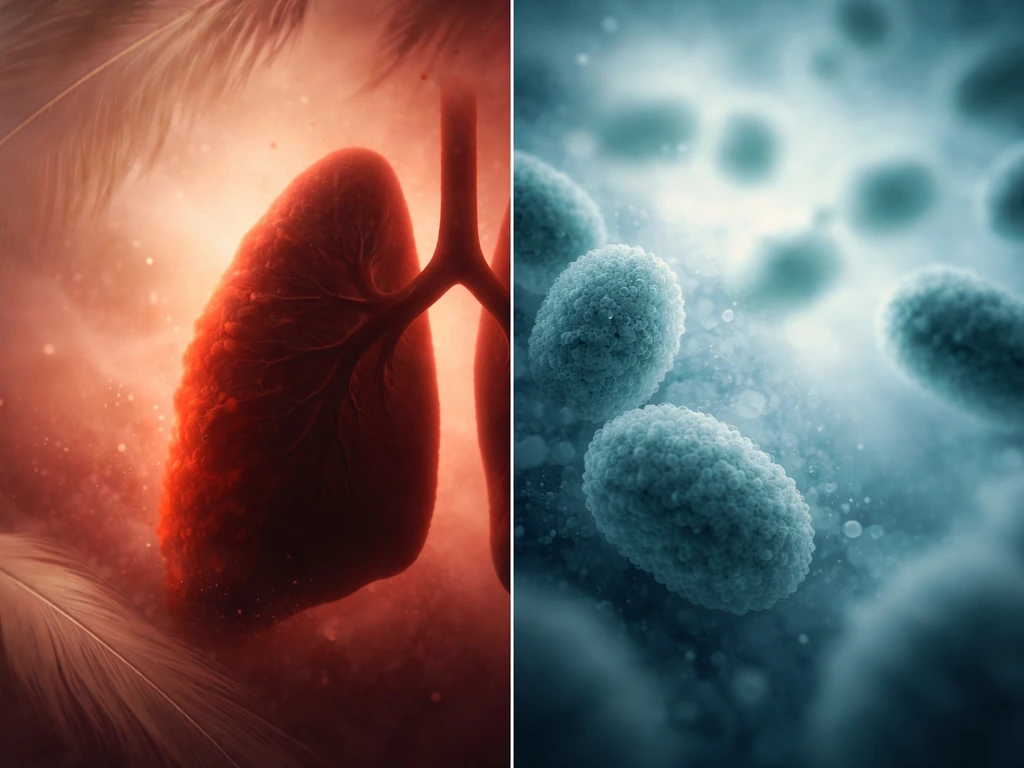
Bird fancier's lung is not contagious in the way a cold or flu is. You cannot catch it from another person, and your bird does not "have" it to pass along to you. It is an immune reaction that develops in your own lungs after you repeatedly inhale tiny particles from birds, specifically proteins found in feathers, dander, and dried droppings. This bird-related hypersensitivity pneumonitis is caused by blank" rel="noopener noreferrer">inhalation of avian antigens in dust from droppings and feathers. If you have ever wondered what causes bird chest, it is this immune reaction to airborne proteins from feathers, dander, and droppings that triggers inflammation in the lungs. The concern is shared exposure in the same space, not person-to-person transmission.
Is Bird Fancier's Lung Contagious? Symptoms and Prevention

What bird fancier's lung actually is
Bird fancier's lung is a form of hypersensitivity pneumonitis (HP), which is an immune-mediated inflammation of the lungs. If you are wondering what is bird lung in everyday terms, it typically refers to bird fancier's lung, a hypersensitivity pneumonitis caused by inhaled avian proteins. It is not driven by a virus or bacteria the way pneumonia is. Instead, your immune system becomes sensitized to a specific environmental substance, and every time you breathe it in again, your lungs mount an inflammatory response.
In bird fancier's lung, that substance is avian protein: the proteins present in feathers, dander, and especially dried bird droppings. Parakeets, pigeons, chickens, parrots, doves, and many other species all produce these proteins. After initial sensitization, the immune system reacts through a combination of immune complex formation and T-cell responses, which is why the condition tends to worsen with repeated exposures over time.
This distinguishes bird fancier's lung sharply from psittacosis, which is a genuine bacterial infection caused by Chlamydia psittaci. Psittacosis is infectious and requires an infected bird as the source. Bird fancier's lung does not. The two conditions can look similar symptom-wise, which is why a proper clinical workup matters (more on that below).
Is it contagious from person to person or from bird to human?
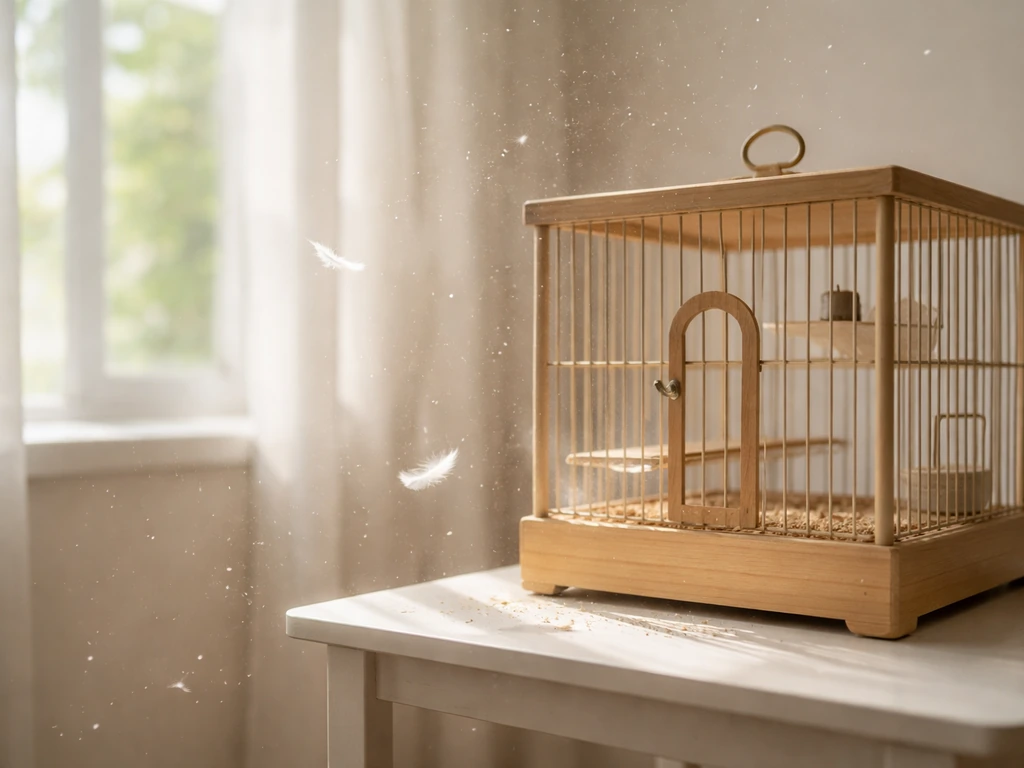
No, it does not spread from person to person. If your partner also develops symptoms after living with birds, that is not because they caught it from you. It means they have independently developed their own sensitization from the same shared exposure: the bird dust and particles floating around your home. Two people in the same bird household can both develop bird fancier's lung, but they each developed it on their own immune timeline.
The bird itself is not "sick" with anything transmissible either. The bird is simply producing normal biological material, feathers, dander, and droppings, that happens to contain proteins your immune system has decided to treat as a threat. Healthy birds produce plenty of these particles. In fact, species like cockatiels and cockatoos produce a fine powder down that is particularly concentrated in avian protein.
The one important nuance: if multiple people in your home are all exposed to the same heavy concentration of bird dust (say, during a cleaning session in an enclosed aviary), multiple people could all develop sensitization over time. That shared risk can look like contagion from the outside, but it is really just shared exposure.
How exposure actually happens: dust, feathers, and droppings
The exposure route is almost always inhalation of airborne particles. Dried bird droppings are the biggest culprit because once droppings dry out, they crumble into a very fine dust that becomes airborne easily. Feather fragments and dander contribute too. When you sweep, vacuum without a HEPA filter, or disturb cage substrate, you kick all of this into the air where it can stay suspended for a while.
The exposure risk is highest during cleaning, when you are close to the birds for extended periods, in poorly ventilated spaces, and in homes where birds are kept in bedrooms or other enclosed rooms that people sleep or spend hours in. The cumulative dose matters: brief occasional contact is much lower risk than daily hours of close exposure in a small room with multiple birds.
- Cleaning cages or aviaries without respiratory protection, especially dry sweeping or blowing out dust
- Handling birds frequently without washing hands or changing clothes afterward
- Keeping birds in bedrooms where you breathe the air for 8 hours a night
- Poor ventilation in bird rooms, allowing particles to accumulate
- Multiple birds in one space, multiplying the overall particle load
- Allowing droppings to dry and accumulate before cleaning
Symptoms to watch for after exposure
Bird fancier's lung shows up in two main patterns depending on how exposure has been happening and how far along the sensitization is.
Acute flares
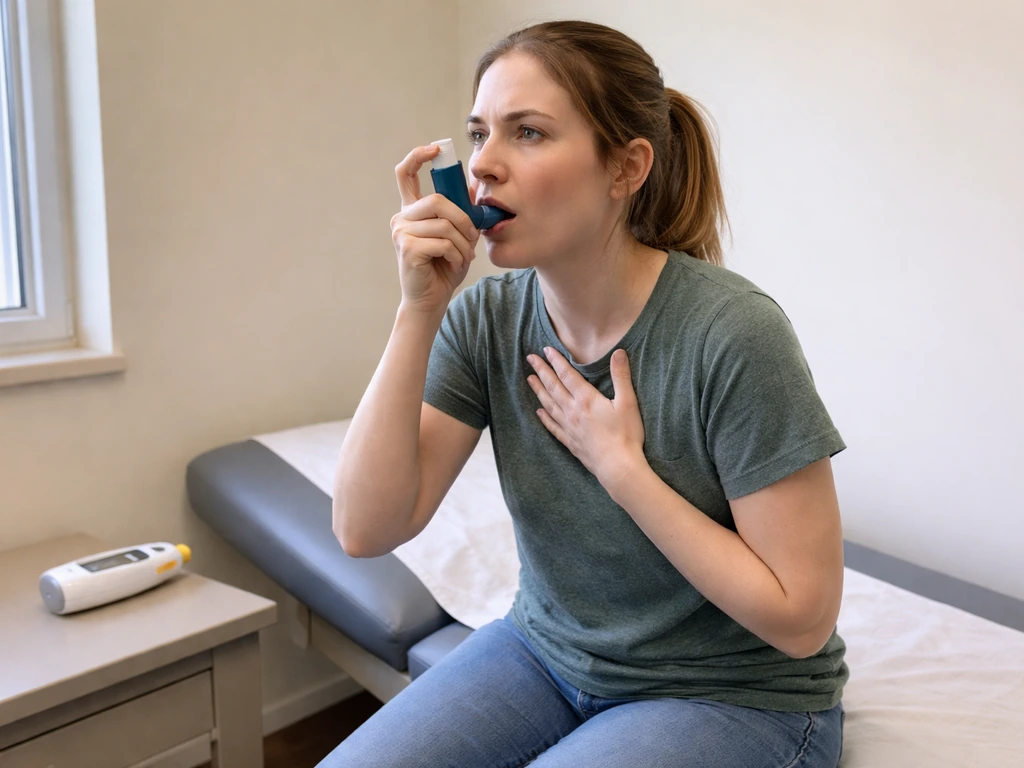
Acute symptoms typically appear 4 to 8 hours after a significant exposure. Interestingly, they often begin after you have left the bird area, so you may not immediately connect them to the birds. The classic presentation includes fever, chills, cough, chest tightness, and shortness of breath. It can feel like a bad flu or the early stages of pneumonia. Symptoms usually improve within hours to days once you are away from the source.
Chronic and progressive symptoms
With ongoing exposure over months or years, the pattern shifts. Instead of distinct flares, you start to notice a persistent cough and gradually worsening breathlessness with exertion. Fatigue is common. Because this develops slowly, many people attribute it to aging, deconditioning, or a lingering cough and delay seeking help. In a case series of 86 bird fancier's lung patients, 98% reported dyspnea and 82% reported cough at the time of diagnosis, which tells you how central those two symptoms are.
Chronic HP can cause progressive lung scarring (fibrosis) if exposure continues, and that damage can be permanent. This is why catching it early and reducing exposure matters so much.
| Feature | Acute presentation | Chronic presentation |
|---|---|---|
| Onset | 4-8 hours after heavy exposure | Gradually over months to years |
| Main symptoms | Fever, chills, cough, chest tightness, breathlessness | Persistent cough, progressive breathlessness, fatigue |
| Recovery without exposure | Hours to a few days | Slow; may have permanent damage if caught late |
| Feels like | Flu or pneumonia | Worsening respiratory decline |
| Urgency | High if severe breathing difficulty | Urgent if progressing despite reduced exposure |
Go to urgent care or an emergency room if you have severe shortness of breath, low oxygen levels, or symptoms that are not improving after you get away from the birds. A minority of people with bird fancier's lung present with grade III or IV dyspnea (significant breathlessness with minimal activity or at rest), and that level of symptoms needs immediate medical attention.
How diagnosis is made
There is no single test that confirms bird fancier's lung on its own. Clinicians build the diagnosis from multiple pieces of evidence, and the most important thing you can do is give them a thorough exposure history upfront. Tell them exactly what birds you have, how many, how long you have had them, where they are kept in your home, and what your cleaning routine looks like.
From there, clinicians typically work through a combination of the following:
- Detailed exposure history combined with symptom timeline (this is foundational and often what points the clinician toward HP in the first place)
- Pulmonary function tests (PFTs) to assess lung capacity and airflow
- High-resolution CT (HRCT) of the chest, which can show characteristic patterns like mosaic attenuation, centrilobular nodules, or ground-glass opacities
- Blood tests including serum IgG antibody panels against specific avian antigens (sometimes called precipitin tests), though a positive result alone does not confirm disease
- Bronchoalveolar lavage (BAL) via bronchoscopy when the diagnosis remains uncertain, which often shows elevated lymphocyte counts in HP
- Physical exam and assessment of oxygen saturation
The 2020 clinical practice guidelines from the American Thoracic Society, Japanese Respiratory Society, and Latin American Thoracic Association frame diagnosis as a combination of these factors evaluated together, not any single result in isolation. If your regular doctor is unfamiliar with HP, asking for a referral to a pulmonologist is a reasonable step.
Treatment: what actually helps
The single most important treatment step is reducing or eliminating exposure to the bird antigens causing your reaction. Everything else is secondary to this. If you continue significant exposure, no medication will stop the progression effectively over the long term.
For many people with mild or early disease, reducing exposure significantly and improving ventilation leads to meaningful symptom improvement on its own. For more severe or persistent cases, clinicians commonly prescribe corticosteroids (such as prednisone) to reduce lung inflammation. These can help during acute flares and in subacute or chronic disease, but the dose and duration depend on individual circumstances and are always a clinical decision.
If blood oxygen levels are low, supplemental oxygen may be used. In advanced cases with significant fibrosis, additional immunosuppressive medications may be considered. Follow-up monitoring of lung function after starting treatment is standard practice to track whether things are improving or stabilizing.
- Reduce or eliminate bird exposure immediately, especially while symptomatic
- See a clinician promptly and share your full bird exposure history
- Follow prescribed corticosteroid or other medication regimens if recommended
- Use supplemental oxygen if prescribed for low oxygen saturation
- Attend follow-up appointments to monitor pulmonary function over time
- Do not assume symptoms will resolve on their own without exposure reduction
Practical prevention for bird owners and caretakers
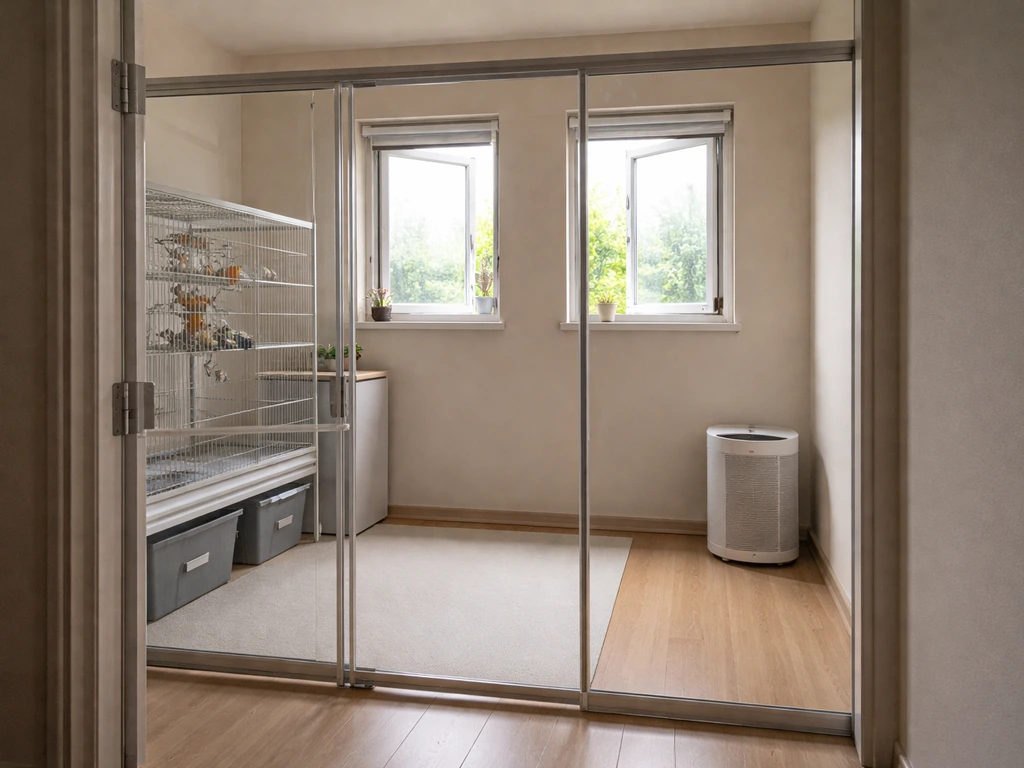
If you have birds and want to keep them, reducing your airborne exposure is the goal. You do not necessarily need to rehome every bird at the first sign of concern, but you do need to take the exposure pathways seriously and make changes that stick.
Ventilation and air filtration
Keep birds in well-ventilated areas, ideally rooms where outside air can be exchanged regularly. A HEPA air purifier placed near the bird area can significantly reduce the airborne particle load. Do not keep birds in bedrooms where you sleep: that is 8 hours of uninterrupted exposure every night, which adds up fast. Reddit discussions about bird fancier's lung often emphasize practical exposure-reduction steps such as moving birds out of bedrooms, using air purifiers, and keeping up with regular cleaning.
Cleaning practices
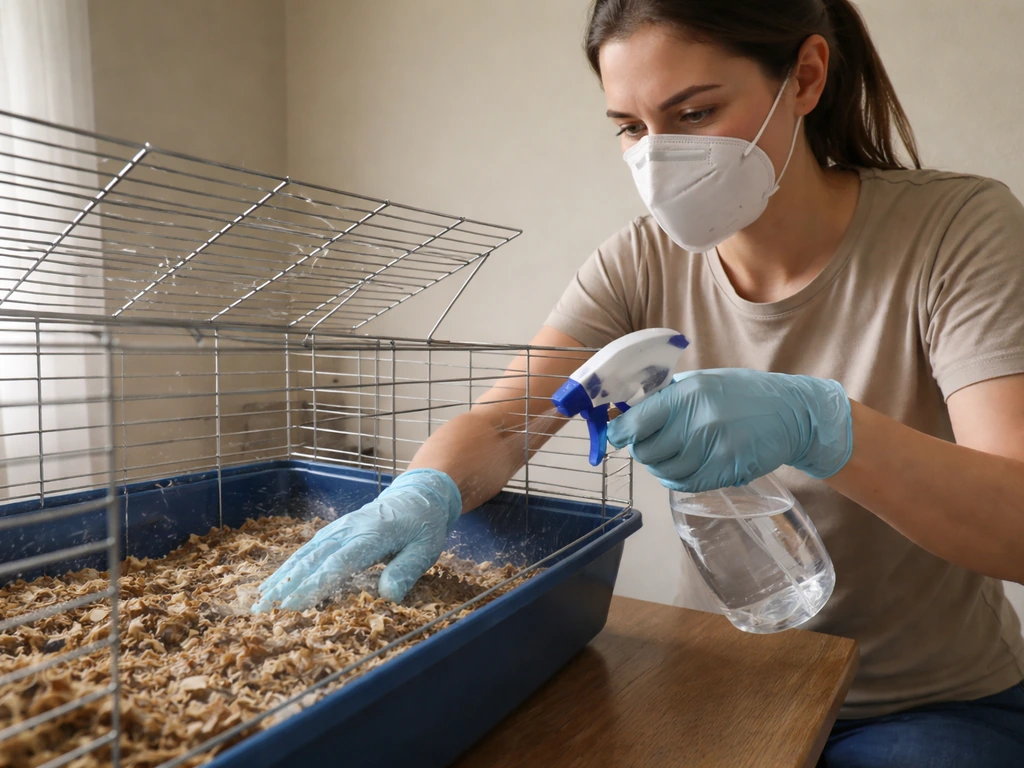
Wet cleaning beats dry sweeping every time for reducing airborne particles. Dampening cage substrate or lining before removing it prevents dried droppings from becoming airborne. Avoid dry sweeping or blowing out cage debris with compressed air. Use a vacuum with a HEPA filter rather than a standard vacuum, which can push fine particles back into the air.
Wear a properly fitted respirator (at minimum an N95) during cleaning. Standard dust masks do not filter fine biological particles adequately. While research suggests that masks alone are not a substitute for full antigen avoidance in preventing chronic HP, they meaningfully reduce exposure during high-risk tasks like cage cleaning.
Hygiene after handling birds
Wash hands after handling birds and change or wash clothes that have had significant bird contact before moving to other parts of your home. This reduces how much dander and feather material you carry around the house.
Reassessing your setup
If you already have symptoms, or someone in your household does, take an honest look at how many birds you have, where they are kept, and whether your current setup allows for genuine exposure reduction. Moving birds to an outdoor aviary or a dedicated, well-ventilated room with a separate air supply from the rest of the house can make a real difference. In some cases, especially with severe or progressive lung disease, rehoming birds may be the only way to stop ongoing damage.
One more thing worth flagging: if you or someone in your home has ongoing symptoms after bird exposure and the picture does not fit cleanly with bird fancier's lung (for example, if there are also gastrointestinal symptoms or the birds themselves seem unwell), it is worth asking your clinician about infectious causes like psittacosis. That condition is caused by actual bacterial transmission from birds and has a different workup and treatment path.
FAQ
If bird fancier's lung is not contagious, can it still be “caught” through shared air when only one person has birds?
Yes, symptoms can show up in someone who does not personally handle the birds if they are in the same air space as high levels of feather, dander, or dried droppings dust. It is not person to person spread, it is shared exposure, so the key question is how much airborne bird material they breathe during the day, especially in poorly ventilated rooms.
Can bird fancier's lung cause symptoms at night or after I go to bed?
It can. If birds are kept in bedrooms or the cleaning process leaves particles suspended, you may breathe in antigens for hours afterward. This is one reason experts advise against housing birds in sleep areas, because 6 to 8 hours of repeated inhalation can raise cumulative dose even if you did not directly “clean” that day.
Do HEPA air purifiers eliminate the problem completely?
They can substantially reduce airborne particle load, but they rarely make exposure zero by themselves. Placement matters (near the bird area and with adequate room circulation), and you still need wet cleaning and HEPA-filtered vacuuming to stop dust from being resuspended. If symptoms continue, your setup may still be delivering a high antigen dose.
If I stop cleaning and just reduce time near the birds, is that enough?
Often it helps, but the effectiveness depends on the size of the antigen exposure and where it occurs. Brief contact in a large, well-ventilated area is usually much lower risk than daily close exposure in a small room. If symptoms persist or worsen, clinicians typically recommend more definite reduction, sometimes including relocating the birds to a separate, better-ventilated area.
What’s the difference between an “allergic reaction” and bird fancier’s lung?
Bird fancier’s lung is hypersensitivity pneumonitis, which targets the lungs and can involve inflammation of the small airways and deeper lung tissue. It can look like an infection or asthma-like illness, but it is driven by immune memory to inhaled proteins. If you have persistent cough and breathlessness that follows repeated bird exposure, ask specifically about hypersensitivity pneumonitis rather than assuming it is only typical seasonal allergy.
Could my symptoms be from my clothes or carpets rather than direct contact with birds?
Yes. Bird proteins can hitchhike on clothing, bedding, and soft furnishings, then be disturbed and inhaled later. Washing clothes after heavy exposure, and vacuuming with a HEPA-filter vacuum (not dry sweeping) helps reduce resuspension from carpets and upholstery.
How soon after exposure should I worry it is bird fancier’s lung?
A common pattern is acute symptoms appearing within about 4 to 8 hours after a significant exposure, sometimes starting after you leave the bird area. If you repeatedly notice a similar timing pattern with bird exposure, that supports the diagnosis and is useful information to bring to a clinician.
If someone in my home develops symptoms, should we assume the person “got it” from another person?
No. If symptoms happen after sharing the same household environment, it usually means both people developed their own sensitization from the same airborne bird antigens. The practical next step is to evaluate ventilation, cleaning practices, room placement, and dust control for everyone exposed.
Is psittacosis always the main alternative to bird fancier’s lung?
Psittacosis is one key infectious alternative, but clinicians may also consider other causes of pneumonia-like illness and other noninfectious lung diseases depending on your test results and symptom pattern. If there are red flags such as high fever, significant systemic illness, or concern for an ill bird, specifically ask whether an infectious workup is needed.
What should I tell my clinician to make the diagnosis easier?
Provide a detailed exposure timeline (which birds, how many, where they are kept, time spent near them, and what changed before symptoms started). Also describe cleaning methods (dry sweeping, vacuum type, use of wet cleaning), whether birds are in bedrooms, and whether symptoms improve when you are away from the home. This exposure history is often the most deciding factor when there is no single definitive test.
If I feel better after taking medicine, does that mean I am cured and exposure no longer matters?
Not necessarily. Medications such as corticosteroids can reduce inflammation and improve symptoms, but they do not remove the underlying immune sensitization. If you continue significant exposure, chronic injury can still progress, so the exposure reduction plan should be treated as a long-term part of treatment, not something you stop when symptoms ease.
Bird Fanciers Lung vs Psittacosis: Symptoms, Diagnosis, Prevention
Bird fanciers’ lung vs psittacosis: key symptoms, tests, who’s at risk, urgent signs, treatment, and prevention.