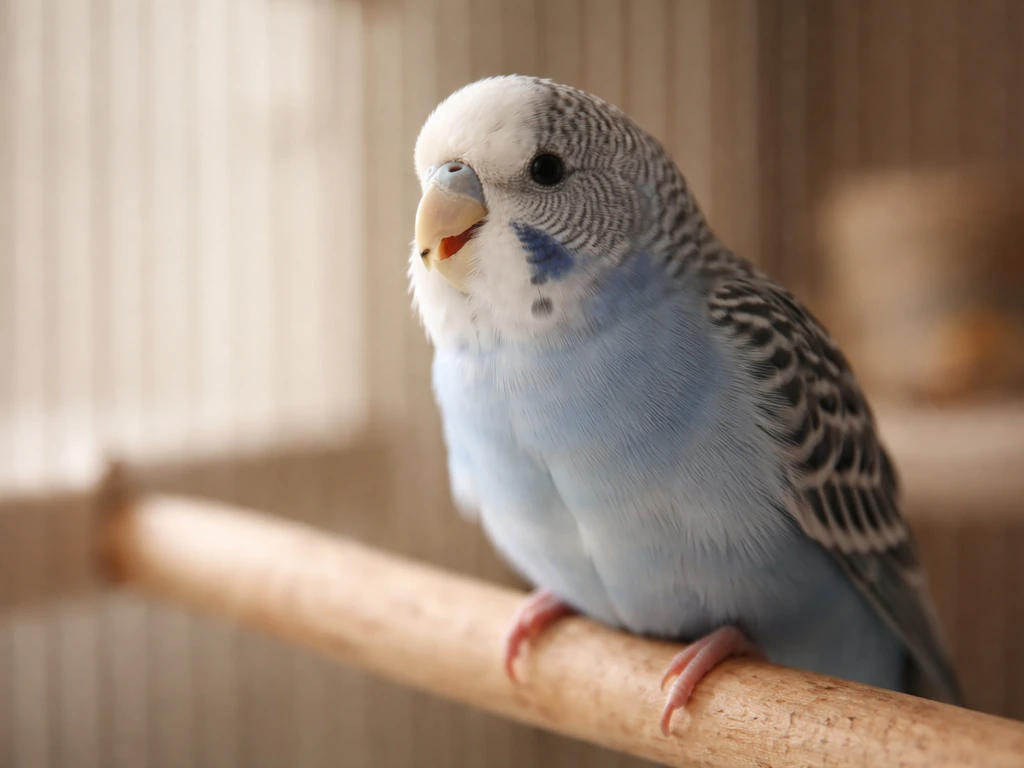
If you're watching a swallow or any bird that seems to be gagging, gaping its beak repeatedly, drooling, or struggling to eat, those are real warning signs that something is blocking or irritating the throat or crop. If you’re also dealing with the Indiana bird problem, it’s especially important to act quickly and get professional guidance for the bird’s specific symptoms.
Swallow Bird Problems: Causes, Signs, and What to Do Now

Marcus Webb
8 Jun 2026
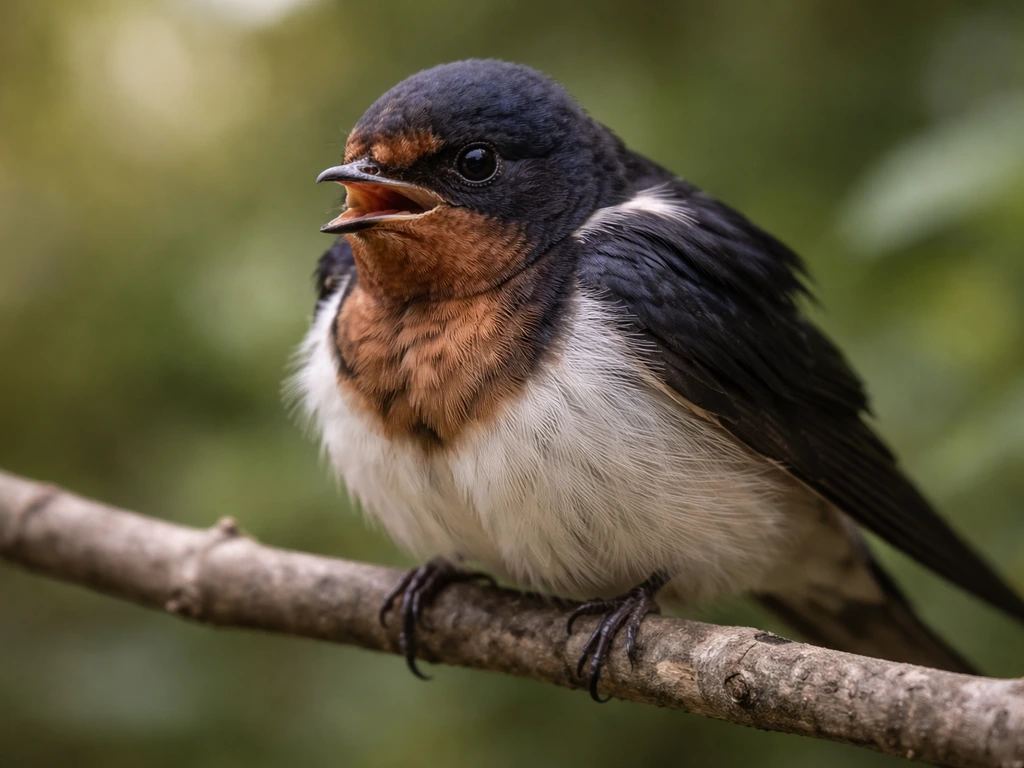
Sometimes it's an infection, sometimes a foreign body, and sometimes what looks like a swallowing problem is actually a breathing emergency. If you are dealing with symptoms that look like pee wee bird problems, treat it as an urgent medical issue and contact an avian vet or wildlife rehabilitator right away.
Either way, the immediate priority is the same: minimize stress, keep the bird warm, do not try to feed or water it on your own, and [get it to an avian vet or licensed wildlife rehabilitator as quickly as possible](https://cdn. ymaws. com/petsitters. org/resource/resmgr/virtuallibrary/signsofdiseasesinbirds.
pdf). Pet bird problems related to swallowing can overlap with infections, foreign bodies, and aspiration, so treat any worsening symptoms as urgent and seek an avian specialist right away.
What swallowing problems actually look like in birds
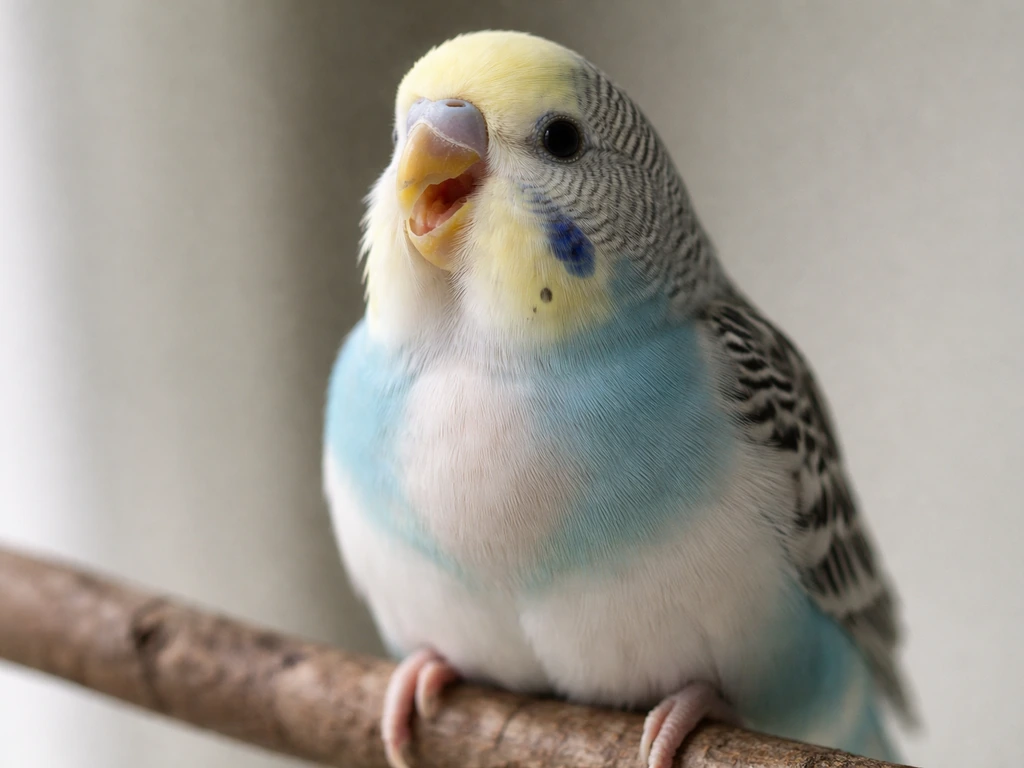
A bird with a true swallowing problem usually gives you a cluster of clues rather than a single obvious sign. You might see repeated beak-gaping or swallowing motions that don't seem to accomplish anything, a bird that keeps stretching its neck forward as if trying to dislodge something, or visible drooling and wetness around the beak. Regurgitation is another flag: the bird brings up undigested food, often with a sour smell coming from the mouth.
The crop (the pouch just above the chest where birds store food before digestion) can tell you a lot. A healthy crop fills after a meal and empties within a few hours. If you notice a persistently full, distended, or squishy crop several hours after the last meal, that points toward crop stasis, which can have infectious, mechanical, or systemic causes. A sour odor from the mouth alongside a slow-emptying crop is a classic sign of yeast overgrowth (candidiasis) or other infection.
Other signs that something is wrong in the mouth or throat include white plaques or patches visible inside the beak, a bird that drops food repeatedly, sudden weight loss combined with reduced appetite, and general lethargy. Juvenile birds tend to show more severe signs than adults when fungal or parasitic disease is involved, and they can deteriorate quickly.
For wild swallows specifically, you're unlikely to get a close look inside the beak, so you'll mainly be reading behavior: a bird sitting on the ground, repeatedly gaping, bobbing its tail while breathing, or not flying away when approached is already in significant distress.
Quick home check: swallowing problem or breathing problem?
This distinction matters a lot because the underlying cause and urgency can differ, though the honest answer is that both are emergencies and both warrant fast professional help. That said, being able to describe what you're seeing accurately will help the vet triage the bird over the phone.
Watch the breathing pattern first. A bird with a respiratory problem typically shows continuous, labored breathing at rest: you'll see the blank" rel="noopener noreferrer">tail bob up and down with each breath, hear audible wheezing or clicking, and the bird may hold its neck stretched upward or breathe with an open mouth even when not eating or vocalizing. These signs are present constantly, not just during swallowing attempts.
A swallowing or throat obstruction problem tends to show its worst signs when the bird tries to eat or drink. You'll see the exaggerated gaping, the neck-stretching, and the gagging specifically around feeding time, with breathing that may look more normal between those episodes. However, a severe blockage or infection in the mouth or crop can absolutely cause open-mouth breathing too, because a growth or mass in the oral cavity can physically obstruct airflow as well as food passage.
- Tail bobbing with every breath at rest: leans toward respiratory disease
- Wheezing or clicking sounds during normal breathing: leans toward respiratory disease
- Gaping and retching specifically during or after eating: leans toward swallowing or crop issue
- Sour smell from the mouth plus slow crop: points toward infection in the upper GI tract
- White plaques visible inside the beak or throat: suggests fungal infection or trichomoniasis
- Both patterns together: possible oral mass or infection affecting both swallowing and airway
If you can safely and gently look inside a pet bird's beak with good lighting, check for visible foreign objects, redness, swelling, or white/yellowish buildup. Do not probe with instruments. For a wild swallow, skip the oral exam entirely and focus on getting the bird to a rehabilitator.
Common causes to know about
Infections: fungal, bacterial, and parasitic
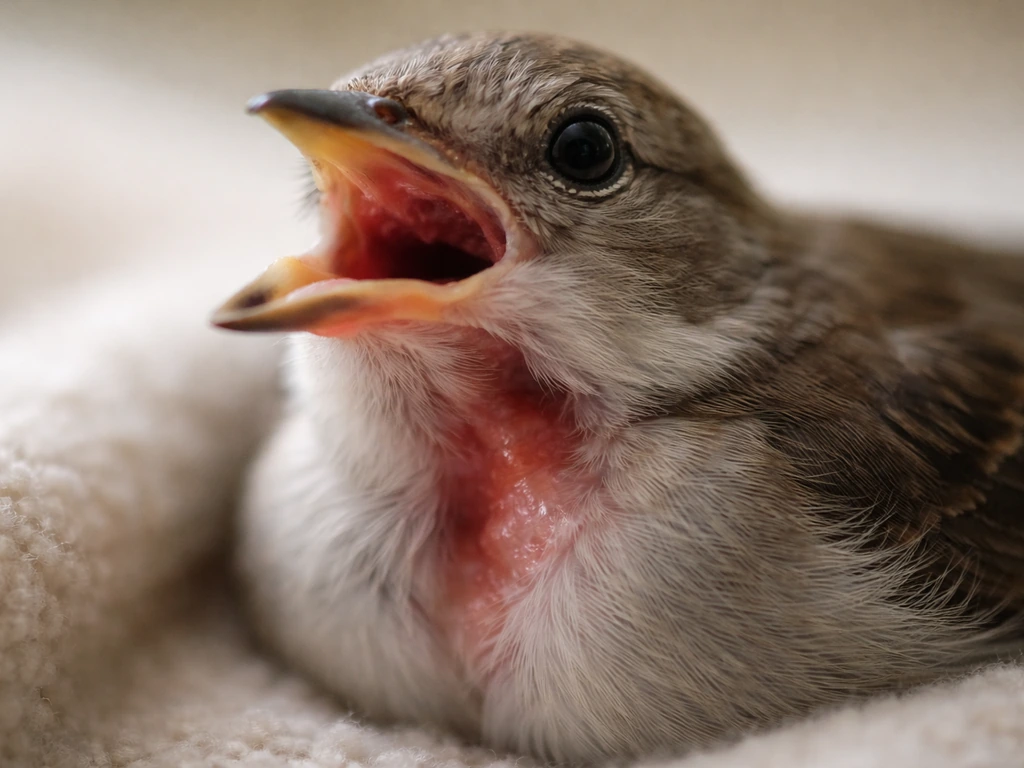
Candidiasis (yeast overgrowth) is one of the most common causes of swallowing difficulty in birds. It affects the oral cavity, esophagus, and crop, and is especially common in young birds or those that are stressed or immunocompromised. You'll often see white plaques coating the inside of the beak and throat, delayed crop emptying, regurgitation, and a sour odor. It's an opportunistic infection, meaning it tends to take hold when the bird's defenses are already weakened by illness, poor nutrition, or antibiotic use.
Trichomoniasis is another infection that specifically targets the mouth, throat, and crop in birds. It produces white matter and mucus in the crop and can cause regurgitation and difficulty swallowing. It's seen in both wild and captive birds and can look very similar to a fungal infection without lab testing.
Bacterial infections can also produce localized mouth and throat lesions. Any infection in the oral cavity or upper GI tract that creates swelling, masses, or plaques can make it physically hard for a bird to swallow, and the same lesion can cause open-mouth breathing if it encroaches on the airway.
Foreign bodies and physical injury
Birds can pick up small objects, plant material, nesting debris, or even insects that become lodged in the mouth or throat. In pet birds, swallowed toys, food pieces, or bits of cage material are the usual suspects. A foreign body causes sudden-onset gagging and gaping, often with the bird repeatedly trying to swallow or regurgitate the same way.
Chewy notes that aspiration or choking presentations in pet birds can include difficulty swallowing, gasping for breath, opening the beak with an exaggerated motion, and attempting to regurgitate or gag foreign body causes sudden-onset gagging and gaping. If the object partially obstructs the airway, you'll see respiratory distress as well.
Injury to the beak or throat from a fall, predator attack, or collision can produce similar signs through swelling and pain rather than a lodged object.
Aspiration
Aspiration happens when food, water, or a foreign substance is accidentally inhaled into the airway rather than swallowed into the esophagus. It can result from hand-feeding with a syringe at the wrong angle, improper crop tube placement, or force-feeding a sick bird. Aspiration is a true emergency because it can cause rapid respiratory failure. The bird will gasp, wheeze, and may seem to choke with no visible object in the throat. This is one reason you should never squirt water or food into a bird's mouth without proper training.
Nutritional deficiencies
Vitamin A deficiency is particularly relevant here. It damages the mucous membranes lining the mouth, throat, and digestive tract, making birds more susceptible to secondary infections like candidiasis and bacterial overgrowth. A bird on a seed-only diet with no fresh vegetables or appropriate supplementation is at real risk. Weakness from malnutrition also affects the muscle coordination needed for normal swallowing.
Parasites and environmental factors
Air sac mites and other internal parasites can produce symptoms that overlap with swallowing problems, including open-mouth breathing, tail bobbing, clicking sounds, and general respiratory distress. Heavy infestations are particularly serious. Environmental factors like poor air quality, tobacco smoke, fumes, or mold exposure can also irritate the upper respiratory and gastrointestinal tracts, contributing to signs that look like swallowing difficulty. Contaminated food or water sources can spread both fungal and bacterial infections.
Immediate do's and don'ts

Whether you're dealing with a pet bird or a wild swallow you've found on the ground, the first-aid principles are similar: stabilize, reduce stress, and get professional help. Here's what to actually do.
| Do | Don't |
|---|---|
| Keep the bird warm: place it in a box or carrier lined with a soft towel, with one end over a low-heat source (heating pad on lowest setting under half the box, or a warm water bottle wrapped in a cloth) | Don't give food or water to a wild bird you've found ill |
| For pet birds, maintain ambient temp around 85°F (29.4°C) if the bird is showing illness signs | Never squirt water or liquid into a bird's beak — aspiration risk is real and serious |
| Keep the bird in a dark, quiet space to minimize stress and handling | Don't try to probe the throat or crop yourself with fingers or instruments |
| Observe and note what you're seeing: crop size, sounds, behavior, droppings | Don't delay calling an avian vet or wildlife rehab hotline while waiting to see if the bird improves |
| Contact an avian vet or licensed wildlife rehabilitator right away | Don't house a sick wild bird with other birds — infection risk is high |
| Keep other pets away and reduce noise/light exposure | Don't attempt to induce vomiting or massage the crop aggressively without vet instruction |
First aid is stabilization only, not treatment. Everything you do at home is a bridge to professional care, not a substitute for it.
When you need urgent help right now
Breathing difficulty in a bird is always an emergency. Don't wait to see if it improves. Call an avian vet or wildlife rehab line immediately if you see any of these:
- Open-mouth breathing at rest, not just during eating
- Tail bobbing with every breath
- Audible wheezing, clicking, or gurgling sounds
- The bird is cold, weak, or difficult to rouse
- Repeated regurgitation that won't stop
- Crop is visibly and markedly distended and not emptying
- The bird has collapsed or cannot perch
- Visible blood in the mouth or throat
- Any suspicion that water or food was accidentally inhaled (aspiration event)
For wild swallows: if the bird is grounded and not fleeing from you, it needs help. Swallows are insectivorous aerial birds and should never be on the ground voluntarily. Contact your local wildlife rehabilitation center or wildlife hotline immediately. Do not attempt to care for a wild swallow at home beyond basic warmth and containment. In most places, keeping a wild bird without a rehabilitation permit is also illegal.
For pet birds: respiratory distress or severe regurgitation warrants an emergency avian vet visit, not a regular appointment the next day. Call ahead so the clinic can prepare oxygen support if needed.
What the vet will actually do
When you bring a bird in with suspected swallowing problems or upper GI distress, the vet's first priority is stabilization: getting the bird into a warm, oxygen-supplemented environment if there's any respiratory distress. From there, the diagnostic process builds outward.
The physical exam includes a close look inside the mouth and throat (oropharynx) for foreign bodies, plaques, lesions, masses, or signs of injury. The crop will be palpated and assessed for content, consistency, and smell. A thorough history from you, including what the bird ate, when symptoms started, any recent changes in diet or environment, and whether the crop is emptying normally, is genuinely useful here and helps guide what tests come next.
Depending on what the exam reveals, diagnostic tools can include:
- Radiography (X-rays) to check for foreign bodies, organ enlargement, or masses
- Crop aspirate or crop wash to sample contents for bacterial or fungal culture
- Oral swabs or scraping for microscopy to identify yeast, trichomoniasis, or bacteria
- Bloodwork to assess organ function, infection markers, and nutritional status
- Endoscopy for direct visualization of the esophagus and crop if needed
- Parasite analysis of crop or fecal samples
Treatment follows the diagnosis. Fungal infections like candidiasis are treated with antifungal medications. Trichomoniasis responds to specific antiprotozoal drugs. A bacterial infection gets the appropriate antibiotic course. A physical foreign body may require manual removal under sedation or, in severe cases, surgical intervention. If the airway is obstructed badly enough, the vet may place an abdominal air sac tube to bypass the blockage and allow the bird to breathe while the obstruction is addressed. Supportive care throughout, including fluid therapy, nutritional support, and heat, addresses the weakness and dehydration that come with any prolonged illness.
How to prevent swallowing problems going forward
Diet and nutrition
A seed-only diet is the single biggest nutritional risk factor for the kinds of infections that cause swallowing problems in pet birds. Vitamin A deficiency directly damages the mucous membranes that protect the throat and crop from opportunistic infections like candidiasis. Transition pet birds to a balanced pelleted diet with fresh vegetables, and work with an avian vet on appropriate supplementation. For hand-fed chicks, correct formula consistency, temperature, and feeding technique are critical to prevent both aspiration and crop infections.
Hygiene and habitat
Contaminated water and food are a primary route for spreading fungal, bacterial, and parasitic infections. Change water daily, wash food dishes thoroughly, and clean cages and perches regularly. If you maintain wild bird feeders near where swallows nest, keep those feeders clean too, since wet, moldy seed can harbor pathogens. Avoid exposing birds to tobacco smoke, aerosol sprays, non-stick cookware fumes, or strong cleaning product vapors, all of which can irritate the respiratory and digestive mucosa and lower resistance to infection.
Avoiding aspiration risk
The most preventable cause of swallowing-related emergencies in birds is improper hand-feeding or force-feeding. If you're caring for a rescued or ill bird, do not attempt to syringe-feed it without guidance from a vet or trained rehabilitator. Never squirt liquid into a bird's beak. If crop tube feeding is needed, it must be done by someone trained in the technique. For pet birds that are fed soft foods or fruits, make sure pieces are appropriately sized so they can't lodge in the throat.
Stress reduction and routine monitoring
Chronic stress suppresses immune function and makes birds more vulnerable to the opportunistic infections that drive most swallowing problems. For pet birds, this means appropriate housing, socialization, sleep cycles, and regular but not overwhelming handling. For wild swallows nesting on your property, minimize disturbance during nesting season. Get in the habit of watching your bird eat daily: a bird that's struggling to swallow, dropping food, or leaving a full crop overnight is telling you something early, when intervention is much easier.
If you're noticing health concerns in other bird species as well, many of the same principles around infection, nutrition, and stress apply broadly. If you also see love bird eye problems along with swallowing signs, it can point to an underlying infection or environmental irritation that needs prompt veterinary assessment eye discharge. Problems like eye discharge, neck abnormalities, or respiratory distress in any bird often share underlying causes with the swallowing issues covered here, and early observation is always the most valuable tool you have. Because neck abnormalities can overlap with swallowing-related issues, it helps to also consider love bird neck problems when evaluating symptoms.
FAQ
My pet bird is beak-gaping but still eating normally, is it still a swallow bird problem?
Beak-gaping can look mild early on, but if the bird is repeatedly gaping, drooling, or leaving a partially full crop after meals, treat it as an urgent swallowing or upper GI issue. If you see any sour-smelling regurgitation or you notice the bird avoids swallowing, contact an avian vet the same day, even if it is eating some food.
Is it ever safe to offer water or soft food to a bird that seems to be gagging?
No, not as a first step. Even small sips can increase aspiration risk if the problem is an airway obstruction, crop stasis, or impaired swallowing coordination. Until a vet advises otherwise, keep handling minimal, keep the bird warm, and focus on getting professional care.
How can I tell whether the problem is more breathing-related or more throat-related before the vet call?
Watch the baseline. If the bird has labored breathing at rest with tail-bobbing, clicking, or open-mouth breathing even when not trying to eat, prioritize breathing emergency care. If symptoms peak during eating or drinking and ease between episodes, obstruction or infection of the mouth, esophagus, or crop becomes more likely, but either pattern still warrants rapid avian assessment.
What should I do if I suspect aspiration after hand-feeding or formula feeding?
Stop feeding immediately and keep the bird warm and calm. Do not try to clear the throat or give extra water. Call an avian vet for emergency guidance, because aspiration can worsen quickly and may require oxygen and respiratory monitoring even if you do not see a foreign object.
My bird has a full, squishy crop. Does that mean it is not a swallowing problem?
A distended or slow-emptying crop strongly points to crop stasis, which can stem from infections, foreign material, or weak swallowing mechanics. Do not attempt to empty the crop at home. Report the crop timing (how long since the last meal) and whether the smell is sour to help the vet triage infection versus obstruction.
Can candidiasis or trichomoniasis go away without treatment if symptoms improve?
Partial improvement does not mean the underlying infection is resolved. Yeast and protozoal infections can temporarily lessen but still spread through the mouth, throat, and crop. Proper diagnosis matters because treatments differ, so follow up with an avian vet rather than waiting for full recovery.
If I see white patches in the beak, is it always fungal?
Not always. White plaques can occur with fungal overgrowth, but bacterial lesions, tissue injury, or protozoal infection can look similar. Avoid scraping or probing the patches, and get a vet to distinguish fungal versus protozoal versus bacterial causes, since using the wrong medication can delay control.
Is there anything I should not clean or medicate while waiting for a vet visit?
Avoid home “soaks,” medicated rinses, or applying oils, herbal products, or antiseptics to the inside of the beak or throat. Also avoid attempting to remove material with instruments. Gentle warmth and minimal handling are safer until the bird is examined, especially if airway involvement is possible.
How should I transport a wild swallow found on the ground?
Use a ventilated, quiet container with darkness or partial cover to reduce stress, keep it warm, and minimize handling. Do not attempt an oral exam, feeding, or fluid delivery. Contact a licensed wildlife rehabilitator or hotline immediately, because swallows should not be kept and fed at home without proper authorization.
Could parasites or mites cause symptoms that look like swallow bird problems?
Yes. Air sac mites and some internal parasites can cause open-mouth breathing, tail-bobbing, clicking, and persistent respiratory signs that may be mistaken for throat trouble. If you also notice ongoing respiratory distress or weight loss despite food attempts, mention that to the vet so parasite testing can be considered.
What diet change is safest if my pet bird gets frequent swallowing or crop problems?
If the bird is on seed-only or mostly soft fruit, that increases the risk of vitamin A deficiency and opportunistic infections. Move gradually toward a balanced pelleted base plus appropriate fresh vegetables, and do this with your avian vet’s guidance. Sudden diet changes can worsen GI upset, so the transition should be planned.
Next Article
Indiana Bird Problem: Triage, Symptoms, and What to Do
Step-by-step triage for the Indiana bird problem: spot respiratory signs, reduce spread, and know when to get urgent car