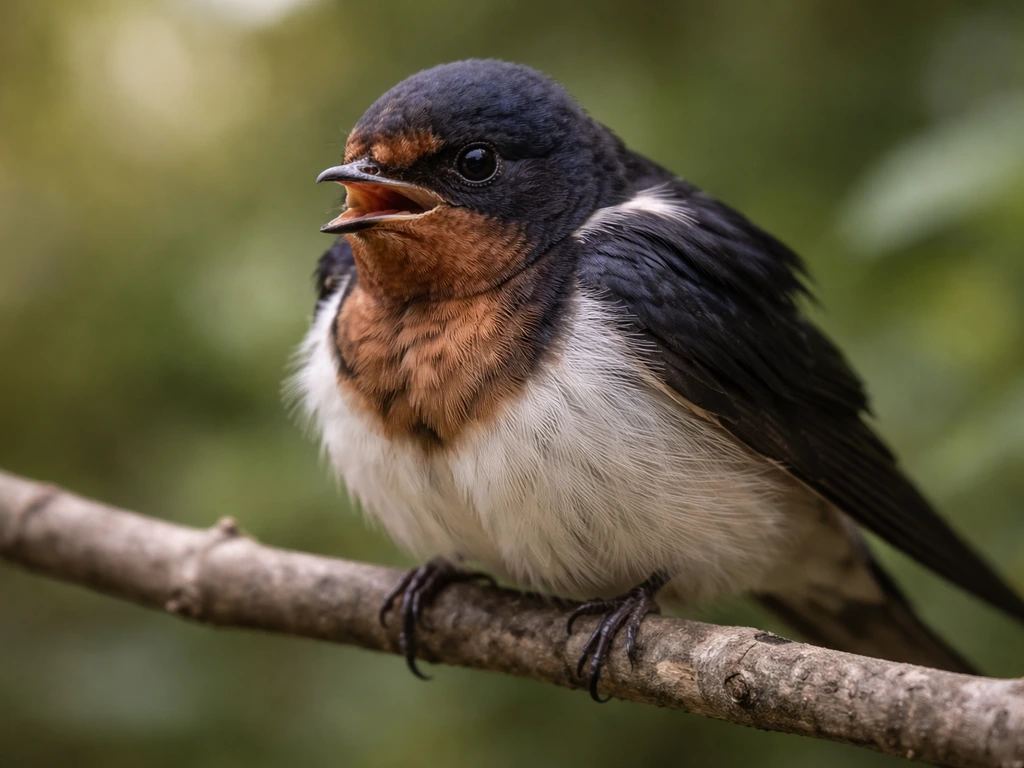
If your pee wee bird is acting sick right now, the most important things to check are breathing, posture, and whether the bird can perch. Open-mouth breathing, tail bobbing with each breath, sitting fluffed on the cage floor, or being too weak to stand are all signs that need a vet or wildlife rehabilitator today, not tomorrow. Most other symptoms, like appetite changes, loose droppings, or eye discharge, give you a short window to assess and act, but they still need attention within 24 to 48 hours at most.
Pee Wee Bird Problems: Symptoms, Causes, and Urgent Care

Marcus Webb
9 Jun 2026
What kind of bird are you actually dealing with?
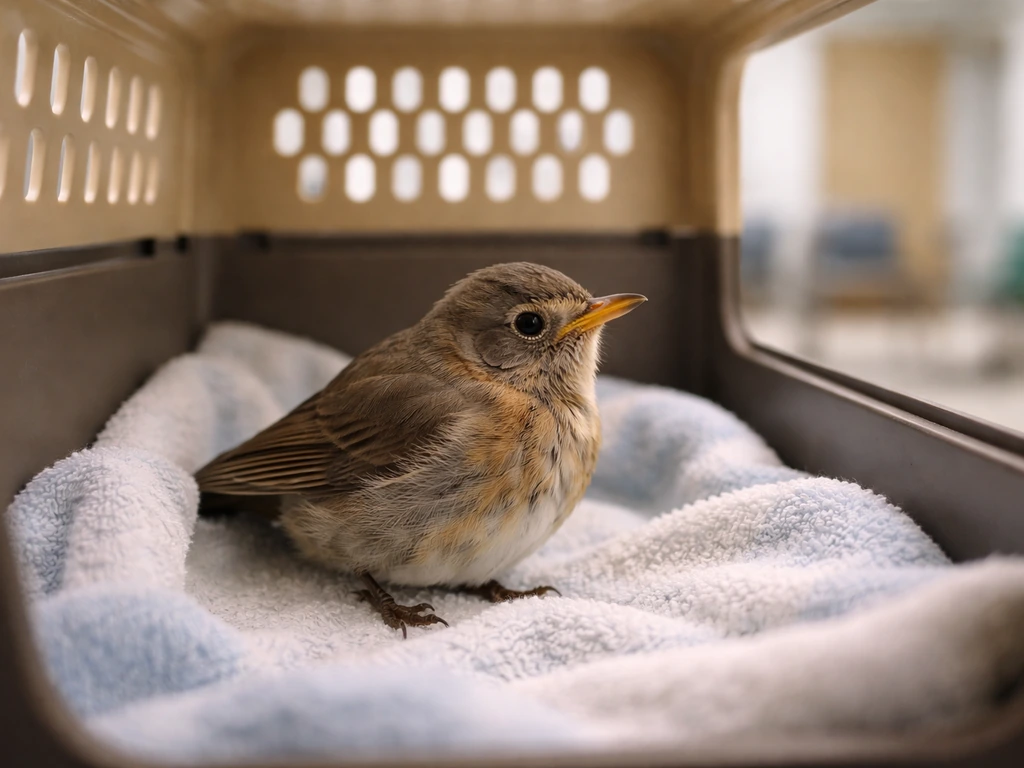
"Pee wee" gets used loosely, and figuring out what you have changes the advice. There are a few possibilities here. You might have a wild Eastern or Western Wood-Pewee, a small flycatcher named for its distinctive "pee-a-weeeee" call that lives in leafy forests across North America. Or you might have stumbled across a bird people commonly call a pewee but is actually an Eastern Phoebe, which looks similar but characteristically bobs its tail repeatedly (pewees barely do this). Or you might simply be using "pee wee" as a nickname for any small bird you found or own. If you're dealing with the Indiana bird problem, make sure you identify the species and follow the same urgent triage steps for small birds.
For practical health purposes, the species name matters less than the two big categories: is this a wild bird you found, or is it your pet? Wild birds need to go to a licensed wildlife rehabilitator, not a standard avian vet, in most cases. Pet birds need an avian vet. Both need the same immediate triage steps right now, which is where to start.
Your first 10 to 15 minutes: immediate triage
Don't spend time Googling symptoms before you do this quick physical check. Run through it systematically and note what you see.
- Check breathing first. Is the bird breathing with its mouth open? Is the tail pumping up and down with every breath? Can you hear wheezing, clicking, or a wet sound? If yes to any of these, treat it as an emergency.
- Check posture and balance. A healthy bird sits upright and grips its perch firmly. A sick bird sits fluffed, hunched, or on the floor of the cage/box. If it can't hold its head up or is tipping sideways, that's neurologic and urgent.
- Check for obvious injuries. Look for blood, a drooping wing, a swollen leg, or an eye that's closed or sunken. If you found the bird outside, check for puncture wounds from a cat bite, even tiny ones with no visible blood.
- Check the droppings. Normal bird droppings have three distinct parts: formed dark green or brown feces, white urates, and a small amount of clear urine. Completely liquid, bloody, or black tarry droppings are red flags.
- Check whether the bird has eaten or drunk anything recently. An empty crop in a baby bird or no eating for over 24 hours in an adult is concerning.
- Note the environment. Have you used nonstick cookware, aerosol sprays, scented candles, or cleaning products recently near the bird? Toxic fume exposure can cause sudden, severe illness.
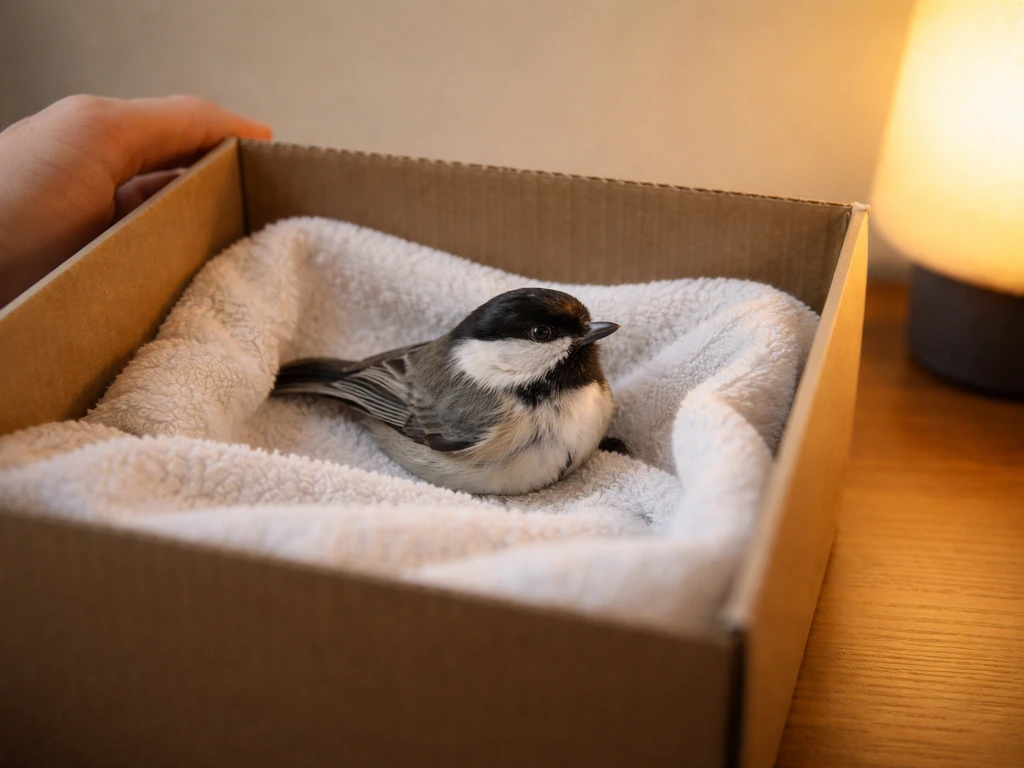
If you found a wild bird, contain it gently in a cardboard box with ventilation holes, lined with a soft cloth. Put it somewhere dark and quiet. Do not offer food or water yet, especially if the bird is in distress. Then call a wildlife rehab center immediately.
Common illness patterns in small birds
Birds are prey animals and they hide illness until they physically can't anymore. Pet bird problems also require careful at-home triage, but the bird still needs an avian vet promptly when symptoms appear seriously ill. By the time a bird looks sick to you, it has often been sick for a while. Purdue University puts it bluntly: if a caged bird appears ill to its owner, it is seriously ill. That framing should push your sense of urgency up, not down.
Behavioral changes
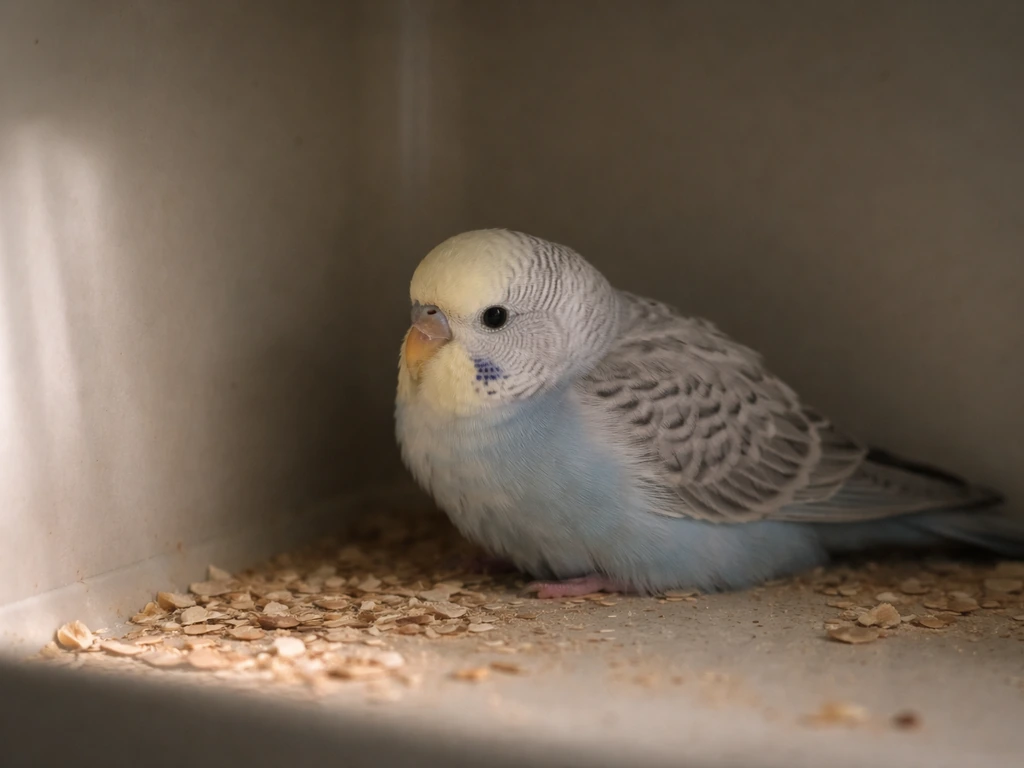
Watch for changes from the bird's normal baseline. A bird that was active and vocal going quiet, staying on the floor, or sitting with feathers puffed out is showing classic illness behavior. Fluffing feathers helps conserve body heat, which is a sign the bird is trying to fight something off. Reduced response to stimuli, sleeping during the day when it normally wouldn't, or sudden clinginess or withdrawal are all worth noting.
Appetite and weight
A bird that stops eating or dramatically reduces food intake will lose weight fast, especially small birds. You may notice the keel bone (the ridge running down the center of the chest) becoming sharply prominent. This is a sign of significant weight loss even if the bird still looks full-feathered. Reduced droppings often signal reduced food intake, so a drop in the number of droppings in the cage is an early clue.
Droppings changes
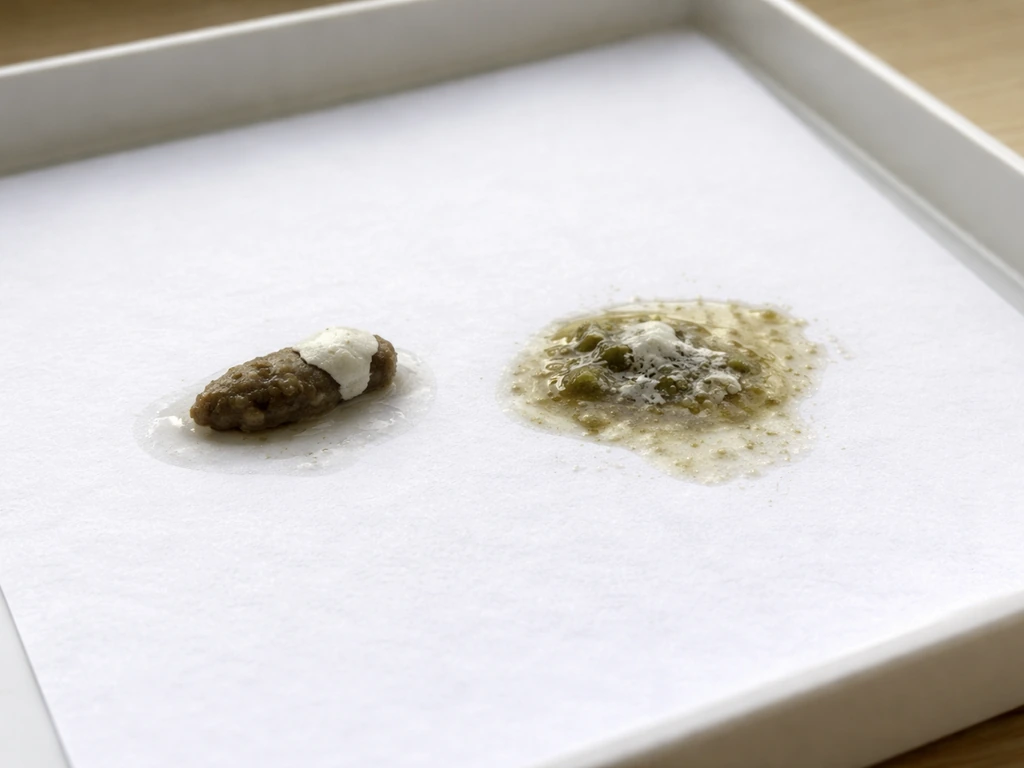
Normal droppings have a formed fecal component, chalky white urates, and clear fluid. Watery, unformed droppings where you can't distinguish the fecal part from the urine/urate portion indicate diarrhea. Yellow or lime-green urates can signal liver issues. Black or tarry feces suggest digested blood. Bright red blood in or around droppings is an emergency. Some dietary changes (like eating lots of berries) can temporarily shift dropping color, but if the diet hasn't changed and the droppings look abnormal, take it seriously.
Breathing and respiratory red flags
Respiratory problems are the most time-sensitive category in small birds. The airway is tiny, and things go wrong fast. Know these signs and treat them as urgent.
- Open-mouth breathing at rest: a bird should breathe with its beak closed unless it's very hot or has just exerted itself. Open-mouth breathing while sitting still is a red flag.
- Tail bobbing with each breath: the tail pumping visibly up and down with every breath means the bird is working hard to breathe and is in respiratory distress.
- Audible breathing: wheezing, clicking, rattling, or a wet gurgling sound means something is obstructing or affecting the airway.
- Nasal discharge: any fluid coming from the nostrils, or crusty buildup around them, signals a respiratory infection or other upper respiratory problem.
- Neck stretching or head bobbing while breathing: this means the bird is trying to open its airway further and is struggling to get air.
- Exaggerated chest or abdominal movement: visible heaving with each breath is abnormal and serious.
Any of these signs, especially open-mouth breathing or collapse, means you need veterinary or rehabilitator help the same day. These common swallowing bird problems are often a clue to respiratory distress or a toxin exposure that needs immediate care swallow bird problems. Don't wait overnight to see if it improves.
Eye, skin, and neurologic signs that point to different causes
Eye and skin signs often point toward infection, injury, nutritional deficiency, or environmental exposure, while neurologic signs raise the stakes considerably. Knowing which you're seeing helps narrow down what's going on.
| Sign | What it might indicate | Urgency |
|---|---|---|
| Cloudy, swollen, or weeping eye | Infection (bacterial, viral), injury, or vitamin A deficiency | Vet within 24 hours |
| One eye closed or squinting | Eye injury, infection, or neurologic involvement | Same day if combined with other signs |
| Crust or discharge around the mouth/beak | Respiratory infection, bacterial infection, or pox virus | Vet within 24 hours |
| Feather loss in patches or abnormal feather condition | Feather-destructive behavior, mites/lice, PBFD virus, or nutritional deficiency | Vet evaluation, less urgent unless spreading fast |
| Scaly or thickened skin on face/legs | Knemidocoptes mites (scaly face/leg mite), common in budgies and small birds | Vet, not an emergency but needs treatment |
| Seizures, tremors, or falling off perch | Toxin exposure (lead, nonstick fumes), neurologic disease, severe infection | Emergency — get help immediately |
| Head tilting or circling | Inner ear infection, neurologic disease, or parasites affecting the nervous system | Urgent — same day |
If you suspect nonstick cookware or aerosol fume exposure as a cause of sudden neurologic signs or collapse, this is an emergency. Birds are extremely sensitive to airborne toxins. Get the bird into fresh air, away from the source, and seek care immediately.
Eye problems in particular overlap with some sibling topics worth knowing about, since birds like lovebirds are specifically prone to eye-related issues that can signal broader systemic illness.
Safe at-home support while you get help
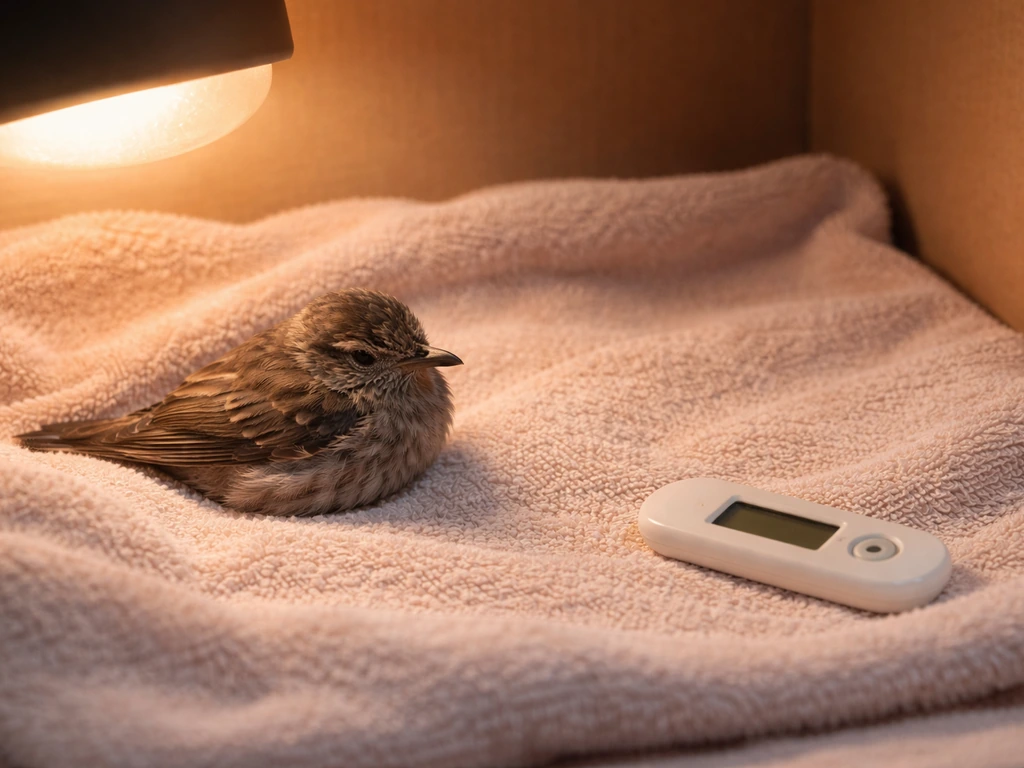
There's a short list of things you can safely do at home that genuinely help a sick bird stabilize while you arrange proper care. Keep this list short because well-intentioned interventions can also cause harm.
Keep the bird warm
Sick birds lose the ability to regulate body temperature efficiently. The target environmental temperature for a sick bird is 80 to 95 degrees Fahrenheit (about 27 to 35 degrees Celsius). You can achieve this by placing a heating pad on low under half of the enclosure (so the bird can move away if too hot), or using a ceramic heat emitter. Don't use heat lamps that emit bright light if the bird is stressed. Make sure the bird can always move to a cooler spot.
Reduce stress
Stress kills sick small birds quickly. Keep the room quiet, reduce handling to the absolute minimum, cover part of the cage or box, and keep other pets and children away. Loud noises, being held repeatedly, and over-stimulation all increase physiologic stress that the bird's body can't handle right now.
Hydration and nutrition basics
Make sure fresh water is available and accessible from a low position if the bird is weak. Do not force water into a bird's beak; this can cause aspiration and make things much worse. For pet birds, offer familiar foods at close range. For wild birds, do not offer food or water without guidance from a rehabilitator, since the wrong food or technique can cause more harm. Do not attempt force-feeding at home. Even experienced bird owners rarely succeed at this without veterinary direction, and the risk of injury or aspiration is high.
What not to do
- Don't give human medications, over-the-counter supplements, or anything not prescribed by an avian vet.
- Don't use nonstick or Teflon-coated pans near a sick bird.
- Don't spray aerosols, air fresheners, or cleaning products in the room.
- Don't put the bird in direct sunlight or a drafty area.
- Don't handle the bird more than necessary to move it to a safe enclosure.
When you need to go now, not wait and see
Some situations don't allow for a "wait 24 hours and monitor" approach. These require you to contact an avian vet or wildlife rehabilitator immediately, as in within the hour if possible.
- Open-mouth breathing at rest, or any of the other respiratory distress signs listed above.
- Collapse, inability to stand, or too weak to grip a perch.
- Seizures, tremors, head tilting, or loss of coordination.
- The bird has been in contact with a cat, even if you see no wound. Cat saliva carries Pasteurella bacteria that cause fatal systemic infections in birds within 24 to 48 hours without antibiotic treatment.
- Suspected toxin or fume exposure with sudden onset symptoms.
- Blood in droppings, heavy bleeding from any wound, or suspected broken bone.
- A baby or juvenile wild bird on the ground that cannot fly and is not simply a fledgling (fledglings hop and have short tail feathers; nestlings are featherless or mostly down-covered and need immediate rehab).
- Any wild bird that allows you to pick it up without effort, since a healthy wild bird will always try to escape.
To find a licensed wildlife rehabilitator quickly, search your country's national wildlife rehab directory or call a local animal control agency. For a pet bird, look for a vet with avian specialty credentials. General-practice vets without bird experience may not have the diagnostic tools or medication familiarity to treat avian patients effectively.
Preventing this from happening again
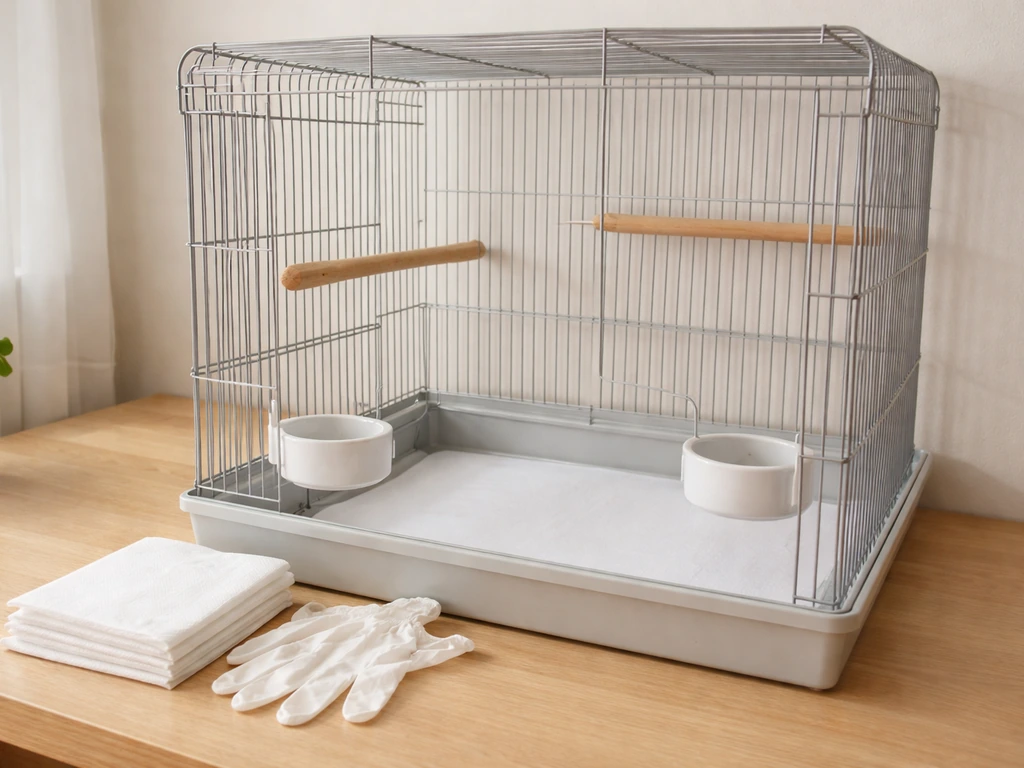
Once you've dealt with the immediate situation, prevention is where you get real long-term results. Most recurrent bird health problems come down to a handful of controllable factors.
Cage hygiene and environment
Clean and disinfect the cage, perches, food dishes, and water dishes consistently. Droppings build up fast, and a dirty environment is a breeding ground for bacterial, fungal, and parasitic infections. Use a bird-safe disinfectant, follow the manufacturer's dilution instructions, and let it sit for the recommended contact time before rinsing. Bleach can work but is a respiratory irritant and needs thorough rinsing. Don't use aerosols near birds. Change substrate or cage liner daily if possible, and do a full deep clean weekly.
Quarantine new birds properly
If you're bringing a new bird into a home with existing birds, quarantine is non-negotiable. Keep the new bird in a completely separate room, not just a separate cage, for at least 30 days, and ideally 45 to 60 days. This means separate air space, separate equipment, and washing hands between handling each bird. The new bird should also get a vet health check before the quarantine period ends. Many disease outbreaks in multi-bird households trace back to a skipped or rushed quarantine.
Nutrition
A seed-only diet is one of the most common underlying contributors to poor immune function and chronic health problems in pet birds. Seeds are high in fat and low in vitamins A, D3, and calcium. Vitamin A deficiency in particular weakens mucous membranes and makes birds more susceptible to respiratory and eye infections. A varied diet that includes species-appropriate pellets, fresh vegetables, and limited fruit is a significant prevention measure for many of the symptoms described in this article.
Environmental hazards to remove
- Replace all nonstick (PTFE-coated) cookware in the kitchen or ensure the bird is never in the same airspace when cooking.
- Avoid aerosol products, air fresheners, scented candles, and incense in rooms where birds spend time.
- Check for lead sources: old paint, certain toys, and some cage components can leach lead. Lead toxicosis is more common than most owners realize.
- Keep the bird away from drafts, heating vents, and air conditioning blowing directly on it.
- Ensure the bird has consistent exposure to natural or full-spectrum light to support vitamin D synthesis and immune function.
General pet bird health, including preventing the most common illnesses across species, follows the same core principles regardless of whether you have a peewee-type bird, a lovebird, or any other small species. The fundamentals of clean environment, good nutrition, stress reduction, and rapid response to early symptoms apply across the board.
FAQ
If my pee wee bird seems a little off but is still responsive, do I still need same-day care?
No. Birds can worsen quickly without obvious changes, and “waiting to see” risks respiratory decline. If you see open-mouth breathing, tail bobbing, collapse, or inability to perch, contact a wildlife rehabilitator or avian vet immediately (same day, ideally within hours).
How should I set up the box or carrier for a found pee wee bird, and can I fully cover it?
“Dark and quiet” does not mean unventilated. Use a ventilated cardboard box or carrier, keep it out of direct sun and away from drafts, and avoid covering it completely so heat and breathing remain safe.
What if the bird eats a little, but its breathing looks abnormal, what should I prioritize?
If breathing looks like work (open-mouth breathing, tail bobbing, gasping, or sitting fluffed on the floor), treat it as urgent regardless of appetite. Since airway issues are time-sensitive in small birds, do not wait for droppings or eating changes to confirm the problem.
How warm should I keep the enclosure for a sick pee wee bird, and how do I avoid overheating?
Use warmth to support recovery, but prevent overheating. Place a heat source on only half the enclosure, use low settings, and ensure the bird can move away. If the bird feels hot to the touch or is panting, turn the heat down or remove it and seek care.
Can I give a sick pee wee bird water or food by hand or via droppers to help it through?
No force-feeding and no “home remedies” like honey, bread, vitamins, or electrolyte mixes. Those increase choking and aspiration risk and can worsen diarrhea or toxin effects. Instead, offer only fresh water that the bird can reach easily if it is safe and per guidance for your situation.
What handling should I avoid, and how much do I need to limit touching the bird?
Keep handling to a minimum. If you must move the bird, do it gently and quickly, support the body, and avoid repeated catching. Stress reduction matters because small birds can crash fast when they are stressed and breathing poorly.
What if I cannot confidently tell whether it is a true pewee or a phoebe when I find it sick?
For a wild bird, your best first aid is stability and contact with a licensed rehabilitator, not diagnosis. If a bird is found injured or sick, do not attempt to identify by sounds or photos while delaying care, because the breathing and posture checks you need come before species-level certainty.
What should I do if I suspect nonstick fumes or aerosol exposure, and do I need to wait to see symptoms?
Do not put a bird in a bathroom with aerosols, cleaners, fragrances, or open drains, and avoid candles or bug sprays. If you suspect fumes, move the bird to fresh air immediately, contain it safely, and treat it as an emergency for toxin or nonstick cookware exposure.
Which symptoms mean I should not try the 24 to 48 hour monitoring window at all?
Yes. Bright red blood around droppings, repeated vomiting, collapse, or open-mouth breathing are “immediate” signs. In these cases, contact care right away rather than monitoring for improvement over 24 hours.
If the droppings look less frequent, how do I tell whether it is dehydration, low appetite, or true diarrhea?
Not necessarily. A drop in droppings can happen when a bird eats less, but watery, unformed droppings or dramatic color changes that are not explained by diet are more concerning. Note frequency and consistency, and use that to inform the vet or rehabilitator.
What are the common cleaning mistakes that can worsen pee wee bird problems after recovery?
Some bird owners make the mistake of cleaning too late or using harsh chemicals. Use a bird-safe disinfectant with proper dilution and contact time, avoid bleach fumes and aerosols, and ventilate the area fully during and after cleaning.
If I already have pet birds, what does proper quarantine look like for a new small bird?
Quarantine should include separate air space, separate dishes and perches, and strict handwashing between birds. If you only separate cages in the same room, you can still spread airborne pathogens, so treat “separate room” as a minimum standard.
Next Article
Swallow Bird Problems: Causes, Signs, and What to Do Now
Identify swallow bird swallowing signs, common causes, at-home checks, and when to seek urgent vet or wildlife help.