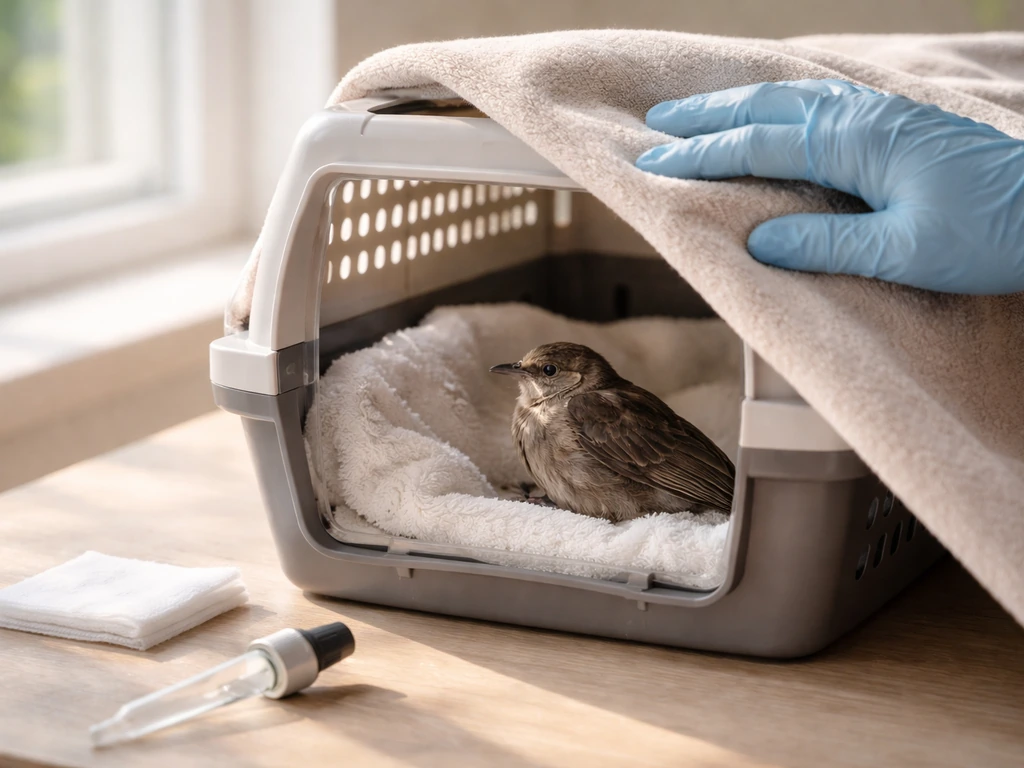
If you're dealing with a sick or dying bird in Indiana right now, the most important thing to do in the next 15 minutes is this: isolate the bird from other birds, put it somewhere warm, dark, and quiet, and stop trying to feed or water it until you know what's wrong. Whether it's a pet bird or a wild bird you found outside, those three steps protect the bird and reduce the chance of spreading illness to your other animals. After that, you need to figure out exactly what you're dealing with so you can get the right kind of help. Once you know you are dealing with pet bird problems, the next step is figuring out the specific symptoms and likely causes so you can get the right help quickly.
Indiana Bird Problem: Triage, Symptoms, and What to Do

Marcus Webb
24 May 2026
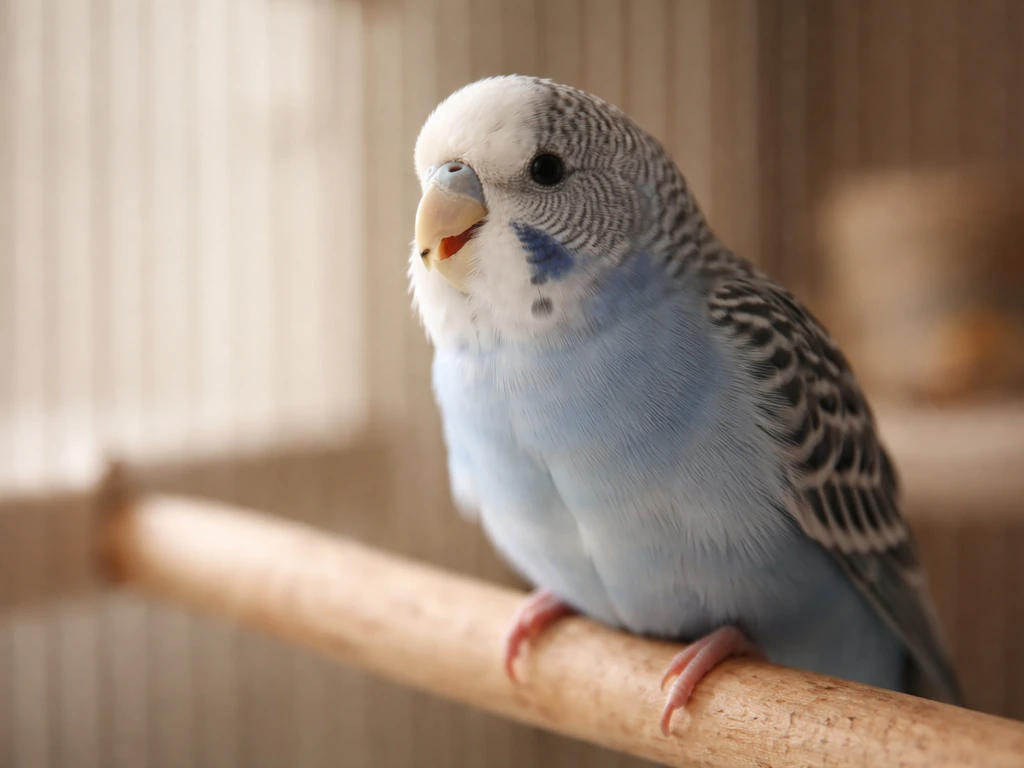
First, figure out what kind of bird problem you actually have
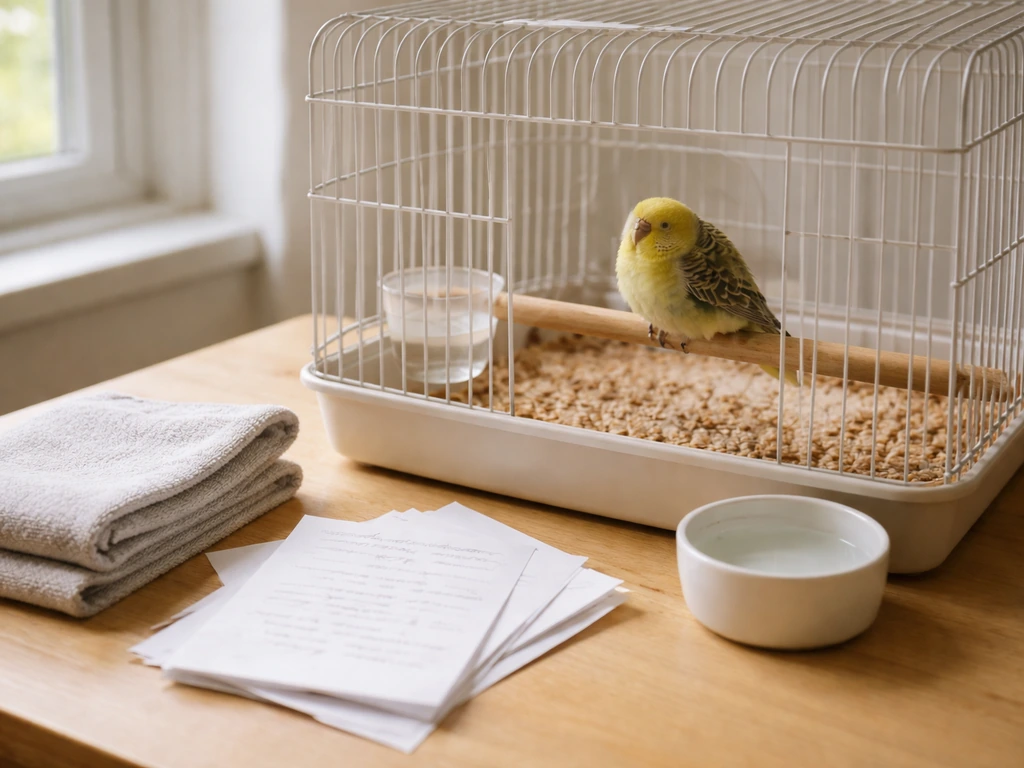
The phrase 'Indiana bird problem' covers a lot of ground. Before you do anything else, get specific about your situation because the right response is completely different depending on the answer.
- Pet bird acting sick: one bird you own, showing symptoms at home
- Multiple pet birds sick at once: suggests a contagious agent or shared environmental cause
- Wild bird found outside: grounded, unable to fly, or visibly injured or lethargic
- Multiple wild birds dead or dying in the same area: potential outbreak or environmental toxin event
- Backyard flock (chickens, ducks, etc.) showing illness: different reporting pathway applies
If you found a single wild bird outside that hit a window or looks stunned, that is a different situation than three of your budgies suddenly sneezing. If you suspect your bird is dealing with swallow bird problems, focus on isolating the bird and getting professional help as soon as possible. Knowing which scenario you're in shapes everything that follows.
Symptom checklist: narrowing down what's wrong
Birds are notoriously good at hiding illness. By the time a bird looks obviously sick, it has often been unwell for a while. Go through this checklist carefully and note every symptom you observe before calling anyone. Lovebird neck problems can have several causes, so a vet should evaluate your bird quickly if you notice swelling, crooked posture, or breathing difficulty.
Respiratory signs (these are the most urgent)
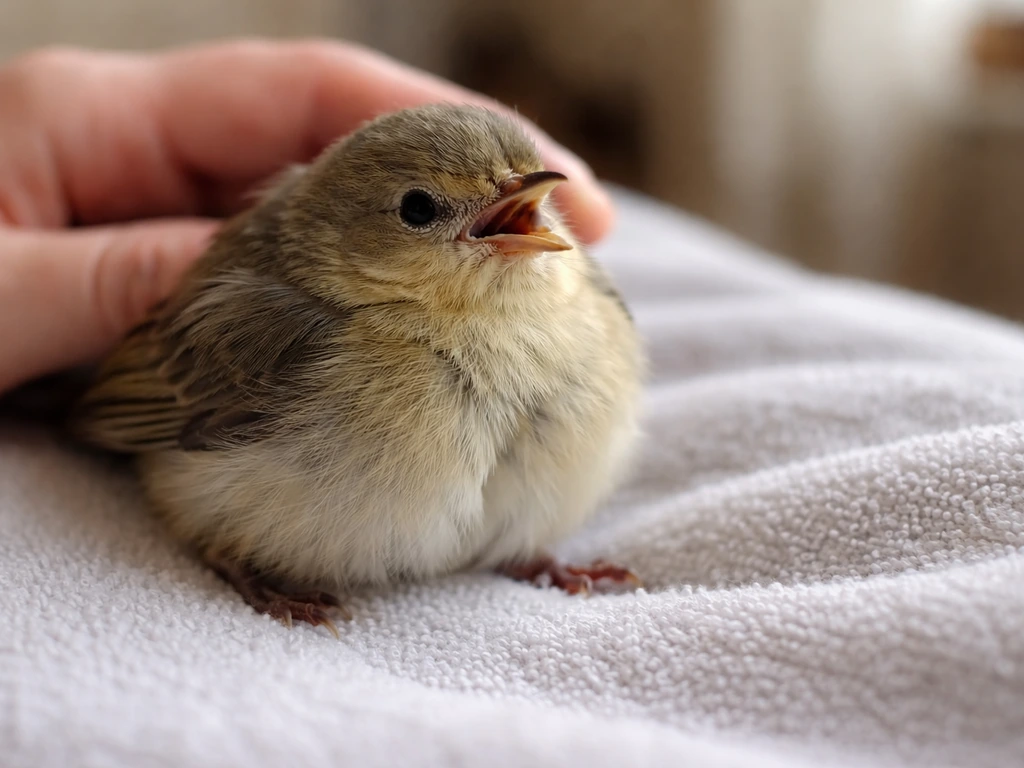
- Open-mouth breathing at rest (this is a serious emergency sign)
- Tail bobbing with each breath (the body is working hard to breathe)
- Increased sternal movement, visible heaving of the chest
- Wheezing, clicking, or rattling sounds when breathing
- Nasal discharge, wet or crusty nostrils
- Sneezing, repeated or productive
Other signs worth noting
- Eye discharge, swelling around the eyes, or one eye held shut
- Fluffed feathers and hunched posture (classic sick-bird stance)
- Lethargy, sitting low on the perch, not responding normally
- Loss of appetite or refusal to eat
- Abnormal droppings: watery, discolored (green, yellow, or bloody), or unusually foul-smelling
- Neurological signs: head tremors, falling off perch, loss of coordination, tonic/clonic spasms
- Sudden weight loss, visible keel bone
Respiratory signs plus neurological signs together (for example, labored breathing combined with tremors) can point toward serious infections like Exotic Newcastle Disease, which also affects the digestive and nervous systems. That combination warrants immediate contact with a vet or state animal health official, not a wait-and-see approach.
Common causes you're likely dealing with
Most bird illness cases in Indiana fall into a handful of categories. You probably can't confirm a diagnosis at home, but knowing the main possibilities helps you describe the situation accurately to a vet or wildlife rehabber.
| Cause | Key Signs | Who It Affects Most |
|---|---|---|
| Avian chlamydiosis (psittacosis) | Nasal and eye discharge, lethargy, loose droppings, somnolence | Pet parrots and parakeets; also pigeons/doves |
| Aspergillosis (fungal) | Increased respiratory rate, gasping, anorexia, weakness, diarrhea | Young birds, stressed birds, immunocompromised |
| Avian influenza | Sudden death, severe respiratory signs, neurological signs | Wild waterfowl, backyard flocks, raptors |
| Exotic Newcastle Disease | Respiratory, digestive, and neurological signs combined; can kill without obvious prior signs | Poultry and psittacines; highly contagious |
| Bacterial respiratory infection | Sneezing, nasal discharge, lethargy, appetite loss | Pet birds, especially in poor ventilation |
| Parasites (internal/external) | Weight loss, ruffled feathers, scratching, weakness | Both pet and wild birds |
| Environmental irritants | Sneezing, nasal discharge, eye irritation, labored breathing | Any bird near fumes, smoke, cleaning products, non-stick cookware overheating |
| Nutritional deficiency | Poor feather condition, lethargy, weakness | Pet birds on seed-only diets |
Avian chlamydiosis is worth knowing about for another reason: it can spread from birds to people. Pee wee bird problems can sometimes be related to avian chlamydiosis, so it is important to consider that possibility when a small bird seems sick. If you've been handling a sick bird and develop flu-like symptoms, fever, or respiratory illness yourself, mention that to your doctor.
What to do right now: triage steps for the next hour
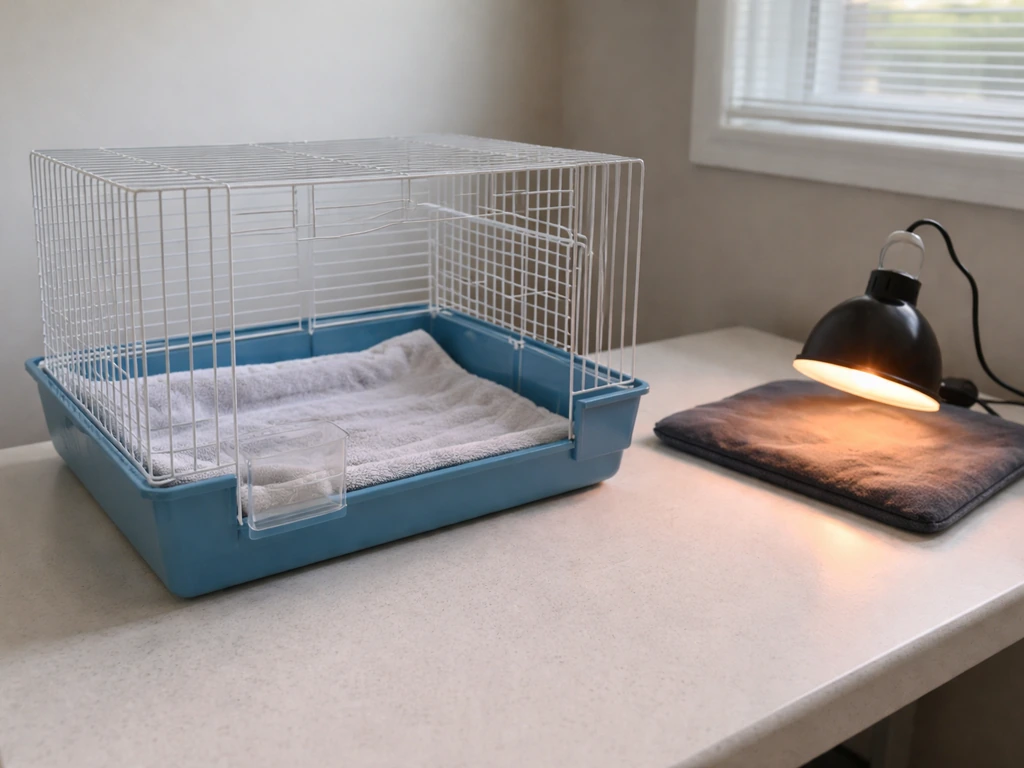
For a sick pet bird
- Isolate the sick bird immediately in a separate cage or room, away from all other birds
- Keep it warm: the ambient temperature around a sick bird should be around 85-90°F; a heating pad on low under half the cage works if you watch it carefully
- Keep the environment quiet and dim, not pitch dark
- Do not change its diet dramatically or try home remedies
- Do not use aerosols, air fresheners, or scented candles in the room
- Note all symptoms and when they started; take a short video if the breathing looks abnormal
- Call an avian vet as your next step (not a general vet if you can avoid it)
For a sick or injured wild bird
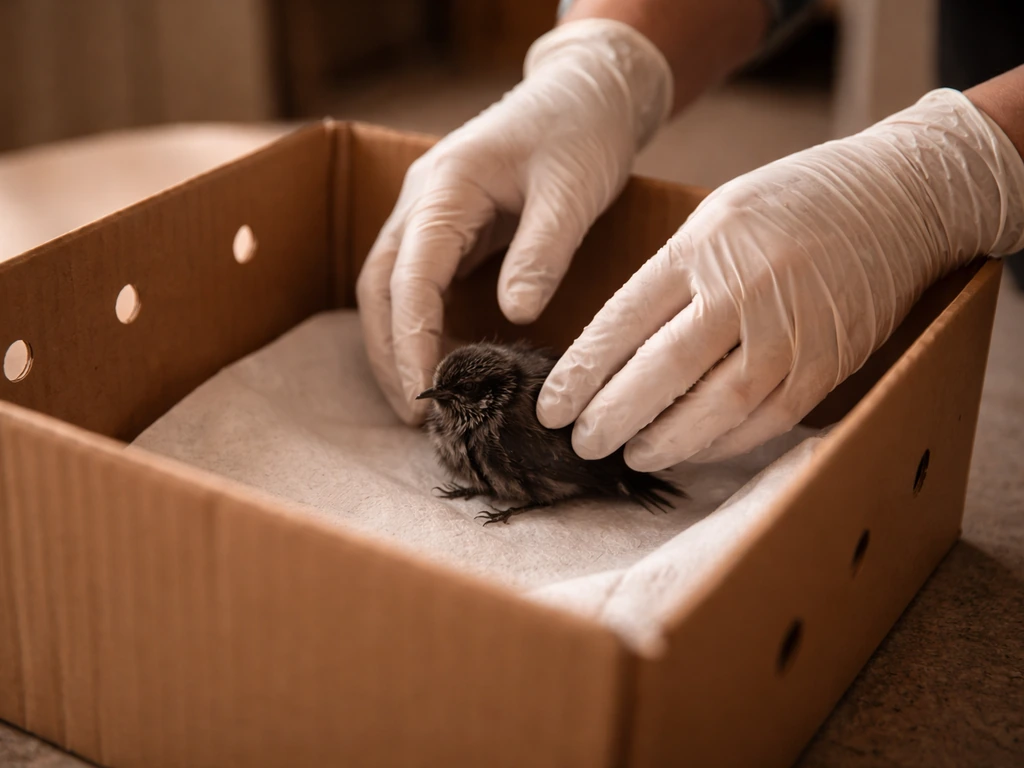
- Wear gloves before handling the bird
- Place the bird in a cardboard box with small air holes and a paper towel on the bottom
- Keep the box in a warm, dark, quiet location indoors
- Do not offer food or water
- Do not keep it in a cage with your pet birds
- Call a permitted wildlife rehabilitator within the hour; the Indiana DNR maintains a list by county
- If transporting the bird, keep the car radio off and avoid unnecessary stops
For multiple dead or dying wild birds in the same area
- Do not touch dead birds with bare hands
- Document what you found: species if possible, number of birds, location, and photos
- Report to the Indiana DNR or Indiana State Board of Animal Health (ISBA) right away
- Do not collect the carcasses for home disposal until you've had guidance on how to handle them safely
Red flags: when to call a vet or wildlife rehabber urgently
Some signs mean you should not wait until morning or until a convenient appointment opens up. If any of the following are present, treat the situation as urgent.
- Open-mouth breathing at rest (this bird may be minutes from collapse)
- Severe tail bobbing or visible heaving with every breath
- Neurological signs: falling, tremors, spinning, or seizure-like movements
- Completely unresponsive or unable to hold itself upright
- Multiple birds in the same household or flock becoming sick within a short window
- Rapid progression: a bird that seemed fine yesterday now looks severely ill
- Suspected raptor, owl, or hawk (these need a permitted raptor rehabilitator, not general wildlife rehab)
A bird in respiratory distress can die shortly after you notice the signs. LafeberVet also notes that dyspneic birds may die soon after presentation and recommends minimizing handling while placing the bird in an oxygen-rich cage dyspneic birds may die soon after presentation and minimizing handling while placing the bird in an oxygen-rich cage. Avian vets are equipped to provide supplemental oxygen immediately, which is often the first thing a bird in serious respiratory distress needs. Delaying care for even a few hours can mean the difference between survival and not.
What to expect when you get to a vet or wildlife rehabber
Knowing what's coming helps you prepare and makes the visit more useful for the bird's care.
What to bring and tell them
- A written list of all symptoms and when each one started
- Any video you captured of abnormal breathing or behavior
- The bird's diet history and recent changes
- Information about other birds in the household and whether any of them are also showing signs
- Recent environmental changes: new cage, new location, cleaning products used, any possible fume exposure
- For wild birds: exactly where you found it, what condition it was in, whether it was alone or near other dead birds
Tests that may be recommended
Your vet may take samples depending on what they suspect. For respiratory illness, oropharyngeal (throat) swabs, choanal swabs, and cloacal swabs are common starting points. Chlamydia psittaci can be detected by PCR test, and Purdue University's Animal Disease Diagnostic Laboratory (ADDL) in Indiana offers this test specifically, which is a useful in-state option if your vet wants to submit samples locally. For fungal diseases like aspergillosis, PCR is also available and considered a sensitive confirmatory method. For avian influenza or Newcastle disease concerns, USDA APHIS guidelines recommend oropharyngeal swabs packaged in appropriate viral transport media. If the disease involves the eye or nasal passages, conjunctival, nasal, or tracheal swabs may be collected as well. If you notice a love bird eye problem, ask the vet whether eye or conjunctival swabs are appropriate and what symptoms to watch for while you wait.
If your bird is in serious respiratory distress when it arrives, the vet will likely stabilize it with oxygen first and do diagnostic work once the bird is safer to handle. Minimizing stress and handling during this phase is intentional, not a delay.
Prevention steps for Indiana bird owners
Most of this is straightforward but it actually matters, especially if you have multiple birds or live near active wild bird populations, which most Hoosiers do.
Cage hygiene
- Clean food and water bowls daily
- Wet cage surfaces before wiping them down (this prevents dried feces from becoming airborne dust)
- Scrub with detergent first to remove fecal debris, then apply a disinfectant and let it sit for at least 5 minutes before rinsing
- Wear an N95 or better respirator when cleaning cages, especially if a bird has been ill
- Wash your hands thoroughly after handling birds or cleaning cages
Quarantine for new birds
Any new bird coming into your home should be quarantined for a minimum of 30 days in a completely separate airspace from your existing birds. This means a different room with the door closed, not just a different cage in the same room. Keep separate food and water dishes, and wash your hands between handling the quarantine bird and your other birds. This single step prevents the majority of infectious disease introductions.
Reducing wild bird exposure
- Keep pet birds and backyard flocks away from areas where wild birds congregate
- Do not allow pet birds to have contact with wild birds or their droppings
- Clean and disinfect bird feeders and bird baths regularly; these can be transmission points for wild bird diseases
- If you handle wild birds (for any reason), change clothes and wash hands before interacting with your pet birds
Ventilation and air quality
Birds are extremely sensitive to airborne irritants. Non-stick cookware overheating, scented candles, aerosol sprays, cigarette smoke, and strong cleaning product fumes can all cause acute respiratory distress. Good airflow matters, but drafts directly on a bird are harmful. Aim for fresh air exchange without exposing birds to temperature extremes or direct drafts.
Getting local help in Indiana: who to call and how to report
For sick or injured wild birds
The Indiana DNR does not directly rehabilitate animals but maintains a searchable list of permitted wildlife rehabilitators organized by county, with contact information and which species each facility accepts. That list is your first stop for any wild bird situation. Look up your county and call the closest facility that accepts the bird type you have. Indiana Audubon also emphasizes that people should not try to self-treat injured or sick wildlife, and instead use the Indiana DNR permitted rehabilitator list by county to find the right facility. Indiana Audubon does not operate a wildlife rehabilitation clinic and cannot accept injured birds directly, but their website echoes the same DNR referral pathway.
For raptors specifically (hawks, owls, eagles, falcons), call a facility that specifies it handles raptors. The Indiana Raptor Center is one such resource. Attempting to rehabilitate a raptor at home is not recommended and can actually reduce the bird's chances of recovery by increasing stress from human contact.
For multiple dead or dying wild birds (possible outbreak)
If you're seeing unusual numbers of dead or dying birds in one location, that is a reportable situation. Contact the Indiana State Board of Animal Health (ISBA) if the birds are poultry or captive birds, or report to Indiana DNR if they are wild birds. Indiana Audubon also directs people to the Indiana DNR reporting system for sick or multiple dead wild birds. A large percentage of dead or dying birds in the same area is not a normal event and should always be reported.
For sick pet birds
Search specifically for an avian veterinarian rather than a general small-animal vet. The Association of Avian Veterinarians (AAV) has a member directory that lets you search by state and zip code. If you're in a rural part of Indiana where avian vets are scarce, call ahead and ask whether the clinic has experience with birds before driving a long distance. If your vet suspects a reportable disease (like avian influenza or Newcastle disease), they will help initiate the reporting process, but you can also contact ISBA directly.
The key thing to remember is that Indiana has resources in place for exactly these situations. You don't need to have all the answers before you call. Describe what you're seeing as clearly and specifically as you can, use the symptom checklist above to organize your observations, and let the professionals guide the next steps from there.
FAQ
What should I do if the bird is bleeding or looks injured but is also breathing oddly?
Treat this as urgent, still isolate and keep the bird warm and quiet. Do not try to stop bleeding with home products. Instead, focus on minimizing movement, keep the bird in a dark container for transport, and contact an avian vet or wildlife rehabilitator immediately, since respiratory compromise can be the life-threatening priority.
Should I give water by mouth or offer food if the bird will not eat?
No. The guidance is to stop feeding and watering until you know what is wrong, because swallowing or aspiration can worsen respiratory disease. If the bird is dehydrated, professionals can assess hydration safely and provide appropriate fluids if indicated.
How warm is “somewhere warm” for an injured or sick bird without cooking it?
Use a warm spot that lets the bird choose comfort, typically around 80 to 85°F (26 to 29°C) with no direct heat source contacting the bird. Avoid heat lamps right against the container. Make sure there is some cooler area inside the enclosure so the bird can move away if it overheats.
What container should I use for isolation and transport?
Use a ventilated, escape-proof container that is easy to keep dark, like a small box with air holes. Line it with paper towel, avoid loose bedding that can snag, and keep the bird separate from other animals. Bring the container to the vet, rather than transferring the bird multiple times.
Can I keep a sick pet bird in the same room as my other birds if I separate cages?
No, not if you want to reduce spread risk. The minimum recommendation is a separate room with the door closed, separate dishes, and handwashing between handling. Airflow sharing in the same room can still transmit respiratory pathogens.
If my wild bird seems stunned from a window strike, do I still need to isolate it from other birds?
Yes. Even if it looks like simple concussion, treat it as possibly infectious and possibly fragile. Isolate, keep it warm and dark, and contact a permitted wildlife rehabilitator instead of returning it outside to “recover,” since internal injury can worsen quickly.
What are common “red flag” signs that mean I should not wait for a scheduled appointment?
Beyond obvious collapse, prioritize breathing difficulty (open-mouth breathing, gasping, persistent tail bobbing), rapid breathing, tremors plus respiratory signs, and any sudden worsening after a period of normal behavior. If the bird is in respiratory distress, immediate oxygen and professional assessment are critical.
My bird was exposed to another sick bird. When do I report or worry about contagious disease?
If you see multiple birds developing similar respiratory or neurologic signs, or if there is a cluster of deaths or severe illness, contact an avian vet and consider disease reporting. When in doubt, collect a clear symptom timeline (start dates and observed behaviors) to help clinicians determine whether it is likely infectious.
What should I tell the vet or wildlife rehabilitator when they ask questions?
Give a concise timeline (when you found the bird or when symptoms started), exact behaviors you observed (posture changes, breathing pattern, discharge from eyes or nose if present), environment details (window strike, other birds in home, recent new birds), and any recent handling or aerosols used in the area.
If I suspect avian influenza or Newcastle disease, can I test at home?
Do not rely on home testing. If there is concern for reportable disease, the priority is professional sampling and proper packaging and reporting. Follow veterinary guidance on what swabs are appropriate and whether immediate isolation and notification are needed.
What if the bird dies or I cannot get help right away, do I still need to report?
For clusters of dead or dying birds, reportable conditions are based on patterns and location, not just survival. If you observed multiple deaths in one area, contact the appropriate Indiana reporting pathway for wild birds or captive birds, and do not handle other birds without thorough hygiene afterward.
Next Article
Bird Trauma Symptoms: Signs, Triage, and First Aid Steps
Recognize bird trauma symptoms, triage urgency, and give safe first aid for bleeding, fractures, head injuries, and shoc