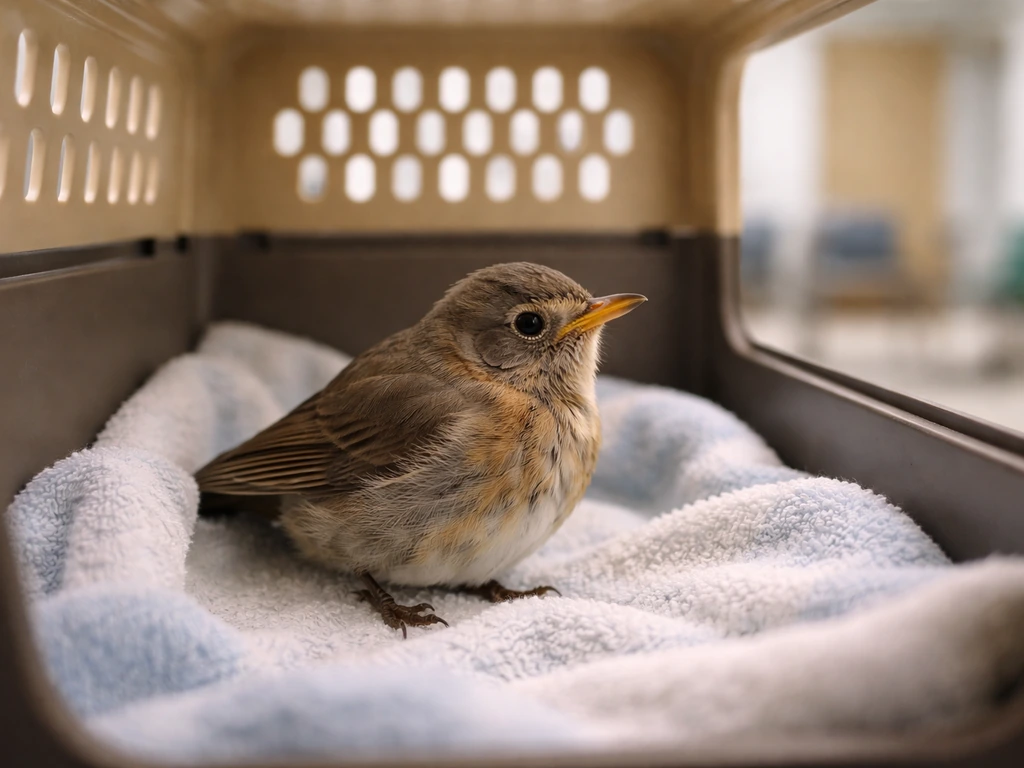
If your bird is sitting fluffed up, breathing with its mouth open, or just seems "off," treat it as a real problem right now. Birds are prey animals and they hide illness until they can't anymore, so by the time you notice something is wrong, the situation is often more serious than it looks. The good news is that most problems are identifiable if you know what to look for, and there are clear steps you can take today to help your bird and get the right care faster. If your bird is struggling to swallow normally, treat it as its own urgent concern and contact an avian vet promptly swallow bird problems.
Pet Bird Problems: Symptoms, Causes, and What to Do Now

Marcus Webb
10 Jun 2026
Quick triage: what to check right now
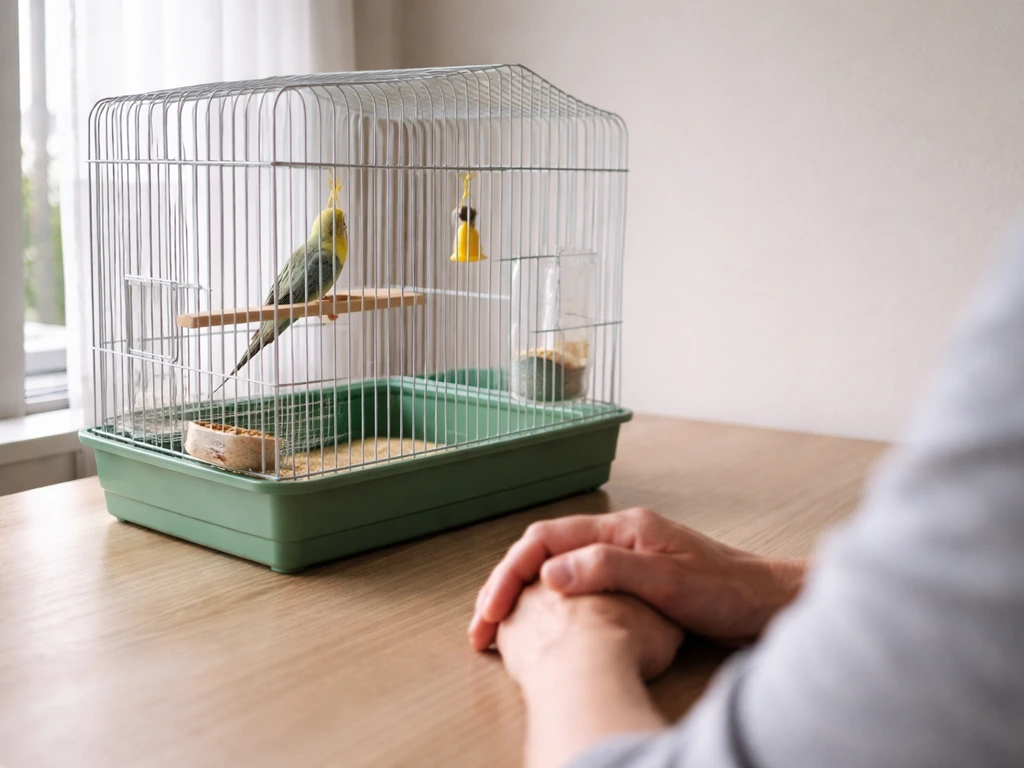
Before anything else, do a calm, close observation. You don't need tools. Just watch your bird for two or three minutes without disturbing it, then take a few notes. You're checking five things:
- Breathing: Is the beak open at rest? Is the chest or tail moving more than usual? Any wheezing, clicking, or squeaking sounds while breathing?
- Posture: Is the bird sitting on the cage floor? Are feathers puffed out? Are eyes fully open or partially closed?
- Activity and voice: Is it quieter than normal? Refusing to move, climb, or interact?
- Droppings: Look at the cage floor or tray. Are the droppings watery, discolored, bloody, or absent?
- Food and water: Has anything been eaten or drunk in the last 24 hours? Is there uneaten food the bird would normally go through quickly?
Write down exactly what you see. Time-stamped notes with specific details ("tail bobbing every breath since this morning, hasn't touched food since yesterday afternoon") are far more useful to a vet than a general description of the bird "acting weird." Take a short video on your phone if you can. This triage takes under five minutes and gives you a clear picture of how urgent the situation is.
Common pet bird problems by symptom
Breathing and voice changes
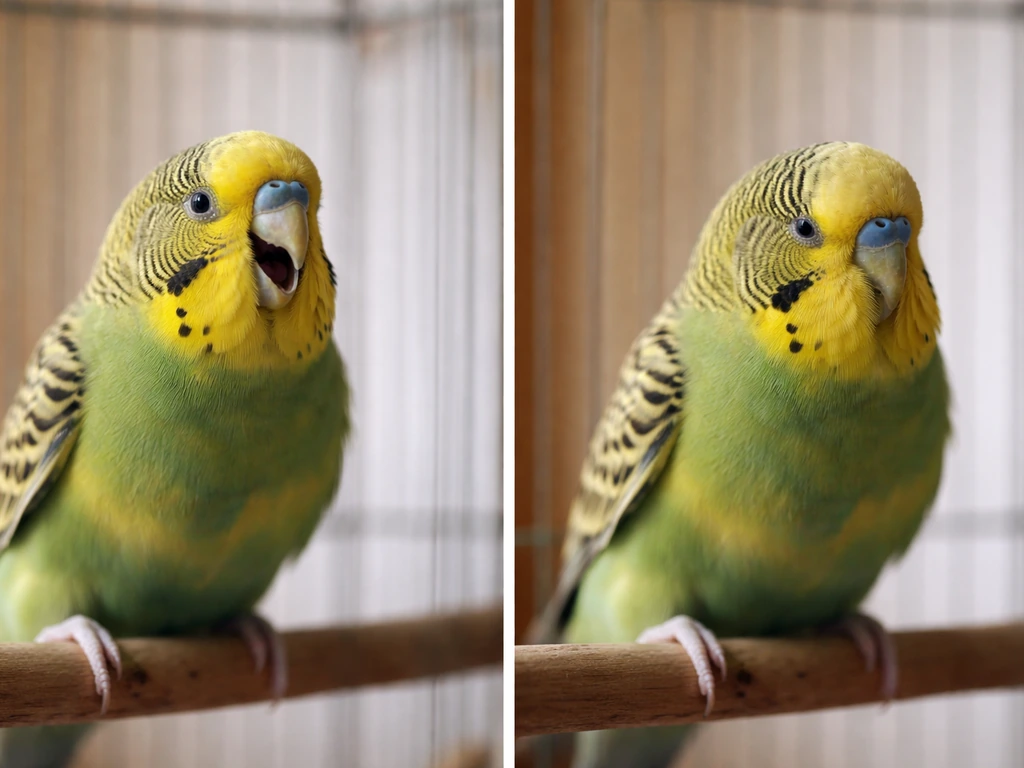
Open-mouth breathing at rest is a serious red flag. Purdue’s General Husbandry of Caged Birds similarly treats open-mouth breathing at rest as very serious and requiring urgent action [Open-mouth breathing at rest is a serious red flag](https://vet. purdue. edu/hospital/small-animal/documents/exotic-animals/general%20husbandry%20of%20caged%20birds.
pdf). Some pee wee bird problems, like sudden breathing changes, can be especially urgent and require quick action Open-mouth breathing. It's not normal for a bird to breathe with its beak open unless it has just been exercising or is overheated. Tail bobbing (the tail pumping up and down with each breath) is another clear sign of breathing difficulty.
Together, these two signs indicate respiratory distress and mean you should be calling an avian vet now, not watching to see if things improve. Voice changes like a muffled, raspy, or absent call also point toward respiratory or vocal tract problems.
Posture and energy
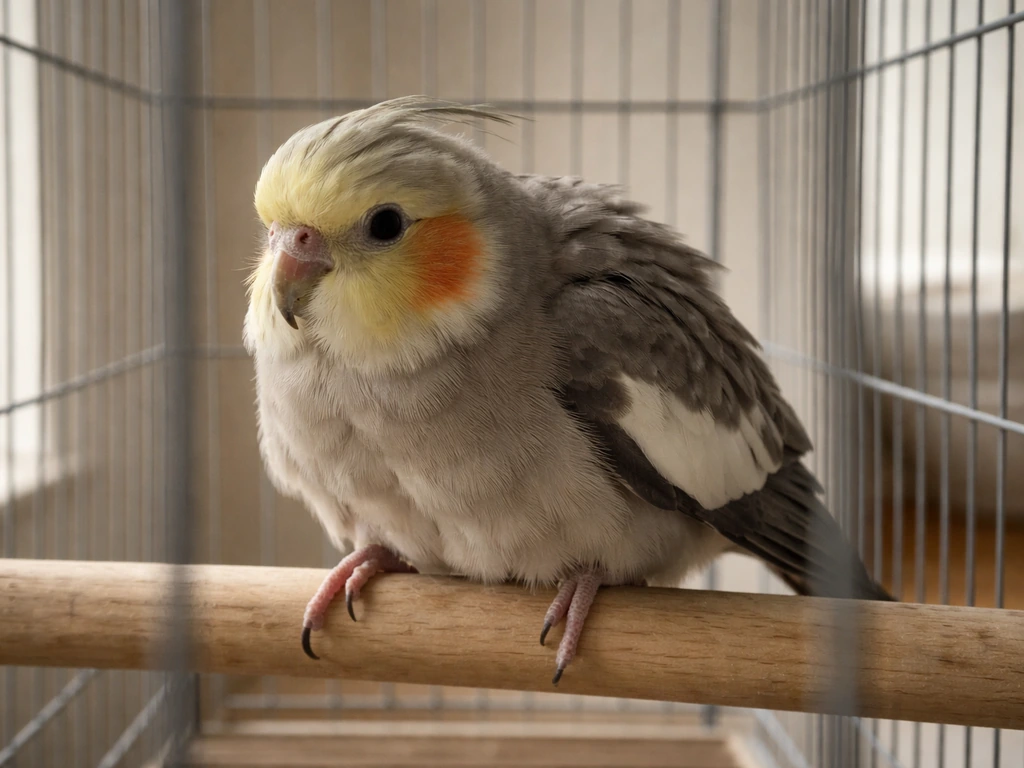
A fluffed-up bird with partially or fully closed eyes sitting low in the cage or on the floor is a classic presentation of a sick bird. Healthy birds spend most of their time alert, upright on a perch, and responsive. When a bird can't or won't perch normally, that's a significant sign. Weakness, wobbling, or an inability to grip the perch are especially concerning and suggest something systemic is going on.
Feather condition
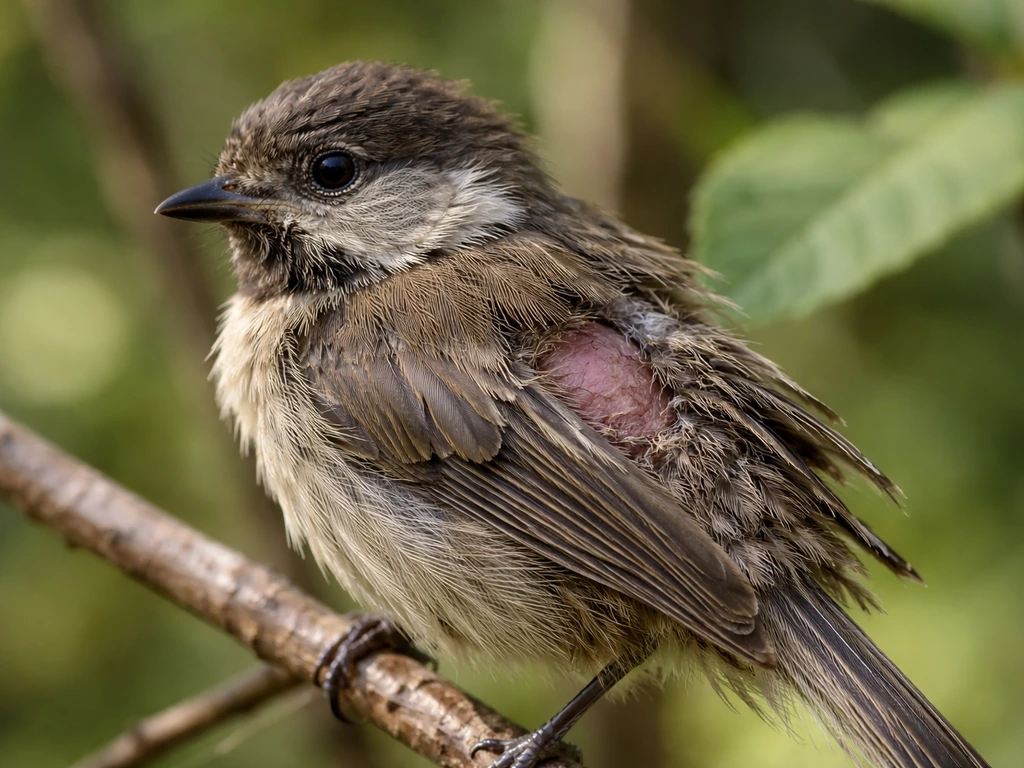
Ruffled or unkempt feathers on an otherwise alert bird can indicate stress, a mild illness, or a skin and feather condition. Feather loss, bald patches, chewed or broken feathers, or feathers growing in abnormally are separate concerns that could point to anything from nutritional deficiency to feather-destructive behavior to external parasites. Context matters a lot here, and the difference between feathers ruffled due to illness versus feathers damaged by behavior is something the overall picture will help clarify.
Respiratory illness: signs and likely causes
Respiratory problems are one of the most common and most serious categories of bird illness. The signs to know are open-mouth breathing, blank" rel="noopener noreferrer">increased chest (sternal) movement with each breath, tail bobbing, noisy or labored breathing, nasal discharge, and clicking or wheezing sounds. If your bird is showing a love bird eye problem, it can still be a sign of illness, so use the same symptom notes and get avian guidance promptly. In severe cases, mucous membranes (inside the mouth) can take on a gray, dark pink, or bluish tint, which indicates low oxygen levels and is a genuine emergency.
Causes range widely. Common culprits include bacterial infections (like Chlamydiosis, also called Psittacosis, which is transmissible to humans), fungal infections such as Aspergillosis, viral diseases, and air sac infections. Environmental triggers are also major contributors: cigarette smoke, scented candles, aerosol sprays, non-stick cookware fumes (polytetrafluoroethylene or PTFE), and poor ventilation can all cause acute respiratory distress, sometimes within minutes of exposure.
If you've recently used any spray, cleaning product, or new cookware in the same room as your bird and it's now showing breathing problems, remove the bird to fresh air immediately and contact a vet. PTFE fumes from overheated non-stick pans are fatal to birds very quickly and are a household danger many owners don't know about.
| Symptom | Possible Cause | Urgency |
|---|---|---|
| Open-mouth breathing at rest | Respiratory infection, air sac disease, toxic fume exposure | Emergency: call vet now |
| Tail bobbing with each breath | Respiratory distress, air sac infection | Emergency: call vet now |
| Clicking or wheezing sounds | Bacterial/fungal respiratory infection, foreign body | Same-day vet visit |
| Nasal discharge, crusty nares | Upper respiratory infection, Chlamydiosis | Vet visit within 24 hours |
| Bluish or gray mucous membranes | Severe oxygen deficiency (cyanosis) | Emergency: call vet now |
| Mild voice change, occasional sneeze | Minor irritation, early infection | Monitor closely, vet within 48 hours if persisting |
Digestion and droppings: what changes mean
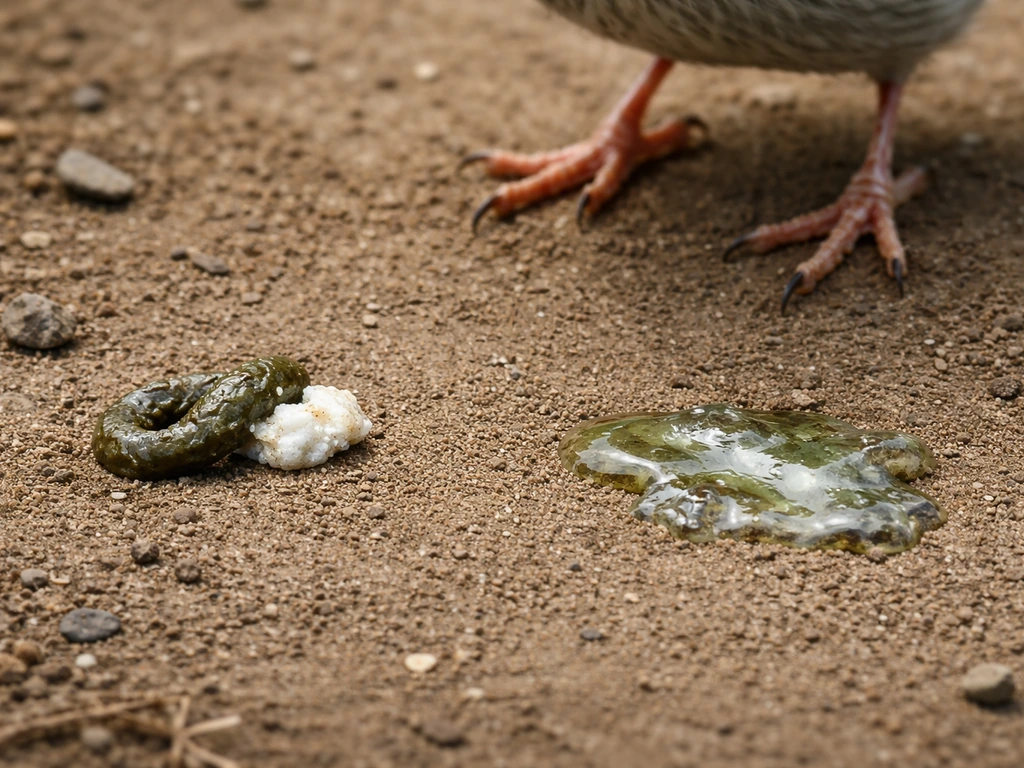
A bird's droppings are one of the most reliable health indicators you have. Normal droppings have three parts: a dark green or brown solid portion (feces), a white or cream chalky portion (urates), and a small amount of clear liquid (urine). Changes in any of these parts can signal a problem.
- Watery or very liquid droppings: can indicate infection, kidney disease, or simply a diet high in fruits and vegetables (which is normal if temporary). Persistent watery droppings need investigation.
- Bright green or yellow urates: can point to liver disease or Chlamydiosis and should be taken seriously.
- Bloody or tarry droppings: suggest internal bleeding or severe infection and are an urgent concern.
- Complete absence of droppings: means the bird hasn't eaten or has a possible blockage. Both situations need prompt attention.
- Droppings that smell unusually foul: can indicate bacterial overgrowth in the gut.
- Undigested seed in droppings: may point to a proventricular or digestive infection such as Proventricular Dilatation Disease (PDD).
Vomiting is different from regurgitation. Birds sometimes regurgitate food as a social bonding behavior (especially toward a favored human or toy), but true vomiting involves head shaking, wet or sticky feathers around the head and face, and undigested or partially digested food being forcefully expelled. Repeated vomiting suggests a digestive, bacterial, or toxic problem and warrants a vet call the same day.
Feather, skin, and behavioral issues: parasites, stress, and more
Feather problems are a broad category and diagnosing them requires ruling out several causes. External parasites like mites and lice can cause intense itching, feather damage, and restlessness, especially at night. You might see the bird scratching excessively, notice tiny moving specks in the cage, or find the bird restless after dark. Red mites in particular are nocturnal and can go undetected until the infestation is significant.
Feather-destructive behavior (FDB), sometimes called feather plucking, is one of the most complex issues in pet birds. It can stem from boredom, stress, hormonal changes, nutritional deficiencies, skin conditions, or underlying illness. A bird that is actively pulling or chewing its own feathers needs a vet evaluation to rule out medical causes before assuming it's purely behavioral. Conditions like Psittacine Beak and Feather Disease (PBFD), a viral infection, also cause progressive feather abnormalities and loss.
Behavioral changes, not just physical ones, are worth tracking. A normally social bird that becomes aggressive, withdrawn, or stops talking can be signaling pain, illness, or significant psychological stress. Sudden changes in behavior without an obvious environmental reason should be noted and brought up with your vet.
At-home care do's and don'ts while you arrange help
While you're waiting to reach a vet or arranging a visit, there are specific things that help and specific things that can make the situation worse.
What to do
- Keep the bird warm. A sick bird loses the ability to regulate its body temperature efficiently. Move it to a quiet, draft-free area and provide gentle warmth: a heating pad set to low under one side of the cage (not the whole cage, so the bird can move away if too warm) or a warm lamp positioned safely at a distance. Aim for about 85-90°F (29-32°C) for a visibly ill bird.
- Reduce stress. Dim the lights slightly, lower noise levels, and limit handling. A stressed bird uses energy it doesn't have to spare.
- Keep food and water accessible and easy to reach. If the bird is weak, move food and water to a lower perch or to the cage floor.
- Take photos and video of symptoms, especially breathing patterns and droppings.
- If you're taking the bird to the vet, transport it inside its own cage or in a familiar carrier without cleaning or changing anything first. The vet may want to examine the droppings and cage environment.
What not to do
- Do not give human medications, over-the-counter bird remedies, or antibiotics you may have left over from a previous pet. Dosing is species-specific and many human drugs are toxic to birds.
- Do not clean the cage before the vet visit. The droppings and debris are diagnostic information.
- Do not wait and see if open-mouth breathing, tail bobbing, collapse, or severe weakness is involved. These are not symptoms that resolve on their own.
- Do not expose the bird to any aerosols, sprays, candles, or fumes while it is already compromised.
- Do not force-feed or force water. A bird that won't eat or drink needs professional help, not forcing.
When to seek an avian vet urgently and how to prepare for the visit
Some situations are not wait-and-monitor situations. Contact an avian vet immediately, or go to an emergency animal hospital if no avian vet is reachable, if your bird is showing any of the following: If you suspect an “Indiana bird problem,” treat it like any other urgent bird illness and contact an avian vet promptly.
- Open-mouth breathing at rest
- Tail bobbing with every breath
- Collapse, inability to stand or grip the perch
- Visible bleeding that doesn't stop
- Seizures or loss of coordination
- Blue, gray, or dark discoloration of the mouth or mucous membranes
- Sudden extreme weakness or unresponsiveness
- Known or suspected exposure to toxic fumes
For non-emergency but concerning symptoms (unusual droppings, reduced appetite, voice changes, mild feather problems), aim to get a same-day or next-day appointment. The general rule is: when a bird owner suspects their bird is ill, the bird should be treated as seriously ill until proven otherwise. Birds don't show symptoms until illness is often well advanced, so acting quickly matters.
To prepare for the visit, bring the bird in its own cage if practical, or in a secure carrier. Bring a sample of its normal diet, note any new foods, products, or environmental changes in the past two to four weeks, and have your symptom notes and video clips ready. Tell the vet how long symptoms have been present, whether anything changed in the environment, and whether any other pets or birds at home are showing similar signs. If you have multiple birds and one is sick, tell the vet that too, as several avian diseases are transmissible between birds.
Prevention and reducing risk: diet, hygiene, environment, and quarantine
Diet basics
A seed-only diet is one of the most common causes of nutritional deficiency in pet birds. Seeds are high in fat and low in essential vitamins and minerals. Most avian vets recommend a pellet-based diet as the nutritional foundation, supplemented with fresh vegetables, some fruit, and limited seeds as a treat. Vitamin A deficiency in particular is linked to respiratory and immune system problems, so including dark leafy greens and orange vegetables regularly makes a real difference.
Hygiene and cage cleaning
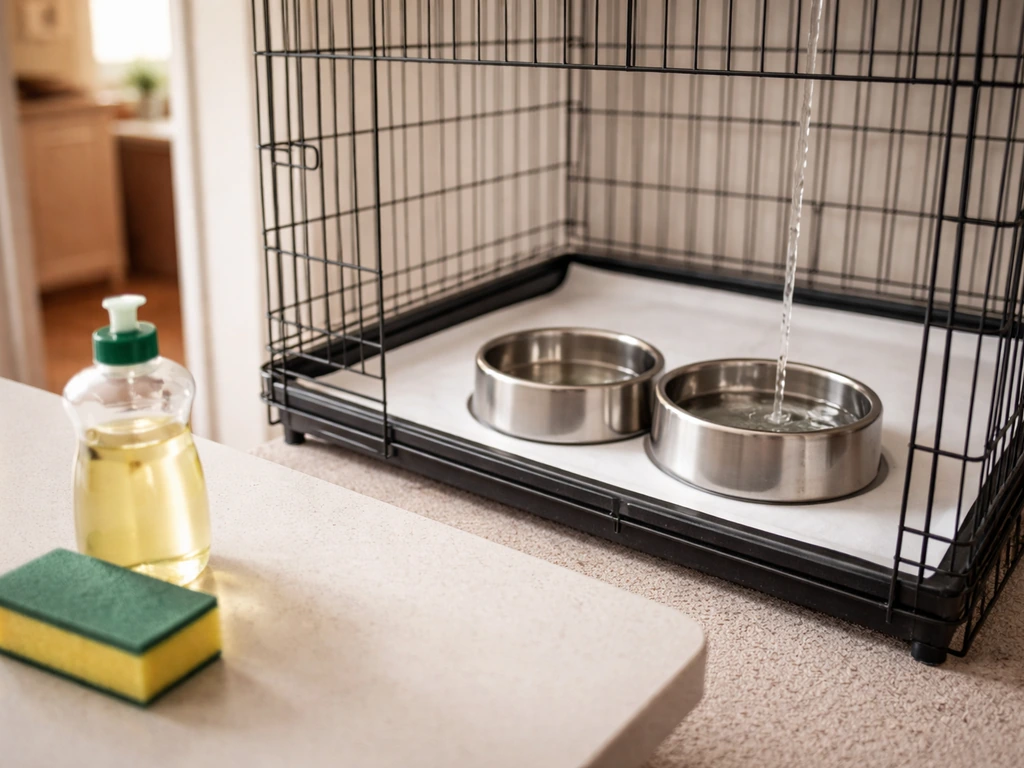
Clean water daily, no exceptions. Standing water grows bacteria fast. Wash food and water dishes with hot water and dish soap daily, and rinse thoroughly. Cage liner or tray should be changed at minimum every two days so you can monitor droppings clearly. Full cage disinfection (with a bird-safe cleaner, not bleach or scented products) should happen weekly. Remove any uneaten fresh food within a few hours to prevent mold and bacterial growth.
Environment and stress reduction
Keep the cage away from the kitchen (fumes), drafts, direct sunlight for extended periods, and air vents. Birds need 10-12 hours of undisturbed sleep in a dark, quiet space. Consistent routine reduces stress significantly. Keep the room temperature stable, ideally between 65-80°F (18-27°C). Avoid smoking anywhere near the bird, and never use non-stick cookware in a kitchen that shares air with the bird's living space.
Quarantine for new birds
Any new bird entering a home with existing birds must be quarantined for a minimum of 30 days in a completely separate room with separate equipment. Many avian diseases, including Chlamydiosis and PBFD, can be carried by apparently healthy birds. A new bird should see an avian vet for a health check, including a Chlamydophila test, before joining the rest of your flock. This single step prevents a large percentage of disease transmission between pet birds.
A note on wild birds
If you've handled a sick or injured wild bird and are now concerned about your own pet bird's health, the risks are real. Wild birds carry a range of pathogens that domestic pet birds have little immunity to. Wash your hands thoroughly, change your clothes, and do not let a wild bird have any contact with your pet birds. If a wild bird has been in your home, monitor your pet birds closely for the next two to three weeks. The symptom categories covered above (respiratory, digestive, behavioral) apply equally to assessing a wild bird you're concerned about, though wild birds should be handled only by licensed wildlife rehabilitators when possible.
FAQ
My pet bird is fluffed up, but it seems calm. Is that still an emergency?
Yes. If your bird is breathing with the beak open, tail bobbing, making clicking sounds, or looking weak and low, do not “wait and see.” Move the bird to fresh air away from any fumes, keep it warm but not hot, and contact an avian vet or emergency service immediately. Time matters with respiratory distress because oxygen levels can drop quickly.
How long should I monitor pet bird problems at home before calling the vet?
A calm two to three minute watch is the right start, but extend the observation only if breathing is normal and the bird is still alert. If symptoms persist beyond a short window, worsen, or you notice any new red flags (open-mouth breathing, tail bobbing, color change in the mouth), treat it as urgent and call the vet the same day.
What household factors can trigger pet bird problems in minutes?
If the cage is positioned near the kitchen or near an HVAC vent, fumes and airflow swings can overwhelm birds fast. Check for heat sources, scented products, aerosol sprays, and non-stick cookware being heated, then relocate the bird to a quieter, well-ventilated room with stable temperature. Avoid opening windows directly into drafts or heavy temperature changes.
If my bird’s droppings look normal, can I rule out serious pet bird problems?
Don’t rely on droppings alone if breathing or behavior looks abnormal. Droppings are excellent for detecting many issues, but respiratory and toxin exposures can show severe symptoms while droppings look “mostly normal” early on. In practice, use both, symptom notes and dropping changes, when deciding how urgently to seek care.
Why do some pet bird problems look mild at first, and what should I look for?
Yes, and you should still call a vet urgently if you suspect illness. Some birds only display subtle signs until they are very compromised. Use time-stamped notes and videos, especially for tail movement, breathing rate, voice changes, and how it sits, because those details can reveal problems even when the bird seems “mostly fine.”
My bird seems unable to swallow. What should I do right now, and what should I avoid?
If you suspect choking or inability to swallow, keep the bird calm and warm and do not force water, food, or “home treatments.” Persistent head shaking, wet feathers around the face, repeated attempts to swallow, or sudden breathing difficulty should be treated as urgent.
Is it safe to clean the cage and room when my bird has respiratory symptoms?
Don’t use bleach, scented cleaners, or air fresheners anywhere near the bird. For cleaning, use a bird-safe product and make sure the area is fully aired out before bringing the bird back. Also avoid aerosolized products, even “pet-safe” sprays, because birds have sensitive airways.
If I have more than one bird and only one is sick, should I still worry about spreading pet bird problems?
Yes. If multiple birds share air and one bird is sick, consider the situation contagious until a vet rules it out. Isolate the sick bird in a separate, well-managed area, use separate towels and tools, and tell the vet how many birds are affected and when symptoms started across the flock.
How can I tell whether feather and itching problems are likely mites, not just stress?
If you notice tiny moving specks on cage bars or bedding, or the bird is restless at night and scratching, mites are a possibility. Use an avian-appropriate treatment plan guided by a vet, because incorrect dosing can worsen stress or leave the infestation untreated. Also treat the environment (not just the bird) when mites are suspected.
When feather-destructive behavior shows up, when should I stop assuming it’s boredom?
If a plucking bird has sudden changes, skin irritation, abnormal feather growth, or other systemic signs (fluffed posture, appetite changes, unusual droppings), assume it may be medical until proven otherwise. A vet can evaluate for nutritional deficiencies, viral disease, beak and feather issues, and skin conditions before concluding it is purely behavioral.
What should I do if I suspect PBFD or other contagious feather problems in my pet birds?
If you suspect PBFD (progressive feather abnormalities, shedding, deformities, and overall decline), avoid introducing the bird to your other birds or sharing equipment. Arrange an avian vet evaluation and mention PBFD concern specifically. Early detection affects both treatment decisions and how you manage the rest of the flock.
My bird stopped eating, should I immediately change from seed to pellets?
A seed-only diet can contribute to deficiencies, but do not switch diets overnight during an acute illness. Instead, ask the vet how to transition safely based on what your bird is eating now and any suspected diagnosis. In the meantime, offer familiar, easily eaten foods if appetite is reduced, unless the vet advises otherwise.
How do I support a sick bird while I’m waiting for the appointment?
Offer food and water that are easy to access and clean. If the bird is weak or dropping from the perch, placing food and water closer helps, but do not keep handling it excessively. Use your symptom notes to decide urgency, and if there is reduced appetite with other red flags, call for guidance the same day.
What if my bird isn’t drinking or eating, and I’m unsure whether it’s urgent?
Some birds become dehydrated quickly, and “not drinking” can be part of illness. Check whether the bird is eating and whether water is available and reachable, then watch drinking attempts. If your bird is lethargic, has abnormal droppings, or shows breathing distress, do not delay a vet call while troubleshooting water bowls.
What details should I communicate to the vet first for the best triage of pet bird problems?
When you talk to the vet, include dates, the exact symptoms you observed (for example, tail bobbing frequency, mouth breathing at rest, color of the mouth lining if you can see it), and any recent exposures (new sprays, candles, aerosols, cookware, room cleaners, candles, or smokers nearby). Also mention whether another bird or pet is sick.
Next Article
Pee Wee Bird Problems: Symptoms, Causes, and Urgent Care
Triage pee wee bird problems fast: symptoms, causes, red flags, urgent care steps, and prevention for small birds