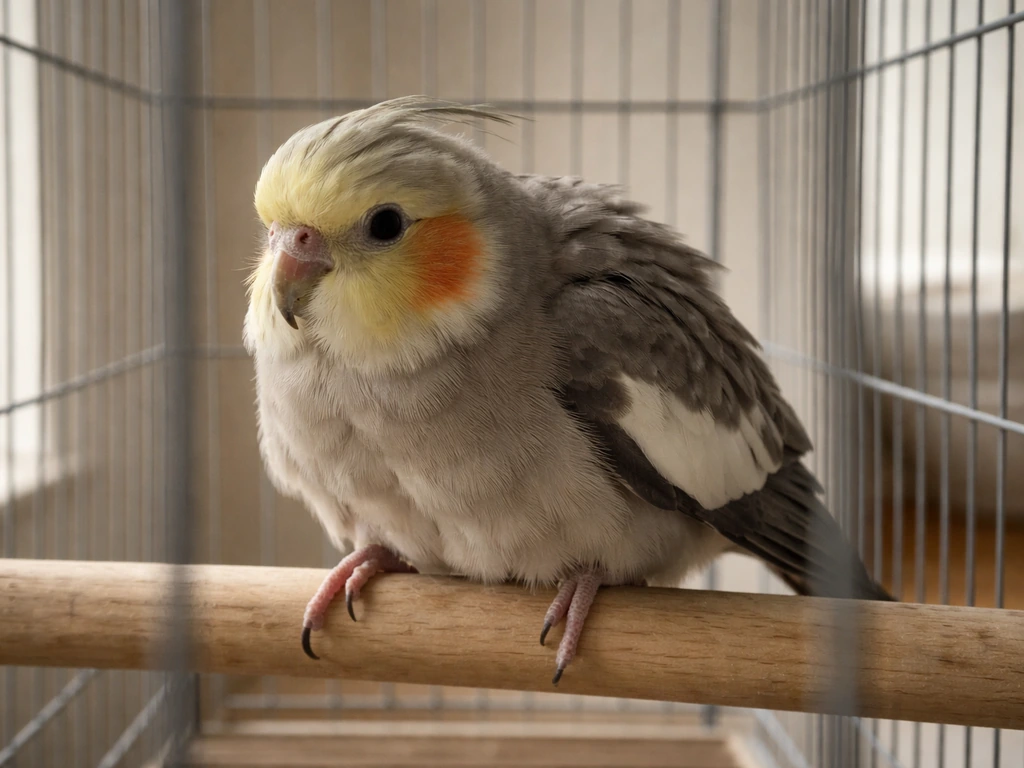
If your lovebird has a watery eye, crusty eyelids, swelling around the eye, or is squinting and keeping one eye shut, something is irritating or infecting that eye and it needs attention today. Most lovebird eye problems come down to four causes: bacterial or viral infection (conjunctivitis is the most common), physical trauma or a scratch to the cornea, a foreign body like dust or a cage-bedding particle, or environmental irritants like smoke, aerosols, or cleaning fumes. The Indiana bird problem is often tied to environmental and respiratory exposures, so keeping airways and eye surfaces protected matters. Some of these you can help with right now at home. Others need a vet within hours, not days.
Lovebird Eye Problem: Symptoms, Safe Home Care, Vet Urgency

Marcus Webb
13 Jun 2026
What a lovebird eye problem actually looks like
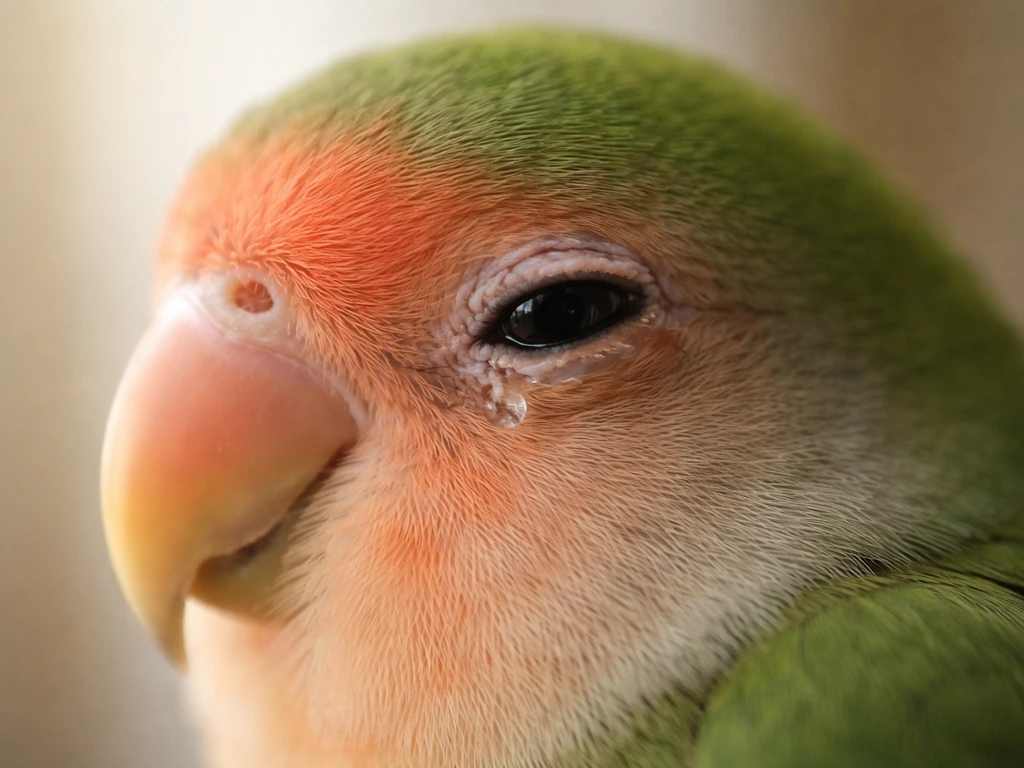
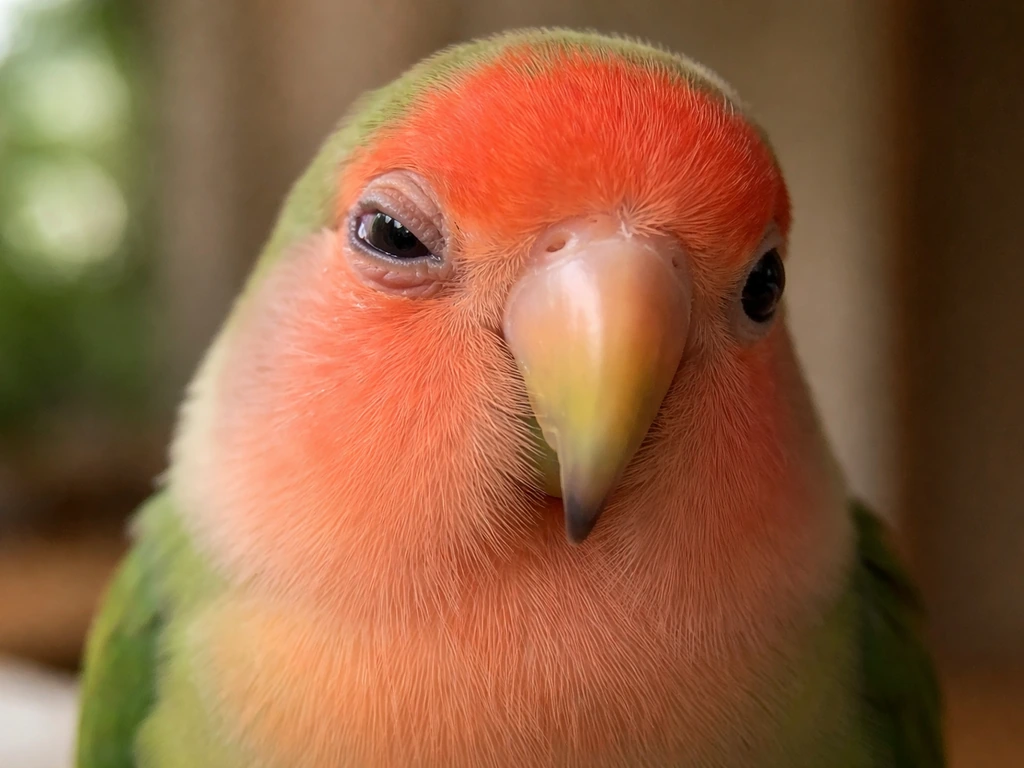
Lovebirds are small, and their eyes are tiny, so you have to look closely. The good news is that most eye problems produce pretty visible signs once you know what to look for. Run through this checklist when you first notice something seems off.
- Excessive blinking or squinting, more than the bird's normal blink rate
- Keeping one eye fully or partially closed for extended periods
- Watery or wet-looking eye, sometimes with clear discharge running down the face
- Thick, yellow, green, or crusty discharge around the eye or caked onto the eyelid
- Swelling around the eye socket or puffy eyelids
- A cloudy, hazy, or blue-white appearance on the surface of the eye (the cornea)
- Redness of the tissue around the eye (the conjunctiva)
- The bird rubbing its face against perches or cage bars more than usual
- One or both eyelids stuck together
- Loss of appetite alongside the eye symptoms
You might see just one of these signs or several at the same time. The combination matters a lot for figuring out what's going on, which is covered in the next section.
The most common causes and what they look like
Infection (bacterial, viral, or other organisms)
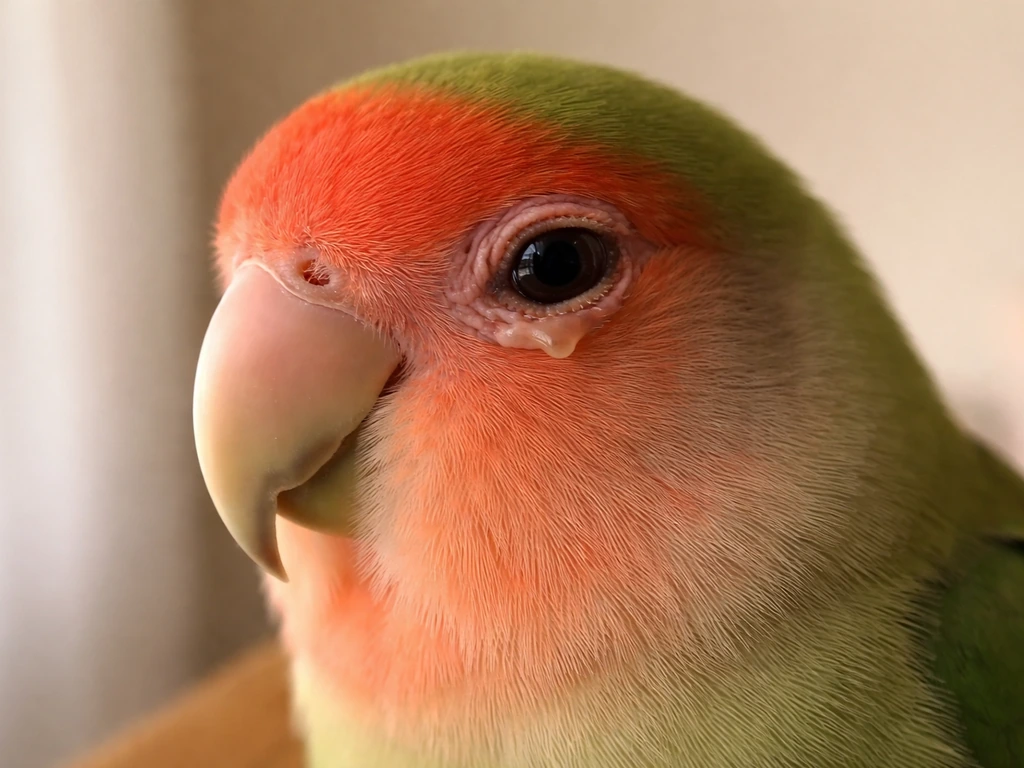
Conjunctivitis is the most frequent culprit in lovebirds. It's an inflammation of the thin membrane lining the inside of the eyelids and the front of the eye. Bacteria, viruses, and other organisms like Chlamydia (the cause of psittacosis) can all trigger it. The signs tend to be discharge that's watery at first and becomes thicker or crusty as the infection progresses, redness around the eye, and sometimes a reluctance to eat. If both eyes are involved simultaneously, infection or systemic illness is more likely than a simple foreign body or scratch. Conjunctivitis that comes alongside any signs of respiratory illness (wheezing, nasal discharge, tail bobbing) is a red flag for something systemic going on beyond just the eye.
Corneal injury or trauma
Lovebirds can scratch their cornea during a fight with a cage-mate, by catching their eye on cage wire, or simply from rubbing. A corneal scratch or ulcer typically causes squinting in one eye, sometimes with a hazy or cloudy spot on the corneal surface. For chronic, non-healing corneal lesions, dvm360 cytology guidelines advise evaluating for inflammatory or infectious causes as well as foreign bodies corneal scratch or ulcer typically causes squinting in one eye. The bird often holds the affected eye shut because it's painful. This is one of the most urgent scenarios because an untreated corneal ulcer can progress fast, potentially leading to uveitis, infection of the eye's interior (hypopyon), or in worst cases, perforation and loss of the eye entirely.
Foreign body or debris
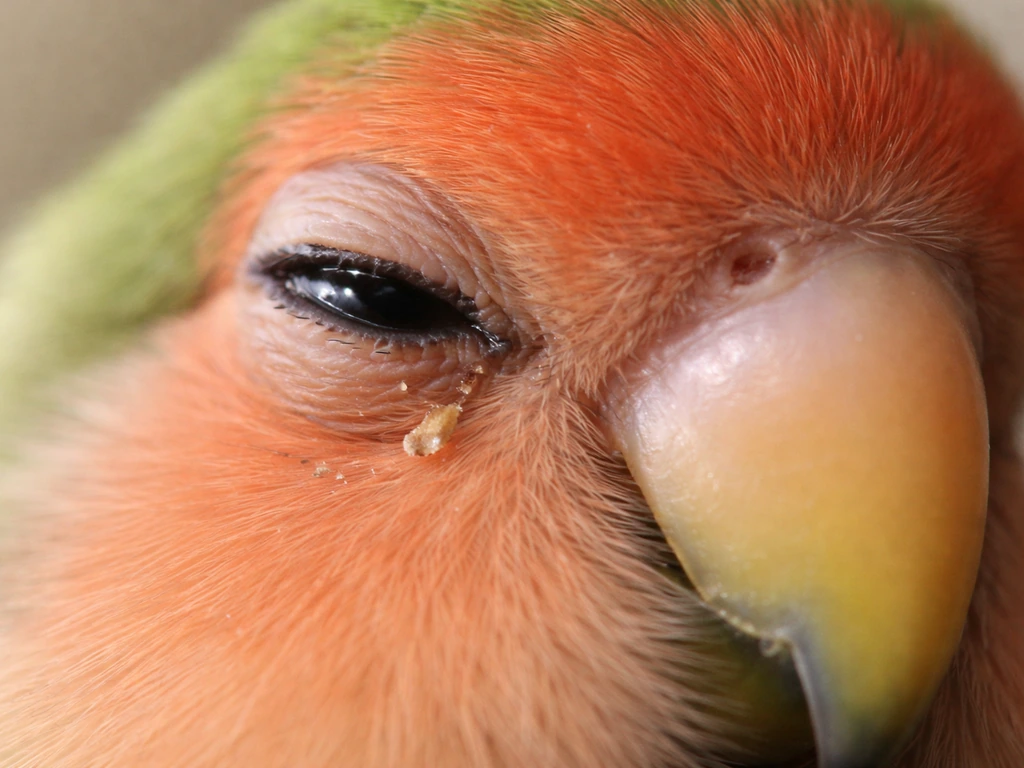
A piece of bedding material, seed husk, a feather fragment, or fine dust can lodge under an eyelid and cause sudden, intense squinting usually in one eye. The bird may blink rapidly, rub at the eye, or have sudden watering. If the irritant is removed early the eye often improves quickly, but if left in place it can abrade the cornea and develop into a more serious injury.
Environmental irritants
Smoke, aerosol sprays (air fresheners, hairspray, cooking sprays), scented candles, cleaning product fumes, or dusty bedding can all irritate a lovebird's eyes and respiratory tract. Birds have extremely sensitive airways and ocular surfaces. This type of irritation usually affects both eyes and often comes with signs of mild respiratory discomfort. Removing the bird from the source often improves mild symptoms within hours, though persistent redness or discharge still needs a vet check.
How to assess severity before calling the vet
Not every lovebird eye problem is a same-day emergency, but you do need to judge severity correctly because some are. Here's how to think through what you're seeing.
One eye versus both eyes: a single eye affected is more likely to be trauma, a foreign body, or a localized infection. Both eyes affected at the same time points more toward a systemic infection or environmental irritant.
Type of discharge matters: clear watery discharge is a milder starting sign. Thick, yellow, green, or blood-tinged discharge suggests active infection or injury and is more urgent. Crusty, caked-shut eyelids also move the situation toward the urgent side.
Pain signs: a bird in eye pain will keep the eye tightly closed, may bob its head or shift weight frequently, may be less active than normal, and may avoid light. Grinding the beak on cage bars or pressing the face into perches is also a pain behavior. Any sign the bird is in real distress elevates the urgency.
Cloudy or blue-white cornea: if the front surface of the eye looks opaque, hazy, or has a blue-white tint, that's a strong indicator of corneal involvement (injury or ulcer) and needs veterinary attention the same day.
Systemic signs alongside the eye problem: if the bird is also fluffed up, lethargic, not eating, has nasal discharge, or is breathing with its tail pumping, the eye problem is likely part of a wider illness and needs urgent evaluation.
What you can safely do at home right now
There are a few safe, helpful steps you can take while you arrange veterinary care. These are supportive measures, not treatments. They will not clear up an infection or heal a corneal ulcer on their own. Sterile saline is listed as a suitable option for flushing or irrigating eye-related foreign objects or wounds in an avian first-aid context Do’s & Don’ts of Avian First Aid.
- Gently clean discharge from around the eye with a cotton ball or soft cloth dampened with sterile saline (plain, preservative-free saline, not contact lens solution with additives). Wipe gently from the inner corner outward. Do not force the eyelid open if it's stuck shut.
- If you suspect a foreign body and can actually see it sitting loosely on the outer eye surface, a gentle flush with sterile saline may help dislodge it. Do not poke at the eye with tweezers or a cotton swab.
- Remove the bird from any environment with smoke, sprays, candles, cooking fumes, or dusty materials. Move it to a clean, calm room with good ventilation but no drafts.
- Keep the bird warm and quiet. Stress slows recovery. Cover part of the cage with a light cloth to reduce light if the bird seems sensitive to bright light.
- Do not use: human 'redness relief' eye drops, over-the-counter antibiotic drops meant for humans, steroid eye drops, hydrogen peroxide, alcohol, or any medication left over from another pet. These can cause serious harm to a bird's eye.
- Take photos or a short video of the eye in good lighting before you go to the vet. Document when symptoms started, whether they've changed, and any recent changes in the bird's environment.
First aid at home buys a little time and keeps the bird comfortable, but it is not a substitute for veterinary care, especially when signs are progressing or severe.
When to go to the vet immediately, not tomorrow
Some lovebird eye situations genuinely cannot wait. If you see any of the following, contact an avian vet or emergency animal clinic today.
- The eye is tightly shut and the bird cannot or will not open it
- The cornea looks cloudy, blue-white, or hazy in any area
- There is marked swelling around the eye or face
- Discharge is thick, colored (yellow, green), or blood-tinged
- You can see any visible injury, bleeding, or something protruding from the eye
- The bird is also showing signs of systemic illness: lethargy, not eating, nasal discharge, labored breathing, tail bobbing
- Both eyes are affected and symptoms started suddenly or are getting worse
- Any symptoms that have been present for more than 24 to 48 hours without improvement
- The bird is rubbing its eye constantly, suggesting active pain
The Merck Veterinary Manual is direct on this: swelling, redness, discharge, excessive blinking, or prolonged closure of one or both eyes should prompt a veterinary exam as soon as possible. When in doubt, call the vet and describe what you're seeing. Let them help you judge urgency.
What the vet will check and what treatment might look like
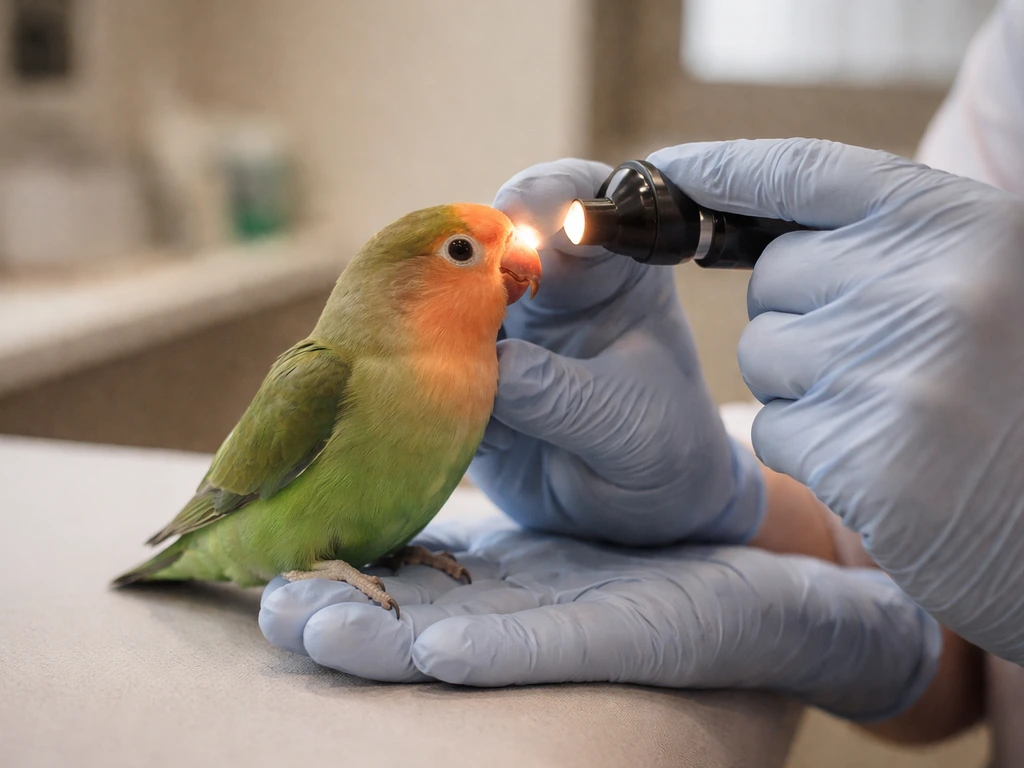
When you bring your lovebird in, try to bring its cage (or photos of it) so the vet can evaluate possible environmental causes. Bring your notes on when symptoms started, what changed recently in the bird's environment, and any other birds it has contact with.
The vet will do a hands-on eye exam. In many avian practices this involves a slit-lamp biomicroscope to get a detailed look at the tiny structures of the eye. They will almost certainly apply fluorescein stain, which is a safe dye that glows green under a special light. A normal, healthy corneal surface won't absorb the stain. If there's a corneal ulcer or scratch, the damaged area will light up, confirming the diagnosis and showing the extent of the injury.
If infection is suspected, the vet may take a swab from the conjunctival sac or do a corneal scraping for cytology, Gram stain, PCR, or culture to identify the specific organism involved. If the vet suspects a systemic cause (like psittacosis or another infectious disease), blood work may be recommended.
Treatment depends entirely on what's found. Common approaches include:
- Topical antibiotic eye drops or ointment for bacterial conjunctivitis or secondary infection on a corneal ulcer
- Antiviral or antifungal treatment if those organisms are identified
- Pain management (birds feel eye pain and benefit from appropriate pain relief)
- Oral antibiotics if systemic infection like psittacosis is suspected
- Surgical removal or irrigation under sedation if a foreign body is embedded
- E-collar or protective measures to stop the bird rubbing the eye and causing further damage
- Sterile saline flushes as directed, but only when the vet has confirmed there is no corneal ulcer (sterile saline is generally safe; other products may not be)
Uveitis, which is inflammation inside the eye itself, often signals that a disease process is happening beyond just the eye. If the vet mentions uveitis, take that seriously and follow through on any additional testing they recommend.
Preventing eye problems and keeping your lovebird's eyes healthy long-term
Control the environment
The single most common preventable cause of lovebird eye irritation is environmental. Never use aerosol sprays, scented candles, air fresheners, or spray cleaners near your bird's cage. Cook in a well-ventilated kitchen. Choose low-dust bedding and cage substrate, and avoid cedar or pine shavings which release irritating compounds. Vacuum around the cage area regularly to reduce dust buildup.
Cage design and hygiene
Check cage wire regularly for sharp edges or protruding ends that could scratch an eye during normal movement. Keep the cage clean with non-toxic, bird-safe cleaners and rinse thoroughly before your bird goes back in. Dirty cage floors and old food debris can harbor bacteria that cause eye infections.
Diet and immune support
A lovebird eating a varied diet that includes leafy greens, vegetables, and appropriate pellets alongside seeds is better equipped to fight off infections. Vitamin A deficiency in particular is associated with eye and respiratory issues in birds, and it's common in birds eating mostly seed. If your lovebird's diet is seed-heavy, talk to your vet about dietary adjustments.
Quarantine new birds
If you bring a new bird home, quarantine it for at least 30 days in a completely separate room before introducing it to birds you already have. Many infectious diseases including those that cause eye problems can be carried by birds that look healthy. If one bird in your flock develops a confirmed infectious eye disease, all birds in contact with it need to be assessed and possibly treated, because subclinical carriers can re-infect a recovered bird.
Routine health checks
Annual wellness exams with an avian vet help catch early changes you might not notice at home. Birds hide illness well, including early-stage eye disease. Consistent daily observation of your lovebird's eyes as part of your normal routine, just a quick glance at both eyes when you check on the bird each morning, means you'll notice changes early when they're easier to treat.
Your action plan for today
Here's the short version of what to do right now, based on what you're seeing.
| What you're seeing | What to do today |
|---|---|
| Mild watery eye, bird acting normal, no discharge, no cloudiness | Remove irritants, clean gently with saline, monitor closely for 12 to 24 hours, call vet if not improving |
| Clear discharge, mild blinking, one eye affected, bird eating normally | Clean gently, remove environmental irritants, call vet to describe symptoms and get guidance |
| Thick or colored discharge, crusty eyelid, swelling, or both eyes affected | Call an avian vet today and get an appointment as soon as possible |
| Cloudy or blue-white cornea, eye held tightly shut, visible injury, or bird is lethargic and not eating | This is urgent. Contact an avian vet or emergency clinic immediately |
| Symptoms following introduction of a new bird to the flock | Separate birds, call vet, treat as potentially infectious until proven otherwise |
Lovebird eye problems are one of those situations where early action genuinely changes the outcome. A mild conjunctivitis caught early is straightforward to treat. A corneal ulcer left too long can cost a bird its eye. When you're unsure, the right call is always to check with an avian vet rather than wait it out. If you are dealing with a smaller bird that seems to have similar eye irritation or blinking issues, the same urgency and first-aid basics can apply avian vet. Love bird neck problems can sometimes show up alongside eye issues, especially if the bird is fighting an infection or systemic illness. If you are also dealing with swallow bird problems, seek guidance early because causes and urgency can differ from lovebird eye issues.
FAQ
Can I use human eye drops or antibiotic ointment for a love bird eye problem?
No. Eye drops for humans or other animals can be too strong, irritating to corneal tissue, or the wrong drug class for what the bird actually has (ulcer, foreign body, or infection). If you need to do something at home, the safest “buffer” is gentle saline (sterile eyewash) only to loosen external discharge, then arrange an avian vet exam today if pain, squinting, or cloudiness is present.
What if the discharge is clear but the cornea looks cloudy or the bird keeps one eye closed?
If the eye looks cloudy, blue-white, or the bird is keeping one eye shut, treat that as possible corneal injury and do not wait for it to “come to a head.” Corneal damage can worsen quickly even when the discharge seems mild, so same-day avian evaluation is the safest plan.
How should I clean crusty eyelids at home, and what should I avoid?
You can accidentally make things worse by rubbing the eye, using cotton swabs (which can snag corneal tissue), or applying pressure around the eyelids. Only remove visible crusts from the outside with a soft, lint-free pad moistened with sterile saline, and stop if the bird flinches or the eye seems to be in pain.
If only one change in the environment started the problem, can I monitor it instead of going to a vet immediately?
Yes, but the timing matters. If both eyes suddenly start watering or the bird is blinking repeatedly after a new exposure (cleaning fumes, scented products, new bedding), start by removing the bird from that source and improving ventilation. Still, if discharge becomes thick or the bird shows squinting or breathing strain, you should get an avian vet check the same day.
How can I tell whether a one-eye issue is local injury versus something systemic?
A single-eye problem can be localized, but birds also hide pain and illness. If the bird is not eating, is fluffed up, is lethargic, or shows respiratory signs (nasal discharge, tail bobbing, wheezing), assume the cause may be systemic and prioritize urgent evaluation rather than treating it as “just an eye irritation.”
My lovebird might have gotten dust or bedding under the lid, what is the safest immediate plan?
Remove the irritant source right away, then keep the cage environment simple: no aerosols, no candles, no scented cleaners, and avoid dusty bedding. If you suspect a lodged particle, do not try to flush aggressively with high pressure. Arrange vet care to assess for corneal abrasion or a foreign body under the eyelid.
Should I isolate other lovebirds if one has eye discharge or conjunctivitis?
If you have other birds, separate them only enough to prevent pecking and cross-contamination, but do not assume it is contagious based on appearance. If the vet suspects an infectious cause (especially with simultaneous bilateral signs or respiratory illness), the household may need assessment of other birds even if they look normal.
What visual signs should make me treat a love bird eye problem as a true emergency?
A common decision aid is the cornea. If you see any opaque, hazy, or blue-white area, or the bird squints tightly, that is higher urgency than simple redness or watery discharge. When in doubt, treat corneal involvement as an emergency and call an avian vet immediately.
What should I do before the vet visit so the exam and treatment go smoothly?
If the vet plans a corneal stain or swab, the bird needs to be stable and not stressed. Avoid handling the head tightly, dim the room to reduce glare if the bird is light sensitive, and bring the cage and your timeline notes. If the bird is very squinty or you cannot keep it comfortable, ask the clinic for guidance on transport and immediate first-aid.
Can diet changes help, like increasing vitamin A, or is this only for prevention?
For many lovebird eye cases, diet support is helpful but it does not replace diagnosis or medicine. Use the diet as a parallel action: add leafy greens and appropriate pellets if tolerated, and discuss vitamin A status with your vet. If the bird is not eating or is lethargic, prioritize urgent medical treatment first.
Next Article
Pet Bird Problems: Symptoms, Causes, and What to Do Now
Triage pet bird problems fast: symptoms, causes, emergency signs, what to do now, and prevention tips for safer care.