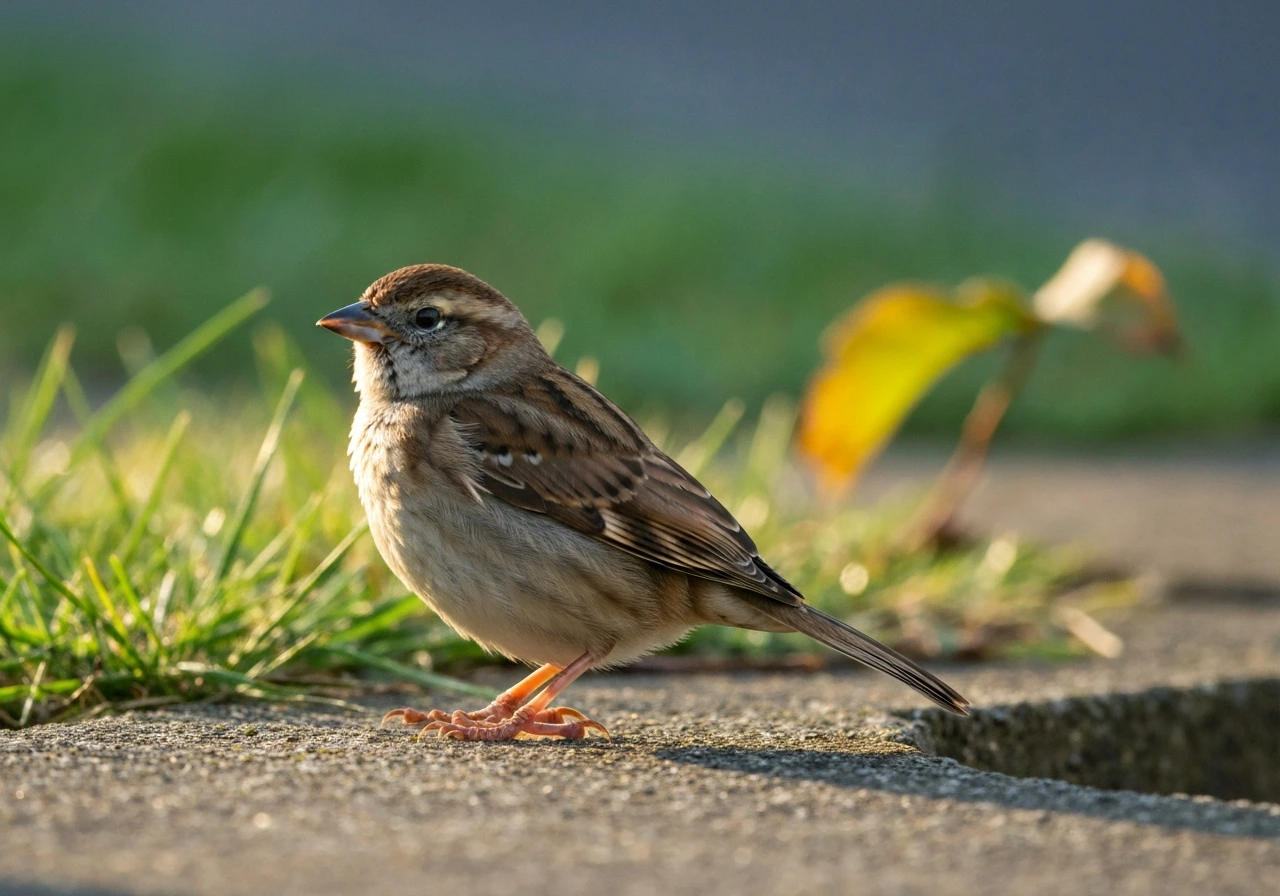
If your bird has diarrhea, the first thing to figure out is whether it's actually diarrhea or just excess urine making the droppings look wetter than usual. That distinction matters because true diarrhea means something is wrong with the gut, while watery droppings from extra urine can be perfectly normal after a bird eats fruit or gets stressed. Once you've confirmed it's real diarrhea, most mild cases in otherwise alert, eating birds can be monitored at home for up to 24 hours. After that window, or sooner if other symptoms appear, you need an avian vet.
Bird Has Diarrhea: Causes, Signs, and What to Do Now

Marcus Webb
14 Jun 2026
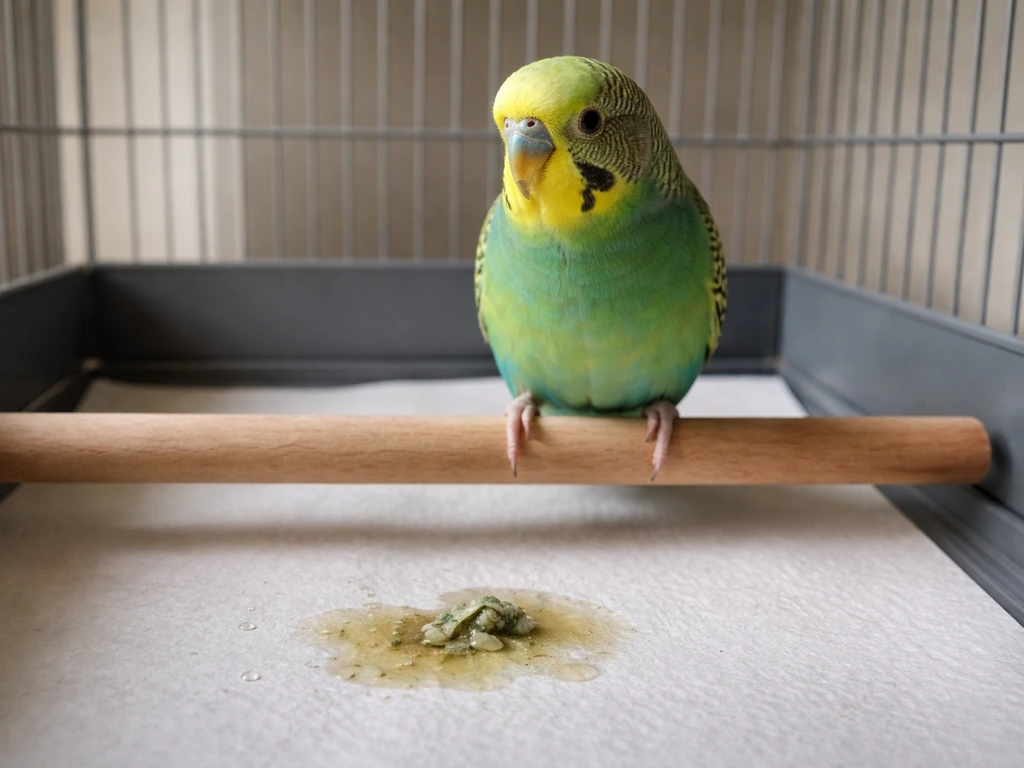
What diarrhea in birds actually looks like (and how to check)
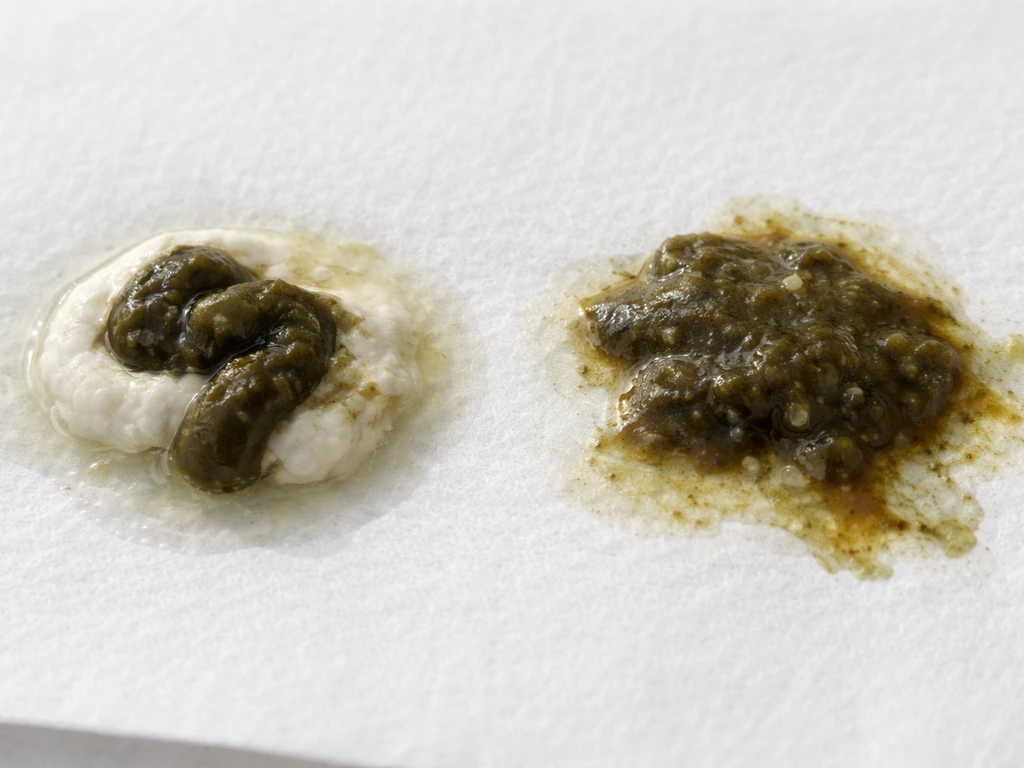
Normal bird droppings have three parts: a dark green or brown fecal portion, a chalky white or off-white urate portion (that's uric acid), and a small amount of clear liquid (urine). When people say their bird has diarrhea, they often mean the whole dropping looks wet or runny, but that's not always diarrhea. You need to check whether the solid fecal portion has actually changed.
True diarrhea means the fecal portion itself is loose, formless, watery, or smells worse than usual. It may also contain mucus, undigested food particles, or unusual colors like bright yellow-green, orange, or black. Polyuria, on the other hand, is when the fecal portion still looks normal but there's just a lot more clear liquid around it. Polyuria can happen after eating juicy fruit, drinking more water, or stress, and it often resolves quickly on its own.
To check your bird's droppings properly, look at fresh ones on clean white paper at the bottom of the cage. This makes color easier to read. Ask yourself: is the dark fecal blob still somewhat formed, or is it completely dissolved into the liquid? Is the urate portion still white, or has it turned yellow, lime-green, or red? Is there any black tarry material that could indicate digested blood? Is there a foul, unusual odor? The answers will tell you a lot before you even call a vet.
- Loose, unformed, or completely liquid fecal portion: likely true diarrhea
- Normal-shaped feces surrounded by lots of clear fluid: likely polyuria, not diarrhea
- Mucus, slime, or undigested food in the stool: concerning, warrants monitoring or vet call
- Black or tarry stool: possible digested blood (melena), contact a vet immediately
- Yellow or lime-green urates instead of white: abnormal, warrants vet evaluation
- Bright or dark red staining: possible blood or pigment issue, warrants urgent vet attention
- Foul or strongly different odor compared to normal: a sign something is off in the gut
Common causes of diarrhea in pet and wild birds
Diet is one of the most frequent triggers. A sudden switch to new food, too many treats, a fruit-heavy meal, or a seed-only diet lacking in nutrients can all upset the gut. These cases often resolve within a day once the food is normalized. Contaminated water is another overlooked cause: a water dish that hasn't been cleaned properly can harbor bacteria or yeast that disrupt the digestive system.
Parasites are a major cause to take seriously. Giardia is one of the more common intestinal parasites in pet birds, especially cockatiels, and it can produce loose or pasty stools that may contain mucus. Coccidia is seen more often in pigeons, doves, and poultry-type birds, and severe infections can cause bloody diarrhea and weakness. Both spread through fecal-oral routes, meaning contaminated surfaces, shared water, or infected droppings can pass the infection to other birds in the same household.
Bacterial infections, including clostridial disease, can infect birds through contaminated food, water, or cage surfaces. Yeast overgrowth (like Candida) is also a known cause of digestive upset in birds. Viral infections are less common but do occur and are harder to diagnose without testing. In wild birds or recently imported birds, exposure history matters a great deal.
Stress is a genuine physiological trigger, not just a vague catch-all. A new cage, a new pet in the home, a loud environment, a change in routine, or even moving furniture near the cage can cause digestive upset in sensitive birds. This tends to resolve within a day or two once the stressor is removed or the bird adjusts.
Toxin exposure is worth considering if the diarrhea came on suddenly with no other obvious cause. Overheated nonstick (PTFE/Teflon) cookware fumes, household sprays, aerosols, cleaning products, and insecticides can all affect a bird's gut and respiratory system quickly. If any of these were used near the bird recently, that's critical information for your vet.
Diet, stress, and environmental triggers to review right now
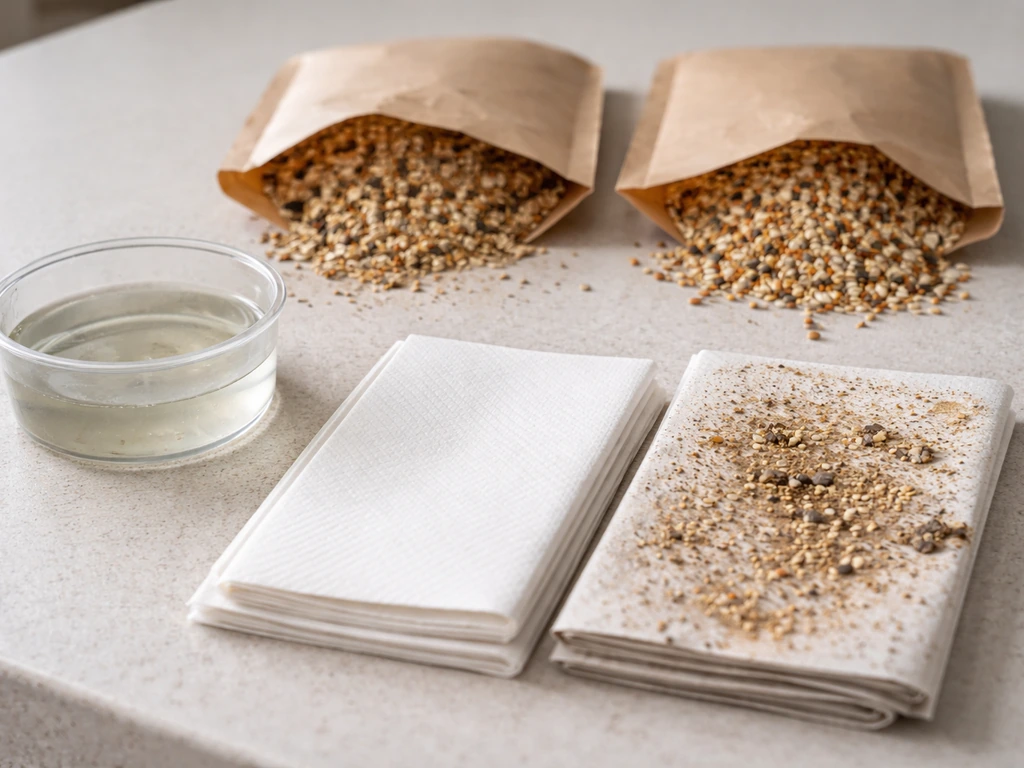
Before you do anything else, run through what has changed in the past 48 to 72 hours. Diet is the easiest thing to check and fix. Did you introduce a new food, switch brands, add treats, or give an unusual amount of fruit or vegetables? High-water fruits like watermelon or grapes can cause noticeably wetter droppings that look alarming but aren't. Seed-only diets can also lead to nutritional deficiency over time that affects gut health.
Check the water quality. A dirty water dish is one of the most common overlooked problems. Bacteria and algae grow fast in standing water, especially in warm weather. If you can't remember the last time the dish was scrubbed (not just rinsed), that's a place to start. Replace the water with fresh, clean water and clean the dish with dish soap and a good rinse.
Think about environmental changes. Has anything shifted in the room: a new air freshener, a candle, a cleaning product used nearby, a new piece of furniture, a change in temperature, or a new pet? Birds are sensitive to environmental stressors, and some household products are genuinely toxic to them. Drafts are also a problem: a bird sitting near a drafty window or air vent while already feeling unwell will struggle to maintain body temperature, which makes everything worse.
Other symptoms that change how serious this is
Diarrhea alone in a bird that is otherwise alert, active, eating, and behaving normally is worth watching for up to 24 hours. But diarrhea alongside other symptoms is a different situation entirely. The combination of signs tells you much more than the stool alone. If you are wondering what do you call a sick bird, the answer is usually simply a bird that is unwell, and it helps to compare stool, appetite, and behavior to know how serious it is.
| Symptom alongside diarrhea | What it may suggest | Urgency level |
|---|---|---|
| Lethargy, fluffed feathers, sitting low on perch | Systemic illness, infection, serious GI disease | Urgent: call vet today |
| Reduced or no appetite | More than a mild gut upset; potentially infectious or systemic | Urgent: call vet today |
| Vomiting or regurgitation | Upper GI involvement or toxin exposure | Urgent: call vet today |
| Black or tarry feces (melena) | Digested blood, possible internal bleeding | Emergency: call immediately |
| Bright red blood in droppings | Lower GI bleeding or injury | Emergency: call immediately |
| Yellow or lime-green urates | Liver disease, systemic infection, or toxin | Urgent: call vet today |
| Tail bobbing, labored breathing | Respiratory or systemic illness on top of GI issue | Emergency: call immediately |
| Visible weight loss, bony keel | Chronic illness or malnutrition, serious concern | Urgent: call vet today |
| Vent soiled with stool or matted feathers | Prolonged diarrhea, risk of flystrike in outdoor birds | Urgent: call vet today |
| Weakness, trouble perching | Dehydration, severe illness, anemia (from parasites or bleeding) | Emergency: call immediately |
Dehydration is a real danger in birds with diarrhea because they lose fluid fast relative to their body size. Signs of dehydration include sunken eyes, skin that stays tented when gently pinched (on the leg or neck area), dry or sticky mucous membranes in the mouth, and extreme weakness. A dehydrated bird needs a vet, not home observation.
What you can safely do at home while monitoring
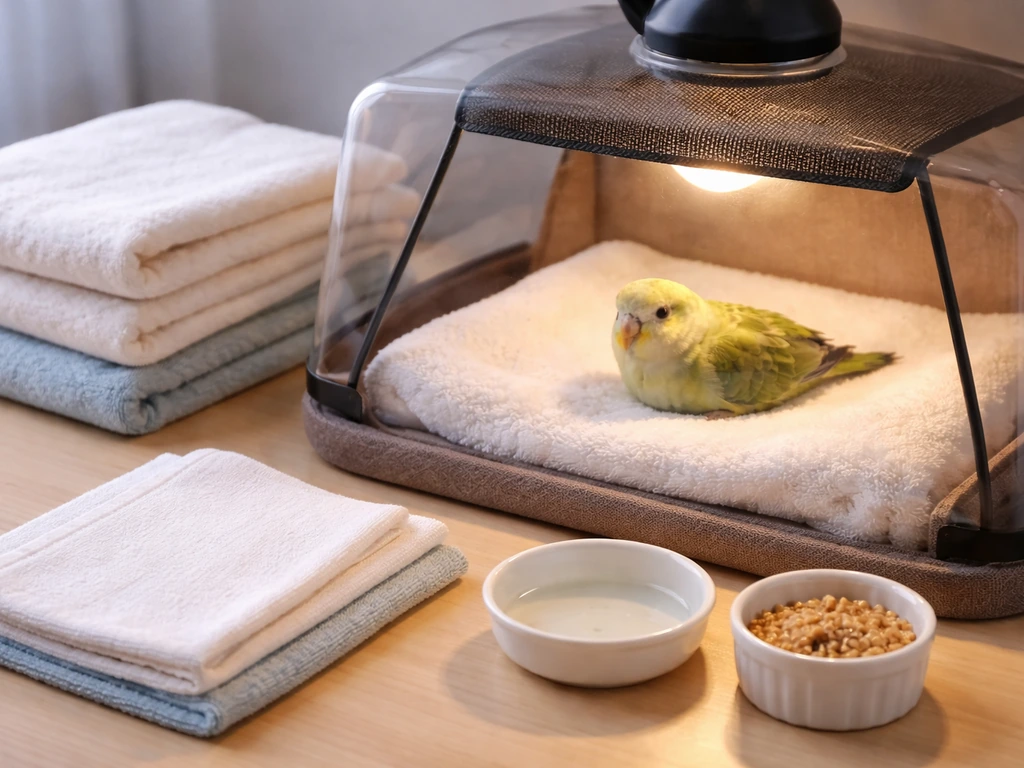
If your bird is alert, still eating, not showing any of the red-flag symptoms above, and the diarrhea came on recently with an obvious possible cause like a diet change or stress, here's what you can do while watching carefully.
- Keep the bird warm: aim for 80 to 85°F (27 to 29°C) in the immediate environment. A heat lamp positioned so the bird can move away from it, or simply a warm (not drafty) room, works well. Warmth reduces the energy a sick bird burns just to stay warm.
- Remove the suspected food trigger: if you recently introduced a new food, take it away and return to the bird's usual diet. If you gave a lot of fresh fruit, cut back to small amounts.
- Refresh water immediately and clean the dish thoroughly: replace water at least twice a day and scrub the dish with soap and hot water each time.
- Line the cage with clean white paper and check droppings every few hours: this lets you track whether things are improving, staying the same, or getting worse.
- Keep the cage environment calm and quiet: reduce noise, cover part of the cage if that helps the bird feel more secure, and limit handling to essential care only.
- Clean and disinfect perches and surfaces the bird contacts: if there's any possibility of a parasitic or bacterial cause, reducing the fecal load in the environment prevents re-infection.
- Photograph the droppings: a clear photo of fresh droppings on white paper is genuinely useful information for your vet.
There are a few things you should absolutely not do. blank" rel="noopener noreferrer">Do not give your bird human anti-diarrheal medications like Imodium or Pepto-Bismol. These are not safe for birds and can mask symptoms or cause harm. Do not give antibiotics or antiparasitic medications you have on hand without veterinary guidance: treating the wrong cause delays real treatment and can make some conditions worse. Do not use household sprays, aerosols, or scented candles anywhere near the bird. If you used household sprays, aerosols, cleaning products, insecticides, or scented products near your bird, the Oregon VMA recommends preventing exposure because these can quickly affect birds blank" rel="noopener noreferrer">household sprays, aerosols, or scented candles.
When to call an avian vet urgently and what to tell them
The clearest rule is this: if diarrhea persists for more than 24 hours, even without other symptoms, call an avian vet. Do not wait and see past that window. Birds decline quickly, and what looks like mild diarrhea can reflect something serious that progresses fast.
Call immediately, without waiting 24 hours, if any of the following are present: black or blood-tinged stool, visible weakness or inability to perch, complete refusal to eat, vomiting, labored breathing or tail bobbing, dehydration signs, yellow or lime-green urates, or a known or suspected exposure to a toxin, fumes, or aerosols. If you notice brown or unusual-colored droppings along with other illness signs, treat it as a potential sick-bird situation and contact an avian vet yellow or lime-green urates.
When you call or arrive at the clinic, have this information ready. It will help the vet significantly and speed up the diagnosis.
- Species, age, and sex of the bird (if known)
- Exactly when the diarrhea started and how it has changed since
- Description or photo of the droppings: color, consistency, smell, any blood or mucus
- Recent diet history: what the bird normally eats, any new foods added in the past week
- Any environmental changes in the past week: new products, new animals, temperature shifts, housing changes
- Whether the bird has been around other birds recently (key for infectious disease risk)
- Any medications or supplements the bird is currently on
- Whether any other birds in the household are showing similar symptoms
- A fresh droppings sample in a clean container if you can collect one before going
Find a vet who specifically sees birds or has avian experience. General small-animal vets may not have the diagnostic tools (like fecal cytology, parasite testing, or avian-specific lab panels) needed to properly evaluate a bird's GI illness. If you're unsure where to start, search for an avian or exotic animal veterinary clinic in your area.
If you're also noticing other signs of illness in your bird alongside the digestive symptoms, such as changes in behavior, feathers, or activity level, that broader picture is worth thinking through carefully. If you suspect your lovebird is sick, focus on the full set of symptoms, not just the stool changes love bird sick symptoms. Sick birds often show a cluster of symptoms rather than just one, and connecting those dots before your vet appointment gives you a clearer, more useful account of what's going on.
FAQ
How can I tell whether bird has diarrhea or just watery droppings from extra urine?
If the fecal part is still formed (even if there is more clear liquid than usual), that fits polyuria rather than true diarrhea. The practical next step is to check the urate color and appetite, and review the last 48 to 72 hours for juicy foods, stress, or increased drinking before panicking or rushing to medicine.
Do unusual colors mean my bird has diarrhea from something serious?
Yes. Bright green or orange fecal material and mucus can signal gut irritation or infection, but color alone is not a diagnosis. Use color plus form (formed versus dissolved fecal portion), smell, urate color changes, and whether the bird is still eating and behaving normally to decide whether home monitoring is reasonable or an avian vet call is needed.
What dehydration signs should I look for if my bird has diarrhea?
Do a quick dehydration check while observing stool. Sunken eyes, skin that stays tented when pinched on the leg or neck, sticky or dry mouth, and unusual weakness are emergency-level signs, even if the diarrhea seems mild. If you see any of these, contact an avian vet right away rather than waiting for test results or a 24-hour window.
Should I collect droppings when a bird has diarrhea, and what should I bring to the vet?
Take a stool sample before it dries or contaminates. Place a small amount of fresh droppings in a clean, sealed container (or clean plastic bag), and note the time the symptoms started plus any diet changes, new sprays or cleaners, and recent exposure to other birds. This gives the vet a faster starting point for parasite or bacterial testing.
If my bird has diarrhea, do I need to isolate it from other birds?
Avoid isolating the bird so tightly that it becomes harder to monitor. Instead, separate it from other birds, replace water and food with fresh items, and clean the cage with bird-safe products while preventing other birds from accessing the same surfaces. This reduces fecal-oral spread if parasites or bacteria are involved.
Is it okay to increase the temperature or use heat to help a bird with diarrhea?
Warm compresses and extra heat can help comfort a bird that feels cold, but they can also worsen overheating risks if the room is too hot. The safe approach is to keep the bird in a stable, draft-free, normal-temperature environment, monitor energy level, and focus on hydration and vet guidance rather than trying to “cook off” illness.
Can I give my bird Imodium or Pepto-Bismol for diarrhea?
Do not use human anti-diarrheal or anti-nausea products unless an avian vet instructs you. These medicines can mask worsening disease or cause harm, and some can interfere with gut motility in ways that are risky for birds. If you need symptom relief, call the vet first and ask what is safe for your species.
What if my bird has diarrhea for more than a day but still seems mostly normal?
If diarrhea persists beyond 24 hours, treat it as urgent even when the bird initially seems okay. Birds can worsen quickly, and causes like parasites or bacterial issues often need targeted treatment. If you see red flags, call immediately rather than waiting for the full time window.
Could a diet change cause diarrhea, and should I switch foods back?
Yes, because “seed-only” or frequent treat feeding can contribute to digestive imbalance over time. If you changed brands or introduced a new treat or fruit, revert to the bird’s usual, well-balanced diet immediately and avoid further changes until the droppings return to normal. Repeated diet changes can prolong symptoms and complicate diagnosis.
How should I observe droppings so I can describe the problem accurately?
For best interpretation, compare the fecal portion and urate separately. Use clean white paper at the bottom of the cage, check whether the dark fecal blob is still formed, and look for urate color shifts like yellow or lime-green. Also note smell and whether there is blood-tinged or black tarry material.
What should I do if the diarrhea started after household sprays, aerosols, fumes, or cleaning products?
If there was a household aerosol, air freshener, candle, insecticide, or new cleaning product used near the bird, assume toxin or fume exposure is possible and call the vet immediately. Time matters because respiratory and gut effects can occur quickly, and the vet will want the exact product name and when it was used.
Which symptoms mean my bird has diarrhea plus an emergency?
If your bird is vomiting, has labored breathing or tail bobbing, cannot perch, refuses all food, shows weakness, or has dehydration signs, it is not a “watch at home” situation. Contact an avian vet right away, because these combinations suggest more severe illness than diarrhea alone.
Next Article
Is Brown Bird Sick? Fast Checks, Red Flags, Next Steps
Fast checks for is brown bird sick. Spot red flags, assess breathing and droppings, and get next steps for vet care.