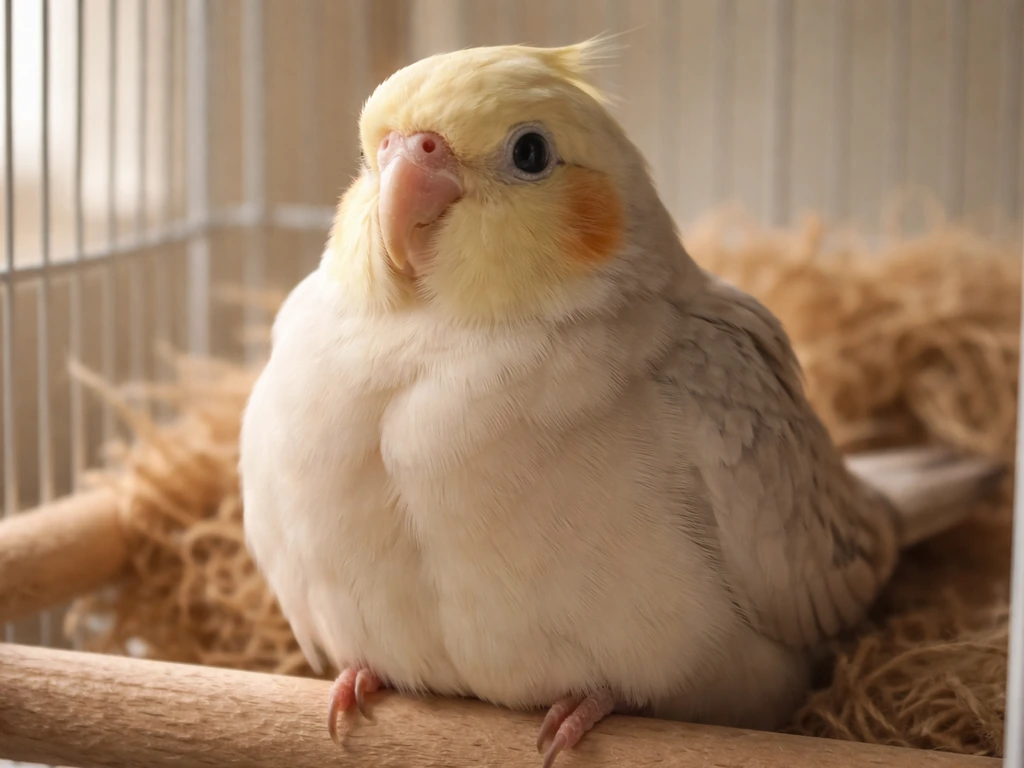
Birds don't get pregnant the way mammals do. If your bird is showing swollen abdomen, nesting behavior, straining, or changes in droppings, what you're actually seeing is either normal egg-laying readiness or a reproductive complication like egg binding. Knowing which one it is matters a lot, because egg binding can become life-threatening within hours while normal laying behavior needs almost no intervention at all.
Bird Pregnancy Symptoms: Signs, Egg-Laying vs Urgent Care

Marcus Webb
29 May 2026
What 'bird pregnancy' really means
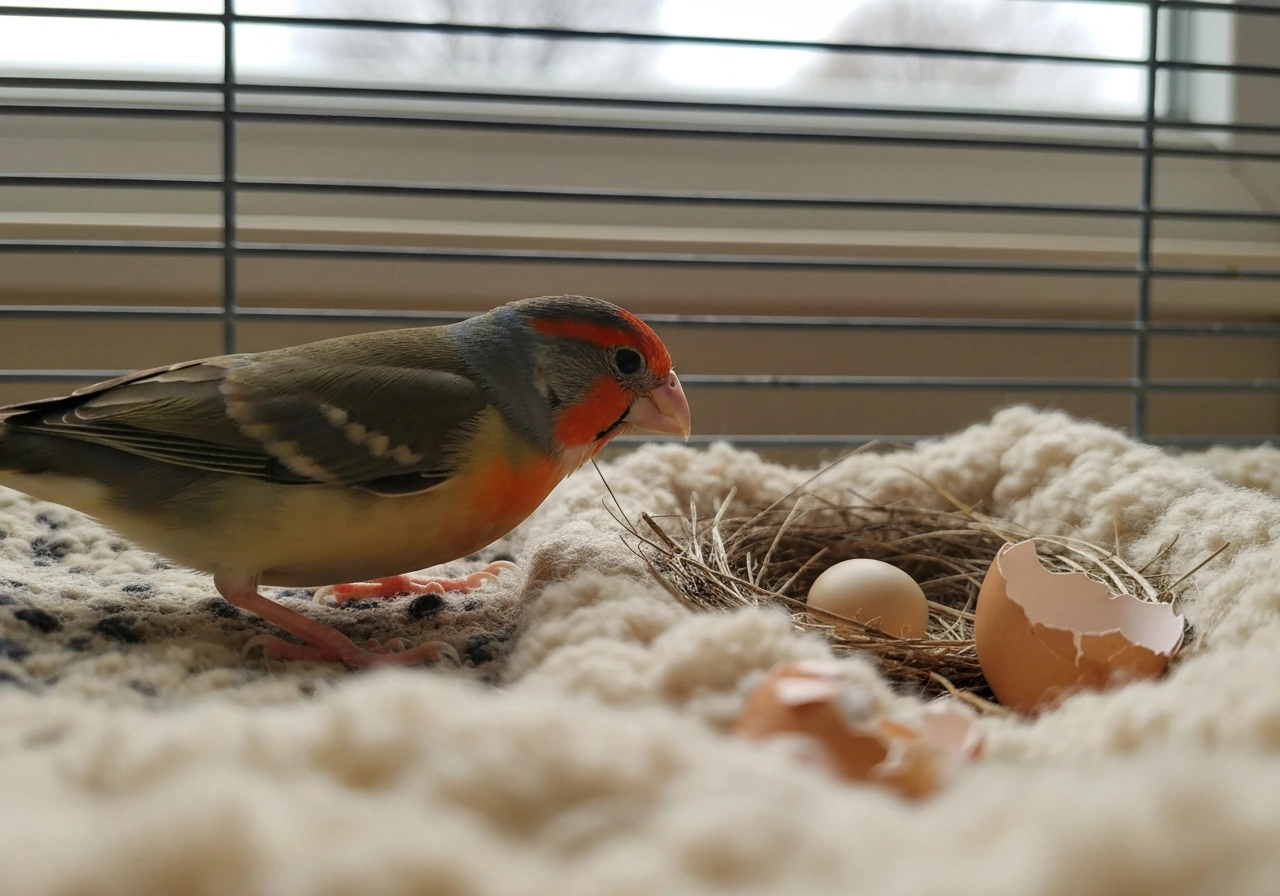
Birds don't carry embryos in a uterus. What develops into a chick is an embryo inside a hard or soft shell, and the egg itself develops inside the bird's reproductive tract before being laid. So when someone searches for 'bird pregnancy symptoms,' they usually mean one of two things: a bird showing signs that she's about to lay an egg, or a bird showing signs that something has gone wrong with that process.
The word 'pregnant' gets used casually for birds, but it can lead owners to wait too long when a real problem is developing. A better mental model is this: your bird is either in a normal egg-laying cycle (which can look dramatic but is usually fine), or she has a reproductive complication (which can look similar but needs a vet). The goal of this article is to help you tell the difference.
It's also worth knowing that birds have a cloaca, which is a single shared chamber where the reproductive, digestive, and urinary tracts all meet before exiting the body. This is why reproductive problems can change your bird's droppings, cause visible swelling near the vent, and sometimes even affect breathing. Symptoms can overlap in confusing ways, which makes it harder to spot trouble on your own.
Normal egg-laying and breeding behavior: what to expect
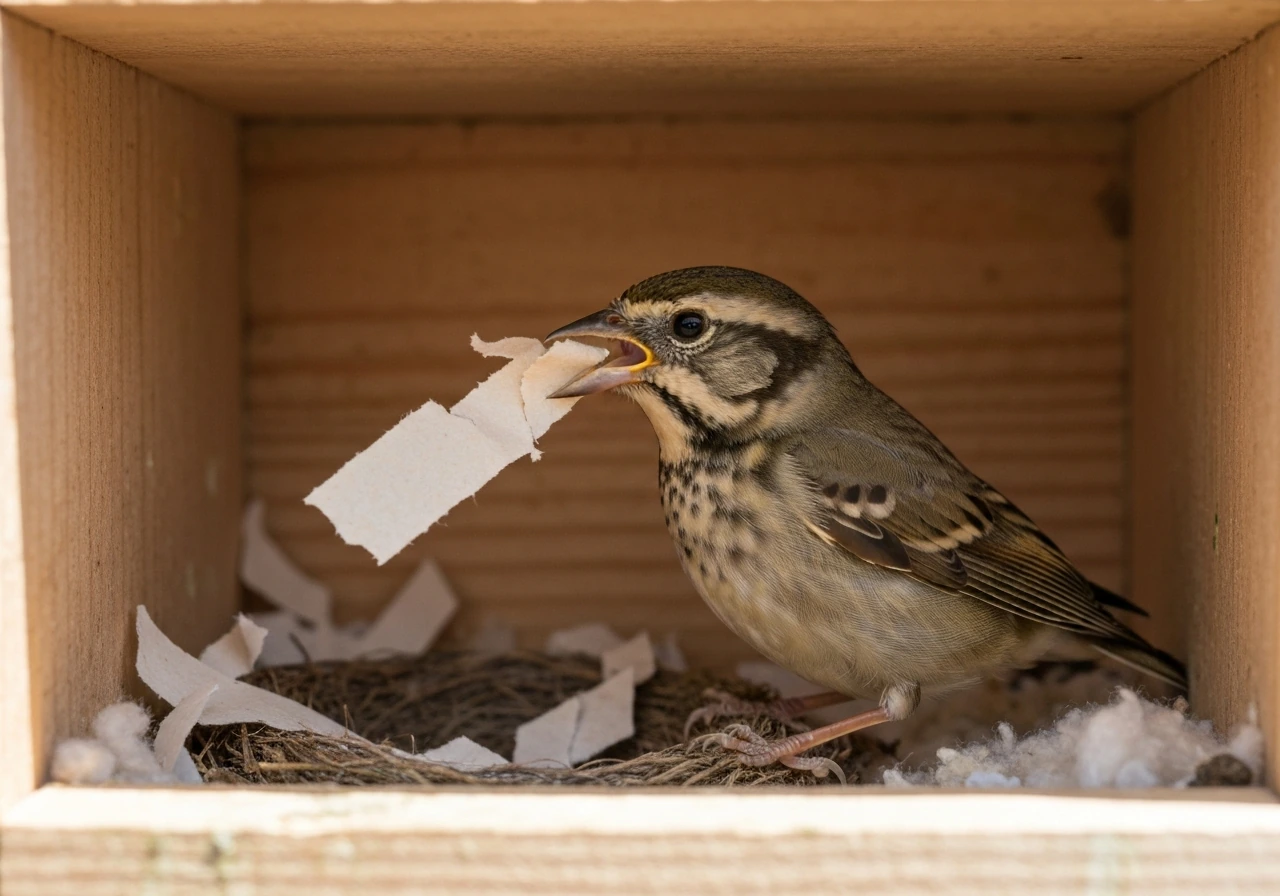
When a bird enters a laying cycle, her behavior often changes noticeably. These changes can look alarming if you haven't seen them before, but most of them are completely normal. Here's what typical pre-laying and laying behavior looks like across common pet bird species like cockatiels, lovebirds, budgies, and parrots.
- Nesting behavior: shredding paper, carrying nesting material, spending time in corners, boxes, or low dark spaces
- Increased territorial or defensive behavior, including biting or feather-puffing when approached
- Appetite changes: some birds eat more before laying, especially protein and calcium-rich foods
- Abdominal fullness or slight swelling, which you can sometimes feel if the bird is comfortable being held
- Larger or less frequent droppings just before laying (the bird retains droppings while incubating an egg)
- Increased vocalizing, regurgitating to a favorite person or toy (courtship behavior), or excessive bonding
- Mild lethargy and time spent sitting quietly, especially in the 24 hours before an egg is passed
- A noticeable egg visible or palpable near the vent just before laying
Most birds pass an egg without any visible strain. After the egg is laid, behavior typically returns to normal within a day or two. If your bird laid an egg recently and is acting alert, eating normally, and moving around comfortably, that's a good sign. These signs are often what people mean when they ask about pregnant bird symptoms. The egg-laying cycle itself is not dangerous in a healthy bird with good husbandry.
Red-flag symptoms that suggest egg binding or reproductive illness
Egg binding, also called dystocia, happens when a bird cannot pass an egg that has formed in the oviduct. It can progress to paralysis or death if not treated quickly. The tricky part is that early egg binding can look similar to normal pre-laying behavior. These are the signs that should make you act the same day, not wait and see. Bird-egg syndrome is another serious cause of egg-related illness, so learn its specific symptoms to know what to watch for and when to seek help These are the signs that should make you act the same day, not wait and see..
- Sitting on the floor of the cage or at the bottom of the enclosure (this is one of the most consistent warning signs)
- Straining or pushing visibly with no egg produced, especially if this continues for more than a couple of hours
- Tail bobbing up and down, open-mouth breathing, or labored respiration with visible effort
- Wide-legged stance, as if trying to balance on a surface that is too wide, which often signals pressure in the cloaca
- Bloody droppings or any blood near the vent area
- Prolapsed tissue visible outside the vent (this is an emergency requiring immediate veterinary care)
- Sudden drop in energy, puffed-up feathers, and eyes half-closed combined with nesting behavior
- Swollen, distended abdomen that feels firm or tense rather than softly rounded
- Sudden cessation of egg laying mid-cycle when the bird was previously laying regularly
Egg binding isn't just caused by the egg being too large. Risk factors include vitamin A or calcium deficiency, oviduct disease, tumors, abdominal hernias, obesity, lack of exercise, stress, and genetic predisposition. So even a bird that has laid eggs before can become egg-bound. This is also why reproductive symptoms in birds can reflect a deeper health problem, not just the mechanics of laying.
There is a related but distinct condition called egg yolk peritonitis, which happens when egg material leaks into the abdominal cavity. It has been described as something like an avian ectopic pregnancy, and it causes very similar symptoms: abdominal distension, lethargy, and reduced appetite. It is equally dangerous and requires veterinary diagnosis to distinguish from egg binding.
How to tell reproductive issues from other common bird illnesses
Here's the frustrating reality: a bird with a respiratory infection, a gastrointestinal problem, or a systemic illness can look almost identical to a bird with egg binding. Signs like lethargy, puffed feathers, reduced appetite, tail bobbing, and sitting on the cage floor can appear with many different conditions. The clinical signs are often described as vague, and even vets rely on diagnostics like X-rays to tell them apart.
| Symptom | Likely reproductive cause | Could also be |
|---|---|---|
| Sitting on cage floor | Egg binding, dystocia | Respiratory illness, neurological issue, general systemic disease |
| Tail bobbing | Straining to pass egg, labored breathing from egg pressure | Respiratory infection, air sac disease |
| Abdominal swelling | Egg retained in oviduct, egg yolk peritonitis | Ascites, internal tumors, liver disease |
| Bloody droppings | Cloacal trauma from egg binding, prolapse | GI infection, heavy metal toxicity, injury |
| Reduced appetite | Normal pre-laying behavior or reproductive illness | Almost any systemic illness |
| Straining at vent | Egg binding, cloacal prolapse | Constipation, cloacal infection, cloacolith |
The most reliable differentiator at home is context: is your bird a species known to lay eggs, is she in a known laying cycle, and does she have a history of laying? If yes to all three and the symptoms are mild, a short monitoring window is reasonable. But if the bird is also showing breathing difficulty, has been straining for hours, or has blood near the vent, the context no longer matters. That's urgent regardless of the cause.
For wild birds you may find showing these symptoms, the same logic applies. A wild bird sitting on the ground, unable to fly, and straining near its vent may be egg-bound. You can contact a local wildlife rehabilitator in that situation. The guidance for wild birds and pet birds overlaps significantly when it comes to recognizing distress.
At-home monitoring and safe checks you can do today
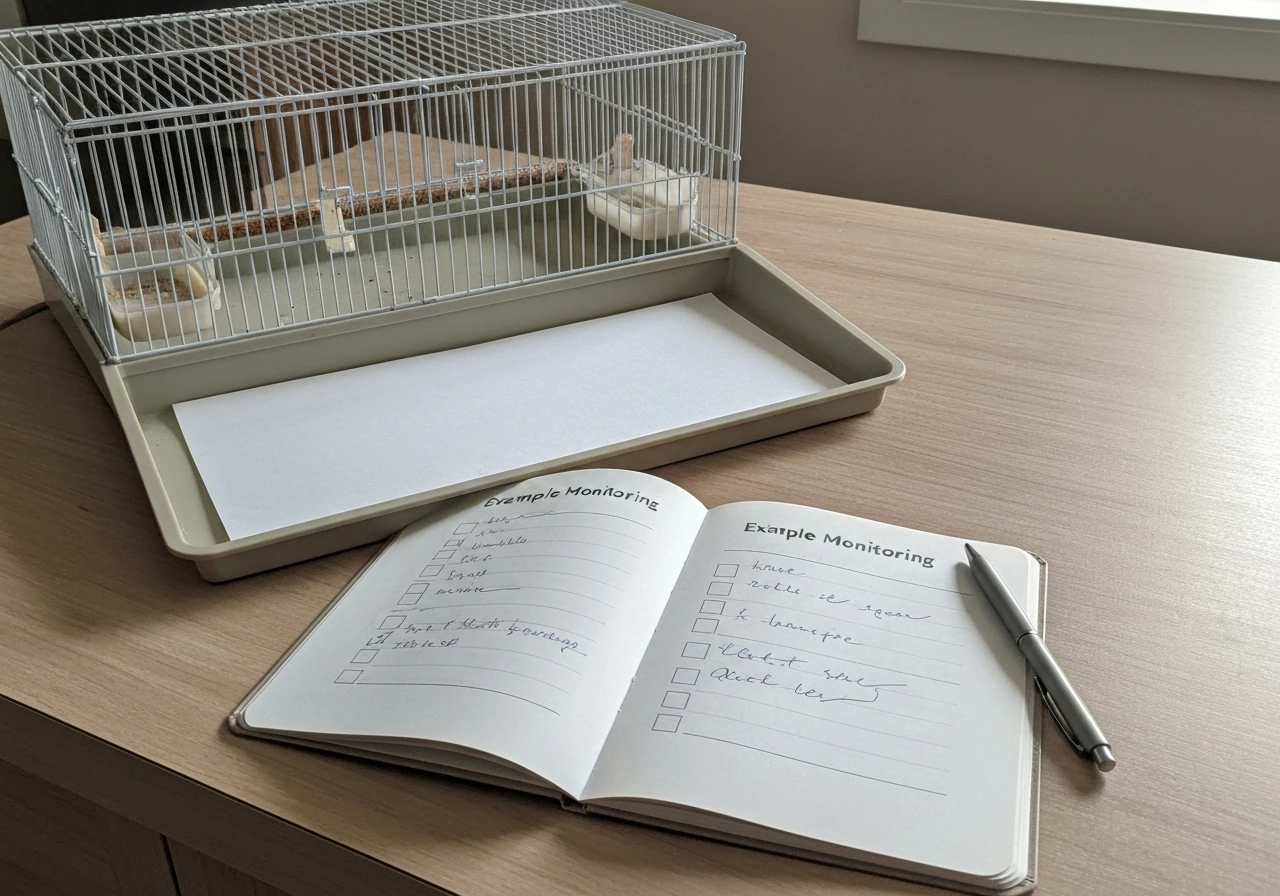
There are useful things you can observe and record right now that will help you, and any vet you contact, make a better decision. The key is observing carefully without intervening in ways that could cause harm.
Watch the droppings closely
Normal bird droppings have three components: the solid feces portion, the white or cream-colored urates, and liquid urine. Line the cage tray with white paper or wax paper so you can see them clearly. Note any changes in color (green, yellow, red, or black), consistency (watery, thick, or absent), or volume. A bird that is holding an egg often produces fewer, larger droppings. Bloody droppings or completely absent droppings are red flags.
Observe posture, movement, and breathing
Watch your bird from a distance without disturbing her. Note whether she is perching normally or sitting on the cage floor. Look at her tail: is it bobbing rhythmically? Is she breathing with her beak open at rest? Is she standing with her feet wider than normal? Write down what you see and how long she has been doing it. If you have been watching for two or more hours and symptoms are not improving, that's useful information for a vet.
Gently feel the abdomen (only if your bird is tame and calm)
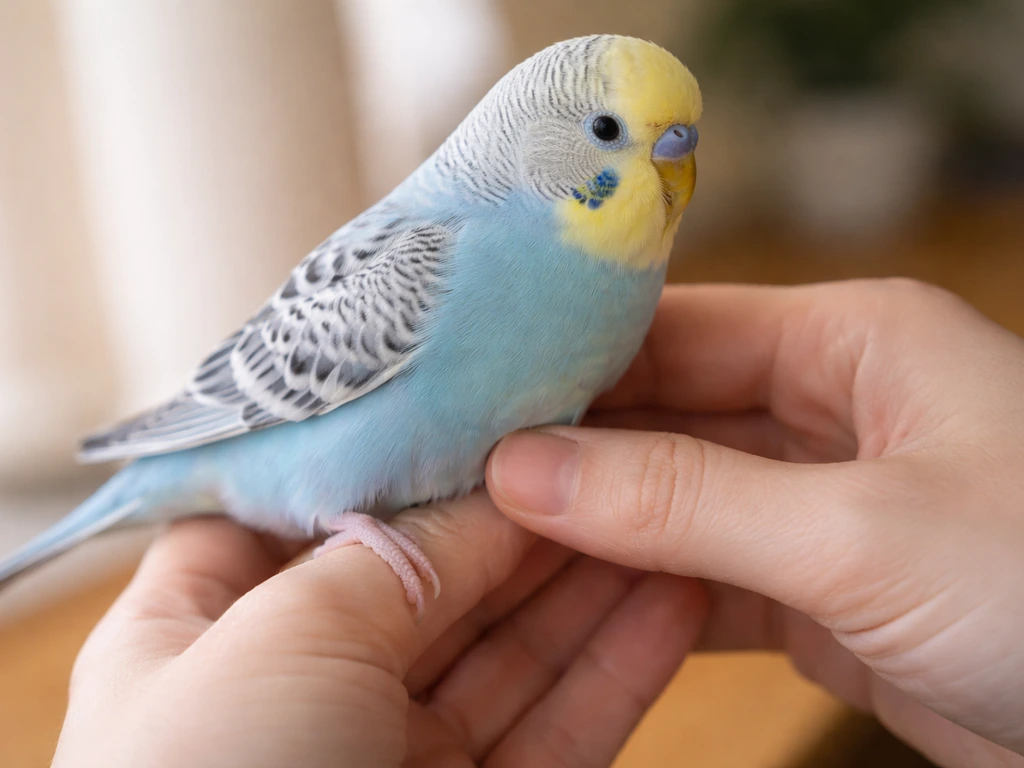
If your bird is hand-tame and not distressed, you can gently place your fingertips below the keel bone and feel the lower abdomen. A bird close to laying may feel slightly rounded and firm. A very hard, distended, or painful abdomen, especially one that causes the bird to flinch or vocalize, is more concerning. Do not press hard, do not try to manually move an egg, and stop immediately if the bird shows any sign of pain or distress. Attempting to manipulate a retained egg at home can rupture it and cause a fatal infection.
Track environmental and behavioral triggers
Note how much light the bird is getting each day. Extended photoperiod (more than 12 to 14 hours of light) is a well-documented trigger for egg laying in many species. Also consider whether there are nesting sites available (boxes, dark corners, shredded paper on the cage floor), whether the bird is being petted in ways that mimic mating stimulation, and whether there have been recent diet changes. These factors directly affect the reproductive cycle and are things you can start adjusting now.
When to call an avian vet urgently and what to bring
If your bird has any of the following, contact an avian vet today. Don't wait until morning, and don't try home remedies like steam baths or manually massaging the egg out. Egg binding can become fatal in a matter of hours.
- Straining repeatedly for more than two hours with no egg produced
- Sitting on the cage floor combined with puffed feathers and low energy
- Open-mouth breathing, tail bobbing, or labored respiration at rest
- Blood coming from or near the vent
- Prolapsed tissue visible outside the vent
- Wide-legged stance with obvious abdominal distension
- Complete refusal to eat or drink for more than 12 hours alongside any other symptom
- Sudden behavior change from normal to severely lethargic in a bird you know was in a laying cycle
When you call or arrive at the vet, bring as much information as you can. Vets use a full history to distinguish egg binding from other causes of straining, and diagnostic tools like radiography are often needed to confirm whether an egg is retained and where it is positioned.
- The bird's age, sex (if known), and species
- When symptoms started and how they have progressed
- Date of last egg laid, how many eggs in the current clutch, and the bird's laying history
- Current diet, calcium supplementation, and light exposure per day
- Any recent environmental changes, stress events, or new animals in the home
- A photo or sample of abnormal droppings if possible
- Any medications or supplements the bird is currently receiving
A vet working up a possible egg binding case will typically do a physical exam, X-rays to visualize the egg and its position, and possibly blood work to assess systemic health. Treatment can range from supportive care and hormonal injections to help the bird pass the egg, to surgical intervention if the egg is impacted or has ruptured. The faster you get there, the more options the vet has.
Care and prevention tips to reduce repeat laying problems
If your bird is a chronic egg layer or has had a reproductive scare before, prevention is genuinely important. Chronic egg laying is exhausting for a bird's body and depletes calcium, which then increases the risk of soft-shelled eggs, egg binding, and bone disease. The good news is that several environmental and husbandry changes can significantly reduce how often a bird lays.
Adjust light exposure
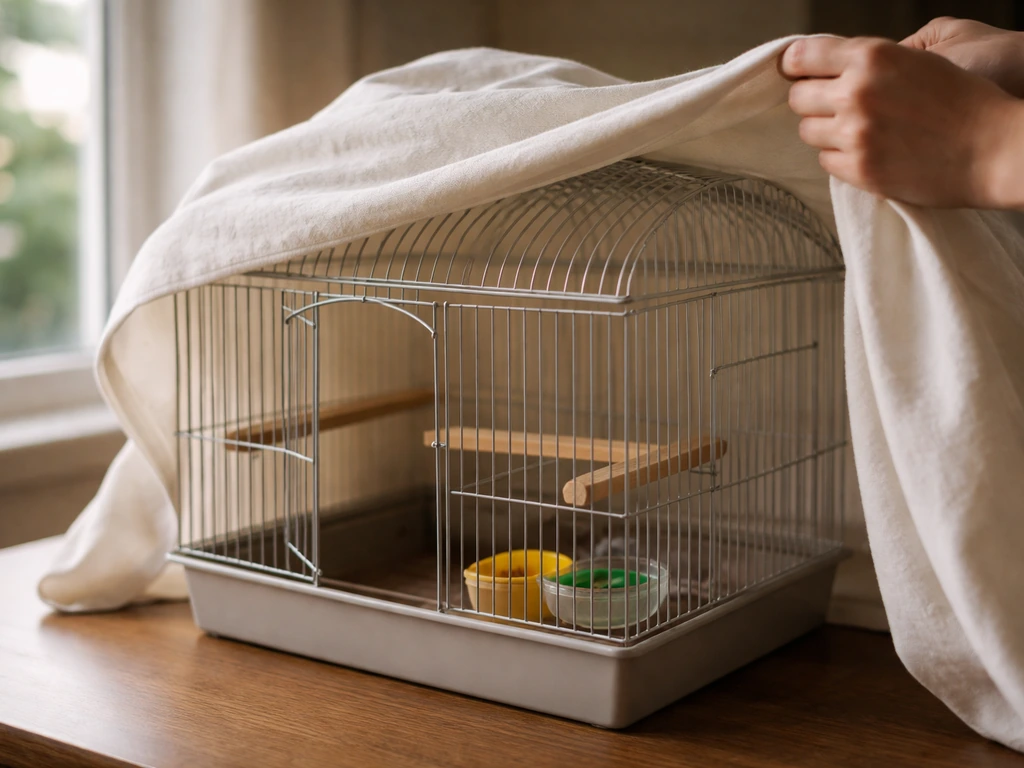
Reducing daily light exposure to around 10 to 12 hours can help interrupt the hormonal cycle that drives laying. Cover the cage earlier in the evening and keep the bird away from artificial light sources at night. This is one of the most effective and low-risk interventions you can make at home.
Remove nesting triggers
Take away nest boxes, huts, or any enclosed dark spaces the bird is spending time in. Avoid putting soft substrate on the cage floor that could be used as nesting material. Rearrange cage furniture regularly to disrupt territorial or nesting associations. These environmental changes signal to the bird's hormonal system that conditions aren't right for breeding.
Change how you interact with the bird
Petting a bird on the back, wings, or lower body can mimic the physical contact of mating and stimulate the reproductive system. Stick to head and neck scratches. Reduce the intensity of bonded interactions if the bird is treating you as a mate. This can feel counterintuitive if you have a close relationship with your bird, but it directly affects laying frequency.
Support nutrition, especially calcium
A calcium-deficient bird is at much higher risk of egg binding because the muscles needed to pass an egg don't function properly without it. Offer cuttlebone, calcium-fortified pellets, or leafy greens like kale and bok choy. Vitamin A deficiency is also a risk factor for egg binding and reproductive tract disease, so a varied, pellet-based diet with fresh vegetables is important. Avoid a seed-only diet in any bird prone to reproductive issues.
Talk to your vet about hormonal management
For birds that lay persistently despite environmental changes, an avian vet can discuss hormonal options. Leuprolide acetate, a GnRH agonist, has been used in cockatiels and other species to reversibly suppress egg laying. It's not a first-line home remedy, but it's a real and well-established option for chronic cases managed under veterinary care. This is worth asking about at your next appointment if your bird has laid multiple clutches in the past year.
If your bird has already been through egg binding or you're seeing symptoms that feel borderline, the related concerns of egg binding complications and conditions like cloacal prolapse are worth reading up on separately. Bird-egg syndrome symptoms can overlap with other reproductive problems, but the key is recognizing abnormal signs early and contacting an avian vet promptly. Understanding the full picture of reproductive tract health in birds helps you stay ahead of problems rather than reacting to them in a crisis.
FAQ
If my bird is not eating and looks bloated, how can I tell if it is normal laying or egg binding?
No. In birds, “pregnant” is not a safe shorthand for egg binding or other emergencies. If your bird is straining, breathing harder than usual, not eating, has blood near the vent, or is not improving after a short observation window, assume a reproductive complication and contact an avian vet the same day.
How long should I monitor before I treat this as urgent?
Watch the pattern over time. Normal laying often includes nesting and changes in droppings that then improve soon after the egg is laid. Egg binding tends to show persistent, escalating effort (long straining, increased settling on the floor, worsening vent swelling) with no egg passing.
What does “context” mean, and when does it stop helping?
Use the “context triad”: species that lays eggs, a known or likely laying cycle, and a history of laying. If all three match and symptoms are mild, short monitoring can be reasonable. If any red-flag signs are present (open-mouth breathing, prolonged straining, blood, very hard or painful abdomen, or reduced droppings to near zero), skip waiting.
Is it safe to feel my bird’s abdomen to confirm an egg?
A “hard abdomen” can be hard to interpret, especially in very fluffy birds. The practical guide is pain and progression. If the area near the vent/low belly feels extremely firm or the bird flinches, vocalizes, or shows obvious distress, treat it as high risk and seek care immediately rather than trying to confirm egg presence by feel.
Can I try to massage the egg out if it seems stuck?
Do not. Manual egg removal or aggressive abdominal manipulation can rupture the egg or injure the reproductive tract, leading to severe infection or internal bleeding. Gentle, minimal observation is fine, but any attempts to move the egg should be left to a vet.
Does a history of normal egg laying mean egg binding is unlikely?
Yes. Even birds that have laid before can become egg-bound, especially with calcium deficiency, vitamin A deficiency, obesity, stress, or underlying oviduct disease. A prior history reduces uncertainty, but it does not reduce urgency once symptoms match.
How can I differentiate egg yolk peritonitis from egg binding at home?
Egg yolk peritonitis often looks like egg binding but may come with more systemic decline (marked lethargy, reduced appetite) and progressive abdominal distension. Since they overlap heavily, the only reliable way to distinguish them is veterinary diagnostics such as imaging, plus assessment of how sick the bird is overall.
Why is breathing difficulty a red flag during supposed “bird pregnancy symptoms”?
Breathing changes are a major clue that you should not treat this as “just egg laying.” Tail bobbing plus open-mouth breathing, rapid breathing at rest, or persistent sitting on the floor can indicate severe illness (including reproductive emergencies) and needs prompt veterinary evaluation.
What should I change immediately to prevent more egg-laying episodes?
Because egg laying is driven by hormones, you can sometimes reduce recurrence by removing triggers, such as long daily light exposure and enclosed dark nesting spots. If your bird repeatedly enters laying cycles, ask your avian vet about a structured plan, including dietary correction and, for persistent cases, medically supervised hormonal suppression.
What droppings changes are most concerning?
If droppings decrease dramatically, are absent, or turn bloody, treat it as urgent rather than “watch and wait.” Note the full components (solid feces, urates, urine) and the color changes, and bring this timeline to the vet so they can interpret dehydration, obstruction, and systemic illness.
What should I do while waiting for the avian vet?
If your bird is straining and you suspect an egg issue, keep the bird warm and calm, minimize handling, and do not offer new foods or supplements as a substitute for care. Avoid steam, heat lamps used excessively, or DIY remedies that could delay treatment or worsen dehydration.
If I find a wild bird with these symptoms, should I try any home treatment?
In wild birds, similar reproductive signs exist, but the priority is survival and minimizing disturbance. A wild bird on the ground and unable to fly plus straining near the vent should be treated as an urgent wildlife case, typically handled by a local wildlife rehabilitator rather than attempted home care.
When should prevention be discussed with a vet, even if my bird improves?
Yes, schedule a check if your bird is a frequent layer or has had a prior reproductive scare. Chronic laying can lead to calcium depletion and bone problems, so your vet may recommend ongoing dietary adjustments and periodic evaluation of reproductive health rather than waiting for another emergency.
Next Article
Pregnant Bird Symptoms: Normal Breeding vs Illness Red Flags
Spot normal breeding vs illness in pregnant bird symptoms, including breathing, droppings, and egg-laying emergencies.