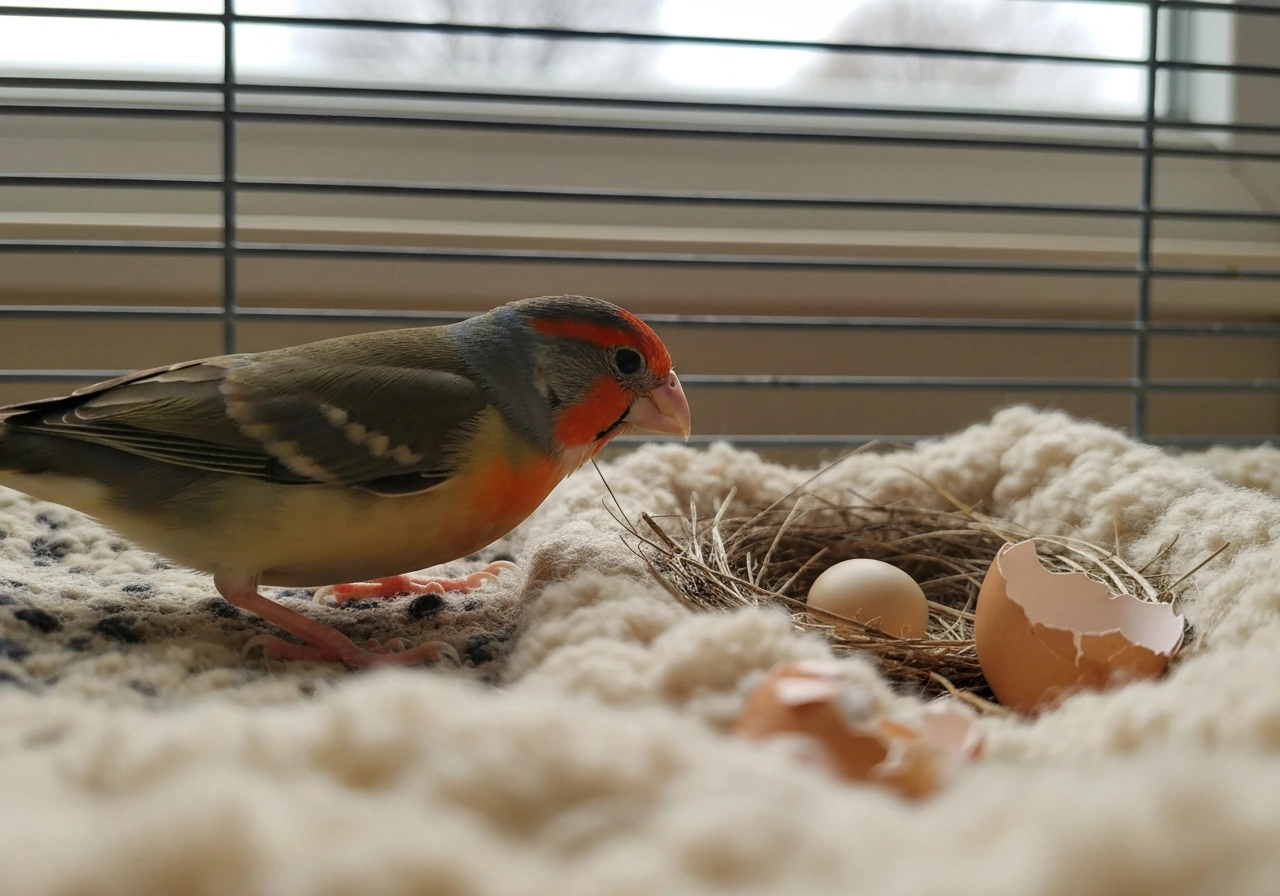
A sick young bird can go downhill fast, so the first thing to check is breathing. If the bird is breathing with its mouth open, bobbing its tail with every breath, or making any wheezing or clicking sounds, that is an emergency right now. A triage-oriented “Contact Your Veterinarian When Your Bird Shows These Signs” PDF lists immediate contact triggers including “No breathing or difficulty breathing,” with examples such as open mouth breathing and tail bobbing while breathing. Everything else, including fluffed feathers, quiet behavior, or loose droppings, is serious but gives you a little more time to assess before deciding your next move.
Young Bird Sickness Symptoms: What to Check and Next Steps

Marcus Webb
20 Jun 2026
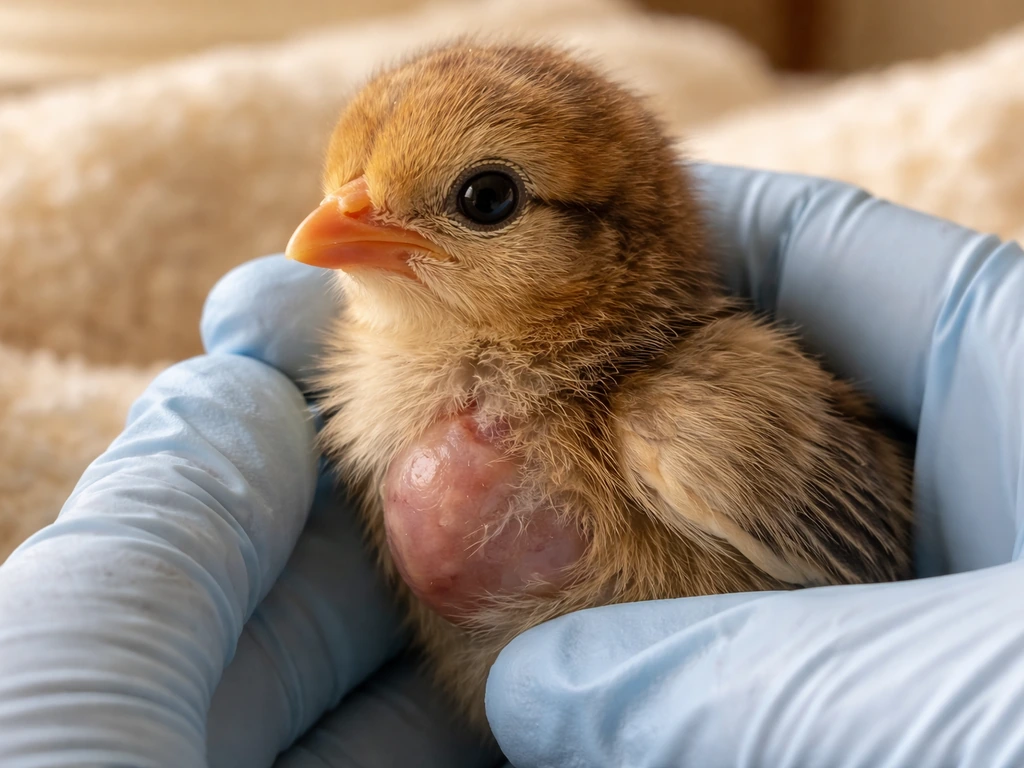
What 'young bird sickness' usually looks like at a glance
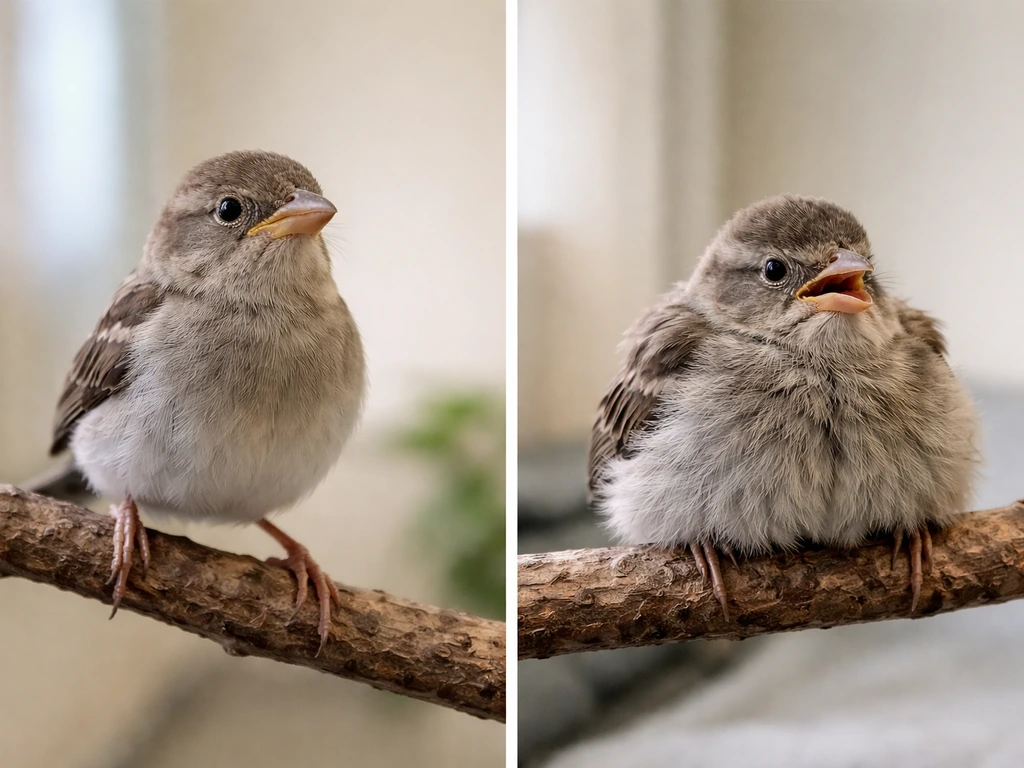
The phrase 'young bird sickness' is not one single disease. It is a shorthand that covers a range of conditions that tend to hit juvenile birds hard, from bacterial and viral infections to handling mistakes and environmental problems. In pigeons specifically, 'young bird sickness' often refers to a cluster of gut and respiratory signs seen in birds in their first racing season, but the same warning patterns apply broadly to chicks and juveniles of most species.
When you are doing a quick scan, you are looking for clusters of symptoms, not just one thing. A bird showing three or four of the signs below is in worse shape than one showing only one.
- Fluffed or puffed feathers when the bird should be alert
- Sitting low on the perch or on the cage floor
- Closed or partially closed eyes outside of normal sleep
- Tail bobbing noticeably with each breath
- Open-mouth breathing or any audible breath sounds
- Loose, watery, discolored, or foul-smelling droppings
- Crop that looks full but has not emptied after a few hours
- Vomiting or regurgitating formula or food
- Refusing food or showing no interest in feeding
- Weakness in the legs, stumbling, or inability to grip the perch
- Sudden weight loss or visible keel bone prominence
Even one or two of these in a very young chick warrants close attention. Young birds have almost no reserve, and what looks like 'just a bit quiet today' can become critical within hours.
Breathing and respiratory warning signs to check first
Respiratory distress is the symptom category that demands the most urgent action. blank" rel="noopener noreferrer">Breathing difficulty in a bird is always an emergency, full stop. Bird-egg syndrome can also lead to respiratory and gut signs, so worsening breathing, weakness, or abnormal droppings should be treated as urgent bird-egg syndrome symptoms. The signs are easy to miss if you are not looking for them, because birds try to hide illness, but once you know what to look for they are hard to unsee.
Tail bobbing is the most commonly overlooked sign. Watch the bird's tail when it is sitting still. If the tail pumps up and down with every single breath, the bird is working hard to move air and is in respiratory distress. Open-mouth breathing is equally serious. A bird breathing with its beak open while at rest is struggling. Add wheezing, clicking, rattling, or any wet sound to the breathing and you have an emergency scenario.
Other respiratory signs worth noting include nasal discharge or crustiness around the nostrils, sneezing that happens repeatedly (not just once or twice), voice changes or a quieter call than usual, and the bird stretching its neck as if trying to open its airway. Swelling around the face or eyes can also point to a respiratory or sinus infection.
One specific situation to flag: if you are hand-feeding a chick and formula comes out of the nostrils, or the bird suddenly makes wet, gurgling breathing sounds right after a feed, aspiration is likely. This means formula has entered the airway and needs immediate veterinary assessment. Do not attempt another feeding until the bird is evaluated.
Conditions that can cause respiratory signs in young birds include bacterial infections, fungal infections like aspergillosis, viral diseases including avian influenza, and psittacosis. Sneezing, nasal discharge, and runny eyes together in a young bird should always prompt a vet call, not just monitoring at home.
Digestion and dehydration clues: droppings, crop, weight
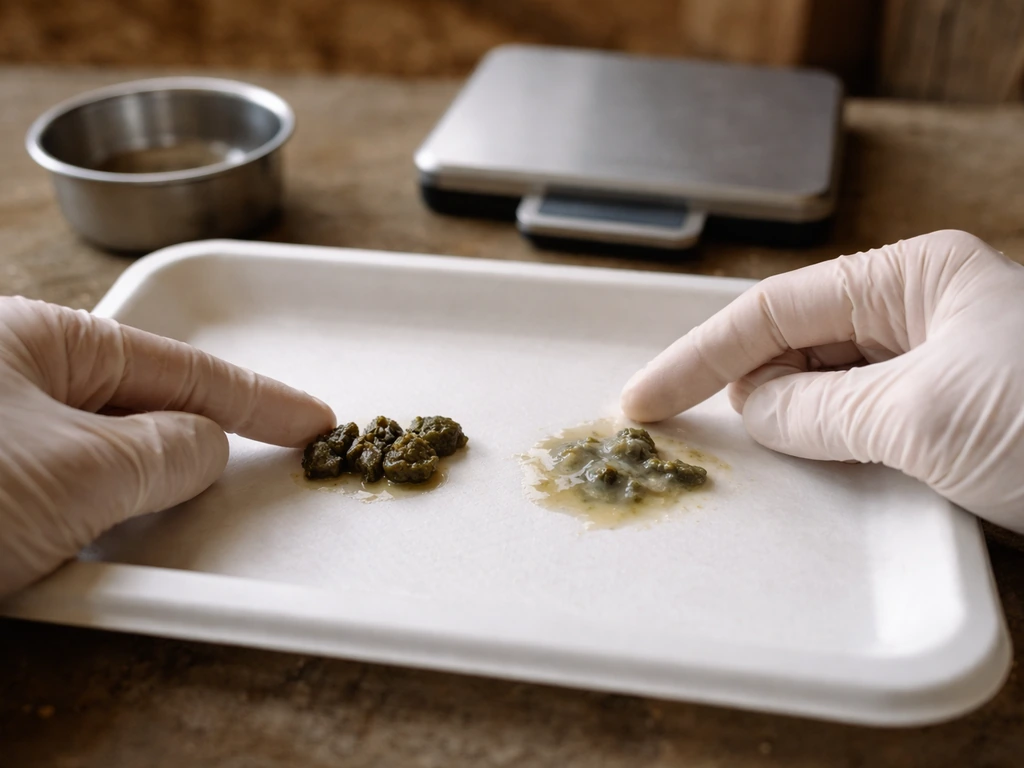
Droppings are one of the best health indicators you have because they change quickly when something is wrong. Normal droppings have three visible parts: a dark green or brown solid portion (the feces), a white or off-white chalky section (the urates), and a small amount of clear liquid (the urine). When any of those parts looks wrong, pay attention.
| What you see in droppings | What it may suggest |
|---|---|
| Very watery or runny overall | Infection, stress, dietary issue, or overhydration |
| Bright yellow or lime-green urates | Possible liver disease or active infection |
| Undigested whole seeds or food pieces in feces | Possible proventricular dilatation disease (PDD) or other GI disorder |
| Completely absent or minimal droppings | Not eating, or severe GI obstruction |
| Yellow or greasy feces | Possible anorexia, liver issue, or malabsorption |
| Bloody or very dark feces | Internal bleeding or injury, urgent vet contact needed |
Keep in mind that diet changes can alter dropping color temporarily. A bird that just ate a lot of berries or colored pellets will have different-looking droppings. If you have not changed the diet and the droppings suddenly look wrong, that matters more.
Crop problems are especially common in young chicks that are hand-fed. The crop should empty within a few hours of each feed. If you can feel that the crop is still full and doughy from the previous meal, that is crop stasis, and it needs attention.
PetPlace notes that if crop emptying slows into crop stasis, caregivers should ensure temperature and food consistency are correct and the bird is in appropriate environmental conditions, and then seek veterinary attention if it still is not emptying properly crop stasis, and it needs attention. Candida (a yeast infection) is a common cause of slow crop emptying in chicks, and it can also cause regurgitation and reduced appetite.
A crop that smells sour or fermented is another red flag. Do not overfill the crop, do not force-feed, and do not attempt home remedies without guidance from a vet.
Dehydration is easy to underestimate. You can do a rough check by gently pinching the skin near the neck or leg. Skin that stays 'tented' instead of springing back immediately suggests dehydration. In a young bird, dehydration alongside crop stasis or diarrhea is a dangerous combination. Body temperature also matters: a healthy bird should be between 103 and 106 degrees Fahrenheit. A cold, lethargic chick has often already lost critical ground.
Posture, energy, and neurological warning signs
A healthy young bird is alert, reactive, and interested in its surroundings even if it cannot fly yet. Bird pregnancy symptoms can overlap with other illnesses, so it still helps to consult an avian vet if you see abnormal breathing, appetite loss, or lethargy. When a juvenile bird is sick, the posture changes first. You will see it sitting low, leaning on the cage bars or the side of the brooder, or simply staying on the floor. It will not react normally when you approach.
Neurological signs are especially worrying and should always trigger a same-day vet call. These include seizures or convulsions, circling or spinning, uncontrolled head tremors, falling off the perch repeatedly, loss of coordination (ataxia), or an inability to stand at all. Some of these signs can appear in conditions like proventricular dilatation disease, avian bornavirus infection, or severe vitamin deficiencies, and a few can show up in late-stage polyomavirus infection in young birds under 16 weeks.
Polyomavirus is worth knowing about if you have young parrots or other psittacines. It can cause depression, poor feeding, and crop slowdown and then escalate to death within one to two days of visible symptoms appearing. The incubation period is roughly 10 to 14 days. If you have had new birds in the environment recently and a young bird is suddenly crashing, this is on the list of possibilities.
Weakness and poor muscle tone also show up as a chick that cannot grip your finger, a fledgling that cannot hold its own head up, or a juvenile that was previously active and is now barely moving. Visible keel bone (the ridge running down the center of the chest) that you can feel sharply through the skin means the bird has been losing weight and is in poor body condition.
Likely causes: infections versus environmental and handling problems
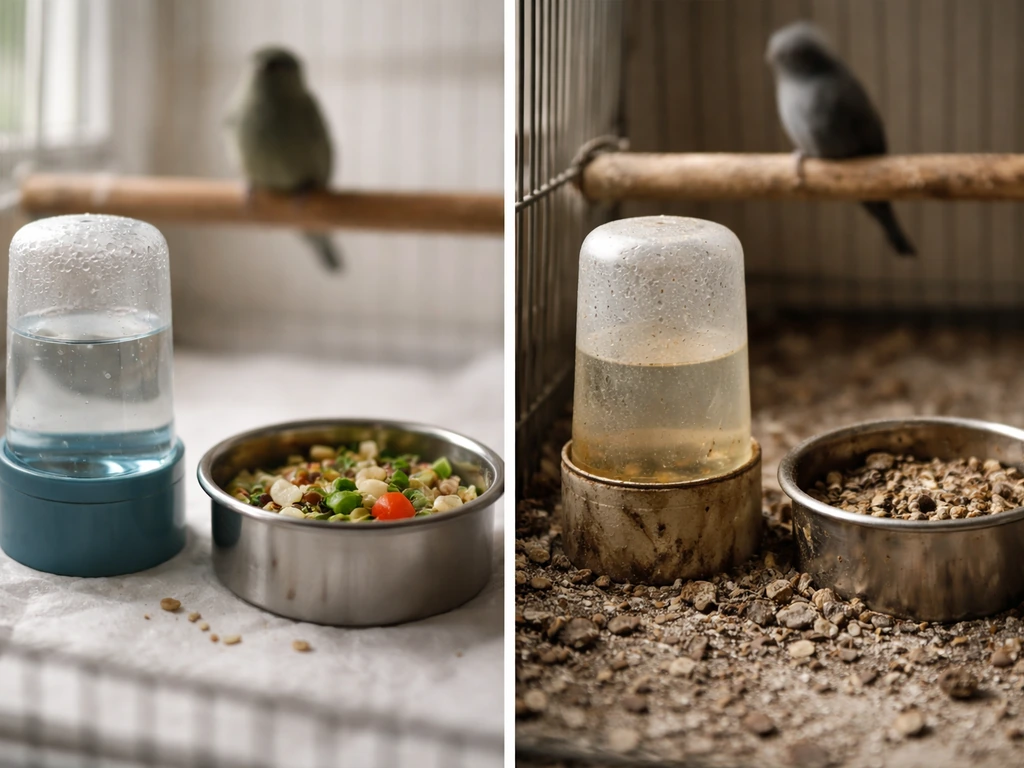
Knowing the general category of the cause helps you understand urgency and avoid making things worse while you arrange care.
Infectious causes
Bacterial infections are very common in young birds, particularly when hygiene around feeding equipment is not strict. Signs tend to include digestive upset, lethargy, and sometimes respiratory involvement. Viral diseases like avian influenza can cause sudden energy loss, appetite loss, difficulty breathing, and diarrhea. Highly pathogenic strains can kill before obvious signs appear. Psittacosis (Chlamydia psittaci) produces runny eyes, runny nose, and diarrhea and is also transmissible to people, which is one more reason to get a vet involved quickly. Fungal infections like candidiasis and aspergillosis are also seen in young birds and tend to affect either the crop/digestive tract or the respiratory system respectively.
Environmental and handling causes
Many sick-bird situations in hand-raised chicks come down to temperature, feeding technique, or formula management. A brooder that is too cold causes the digestive system to slow down, which leads to crop stasis even in an otherwise healthy bird. Formula that is too thick, too thin, too hot, or fed too fast causes crop problems or aspiration. Overfeeding overstretches the crop. Drafts, sudden temperature changes, and overcrowding all stress a young bird's immune system. If the bird is wild and has been found outdoors, cat attack wounds (even tiny puncture marks), impact injuries from windows, or being a normally independent fledgling that just looks 'grounded' are also things to rule out before assuming illness.
Safe at-home support you can do right now
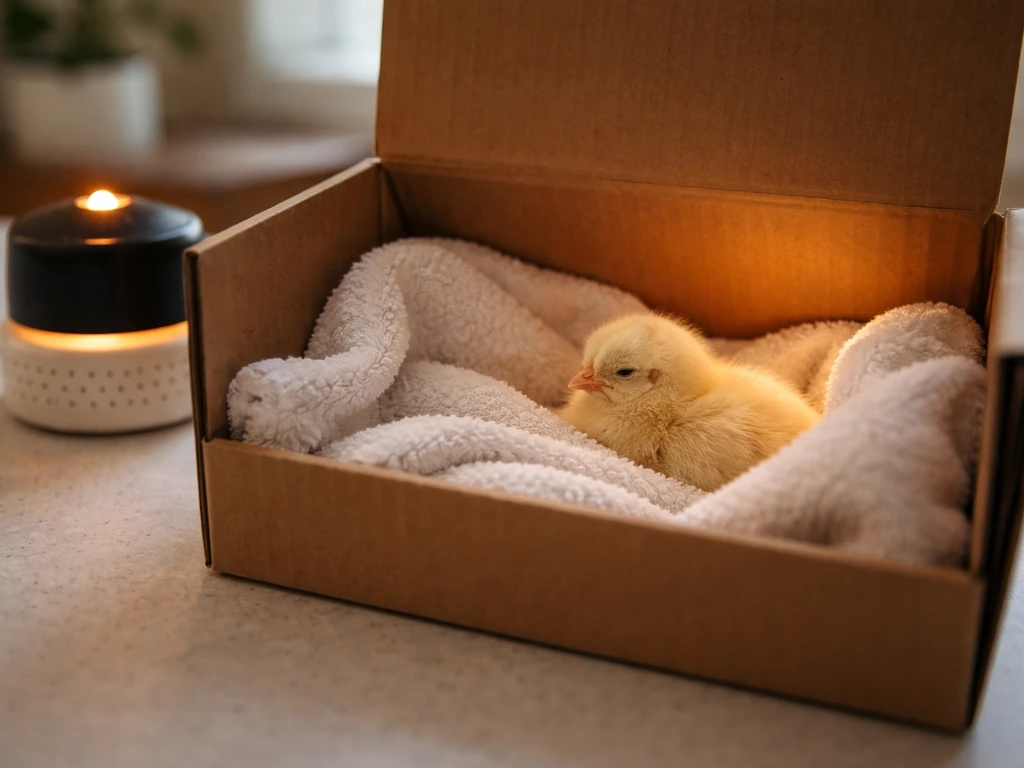
The goal at home is to stabilize, not treat. You are buying time until the bird can be seen by a professional. For pigeons, the fastest way to cure young bird sickness is to stabilize breathing and digestion first, then get species-specific guidance from an avian vet how to cure young bird sickness in pigeons. Do not attempt to diagnose or medicate on your own.
- Keep the bird warm. A sick bird loses heat quickly. Place it in a quiet box or carrier with a heat source on one side only (a heating pad on low under half the container, or a warm water bottle wrapped in a towel) so the bird can move away if it gets too warm. Aim for a warm but not hot environment.
- Minimize handling. Stress makes sick birds deteriorate faster. Handle only when necessary to check on the bird or to attempt a small water offer.
- Offer small amounts of water carefully. If the bird is alert enough to swallow, you can offer a few drops of room-temperature water with a dropper near the beak. Do not squirt into the mouth of a lethargic bird. Drowning or aspiration risk is real.
- Do not force-feed. If crop stasis is present, adding more food makes it worse. If the bird is too weak to feed itself, this is a vet situation.
- Stop the last formula session if crop is not emptying. Check the crop before every feed. If it has not emptied from the previous feed, skip the feed and contact a vet.
- Document what you are seeing. Write down the time symptoms started, what the droppings look like, whether the bird is eating or drinking, and any recent changes to diet, environment, or contact with other birds.
- Weigh the bird if you have a gram scale. Even a one or two gram difference in a small chick is significant. Note the weight and the time.
- Take photos or a short video. A video of the breathing pattern, posture, and droppings is extremely useful for a vet to see before or during the appointment.
If the bird is wild and you are not a licensed wildlife rehabilitator, your job is containment and warmth while you find a licensed rehabilitator or avian vet. In many places it is illegal to keep a wild bird in your possession beyond the time needed to get it to appropriate care. Contact your local wildlife authority or a wildlife rehabilitation network to find the nearest licensed rehabilitator.
When to contact an avian vet urgently
Some symptoms mean you should be calling a vet right now, not watching and waiting. Use this as your decision framework. Pregnant bird symptoms can include unusual nesting behavior, weight changes, and signs of trouble passing eggs decision framework.
| Symptom or situation | Action |
|---|---|
| Open-mouth breathing at rest | Emergency vet contact immediately |
| Tail bobbing with every breath | Emergency vet contact immediately |
| Wheezing, clicking, or wet breathing sounds | Emergency vet contact immediately |
| Seizures or convulsions | Emergency vet contact immediately |
| Collapse or inability to stand | Emergency vet contact immediately |
| Blue or very pale tissues around beak or eyes | Emergency vet contact immediately |
| Formula from nostrils after feeding | Emergency vet contact immediately |
| Crop not emptying for 6+ hours | Same-day vet call |
| Repeated vomiting or regurgitation | Same-day vet call |
| Sudden refusal to eat in a previously feeding chick | Same-day vet call |
| Bloody or severely abnormal droppings | Same-day vet call |
| Neurological signs: circling, head tilt, falling off perch | Same-day vet call |
| Visible weight loss over 1 to 2 days | Vet call within 24 hours |
| Fluffed, lethargic, abnormal droppings together | Vet call within 24 hours |
When you call the vet, be ready to tell them the bird's species and approximate age, when symptoms started and how they have changed, current body weight if you have it, what the droppings look like (a photo helps), what the bird has been eating and how it has been kept, and whether there have been any new birds or environmental changes in the past two weeks. The more specific you are, the faster they can triage over the phone and tell you whether to come in immediately or monitor for a few more hours.
If you cannot reach an avian vet immediately, a general practice vet with bird experience is better than no vet. For wild birds, a licensed wildlife rehabilitator is the appropriate contact. Keep emergency wildlife and avian vet numbers saved before you need them because searching in a crisis costs time you may not have.
Finally, it is worth knowing that if you are dealing specifically with pigeons, there is a well-documented condition called young bird sickness that targets birds in their first season with a recognizable pattern of digestive and respiratory signs. The symptoms and the urgency framework here still apply, and if you want a closer look at what that condition involves in pigeons specifically and how it is typically managed, that information is worth exploring as its own topic alongside what you have learned here.
FAQ
Can young bird sickness symptoms look like normal brooder stress or molting?
Yes, but true illness usually clusters. Normal brooder adjustment may cause mild, temporary quietness, while sickness commonly brings specific respiratory signs (tail bobbing, open-mouth breathing, clicking) or crop and droppings changes that worsen over hours. If you see breathing effort or crop stasis, treat it as medical, not environment-related.
What droppings changes are most concerning beyond color?
Look for very watery droppings, green diarrhea, or droppings that lack the usual chalky urate portion. A red flag is a sudden shift from normal three-part droppings to one watery component only, especially when paired with reduced appetite or lethargy.
How can I tell whether a chick is too cold versus truly sick when it is lethargic?
Cold often comes with overall sluggishness and slow digestion, but it usually improves with proper brooder temperature and warmth. If the bird is struggling to breathe, making abnormal respiratory sounds, or has crop stasis plus sour smell, warmth alone is not enough, you still need urgent veterinary guidance.
If formula was aspirated once, does that mean it is guaranteed to be fatal?
Aspiration is serious, not an automatic death sentence. Early veterinary assessment matters because aspiration can trigger airway inflammation or secondary infection. Also, do not “test feed” again to see if it’s okay, wait until a professional advises, since repeat aspiration can worsen outcomes.
What feeding mistakes most commonly cause young bird sickness symptoms in hand-raised chicks?
Feeding that is too fast, too thick, too hot, or too cold are common culprits, as are overfilling the crop and continuing feeding when the crop is not emptying on schedule. Another frequent issue is contamination of formula bottles and syringes, which can drive digestive illness.
Should I stop feeding if the crop feels full or doughy?
Do not keep pushing formula if the crop is still doughy from the previous feed. Overfilling increases regurgitation and aspiration risk. Instead, pause feeding and contact an avian vet for an adjusted feeding plan, especially if there is sour odor, weakness, or diarrhea.
How do I safely warm a sick chick before getting help?
Use gentle, controlled brooder warmth rather than a heat lamp directly on the bird. Warm gradually so the bird can regain posture and digestion without overheating, and monitor breathing, since respiratory distress can worsen if the bird is stressed or chilled and then rapidly heated. If breathing sounds are abnormal or the bird is gasping, prioritize emergency evaluation over prolonged at-home warming.
Are neurological signs always a sign of something infectious?
Not always, but they are always urgent. Seizures, circling, uncontrolled tremors, or inability to stand can be caused by metabolic problems (including vitamin deficiencies), toxins, infections, and neurologic diseases. Because the causes differ, do not attempt home treatments, focus on same-day vet or emergency care.
Is it okay to medicate a young bird with leftover antibiotics or human meds?
No. Dosing and drug choice vary widely by species, age, and the likely cause. Wrong medication can mask symptoms, worsen dehydration, or cause additional harm, especially with antibiotics that disrupt gut balance. Until a vet advises, stabilize and route to professional care.
When should I suspect polyomavirus specifically?
Consider it when you have young psittacines, new birds entered the environment recently, and a bird suddenly “crashes” with depression, poor feeding, and crop slowdown. The timeline can move quickly after visible symptoms begin, so treat same-day or urgent evaluation as appropriate.
How should I prepare for the vet call to speed triage?
Have the species and approximate age ready, note when symptoms started and how fast they’re progressing, list what the bird has been eating and how it was housed, and capture droppings with a clear photo. If possible, measure and share body weight, even a rough estimate helps determine severity and urgency.
Can I isolate the bird at home to reduce spread while waiting for a vet?
Yes. Separate the sick bird from other birds immediately, use dedicated gloves and tools, and avoid sharing food or water containers. Ventilation and strict hygiene matter, especially because some infections that cause respiratory and diarrhea signs can spread between birds.
Next Article
Bird Pregnancy Symptoms: Signs, Egg-Laying vs Urgent Care
Spot bird pregnancy symptoms: egg-laying signs vs urgent issues like egg binding, illness cues, safe monitoring, and vet