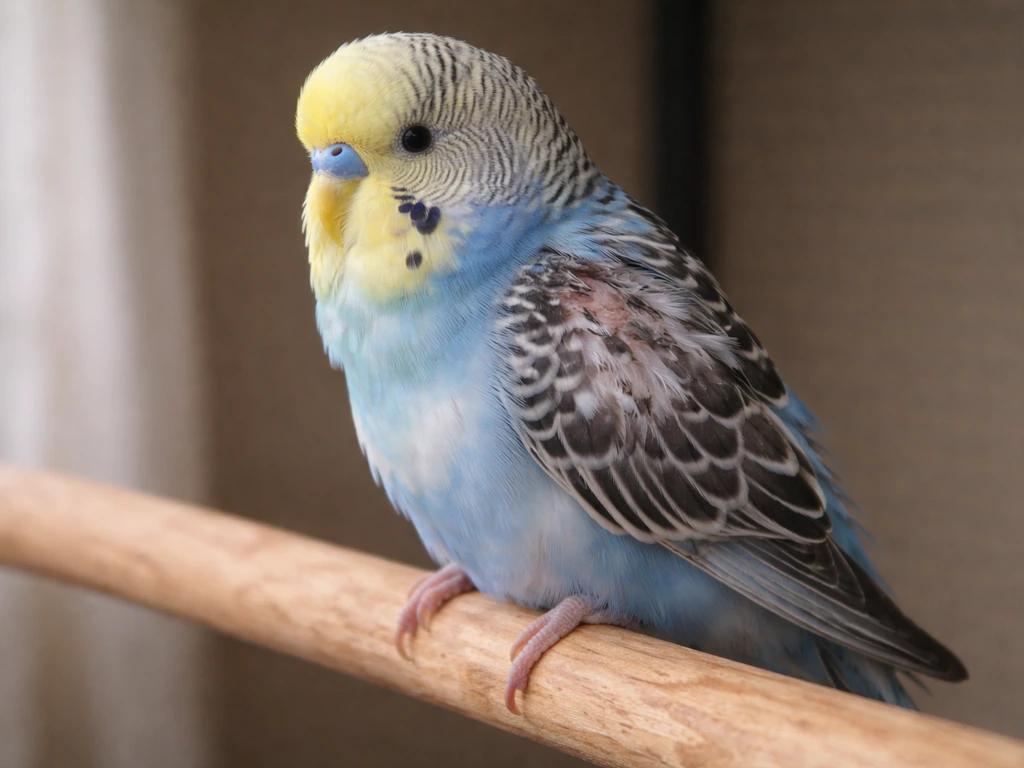
If your budgie is sitting fluffed at the bottom of the cage, breathing with its tail bobbing, or has stopped eating, those are urgent warning signs that need attention today. Budgies are prey animals by instinct, so they hide illness until they can't anymore. By the time you notice something is wrong, the problem has often been building for a while. This guide walks you through the most common budgie health problems by body system, gives you a symptom checklist to triage what you're seeing right now, and tells you directly when you can monitor at home and when you need an avian vet.
Budgie Bird Health Problems: Symptom Checklist and Next Steps

Marcus Webb
28 May 2026
Common budgie health problems by body system
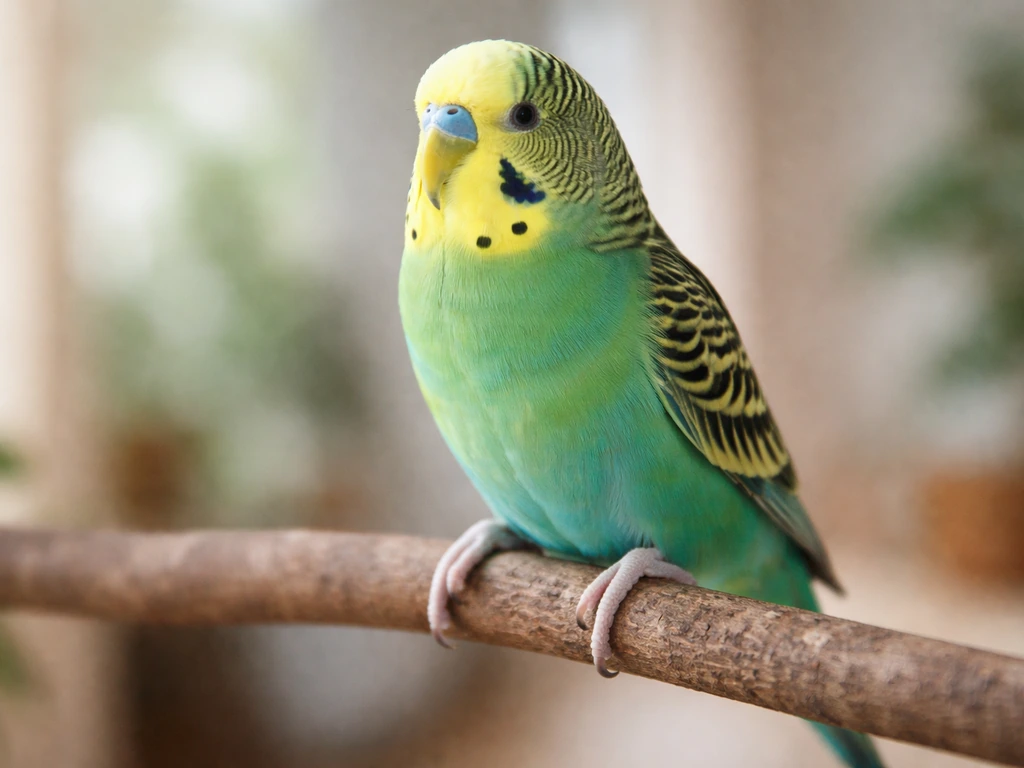
Budgie health problems tend to cluster by body system, which makes it easier to narrow down what's going on. Here's a quick breakdown before we go deeper into each one.
| Body System | Common Conditions | Key Symptoms |
|---|---|---|
| Respiratory | Bacterial/viral infections, Aspergillus, vitamin A deficiency | Wheezing, tail bobbing, nasal discharge, open-mouth breathing |
| Digestive/Crop | Candidiasis (thrush), crop stasis, macrorhabdosis | Regurgitation, swollen crop, weight loss, diarrhea |
| Skin and Feathers | Scaly face mites (Knemidocoptes), feather picking, PBFD | Crusty beak/face, missing feathers, excessive preening |
| Reproductive | Egg binding (dystocia) | Straining, swollen abdomen, sitting on cage floor, weakness |
| Toxin/Injury | Fume exposure, trauma, poisoning | Sudden collapse, seizure, bleeding, rapid breathing after fume exposure |
Early warning signs: a symptom checklist
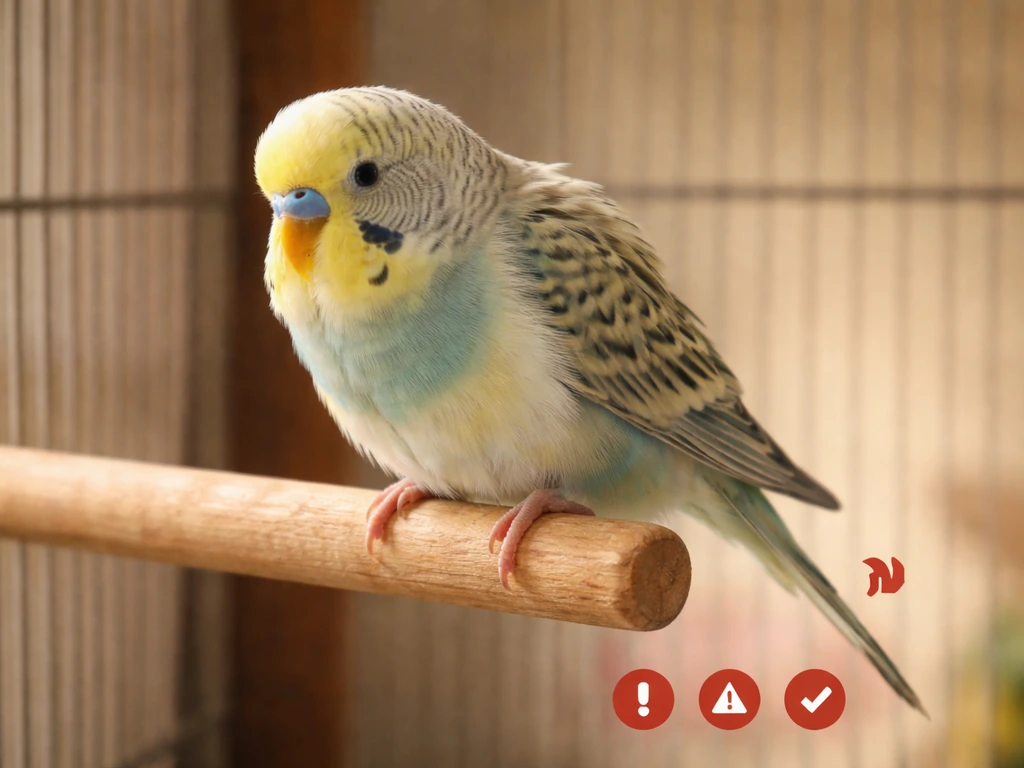
Run through this checklist right now if you're worried about your bird. Any single item marked "urgent" below warrants a call to an avian vet today, not tomorrow.
| Symptom | What It May Indicate | Priority |
|---|---|---|
| Tail bobbing with each breath | Increased respiratory effort, lower respiratory disease | Urgent |
| Open-mouth breathing | Airway obstruction, severe respiratory distress | Urgent |
| Sitting on cage floor, won't perch | Weakness, egg binding, systemic illness | Urgent |
| Fluffed feathers + lethargy | Infection, hypothermia, systemic disease | Urgent |
| Nasal discharge or sneezing repeatedly | Respiratory infection, vitamin A deficiency | See vet soon |
| Regurgitation (not just courtship bobbing) | Crop stasis, candidiasis, macrorhabdosis | See vet soon |
| Watery or discolored droppings | Infection, dietary change, internal disease | Monitor/vet soon |
| Crusty or scaly lesions around beak/face | Scaly face mites (Knemidocoptes pilae) | See vet soon |
| Feather loss or excessive picking | Mites, infection, behavioral/medical cause | See vet soon |
| Straining with swollen abdomen (hen) | Egg binding | Urgent |
| Sudden collapse or seizure | Toxin exposure, poisoning, trauma | Emergency |
| Weight loss over days/weeks | Macrorhabdosis, crop issues, nutritional deficiency | See vet soon |
Keep a small notebook or use your phone to log symptoms with the date and time. Vets rely heavily on your observations because a budgie that's stressed in a clinic often hides symptoms in the exam room.
Respiratory issues: runny nose, wheeze, and breathing trouble
Respiratory problems are one of the most serious things you'll encounter with a budgie, and they can escalate quickly. The clearest red flag is tail bobbing, where the tail visibly pumps up and down with each breath. That's the bird working hard to move air, and it's not subtle once you know to look for it.
Upper respiratory signs tend to look like nasal discharge, repeated sneezing, and watery or swollen eyes. Lower respiratory signs are more serious and include open-mouth breathing, audible wheezing or clicking sounds, voice changes, and that tail-bobbing pattern. Open-mouth breathing in a budgie is almost always an emergency because it usually means the airway is significantly compromised, whether from mucus, infection, or obstruction.
One thing that catches people off guard: not all "respiratory" symptoms are caused by infection. Vitamin A deficiency (hypovitaminosis A) can cause nasal discharge, sneezing, periorbital swelling, and even breathing difficulty, all while looking like a classic respiratory infection. This is why a seed-only diet is a genuine health risk. The Merck Veterinary Manual also cautions that seed-only feeding cannot provide balanced nutrition, and improving diet quality with pelleted or extruded diets can help support nutritional intake seed-only diet is a genuine health risk. If your budgie has been living on seeds and starts showing these signs, nutritional deficiency needs to be on the table alongside infection.
If you see any combination of tail bobbing, open-mouth breathing, or audible wheezing, do not wait to see if it improves. Call an avian vet the same day.
Digestive and appetite problems: crop issues, diarrhea, and egg changes
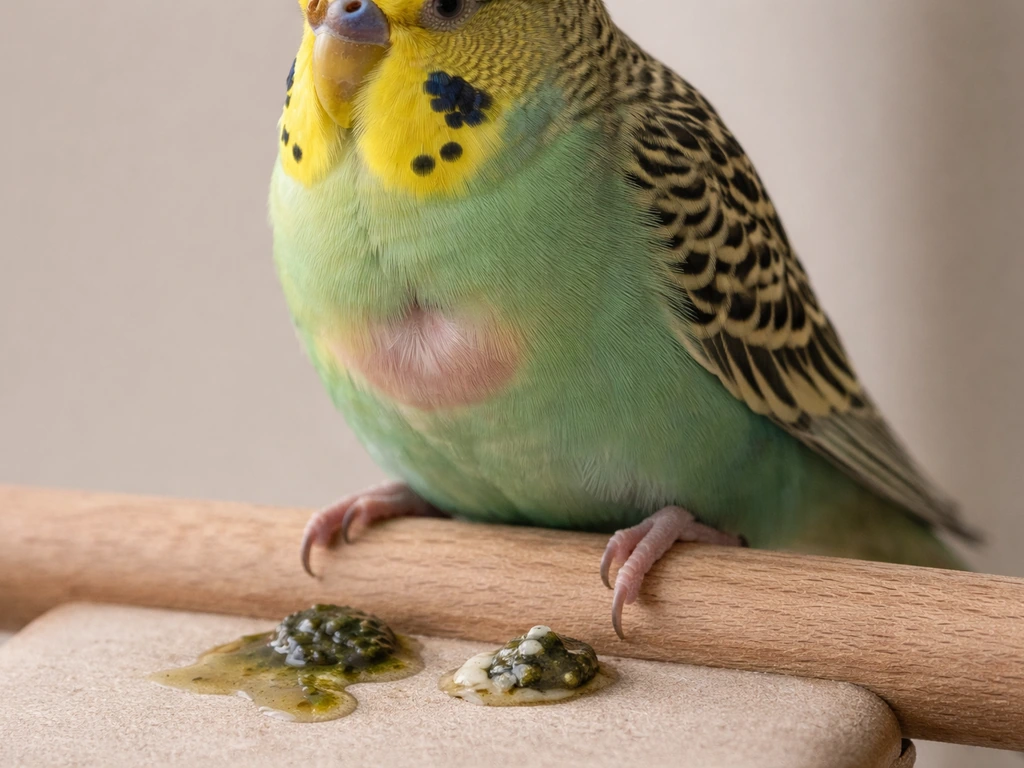
A budgie that's eating less, losing weight, or regurgitating food (and not in the rhythmic "courtship bobbing" way) is showing you a digestive red flag. The crop sits at the base of the neck and should empty within a few hours of eating. If it stays full, feels squishy or fluid-filled, or smells sour, that's crop stasis, and it's a problem that needs veterinary assessment.
Candidiasis (a yeast infection sometimes called thrush) is one cause of delayed crop emptying. It can cause regurgitation, poor appetite, a visibly swollen crop filled with mucus or undigested food, and general illness signs. Macrorhabdosis, a protozoal infection sometimes called "going light" disease, causes ongoing weight loss, regurgitation, weakness, and diarrhea over a longer period. Both conditions need a vet diagnosis because they look similar on the surface but require different treatments.
Droppings are one of your best daily monitoring tools. A healthy budgie dropping has three parts: a solid dark green or brownish fecal portion, white urates, and a small amount of clear liquid. Watery droppings for more than a day or two, droppings that are entirely liquid, or droppings that are deeply discolored all warrant a vet call. That said, a brief change after a diet shift (like adding fruit) is usually not a concern.
For female budgies: egg binding (dystocia) causes a swollen or distended abdomen, straining, depression, and sometimes trouble breathing because the retained egg can press on air sacs. This is a true emergency. A retained egg can compress internal organs, blood vessels, and nerves, and delay in treatment can lead to shock. If your hen is sitting on the cage floor, straining, or has a visibly swollen lower abdomen, treat it as urgent.
Skin, feather, and mite-related conditions
Scaly face mites (Knemidocoptes pilae) are probably the most recognizable skin condition in budgies. The mites cause crusty, honeycomb-textured lesions that typically start around the beak, cere (the fleshy area above the beak), and eye region. Beak damage from scaly face mites can also cause beak problems, so check for crusting and abnormal beak growth early. In advanced cases they spread to the legs and feet. The appearance is distinctive enough that experienced avian vets often recognize it on sight, though a skin scraping confirms the diagnosis. Treatment involves repeated antiparasitic therapy, typically with a follow-up dose around two weeks after the initial treatment. Left untreated, scaly face mites can permanently deform the beak.
Feather problems are trickier because they have many possible causes. Patchy feather loss, ragged-looking feathers, or a bird that's actively chewing or pulling its own feathers are not normal grooming behaviors. Feather problems are one of the common budgie bird feathers problem signs and can point to mites, infection, or nutritional issues. They can signal mite infestation, a fungal or bacterial skin infection, hormonal issues, nutritional deficiency, or even pain from an internal problem. Feather picking especially needs a proper workup because assuming it's "just behavioral" often delays finding a medical cause. Related feather concerns are worth exploring further in a dedicated feather-problem guide.
Check the beak and cere regularly as part of your routine. Overgrown, discolored, or asymmetric beak changes can signal nutritional gaps, liver disease, or mite damage, and catching them early makes treatment more straightforward. Beak-specific changes have their own patterns worth knowing in detail.
Injury, toxins, and poisoning: red flags that need immediate action
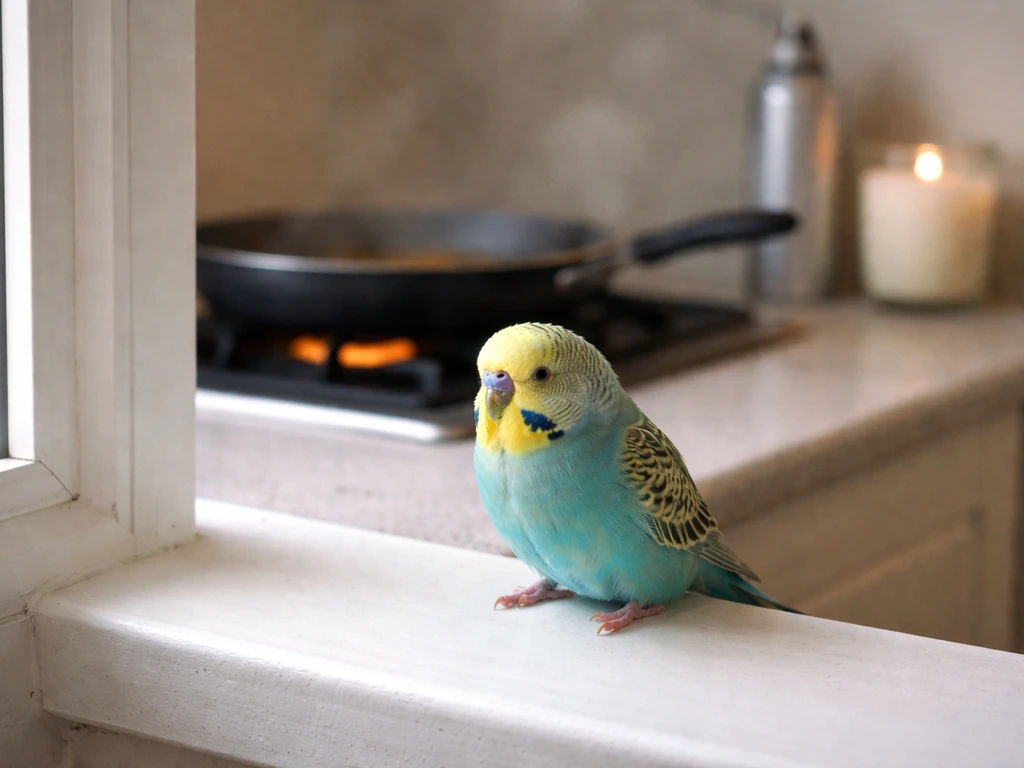
Budgies are extraordinarily sensitive to airborne toxins. Fumes from non-stick cookware (PTFE/Teflon) overheating, aerosol sprays, scented candles, air fresheners, cleaning products, cigarette smoke, and even hair products can cause rapid respiratory failure. If you use any of these near your bird, move the bird immediately to fresh air and contact a vet. Don't wait for symptoms to worsen.
Carbon monoxide is another serious risk because you can't see or smell it, and birds will show signs before humans do. If your bird suddenly collapses or appears severely disoriented and you suspect a fume or gas exposure, treat it as a household emergency as well as a bird emergency.
Off-gassing from new furniture, carpets, or painted surfaces can also emit fumes for weeks or months after installation. If a budgie gets sick shortly after renovations or new furniture arrives in the home, that connection is worth mentioning to your vet.
Physical injuries to watch for include bleeding (from broken blood feathers, bites from other birds, or accidents), limping or holding a leg up, a wing drooping at an odd angle, and any visible wound. Broken blood feathers that are actively bleeding need to be controlled. Apply gentle pressure and contact your vet for guidance. Never attempt to pull a blood feather yourself without veterinary instruction.
- Sudden collapse or loss of consciousness: emergency, call vet immediately
- Seizure or uncontrolled trembling: emergency
- Suspected fume or toxin exposure with breathing changes: emergency
- Active uncontrolled bleeding: urgent
- Obvious broken limb or wing at abnormal angle: same-day vet visit
- Eye injury or discharge from one eye: same-day vet visit
At-home first aid vs. when to contact an avian vet
First aid for birds is supportive care only. It buys time while you arrange veterinary help. It does not replace a vet visit for anything serious. Keep that framing in mind before trying to treat your bird at home.
What you can safely do at home
- Keep the bird warm: a sick bird loses heat quickly. Place a heating pad on low under one half of the cage (so the bird can move away if too hot) or use a heat lamp at a safe distance. Aim for around 85-90°F (29-32°C) for a visibly ill bird.
- Reduce stress: cover three sides of the cage, minimize handling, and keep the environment quiet and calm.
- Offer easy food and fresh water: if the bird won't eat its usual food, try soft foods. Make sure water is in a clean dish it can reach easily.
- Clean soiled cage items: change the cage liner immediately if soiled and wash food and water dishes with hot water.
- Remove the bird from any fume source: ventilate the room and move the bird to clean air.
- Document symptoms: note what you see, when it started, and any changes. This helps your vet enormously.
When you need an avian vet, not home care
Any of the following means you should be calling or heading to an avian vet, not waiting to see what happens.
- Tail bobbing or open-mouth breathing
- Audible wheezing, clicking, or labored breath sounds
- Sitting on the cage floor and not responding normally
- Suspected egg binding in a female
- Regurgitation that has lasted more than a day
- Suspected toxin or fume exposure with any symptoms
- Seizure, collapse, or loss of consciousness
- Active bleeding that doesn't stop within a few minutes
- Significant weight loss over days or weeks
- Crusty or scaly lesions on the beak or face (suspected mites)
A general avian vet is better than no vet, but a board-certified avian specialist is the best option for complex cases. If you don't already have an avian vet, find one before there's an emergency, because searching at midnight with a sick bird in your hands is not ideal.
Prevention: diet, hygiene, cage setup, and monitoring
Diet
A seed-only diet is the single most common preventable cause of illness in pet budgies. Seeds are high in fat and deficient in vitamin A, among other nutrients. A balanced diet for a budgie should be roughly 40-50% high-quality pellets, 30-40% seed mix, 10-15% vegetables, and 5-10% fresh fruit. Leafy greens, carrots, and bell peppers are particularly good sources of vitamin A. Don't try to switch the diet while your bird is actively ill or under veterinary care. Make the change gradually over a few weeks when your bird is healthy.
Hygiene
Change the cage liner at least once a day, and more often if it gets heavily soiled. Wash food and water dishes daily with hot water. A cage that smells of old droppings or sour food is a breeding ground for bacteria and yeast. After any illness or if you have multiple birds, do a thorough deep clean with a bird-safe disinfectant and make sure all chemical residue is fully rinsed and dried before the bird goes back in.
Cage setup
- Keep the cage out of the kitchen where cooking fumes are a risk.
- Avoid placing the cage near air vents, drafts, or windows with direct sun for hours at a time.
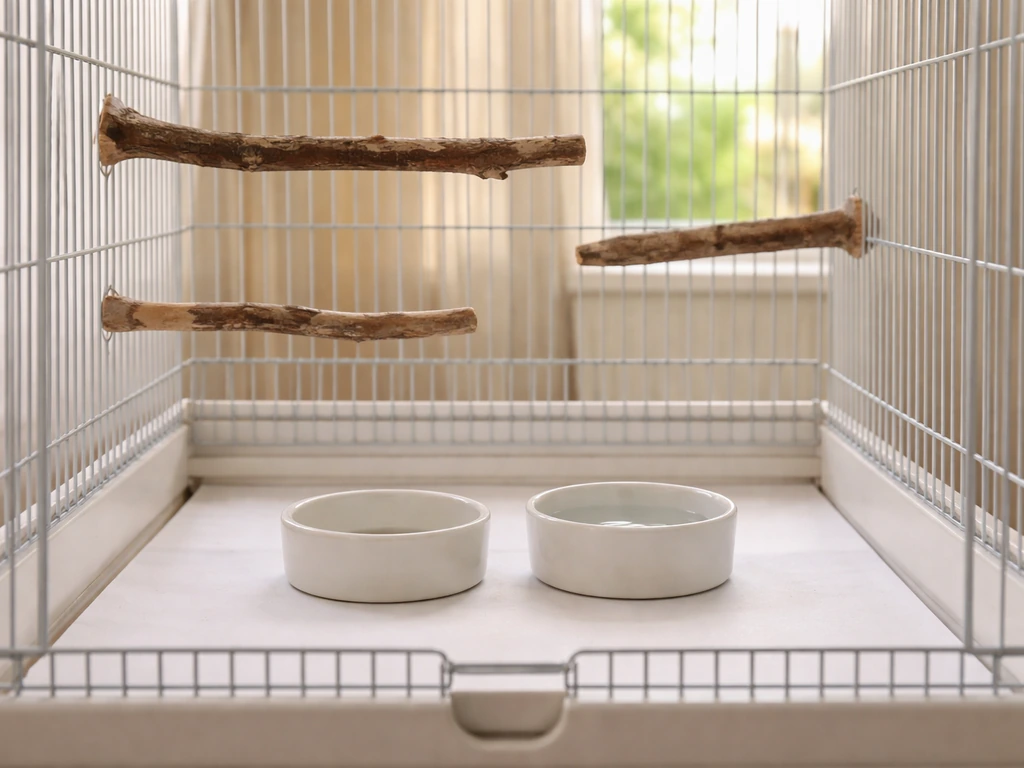
- Use perches of varying diameters so feet and joints stay healthy. Avoid sandpaper perch covers.
- Make sure the cage is large enough for the bird to fully extend its wings and move between perches.
- Keep the cage away from areas where aerosol products, candles, or cigarettes are used.
Ongoing monitoring
Spend a few minutes each day actually watching your budgie, not just glancing at it. Note its energy level, posture (fluffed vs. alert), how much it's eating and drinking, and what the droppings look like. Weigh your bird weekly using a small gram scale. A drop of even 10-15% of body weight over a week or two is significant in a bird that typically weighs 25-40 grams. Catching weight loss early is one of the most reliable ways to catch illness before it becomes a crisis.
Budgie behavior changes can be a health signal too, things like less vocalization, reduced interest in toys, or sudden aggression can all precede more obvious physical symptoms. Getting familiar with your bird's normal behavior makes abnormal patterns much easier to spot. If you notice behavioral shifts alongside any physical symptom from this guide, it strengthens the case for getting a vet evaluation sooner rather than later. If you're also seeing odd behavior or stress alongside physical symptoms, compare it with scouse bird problems as a related consideration before panicking.
FAQ
How long can I watch my budgie at home before I call a vet for budgie bird health problems?
Use hours, not days, for red-flag breathing or appetite changes. If there is tail bobbing, open-mouth breathing, audible wheezing, or the bird is refusing food, contact an avian vet the same day. For minor, non-urgent issues, do a brief checkover and re-check within 12 to 24 hours, especially if you can track appetite, droppings, and weight daily.
Is it ever normal for a budgie’s droppings to change after I add fruit or pellets?
A short-lived change is sometimes expected right after diet adjustments, but it should quickly normalize. If droppings become fully liquid, stay watery beyond 1 to 2 days, or show major color changes (not just a slightly different shade), treat it as a health problem and call an avian vet.
What should I do if my budgie is breathing strangely but still eating?
Don’t assume it’s mild because the bird is eating. Breathing effort is a priority symptom. If you notice tail bobbing or any open-mouth breathing, move the bird to a warm, calm area and call an avian vet promptly for guidance, even if appetite continues temporarily.
Can vitamin A deficiency look like a respiratory infection, and how can I tell the difference?
Yes, vitamin A deficiency can mimic infections with nasal discharge, sneezing, and swollen eye area. The practical approach is to consider the diet history (seed-only or mostly seed) and avoid delaying care, because treatment differs. A vet can confirm the cause rather than you guessing based on symptoms alone.
What’s the safest way to handle crop stasis while waiting for the vet?
Do supportive care only: keep the bird warm, reduce stress, and do not force-feed or attempt home remedies for the crop. Note whether the crop is still full and whether there is a sour odor, because those details help the vet decide on urgency and diagnostic steps.
How can I distinguish courtship regurgitation from a digestive problem?
Courtship regurgitation usually has a rhythmic, repeated pattern associated with mating behavior, and the bird remains otherwise fairly normal. Regurgitation plus reduced appetite, weakness, or a persistently full or squishy crop is more concerning. If regurgitation is new or paired with illness signs, prioritize vet assessment.
When should egg binding be considered an emergency, even if my hen seems alert?
Treat suspected egg binding as urgent if you see straining, a visibly distended lower abdomen, sitting on the cage floor with discomfort, or trouble breathing. Internal pressure can worsen quickly, and delays increase the risk of shock.
I see crusting around the beak, does that always mean scaly face mites?
Crusting can resemble other skin issues, but scaly face mites often start around the beak, cere, and eye region with a honeycomb texture. Still, get a diagnosis rather than guessing, because treatment and follow-up dosing depend on confirming mites versus another cause.
If feather picking is happening, should I immediately treat for mites?
Not automatically. Feather picking can come from mites, infection, hormonal issues, nutritional gaps, or pain from an internal problem. The safest next step is a vet workup, because repeated, incorrect treatments waste time and can delay addressing the real cause.
Why is weight tracking so important for budgie bird health problems, and what number should I act on?
Budgies can hide illness until it’s advanced, so early weight loss is a key objective signal. A drop of roughly 10 to 15 percent over a week or two is meaningful, but act sooner if the bird is also eating less or has abnormal droppings or breathing.
What household exposures are most likely to trigger rapid respiratory failure in budgies?
Non-stick cookware overheating, aerosol sprays, scented candles or air fresheners, cigarette smoke, cleaning product fumes, and some hair or styling products can cause sudden airway injury. If exposure is possible, move the bird to fresh air immediately and contact an avian vet, even if symptoms are just starting.
Can off-gassing from new furniture or renovations cause budgie problems weeks later?
Yes. Some fumes can persist for weeks or months, and signs may appear after installation or during ongoing ventilation issues. Tell your vet the timeline of when new items or painting occurred, because it can change the likely cause and urgency.
If a broken blood feather is bleeding, what is the one mistake to avoid?
Avoid pulling or tearing the feather yourself, because it can cause more bleeding or injury. Apply gentle pressure to help control bleeding and seek veterinary guidance quickly for safe management and pain control.
Is a general avian vet acceptable, or do I specifically need a board-certified specialist?
A general avian vet is better than waiting with a sick bird, especially for urgent breathing or egg binding. For complex or unclear cases, a board-certified avian specialist is often the best choice, but don’t delay an appointment if that is what you can access immediately.
How should I switch from seed-only to a pellet and produce diet without causing stress-related problems?
Don’t change the diet while the bird is actively ill or under veterinary care. When the bird is healthy, switch gradually over a few weeks, and monitor droppings, weight, and appetite during the transition. If the bird starts eating less during the switch, slow down and contact your vet for a tailored plan.
Next Article
Budgie Bird Feathers Problem: Diagnose and Fix Quickly
Diagnose budgie feather issues fast and fix broken, missing, dull or picking causes with today’s checklist and vet red f