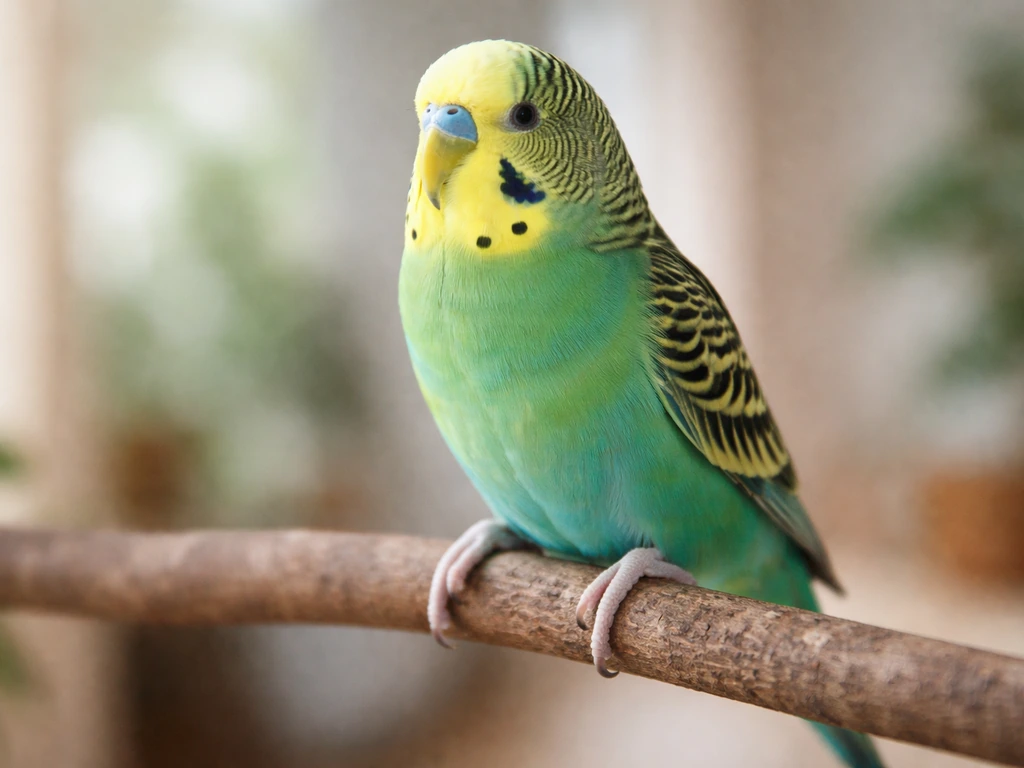
If you searched 'scouse bird problems,' you're most likely looking at one of two things: a bird with nasal or oral discharge (runny nose, mucus, 'snot') or a bird with loose, watery droppings (diarrhea, sometimes called 'scours'). Neither is a formal diagnosis, but both are real warning signs. The good news is that you can do a quick symptom check right now to figure out which you're dealing with, take safe steps to stabilize your bird at home, and know exactly when it's time to call an avian vet.
Scouse Bird Problems: Symptoms, Causes, and Step-by-Step Fixes

Marcus Webb
30 May 2026
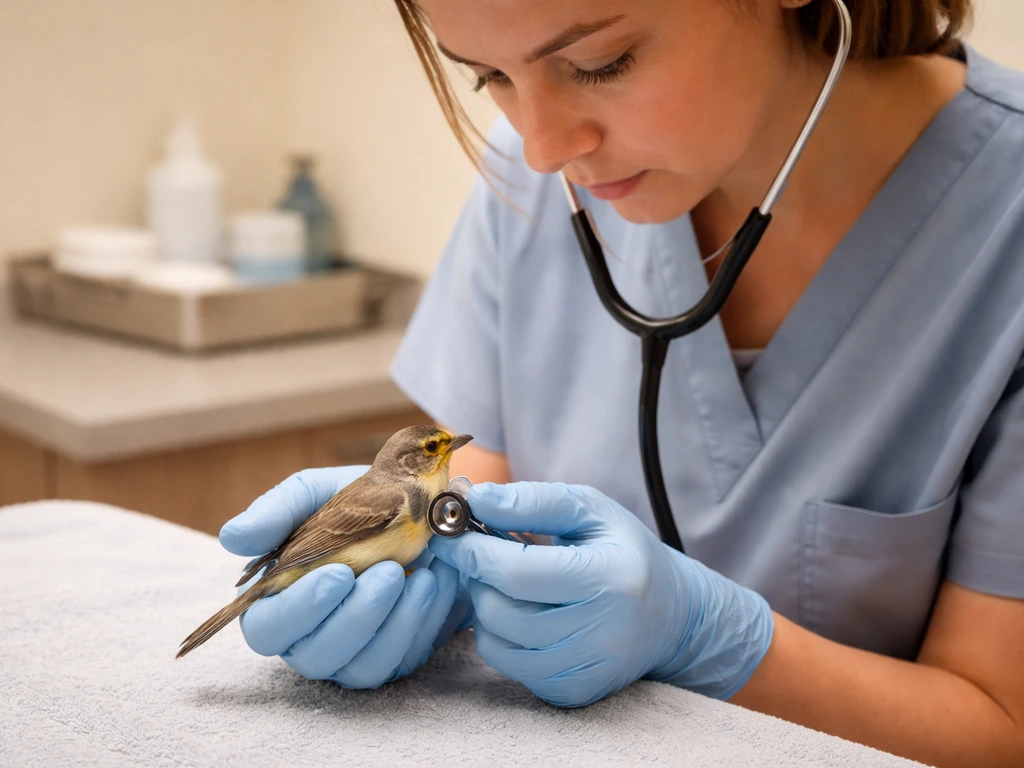
What people mean by 'scouse' in birds (and why it's confusing)
The word 'scouse' doesn't appear anywhere in veterinary textbooks as a formal bird health term. It has two everyday meanings that cause confusion. First, it's a regional nickname for people from Liverpool, UK (and their dialect). Second, 'scouse' or 'lobscouse' is a traditional stew dish. Neither definition has anything to do with bird illness.
So when bird owners use the word 'scouse' in the context of a sick bird, they're almost always using it as casual slang for one of two symptom clusters: respiratory mucus (what some owners call 'snot' coming from the nostrils or beak area) or gastrointestinal 'scours' (loose, watery, unformed droppings similar to diarrhea in other animals). If you notice budgie bird sick symptoms like respiratory discharge or loose droppings, use the checklist to decide how urgent it is to get avian care symptom clusters. Some owners mix both meanings together, which makes it harder to know what they're actually describing.
The practical solution is to ignore the label entirely and go straight to the symptoms. What does your bird's nose look like? What do the droppings look like? How is it breathing? Answering those three questions will tell you far more than any nickname.
Quick symptom check: breathing, discharge, droppings, and behavior
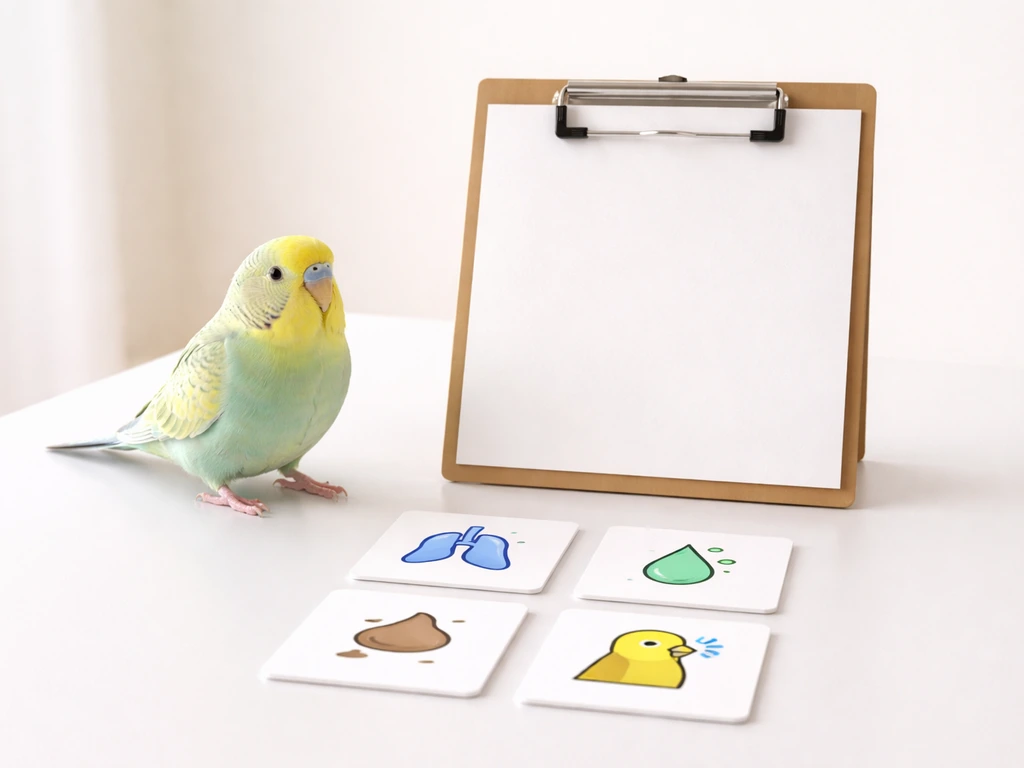
Run through this checklist right now. Note which symptoms apply to your bird before you read anything else, because the pattern matters.
Breathing and respiratory signs
- Open-mouth breathing at rest (not after exercise or stress)
- Wheezing, clicking, or rattling sounds when the bird inhales or exhales
- Tail bobbing with every breath (the tail visibly pumps up and down)
- Increased effort in the chest and sternal area just to breathe
- Nasal discharge: wet, crusty, or blocked nostrils
- Discharge from the eyes or around the beak area
Droppings and digestive signs
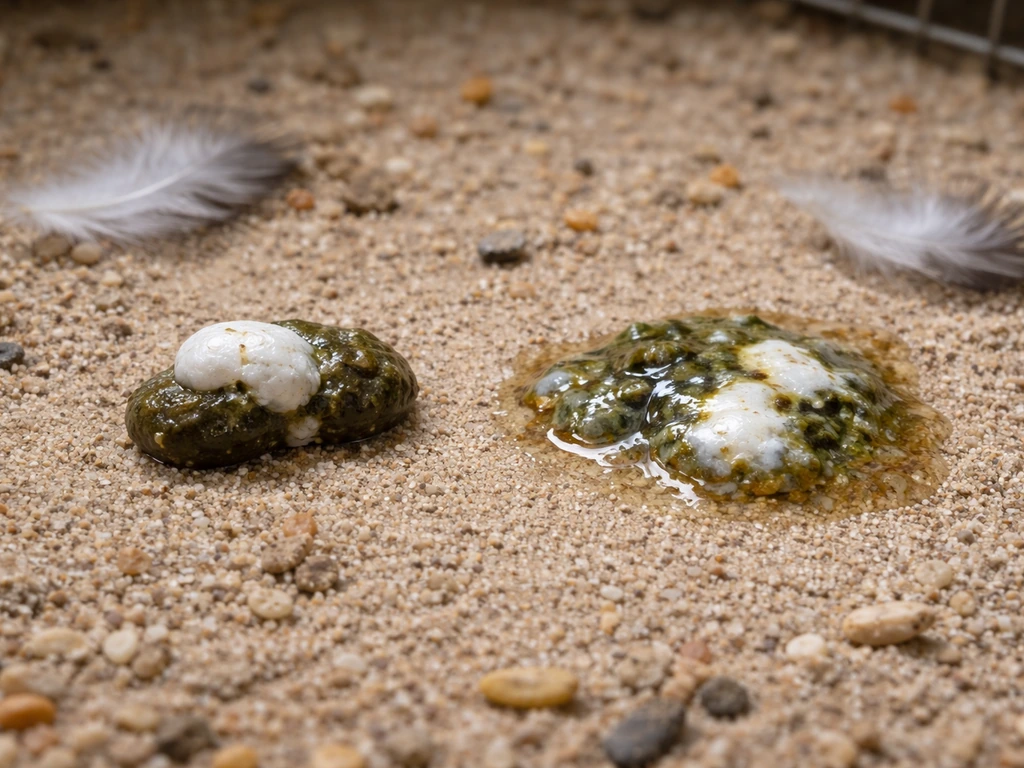
- Fecal portion of droppings is liquid, unformed, or nearly indistinguishable from the urine/urate component
- Droppings are unusually frequent or larger in volume than normal
- Color changes: green, black, yellow, or blood-tinged droppings
- A 'popcorn'-like aerated appearance to the feces (associated with protozoal infections like giardia)
- Foul smell beyond the bird's normal dropping odor
- Soiling around the vent area
Behavior and general condition
- Fluffed feathers while sitting, especially outside normal nap times
- Sitting low on the perch or on the cage floor
- Reduced appetite or ignoring favorite foods
- Lethargy, reduced vocalization, or unresponsiveness to stimulation
- Weight loss (the keel bone feeling sharper than usual when gently felt)
- Ruffled, dull, or disheveled plumage
If your bird has mostly respiratory signs (discharge, breathing changes), you're likely dealing with an upper respiratory or airway issue. If droppings are the main concern, think gastrointestinal. If you're seeing both, the bird needs veterinary attention sooner rather than later. Budgie bird health problems can start with the same warning signs, so use the symptom check and vet timing guidance above. Birds also mask illness well, so by the time symptoms are obvious, the problem has often been building for a while.
Common causes that look similar (respiratory vs gut problems)

Several very different conditions can produce overlapping symptoms, which is why a symptom nickname like 'scouse' isn't very useful on its own. Here's how the main culprits typically differ.
| Condition | Key Signs | Droppings Affected? | Discharge Present? |
|---|---|---|---|
| Bacterial respiratory infection | Wheezing, nasal discharge, tail bobbing | Sometimes | Yes, nasal/ocular |
| Viral respiratory disease | Open-mouth breathing, lethargy, discharge | Sometimes | Yes |
| Bacterial GI infection | Diarrhea, vomiting, lethargy | Yes, liquid/unformed | Rarely |
| Giardia (protozoan) | Watery/aerated 'popcorn' droppings, weight loss | Yes, distinctive look | No |
| Trichomoniasis | Whitish-yellow cheesy sores in mouth/crop, regurgitation | Sometimes | Oral discharge |
| Dietary/food change | Loose droppings, no other symptoms | Yes, transient | No |
| Toxin or poisoning | Sudden onset, multiple systems affected | Possible | Possible |
| Nutritional deficiency | Dull feathers, low energy, slow decline | Sometimes | No |
Giardia is worth highlighting because it produces a very specific dropping pattern: large, voluminous, aerated feces sometimes described as looking like popcorn. It spreads easily through contaminated food and water, which makes hygiene especially important for prevention. Trichomoniasis, on the other hand, tends to show up as visible material in the mouth or throat area rather than true diarrhea, which can look alarming but is a different problem entirely.
Toxin exposure is easy to overlook but should always be considered when symptoms come on suddenly with no obvious prior illness. Common household hazards include non-stick cookware fumes (PTFE/Teflon), scented candles, aerosol sprays, certain plants, and heavy metals like zinc from galvanized cage wire. If the timing matches a household event, mention it to your vet immediately.
If your bird also has noticeable beak changes, feather problems, or has been showing behavioral shifts over a longer period, those symptoms can point to overlapping issues worth investigating alongside the ones covered here. Behavior changes are often part of the same picture as discharge, droppings, or breathing issues, so bird behavior problems can be a useful clue. Feather problems, including budgie bird feather problems like abnormal plucking or patchy feather loss, are also important to mention to your avian vet. Beak problems like lesions, discharge, or abnormal growth can also overlap with the same underlying infections and should be assessed alongside droppings and breathing changes.
What to do right now at home (safe first aid and hygiene)
Home first aid for a sick bird is about stabilization, not treatment. You're buying time and keeping the bird as comfortable as possible while you decide next steps. Do not use home remedies, human medications, or anything you haven't confirmed is safe with an avian vet.
- Warm the environment: Sick birds lose heat fast and spend enormous energy just staying warm. Move the bird to a quieter, warmer area of the room (around 85-90°F / 29-32°C is appropriate for a visibly unwell bird). You can drape a towel over part of the cage to retain heat, but never fully cover the cage as ventilation matters. Do not use heating pads directly in the cage or unmonitored heat tapes, as these can cause burns.
- Isolate if you have other birds: If the sick bird lives with others, separate it right away. Many respiratory and GI infections spread easily through droppings, shared water, or direct contact.
- Keep food and fresh water available: Don't withhold food. Offer familiar, easy-to-eat foods. If the bird is showing GI symptoms, remove any new foods you recently introduced to see if that's a contributing factor.
- Clean the cage and food/water bowls: Use hot water and a bird-safe disinfectant. Remove old food, wet droppings around the vent, and any material the bird has been in contact with. Wash bowls thoroughly and replace water with fresh, clean water.
- Stop all aerosols, candles, and cooking sprays in the home: If there's any respiratory component, remove any airborne irritants immediately.
- Document everything for the vet: Take photos or short videos of the droppings (color, consistency, frequency), breathing pattern (especially if there's tail bobbing), and the bird's posture. Note when symptoms started, any recent diet changes, new birds introduced, or anything unusual in the environment.
Adding some gentle humidity to the room (a shallow bowl of water near a heat source, or a cool-mist humidifier at a safe distance) can help a bird with respiratory symptoms keep its airways more comfortable. This is supportive only and doesn't treat the underlying cause.
When to contact an avian vet urgently (red flags)
Some symptoms mean call an avian vet today, not tomorrow. Birds deteriorate quickly once they stop compensating, so don't wait to see if things improve on their own.
- Open-mouth breathing at rest, particularly if continuous
- Pronounced tail bobbing with every single breath
- Wheezing, rattling, or clicking sounds while breathing
- Blue or pale coloring around the beak, feet, or skin (cyanosis)
- Collapse, seizures, or inability to grip a perch or stand
- Droppings that are black, bloody, or completely liquid and have persisted for more than 24 hours
- Severe or foul-smelling diarrhea that appears uncontrollable
- Signs of dehydration: skin tenting, sunken eyes, extreme weakness
- No food or water intake for more than 24 hours
- Sudden onset of severe symptoms with possible toxin exposure
- Bird is unresponsive or much harder to rouse than usual
The 24-hour rule for droppings is a useful benchmark: if abnormal droppings (loose, discolored, or unformed) haven't resolved within 24 hours, the bird should be seen promptly. For any breathing emergency, don't wait at all. A bird that is gasping, cyanotic, or collapsed needs immediate care.
How vets diagnose and treat (what to expect)
When you bring a sick bird in, the vet will start with a physical exam and a history. Everything you documented at home (droppings photos, symptom timeline, diet history, exposure to new birds or household chemicals) will directly help them narrow things down faster. Bring it all.
Common diagnostic tests
Depending on the symptoms, the vet is likely to run some combination of the following. For GI concerns, a fecal wet mount (direct smear) can detect motile protozoans like Giardia or trichomonads quickly and inexpensively. A fecal flotation test checks for parasite eggs. A Gram stain of the droppings or crop fluid shows whether bacterial populations look normal or shifted. For more complex cases, aerobic bacterial culture and sensitivity testing identify which bacteria are present and which antibiotics will work against them. A Giardia antigen ELISA is a more targeted test for giardia specifically. Blood work (CBC and chemistry panel) helps assess how ill the bird is systemically and whether organs are under stress. Radiographs (X-rays) can reveal respiratory abnormalities, enlarged organs, or other structural issues. PCR testing can detect specific viral or bacterial DNA, which is especially useful for diseases like psittacosis or Bornavirus.
Treatment pathways
Treatment depends entirely on the diagnosis. For bacterial infections, targeted antibiotics based on culture results are the standard. Protozoal infections like giardia are typically treated with antiparasitic drugs (metronidazole is commonly used), while other parasites may be addressed with ivermectin, pyrantel, or fenbendazole depending on the type. Viral infections are generally managed with supportive care since there are few direct antivirals in avian medicine. Supportive care almost always plays a role alongside specific treatment: this includes fluids (oral or injectable), nutritional support, warmth, and rest. A bird in serious respiratory distress may be placed in a warm, oxygenated incubator at the clinic before any other intervention, as this stabilizes them enough to be safely examined and treated.
Prevention: diet, hygiene, water quality, and reducing repeat episodes
Most repeat episodes of respiratory and GI illness in pet birds come back to husbandry. Get these basics right and you dramatically reduce the chances of dealing with this again.
Hygiene and cage cleaning
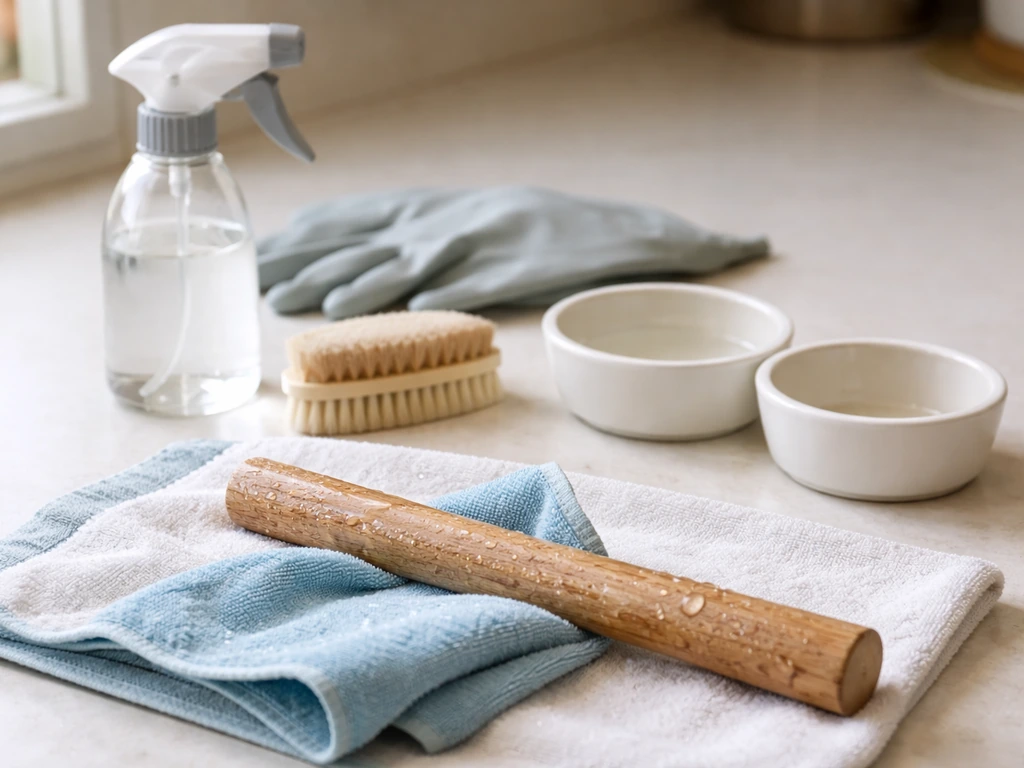
Clean food and water bowls daily with hot water and a bird-safe disinfectant. Wipe down perches and cage surfaces regularly. Full cage disinfections (removing everything, scrubbing with a safe cleaner, and rinsing thoroughly) should happen at least weekly for smaller cages and whenever a bird has been sick. Giardia and other parasites spread easily through droppings that contaminate food and water, so keeping feeding areas clean is one of the highest-impact prevention steps you can take.
Water quality
Change water at least once daily, twice in warmer weather. Don't allow droppings to contaminate water bowls (position them away from perches if possible, or use enclosed water dispensers). Stagnant or dirty water is a direct transmission route for giardia and bacterial GI infections.
Diet and nutrition
A seed-only diet is a common underlying factor in birds that get sick repeatedly. Seeds are high in fat and low in many essential vitamins and minerals. A varied diet that includes species-appropriate pellets, fresh vegetables, and appropriate fruits gives the immune system what it needs to fight off infections. Introduce new foods gradually to avoid sudden changes that can themselves cause temporary loose droppings.
Quarantine new birds
Any new bird entering your home should be quarantined in a completely separate room for a minimum of 30 days before contact with your existing birds. This catches infectious diseases (including viruses, bacteria, and parasites) that a new bird might be carrying asymptomatically. It's one of the most effective disease prevention strategies available to multi-bird households.
Environmental safety
Remove or avoid using non-stick cookware, scented candles, aerosol sprays, and air fresheners around birds. Keep the cage in a well-ventilated area that isn't drafty or damp. Maintain appropriate humidity to support healthy respiratory membranes. Check cage materials for zinc or other heavy metals if your bird is chewing on bars or accessories. These small environmental adjustments eliminate some of the most common irritant and toxin triggers that make birds more vulnerable to illness.
Regular wellness checks with an avian vet (at least once a year for healthy birds) are also worth building into your routine. Birds hide illness effectively, so many problems are caught earlier in a routine exam than they would be based on symptoms alone.
FAQ
My bird has loose droppings, but no mucus. Should I wait and see?
If your bird has droppings that look watery but the bird is otherwise bright, eating, and breathing normally, treat it as “GI risk” and still reassess within a day. The key decision point is whether the change is resolving on its own within 24 hours, or whether it keeps worsening or comes with lethargy, tail bobbing, straining, or appetite loss.
How can I tell whether “scouse bird problems” is respiratory or GI?
Yes, but do not rely on the label “scouse” to guess the cause. Separate the problem into two tracks, respiratory vs gastrointestinal, then look for decisive details: visible throat or mouth lesions, popcorn-like aerated feces (giardia pattern), or sudden onset after household exposure. If you see both tracks, assume higher urgency and contact an avian vet sooner.
What exactly should I document about droppings when I suspect scours?
Wipe or photograph droppings and note color, texture, and any odor, but collect information without delaying care. If you are asked to bring a sample, follow your vet’s instructions for container type and timing. For home assessment, focus on whether the droppings are unformed or discolored and whether urates and feces look mixed unusually.
Can I give my bird probiotics or an anti-diarrhea medicine at home?
Supportive care is different from treatment. You can offer gentle humidity at a safe distance and keep warmth steady, but do not add supplements, antibiotics, probiotics, or “human anti-diarrhea” meds unless an avian vet tells you to. Those can mask progression or interfere with diagnostic testing.
What if symptoms started suddenly after something in my home changed?
Try to identify the timing and trigger, then report it. If symptoms started within hours to a day of an event, such as using non-stick cookware, aerosol sprays, scented products, or introducing a new plant, treat that as significant. Even if you cannot be sure, telling the vet the most recent household changes helps narrow toxin vs infection quickly.
Does the 24-hour rule change if my bird is not eating?
If the bird is not eating, is very sleepy, has a swollen crop, or is producing watery droppings repeatedly, do not wait for the 24-hour benchmark. Dehydration and impaired nutrition can escalate fast, especially in small parrots and budgies. Contact an avian vet promptly in these “reduced intake” scenarios.
What are breathing warning signs that mean I should not wait?
Yes, oxygen and breathing emergencies need immediate action. Watch for gasping, open-mouth breathing, bluish skin or beak area (cyanosis), collapse, or severe tail bobbing. If any of those are present, treat it as an emergency and go right away.
What should I bring to the vet besides the bird itself?
When you bring a bird in, include the symptom timeline (start date and whether it is getting worse), diet history, and any contact with new birds, toys, bedding, or standing water. Photos of the discharge and droppings are especially helpful, because birds mask illness and the exam may look different if symptoms have temporarily improved.
If it’s giardia, what home steps matter most after treatment starts?
For suspected giardia, hygiene is part of treatment planning. Remove and fully clean droppings promptly, prevent contamination of food and water, and disinfect surfaces using a bird-safe product recommended by your vet. Giardia can persist through poor sanitation, so “doing the medicine” without improving cleaning often leads to repeat episodes.
What are the most common mistakes people make with scouse bird problems?
Yes. The most common mistake is trying to guess the diagnosis from casual slang, then using the wrong supportive steps. Another frequent issue is delaying because “it might pass,” even though birds decline quickly once they stop compensating. Use symptom patterning (respiratory vs GI vs both) as your decision aid, then follow the urgency rules.
Could dietary changes alone cause “scours,” or should I assume infection?
Not necessarily. A bird can have mild loose droppings from diet changes, but true infections and parasites still happen, especially if there is repeat illness. If loose droppings recur, or you see a specific repeated pattern such as aerated popcorn-like feces, assume an underlying cause and ask the vet about targeted fecal testing.
Next Article
Budgie Bird Health Problems: Symptom Checklist and Next Steps
Budgie health symptom checklist for breathing, appetite, feathers, skin, toxins, injury and parasites, plus next steps a