Yes, humans can potentially make birds sick, but the realistic risk for most common illnesses is low. The bigger concern runs the other direction (birds passing things to people), but reverse transmission does happen in specific circumstances. If you have a respiratory illness, flu-like symptoms, or COVID-19 and you share a home with a pet bird, it is worth taking some basic precautions right now. You do not need to panic, but you do need to act thoughtfully.
Can a Bird Get Sick From a Human? Risks and What to Do

Marcus Webb
13 Jun 2026
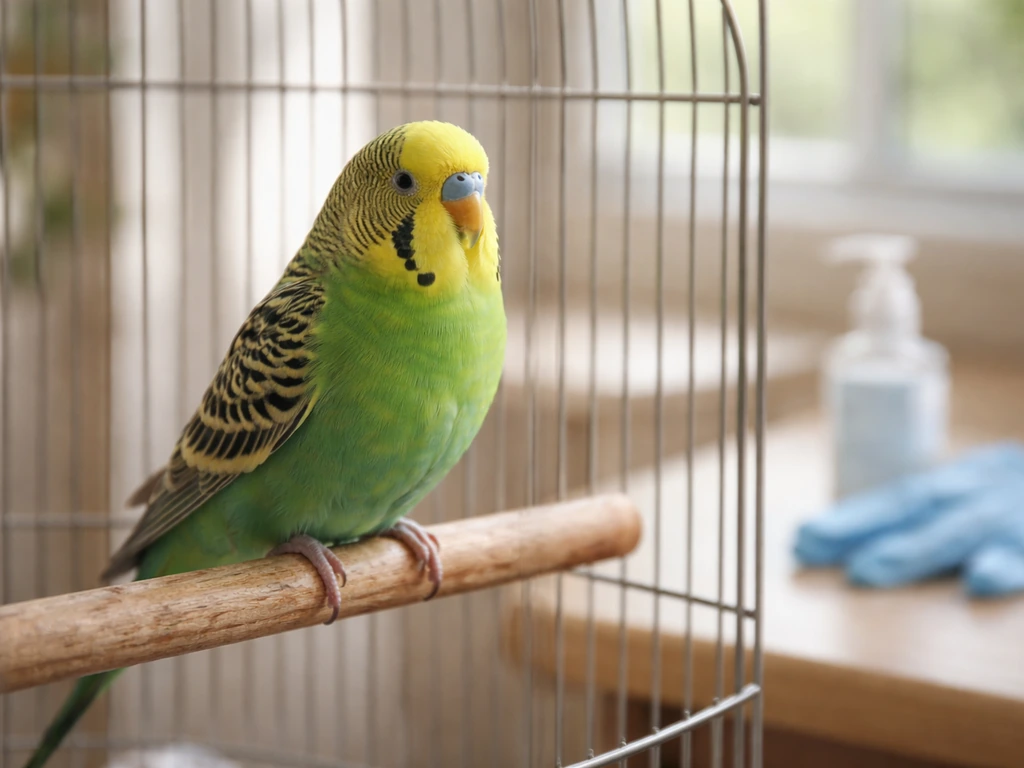
Can humans actually make birds sick? The direct answer and realistic risk
The scientific term for a human passing illness to an animal is reverse zoonosis (or zooanthroponosis). Research confirms it is documented but relatively rare and understudied compared with the more familiar direction of disease spread. That means the science is not yet fully settled on exactly how often it happens or with which pathogens.
For birds specifically, the most plausible risks involve respiratory pathogens. If you have a confirmed case of bird flu (H5N1 or similar avian influenza), that is a serious concern because the virus already has an avian origin and could theoretically cycle back to birds. WHO notes that zoonotic influenza viruses can cause a range of illness severity in humans, and that currently circulating zoonotic influenza viruses have not demonstrated sustained human-to-human transmission bird flu (H5N1) and avian origin). COVID-19 is another illness where caution is warranted. The CDC explicitly advises people with suspected or confirmed COVID-19 to avoid contact with animals, including pet birds. With garden-variety human colds or stomach bugs, the risk to your bird is much lower because the viruses and bacteria causing those illnesses are not well-adapted to avian physiology.
The bottom line: your standard winter cold is unlikely to infect your parakeet, but a serious respiratory illness or novel virus is a different story. When in doubt, reduce contact and practice good hygiene. The steps are simple and they protect both of you.
How illness might travel from you to your bird
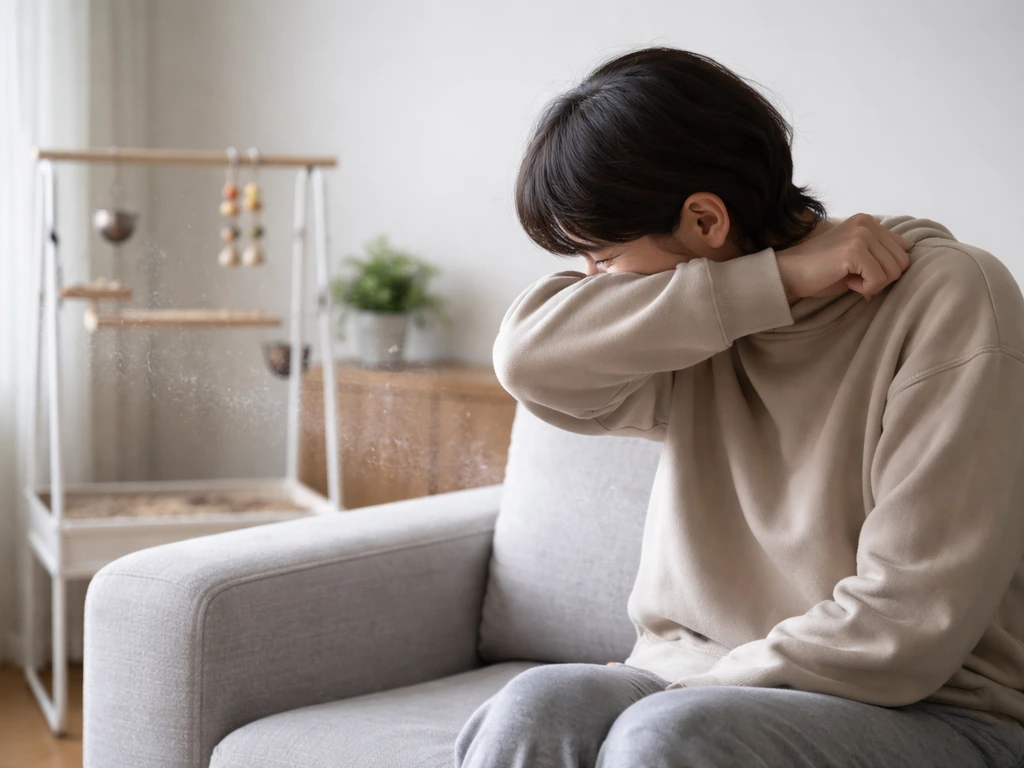
Birds are exposed to whatever exists in their immediate environment, which means any contamination pathway you can think of in a household is relevant. Here are the main routes to be aware of:
- Air: Respiratory droplets and aerosols from coughing, sneezing, or even talking near a bird can land in the cage, on food, or directly on the bird. Birds are sensitive to airborne particles, and their respiratory systems are extremely efficient at capturing what is in the surrounding air.
- Hands: Touching your face, then handling your bird, its food, or cage accessories is one of the most direct fomite transmission routes. The CDC notes that infection can occur when a person touches a virus-contaminated surface and then touches their eyes, nose, or mouth, and the same logic applies in reverse.
- Clothes and hair: Pathogens can hitch a ride on fabric. If you have been coughing or sneezing into your shirt and then lean over the cage, or if you have been in a high-exposure environment outside the home, your clothing becomes a potential vector.
- Surfaces: Shared surfaces like cage doors, perch clips, food scoops, and water bottle spouts can carry infectious material if you handle them while sick and do not wash your hands first.
- Direct feeding and handling: Hand-feeding, letting your bird perch on your shoulder near your face, or allowing beak-to-skin contact gives a pathogen a much shorter distance to travel. These are the highest-risk behaviors when you are ill.
Which human illnesses are most vs. least likely to affect birds
Not all human illnesses carry the same risk for birds. Here is a practical breakdown based on what the evidence currently supports:
| Human Illness | Risk to Pet Birds | Notes |
|---|---|---|
| COVID-19 | Low to moderate, uncertain | CDC advises avoiding animal contact when sick; some documented cases of humans passing SARS-CoV-2 to animals, though bird-specific data is limited |
| Avian influenza (bird flu) | Potentially higher | Virus has avian origins; close unprotected contact is the main risk pathway; human cases are rare and tied to direct bird exposure |
| Seasonal human flu (influenza A/B) | Generally low | Different virus strains; avian influenza viruses are not the same as circulating human flu strains, so standard flu is unlikely to infect birds |
| Common cold (rhinovirus, etc.) | Very low | Rhinoviruses are highly species-specific; not considered a realistic threat to birds |
| Stomach bugs (norovirus, rotavirus) | Very low | These are not adapted to avian digestive physiology; documented reverse transmission is essentially unrecorded |
| Salmonella (foodborne) | Low but possible in shared environment | Birds can carry Salmonella themselves; environmental contamination is the concern, not direct human-to-bird transmission |
| Strep throat (Group A Strep) | Very low | Group A Streptococcus is primarily a human pathogen with no significant documented avian reverse transmission |
The diseases most commonly discussed in bird health circles, like psittacosis (caused by Chlamydia psittaci), travel from birds to humans, not the other direction. If you are wondering how a bird can get chlamydia, it is helpful to know how chlamydia spreads between birds and what transmission routes to watch for how does a bird get chlamydia. If you are concerned about the broader picture of disease between birds and people, the sibling topics on bird diseases humans can catch and wild bird diseases humans can catch cover that territory in detail.
Bird symptoms to watch for after you have been sick
Birds hide illness well. By the time a bird looks obviously sick, it has often been unwell for a while. If you have had a significant respiratory or systemic illness in the last one to two weeks and shared space with your bird, it is worth watching closely for the following signs.
Respiratory signs (most important to catch early)
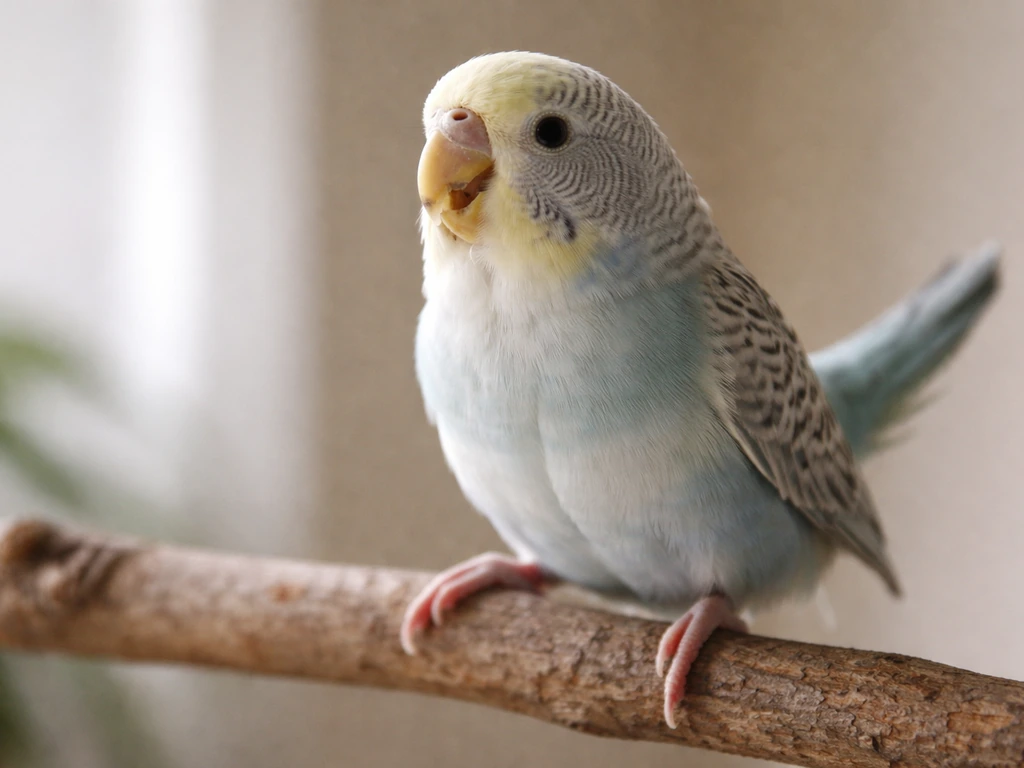
- Open-mouthed breathing or beak clicking during breathing
- Tail bobbing with each breath (a sign the bird is working hard to breathe)
- Wheezing, clicking, or crackling sounds when breathing
- Nasal discharge or crusting around the nares (nostrils)
- Sneezing more than occasionally (a few sneezes a day can be normal; frequent or productive sneezing is not)
Gastrointestinal and general signs
- Loose, watery, or discolored droppings (especially if the urate portion changes color from white to yellow or green)
- Reduced food and water intake
- Vomiting or regurgitation not associated with normal mate-feeding behavior
- Weight loss, which you can detect by feeling the keel (breastbone) or using a small kitchen scale to weigh your bird weekly
Behavioral red flags
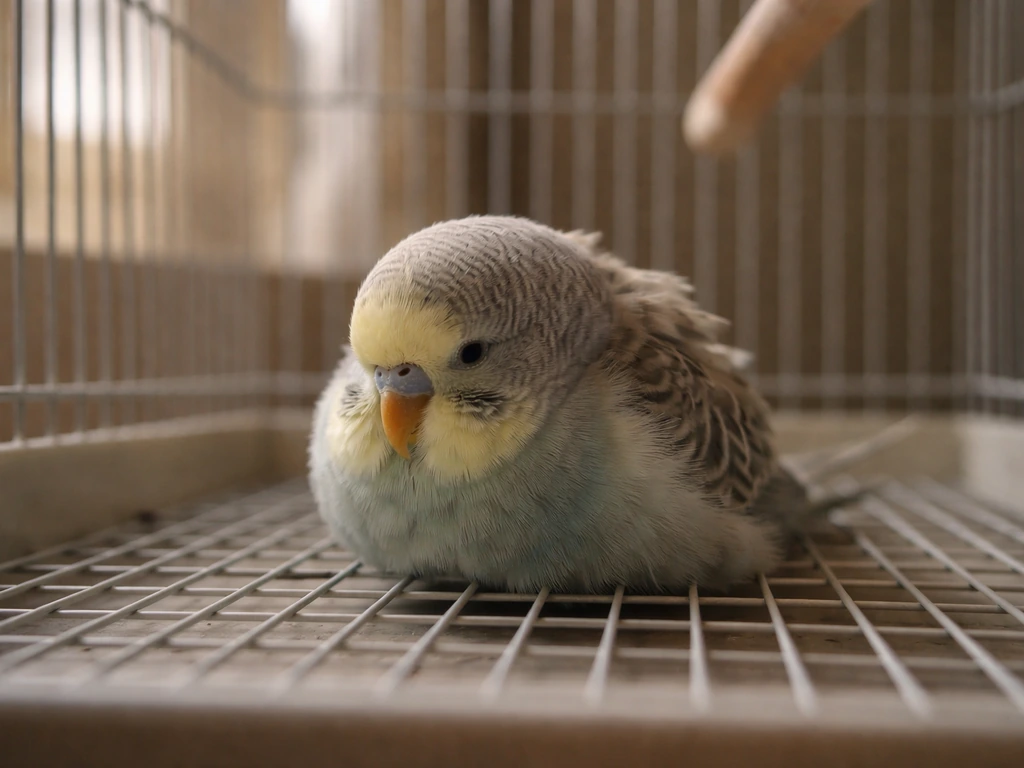
- Fluffed feathers for extended periods (especially combined with any other symptom)
- Sitting on the cage floor instead of a perch
- Unusual quietness, reduced vocalization, or loss of interest in surroundings
- Eyes half-closed during hours when the bird is normally active
Any combination of these signs after you have been sick should prompt a call to an avian vet sooner rather than later. A single sneeze or one slightly loose dropping is not an emergency, but a pattern of symptoms developing over 24 to 48 hours is.
What to do right now to protect your bird
If you are currently ill or were sick recently, here are the steps to take today. None of these are complicated, but consistency matters.
- Reduce direct contact: Have another household member care for your bird if possible. The less time you spend near the bird while actively symptomatic, the better. This is especially important for COVID-19 or flu-like illness.
- Wash your hands: Before and after any interaction with your bird, its cage, food, or water. The CDC identifies handwashing as one of the most effective ways to reduce transmission of illness in bird households. Use soap and water for at least 20 seconds. Hand sanitizer is acceptable if soap is not immediately available.
- Wear a mask near the bird: If you must care for your bird while sick, wearing a well-fitted mask reduces the respiratory droplets you release into the bird's environment.
- Do not let the bird near your face: No kisses, no cheek perching, no feeding from your mouth while you are sick.
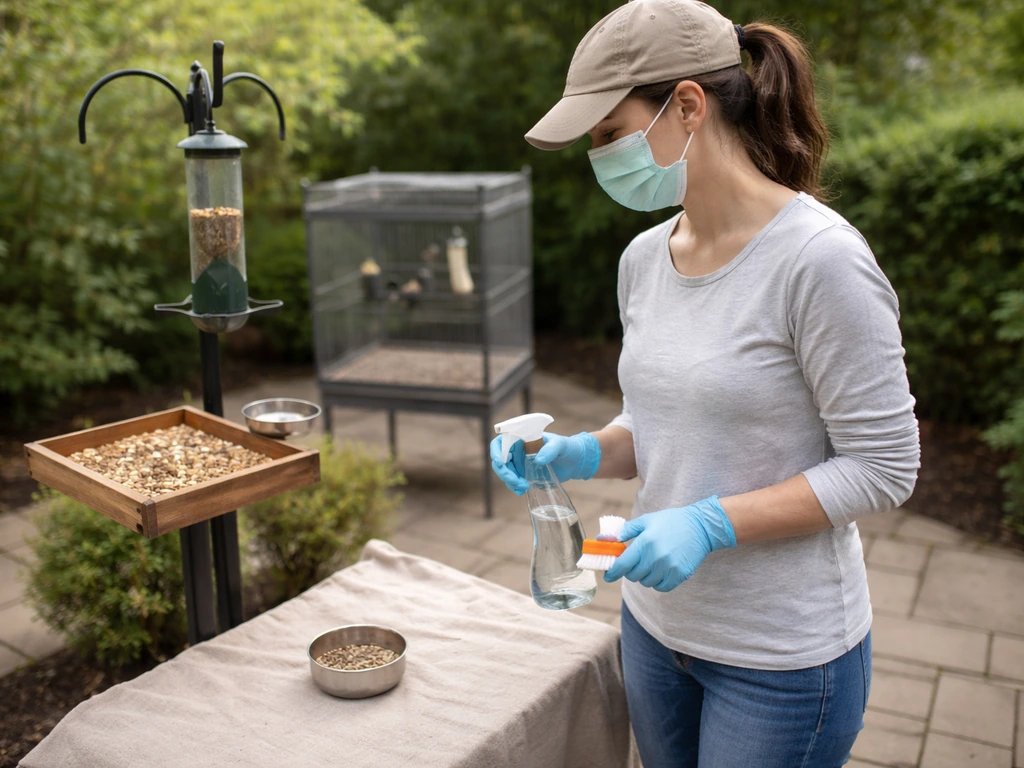
- Clean and disinfect cage surfaces: Use a bird-safe disinfectant on cage bars, perches, food dishes, and water dishes. The CDC recommends cleaning before disinfecting (removing visible debris first), and wetting surfaces to avoid aerosolizing dried material. Critically, do not apply disinfectants directly to your bird.
- Ventilate the room: Open windows if weather permits. Fresh air dilutes airborne particles. Avoid using aerosol sprays, heavily scented products, or candles near the bird, as birds are extremely sensitive to airborne irritants.
- Change clothes before handling the bird: If you have been sneezing or coughing, changing your shirt before interacting with your bird is a simple way to reduce fomite risk.
- Keep food and water fresh: Replace food and water more frequently than usual. Contaminated water is a straightforward transmission route.
A note on visitors and children
Visitors who are sick should not handle your bird or reach into its cage. Children are often less careful about hand hygiene and face-touching, so extra supervision is warranted. Anyone visiting who has been around sick people or has traveled recently should wash their hands before interacting with your bird. This is good practice at any time, not just during illness.
When to call an avian vet or get urgent help
Some situations call for a phone call to your vet today, not a wait-and-see approach. Call your avian vet if:
- Your bird is showing open-mouthed breathing, tail bobbing, or labored breathing of any kind. These are emergency signs.
- Your bird has stopped eating or drinking for more than 24 hours.
- You notice rapid, unexplained weight loss (a bird that feels significantly lighter than usual when you pick it up).
- Droppings have dramatically changed in color, consistency, or volume.
- Your bird is sitting on the cage floor, unresponsive to normal stimulation, or seems unable to perch.
- You had a confirmed case of a zoonotic illness (COVID-19, avian influenza, or another reportable disease) and your bird has any new symptoms.
- You are simply unsure: a quick call to describe what you are seeing costs nothing and your avian vet can help you decide if an in-person visit is needed.
When you call, tell the vet specifically what illness you had, how long ago symptoms started in you, and exactly what you are observing in the bird. The more detail you can provide, the faster the vet can assess urgency. If you do not have a regular avian vet, search for a board-certified avian veterinarian or a vet with avian experience in your area. Emergency animal hospitals can also help if your bird deteriorates after hours.
Prevention tips for the future
Building consistent habits now means you will not have to scramble if someone in the household gets sick again. These practices are straightforward and make a real difference over time.
- Establish a handwashing rule before any bird interaction, for everyone in the household including guests. Make it a household norm, not just a sick-day rule.
- Schedule routine avian vet checkups at least once a year. Regular wellness visits mean your vet has a baseline for your bird's health, which makes it much easier to identify when something is off.
- Clean the cage thoroughly at least weekly, dampening surfaces before wiping to prevent dried material from becoming airborne. This reduces the buildup of potential pathogens in the bird's environment.
- Keep the bird's living area well-ventilated with good airflow, but avoid drafts directly on the bird. Stale air increases the concentration of any airborne particles.
- Avoid letting the bird into high-traffic areas where sick household members spend time. Designate a lower-exposure space for the bird during illness seasons.
- When introducing a new bird to a home with existing birds, quarantine the newcomer for at least 30 days in a separate room. This is standard biosecurity advice from avian welfare organizations and avian vets alike.
- Teach everyone in the household, including kids and regular visitors, not to kiss or put their face near the bird, and not to share food directly from their mouths.
- Stay current on your own flu vaccination. Reducing the chance that you get seriously ill is one of the best ways to reduce any risk you could pose to your bird.
The risk of a human passing illness to a bird is real but generally low for most common infections. Bird diseases in humans can happen when germs spread from birds to people (or, more rarely, the other way around). Treating hygiene and cage cleanliness as a year-round habit, rather than only reacting when someone is sick, is the most practical thing you can do. If you can, clean bird habitats and supplies outside the home, and talk to a veterinarian if the bird appears sick blank" rel="noopener noreferrer">clean habitats and supplies outside the home. If you are also thinking about the flip side of this topic, the diseases birds can pass to people are worth understanding too, and psittacosis in particular is one that bird owners should know about. If you are wondering whether bird conjunctivitis spreads to humans, the safest approach is to treat it like other contagious bird respiratory infections and avoid close contact until you are advised by a vet.
FAQ
If I have a cold, can my bird catch it from me?
Usually yes, but it depends on the illness and how the bird is exposed. If you have a typical cold, the risk is generally low, but if you are dealing with a significant respiratory infection, you share airspace closely, or you have coughing and sneezing in the bird’s room, take stricter precautions (mask, reduce direct handling, improve ventilation).
How can I tell whether my “mild” illness could still make my bird sick?
Don’t rely on smell or appearance. “Mild” symptoms in people can still involve contagious respiratory viruses, and birds can also be exposed indirectly through contaminated hands, surfaces, or aerosols from breathing near the cage. If you recently had flu-like symptoms, treat it as contagious and monitor your bird for multiple symptoms over 24 to 48 hours.
Can a bird get sick from indirect contact, like me touching the cage or feeding area?
Yes, but it is not the most common path. A bird can be exposed when you touch the cage, food bowls, perches, or surfaces and then handle the bird, or when droplets contaminate the area where the bird breathes. Focus on hand hygiene, avoid face-to-feather contact, and disinfect high-touch items.
When is it safe to handle my bird again after I recover from an illness?
If you were recently ill, it is safer to wait until you feel clearly better and have been practicing good hygiene (no recent coughing or fever, hands cleaned before handling, surfaces cleaned). If you must handle the bird while you still feel unwell, minimize time, avoid kissing or close face contact, and consider a well-fitting mask.
If I had a stomach bug, can my bird get sick from me?
Some conditions spread through feces or contaminated environments. If you had vomiting or diarrhea, the main concern is hygiene related to stool contamination, handwashing after bathroom use, and cleaning surfaces before touching the cage or doing daily care. Avoid letting the bird roam over areas you used during illness until you have cleaned thoroughly.
My bird seems fine so far, does that mean there is no risk?
Yes. Birds can be affected even if they look normal right away because they often show illness after time has passed. If you shared a room during your peak symptoms, watch closely for a developing pattern, and contact an avian vet if symptoms persist or progress rather than doing a one-time check.
Does recent travel or exposure to outbreaks change what I should do around my bird?
If you recently traveled, wash hands and avoid handling the bird immediately after returning, especially if you have any cough, fever, sore throat, or gastrointestinal symptoms. If a household member had exposure to known respiratory outbreaks, increase precautions for the first week and notify your vet if your bird changes behavior or droppings.
What exact signs mean I should call the avian vet right away?
A veterinary visit is warranted when there is a trend, not a single isolated event. Call sooner if you notice combinations of respiratory signs, lethargy, fluffed posture that lasts, repeated abnormal droppings for more than a day, or any sudden decline. For emergencies like fast breathing, open-mouth breathing, or collapse, use emergency services.
What cleaning steps make the biggest difference for protecting my bird when I am sick?
Standard cleaning helps, but do it strategically. Clean and disinfect food and water bowls, wipe high-touch cage surfaces, and remove contaminated paper or bedding promptly. Avoid aerosolizing debris when cleaning, and wash your hands before and after any care tasks.
If a child or visitor is sick, can they still be around the bird?
Yes, avoid having sick people handle the bird, but also limit exposure from shared routines like sitting close to the cage, coughing nearby, or touching the bird’s cage and then touching the bird. If a visitor must be in the room while you are ill, have them skip handling and follow hand hygiene before leaving the bird’s area.
Next Article
What Is Bird Disease in Humans? Symptoms, Risks, and Care
Learn what bird diseases mean for humans, key exposure routes, symptom clues, and safe at-home steps plus when to see a