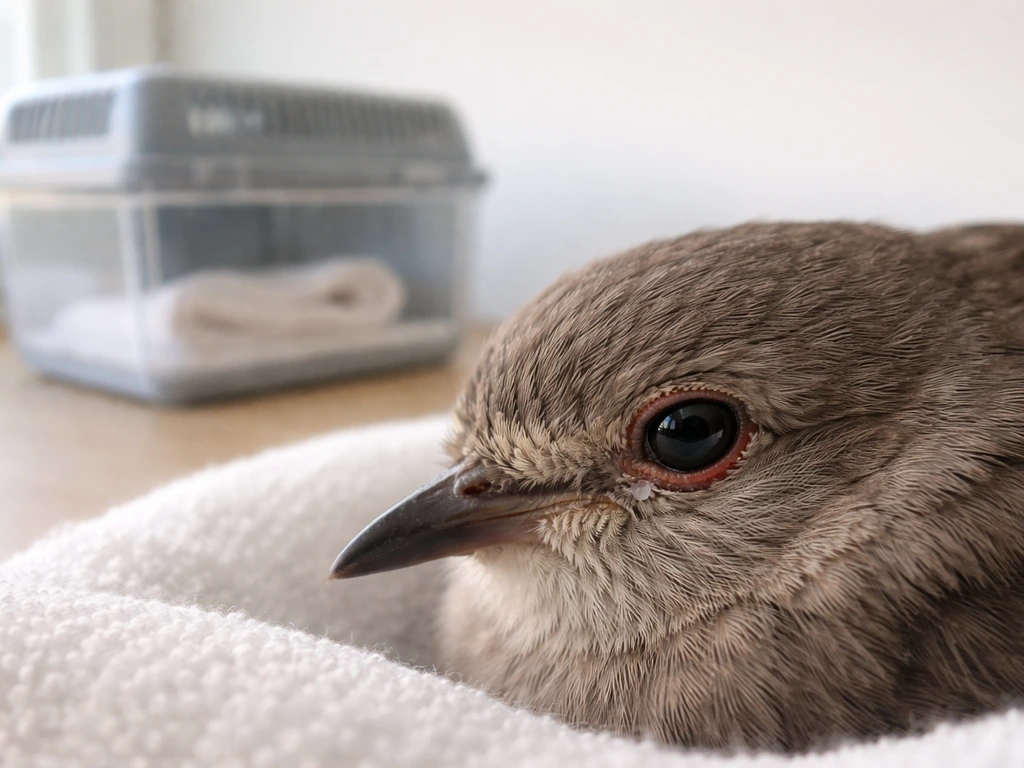
Bird chlamydia and human chlamydia are not the same thing. The next section explains how does a bird get chlamydia and what transmission routes are most responsible for infection in birds. They are caused by different bacterial species, produce different illnesses, and spread through completely different routes. That said, birds can transmit their version to people, and that infection (called psittacosis) is a real respiratory illness worth taking seriously if you own or handle birds regularly. If you are trying to understand what bird disease in humans looks like, that illness is psittacosis.
Is Bird Chlamydia the Same as Human? Key Differences

Marcus Webb
7 Jun 2026
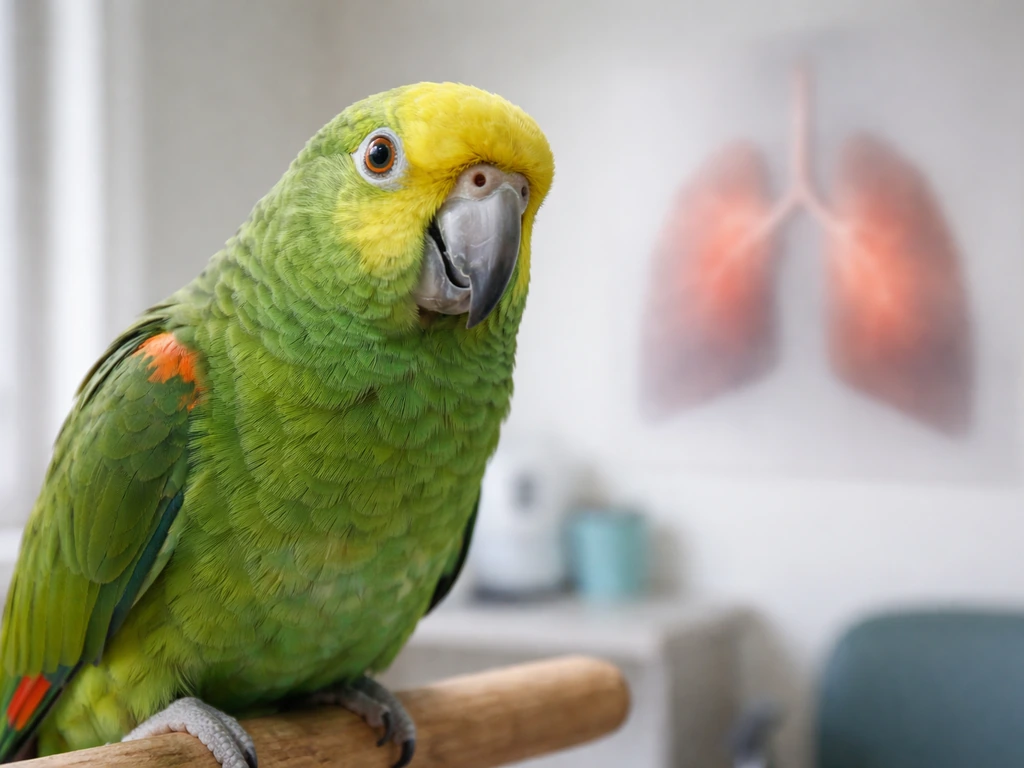
What 'bird chlamydia' and 'human chlamydia' actually mean

When most people hear the word chlamydia, they think of the sexually transmitted infection. That STI is caused by Chlamydia trachomatis, a bacterial species that spreads through vaginal, oral, and anal sex. It is a different organism entirely from what infects birds.
Bird chlamydia is more precisely called avian chlamydiosis, and it is caused by Chlamydia psittaci. It is a systemic bacterial infection that mainly affects birds, particularly parrots and other psittacine species, but also pigeons, poultry, and many wild birds. The name 'psittacosis' (sometimes called parrot fever or ornithosis) refers specifically to the illness this organism causes when it crosses over to humans.
The two organisms share a genus name (Chlamydia), which is the root of the confusion. But sharing a genus is a bit like two distant cousins sharing a last name. The diseases, transmission routes, symptoms, and treatments are not the same.
Are they the same pathogen? No, and here is why that matters
| Feature | Bird chlamydia (Avian chlamydiosis) | Human chlamydia (STI) |
|---|---|---|
| Causative organism | Chlamydia psittaci | Chlamydia trachomatis |
| Primary host | Birds (parrots, pigeons, poultry, wild birds) | Humans |
| Main transmission route | Inhaling dried bird secretions or droppings | Sexual contact |
| Disease in humans | Psittacosis (respiratory illness) | Genital/urinary tract infection; LGV |
| Antibiotic treatment | Doxycycline | Doxycycline or azithromycin |
| Person-to-person spread | Extremely rare (documented cases are very few) | Common via sexual contact |
Chlamydia trachomatis also has strains (serovars L1 through L3) responsible for a rarer condition called lymphogranuloma venereum (LGV), but that is still a completely separate problem from anything birds carry. The human STI world and the avian disease world simply do not overlap on the pathogen level.
Can birds actually infect people? Realistic risks explained
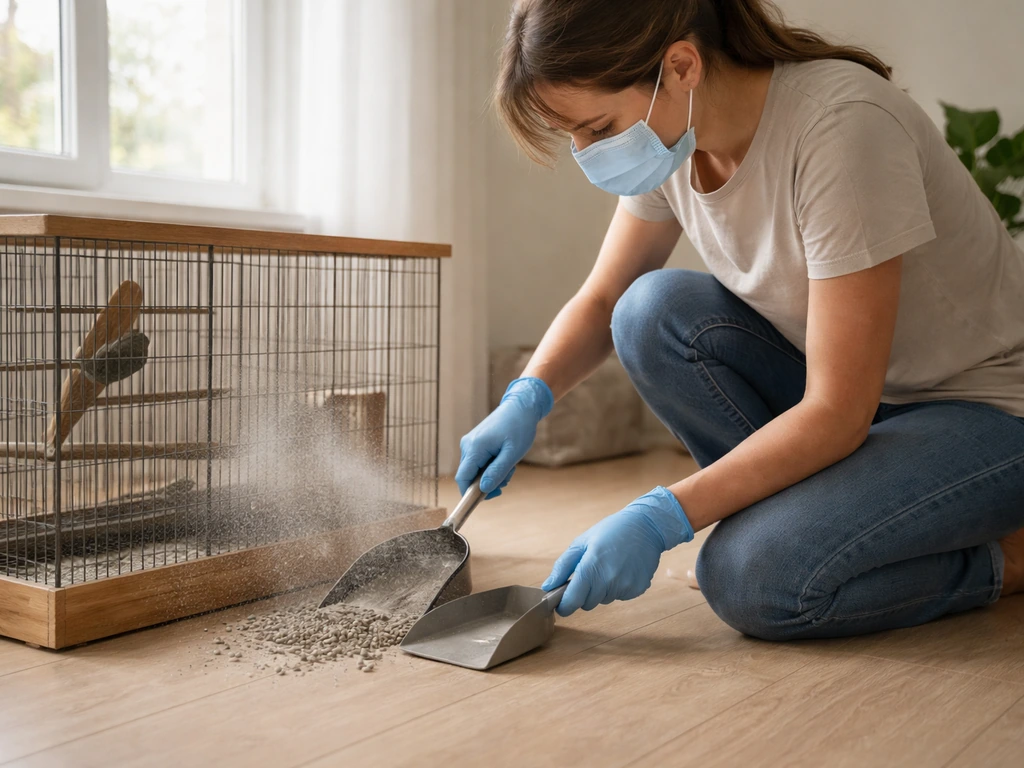
Yes, birds can infect people with Chlamydia psittaci, but the route of transmission matters a lot here. You do not catch it through casual contact or being near a bird. The main pathway is breathing in dust that contains dried bird droppings, feather dust, or secretions from an infected bird. Handling infected birds directly, especially without washing hands afterward, also creates risk.
The highest-risk scenarios involve activities that disturb dried droppings, like cleaning cages without wetting the surfaces first, vacuuming bird areas, or handling sick birds in enclosed spaces with poor ventilation. The CDC recommends avoiding dry sweeping or vacuuming because these actions can aerosolize dust. Poultry workers, pet shop employees, avian veterinary staff, and bird breeders face more regular exposure than the average pet owner who keeps one or two birds in a well-maintained home.
Human-to-human transmission of psittacosis is documented but extremely rare. You are not going to spread psittacosis to a family member by being in the same room with them, and standard isolation procedures (like negative-pressure rooms) are not required even for hospitalized patients. The real concern runs from bird to human, not human to human.
This is one of several bird diseases that can cross to people. Some wild bird diseases, including infections spread from droppings and respiratory secretions, can occasionally transfer to people wild bird diseases humans can catch. If you are thinking more broadly about zoonotic risks, the topic of bird diseases that humans can catch is worth exploring, as psittacosis is among the more well-documented examples.
Bird symptoms to look for (and how to tell it apart from other illnesses)
Avian chlamydiosis is sneaky because many of its signs are nonspecific. A bird with Chlamydia psittaci can look similar to a bird with a basic respiratory infection, a nutritional deficiency, or even early liver disease. That is why testing matters so much, but here is what to watch for:
- Lethargy or unusual quietness
- Ruffled or fluffed-up feathers
- Ocular or nasal discharge (runny eyes or nose)
- Labored breathing or tail-bobbing while breathing
- Loss of appetite or significant weight loss
- Loose or discolored droppings, including diarrhea
- Green or yellow-green urates (the white part of droppings turning color), which can indicate liver involvement
- Decreased vocalization in typically chatty birds
What makes chlamydiosis harder to identify at a glance is that these same signs appear in birds with other respiratory bacteria, viral infections like psittacine beak and feather disease, or even Aspergillus fungal infections. Ocular discharge in particular overlaps with bird conjunctivitis from various causes. If your bird is showing eye or nasal discharge alongside lethargy and green droppings together, that combination raises the index of suspicion for chlamydiosis more than any single sign alone.
How vets confirm the diagnosis and what treatment looks like
There is no single perfect test for avian chlamydiosis in birds, which is something worth knowing before you go into your vet appointment. Diagnosis typically involves a combination of approaches, and your vet will choose based on what is practical and available.
PCR testing on cloacal swabs, choanal swabs, or droppings has become the most practical method for pet birds. Culture and elementary-body identification used to be the gold standard but are rarely done anymore since PCR is far more accessible. Serology (antibody blood tests) is also used, and in cases where a bird has died, necropsy can confirm infection. Because no single test is 100% reliable, your vet may run more than one.
Treatment for confirmed or strongly suspected avian chlamydiosis is doxycycline, which is the same antibiotic class used in humans for psittacosis. The treatment duration for birds is much longer than for people though. Historically, 45 days has been the standard course for most pet bird species, though this can vary based on species, severity, and your vet's assessment. Your bird needs to complete the full course, and the vet may recommend retesting afterward to confirm clearance.
What to do right now if you suspect chlamydiosis in your bird
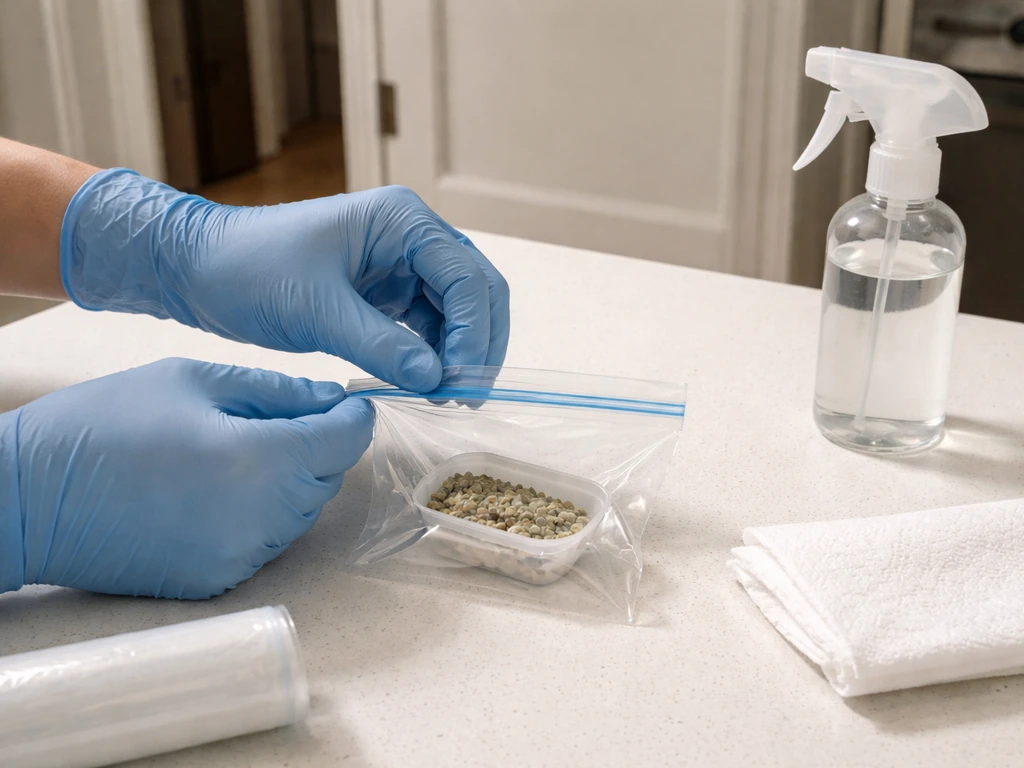
If your bird is showing signs consistent with avian chlamydiosis, especially respiratory symptoms plus colored droppings and lethargy, here is what to do today.
- Isolate the bird immediately. Move it to a separate room away from other birds. Chlamydia psittaci can spread between birds through droppings and respiratory secretions.
- Do not clean the cage with dry methods. Do not sweep or vacuum. Wet all surfaces with water or a disinfectant before wiping them down to avoid aerosolizing any contaminated dust.
- Wear gloves and, ideally, a properly fitted N95 respirator or better when handling the bird or cleaning its area, especially if the bird is clearly unwell.
- Call an avian veterinarian today. Tell them you have a bird showing respiratory symptoms, changes in droppings, and lethargy, and that you want to rule out avian chlamydiosis. They will guide you on bringing the bird in safely.
- Write down details before the vet visit: when symptoms started, what the droppings look like, whether the bird has been around new birds recently, and who in your household has had contact with the bird.
- Protect other household birds. If you have multiple birds, assume potential exposure and tell your vet. All birds that shared the same air space should be evaluated.
- Monitor yourself and household members for flu-like symptoms over the next two weeks.
When you should seek care as a human after bird exposure
Psittacosis in people has an incubation period of 5 to 14 days after exposure. It typically starts like a respiratory illness, so it is easy to dismiss as a cold or flu, especially without knowing to connect it to your bird. That is exactly why clinicians sometimes miss it.
Seek medical care promptly if you develop any of the following within two weeks of close contact with a sick bird or after a significant cleaning or handling event:
- Fever, chills, or sweating
- Dry cough or chest pain
- Headache, especially if severe
- Muscle aches or unusual fatigue
- Shortness of breath or signs of pneumonia
- Confusion or neurological symptoms (these can appear in more severe cases)
When you go to the doctor or an urgent care clinic, tell them specifically that you have been exposed to a sick bird and that you are concerned about psittacosis. That detail changes which tests they run and whether they start treatment right away. Doctors who are not thinking about bird exposure can mistake psittacosis for community-acquired pneumonia or viral illness. If the presentation is severe, treatment with doxycycline should not wait for test results.
For human diagnosis, doctors can use PCR (nucleic acid amplification), serology, or culture on appropriate specimens. Laboratory confirmation may involve public health lab channels in some cases. The standard treatment is doxycycline 100 mg twice daily for at least 7 to 14 days after fever resolves, to prevent relapse.
Prevention habits every bird owner should build
Most of the risk from avian chlamydiosis comes down to how you handle cleaning and daily care. Good hygiene habits dramatically reduce your exposure, and they are not complicated once they become routine. The CDC also advises keeping bird cages, enclosures, and perches clean to help prevent droppings from building up Good hygiene habits dramatically reduce your exposure.
- Never dry sweep or vacuum bird droppings. Always wet the surface first with water or a disinfectant before wiping.
- Clean cages and food and water bowls daily. Letting droppings accumulate is where the aerosolization risk builds up.
- Wear gloves when cleaning cages, handling droppings, or handling a bird that seems unwell. Add an N95 or better respirator if you are doing a deep clean or if there is visible build-up.
- Wash hands thoroughly with soap and water after any bird contact, before eating, and before touching your face.
- Keep bird enclosures in well-ventilated areas. Airflow matters.
- Quarantine any new bird for at least 30 days before introducing it to birds you already own.
- Find an avian veterinarian before you need one urgently. Annual wellness checks help catch subclinical infections before they become a bigger problem for the bird and for you.
- If you handle wild birds or assist with wildlife rehabilitation, treat that as a higher-risk activity and use appropriate protective equipment.
Avian chlamydiosis is a manageable disease when caught and treated, and the risk to careful, informed bird owners is genuinely low. The goal is not to be afraid of your bird but to be practical about the small number of habits that keep both of you healthy.
FAQ
If it is not the same, can my body clear bird chlamydia on its own without antibiotics?
Usually no. Psittacosis in people is treated with doxycycline, because delaying treatment increases the chance of relapse and complications. If you suspect exposure (especially after handling a sick bird or cleaning dried droppings), contact a clinician promptly rather than waiting to see if symptoms improve.
Can I catch it from my bird’s cage even if I never touch the bird?
Yes, indirectly. The main risk comes from breathing in dust contaminated by dried droppings, feather dust, or secretions. Activities like sweeping, dry wiping, or vacuuming without wetting surfaces can aerosolize contaminated particles, so cleaning technique matters as much as hand hygiene.
Is being in the same room with a bird enough to get psittacosis?
In general, no. Human-to-human spread is extremely rare, and casual proximity is not the typical pathway. The higher-risk factor is disturbing contaminated material (for example, cleaning an enclosed bird area, especially with poor ventilation) or caring for a sick bird without protective practices.
What symptoms in birds should make me ask my vet specifically about avian chlamydiosis?
Ask about it when you see a respiratory pattern plus broader illness signs, such as lethargy with colored or unusual droppings (for example, green droppings) and any eye or nasal discharge. Because many conditions overlap (other respiratory bacteria, viral disease, fungal issues), you generally need testing rather than guessing based on one sign.
Why does my vet recommend multiple tests if no single test is perfect?
Because PCR, antibody tests, and culture can each miss cases depending on the timing of infection and where samples are taken. Using more than one approach reduces the chance of false negatives, especially when your bird’s signs could fit several different diseases.
Where do PCR swabs or droppings samples get collected, and does it affect accuracy?
Yes. PCR can be run on cloacal swabs, choanal swabs, or droppings, and the most informative sample can vary by bird and stage of illness. Your vet will choose practical sites, but you can improve results by ensuring fresh, properly collected specimens and following the clinic’s instructions.
If my bird tests positive, do I need to isolate it from the rest of the household?
Not necessarily in a hospital-style way, but you should separate care tasks and reduce aerosol spread. Ideally, clean and handle the bird in a ventilated area, avoid dry cleaning, and use appropriate barrier practices, particularly if anyone is pregnant, immunocompromised, or has significant lung disease.
Can I handle poop directly without gloves if I wash my hands afterward?
Gloves are still strongly recommended for direct cleanup. Handwashing alone may not prevent inhalation of contaminated dust, and drying or aerosolizing during cleanup can expose you through the respiratory route. Use wet methods for surfaces and avoid actions that create airborne debris.
What should I tell urgent care if I might have psittacosis, and what if symptoms are mild?
Tell them you had close exposure to a sick bird and specify the timing (for example, cleaning a cage with dried droppings within the last two weeks). Even mild “cold-like” symptoms that start after exposure are a key clue, and severe cases should not wait for tests before starting appropriate treatment if the clinician suspects psittacosis.
Can my bird be contagious to me while it looks mostly normal?
It can. Avian chlamydiosis can present with nonspecific signs or be mistaken for other issues, so “looks fine” does not fully rule out infection. If a bird is diagnosed, follow the hygiene and cleaning precautions described for the entire household, not only during obvious flare-ups.
After my bird finishes doxycycline, do I always need retesting?
Often yes, because treatment needs to complete the full course and clearance is not guaranteed in every case. Many vets recommend follow-up testing after therapy to confirm the infection is gone, especially if the bird had moderate to severe disease or persistent symptoms.
Next Article
Is Bird Conjunctivitis Contagious to Humans? Risk and What to Do
Learn if bird conjunctivitis spreads to humans, real risk, symptoms to watch, and immediate isolation and cleaning steps