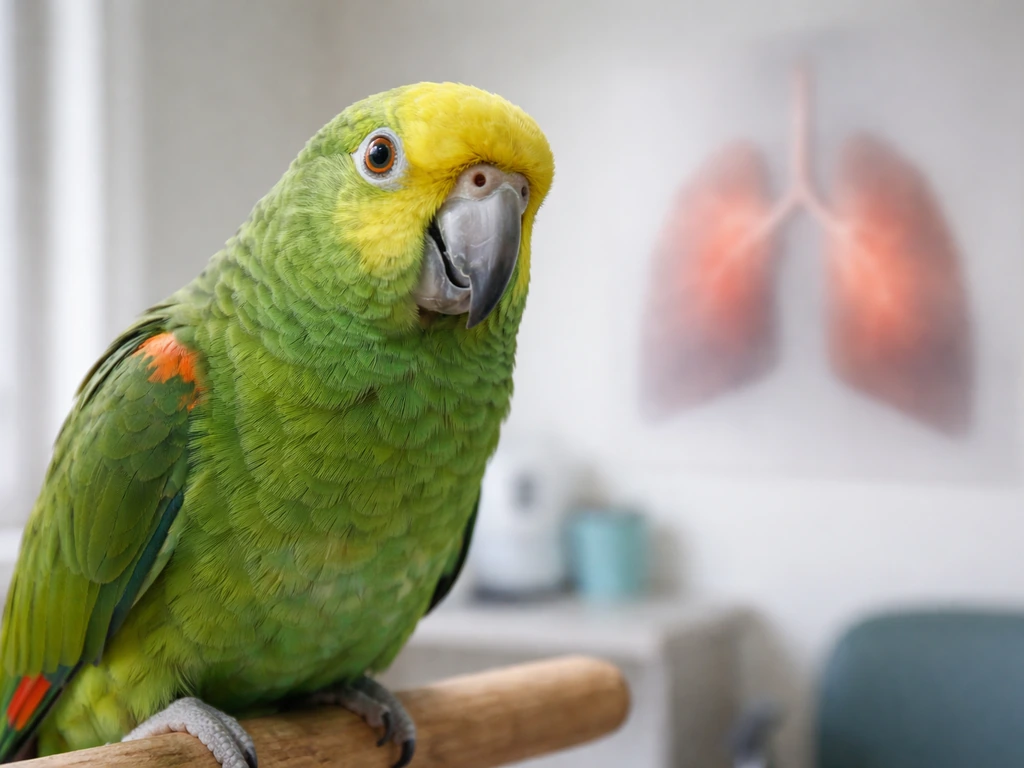
Bird disease in humans refers to zoonotic infections: illnesses that originate in birds and spread to people. The most common examples are psittacosis (from parrots and other pet birds), salmonella and campylobacter (from backyard poultry), histoplasmosis (from fungal spores in bird droppings), and avian influenza (bird flu). Most people who keep birds or work around them never get seriously ill, but these infections are real, some can be serious, and knowing what to watch for makes a significant difference in how quickly you get the right care. Taking simple precautions can reduce the risk of bird diseases that humans can catch and help you get care sooner if symptoms start.
What Is Bird Disease in Humans? Symptoms, Risks, and Care

Marcus Webb
12 Jun 2026
What 'bird disease in humans' actually means
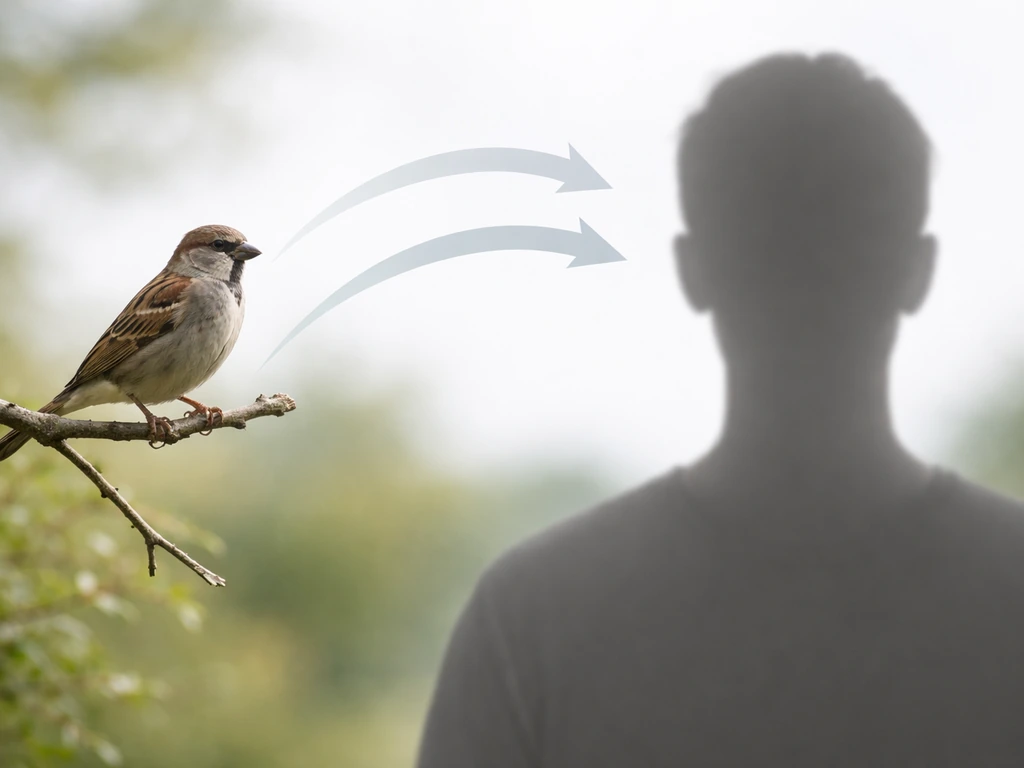
The technical term is zoonosis (plural: zoonoses), which the WHO defines as any disease or infection naturally transmissible between vertebrate animals and humans. When people search 'bird disease in humans,' they're usually worried about one of two things: either they've had recent exposure to a bird (or its droppings, feathers, or cage) and they're feeling unwell, or they want to understand their ongoing risk from keeping birds. Both are valid concerns.
One thing worth knowing upfront: the CDC points out that animals can carry germs and look completely healthy. A bird that seems fine can still be shedding bacteria or fungal spores. This is why exposure history matters more than whether the bird 'looked sick.'
Bird-to-human illness also sits in a broader context. Some infections involve birds as part of the transmission chain without the bird directly infecting you. West Nile virus is a good example: birds are a key reservoir in the transmission cycle, but humans catch it through the bite of an infected mosquito, not from touching the bird itself.
How bird-related germs actually get to you
The route of exposure matters a lot because it determines which infections you're realistically at risk for and what precautions will actually help. There are five main pathways.
- Inhaling dust or aerosols from dried droppings, feathers, or secretions. This is the most important route for psittacosis and histoplasmosis. When you clean a cage, stir up bedding, or disturb droppings in a coop or attic, you release particles into the air that can carry bacteria or fungal spores. The CDC specifically states this is the most common way psittacosis spreads to people.
- Direct contact followed by hand-to-mouth transfer. Touching a bird, its droppings, feathers, or anything in its environment, and then touching your mouth or food without washing your hands first. Salmonella linked to backyard poultry spreads this way almost exclusively.
- Bites or scratches. Less common, but bacteria from a bird's beak or claws can cause local infections. The CDC also notes that beak-to-mouth contact (like letting a bird 'kiss' you) is a less common transmission route for psittacosis.
- Handling or eating undercooked poultry. Campylobacter and salmonella are both associated with raw or undercooked chicken and eggs. This is a food-handling issue as much as a bird-keeping one.
- Indirect contact through contaminated surfaces or water. Droppings on a perch, feeder, or the floor of a coop can contaminate hands. Wild birds fouling a water source or garden area can leave pathogens behind that persist.
Infectious illness vs. irritation: how to tell the difference
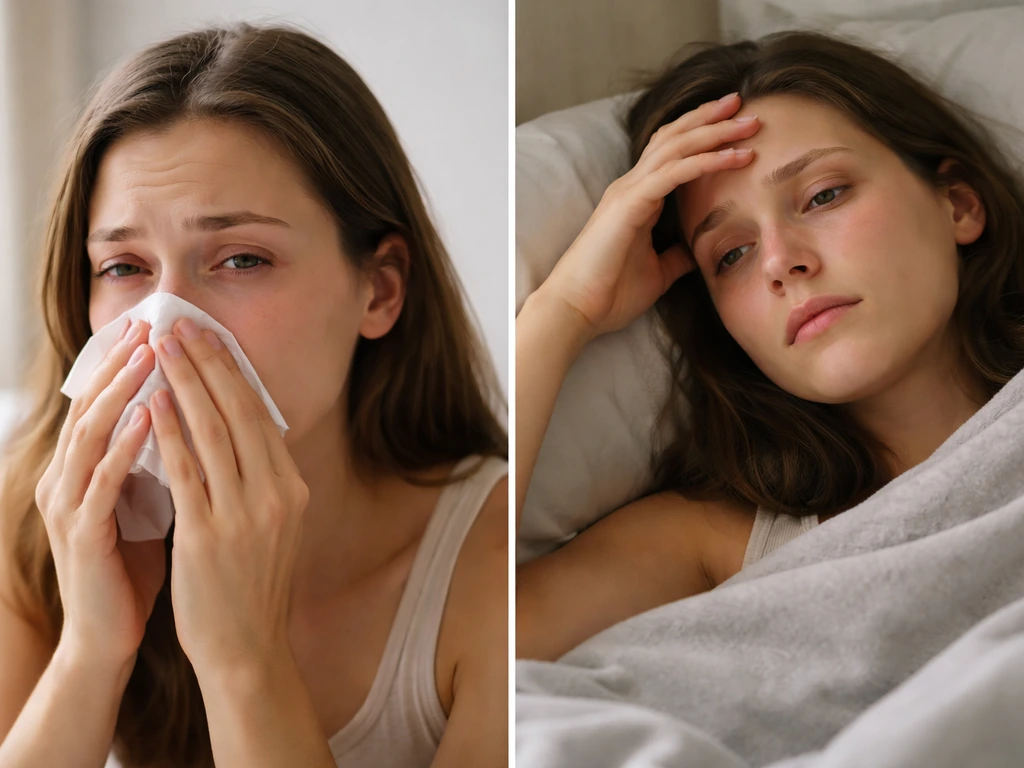
Not everything that happens after bird exposure is a zoonotic infection. Bird dander, feather dust, and mold from damp cage bedding are common triggers for allergies and respiratory irritation. These can produce sneezing, runny nose, itchy eyes, and even coughing or mild wheezing. They're uncomfortable but not infections, so antibiotics won't help and testing won't find a pathogen. Bird conjunctivitis can be contagious to humans, so it is important to practice good hand hygiene and avoid close face contact while symptoms are present.
The signs that point more toward a true infectious illness rather than irritation include fever, chills, muscle aches, a worsening cough over several days, chest pain, shortness of breath, or gastrointestinal symptoms like diarrhea and stomach cramps. If you develop a fever within one to two weeks of significant bird exposure, treat that seriously and mention the exposure to a clinician.
A useful personal check: irritant symptoms tend to improve quickly when you leave the environment (away from the birds, cage, or coop) and come back when you return. Infectious illness tends to persist and often gets worse over days regardless of where you are.
The main bird-to-human illnesses and what they feel like
Here's a practical breakdown of the infections most commonly linked to bird exposure, so you can compare what you're experiencing against what each one typically looks like.
| Illness | Main bird source | How it spreads | Typical symptoms | When symptoms start |
|---|---|---|---|---|
| Psittacosis (Chlamydia psittaci) | Parrots, cockatiels, pigeons, poultry | Inhaling dried droppings or secretions | Fever, headache, dry cough, muscle aches, fatigue; can progress to pneumonia | 5–14 days after exposure |
| Salmonellosis | Backyard poultry, reptiles, wild birds | Hand-to-mouth after touching birds or environment | Diarrhea, fever, stomach cramps, vomiting | 6 hours to 6 days after exposure |
| Campylobacteriosis | Poultry (live and as food) | Raw/undercooked poultry; contact with live birds | Diarrhea (sometimes bloody), fever, stomach cramps | 2–5 days after exposure |
| Histoplasmosis | Soil contaminated with bird or bat droppings | Inhaling spores disturbed from soil or droppings | Cough, chest pain, shortness of breath, fever (often mild or no symptoms) | 3–17 days after heavy exposure |
| Avian influenza (bird flu) | Infected poultry or wild birds | Unprotected contact with infected birds/droppings | Range from mild (eye infection, sore throat, cough) to severe (pneumonia, difficulty breathing) | Typically within a few days |
| Cryptococcosis | Pigeon droppings in environment | Inhaling spores from pigeon droppings | Cough, shortness of breath, chest pain, fever; can affect brain in severe cases | Variable; weeks to months |
Psittacosis deserves extra attention if you keep pet birds. It's probably the most commonly overlooked bird-to-human infection because its symptoms look almost identical to a standard respiratory infection or community-acquired pneumonia. Clinicians may not think to test for it unless you mention the bird exposure, which is exactly why flagging that history matters so much.
West Nile virus is worth mentioning here separately. Birds (particularly corvids like crows) are a key reservoir in the WNV transmission cycle, and mass bird die-offs can signal local circulation of the virus. But humans get infected through mosquito bites, not from handling birds. The incubation period from mosquito bite to symptoms is typically 2 to 6 days, though it can be up to 14 days. If you're dealing with wild bird disease concerns specifically, that context matters. If you think you might have been exposed, it helps to know which wild bird diseases humans can catch and what symptoms to watch for.
What to do right now: home steps and when to get urgent care
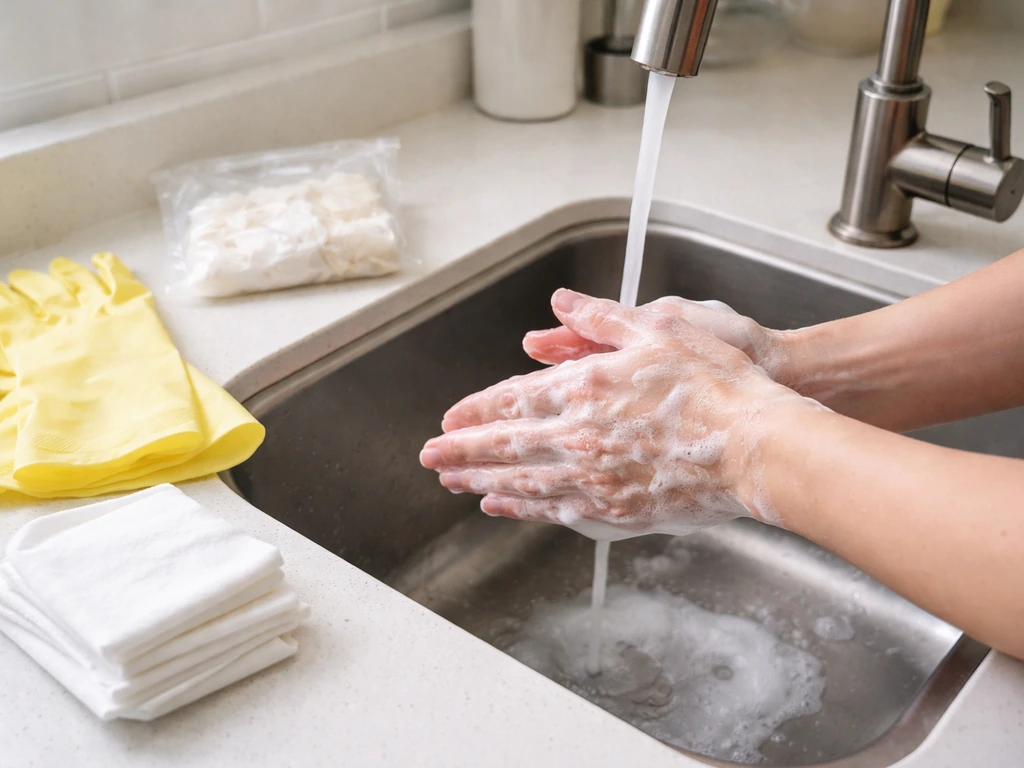
Immediate hygiene and safety steps
- Wash your hands thoroughly with soap and water after any contact with birds, their droppings, cages, feeders, or anything in their environment. This is the single most effective daily prevention measure according to CDC guidance for both pet birds and backyard poultry.
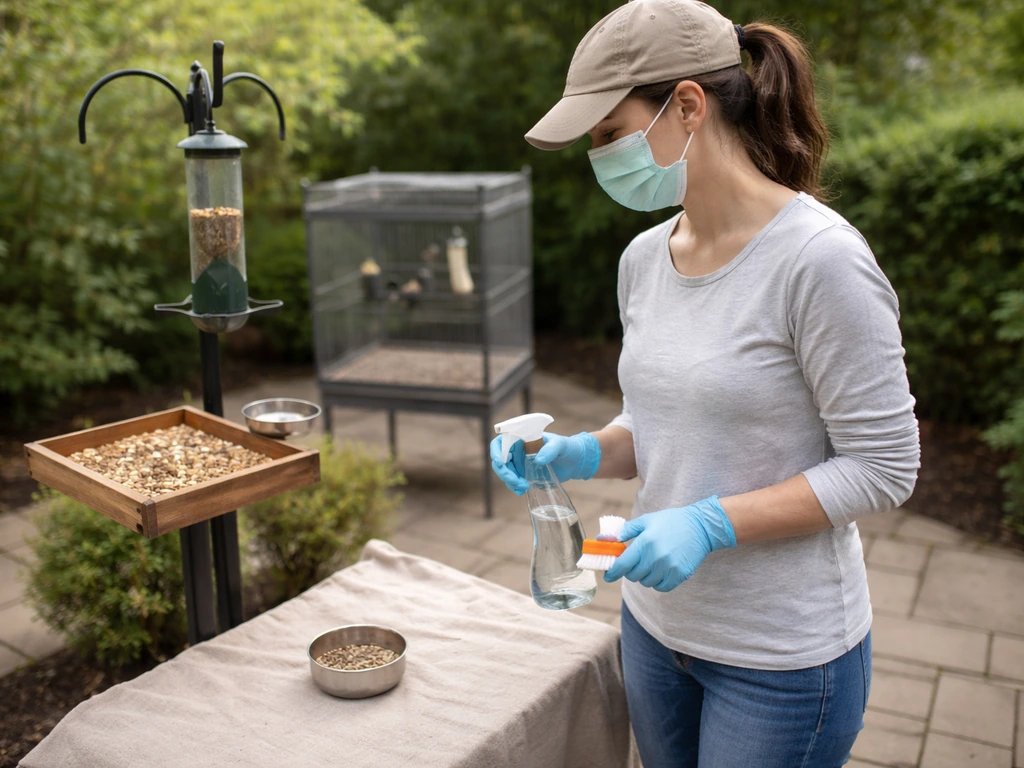
- If you need to clean a cage, coop, or area with dried droppings, wet the surface lightly before disturbing it. This reduces aerosol and dust. The CDC specifically advises avoiding stirring up dust, bird waste, and feathers during cleaning because of the risk of dispersing pathogens into the air.
- Wear an N95 respirator (or at minimum a well-fitting face mask) when cleaning contaminated areas, handling sick birds, or working in any environment with accumulated droppings. This applies especially to cleaning coops, bird flu situations, or disturbing old nesting sites where histoplasma spores can accumulate.
- Wear disposable gloves when handling droppings, sick birds, or carcasses. Bag and dispose of contaminated material carefully rather than shaking it out.
- Clean food and water bowls in your bird's cage daily. The CDC's psittacosis prevention guidance specifically calls this out as a practical control step because dried food and water residue can harbor secretions.
- Do not let birds have beak-to-mouth contact with you, and avoid bringing birds close to your face if you're concerned about potential illness.
- Keep your bird's living area well ventilated. Better airflow reduces the concentration of airborne particles.
When to get urgent care, not wait-and-see
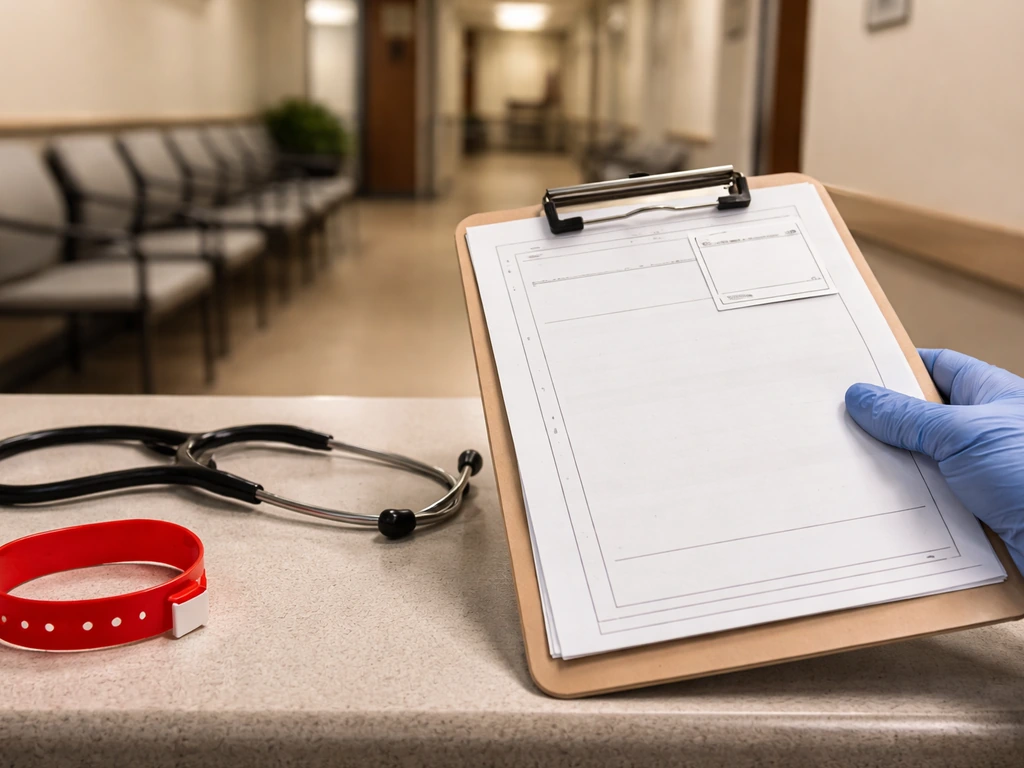
Go to urgent care or an emergency room the same day if you develop any of the following after bird exposure: difficulty breathing or shortness of breath, chest pain, a rapidly worsening fever, confusion or severe headache, or symptoms suggesting severe dehydration from persistent diarrhea and vomiting. If you've been exposed to birds confirmed or suspected to have avian influenza, the CDC advises monitoring your health daily for 10 days and contacting your local or state health department promptly if you develop fever, cough, or difficulty breathing.
For milder symptoms (a cough, low fever, or gastrointestinal symptoms that started after bird contact), call or schedule with your regular doctor within 24 to 48 hours rather than waiting to see if it improves on its own. The key is not to delay while symptoms progress.
What to tell a clinician and what testing looks like
The most important thing you can do before or at your appointment is give a detailed exposure history. Tell your doctor: what type of bird you were exposed to (parrot, chicken, pigeon, wild bird), how long ago the exposure happened, what kind of contact it was (cleaning cage, handling a sick bird, cleaning a coop), and whether the bird appeared sick. This matters because the CDC notes that psittacosis symptoms resemble many other respiratory illnesses, and clinicians may not consider it without knowing about the bird exposure.
For suspected psittacosis, testing typically involves PCR testing of a respiratory sample (sputum or nasopharyngeal swab). Chest X-ray is also commonly used when pneumonia is a concern. Blood tests can support the diagnosis but may not be definitive early in illness. For salmonella or campylobacter, a stool culture is the standard approach. For suspected histoplasmosis, urine antigen testing is typically used alongside imaging.
Be direct with your clinician: say 'I keep birds' or 'I was cleaning a chicken coop' or 'I handled a sick parrot.' Don't assume they'll ask. Many bird-related infections are underdiagnosed simply because the exposure history never comes up in a general appointment.
Avian influenza exposure is handled differently from routine zoonoses. If you've had unprotected contact with birds suspected or confirmed to have bird flu, you'll likely be directed to contact your local public health department in addition to seeing a clinician, because testing and antiviral treatment decisions are often coordinated through public health channels.
Managing your bird's health alongside your own
If you're feeling unwell after bird exposure, it's worth thinking about whether the bird itself might be sick. A bird shedding pathogens actively is a much higher risk than a healthy one, and treating yourself without addressing the source means ongoing exposure.
Warning signs in birds that should prompt a call to an avian vet include: fluffed-up feathers and lethargy (a bird that sits at the bottom of the cage and doesn't react normally), nasal discharge or sneezing, watery or discolored droppings, weight loss, labored breathing or tail bobbing, or any sudden behavioral change like loss of appetite or reduced vocalization. These are general signs of illness in birds and are covered in more detail in other areas of this site.
If you've recently acquired a new bird, especially a parrot or other psittacine, have it examined by an avian vet and tested for Chlamydia psittaci (the pathogen that causes psittacosis) before integrating it with other birds or handling it extensively without precautions. Bird chlamydia, specifically Chlamydia psittaci, causes psittacosis in humans, so it is closely related but not identical to what humans can get. If you are wondering how bird owners can catch chlamydia from birds, Chlamydia psittaci is the germ that causes psittacosis and spreads through inhaling contaminated dust from droppings or feathers. This is a standard recommendation and is especially relevant given that psittacosis is one of the more commonly transmitted bird-to-human infections.
For backyard poultry, keep your flock away from wild bird contact where possible, keep the coop clean to reduce fecal accumulation, and watch for sudden drops in egg production, respiratory symptoms in the flock, or unexplained bird deaths, all of which warrant a call to a poultry vet or your state's animal health authority. During any outbreak event involving avian influenza in your area, follow guidance from your local agricultural or public health authority closely.
The goal isn't to be afraid of your birds. It's to handle them sensibly, keep their environment clean, know what sick looks like in both your bird and yourself, and act quickly when something feels off. Most bird owners go years without any illness from their birds. Those who do get sick most often trace it back to a gap in hygiene or a missed sign that a bird was unwell.
FAQ
If my symptoms are mostly sneezing and itchy eyes after cleaning a cage, is that still “bird disease” in humans?
Often it is not an infection. Dander and feather dust typically cause allergy or respiratory irritation, symptoms usually improve when you leave the bird environment, antibiotics usually do not help, and testing may not show a pathogen. If you develop fever or worsening shortness of breath, that shifts concern toward an infection.
How long after bird exposure should I start worrying about infection?
Many infections are most concerning within the first 1 to 2 weeks after significant exposure, especially if fever develops. West Nile virus after a mosquito bite commonly shows up about 2 to 6 days after exposure, but can be as late as 14 days. Persistent or worsening symptoms regardless of where you go is another clue.
What information should I tell the clinician if I’m not sure which bird it was or what I did?
Give the best details you can: species or type (parrot, chicken, pigeon, wild bird), how recently the exposure happened, and the task you did (cleaning droppings, handling a sick bird, changing bedding). Even if the bird “looked fine,” mention that you were around cages, feathers, or dust because outward health does not rule out shedding.
Do I need to isolate from other people if I might have a bird-to-human infection?
Not automatically. Some conditions are spread person to person less often, but severe respiratory or conjunctival symptoms can still expose others. Practical approach, if you are febrile or coughing, is to limit close contact, wear a well-fitting mask around others, and follow local public health or clinician guidance especially for suspected avian influenza.
Can I get bird disease from touching bird feathers or cleaning droppings if I don’t have cuts?
Yes, several zoonotic infections spread through inhaling contaminated dust or aerosols from droppings and feather material, not just through skin breaks. That is why reducing dust exposure, improving ventilation, and using appropriate protection during cleaning matters even when you do not have obvious injuries.
If I already feel better after staying away from the birds, should I still see a doctor?
Improvement after leaving the environment strongly suggests irritation or allergy, but you should still contact a clinician if symptoms recur quickly after return, if fever appears, or if breathing symptoms worsen. A short call within 24 to 48 hours is reasonable when you are unsure and symptoms are starting to progress.
What’s the difference between “bird illness in my bird” and “I might be infected now”?
Birds can be actively shedding germs before they look visibly sick. If your bird shows warning signs like lethargy, nasal discharge, abnormal droppings, weight loss, or breathing trouble, the risk to people rises, and you should involve an avian vet and avoid heavy cleaning or dust exposure until the bird is assessed.
If I handle a chicken coop or backyard poultry, do I need different precautions than for pet parrots?
Yes. Backyard poultry exposures often involve fecal contamination and dust, so reducing fecal aerosolization during cleaning, washing hands thoroughly, and preventing wild bird mixing are key. If your flock has signs like sudden egg production changes, respiratory issues, or unexplained deaths, contact a poultry vet and follow outbreak guidance from your local authorities.
How should I respond if I think I was exposed to birds with avian influenza?
Do not rely on self-monitoring alone. Contact your clinician and also reach out to your local or state public health department promptly, especially if you develop fever, cough, or difficulty breathing. Monitoring daily for about 10 days after exposure is commonly advised, and public health can guide testing and antiviral decisions.
What tests are usually used, and should I ask for them by name?
It helps to be specific about symptoms and exposure so the clinician can choose the right test. For suspected psittacosis, clinicians often use PCR on a respiratory sample and may use a chest X-ray. For suspected salmonella or campylobacter, stool testing is typical, and for histoplasmosis, urine antigen testing is commonly used. Asking, “Which infection does this exposure fit best, and what test confirms it?” can be more effective than requesting a single test.
Is it safe to start antibiotics on my own while I’m waiting to be seen?
Generally no. Antibiotics do not help allergy or irritation, and they may not cover the correct cause for zoonotic respiratory or gastrointestinal infections. The safer path is to arrange care promptly, share your exposure history, and let the clinician decide on testing and treatment.
Next Article
Is Bird Chlamydia the Same as Human? Key Differences
Learn if bird chlamydia matches human infection, transmission risk, symptoms in birds, and what to do if exposed.