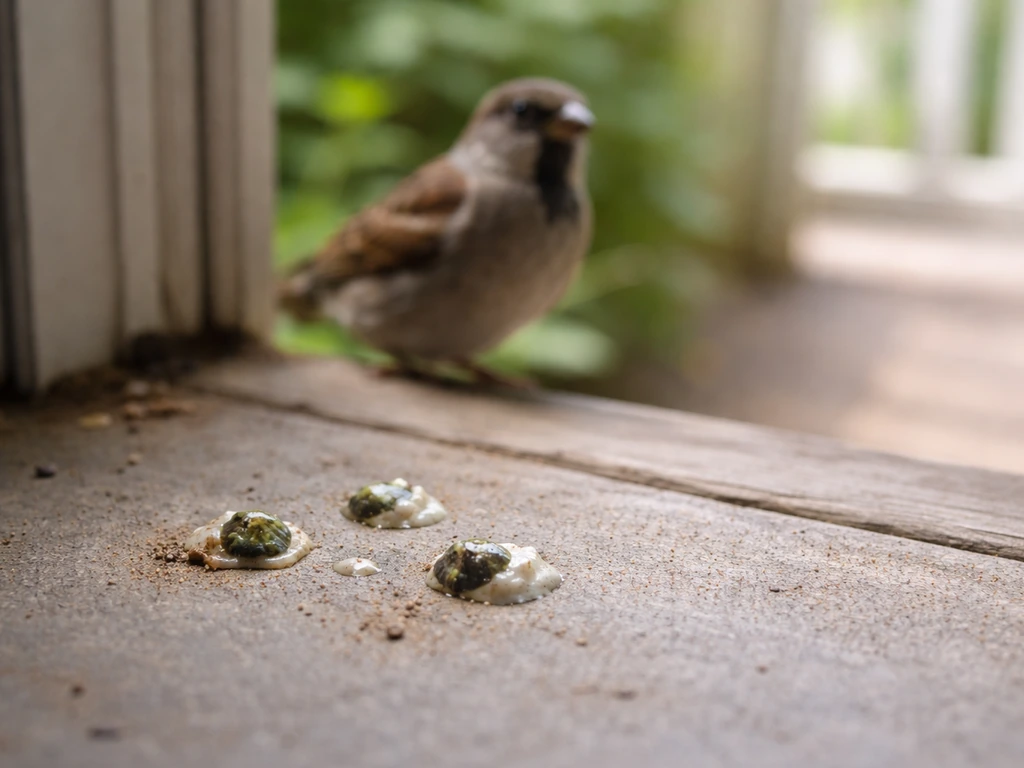
Bird conjunctivitis is not something you can easily catch from your bird, but the risk is not zero either. The honest answer depends on what is causing the eye problem. Most cases in wild songbirds are caused by Mycoplasma gallisepticum, which does not infect humans at all. The bigger concern is when the underlying cause is Chlamydia psittaci, the bacterium behind psittacosis, which can spread to people through dried droppings, eye discharge, and respiratory secretions. That risk is still low for most healthy adults, but it is real enough that you should treat any bird with eye discharge as potentially infectious until a vet figures out what you are dealing with.
Is Bird Conjunctivitis Contagious to Humans? Risk and What to Do

Marcus Webb
7 Jun 2026
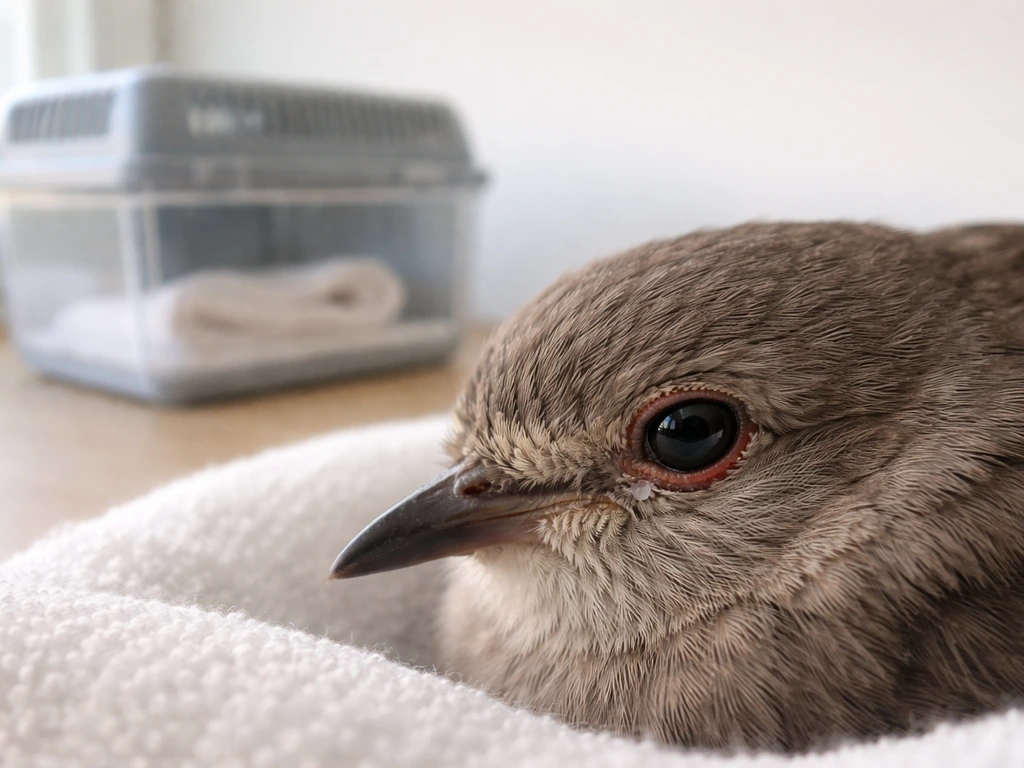
What bird conjunctivitis actually is
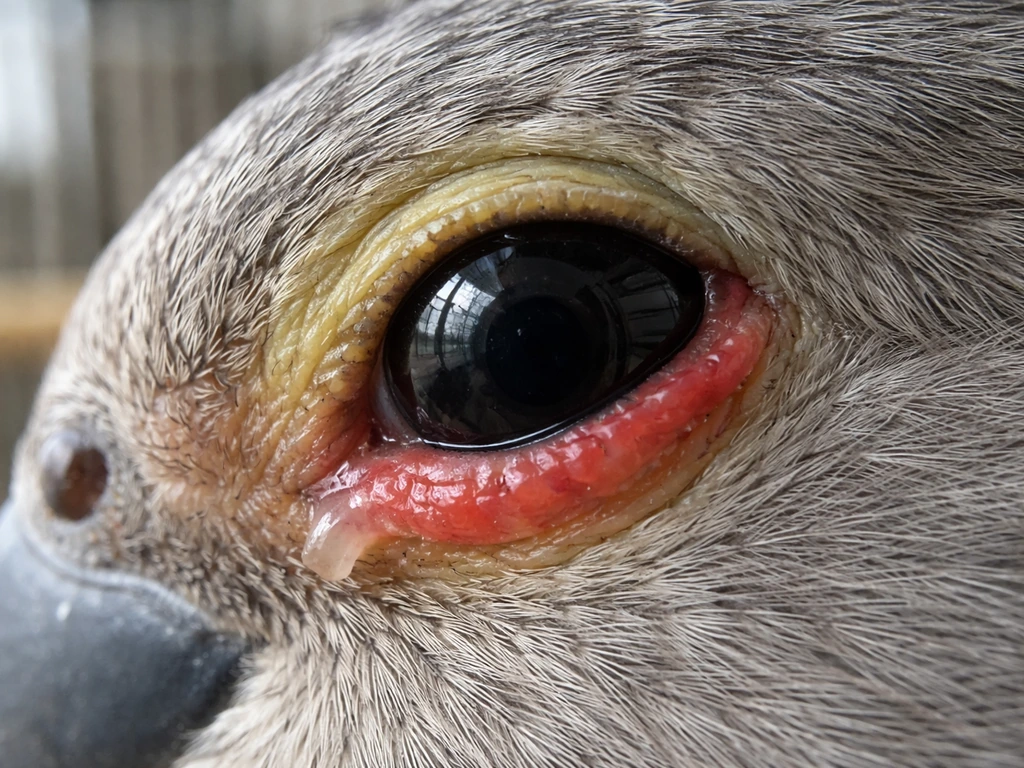
Conjunctivitis in birds is inflammation of the conjunctiva, the thin tissue lining the inside of the eyelids and the surface of the eye. When a bird has it, you will typically see one or both eyes looking red, swollen, or crusty, with discharge ranging from watery to thick and yellowish. The bird may blink excessively, rub its face, or keep the eye partially or fully closed. In finches and house sparrows, a swollen, gunky eye is one of the most recognizable signs of a sick bird at a feeder.
The cause matters a lot. Conjunctivitis can come from bacteria, viruses, or other organisms, or it can be triggered by non-infectious irritants like dust, smoke, ammonia buildup in a cage, or a foreign body in the eye. Non-infectious cases are not contagious at all. Infectious cases, however, can spread easily between birds and, depending on the pathogen, occasionally to humans. Because you cannot tell the difference just by looking at the eye, the safest approach is to assume contagion until a vet says otherwise.
How conjunctivitis spreads between birds
Bird-to-bird transmission is the main story here. Infectious conjunctivitis spreads through direct contact with eye or nasal discharge, through aerosols produced when an infected bird sneezes or shakes its head, and through contaminated surfaces. Feeders are a classic transmission hotspot for mycoplasmal conjunctivitis in wild birds because dozens of birds press their faces to the same surfaces day after day. In a home with multiple pet birds, the same principle applies to shared perches, food bowls, and cage bars.
Humans can also move the pathogen around without getting sick themselves. Mycoplasma gallisepticum, for example, can travel on your hands, clothing, and shoes from one bird area to another. So even if you are personally not at risk from Mycoplasma, you can still act as a carrier and expose a healthy bird flock. That is one reason hygiene matters even when your own health is not directly on the line.
Can you actually catch conjunctivitis from your bird?
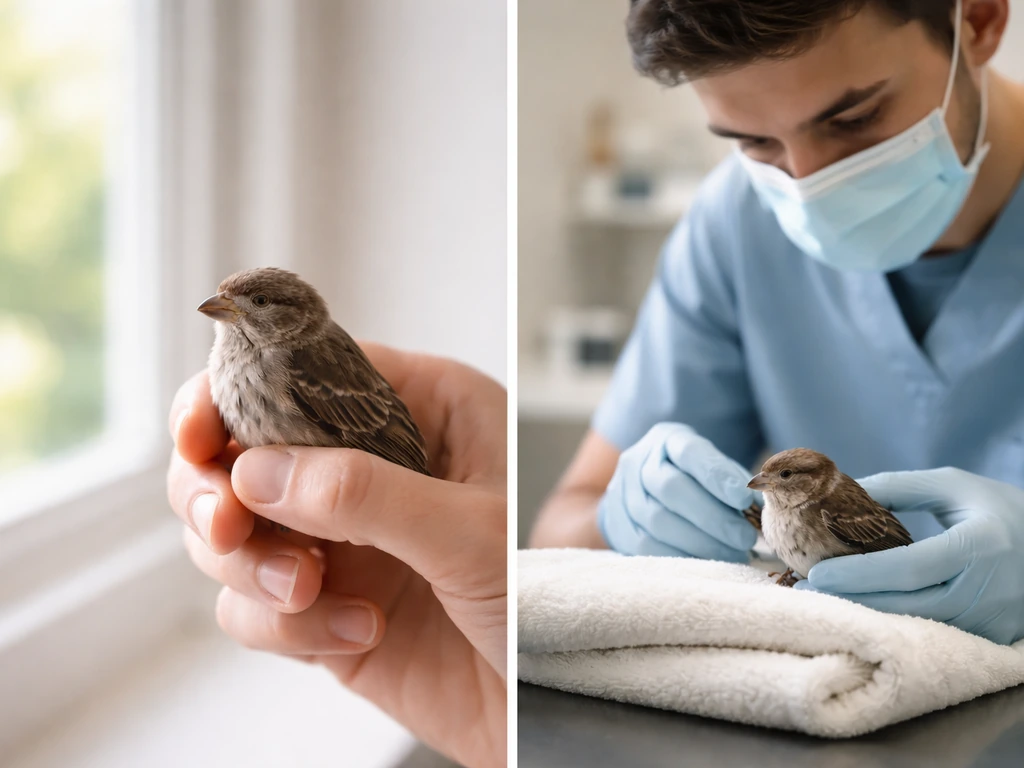
For the most common cause of bird conjunctivitis, Mycoplasma gallisepticum, the answer is a clear no. Cornell University's Wildlife Health Lab confirms that humans and non-avian pets are not susceptible to mycoplasmal conjunctivitis. If your finch or house sparrow has the classic swollen-eye look caused by Mycoplasma, you are not going to get it.
The situation changes if Chlamydia psittaci is involved. Merck Veterinary Manual also notes that chlamydial conjunctivitis can be zoonotic, with transmission potential from infected birds such as those carrying Chlamydia psittaci, which is why good hygiene is important blank" rel="noopener noreferrer">Chlamydia psittaci can be spread from infected birds and is a zoonotic risk. This bacterium causes avian chlamydiosis in birds and psittacosis in humans. It is shed in feces, respiratory secretions, and eye discharge. People get exposed by inhaling dried, aerosolized particles from contaminated droppings or by having close contact with an infected bird's secretions. The CDC describes psittacosis as usually a mild illness, and human-to-human transmission is extremely rare, but it is a genuine zoonotic risk.
If you develop symptoms 4 to 15 days after handling a sick bird, pay attention. Psittacosis in people often starts as an upper respiratory tract infection with fever, headache, muscle aches, and a dry cough. It can also cause eye irritation. Immunocompromised people, the elderly, and pregnant individuals face a higher risk of more serious illness. If you have been handling a sick bird and feel unwell, mention the bird exposure specifically when you contact your doctor, because testing blood or respiratory secretions is needed to confirm psittacosis. In other words, can a bird get sick from a human is possible mainly when you carry the right pathogen on your hands, clothing, or shoes.
How to handle an affected bird safely right now
The moment you notice eye discharge or swelling in one of your birds, move that bird to a separate cage in a separate room. This protects your other birds regardless of what is causing the problem, and it limits your own exposure to one isolated source. Use dedicated equipment for the isolated bird, including separate food and water dishes, cleaning tools, and towels, and do not share them with the rest of your bird setup.
- Wash your hands thoroughly with soap and water every time you handle the sick bird, clean its cage, or touch any surface in its space.
- Avoid touching your face, especially your eyes, nose, and mouth, while working around the bird.
- Wear disposable gloves when cleaning the cage or handling droppings and discharge.
- If there is any possibility of psittacosis (especially if the bird is a parrot, cockatiel, or other psittacine), wear a well-fitted N95 mask and consider disposable eyewear when cleaning to avoid inhaling aerosolized particles.
- Wet cage surfaces with water or a disinfectant before scrubbing to reduce dust and aerosolization during cleaning.
- Scrub to remove all fecal debris, rinse, apply an EPA-registered disinfectant and allow at least 5 minutes of contact time, then rinse again.
- Keep children and anyone with a weakened immune system away from the sick bird and its space until the vet has assessed the cause.
If you feed wild birds and notice conjunctivitis in birds at your feeder, take the feeder down immediately. Clean and disinfect it thoroughly before putting it back out. This is one of the most effective things you can do to slow the spread of mycoplasmal conjunctivitis in your local bird population.
When your bird needs a vet (and what to expect)
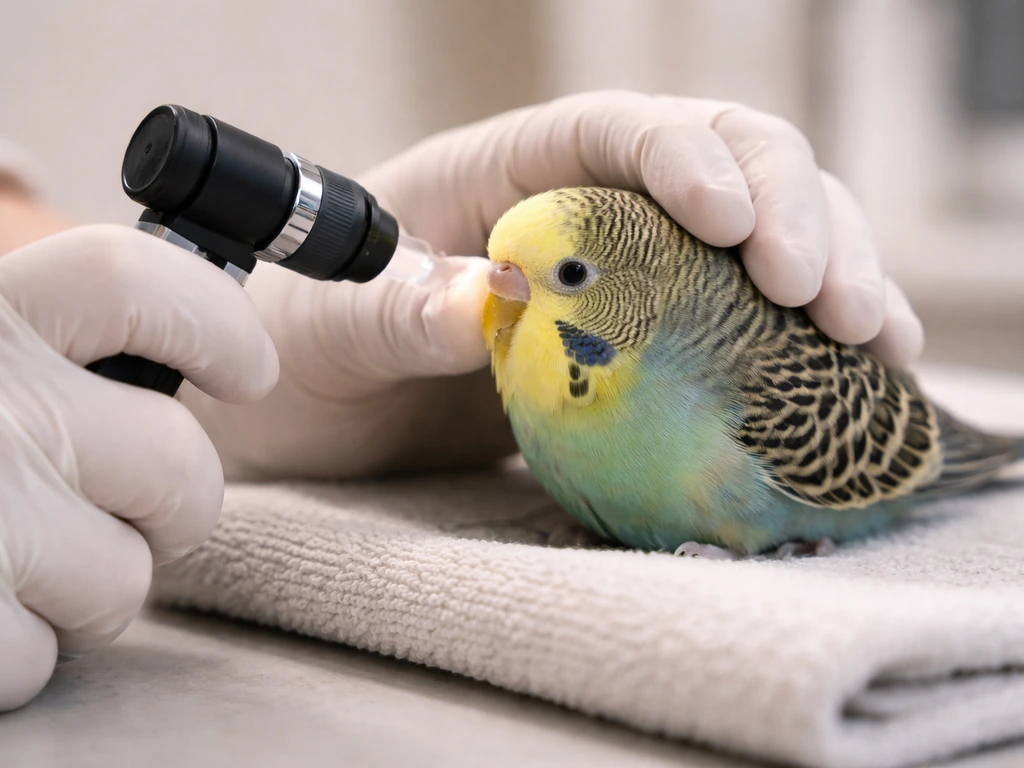
Do not wait and see if the eye clears up on its own. Get a vet involved promptly if you see redness, discharge, swelling, excessive blinking, or a bird keeping one or both eyes closed for an extended period. These signs can indicate infections that worsen fast, and untreated conjunctivitis can progress to serious complications including corneal damage. Some of the causes that produce eye symptoms, like avian chlamydiosis, also cause systemic illness, so what looks like a simple eye problem may be part of a bigger picture.
See an avian vet as soon as possible if any of these are present:
- Discharge that is thick, yellow, or green rather than clear and watery
- The bird cannot or will not open the eye
- One eye is affected but then the other eye develops signs too
- Visible changes to the surface of the eye, like cloudiness or color change
- Respiratory symptoms alongside the eye signs, such as clicking, wheezing, labored breathing, or nasal discharge
- Lethargy, fluffed feathers, loss of appetite, or other signs the bird feels systemically unwell
- Multiple birds in your flock developing eye problems around the same time
At the appointment, the vet will do a physical exam and assess both eyes and the rest of the bird's condition. Depending on what they find, they may swab the conjunctiva for culture, cytology, or PCR testing. PCR has made it much easier to confirm whether Chlamydia psittaci is involved. If chlamydiosis is suspected or confirmed, it is a reportable disease in many states, so the vet may need to notify local authorities. Treatment options and the appropriate medication depend entirely on the diagnosis, which is why guessing and using over-the-counter eye drops is not a good idea.
Preventing reinfection and protecting the rest of your birds
Once a bird is treated, you want to make sure the problem does not cycle back through your flock. Disinfect the entire cage and all accessories thoroughly using the scrub-rinse-disinfect-rinse process described above. Replace porous materials like rope perches, fabric toys, or wooden items that cannot be fully sanitized. Keep the recovered bird isolated until the vet gives the all-clear before reintroducing it to other birds.
Quarantine is essential for any new bird entering your home. A standard quarantine period of 30 days in a completely separate airspace, not just a separate cage in the same room, gives you time to spot developing illness before it reaches your existing birds. This is especially important if you have been to a bird show, a pet store, or have taken in a rescued wild bird.
Environmental factors also play a role. Dry, dusty conditions and ammonia buildup from poor cage hygiene are common irritants that compromise the eye's natural defenses and make birds more susceptible to infection. Regular cage cleaning, good ventilation without cold drafts, and reducing stress in your birds all lower the overall risk of infectious eye disease taking hold. If you keep multiple birds, consider whether cage density and social stress are making any individual more vulnerable.
Bird conjunctivitis sits within a broader category of bird diseases that can occasionally affect humans, and understanding the specific cause always determines the real risk. Psittacosis, for example, is transmitted differently from Mycoplasma and requires a different response. Psittacosis is caused by Chlamydia psittaci in birds, and it can make some people ill too, but it is not the same as the chlamydia that causes human genital infections.
If you want to understand more about the range of bird diseases that cross over to people or how birds pick up conditions like chlamydia in the first place, those topics connect directly to what you are dealing with here. For more on wild bird diseases humans can catch, read how these infections can jump from birds to people range of bird diseases that cross over to people.
For a deeper look at how birds pick up Chlamydia in the first place, see how does a bird get chlamydia.
Quick comparison: common causes and their human risk
| Cause | Contagious Between Birds? | Risk to Humans | Notes |
|---|---|---|---|
| Mycoplasma gallisepticum | Yes, highly | None | Most common cause in wild songbirds; humans and non-avian pets are not susceptible |
| Chlamydia psittaci | Yes | Low but real | Causes psittacosis in people; transmissible via aerosolized droppings and secretions; use PPE when cleaning |
| Other bacteria or viruses | Varies | Generally low | Depends on species of pathogen; treat as potentially infectious until vet confirms cause |
| Non-infectious irritants (dust, ammonia, foreign body) | No | None | Improve environment and remove irritant; no contagion risk |
FAQ
If it is bird conjunctivitis, does that always mean it is contagious to humans?
Possibly, but it depends on the cause. Mycoplasma gallisepticum does not infect humans, while Chlamydia psittaci (psittacosis) can spread to people through contaminated droppings, eye discharge, and respiratory secretions, usually via inhaling dried particles.
How does bird conjunctivitis exposure happen to humans, if it can happen?
If you are exposed to a sick bird’s secretions or dried droppings, the risk to humans is mainly from aerosols you inhale, not from normal casual contact. Using hand hygiene and avoiding face-level contact with the bird while cleaning reduces exposure.
What symptoms should I watch for in myself after handling a sick bird?
For Chlamydia psittaci, symptoms in people often start about 4 to 15 days after exposure and can look like an upper respiratory infection (fever, headache, muscle aches, dry cough), sometimes with eye irritation.
What should I do immediately at home if one bird develops discharge or a swollen eye?
You should treat the bird as potentially infectious and isolate it, especially if there is discharge or swelling. The article’s “move to a separate room and use dedicated tools” approach matters because you cannot visually confirm whether Chlamydia psittaci is involved.
Can I reintroduce my bird as soon as the redness clears up?
Do not assume it is safe once the eye looks better. Infectious causes can persist, so the recovered bird should stay isolated until your avian vet confirms it is resolved and you have disinfected the environment and replaced unsanitizable porous items.
Can I spread it to my other birds (or get it on myself) even if I feel fine?
If another person handled or cleaned the bird, they can unintentionally carry pathogens on hands, clothing, or shoes, even if they do not get sick. Consider changing clothes after cleanup and cleaning reusable items before they go back into other bird areas.
If I feed wild birds, should I still put the feeder out if I see an eye problem in one bird?
Yes for bird-to-bird spread, and it is one reason feeders are high-risk. When multiple wild birds repeatedly contact the same surfaces, infectious material can accumulate, so removing the feeder and disinfecting it promptly helps reduce local spread.
Can I treat a bird’s conjunctivitis with over-the-counter eye drops to avoid vet visits?
No. Because the cause can be non-infectious or infectious, and some infectious causes need specific treatment, OTC eye drops can miss the underlying problem. The vet may use swabs and PCR to identify whether Chlamydia psittaci is present.
Is it okay to wait a few days if the bird’s eye looks slightly improved?
If the bird has one eye swollen and crusty, or keeps one or both eyes closed for an extended period, treat it as urgent and contact an avian vet promptly. Eye problems can progress to corneal damage, and some systemic infections first present with eye signs.
Who should be more cautious about possible psittacosis after bird exposure?
People at higher risk of more serious disease include immunocompromised individuals, the elderly, and pregnant individuals, particularly if exposure involved heavy droppings or close contact. If they were exposed and feel unwell, they should contact a clinician and mention the bird exposure.
What quarantine setup is actually effective for new birds?
For new birds, quarantine is about airspace separation, not just putting them in another cage in the same room. The article notes that a 30-day quarantine in a separate airspace helps catch illness before it reaches your existing birds.
How can I reduce risk while cleaning or isolating a sick bird?
If you handle sick birds or clean droppings, focus on reducing aerosolization and contamination. Work carefully, avoid shaking contaminated bedding, ventilate the area, and use dedicated cleaning tools for the isolated bird to limit spread.
Next Article
Wild Bird Diseases Humans Can Catch: Symptoms and Safety Steps
Learn common wild bird diseases that spread to people, symptoms in birds and humans, and safe cleanup steps.