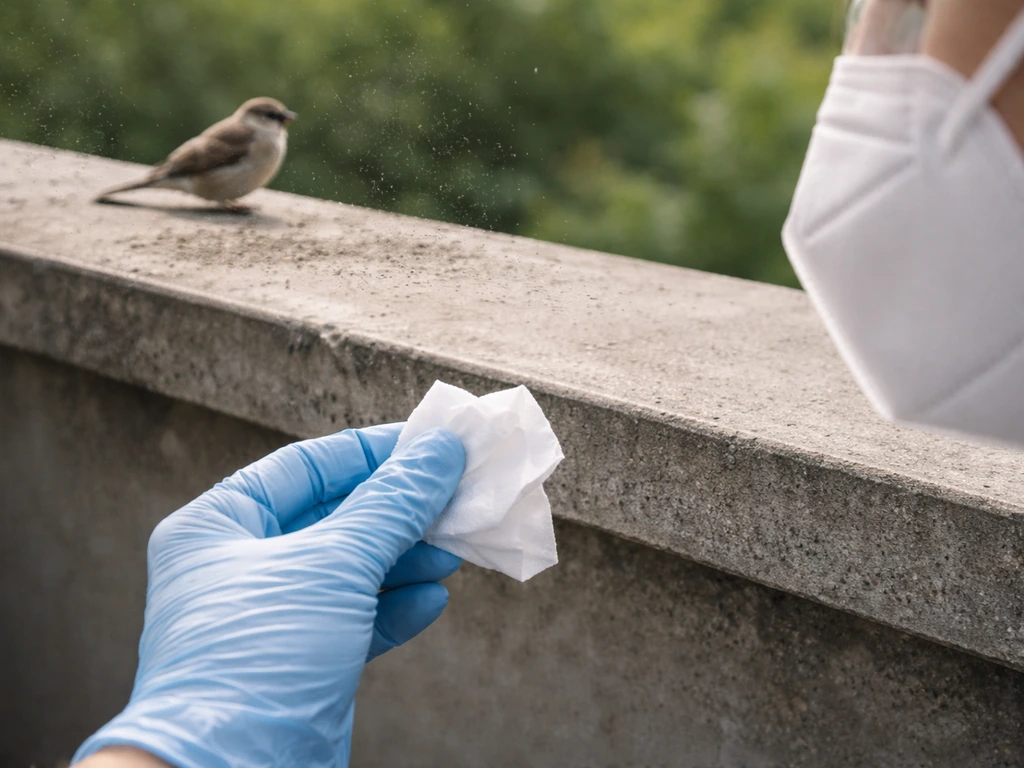
Wild birds can pass several real infections to people, and the most common routes are breathing in dust from dried droppings, touching contaminated surfaces and then your face, and less often, bites or scratches. The diseases worth knowing about are psittacosis, histoplasmosis, avian influenza, Salmonella, Campylobacter, and West Nile virus. If you are asking about whether bird chlamydia is the same as human chlamydia, it helps to know that psittacosis is caused by Chlamydia psittaci. These human bird diseases can include psittacosis, histoplasmosis, avian influenza, and other infections that spread from wild birds. Most healthy adults who get exposed never get seriously ill, but knowing how each one spreads and what to do right after exposure can make a real difference, especially if you live with children, elderly family members, or anyone who is immunocompromised.
Wild Bird Diseases Humans Can Catch: Symptoms and Safety Steps

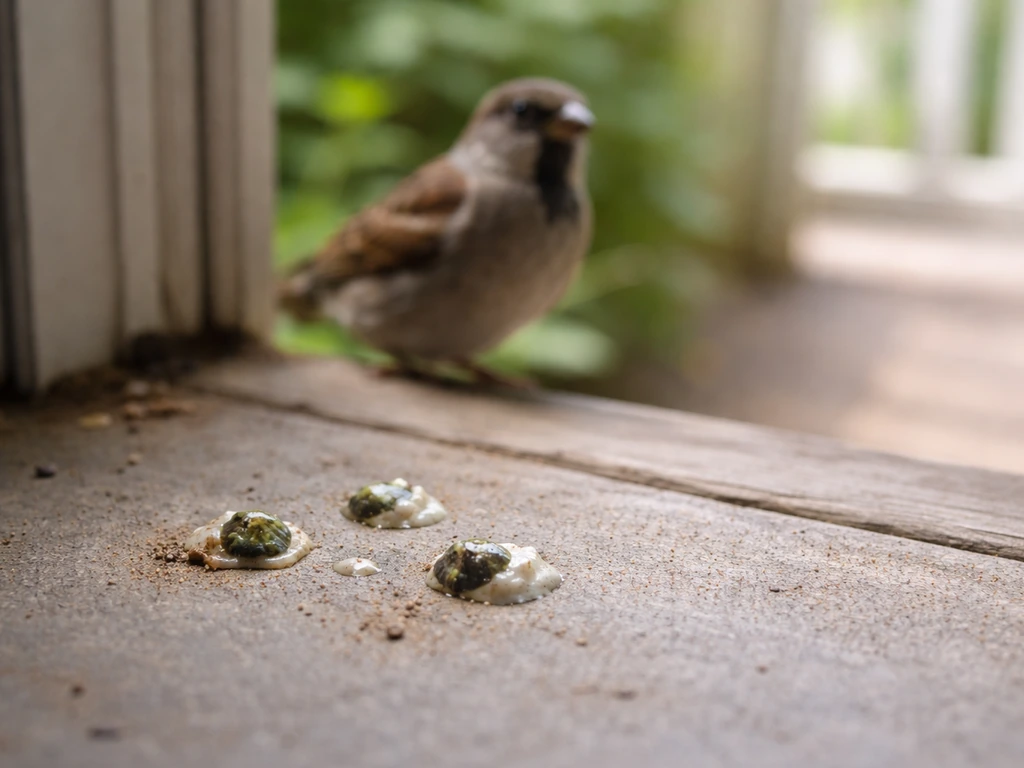
Why wild birds can spread disease to people
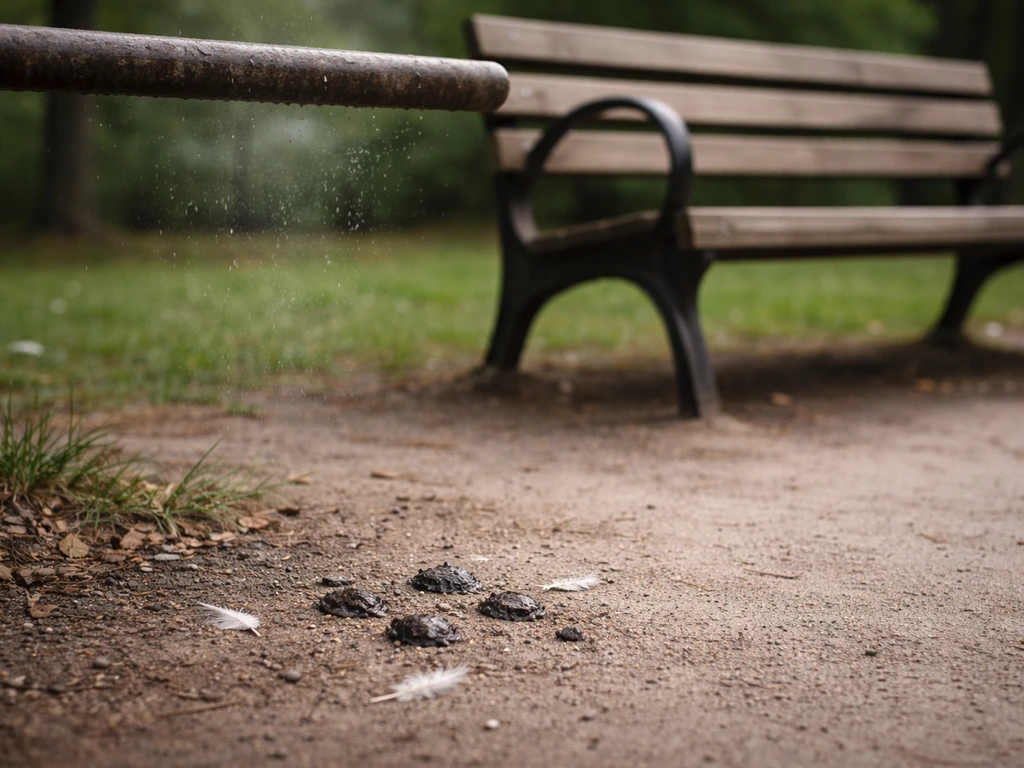
Birds carry bacteria, fungi, and viruses in their digestive and respiratory tracts, and they shed these pathogens in droppings, feathers, saliva, and nasal secretions. When droppings dry out, the particles become lightweight and get airborne easily. That means you do not have to touch a bird directly to get exposed. Simply cleaning up a roosting area, moving a bird feeder, or even walking through a space where birds have been nesting can put contaminated dust into the air.
There are five main exposure routes to keep in mind. First is aerosol or dust inhalation from dried droppings or secretions. Second is direct contact, such as handling a sick or dead bird without gloves. Third is touching contaminated surfaces (feeders, nesting material, soil) and then touching your mouth, nose, or eyes. Fourth is bites or scratches from an infected bird. Fifth is secondary contact through a pet bird or dog that has been in contact with wild birds. If you keep pet birds and want to understand whether your birds can pick something up from you as well, that is a separate but related question worth exploring.
The most important zoonotic infections from wild birds
Psittacosis (parrot fever)
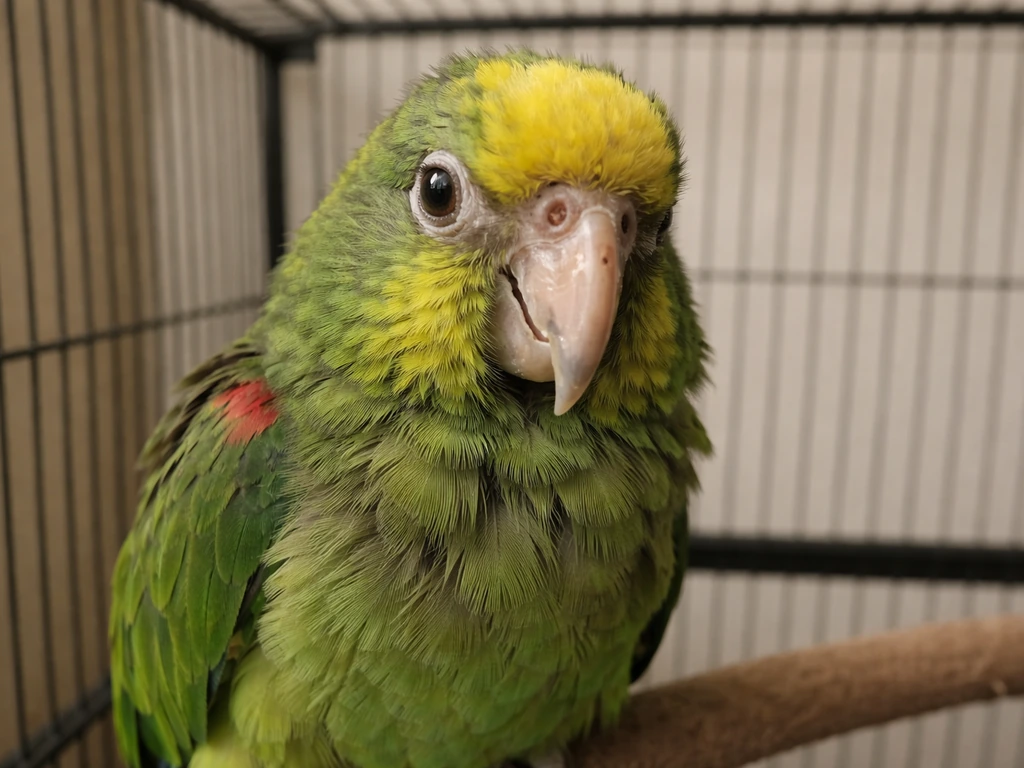
Psittacosis is caused by the bacterium Chlamydia psittaci, which birds carry in their respiratory and GI tracts. How does a bird get chlamydia? In many cases, it comes from exposure to other infected birds that are shedding Chlamydia psittaci in respiratory secretions and droppings. The most common way people get it is by inhaling dust from dried droppings or respiratory secretions from an infected bird. Less commonly, it can spread through a bite or beak-to-mouth contact. Wild parrots, pigeons, and waterfowl can all carry it, not just parakeets and parrots. Most people develop symptoms within 5 to 14 days of exposure. It usually presents as a flu-like respiratory illness, and while it is typically mild, blank" rel="noopener noreferrer">it can progress to pneumonia. With the right antibiotic treatment, serious outcomes are rare, occurring in fewer than 1 in 100 cases.
Histoplasmosis
Histoplasmosis is a fungal lung infection caused by breathing in spores of Histoplasma, a fungus that thrives in soil enriched by bird and bat droppings. It is especially common in the Ohio and Mississippi River valleys. Most people who breathe in the spores never get sick at all. When symptoms do appear, they typically show up 3 to 17 days after exposure and look like pneumonia: fever, fatigue, and cough. The real concern is for people with weakened immune systems, where the infection can become severe and disseminated. The key risk scenario is disturbing a large accumulation of old droppings under a roosting area, in an attic, or during demolition or excavation work.
Avian influenza (bird flu)
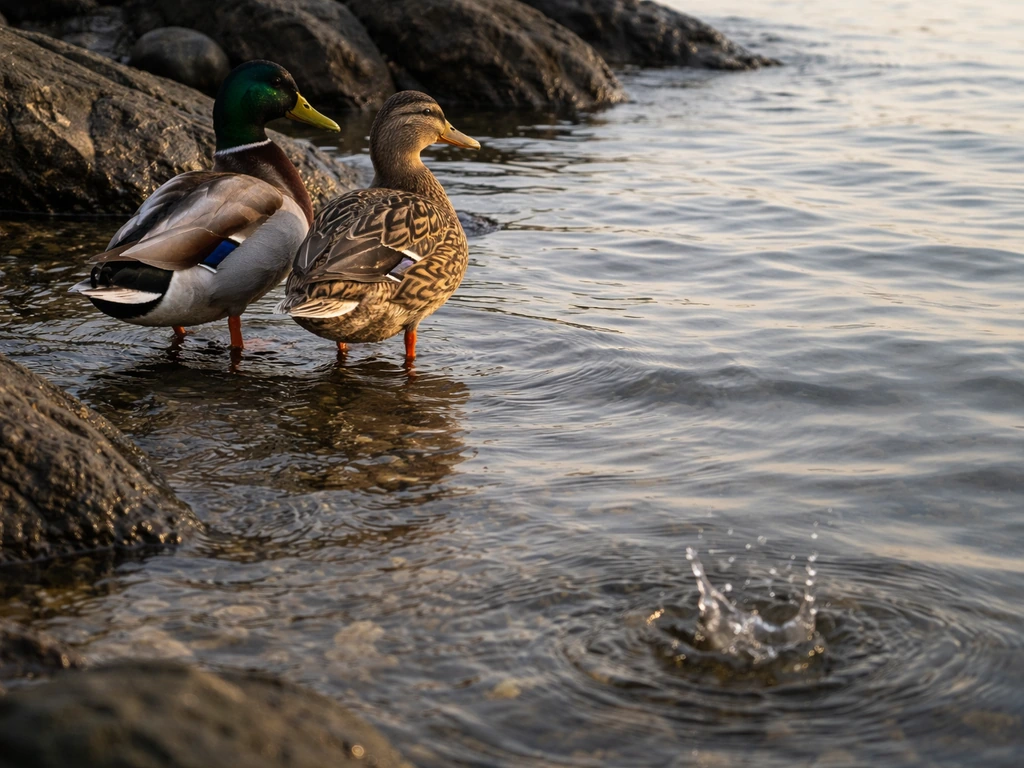
Avian influenza viruses circulate in wild waterfowl and shorebirds and can infect poultry and occasionally people. Human infections happen through contact with respiratory droplets, saliva, mucus, or feces from infected birds. Real-world exposure scenarios include handling sick or dead wild birds, cleaning coops or water sources contaminated by wild bird droppings, and being in enclosed spaces with infected birds. The risk to the general public from casual outdoor exposure is very low, but anyone who handles birds regularly, especially near known outbreak areas, should take it seriously.
Salmonella and Campylobacter
Both of these bacterial infections cause gastrointestinal illness and both can come from contact with bird droppings, contaminated surfaces, or water sources. Salmonella causes roughly 1. The CDC estimates Salmonella causes about 1.35 million infections in the United States every year Salmonella causes roughly 1.35 million infections in the United States every year. 35 million infections in the U.S. annually, and Campylobacter causes about 1.5 million, though bird contact is just one of many transmission routes. Typical symptoms for both include diarrhea, fever, and stomach cramps. Campylobacter symptoms usually begin 2 to 5 days after exposure and resolve within a week. Salmonella symptoms can also involve complications affecting other body systems if the illness becomes severe. The exposure usually comes from touching a contaminated bird feeder, water dish, or soil and then eating or touching your face without washing your hands.
West Nile virus
West Nile virus is worth including here because birds are central to its transmission cycle, but people do not catch it directly from birds. The virus circulates between mosquitoes and birds, and humans become infected through the bite of an infected mosquito. Symptoms, if they appear at all, usually show up 2 to 14 days after the bite. Most people have no symptoms. A small percentage develop fever and body aches, and a very small number (especially those over 65 or with conditions like diabetes, hypertension, or kidney disease) develop serious neurological illness. If you find dead birds in your yard, especially crows or jays, it can signal active West Nile virus circulation in your area, which means your personal mosquito protection matters more, not direct bird handling precautions.
Symptoms to watch for: in birds and in yourself
| Disease | Signs in birds | Symptoms in people | Onset after exposure |
|---|---|---|---|
| Psittacosis | Lethargy, ruffled feathers, discharge from eyes or nose, labored breathing, loose droppings | Fever, chills, headache, dry cough, muscle aches, sometimes pneumonia | 5 to 14 days |
| Histoplasmosis | Not directly visible in wild birds; accumulations of old droppings in roosting sites are the clue | Fever, fatigue, dry cough, chest discomfort (pneumonia-like) | 3 to 17 days |
| Avian influenza | Sudden death or severe lethargy, respiratory distress, swollen head, discolored wattles or combs | Fever, cough, sore throat, body aches, eye redness (conjunctivitis), sometimes severe respiratory illness | Usually within a few days of exposure |
| Salmonella | Droppings that are abnormal in color or consistency; general lethargy | Diarrhea, fever, stomach cramps | 6 hours to 6 days |
| Campylobacter | Similar GI signs in birds; often asymptomatic in carriers | Diarrhea, fever, stomach cramps | 2 to 5 days |
| West Nile virus | Neurological signs (tremors, inability to fly, head tilt) especially in crows and jays | Most have no symptoms; some get fever/aches; rare cases develop encephalitis or meningitis | 2 to 14 days after mosquito bite |
High-risk situations and who needs to be extra careful
Some scenarios carry significantly more exposure risk than finding a single sick bird in your yard. Cleaning out an attic, barn, or old building where birds have been roosting is one of the highest-risk activities for both histoplasmosis and psittacosis because you are disturbing months or years of accumulated, dried material. Working in enclosed or poorly ventilated spaces concentrates any airborne particles. Demolition, excavation, or renovation near known roosting sites can also aerosolize spores and pathogens even when the droppings volume looks small.
Certain people face a higher risk of serious illness even from routine exposure. If any of these apply to you or someone in your household, take the protective steps below seriously rather than treating them as optional.
- People with HIV/AIDS, cancer, or who take immunosuppressive medications (higher risk of severe or disseminated histoplasmosis and more serious bird flu illness)
- Organ transplant recipients
- Adults over 65 (significantly higher risk of neuroinvasive West Nile disease and more severe respiratory illness in general)
- Young children, whose hands frequently go to their mouths, making fecal-oral transmission of Salmonella and Campylobacter more likely
- Anyone who regularly handles birds as part of their job, including poultry workers, wildlife rehabilitators, and pest control workers
- Pet bird owners whose birds have had any contact with wild birds
How to handle wild birds and clean up safely
If you find a sick or dead wild bird
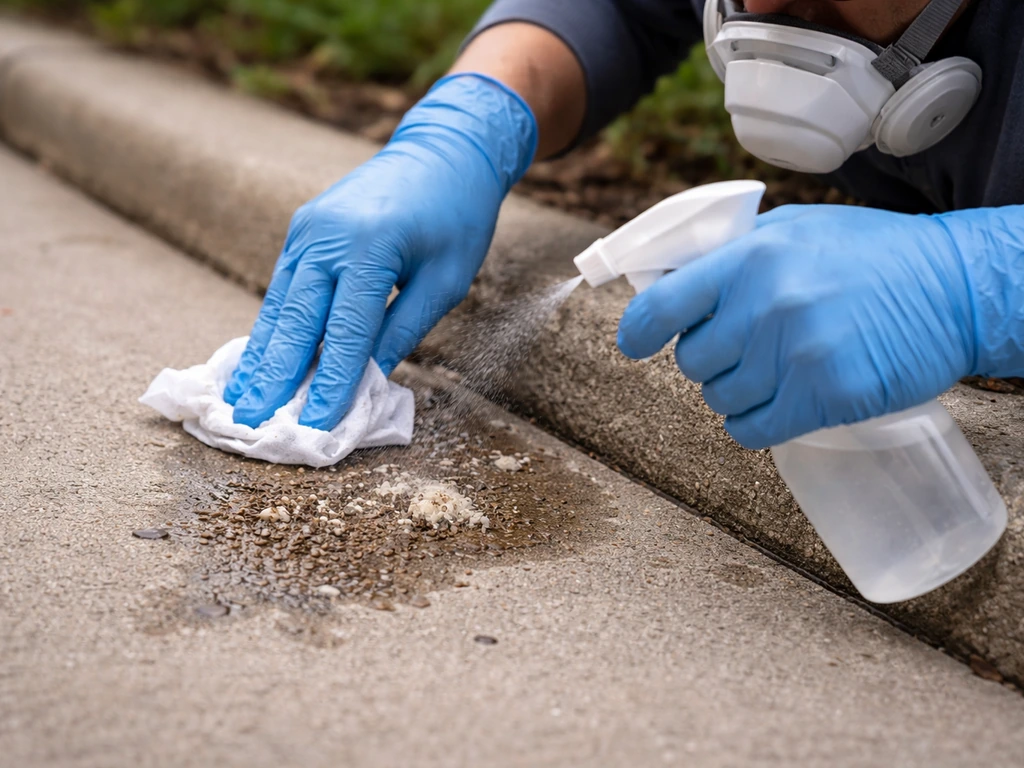
Do not pick it up with bare hands. Use thick disposable gloves, and if you do not have any, double up plastic bags as makeshift hand covers. Avoid touching your face throughout the entire process. Place the bird in a sealed bag for disposal or for reporting to local wildlife authorities. Remove your gloves by turning them inside out, bag them, and wash your hands thoroughly with soap and running water immediately after. If you are worried about whether psittacosis, bird-borne infections, or bird conjunctivitis can spread between birds and people, the same exposure precautions and hygiene habits are important.
Cleaning up droppings
The single most important rule is never dry sweep or vacuum bird droppings. Both actions throw particles into the air, which is exactly how psittacosis and histoplasma spores get into your lungs. Instead, wet the surface first with water or a disinfectant solution, let it soak for a few minutes, and then wipe or scrape it up. For large accumulations, such as in an attic or under a long-standing roost, an industrial vacuum with a high-efficiency filter is a safer option than manual removal.
Use the right PPE every time, even for what seems like a small job. If you underestimate the amount of material or the ventilation is poor, the risk goes up quickly.
- Wear an N95 respirator if you have one. If not, a well-fitting surgical mask is the minimum. A cloth mask alone is not sufficient for this task.
- Wear disposable gloves. For large-volume cleanup, add an outer pair of work gloves over the disposables.
- Wear disposable shoe coverings to avoid tracking contaminated material through your home and to reduce slip risk on wet surfaces.
- Work in a well-ventilated area or prop open a window before you start.
- Bag all waste in sealed plastic bags before carrying them through living areas.
- Remove gloves and shoe coverings before re-entering clean areas, seal them in a bag, and wash your hands with soap and running water for at least 20 seconds.
- Wash any clothing worn during cleanup separately from regular laundry.
Cleaning bird feeders and baths
Feeders and bird baths concentrate wild birds and their droppings in one spot. Clean them at least once every one to two weeks with hot water and detergent. Rinse well and let them dry before refilling. Do not do this cleaning inside your house or near food prep areas. Always wash your hands after handling feeders, even if they look clean.
When to see a doctor and when to call an avian vet
Seek medical care for yourself if
- You develop fever, chills, dry cough, or chest tightness within two weeks of handling wild birds, cleaning droppings, or disturbing a roosting area
- You have eye redness or discharge after exposure to wild birds (a potential sign of avian influenza conjunctivitis)
- You develop significant diarrhea, fever, or stomach cramps within a week of contact with birds, feeders, or contaminated water
- You are bitten or scratched by any wild bird: wash the wound immediately with soap and running water for at least 20 minutes and get medical evaluation the same day
- You are immunocompromised, over 65, or otherwise high-risk and have had any significant exposure, even without symptoms
- Symptoms are severe, worsening rapidly, or you have difficulty breathing
When you go to your doctor, bring as much information as you can: where and when the exposure happened, what you were doing (cleaning droppings, handling a sick bird, finding a dead bird), what the bird looked like and what symptoms it appeared to have, and the timeline from exposure to when your symptoms started. This information helps your doctor narrow down the possible infection quickly.
Contact an avian vet or wildlife rehabilitator if
- You found a sick wild bird and want guidance on safe handling before transporting it
- Your pet bird has had any contact with wild birds and is now showing signs of illness such as lethargy, ruffled feathers, changes in droppings, or labored breathing
- You are unsure whether a bird is safe to approach or handle
- You want professional guidance on isolating a potentially exposed pet bird from other birds in your home
If you have a pet bird that was exposed to wild birds, it is worth knowing that some of these diseases can move in both directions. The question of whether birds can contract certain infections from humans, and what that looks like, is a separate topic worth looking into if your bird starts showing symptoms after any cross-contact. In general, the answer is yes, though it depends on the type of infection and how the exposure happens can a bird get sick from a human.
Prevention steps for bird owners and households
The biggest lever you have is reducing contact between wild birds and your living space, your pet birds, and your hands. These steps address the most common real-world exposure scenarios.
- Keep pet birds housed where wild birds cannot make direct contact with them. Even roosting on or near an outdoor aviary can deposit droppings into shared space.
- Wash your hands with soap and water every time you handle a bird, clean a cage, or touch any bird-related equipment, including feeders and water dishes.
- Clean cages and enclosures regularly to prevent droppings from building up. The thicker the accumulation, the more material gets airborne during cleaning.
- Always wet surfaces before cleaning, and never dry sweep or vacuum bird droppings.
- Wear an N95 respirator and gloves any time you clean up significant amounts of droppings, work in a dusty coop, or disturb a roosting area.
- Keep children away from bird cleanup tasks and enforce handwashing after any contact with birds or bird areas.
- If you feed wild birds, place feeders away from HVAC intakes, windows that open frequently, and areas where children play.
- Use mosquito repellent during peak mosquito season, especially if dead birds in your area have been reported to local health authorities as potential West Nile cases.
- If a family member is immunocompromised, consider having someone else handle bird-related cleaning tasks during high-risk periods.
The goal is not to be afraid of wild birds. Watching and even carefully handling birds is generally very low risk when you follow basic hygiene and use the right protective gear for higher-exposure tasks. Most of the diseases discussed here are preventable with straightforward habits, and knowing the real risk level for each one helps you respond proportionately rather than with unnecessary alarm.
FAQ
Do I need gloves and a dust-control approach even if I only saw a healthy bird?
Yes. Washing hands, avoiding face-touching, and wearing gloves during cleanup matter most. If you are cleaning bird droppings or nesting material near living areas, prevent dust from becoming airborne even if the bird itself looked healthy. The risk is mainly from dried material, not from “touching a bird” once.
When should I call a doctor after a wild bird exposure?
After a possible exposure, seek medical advice promptly if symptoms begin, especially breathing trouble, worsening cough, high fever, or confusion. Also contact a clinician sooner if you are immunocompromised, pregnant, or older (especially for West Nile risk awareness and any febrile illness). Keep the timeline (date/time, activity, when symptoms started) since it helps narrow causes.
What details should I give my doctor if I am not sure which infection I might have caught?
If you cannot identify the specific disease, do not try to self-diagnose. Tell your clinician what you were doing (for example, attic cleanup, feeder cleaning, handling a sick or dead bird), whether the area was enclosed or dusty, and whether you breathed in debris. That history is often more useful than guessing a named infection.
Is a regular face mask enough for cleaning an attic or barn with old droppings?
For routine outdoor exposure, the general hygiene measures are usually enough. But for enclosed cleanups, a properly fitted respirator (not just a loose mask) can be important because aerosolized dust is the key issue for psittacosis and histoplasmosis. If you are dealing with heavy buildup, consider using a professional or industrial crew with the right containment and filtration.
How can I reduce risk when cleaning feeders and bird baths regularly?
Bird feeder and birdbath cleaning frequency helps, but the “location rule” matters too. Clean them away from food prep areas, avoid spreading contaminated water indoors, and let surfaces fully dry. If your hands still smell or feel gritty after cleaning, rinse and scrub again, then wash thoroughly.
If the droppings look fresh, is there still a risk from disturbing them?
Do not rely on “freshness” of droppings. Dried deposits can become airborne once disturbed. If you notice a nest, roost, or heavy staining, treat the area as high risk and wet-soak before removal, then dispose of materials in sealed bags.
What should I do differently if my dog or cat was around wild birds or a dead bird?
Yes. Pets and people can increase risk through shared contact with contaminated dust or surfaces. Clean up pet bedding and wipe down areas where the pet may have carried material (leashes, paws, crate floor) after any wild bird contact. Keep pets from investigating carcasses or nesting areas.
If I find dead birds, do I need to worry about West Nile versus bird-borne infections?
If you find dead birds, focus on your own exposure first, and use mosquito prevention where relevant for West Nile. For direct bird-borne risk, avoid handling with bare hands, bag it for disposal, and report to local wildlife authorities if recommended in your area. Do not assume one dead bird means a personal infection risk, but it can indicate local circulation.
How long after exposure would symptoms typically show up?
Common time windows can guide urgency, but symptoms timing is not diagnostic. Psittacosis often starts about 5 to 14 days after exposure, histoplasmosis about 3 to 17 days, and West Nile symptoms (when they occur) about 2 to 14 days after a mosquito bite. Use these ranges to decide when to seek care if you develop relevant symptoms.
Should I disinfect the entire house after cleaning a small spot of bird droppings?
If an exposure happened, cleaning immediately with wet methods and thorough handwashing is reasonable, but do not “over-clean” your whole home based on one event. Instead, focus on the exact area you disturbed, plus nearby surfaces your hands contacted. For large or ongoing contamination, consider professional cleanup.
What are common cleanup mistakes that increase exposure risk after contact with bird droppings?
Do not create a cross-contamination cycle. Keep your cleanup tools dedicated to that task, store them away from food prep areas, and replace or launder disposable items. If gloves or bags tear during cleanup, stop and replace, then continue using a controlled wet-soak and removal process.
How should my safety steps change if someone at home is immunocompromised or elderly?
Yes, depending on your household situation. If there are children, older adults, or anyone with weakened immunity, treat even “small” cleanup jobs as higher stakes. Consider extra ventilation, stricter dust control, and possibly having someone else handle cleanup while the at-risk person stays away until the area is fully cleaned and dry.
Bird Diseases That Humans Can Catch: Symptoms and Safety Steps
Symptoms, zoonotic risks, and step-by-step safety actions for bird illnesses that can spread to humans.