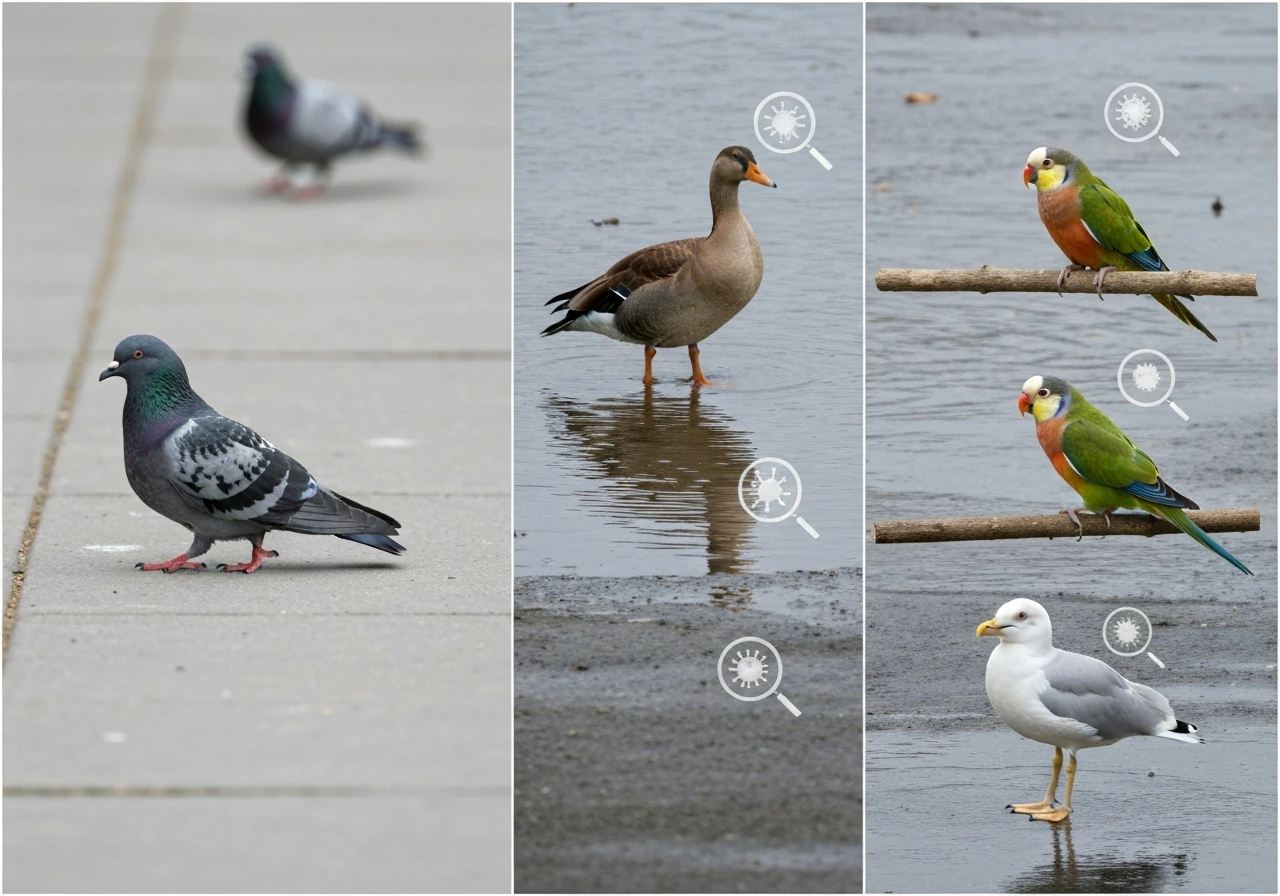
Bird guano is more than a nuisance. Dried, disturbed droppings can release airborne fungal spores and bacteria that cause real respiratory illness in both humans and birds. The two biggest concerns are histoplasmosis (from inhaling Histoplasma spores that thrive in guano-contaminated soil or surfaces) and psittacosis (from inhaling dust containing dried droppings from infected birds). Most healthy adults recover without serious problems, but certain exposures, especially large amounts of dried guano disturbed without protection, can cause serious lung disease even in otherwise healthy people. The good news is that the risk is highly preventable once you know what to do.
Bird Guano Health Risks: Symptoms, Cleanup, and Prevention

Marcus Webb
1 Jun 2026
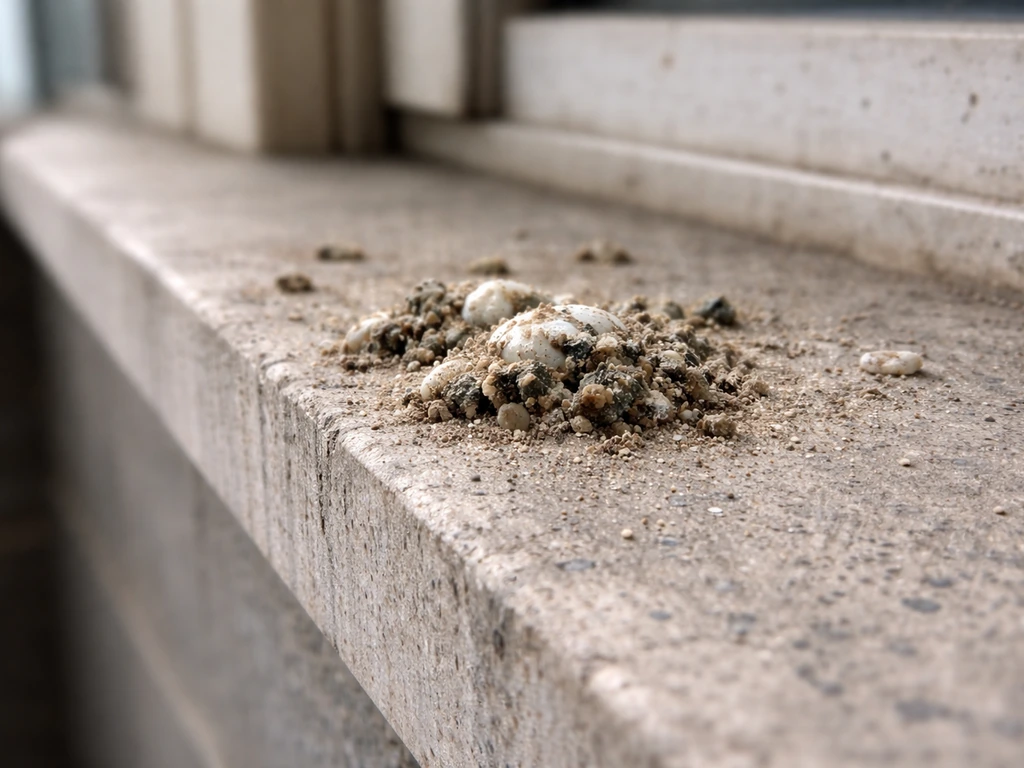
Why bird guano can be risky (and when risk is highest)
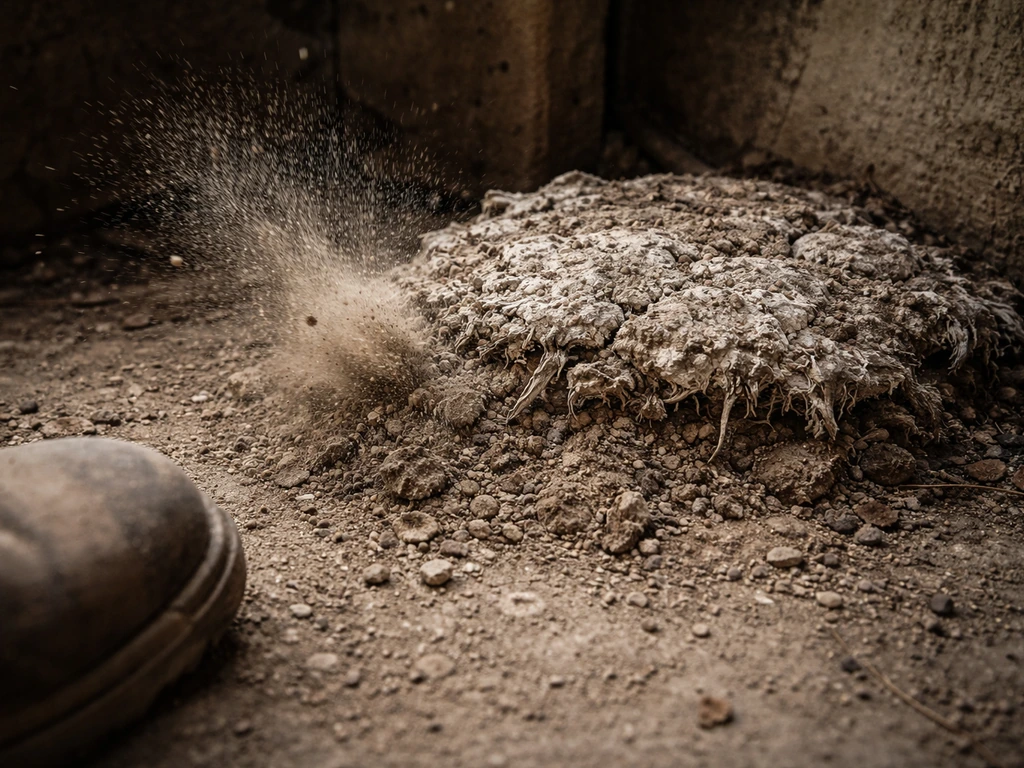
Fresh droppings are generally low risk if you don't touch them directly. The danger goes up significantly when guano dries out, accumulates in volume, and then gets disturbed. That disturbance, whether from sweeping, scraping, pressure washing, or even just walking through an affected area, throws microscopic spores and particles into the air. Once airborne, they can travel into your lungs before you even realize what happened.
Risk is highest in a few specific situations: large, old accumulations (think roosting areas under bridges, in attics, in barns, or on balconies with ongoing pigeon or starling activity), confined spaces with poor ventilation where aerosolized material has nowhere to go, and any cleanup done without a proper respirator or wetting the material first. Even a brief inhalation of heavily contaminated dust can be enough to trigger infection.
People at elevated risk include those with asthma, COPD, or other lung conditions, people who are immunocompromised, pregnant individuals, and young children. If you fall into any of these groups, you should not personally handle cleanup of significant guano accumulations, and even minor exposures deserve prompt attention if symptoms develop.
Human health risks and the infections most linked to droppings
Histoplasmosis
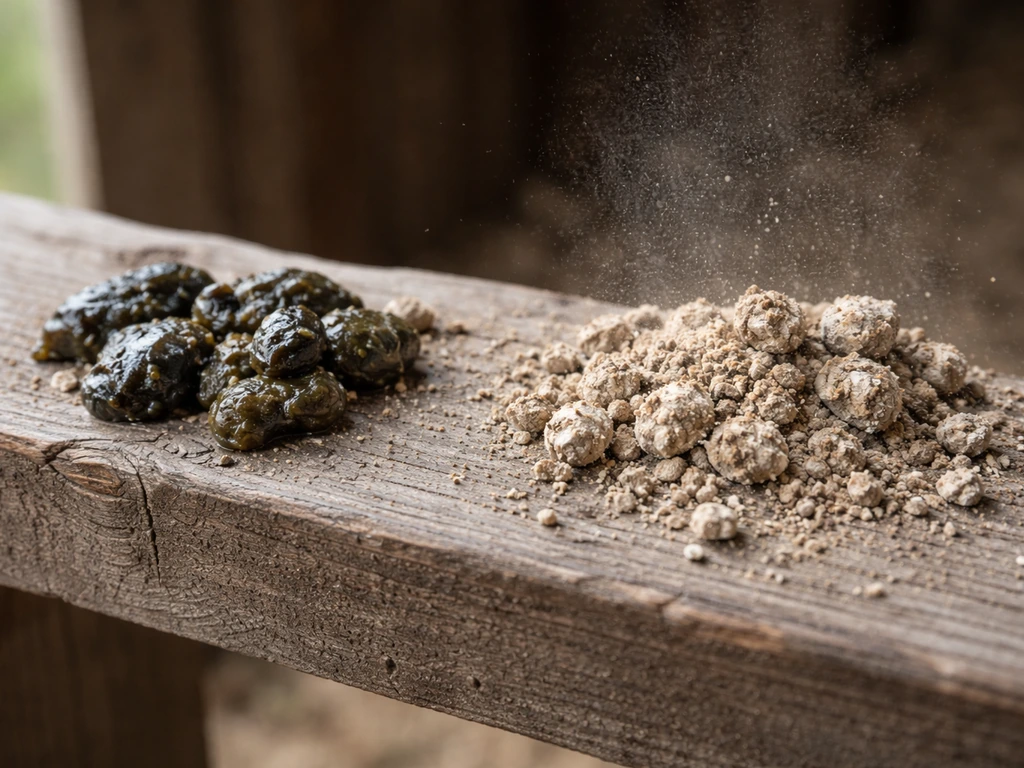
Histoplasmosis is caused by inhaling spores of the fungus Histoplasma, which grows in soil and on surfaces contaminated with bird or bat droppings. You don't catch it from another person; it comes entirely from the environment. Most exposures cause mild or no symptoms, but a heavy exposure can cause flu-like illness or serious pneumonia. In rare cases, it can spread beyond the lungs to affect the brain and other organs. The 1995 Kentucky outbreak traced to disturbed bird guano is a documented example of how quickly this can affect multiple people at once.
Psittacosis (avian chlamydiosis)
Psittacosis is caused by the bacterium Chlamydia psittaci and is most commonly spread by inhaling dust from dried droppings or respiratory secretions from infected birds. The incubation period is typically 5 to 14 days after exposure, though longer periods have been reported. Most cases start with abrupt fever, chills, headache, muscle aches, and fatigue. Severe cases can develop into pneumonia requiring hospitalization and, in rare situations, neurological complications. Pet bird owners, poultry workers, and anyone spending time around birds in enclosed spaces carry the most risk.
Avian influenza, Campylobacter, and E. coli
Avian influenza A viruses are shed in infected birds' saliva, mucus, and feces. While transmission to humans is uncommon, it has happened, and touching surfaces or materials contaminated with feces from birds with suspected or confirmed avian flu carries real risk, particularly for backyard flock owners and agricultural workers. Campylobacter can also transfer via direct contact with animal feces, cages, coops, and contaminated environments. CDC similarly notes that Campylobacter infection can spread through contaminated food practices and also through exposure pathways such as touching animal habitats and “poop” or belongings like cages, coops, stalls, or barns Campylobacter can transfer via direct contact with animal feces, cages, coops, and contaminated environments. E. coli exposure from fecal-contaminated surfaces is another, lower-profile risk worth noting, especially for young children who may touch contaminated surfaces and then touch their faces or food.
Bird health risks from guano exposure
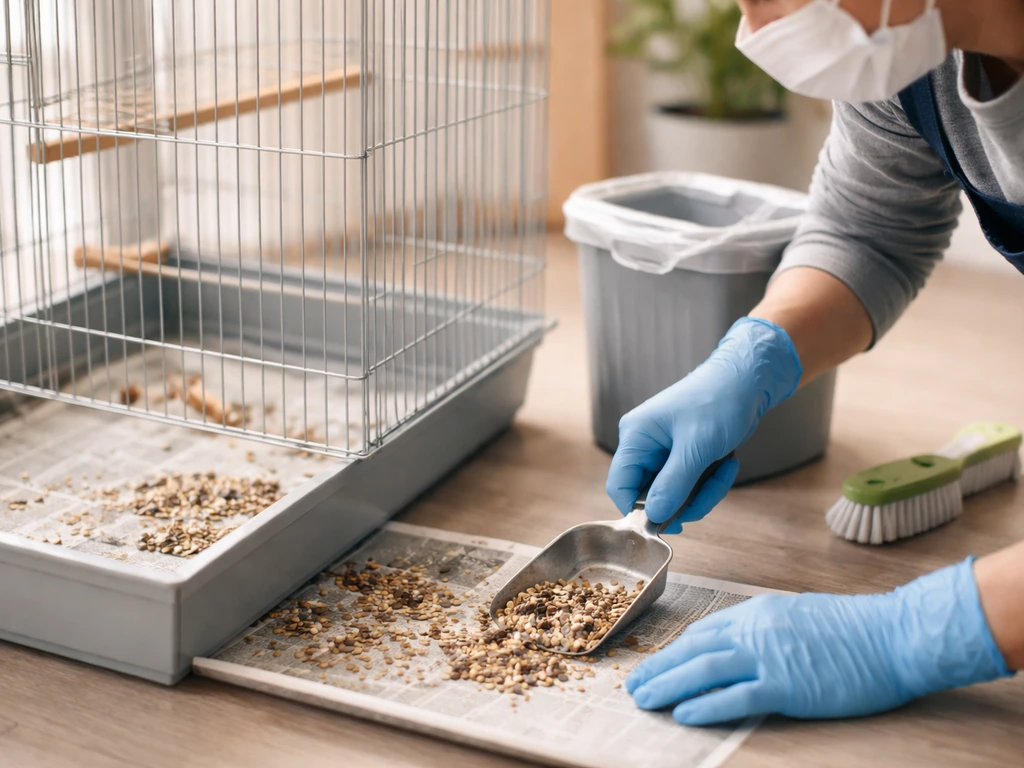
Guano isn't just a human health concern. Pet birds living in cages or aviaries where droppings accumulate are at risk too. Built-up droppings create a breeding ground for bacteria, mold, and parasites that birds can inhale or ingest. Aviary conditions with poor sanitation increase the spread of Chlamydia psittaci between birds, which is part of why psittacosis can appear in multiple birds in the same flock or collection.
For pet birds specifically, the risk compounds when cage cleaning is infrequent. Daily removal of droppings and weekly disinfection of the cage and food and water bowls are the baseline standard for keeping exposure low for both the bird and the people in the household. Wild birds that visit feeders or nest near homes can also introduce pathogens into those environments, contaminating surfaces that people and pet birds later contact. If you're concerned about diseases that birds can carry more broadly, the relationship between bird nests and infection risk follows similar principles. If you are wondering, can a bird nest make you sick, the answer is yes, mainly because bird droppings and dried debris from nests can release spores and bacteria when disturbed bird nests and infection risk. Bird nests can be risky too, because dried droppings inside or around a nest can release spores and bacteria into the air when disturbed.
Symptoms to watch for after exposure (and when it's an emergency)
After any significant guano exposure, especially without proper protection, keep track of how you feel for the next two weeks. The key symptoms to watch are fever, dry or productive cough, chest pain, shortness of breath, headache, fatigue, and muscle aches. These overlap with common respiratory infections, which is exactly why guano exposure history matters when you talk to a doctor.
Symptoms that warrant urgent or emergency evaluation include: difficulty breathing or shortness of breath at rest, chest pain that worsens with breathing, high fever that doesn't respond to over-the-counter medication, confusion or disorientation, and any neurological symptoms. If you develop eye redness or discharge alongside respiratory symptoms after bird exposure, mention that to your doctor too, as it can be relevant in avian influenza exposure contexts.
For birds in your care, watch for lethargy, fluffed feathers, labored breathing, nasal or eye discharge, watery or discolored droppings, or decreased appetite. Any of these signs after a change in environment or exposure to new birds or droppings warrant a vet call, not a wait-and-see approach.
Safe cleanup: PPE, steps, and disinfecting by surface type
What to wear before you start
- Respirator: Use an N95 or better (P100 or HEPA-filter half-mask for large accumulations). A standard surgical or cloth mask does not filter fine particles well enough. If N95 is unavailable, a well-fitted disposable mask is better than nothing, but get an N95 for anything beyond a few small fresh droppings.
- Gloves: Disposable nitrile or latex gloves. Double-glove if you're handling large volumes.
- Eye protection: Safety glasses or goggles if there's any risk of splashing or aerosolization.
- Disposable coveralls or clothes you can bag and wash immediately on the hottest setting: This matters most for large cleanup jobs in enclosed spaces.
The core cleanup process
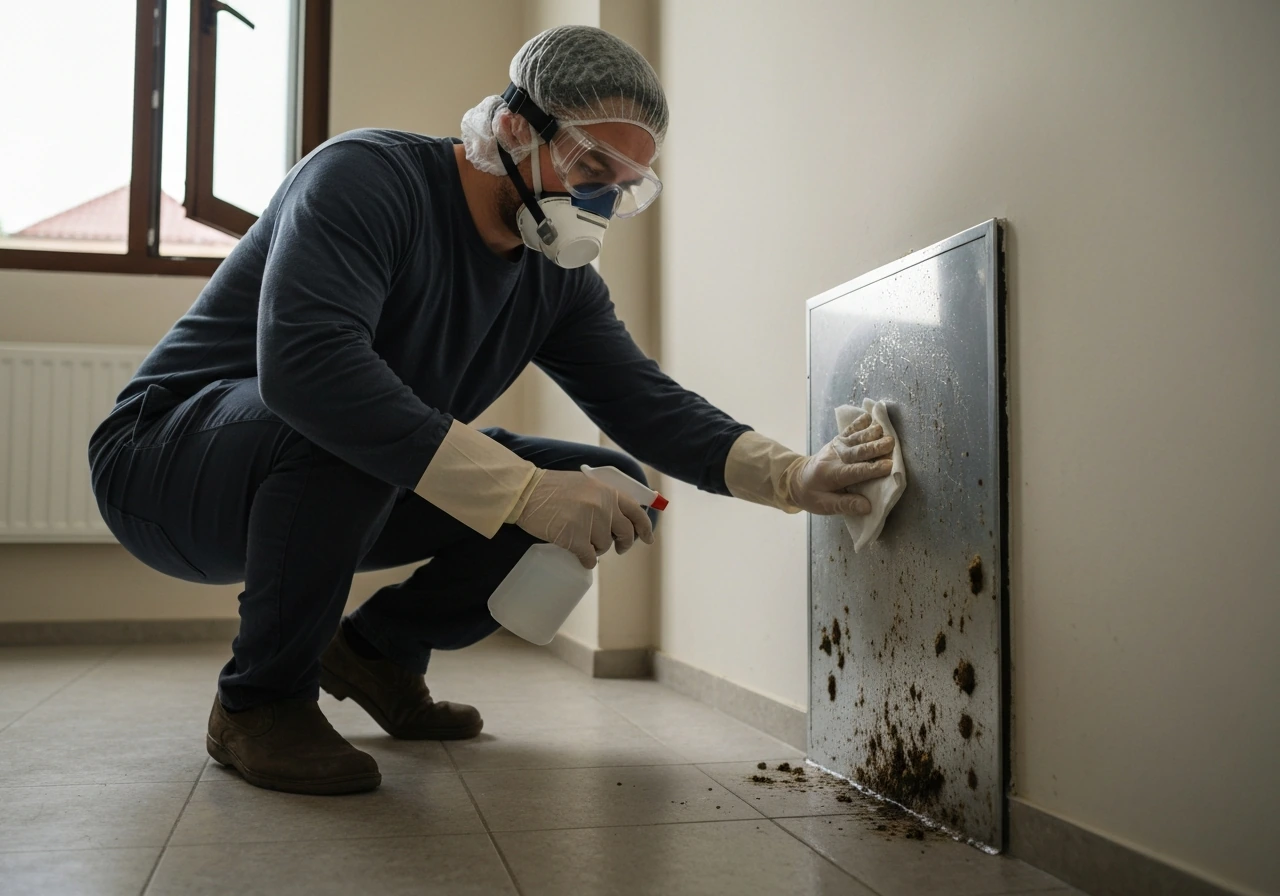
- Ventilate the area if possible: Open windows and doors before starting, and let air flow for several minutes. For indoor spaces with large accumulations, consider running an exhaust fan directed outward.
- Wet the material before touching it: This is the single most important step. Spray the droppings thoroughly with water mixed with a disinfectant (a diluted bleach solution of 1 part bleach to 10 parts water works for most non-porous surfaces, or use an EPA-registered disinfectant). Let it soak for several minutes. Wetting prevents spores and particles from becoming airborne.
- Pick up, don't sweep or vacuum: Use paper towels or disposable rags to wipe up the wetted material. Place everything directly into a heavy-duty plastic bag.
- Seal the bag immediately: Double-bag it and seal with tape. Dispose of it in outdoor trash.
- Disinfect the surface: After removing the bulk material, re-apply your disinfectant to the surface and let it sit for the contact time listed on the product label.
- Remove PPE carefully: Peel off gloves inside-out, remove eye protection without touching your face, and dispose of all single-use items in the same bag if possible.
- Wash hands thoroughly: Use soap and water for at least 20 seconds, even if you wore gloves.
Surface-specific guidance
| Surface type | Recommended approach | Disinfectant options |
|---|---|---|
| Non-porous (concrete, tile, metal, glass, plastic) | Wet thoroughly, wipe up, then disinfect and allow contact time | Diluted bleach (1:10), EPA-registered quaternary ammonium, or hydrogen peroxide cleaner |
| Porous (wood, unfinished surfaces, fabric) | Wet and remove as much material as possible; porous surfaces may retain contamination and could need replacement if heavily soiled | Enzyme cleaner followed by EPA-registered disinfectant; bleach can damage wood |
| Bird cages and equipment | Wet surfaces with water or disinfectant before wiping; clean daily for droppings, weekly full disinfection of cage and accessories | Diluted bleach solution, avian-safe disinfectants (check bird-safe labeling); rinse thoroughly |
| Soil or gravel (outdoor areas) | Wet area to minimize dust; remove top layer of contaminated material; bag and seal for disposal | No practical surface disinfectant for open soil; physical removal is the priority |
| Pool or fountain | Use skimmer or net (do not vacuum), remove droppings, then follow pool disinfection protocol appropriate to your system | Standard pool chlorination; consult CDC healthy swimming guidance for details |
For very large accumulations (think attic infestations, large roosting sites, or commercial premises) a NIOSH-recommended industrial vacuum system with high-efficiency filtration is the appropriate tool. This is not a job for a standard household vacuum. In these cases, professional environmental cleanup is the safest path.
What not to do during cleanup
- Do not dry sweep or use a broom on dried droppings: Sweeping throws particles directly into breathing air.
- Do not use a standard vacuum cleaner: Household vacuums recirculate fine particles back into the air unless they have a HEPA filter, and even then they can be difficult to decontaminate afterward.
- Do not power wash dry droppings: Pressure washing without pre-wetting and containment aerosolizes material widely and can contaminate surrounding surfaces.
- Do not use bleach on porous or wood surfaces without checking compatibility: Bleach can damage surfaces and create splashback, and it doesn't penetrate porous materials effectively.
- Do not work without respiratory protection, especially in enclosed or poorly ventilated spaces.
- Do not let children or pets into the area during or immediately after cleanup.
- Do not touch your face, eat, or drink while handling contaminated materials.
- Do not assume gloves alone are sufficient: Hand-to-face contamination after glove removal is a common mistake.
If you are in a high-risk group (asthma, COPD, immunosuppression, pregnancy, or under 5 years old), the honest recommendation is to not personally handle guano cleanup at all, especially if the accumulation is more than trivial. Assign the task to someone else or hire a professional.
When to see a doctor or vet, and what to tell them
See a doctor if you develop fever, cough, chest pain, or significant fatigue within two weeks of any guano exposure, especially if the exposure involved dried or disturbed material in a confined space. You may also wonder whether kissing a bird could make you sick, but the same general idea applies: avoid contact with droppings or contaminated surfaces and seek care if symptoms appear after any bird exposure sick from kissing a bird. There is also a concerning link between exposure to certain birds and outcomes like disease and death which bird can predict disease and death. Don't assume it's just a cold. Tell your doctor specifically that you were exposed to bird droppings, how long ago, approximately how much material was involved (a few spots versus a large accumulation), whether you were in an enclosed or outdoor space, and whether you wore respiratory protection. That information changes which tests they'll consider, including testing for histoplasmosis or Chlamydia psittaci.
If you can, take photos of the area before cleanup. Knowing the scale and location of the exposure helps a clinician assess risk. If avian influenza is a possibility (because the birds involved were wild waterfowl, poultry, or showed signs of illness), tell your doctor immediately and contact your local health department. Monitor yourself for respiratory illness and conjunctivitis for 10 days after the last potential exposure.
For birds in your care, call an avian veterinarian if your bird shows any respiratory symptoms, behavior changes, or abnormal droppings following a sanitation lapse or exposure to new birds. Mention the bird's environment, any recent changes in cage cleaning frequency, and whether wild birds have had access to the area. Because psittacosis can pass from birds to people, a sick bird in the household is a human health concern as well.
Preventing guano buildup and making your routine safer going forward
For pet bird owners
- Clean droppings from the cage tray daily. Daily removal prevents accumulation and keeps exposure low for both you and your bird.
- Do a full cage disinfection weekly, including food and water bowls. Wet surfaces before wiping, never dry scrape.
- Wash your hands every single time you handle the cage, droppings, or cage accessories, even if you wore gloves.
- Keep cage cleaning supplies separate from kitchen or general household items.
- Quarantine new birds for at least 30 days before introducing them to existing birds, to reduce the risk of bringing in psittacosis or other infections.
For homes, balconies, and outdoor areas with wild bird activity
- Remove bird feeders or relocate them away from areas where people gather, especially if droppings accumulate on frequently touched surfaces.
- Use bird exclusion measures (netting, spikes, sloped ledge covers) to prevent roosting on balconies, sills, or eaves where buildup occurs. Exclusion is more effective long-term than repeated cleanup.
- Inspect attics, garages, and outbuildings for signs of roosting. Address entry points before significant accumulation occurs.
- Do a quick wet-wipe of any bird droppings on outdoor furniture or railings before anyone uses those surfaces.
- Avoid handling dead wild birds with bare hands. Use gloves and a bag, and wash hands thoroughly afterward.
The core principle for prevention is straightforward: don't let droppings accumulate, and never disturb dried droppings without wetting them first and protecting your airway. The CDC advises blank" rel="noopener noreferrer">cleaning pet bird cages and enclosures using appropriate precautions, including not picking up droppings with bare hands and cleaning and disinfecting cages and equipment to prevent buildup. The overall risk profile of diseases carried by birds varies, but choosing when and how birds are present helps explain why some people face higher exposure than others The core principle for prevention. Most guano-related illnesses happen because someone cleaned up without thinking about respiratory protection. If you adopt that one habit, you cut your risk dramatically.
FAQ
If I only touched fresh bird droppings, should I worry about bird guano health risks?
Not automatically. Histoplasma and the other main threats come from airborne dust and dried contaminated material, so the risk usually rises when droppings are dry, old, and disturbed. Still, if you were in a confined, poorly ventilated area or you were around visible dust getting kicked up, treat it as a real exposure and monitor symptoms for about 2 weeks.
Does gentle sweeping or scraping still count as a dangerous way to clean bird guano?
Yes, because dry material can aerosolize even with “light” cleaning. Wetting the area before sweeping or scraping reduces the amount of dust that becomes airborne, and using a properly fitted respirator (not just a loose dust mask) is important when you cannot avoid disturbing contaminated material.
Why is using a normal vacuum to clean up guano a bad idea?
A household vacuum is a common mistake because it can blow fine particles back into the air. For significant accumulations, use a NIOSH-recommended industrial vacuum system with high-efficiency filtration, or hire professionals to avoid aerosolizing spores and bacteria.
When should I call a doctor after a bird guano exposure?
Most people should not wait to see if symptoms “pass” when there is fever, cough, chest pain, or shortness of breath after a guano exposure. Seek medical advice promptly, especially if symptoms start within 2 weeks or the exposure involved dried or disturbed material in an enclosed space. Early mention of the exposure helps clinicians consider the right tests.
Can bird guano health risks spread through surfaces I touched, even if I never cleaned directly?
In most cases it is not the bird poop itself you should worry about, it is the contaminated dust on surfaces after droppings dry and get disturbed. Avoid touching your face and wash hands well after any contact with potentially contaminated surfaces, and clean with wet methods rather than dry wiping if there is visible contamination.
What should I do if I’m in a higher-risk group but the guano cleanup seems small?
If you have asthma, COPD, are immunocompromised, are pregnant, or are a young child, the safest choice is to avoid personally handling nontrivial cleanup. For smaller amounts, follow the same core rules (wet first, minimize disturbance, protect your airway), but if you can’t guarantee that, assign the task or hire help.
What are the best practical steps to reduce exposure during bird guano cleanup?
Put protection between you and dust and reduce spread. Keep others and pets away, ventilate if possible, wet the area before any disturbance, use a properly fitted respirator, and bag waste promptly. Also disinfect or clean nearby high-touch surfaces afterward, since fine particles can settle beyond the visible pile.
Should I mention eye symptoms if I’m having cough or fever after bird exposure?
Yes. If you develop eye redness or discharge along with respiratory symptoms after bird exposure, tell your clinician. That combination can be relevant when assessing potential avian-related infections rather than treating it as a routine cold.
How long should I monitor myself after a possible avian flu exposure from contaminated bird material?
For avian influenza concerns, timing matters. Monitor respiratory symptoms and conjunctivitis for about 10 days after the last possible exposure, and notify your clinician right away if symptoms develop, especially after exposure to wild waterfowl or poultry or birds that were ill.
My pet bird seems sick after cage cleaning, what should I do next?
If your bird becomes ill after a sanitation lapse or after new birds were introduced, contact an avian veterinarian promptly and describe the environment and cleaning frequency. Psittacosis can affect multiple birds in the same collection, and a sick bird in the home is also a potential human health concern.
At what point should I hire professionals instead of doing cleanup myself?
If there are significant accumulations in attics, barns, bridges, or large roosting sites, professional environmental cleanup is the safest route because the main risk comes from aerosolizing old dried material. Professionals can control dust, contain contaminated areas, and use appropriate filtration and protective measures.
Next Article
What Bird Carries the Most Diseases? Evidence-Based Risk Guide
No single bird carries the most diseases; learn which birds pose specific risks, symptoms to watch, and safe exposure st