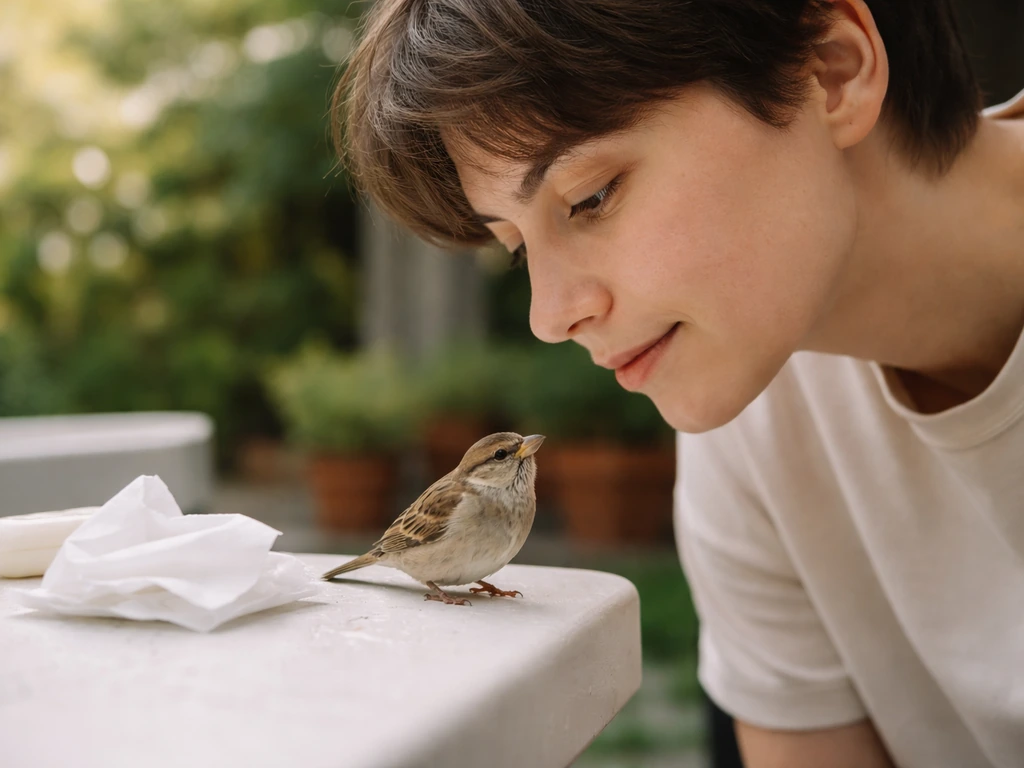
Yes, a bird nest can make you sick, and the risk is real enough to take seriously. The main danger isn't the nest materials themselves but what accumulates in and around them: dried droppings, feathers, and dust that carries fungal spores, bacteria, and other pathogens. When that material gets disturbed, whether by wind, a curious hand, or someone sweeping it away, fine particles become airborne and can be inhaled. Most healthy adults won't have a serious reaction, but some people absolutely will, and even a mild exposure in an enclosed space can cause noticeable respiratory symptoms.
Can a Bird Nest Make You Sick? Symptoms and Safe Cleanup

Marcus Webb
19 Jun 2026
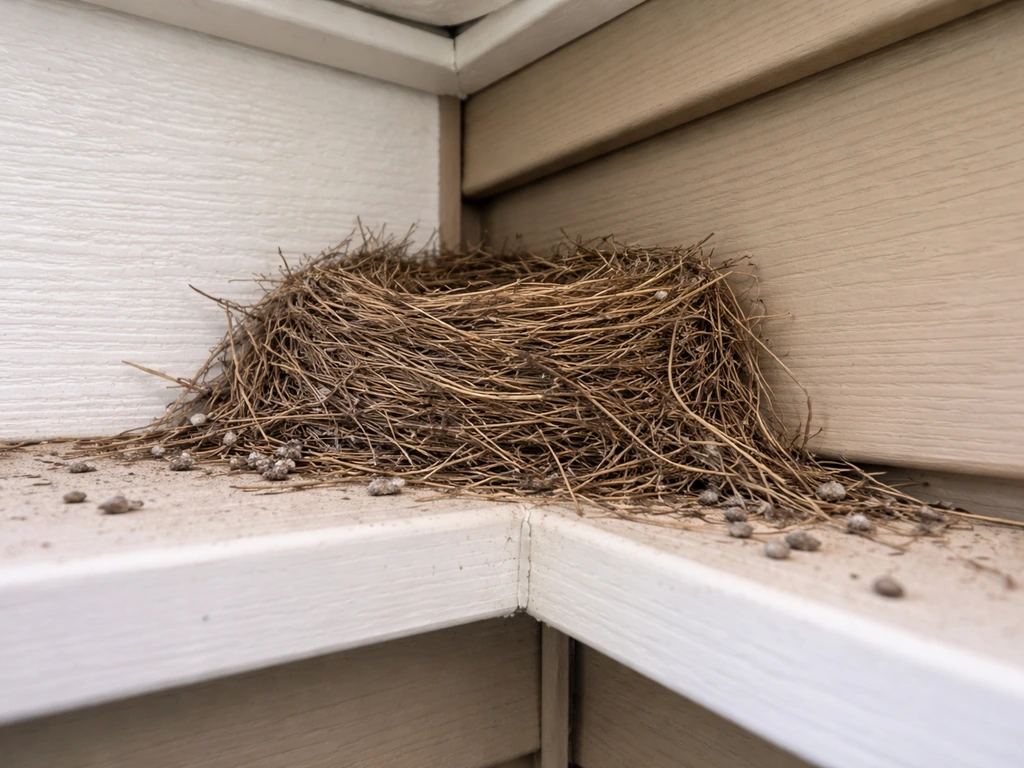
How bird nests can cause illness
The exposure routes matter a lot here because they determine what precautions you actually need. There are four main ways a bird nest puts you at risk.
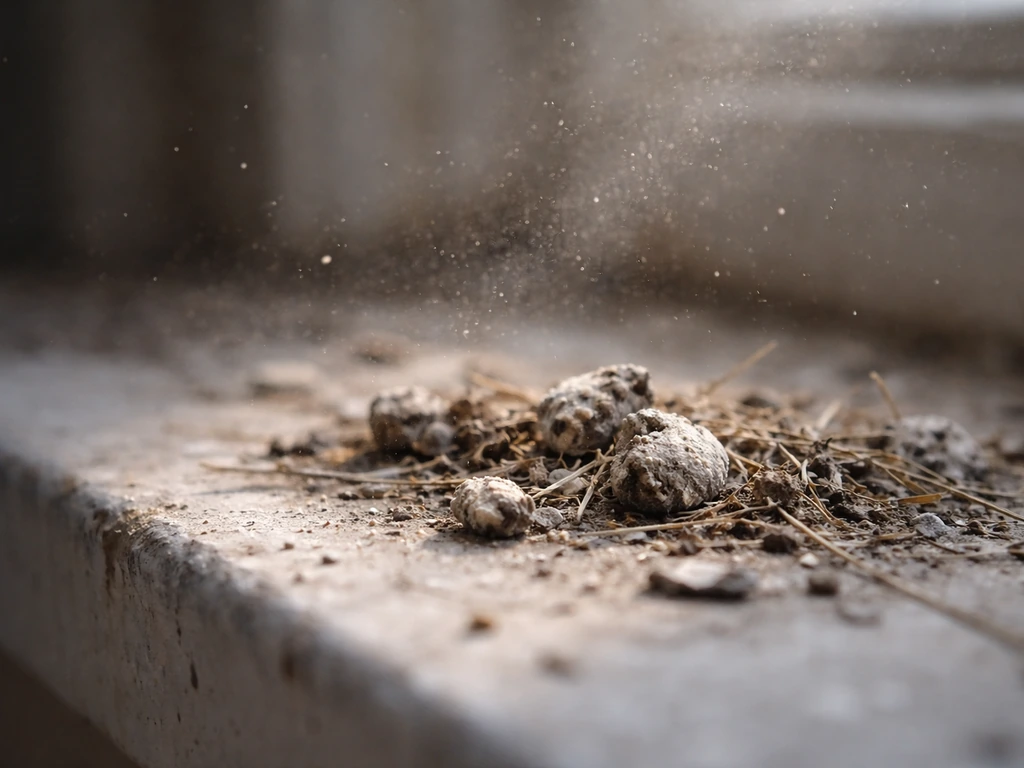
- Inhaling airborne dust and aerosols: Dried droppings and nesting debris crumble into fine particles that float in the air. This is the single most common route of exposure and the one most likely to cause respiratory illness. It happens easily when you disturb a nest, run a fan near one, sweep a patio, or even walk through an area where droppings have accumulated.
- Direct skin and mucous membrane contact: Touching a nest, droppings, or contaminated surfaces and then touching your eyes, nose, or mouth transfers pathogens directly. This is exactly why hand hygiene after any contact with bird material matters so much.
- Contaminated surfaces: Droppings don't stay put. They dry, crack, and spread across decking, window ledges, air vents, and HVAC intakes. From there, particles can travel indoors without anyone touching the nest at all.
- Secondary pests and vectors: Old nests often harbor parasites like mites, ticks, and fleas that can bite people or migrate indoors after the birds leave. These are a separate health concern on top of the pathogen risks from the nest material itself.
Of all these routes, inhalation is the one to focus on most. The particles in dried droppings are small enough to reach deep into the lungs, and that's where the more serious illnesses originate. Enclosed or poorly ventilated spaces like attics, crawl spaces, or wall cavities make the risk meaningfully higher because disturbed particles have nowhere to go.
Symptoms people notice after exposure
Symptoms can look a lot like a regular cold or flu, which is part of why people don't always connect the exposure to how they're feeling. The timing matters: many illnesses linked to bird nest exposure appear anywhere from 3 to 17 days after the event, so a cleanup you did two weeks ago could be connected to symptoms you're dealing with now.
Common symptoms after exposure to bird nest material include:
- Dry or persistent cough
- Fever and chills
- Headache and muscle aches
- Fatigue or general malaise
- Chest tightness or mild shortness of breath
- Nasal irritation, runny nose, or watery eyes
- Worsening asthma or allergy symptoms
If the exposure triggered a fungal infection like histoplasmosis, the CDC notes that symptoms typically include fever, cough, malaise, headache, chest pain, and chills. These can feel identical to a chest cold or bronchitis at first. Psittacosis, caused by bacteria found in the droppings and respiratory secretions of infected birds, typically appears 5 to 14 days after exposure and can start as an upper respiratory infection that progresses to pneumonia. Bird fancier's lung, a form of hypersensitivity pneumonitis, adds a flu-like presentation with fever, muscle and joint pain, and shortness of breath that often starts within hours to days of exposure to avian dust or droppings.
Higher-risk groups: allergies, asthma, and weakened immunity
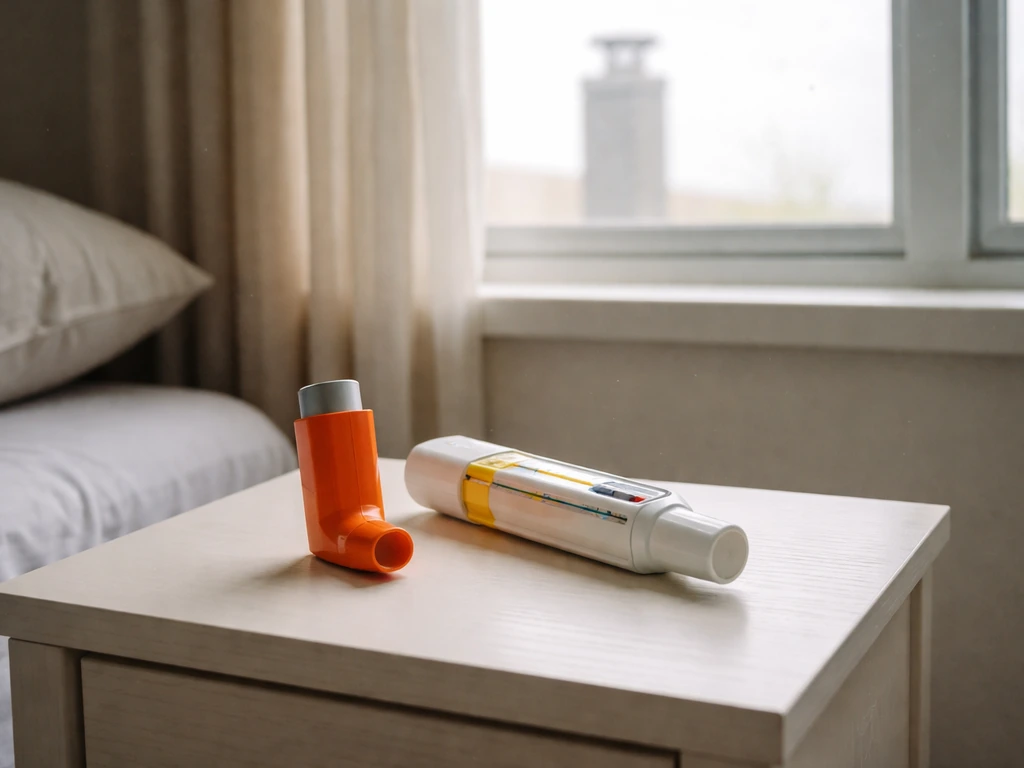
Most healthy adults who get a brief, low-level exposure to a nest won't get seriously ill. But that math changes significantly for certain groups, and if anyone in these categories lives in or frequents the space near the nest, the cleanup and prevention steps become more urgent.
- People with asthma or chronic lung disease: Inhaling nest dust or fungal spores can trigger asthma attacks or worsen COPD. Even a small exposure can cause symptoms significant enough to need treatment.
- People with allergies: Avian proteins from feathers and droppings are known allergens. Repeated exposure can cause or worsen sensitization, and for some people this leads to bird fancier's lung, a form of hypersensitivity pneumonitis that can cause permanent lung damage if not caught early.
- Immunocompromised individuals: People on immunosuppressant medications, those undergoing cancer treatment, people with HIV, or anyone with a condition that affects immune function are at risk for disseminated histoplasmosis and other more serious forms of these infections. The CDC specifically identifies this group as high-risk for severe outcomes.
- Adults over 55 and infants: The CDC identifies these age groups as more vulnerable to histoplasmosis. Young children are also more likely to put their hands in their mouths after touching contaminated surfaces.
- People with prior lung disease: A history of pulmonary conditions can predispose someone to chronic forms of histoplasmosis even after a relatively modest exposure.
If you fall into any of these categories, don't do the cleanup yourself. This isn't overly cautious advice: the risks are genuinely higher, and hiring a professional or having an unaffected, healthy adult handle removal with proper PPE is the smarter call.
When it's urgent: warning signs that need same-day care
Most bird nest exposures don't result in a medical emergency, but some do. Know these warning signs and act on them the same day, not after a weekend of hoping it improves.
- Shortness of breath or difficulty breathing, especially at rest or with minimal exertion
- Chest pain or pressure
- High fever (over 103°F / 39.4°C) that isn't responding to over-the-counter fever reducers
- Coughing up blood or discolored mucus
- Confusion, extreme fatigue, or feeling significantly worse over 24 to 48 hours
- Severe worsening of existing asthma that isn't controlled by your usual inhaler
- Any respiratory symptoms in an immunocompromised person, an infant, or a very elderly individual after known exposure
When you see a doctor or go to urgent care, tell them about the bird nest exposure and when it happened. Mention any birds involved if you know the species, since psittacosis is more commonly linked to parrots, parakeets, and other psittacine birds, while histoplasmosis risk goes up with large accumulations of droppings from any bird species. That context helps clinicians narrow down what they're looking for and how quickly to act.
Psittacosis can range from mild respiratory symptoms to severe pneumonia requiring ICU care in some cases. Hypersensitivity pneumonitis, without treatment, can progress to permanent lung damage. These aren't likely outcomes for most people, but they are documented ones, and the severity is why it's worth taking symptoms seriously rather than waiting them out.
How to clean up a bird nest safely
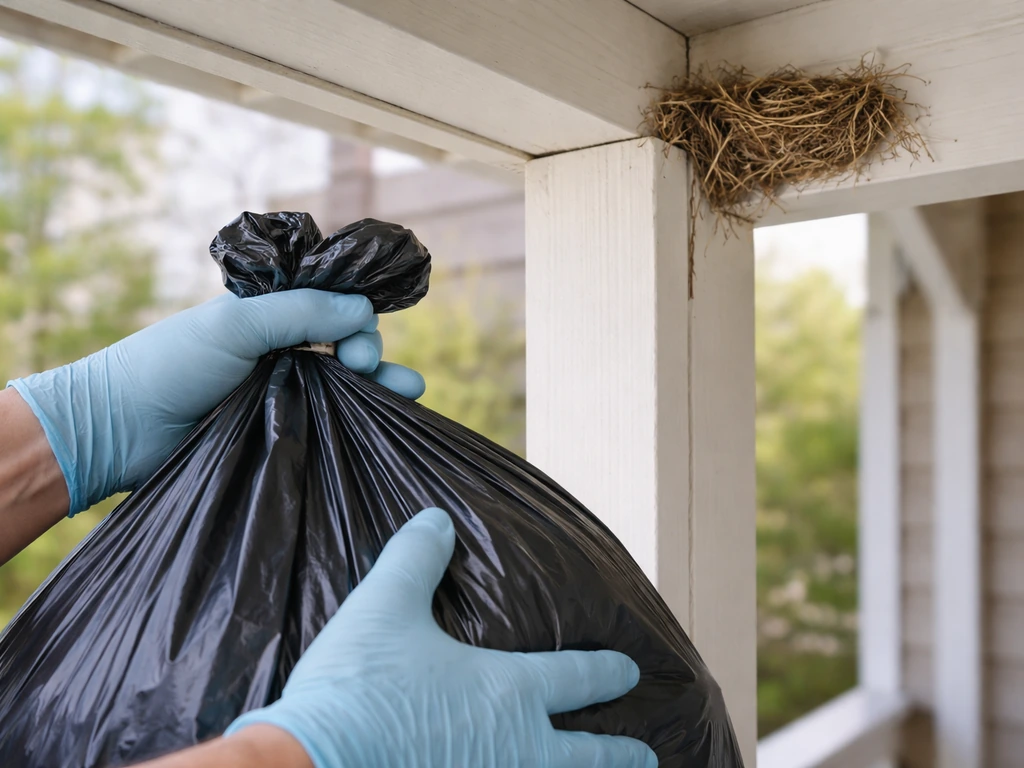
Before you touch anything, pause and think about the space you're dealing with. An outdoor nest on a porch railing with a small amount of droppings is a different situation than a nest inside an attic vent surrounded by years of accumulated material. The bigger the accumulation and the more enclosed the space, the more important every step below becomes.
What you'll need
- NIOSH-approved N95 respirator (not just a dust mask or surgical mask)
- Disposable gloves
- Safety goggles or eye protection
- Disposable coveralls or old clothes you can bag immediately after
- Spray bottle or garden sprayer with water and a disinfectant (diluted bleach or an EPA-registered disinfectant works)
- Heavy-duty garbage bags
- Paper towels or disposable rags
Step-by-step removal
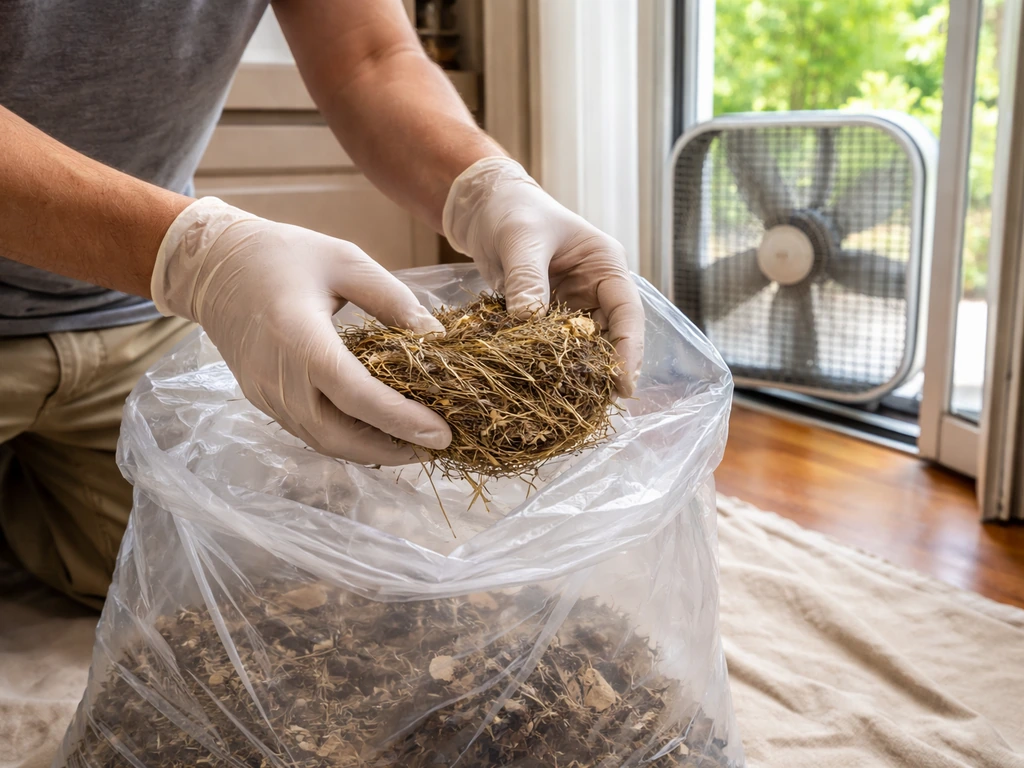
- Ventilate if indoors: Open windows and doors before you start, and if possible, use a fan to push air outward (away from living areas) rather than circulating it. For enclosed spaces like attics, wait for a day with good airflow.
- Put on your PPE before you enter the area: Get your N95, gloves, and eye protection on before you get close to the nest or droppings. Don't put them on after you've already stirred things up.
- Wet everything down first: Using your spray bottle, thoroughly dampen the nest, the droppings around it, and any surrounding dust. This is the single most important step. Wetting the material prevents dried particles from becoming airborne. Both the CDC and Washington State DOH specifically recommend this before any cleaning. Don't skip it.
- Avoid dry sweeping, brushing, or vacuuming: This is a hard rule. Dry sweeping and vacuuming aerosolize dried material and send it into the air you're breathing. Even a standard vacuum with a HEPA filter can release particles if the seal isn't perfect. Use damp paper towels or rags to collect wet material instead.
- Scoop and bag the nest material: Place the nest, droppings, and contaminated material directly into a heavy-duty garbage bag. Double-bag it. Seal it tightly.
- Wipe down surrounding surfaces: Use a disinfectant to wipe the area where the nest sat and any surrounding surfaces that had droppings on them. Let the disinfectant sit for a few minutes before wiping.
- Remove and bag your PPE carefully: Take off gloves first by peeling them inside out, then remove your coveralls and bag them. Remove your goggles last. Wash your hands thoroughly with soap and water before touching your face.
- Shower and change clothes: Especially if you were in an enclosed space. Fine particles can settle on hair and skin.
When to call a professional
Call a wildlife removal or remediation professional if the accumulation is large (more than a few square feet of droppings), if the nesting is inside your home's structure (attic, wall cavity, ductwork), if anyone in the household is immunocompromised or has chronic lung disease, or if you're not confident you can do the cleanup without generating dust. Large-scale droppings removal is treated as a hazardous material job for good reason, and the cost of professional remediation is much lower than a hospitalization.
Disease concerns linked to birds that appear in nests
Understanding what specific pathogens can live in nest material helps you put the risk in context. Some people also wonder which bird carries the most diseases, but the risk depends more on what pathogens are in the droppings and how much exposure you get clean up carefully. None of these are reasons to panic, but they are reasons to clean up carefully.
| Disease / Condition | Cause | Main exposure route | Who's most at risk |
|---|---|---|---|
| Histoplasmosis | Histoplasma fungal spores | Inhaling spores from disturbed droppings or soil | Immunocompromised, adults 55+, infants, people with lung disease |
| Psittacosis (Chlamydiosis) | Chlamydophila psittaci bacteria | Inhaling dust from dried droppings or respiratory secretions | Anyone, but more serious in older adults; linked mainly to parrots and pigeons |
| Bird Fancier's Lung | Avian proteins in droppings and feathers | Repeated inhalation of avian antigens | People with allergies, asthma; bird owners with ongoing exposure |
| Avian Influenza (Bird Flu) | Influenza A viruses (e.g., H5N1) | Inhaling aerosols or touching contaminated surfaces then face | Anyone with close contact to infected birds or heavily contaminated material |
| Salmonellosis and other bacterial infections | Salmonella and other enteric bacteria | Contact with droppings, then hand-to-mouth transfer | Young children, immunocompromised individuals |
Histoplasmosis deserves extra attention because it's the most commonly encountered fungal illness from bird-related cleanup, and most people don't realize it exists until they're sick. The fungus Histoplasma thrives in soil and material enriched by bird or bat droppings. Symptoms typically appear 3 to 17 days after breathing in spores. Most healthy people either have no symptoms or a mild flu-like illness that resolves on its own. The concern is for people with weakened immune systems or significant pre-existing lung conditions, where it can become severe or disseminated.
Psittacosis is primarily associated with parrots, parakeets, cockatiels, and pigeons, but other bird species can carry it too. The bacteria live in droppings and respiratory secretions, and the infection in people happens almost exclusively through inhaling contaminated dust. The 5 to 14 day incubation window means symptoms can appear well after you've forgotten about a cleanup or an encounter with a sick bird. If you've been near bird nests and develop a persistent dry cough or pneumonia-like illness, mention the exposure to a doctor.
Bird fancier's lung is worth knowing about if you're a bird owner with ongoing exposure, not just a one-time nest encounter. It's an immune response to avian proteins in droppings and feathers, and repeated exposure over time is what typically triggers it. It's covered in more depth in the context of general bird disease concerns, but the connection to droppings is directly relevant here.
Bird flu (avian influenza) transmission to humans remains relatively rare in everyday scenarios, but it's worth mentioning in the context of handling material from wild birds, especially waterfowl or poultry. Infection can occur through inhaling aerosols or touching contaminated surfaces and then touching your face. You can also develop illness from kissing a bird, because germs in saliva and droppings can be transferred to your mouth touching contaminated surfaces and then touching your face. If you've handled material from birds that appeared sick or died, and you develop fever and respiratory symptoms, contact a healthcare provider promptly.
Preventing repeat nesting and reducing future exposure
Cleaning up once isn't enough if the conditions that attracted nesting birds haven't changed. Prevention is both a health measure and a practical one, and it's a lot easier to seal an entry point than to remediate an attic after three seasons of nesting.
- Seal entry points after birds have left: Check roof vents, gaps around chimneys, soffit gaps, and any opening larger than half an inch. Use hardware cloth, vent covers, or foam sealant depending on the location. Do this after you're confident the birds are gone, not while they're still present, to avoid trapping them inside.
- Install exclusion screens on vents and eaves: Wire mesh screens on roof vents and under eave openings are one of the most effective long-term deterrents. These block access without harming birds.
- Remove food and water sources: Bird feeders close to the house, open water containers, and accessible pet food all attract birds to your property. Relocating feeders further from the structure reduces how attractive the area is for nesting.
- Use physical deterrents on ledges and eaves: Bird spikes, sloped ledge covers, and anti-roosting wire systems make flat surfaces less attractive for nesting without harming birds. These work well on window ledges, rooflines, and balcony rails.
- Clean up droppings promptly and regularly: Don't let droppings accumulate. The CDC and NIOSH both emphasize that preventing accumulation is the best way to reduce histoplasmosis and other exposure risks. A small amount of fresh droppings is much safer to clean than a large dried deposit.
- Check attic and crawl spaces seasonally: Nesting can begin in enclosed spaces without obvious signs from inside. A quick check in early spring before nesting season and again in fall helps you catch a problem before it becomes a large-scale remediation.
If birds are actively nesting and there are eggs or chicks present, many wild bird species are protected under federal law in the United States and the nest cannot be legally disturbed during active use. In those cases, wait until the nesting cycle is complete, the birds have left, and then proceed with cleanup and exclusion work. This isn't just a legal consideration: it also means you're not creating additional dust and debris disturbance while birds are actively using and adding to the nest.
The bottom line is that bird nest exposure is a manageable health risk when you take it seriously. Wet the material before you clean, wear an N95 and gloves, don't sweep or vacuum dry debris, and seal entry points after removal. CDC guidance on selecting PPE for avian influenza recommends NIOSH-approved particulate respirators for respiratory protection, and notes that face shields are not a substitute for respirators or goggles where smaller particles are a concern blank" rel="noopener noreferrer">wear an N95. Know the symptoms to watch for, know who in your household is higher risk, and don't hesitate to call a professional when the accumulation is large or the space is enclosed. Most people who follow these steps will handle the cleanup without any health consequences at all.
FAQ
If I already cleaned up a bird nest dry, am I still at risk of getting sick?
Yes. Dry cleanup can kick up dust and fine particles, so symptoms can still appear later. Watch for new respiratory symptoms for up to 17 days, especially if the cleanup was in an attic, crawl space, or other enclosed area, and consider contacting a clinician if symptoms worsen or you are high risk.
How long after exposure should I worry before assuming it was nothing?
Many bird-related infections and immune reactions show up within 3 to 17 days, depending on the illness. If symptoms begin within the first week and you had enclosed-space exposure, treat it as connected and get medical advice rather than waiting for it to fully resolve.
Does wetting the nest material completely eliminate the risk?
It greatly reduces the chance of airborne dust, but it does not make the process risk-free. You can still aerosolize material during removal, especially if the area is dusty or ventilation is poor, so use an N95, gloves, and avoid shaking or aggressive scraping.
What symptoms mean I should seek urgent care the same day?
Same-day evaluation is appropriate if you have trouble breathing, chest pain, high fever, worsening pneumonia-like symptoms, confusion, or oxygen levels that are low if you have a pulse oximeter. These are red flags even if you think it might be a normal cold.
Can pets or other household members get sick from a bird nest?
They can. Pets may inhale contaminated dust during cleanup or sniff disturbed droppings, and birds can also carry germs on their feathers or surfaces. Keep people and pets out of the area until cleanup is complete, and wash hands and launder contaminated clothing.
Is it safe for a pregnant person or someone with asthma to do the cleanup with PPE?
Often it is better to avoid DIY cleanup for higher-risk individuals, because asthma and pregnancy can make breathing issues more serious if particles are inhaled. If you are in either category, consider a professional or have a healthy adult handle removal, then keep the area sealed until it is fully cleaned and dried.
Should I worry more about the nest itself, or about droppings and debris around it?
Droppings and the dust around them are usually the biggest concern. Old feathers or nest fibers matter too, but the risk is most strongly tied to contaminated dried material that gets disturbed, especially in places like vents, wall cavities, and attics where accumulations build up.
Can I just vacuum the nest or use a regular household vacuum to clean it faster?
Avoid vacuuming dry material. Standard vacuums are more likely to disperse fine particles into the air. If you use any equipment at all, it should be appropriate for hazardous dust control, and in many cases it is safer to hire remediation for enclosed-space infestations.
How can I tell whether I should call a professional instead of doing it myself?
Call a professional if the droppings cover more than a few square feet, the nest is inside the structure (attic, wall cavity, ducts), there are multiple nesting seasons of buildup, or you are not confident you can prevent dust from spreading. These situations often require containment and specialized cleanup to avoid contaminating other rooms.
What’s the safest way to handle clothing and cleaning tools after DIY cleanup?
Assume contaminated dust got onto clothing, gloves, and tools. Place used disposable PPE in a sealed bag, launder reusable clothing separately in hot water if your fabric allows, and wipe reusable tools with appropriate cleaner after they have had time to settle. Wash hands thoroughly before touching your face or household surfaces.
If I’m not sure what bird made the nest, does that change what I should tell a doctor?
You can still be specific by describing the location and timing (porch, attic vent, wall cavity) and what you saw (droppings present, size of accumulation, whether birds appeared sick). Even without species ID, clinicians can consider likely exposure routes and incubation timing when assessing fungal versus bacterial versus hypersensitivity causes.
Next Article
Can You Get Sick From Kissing a Bird? Risks and What to Do
Learn if kissing a bird can spread germs, what symptoms to watch for, and what to do to stay safe.