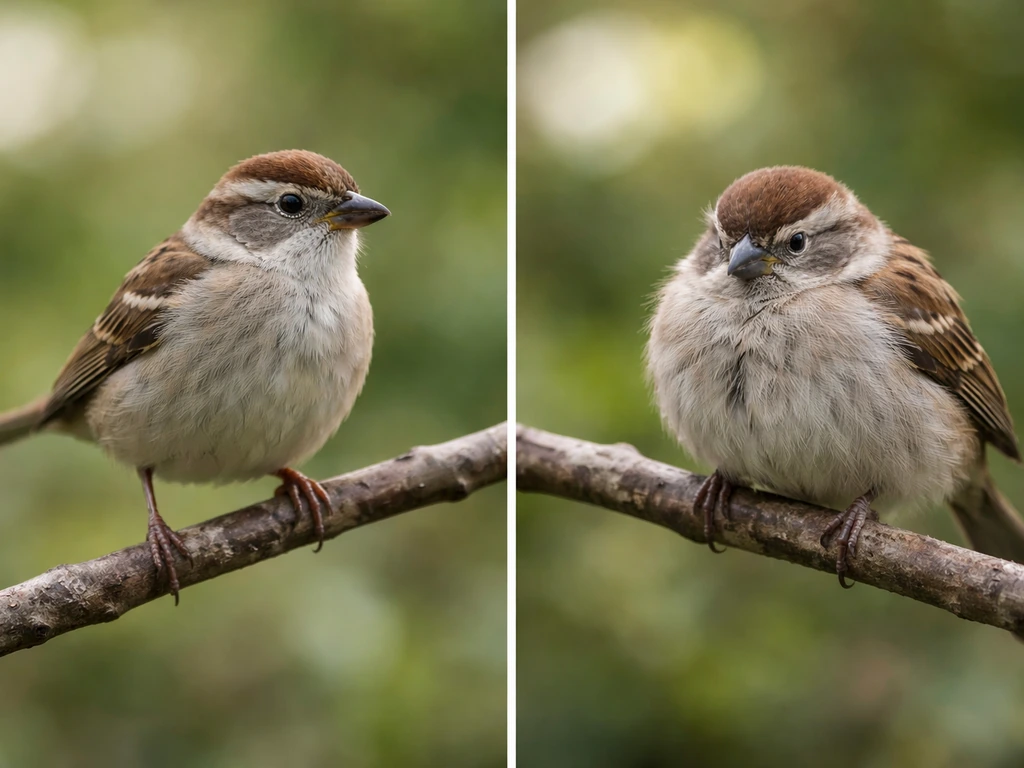
No single bird species holds the title of "most diseased. " Different birds are linked to different pathogens, and your actual risk depends on which bird you're dealing with, how close you get, and whether you're breathing in dust from dried droppings. That said, pigeons, waterfowl (ducks, geese, swans), and parrots or parakeets consistently show up in disease discussions for good reason. Pigeons are most associated with histoplasmosis and psittacosis risk.
What Bird Carries the Most Diseases? Evidence-Based Risk Guide

Marcus Webb
29 May 2026
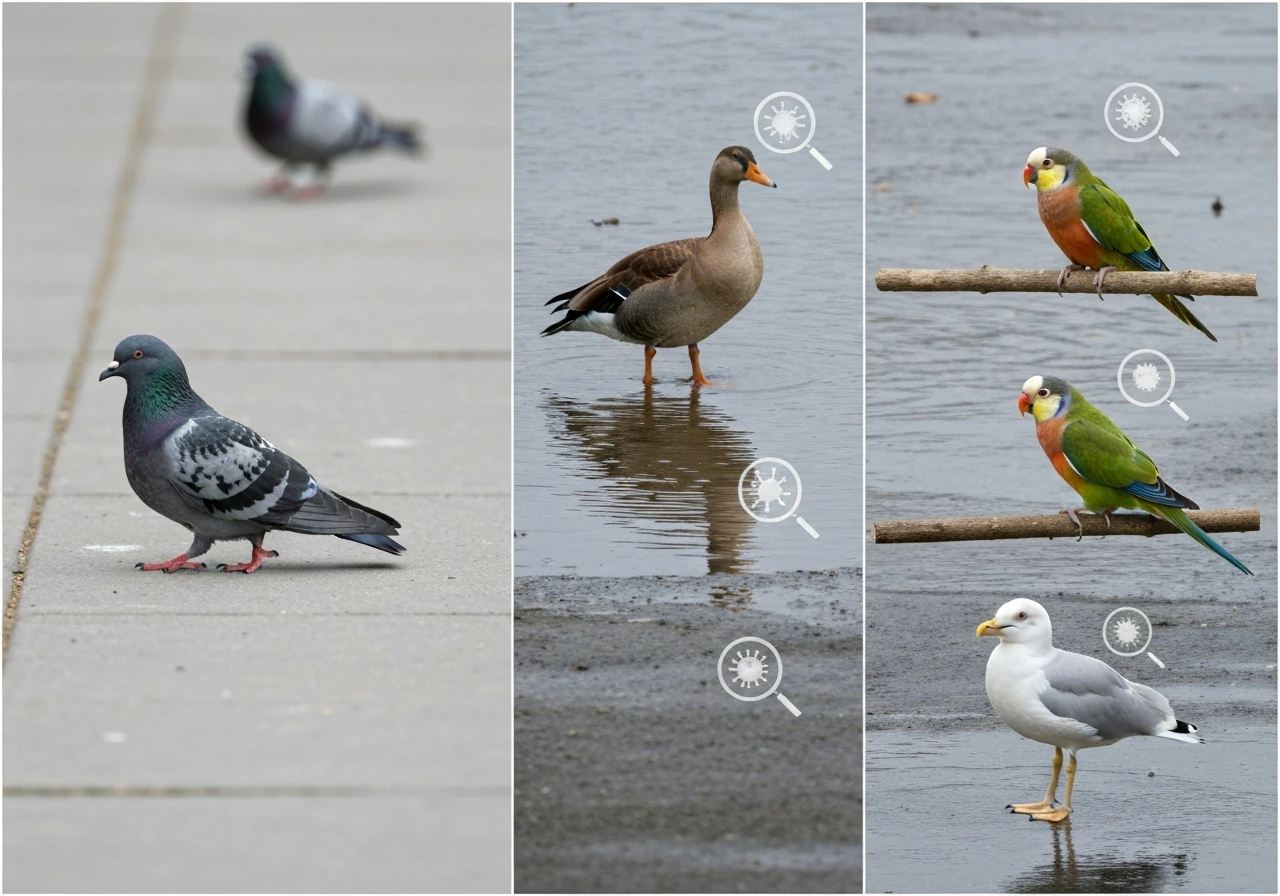
Waterfowl are the primary wild reservoir for avian influenza viruses. And pet parrots and parakeets carry the highest documented risk of Chlamydia psittaci, the bacterium behind psittacosis in people. Knowing which bird is in your situation points you to the right precautions. Kissing a bird is another situation where contact and secretions can pose a risk, so it helps to understand what exposures are involved get sick from kissing a bird.
Why there's no single "most diseased" bird
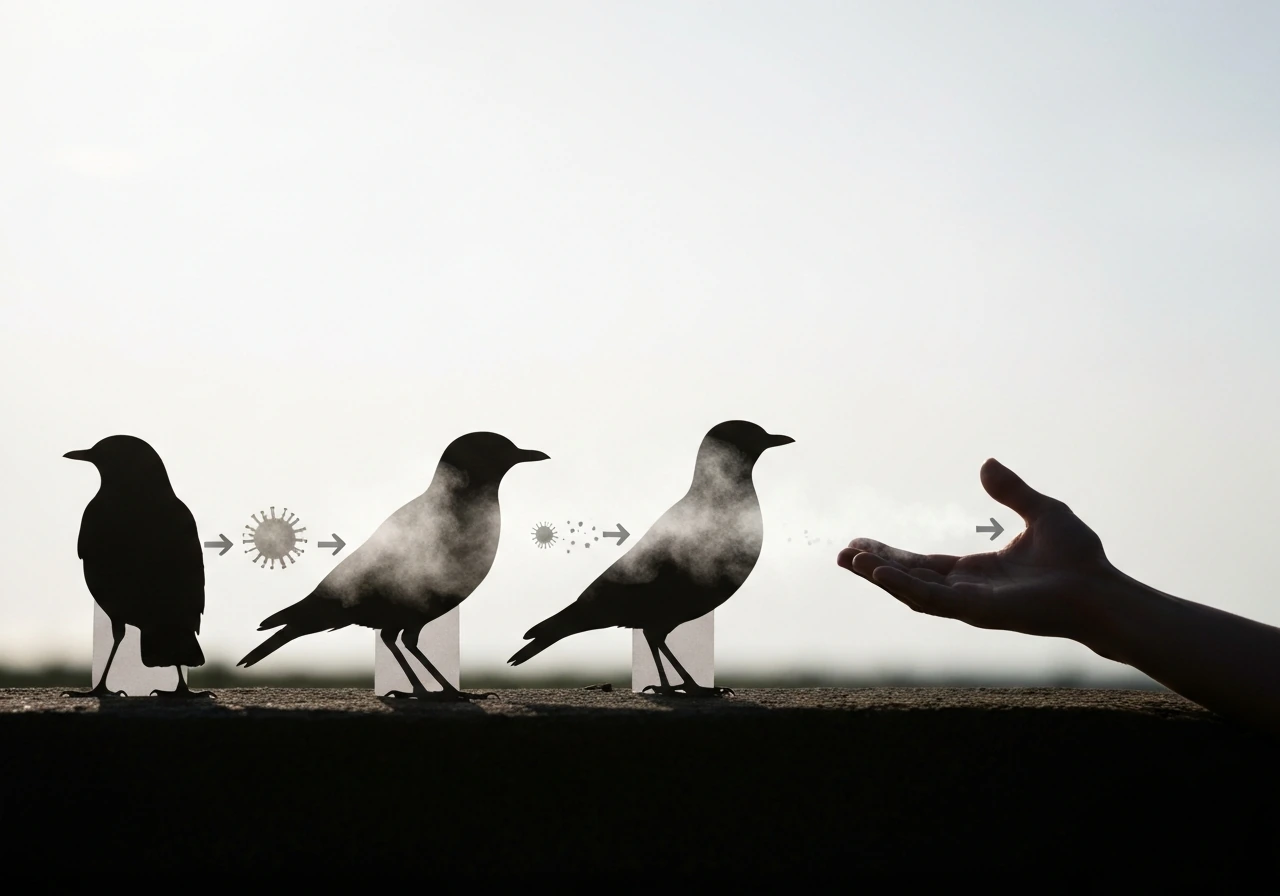
Public health agencies don't rank birds by disease load because it's not a useful way to think about risk. What matters is the specific pathogen, the bird group that carries it, and how you end up exposed. A duck in a park is a very different exposure scenario than a pigeon roosting in your attic or a pet cockatiel sneezing on you.
The key distinction is between carrying a pathogen and spreading it. Many birds carry bacteria, fungi, or viruses without ever showing signs of illness. That's called asymptomatic carriage, and it's common across bird species. The problem for people arises when those pathogens get into a form that can travel, most often through dried droppings that turn to dust and become airborne. The "which bird" question matters less than the "how am I being exposed" question.
Risk is also shaped by behavior. Birds that roost in large groups leave concentrated accumulations of droppings. Birds that live in close contact with people (pet birds, backyard flocks) create more frequent, direct exposure. Migratory birds move pathogens across large distances. Any honest answer about which bird carries the most diseases has to account for all of these layers.
Bird species and groups most often linked to disease risks
Here's a practical breakdown of the bird groups that come up most in avian disease discussions, and why each one gets attention.
Pigeons and doves
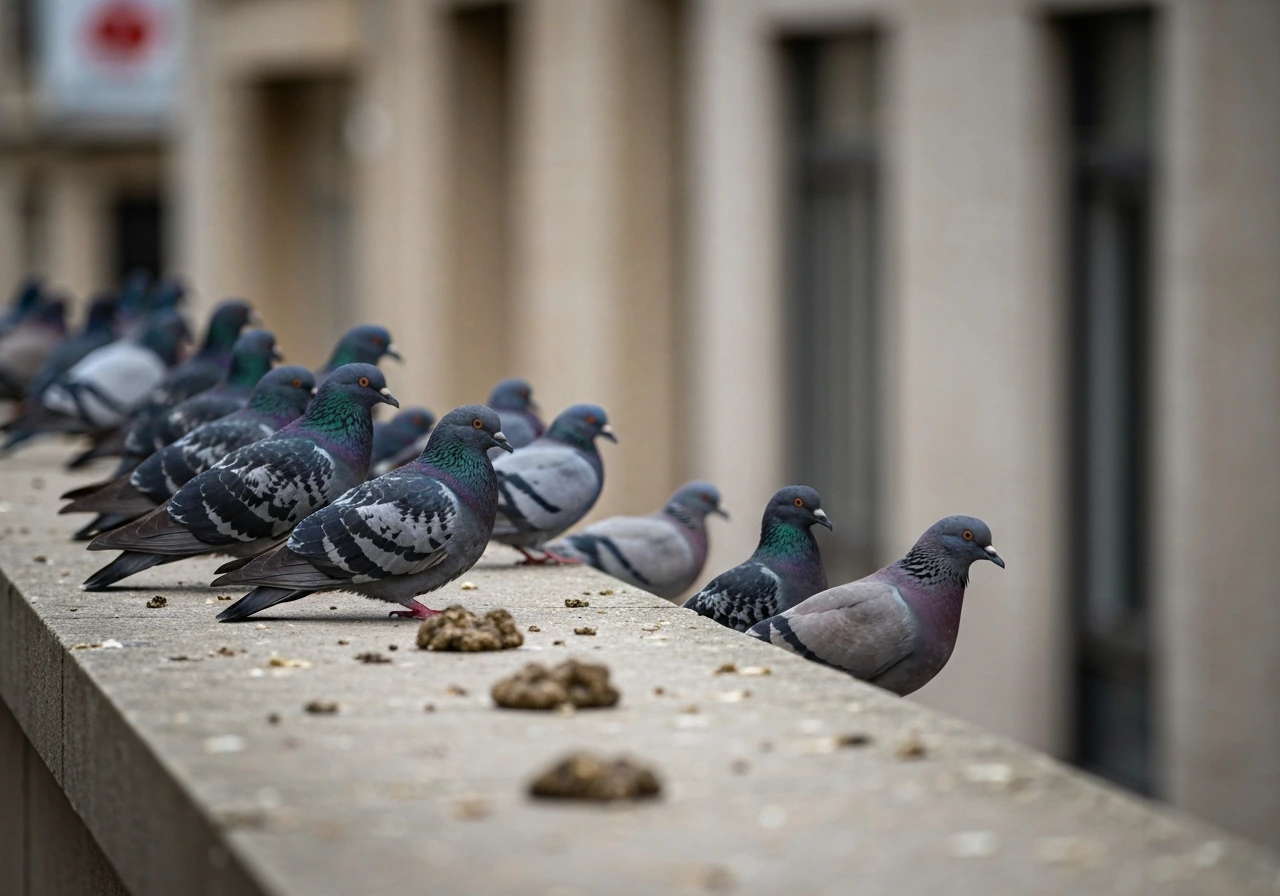
Pigeons are probably the species people most commonly associate with disease risk, and there's a legitimate reason for that. They roost in large numbers in urban environments, which means droppings accumulate fast. Large accumulations of dried pigeon droppings are a known source of Histoplasma capsulatum, the fungus behind histoplasmosis, and can also carry Chlamydia psittaci. The risk isn't from the bird flying past you; it's from disturbing a thick, dried accumulation of droppings without protection.
Waterfowl (ducks, geese, swans) and shorebirds
Ducks, geese, swans, and shorebirds like storks are the primary wild reservoir for avian influenza viruses, including the H5N1 strains that have caused concern in recent years. These birds often carry avian flu without getting seriously sick themselves, which makes them efficient, long-range carriers. The risk to people comes from direct contact with infected birds or surfaces contaminated with their saliva, mucus, or feces. The CDC specifically advises avoiding touching these materials from birds with confirmed or suspected avian influenza.
Parrots, parakeets, and other psittacine birds
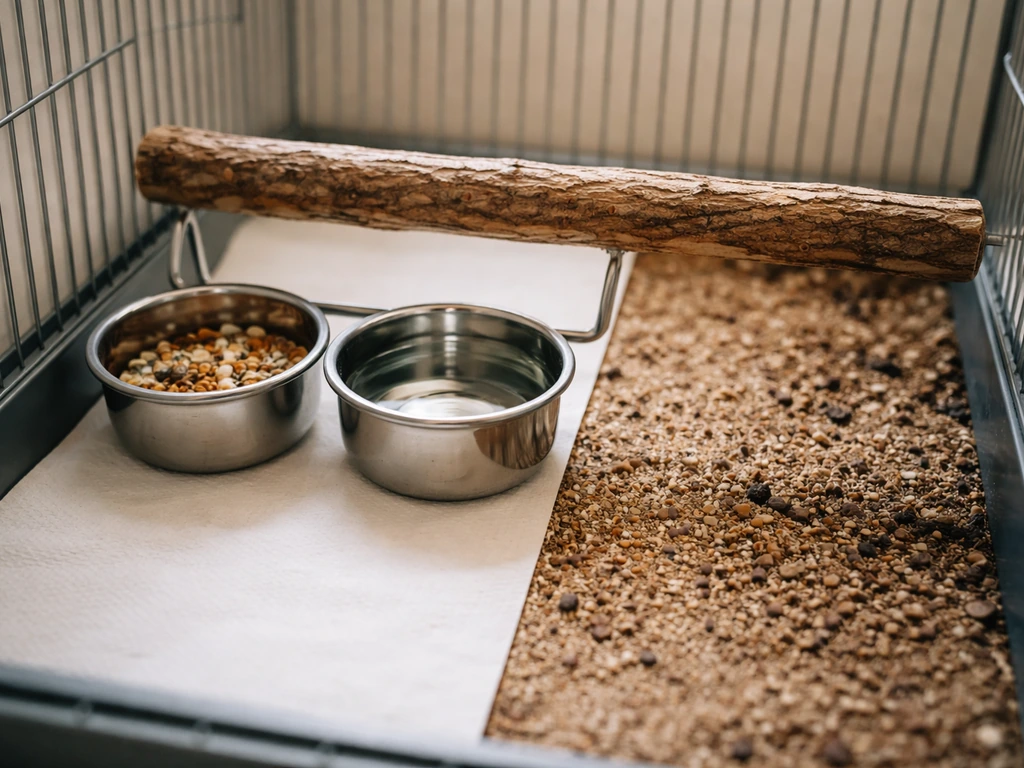
If you keep a pet bird, this is the group most relevant to you. Psittacine birds (the parrot family, including cockatiels, budgies, macaws, and conures) are the classic source of psittacosis in pet owners. The bacteria Chlamydia psittaci can be carried asymptomatically, meaning your bird might look completely healthy while shedding the pathogen in droppings and nasal secretions. The risk spikes when those secretions dry and you breathe in the dust, especially in small, poorly ventilated spaces.
Gulls and other opportunistic feeders
Gulls and similar scavenger-type birds feed on waste, fish, and carrion, which puts them in contact with a wide range of bacteria. They're less often discussed in the context of direct human disease transmission, but they can carry Salmonella and Campylobacter picked up from contaminated food sources. Their droppings around beaches, parks, and docks can contaminate water and surfaces.
Backyard birds and general wild bird populations
Sparrows, starlings, and other common backyard birds can carry Salmonella, and bird feeders are a documented transmission point when feeders aren't cleaned regularly. The risk is generally lower than with pigeons or waterfowl, but it's not zero, particularly for young children, elderly people, or immunocompromised individuals who handle feeders or clean up around them.
Key diseases people worry about and how they actually spread
| Disease | Main Bird Source | How It Spreads to People | Key Risk Factor |
|---|---|---|---|
| Psittacosis (Chlamydia psittaci) | Psittacine birds (parrots, doves, pigeons) | Breathing dried droppings/secretion dust | Poor ventilation, crowded bird areas |
| Histoplasmosis (Histoplasma capsulatum) | Pigeons, starlings (via droppings) | Breathing disturbed dried droppings/soil dust | Large droppings accumulations, cleanup without PPE |
| Avian Influenza (bird flu) | Waterfowl, shorebirds, poultry | Contact with infected birds, surfaces, secretions | Direct handling, contaminated environments |
| Salmonellosis | Backyard birds, gulls | Contact with droppings, contaminated feeders/water | Unwashed hands, dirty feeders |
| Cryptococcosis (Cryptococcus neoformans) | Pigeons (droppings) | Breathing aerosolized dried droppings | Immunocompromised individuals at highest risk |
Psittacosis deserves extra attention because the transmission route is so easy to underestimate. The CDC is clear that the most common way people get psittacosis is by breathing in dust containing dried bird secretions or droppings. The bacteria doesn't jump from bird to person through touch alone; it becomes a risk when material dries, crumbles, and goes airborne. Incubation is typically 5 to 14 days after exposure, so symptoms may not show up immediately, which makes it easy to miss the connection.
Histoplasmosis follows the same airborne dust mechanism. The fungus lives in soil enriched by bird (and bat) droppings, and it becomes dangerous when that soil or accumulated droppings are disturbed, say, by shoveling, sweeping dry material, or demolition work near old roost sites. This is why the CDC/NIOSH guidance specifically warns against shoveling or sweeping dry, dusty droppings without protection.
Respiratory warning signs to watch for in your bird
Birds hide illness instinctively, so by the time you notice something, it's often already progressed. Respiratory signs are especially important to catch early, and some of them look subtle at first.
The signs that should put you on alert right away include open-mouthed breathing while a bird is at rest (this is serious), tail bobbing with each breath (which signals labored breathing), and any discharge from the nostrils or eyes. Sneezing occasionally is normal for birds, but frequent sneezing or sneezing with discharge is a red flag. Swelling around the eyes or face, clicking or wheezing sounds while breathing, and a bird that's unusually quiet or fluffed up are all signs that something may be wrong.
- Open-mouthed breathing at rest (urgent, seek help promptly)
- Tail bobbing with each breath (indicates labored breathing)
- Nasal or ocular discharge (runny or crusty nose/eyes)
- Frequent sneezing, especially with visible discharge
- Clicking, wheezing, or rattling sounds during breathing
- Swelling around the eyes or beak area
- Sitting fluffed up, lethargic, or unusually quiet
- Yawning repeatedly (can signal upper respiratory distress)
If your pet bird is showing respiratory symptoms and you've had any recent exposure to other birds or new birds have been added to your home, mention that history to your vet. Some respiratory illnesses in pet birds are also zoonotic, meaning they can pass to people, so both your bird's health and your own matter here.
Wild bird in your yard right now: what to do
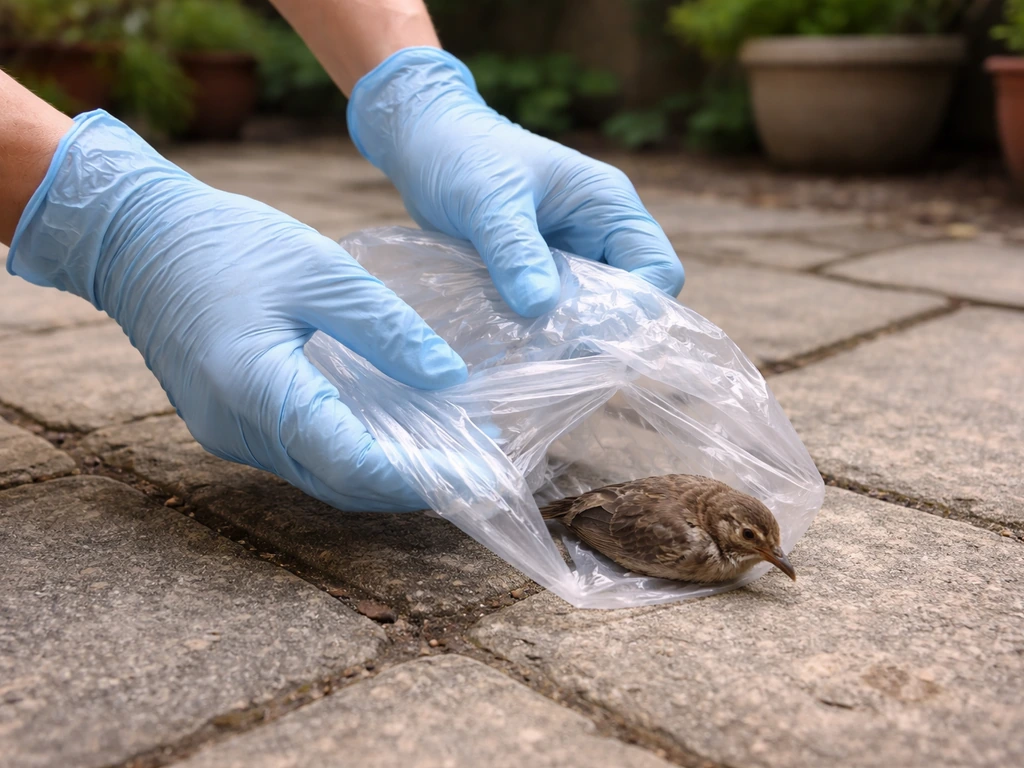
If you've found a sick or dead wild bird, or you're dealing with birds roosting somewhere they shouldn't be, here's what to do and not do.
- Don't touch a sick or dead wild bird with bare hands. Use gloves, a plastic bag turned inside out, or a tool to handle it.
- Keep at least a few feet of distance from any bird that appears lethargic, unsteady, or is not flying away from you.
- Do not let children or pets approach sick or dead birds.
- If you need to clean up droppings, wet the area first with water or a disinfectant solution before disturbing it. This suppresses dust and dramatically reduces aerosolization risk.
- Wear an N95 respirator when cleaning any large or dried accumulation of bird droppings. A basic dust mask is not enough.
- After any contact with wild birds, droppings, or contaminated surfaces, wash your hands thoroughly with soap and water.
- If a wild bird has been in contact with your pet birds, separate your pet birds and monitor them for signs of illness for at least two weeks.
- Contact your local wildlife rehabilitator or animal control if you find a dead bird and want it reported, especially if multiple birds in the area are dying.
The guidance for backyard flock owners dealing with potential bird flu exposure is especially clear: avoid stirring up dust, feathers, or bird waste. That same principle applies to any wild bird cleanup situation. Disturbing dried material without protection is where real exposure risk comes from. Bird guano health risks more broadly are worth understanding if you're regularly cleaning up around feeders, roost sites, or nesting areas.
When to call an avian vet or get urgent help
Some situations call for a call to an avian vet today, not next week. For your pet bird, don't wait if you're seeing open-mouthed breathing at rest, tail bobbing, or discharge from the nose or eyes. These signs can deteriorate quickly in birds, and delaying care even a day or two can matter.
For yourself, if you've had significant exposure to bird droppings, secretions, or a sick bird and you develop respiratory symptoms (cough, sore throat, shortness of breath, difficulty breathing) within 5 to 14 days afterward, tell your doctor about the bird exposure specifically. CDC guidance on novel influenza and psittacosis both support monitoring for new respiratory symptoms after exposure and getting evaluated promptly if they appear. Your doctor needs that exposure history to make sense of your symptoms.
- Pet bird: open-mouthed breathing, tail bobbing, nasal/eye discharge, sudden lethargy, or refusal to eat
- Pet bird: any new respiratory signs after contact with a new bird or wild bird exposure
- You: new respiratory symptoms (cough, shortness of breath, difficulty breathing) within two weeks of significant bird/droppings exposure
- You: fever, headache, or muscle aches appearing within two weeks of direct wild bird contact
- Wild bird situation: multiple dead birds in one area (report to local wildlife or public health authorities)
Finding an avian-certified vet rather than a general practice vet makes a real difference for pet bird illness. Avian medicine is a specialty, and a vet experienced with birds will recognize disease signs faster and know which tests are relevant.
Realistic prevention: reducing transmission at home and around bird habitats
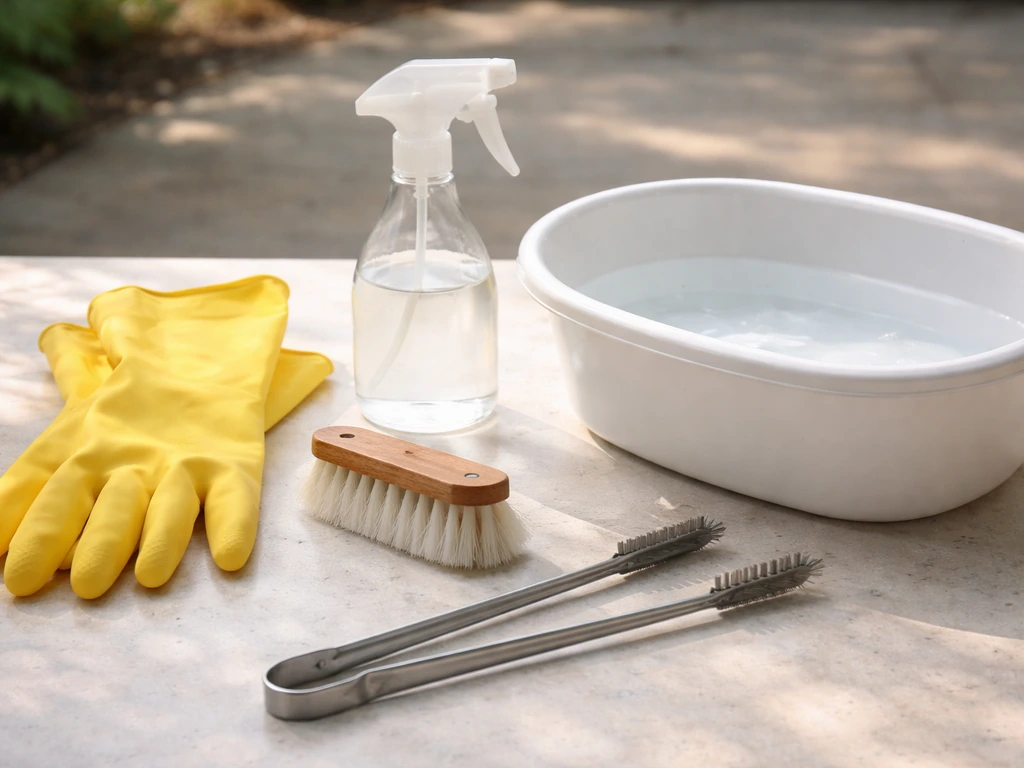
Prevention doesn't require treating birds like biohazards. Most of the practical steps are simple hygiene habits that make a meaningful difference.
For pet bird owners
- Clean your bird's cage, perches, and food/water dishes regularly. Don't let droppings accumulate and dry.
- When cleaning, wet droppings before wiping to avoid creating dust.
- Wash your hands after handling your bird, cleaning the cage, or touching any bird-related materials.
- Ventilate the room where your bird lives. Fresh air circulation reduces the concentration of any airborne particles.
- Quarantine new birds for at least 30 days before introducing them to other birds in your home.
- Schedule regular avian vet checkups, even when your bird looks healthy. Asymptomatic carriage is real.
For backyard feeders and wild bird areas
- Clean bird feeders and birdbaths at least once every one to two weeks with a dilute bleach solution, then rinse and dry thoroughly.
- Wear gloves when cleaning feeders and wash hands afterward.
- Don't place feeders directly over areas where children play or where food is prepared outdoors.
- If birds appear sick at your feeder (multiple sick or dead birds), take the feeder down temporarily and report the situation to your local wildlife agency.
- Avoid accumulation of droppings under roost sites. Address buildup before it becomes a large dry mass.
For cleanup of large droppings accumulations
If you're dealing with a significant accumulation of bird droppings, such as in an attic, under a roost, or in a barn, this is the scenario that warrants the most care. Wear an N95 respirator (not just a paper dust mask), gloves, and eye protection. Wet the material before disturbing it. Bag waste in sealed plastic bags. NIOSH guidance emphasizes that shoveling or sweeping dry, dusty droppings without controls is the main way people end up with histoplasmosis from bird droppings. If the accumulation is very large, professional remediation is worth considering.
The overall picture here is that disease risk from birds is real but manageable. The species that draw the most concern (pigeons for fungal and bacterial diseases, waterfowl for avian influenza, psittacine birds for psittacosis) each come with specific, understandable transmission routes. Understanding those routes is what lets you take the right precautions instead of either ignoring risks or overreacting to them.
Knowing whether a bird nest in your yard poses a concern, or whether bird guano near your home needs professional attention, often comes down to the same core question: how much dried material is involved, and how likely are you to disturb it? Bird nests can also contribute to exposure when dried droppings or nesting materials are disturbed and become airborne.
If a nest is creating droppings that dry out and get disturbed, the exposure can carry disease-causing germs, so it is worth treating cleanup carefully a bird nest in your yard.
FAQ
Is there really one bird that carries the most diseases, or does it depend on the situation?
It is almost never about the bird species “being the most diseased,” it is about whether you disturb dried droppings or secretions. If you can avoid making dust (wet first, ventilate, wear proper protection), your risk can drop a lot even if the bird is one of the commonly implicated groups.
What actually makes bird disease transmission happen, is it contact or breathing dust?
A key difference is what gets into the air. With histoplasmosis and psittacosis, breathing in dust from dried droppings or dried secretions is the main pathway, not being pecked or brushed by feathers. That is why cleaning methods matter as much as the bird itself.
What kind of mask should I use when cleaning up bird droppings?
A paper surgical mask often does not provide reliable protection against fine airborne particles. For dusty cleanup, the article’s recommended control is an N95 respirator (plus eye protection and gloves), and the “wet before you disturb” step is what prevents dust from forming.
Do indoor pet birds create more risk than birds outside?
If a pet bird is housed in a small, poorly ventilated room, risk from dried nasal secretions and droppings can be higher because dust lingers. Improving ventilation, cleaning regularly to prevent buildup, and avoiding dry sweeping reduces the “airborne dust” exposure pathway.
Does it matter if the droppings are fresh versus old and dried?
Cleanup timing can matter, because dried material breaks up into dust more easily than fresh material. If droppings are already dry, treat the area as dusty until you wet it and use protective equipment, rather than assuming it is safe because it looks old.
Can a bird that looks healthy still spread disease?
Yes. Even when birds look healthy, asymptomatic shedding can occur, so a bird does not have to be visibly sick to create exposure through droppings or dried secretions. The prevention focus should be on reducing dust during cleanup and limiting contact with contaminated material.
How do bird feeders change my risk, and what’s the safest way to manage them?
Bird feeders can be a risk, especially when hygiene lapses lead to droppings collecting under or around the feeder. A practical safeguard is to remove spilled seed and droppings promptly, clean with appropriate precautions, and avoid dry sweeping under the feeder.
If I get sick after bird exposure, what should I tell my doctor specifically?
For symptoms that could match zoonotic respiratory infections, mention the specific exposure window and the exact event (for example, cleaning an attic roost, using a dry broom, or handling a sick bird). Doctors need that timing because many symptoms appear 5 to 14 days later, and without the exposure context it is easy to miss the connection.
When should I contact an avian vet immediately instead of waiting to see if symptoms improve?
Yes, some guidance suggests a “call now” approach when pet birds show serious breathing signs like open-mouthed breathing at rest, tail bobbing, or discharge from the nose or eyes. Those can worsen quickly, so waiting for a routine appointment can be unsafe.
Does risk change for children, seniors, or immunocompromised people?
If you or family members are at higher risk (young children, older adults, or people who are immunocompromised), treat “low level” exposures more seriously. That often means extra precautions during feeder/cleanup activities and stronger avoidance of dry sweeping or stirring up accumulated droppings.
What should I do if I find a dead wild bird, and what are common mistakes to avoid?
If you find a dead wild bird, avoid handling it bare-handed and avoid disturbing surrounding droppings or feathers that may be dry. Practical steps are to ventilate the area, use gloves and eye protection, and prevent dust generation while you follow your local guidance for wildlife or public health reporting.
Next Article
Which Bird Can Predict Disease and Death? What to Do
Learn which birds may signal illness, spot key symptoms fast, and follow safe steps for sick pet or wild birds.