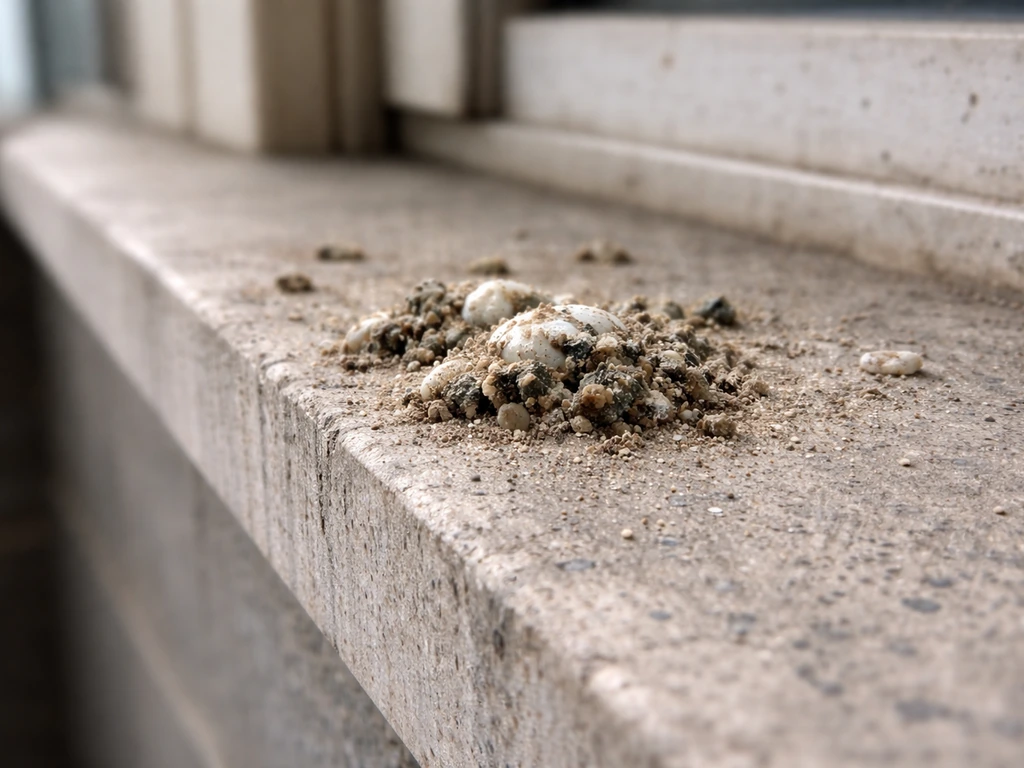
Yes, you can get sick from kissing a bird. It does not happen every time, and for most healthy adults the risk from a single kiss on a healthy pet bird is low. But the germs are real, the transmission routes are well-documented, and a few specific situations bump the risk high enough that the CDC explicitly tells people not to kiss birds or let them near their mouth.
Can You Get Sick From Kissing a Bird? Risks and What to Do

Marcus Webb
16 Jun 2026
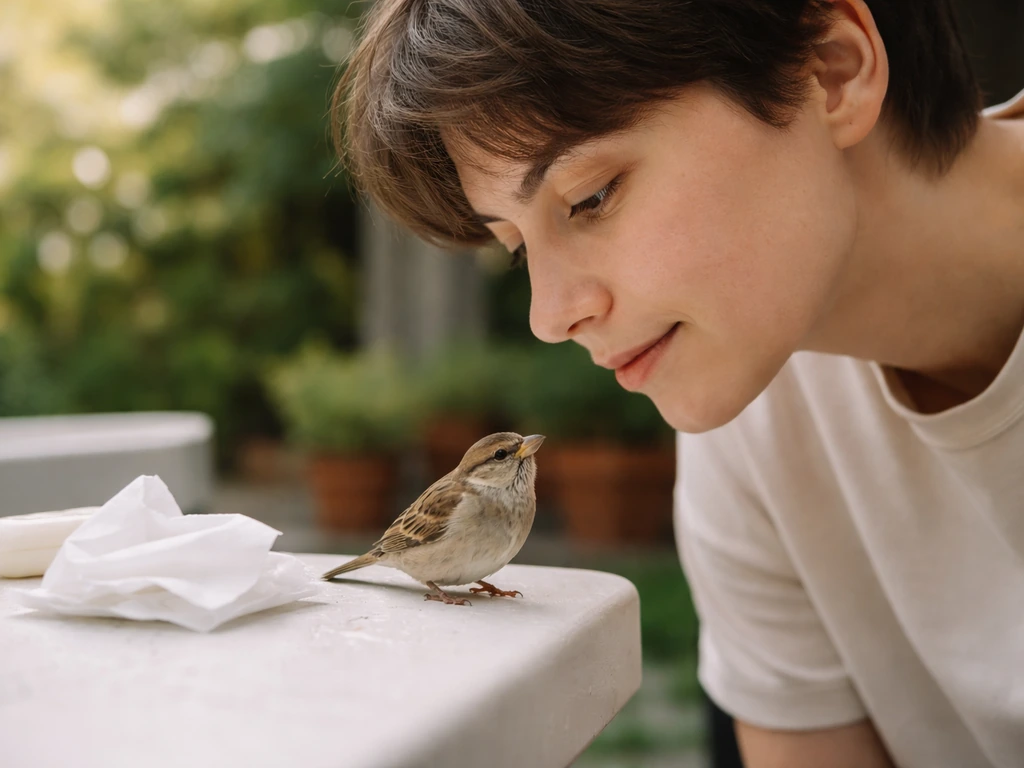
Pet birds vs. wild birds: the risk is not the same
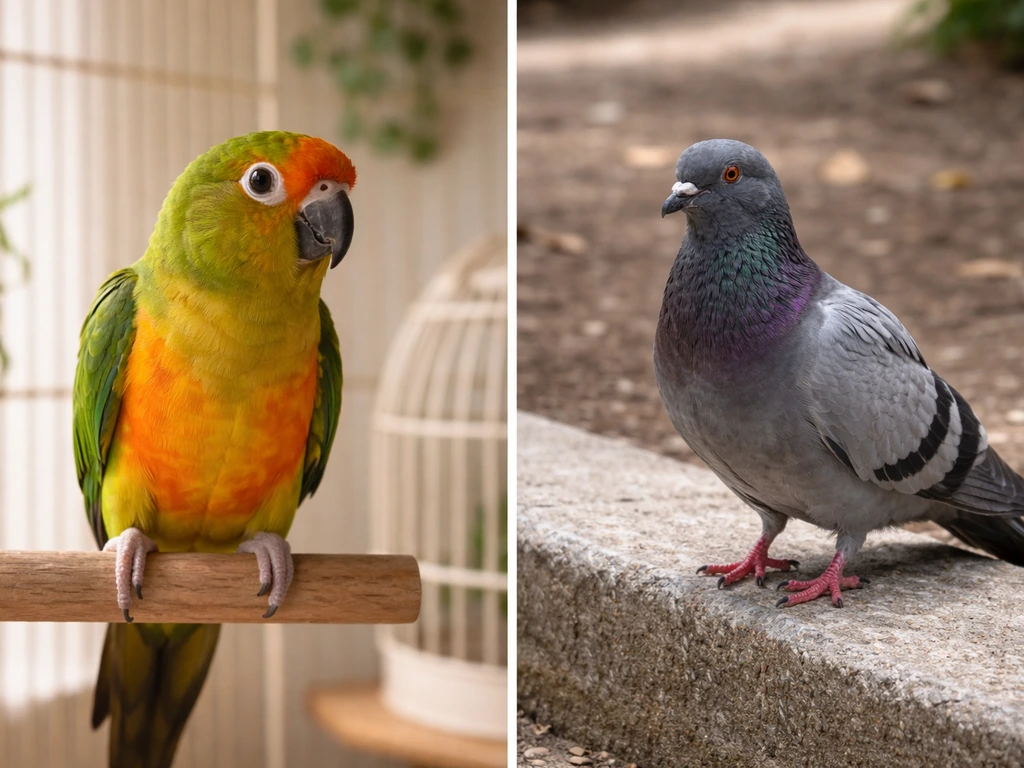
Your pet parrot and a wild pigeon you scooped off the street sit at very different ends of the risk scale. A well-cared-for pet bird that sees a vet regularly, eats a clean diet, and shows no signs of illness carries a much lower germ burden than a wild bird. Wild birds have far more exposure to contaminated environments, other animals, and disease reservoirs. They also carry avian influenza strains that pet birds typically do not. If you kissed or were nuzzled by a wild bird, take that more seriously than contact with your own healthy parrot.
Backyard poultry (chickens, ducks, geese) fall somewhere in the middle. They live outdoors, contact soil and wild bird droppings, and are one of the most common sources of Salmonella in the home environment. The CDC's backyard poultry guidance is blunt: do not snuggle or kiss chickens and ducks, and do not touch your mouth after handling them.
What germs can actually spread from birds to people
These are the realistic pathogens worth knowing about, not an exhaustive medical list, but the ones most relevant to close contact like kissing.
| Pathogen | Disease in humans | Main birds involved | How it spreads from birds |
|---|---|---|---|
| Chlamydia psittaci | Psittacosis (parrot fever) | Parrots, parakeets, cockatiels, pigeons, poultry | Inhaling aerosolized feces, respiratory secretions, or dried droppings |
| Salmonella | Salmonellosis (diarrheal illness) | Backyard poultry, wild birds | Contact with bird, droppings, or environment then touching mouth |
| Campylobacter | Campylobacteriosis (diarrheal illness) | Poultry, some pet birds | Fecal-oral contact; birds carry it without showing illness |
| Avian influenza A | Bird flu (rare in humans) | Wild birds, backyard poultry | Virus in mucous, saliva, or feces enters eyes, nose, or mouth |
Psittacosis is the one that matters most for pet bird owners. It is caused by Chlamydia psittaci and typically causes an upper respiratory illness, sometimes progressing to severe pneumonia. The CDC notes that even brief, passing exposure to infected birds or their contaminated droppings can lead to human infection. Kissing a bird or letting it near your face puts respiratory secretions and dried fecal material very close to your nose and mouth, which is exactly the transmission route the CDC describes.
Salmonella and Campylobacter spread mainly through fecal-oral contact. Birds carry Campylobacter without ever appearing sick, and about 1.5 million Campylobacter infections occur in the U.S. every year. You do not need to see obvious droppings to be exposed. A bird perched on your hand and then near your lips is enough.
Avian influenza is less common in pet bird contexts but worth mentioning because the mechanism is identical: virus shed in a bird's mucous, saliva, or feces enters your system through the eyes, nose, or mouth. Kissing covers all three routes.
When kissing a bird is higher risk
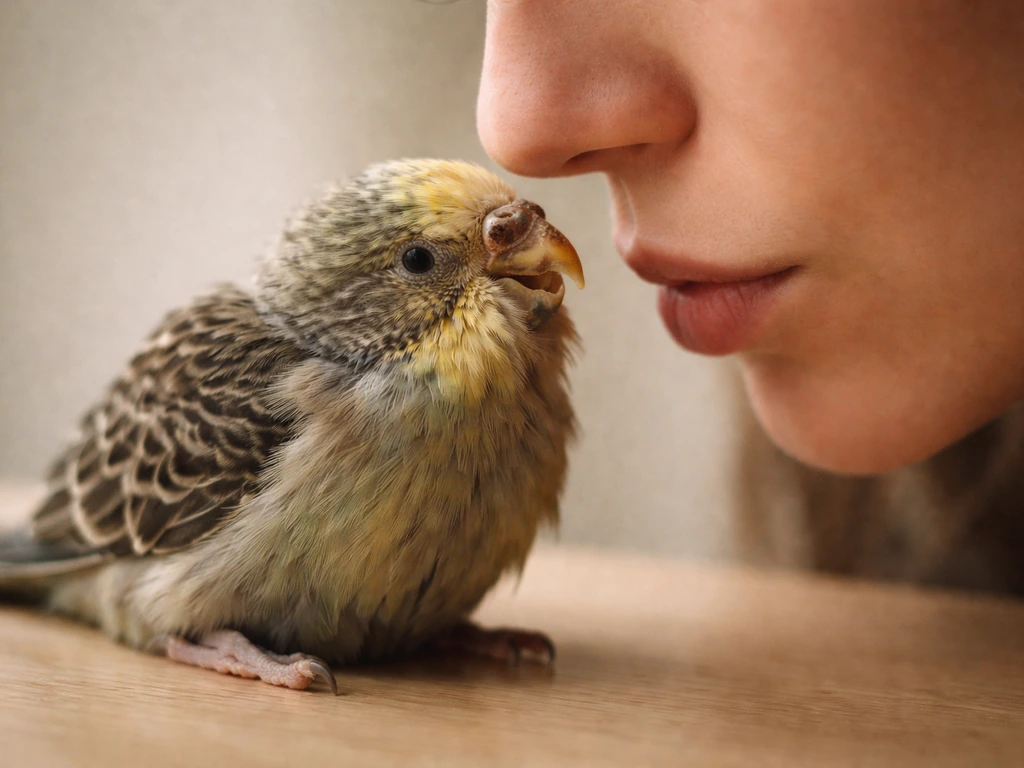
Not every kiss carries the same risk. These are the situations where you should take extra precautions and pay closer attention to how you feel afterward.
- The bird is showing signs of illness (see the section below on bird symptoms)
- The bird has recently been around wild birds, poultry, or new birds brought home without quarantine
- You handled the bird right after it was near droppings or cage-cleaning material
- You are pregnant, elderly, under 5 years old, or have a weakened immune system
- The bird is a wild bird or backyard poultry rather than a well-cared-for indoor pet
- You did not wash your hands before or after close contact
- The bird has not had recent veterinary care and its health status is unknown
The CDC specifically flags children under 5, adults over 65, and people with weakened immune systems as being more likely to develop severe illness from Salmonella exposure. If you fall into any of these groups, the general advice to avoid kissing birds applies even more firmly.
Bird symptoms that signal higher human risk
A sick bird sheds far more pathogens than a healthy one. Knowing what to look for matters both for your bird's welfare and your own protection. Watch for:
- Nasal discharge or crusty nostrils
- Sneezing or coughing repeatedly
- Labored or noisy breathing
- Lethargy or unusual stillness
- Fluffed-up feathers (a common sign of illness in birds)
- Diarrhea or very loose, discolored droppings
- Visible weight loss or a prominent keel bone
- Discharge from the eyes
If your bird has any of these signs, stop face contact entirely until the bird has been seen by a vet. A bird showing respiratory symptoms in particular can be shedding Chlamydia psittaci directly into the air around its beak, which is exactly what you do not want near your face.
Human symptoms to watch for after contact
Most exposures do not result in illness, but it is worth knowing what to look for and how long to watch. Psittacosis has an incubation period of 5 to 14 days, so symptoms will not show up immediately. CDC states psittacosis symptoms begin within 5, 14 days after exposure and can include dry cough and severe pneumonia Psittacosis has an incubation period of 5 to 14 days. Salmonella and Campylobacter typically cause symptoms within 1 to 3 days.
| Illness | Typical onset after exposure | Symptoms to watch for |
|---|---|---|
| Psittacosis | 5–14 days | Fever, dry cough, headache, muscle aches, fatigue; can progress to pneumonia |
| Salmonellosis | 6 hours–6 days | Diarrhea, stomach cramps, fever, nausea, vomiting |
| Campylobacteriosis | 2–5 days | Diarrhea (sometimes bloody), stomach cramps, fever, nausea |
| Avian influenza (rare) | 2–5 days | Fever, cough, sore throat, eye redness, difficulty breathing |
A dry cough developing about a week after kissing a bird that had respiratory symptoms is worth flagging to a doctor. Diarrhea starting within a few days of contact with backyard poultry or a wild bird is also worth reporting. In most healthy adults these illnesses are manageable, but psittacosis in particular can become a serious respiratory illness if left untreated.
What to do right now if you already kissed a bird
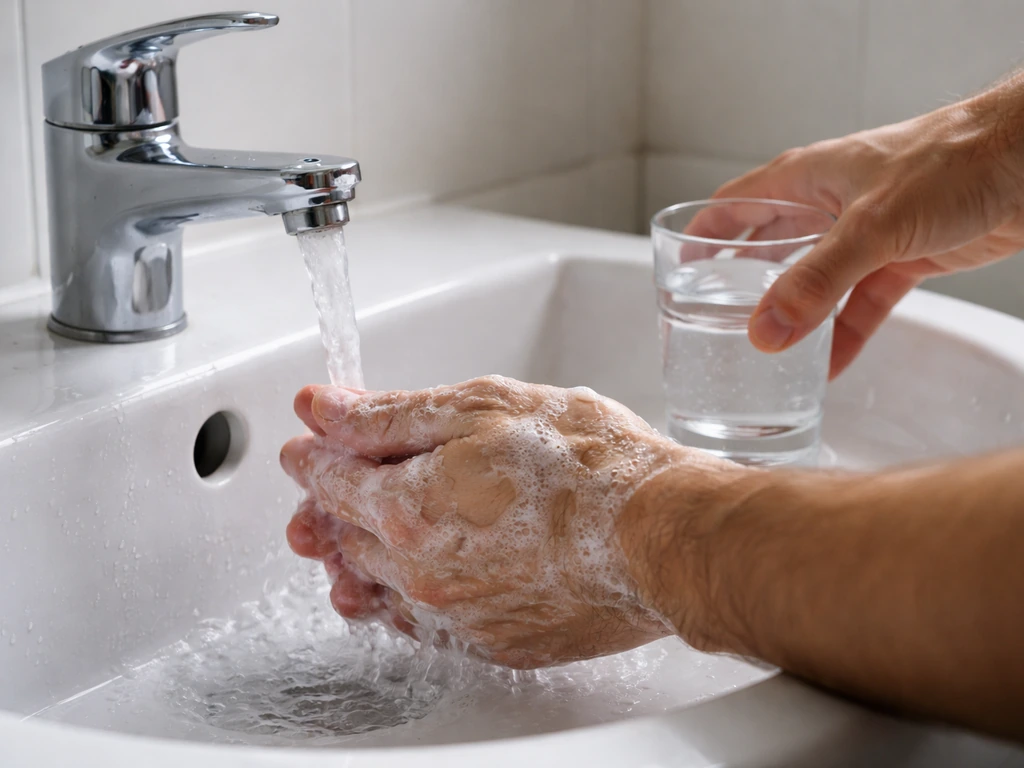
- Wash your hands thoroughly with soap and water right away, even if the kiss has already happened. Hand hygiene reduces the total germ load even after the fact.
- Rinse your lips and the area around your mouth with water. You are not sterilizing anything, but you are reducing surface contamination.
- Do not touch your eyes, nose, or mouth again until your hands are clean.
- If the bird appeared sick or is a wild or backyard bird, note the date and time of exposure so you have a clear timeline if symptoms develop.
- Avoid kissing or close face contact with the bird again until you can assess its health status and your own.
- If you handle cage items, droppings, or bedding, use soap and water to wash hands thoroughly afterward, not just hand sanitizer. The CDC recommends soap and water as the best practice around animals.
For most healthy adults who kissed a healthy pet bird: watch for symptoms, practice good hand hygiene going forward, and do not panic. The risk was real but likely low. For anyone who had close contact with a visibly sick bird, a wild bird, or backyard poultry, take the monitoring window (up to 14 days for psittacosis) more seriously.
When to call a doctor or go to urgent care
Home monitoring is reasonable after low-risk exposure, but call a doctor if any of the following apply.
- You develop a dry cough, fever, or headache within 5–14 days after kissing a bird that was showing respiratory symptoms
- You have diarrhea, stomach cramps, or fever within a week of contact with backyard poultry or a wild bird
- You are immunocompromised, pregnant, over 65, or under 5 and had any contact with a potentially sick bird
- Symptoms are getting worse rather than improving after 48 hours
- You develop difficulty breathing or chest pain at any point
- You have eye redness, discharge, or irritation after bird contact (relevant to avian influenza exposure)
When you call, tell the doctor exactly what happened: that you had close contact with a bird, what kind of bird it was, whether it appeared sick, and when the exposure occurred. Psittacosis is an uncommon diagnosis and doctors do not always think of it first. Giving them that exposure history helps them test appropriately and start the right treatment early if needed.
How to protect yourself and your bird going forward
Most of this comes down to consistent habits rather than dramatic changes. The goal is not to stop enjoying your bird. It is to reduce the specific routes by which germs transfer from bird to person.
- Wash hands with soap and water after handling your bird, its food, its droppings, or anything in its cage
- Avoid kissing birds on or near the beak, or letting them near your lips, nose, or eyes
- Do not eat, drink, or touch your face while handling birds or cleaning cages
- When cleaning the cage, dampen surfaces before wiping them down. This reduces the chance of dried droppings becoming airborne particles you can inhale. The CDC recommends this specifically for psittacosis prevention.
- If a bird appears sick, keep it away from your face entirely and get it seen by a vet promptly
- Quarantine new birds for at least 30 days before introducing them to other birds or allowing them close contact with people
- Schedule routine veterinary care for pet birds. Healthy birds with clean bills of health carry far lower risk than birds with unknown or unmanaged health status.
- If you are cleaning a heavily soiled cage or handling a sick bird, wear a well-fitted mask and gloves
Bird droppings deserve special attention here. Whether from cage cleaning, nests, or outdoor exposure, droppings are the single most common source of the pathogens discussed in this article. If you are also concerned about droppings outside the home, the health risks from bird guano and nests are closely related and worth understanding alongside what you have read here. Do bird nests carry disease, and should you treat them like other droppings and guano when you clean up outdoors? If you are wondering can a bird nest make you sick, the answer is yes, mainly because of droppings contaminating surfaces health risks from bird guano and nests.
The bottom line is that kissing birds carries real but manageable risk. In general, the question of which bird carries the most diseases often comes down to wild birds and backyard poultry because they have higher exposure to contamination. No matter how low the overall risk seems, there is no bird that can reliably predict disease and death for you ahead of time kissing birds carries real but manageable risk. A healthy, vet-checked pet bird with no illness signs poses a much lower threat than a sick bird, a wild bird, or backyard poultry. Know your bird's health, watch for symptoms after exposure, and keep basic hygiene habits in place. That combination covers the vast majority of realistic risk.
FAQ
I kissed a wild bird once, do I need medical care immediately?
It is not automatically dangerous, but you should treat it as close contact. If the bird was wild, appeared sick (runny nose, crusting around the beak, open-mouth breathing), or you have a higher-risk condition (pregnancy, age over 65, weakened immunity), call a clinician rather than waiting. If you are otherwise healthy, you can monitor for symptoms for up to 14 days for psittacosis, and seek care sooner if you develop cough, fever, or worsening breathing.
What should I do in the days after kissing a bird to reduce my risk?
Do not just rely on feeling fine. Instead, do three things for the next two weeks: wash hands thoroughly after any bird contact or cage cleaning, avoid touching your eyes, nose, and mouth until you have washed, and keep the bird’s face and respiratory secretions away from your own face (no nuzzling or kissing). If your bird has respiratory signs, avoid shared breathing space, for example, no sitting close while it is coughing.
What if I kissed the bird and then realized it was sick later?
If you later notice the bird was sick, the main change is how carefully you monitor and whether you contact a doctor. For a sick bird or close contact with droppings or contaminated surfaces, be more proactive, especially if symptoms start. Psittacosis can begin 5 to 14 days after exposure, so a normal day or two does not fully rule it out.
Does it matter if bird droppings got on my mouth or face?
If the bird’s droppings touched your lips, in general you should treat that as higher exposure than a brief kiss without droppings. Wash the area right away, then monitor for fever or breathing symptoms over the next two weeks, particularly if the bird showed any respiratory illness signs. For backyard poultry, also watch for diarrhea beginning within a few days.
How long after kissing a bird would I notice symptoms from Salmonella or Campylobacter?
Yes, but timing matters. Symptoms from Salmonella and Campylobacter usually show up within 1 to 3 days after fecal-oral exposure. If you are having stomach cramps or diarrhea that starts after a few days of bird contact, contact a clinician, especially if it is severe, bloody, or accompanied by fever.
What symptoms should make me worry about psittacosis after a bird kiss?
Breathing illness is the key symptom cluster for psittacosis. Seek care promptly if you develop fever, new or worsening cough, shortness of breath, chest pain with breathing, or increasing fatigue, particularly if it occurs about a week after exposure. This matters even if you do not remember touching droppings, because dried contamination can be aerosolized or transferred to your nose and mouth.
How do I clean my bird’s cage or handle droppings after a close contact without increasing my risk?
It is safest to stop face contact while you are cleaning, and to keep your bird away from your face and kitchen areas where food is handled. Wear gloves if you handle droppings, avoid dry sweeping, and wash hands after cleaning. If your bird has respiratory symptoms, consider wearing a properly fitting mask during cleaning and arrange for someone else to do it if possible.
Are there higher-risk groups where a single bird kiss is more concerning?
Yes. Children under 5, adults over 65, and people with weakened immune systems have higher odds of severe illness. For these groups, avoid kissing birds entirely after any exposure to a wild bird, backyard poultry, or a visibly sick bird, and contact a clinician sooner rather than waiting for symptoms.
My pet bird seems healthy, but I do not know its history. Does that change what I should do?
You still should watch your health even if the bird was “my bird,” especially if it is wild-caught, not regularly vet-checked, or has been exposed to other birds or outdoor environments. A vet visit is particularly important if your bird has any respiratory signs, because treating the bird can reduce the chance of ongoing shedding.
Next Article
Bird Guano Health Risks: Symptoms, Cleanup, and Prevention
Learn bird guano health risks, symptoms, safe cleanup, and prevention to avoid respiratory infections like histoplasmosi