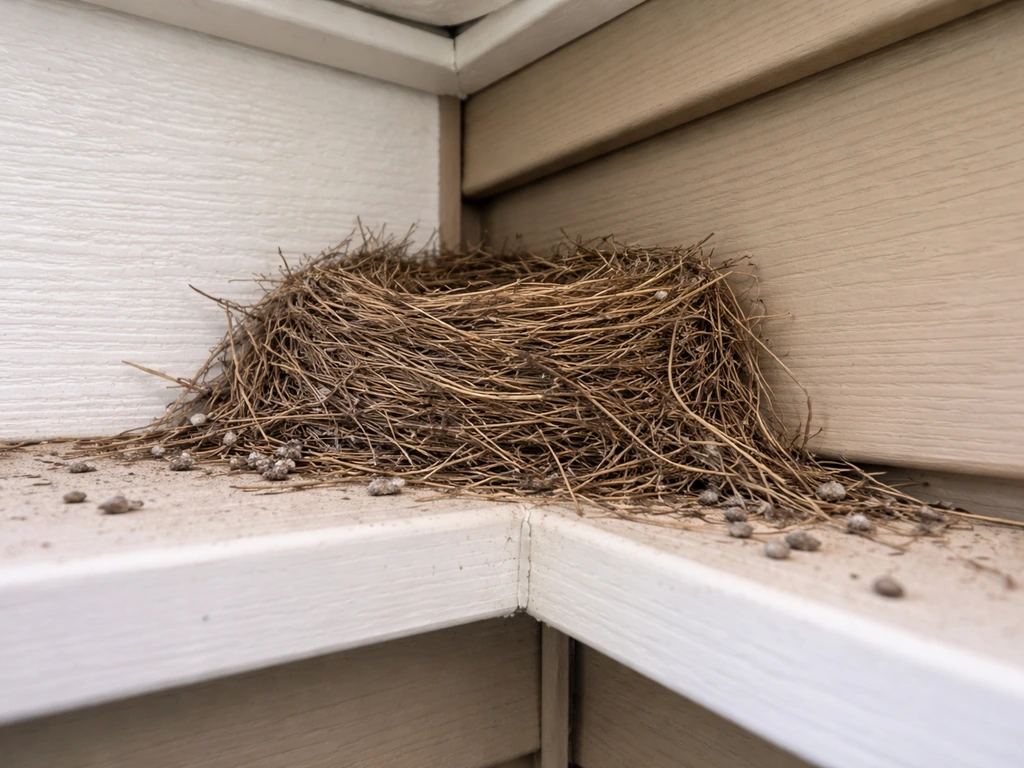
Yes, bird nests can carry disease-causing pathogens, but the risk depends heavily on what's in and around the nest, how much accumulation there is, and how you interact with it. If you’re wondering can a bird nest make you sick, the bigger concern is exposure to droppings dust or mites, especially after you disturb a nest in an enclosed space. Most people who spot a nest outside and leave it alone face very little danger. The real risks come from disturbing nests in enclosed spaces, handling contaminated material without protection, or breathing in dust from dried droppings. Knowing exactly what's at stake, and how to handle it, keeps both you and your birds safe.
Do Bird Nests Carry Disease? Safety and Cleaning Guide

Marcus Webb
21 Jun 2026
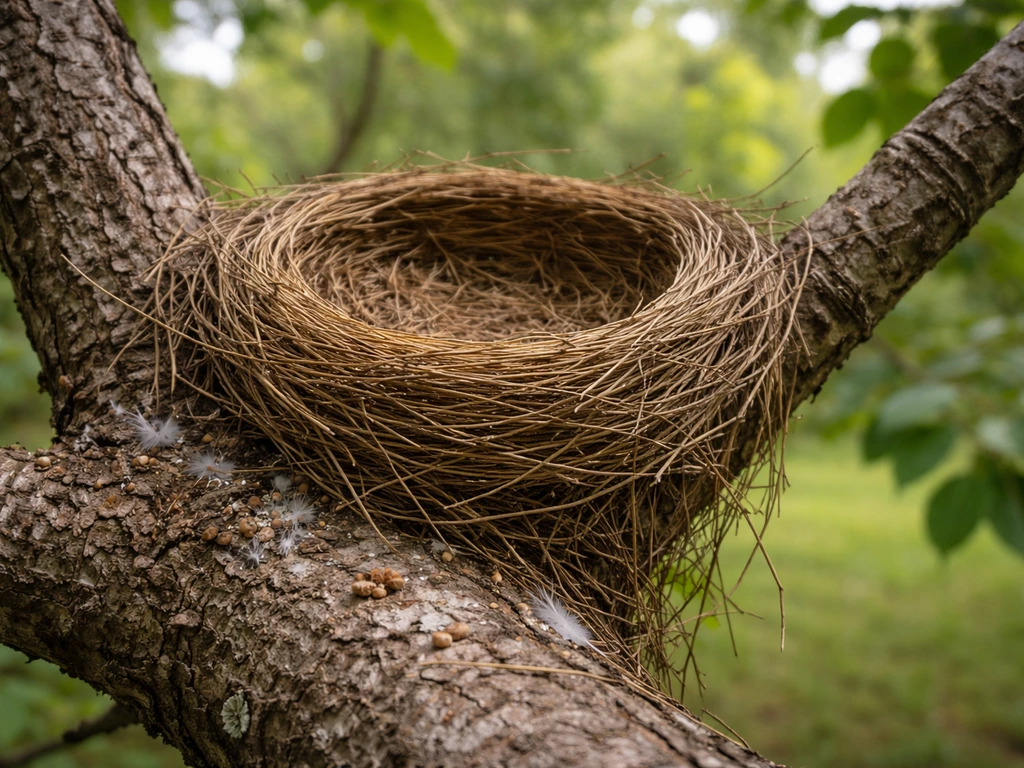
Can bird nests spread disease
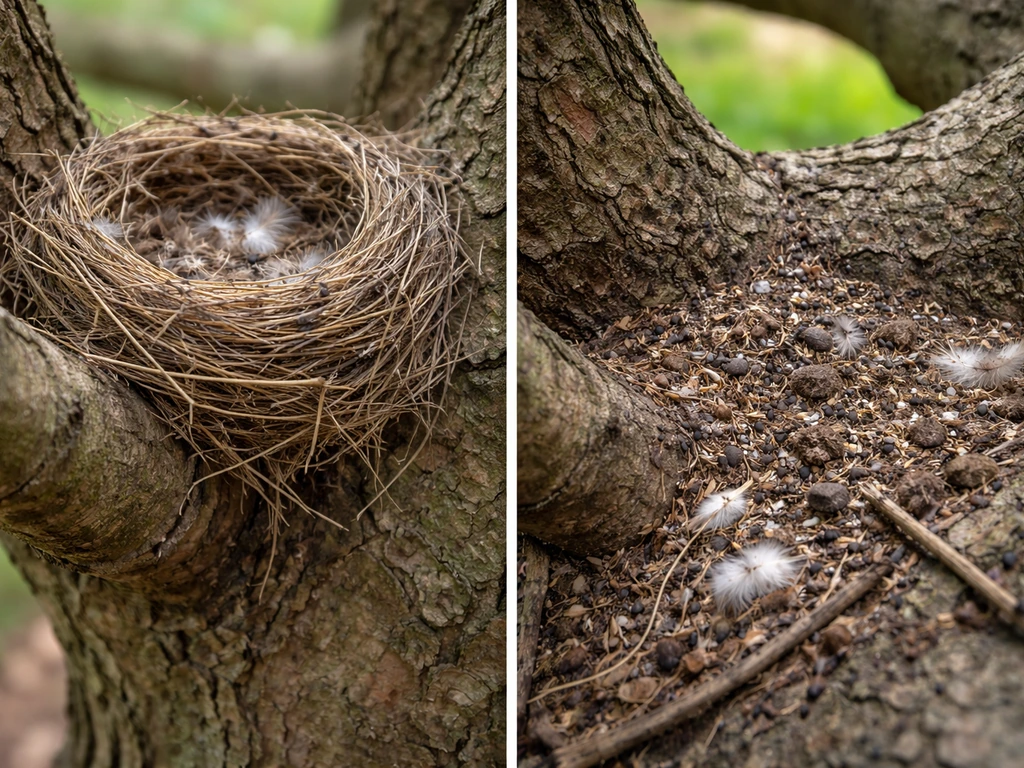
A nest itself is just a structure, but nests accumulate droppings, feather dust, dead skin cells, and sometimes mites or other parasites over time. All of that material can harbor pathogens. The nesting materials, combined with the steady deposit of droppings from adult birds and nestlings, create conditions where bacteria, fungi, and parasites can survive and sometimes thrive.
A nest sitting undisturbed on a tree branch outside is a very different situation from one wedged in an attic corner, a dryer vent, or an HVAC duct where you might disturb it during maintenance. Enclosed, poorly ventilated spaces concentrate any dust and spores from dried droppings, raising the exposure risk significantly. That's the key distinction to keep in mind.
Common diseases linked to birds and nests
Fungal infections
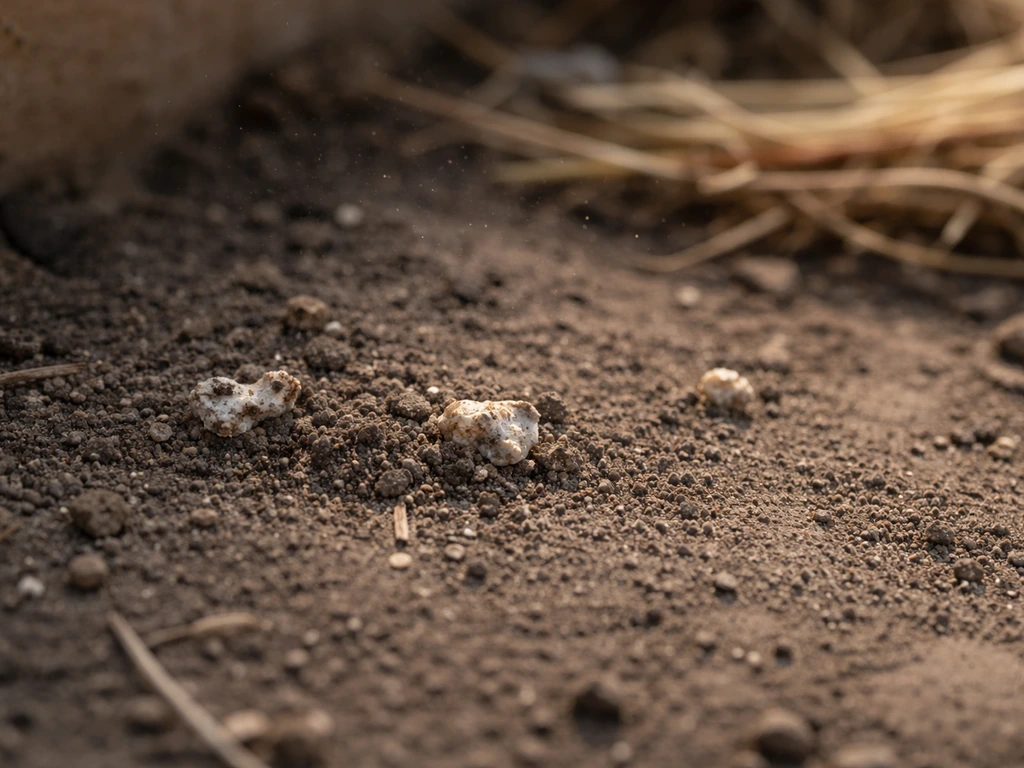
Histoplasmosis is probably the most well-documented disease linked to bird droppings in nest environments. The fungus Histoplasma capsulatum grows in soil enriched by bird or bat droppings, and you get infected by breathing in spores. The risk goes up sharply when dried droppings are disturbed, releasing spores into the air. This is especially relevant if a nest with significant dropping accumulation is in an attic, crawlspace, or other enclosed area.
Bacterial infections
Psittacosis (also called parrot fever) is caused by the bacterium Chlamydia psittaci and is one of the more significant bird-to-human bacterial diseases. Both visibly sick birds and birds that look completely healthy can shed the bacteria in their droppings and respiratory secretions. You can get infected by breathing in dust containing dried droppings or secretions, and the incubation period runs about 5 to 15 days. Parrots, cockatiels, and other psittacine birds are the most common source, but other bird species can carry it too.
Other bacteria worth knowing about include Campylobacter, Salmonella, and E. coli. blank" rel="noopener noreferrer">Duck and goose droppings in particular can contain all three, and these can be present even when a bird appears completely healthy. No matter which species you encounter, the question of what bird carries the most diseases often comes down to droppings and how much they accumulate. Campylobacter spreads through contact with animal droppings and contaminated environments, which absolutely includes a nest area with accumulated fecal material.
Viral risks
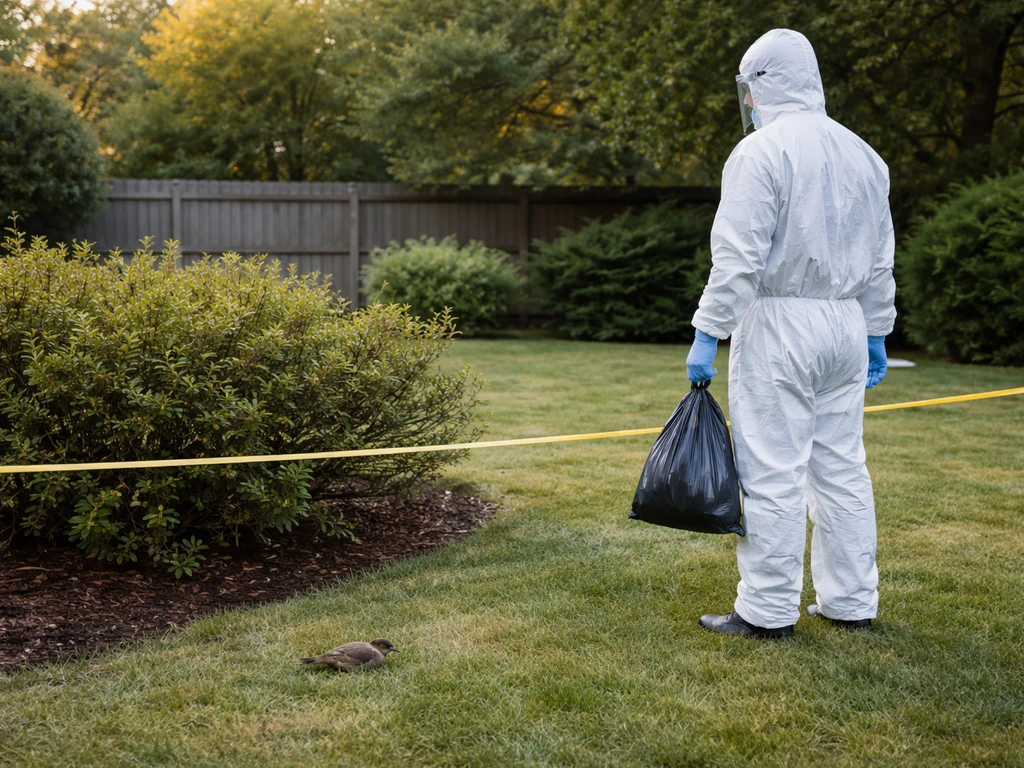
Avian influenza is the virus most people ask about. The WHO and CDC both recommend avoiding contact with sick or dead wild birds, and the general advice for anyone cleaning areas with bird waste is to avoid stirring up dust, feathers, or droppings that could push virus particles into the air. Bird guano health risks are highest when droppings or nesting material are disturbed and you inhale or ingest contaminated dust. The risk from a small, intact nest is low, but a nest in an area where sick birds have been active is a different story.
Parasites
Bird mites are probably the most common nuisance from nests near or inside homes. When nestlings leave or the nest is abandoned, mites can migrate in search of a new host and end up inside your living space. Beyond mites, bird droppings can contain Cryptosporidium and Giardia, both of which spread via fecal-oral routes, meaning contaminated surfaces, soil, or water that comes into contact with food or hands can transmit them.
How disease can actually reach you
Understanding the transmission routes helps you know exactly where to focus your precautions. These are the most realistic ways disease travels from a nest environment to a person.
- Inhaling dust: The biggest risk with nests is breathing in dried droppings dust, feather dander, or fungal spores when a nest is disturbed. This is how histoplasmosis and psittacosis are most commonly acquired.
- Direct skin contact: Handling nesting material, droppings, or dead nestlings with bare hands allows bacteria and parasites to transfer to your skin, and then to your mouth if you touch your face.
- Mite migration: When birds leave a nest, the mites they leave behind can travel into the home, biting people and pets.
- Contaminated surfaces: Droppings on windowsills, vents, or nearby surfaces can contaminate hands, tools, or objects that later come into contact with your mouth or eyes.
- Secondary contact through pets: Dogs or cats that investigate a nest area can pick up parasites or bacteria and bring them inside.
Symptoms to watch for in birds and in people
Warning signs in birds
Because this site focuses on bird health, it's worth knowing what to watch for in birds that might indicate an active disease problem, not just a contaminated nest. Birds often mask illness until it's advanced, so catching these signs early matters.
- Respiratory changes: labored breathing, tail bobbing, clicking or wheezing sounds, open-mouth breathing
- Nasal or eye discharge: any discharge that is watery, cloudy, or crusty around the nares or eyes
- Lethargy and fluffed feathers: a bird sitting at the bottom of the cage, sleeping more than usual, or looking puffed up
- Abnormal droppings: changes in color, consistency, or volume, including very watery or discolored urates
- Weight loss: a keel bone that becomes more prominent over days or weeks
- Reduced appetite: less interest in food or water than normal
If you have a pet bird and you've recently been near wild bird nests or introduced new birds to your home, and you're seeing any of these signs, a vet visit is the right call sooner rather than later. If you're wondering which bird can predict disease and death, the answer often points to canaries and their role in early warning from coal mines. Both sick and asymptomatic birds can shed psittacosis bacteria, so even a bird that looks fine can occasionally be a source.
Symptoms in people after nest exposure
If you've disturbed a nest or cleaned up droppings without protection and you start feeling unwell in the days that follow, keep an eye on these symptoms and consider mentioning the exposure to your doctor.
| Condition | Typical symptom onset | Key symptoms to report |
|---|---|---|
| Histoplasmosis | 3 to 17 days after exposure | Fever, chills, fatigue, chest discomfort, dry cough |
| Psittacosis | 5 to 15 days after exposure | Fever, headache, muscle aches, dry cough, can progress to pneumonia |
| Campylobacter / Salmonella | 1 to 4 days after exposure | Diarrhea (sometimes bloody), stomach cramps, nausea, fever |
| Bird mite irritation | Hours to days after nest contact | Intense itching, small red bite marks, often on exposed skin |
Most people exposed to a small amount of droppings outdoors will have no symptoms at all. But if you cleaned out an enclosed attic or crawlspace with significant dropping accumulation without PPE, and you develop fever or respiratory symptoms within two weeks, tell your doctor about the exposure specifically so they can consider histoplasmosis or psittacosis in their evaluation.
Safe cleanup and removal of nests
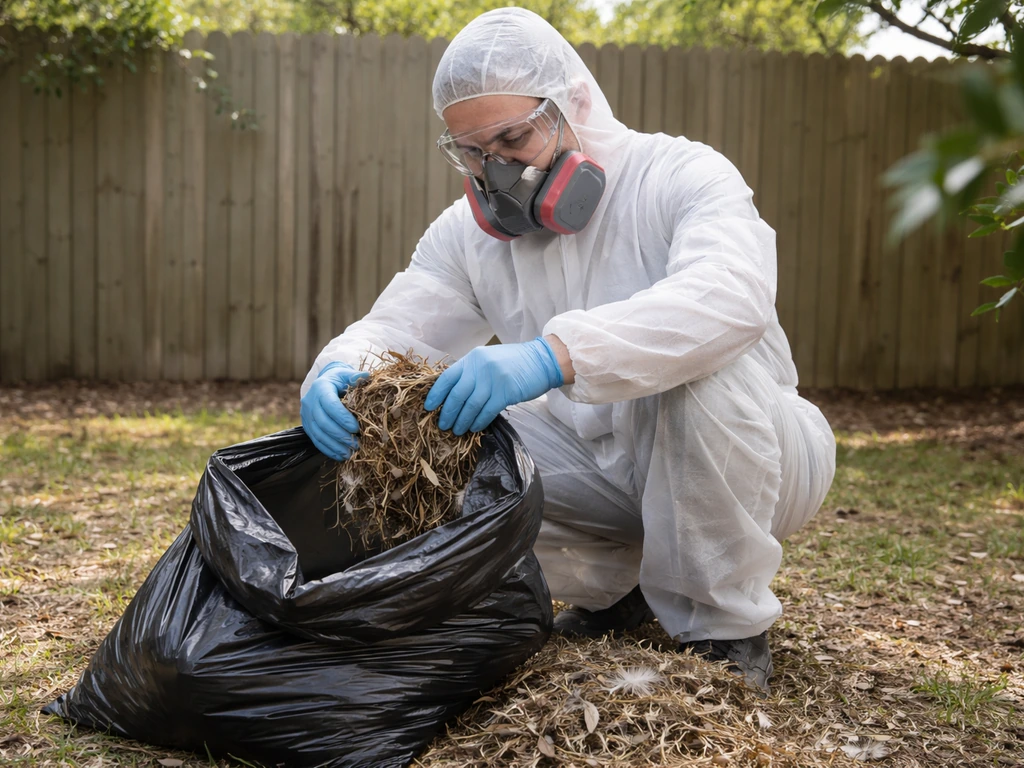
Before you touch anything, check whether the nest is active. In the US, the Migratory Bird Treaty Act protects most native bird species and their active nests, meaning you generally cannot remove an active nest with eggs or young birds in it without a permit. Wait until the nesting season ends and the birds have left on their own. If the nest is in a problematic location (inside a vent or dryer duct, for instance), this is a situation where calling a wildlife control service makes sense from the start.
For an abandoned nest you're removing yourself, here's what to do:
- Gear up before you touch anything: wear disposable gloves, an N95 respirator (or a NIOSH-approved respirator with HEPA filter cartridges for enclosed spaces), and eye protection. If you're working in an enclosed, dusty area, add disposable coveralls and shoe covers.
- Never dry-sweep or dry-brush: do not use a dry broom or vacuum without a HEPA filter on droppings or nest material. This sends the most dangerous particles straight into the air you're breathing.
- Wet it down first: use a spray bottle to lightly dampen the nest and any droppings around it with a diluted disinfectant solution or even plain water. This reduces dust and aerosols significantly when you start handling the material.
- Bag and seal: scoop or gently place the wetted nest material into a heavy-duty plastic bag, seal it tightly, and place it in a second bag before disposal.
- Clean the surface: once the nest is removed, clean the area with soap and water first to remove visible debris, then apply an EPA-registered disinfectant and let it sit for the contact time listed on the label.
- Clean yourself: remove PPE carefully (gloves last), bag any disposable items, and wash your hands thoroughly with soap and water. Wash or dispose of any clothing worn during cleanup.
Ventilation matters a lot. If you're working indoors, open windows on opposite ends of the room to create airflow, and consider running a HEPA air purifier during and after the cleanup. Do not run a standard HVAC system during the process, as it can distribute particles through the whole building. If you need to clean bird or bat droppings, follow Washington State University EH&S guidance such as soaking droppings with a disinfectant solution using a spray bottle and using PPE like a NIOSH-approved respirator with HEPA filter cartridges, gloves, eye protection, and coveralls or shoe coverings, and contact EHS for large amounts soak droppings with a disinfectant solution using a spray bottle and use PPE like a NIOSH-approved respirator with HEPA filter cartridges.
When to skip DIY and call a professional
Some situations genuinely call for professional help, and pushing through them on your own isn't worth the risk. Here are the clear cases where you should step back.
- Large accumulations of droppings: if you're looking at more than a thin coating, especially in an enclosed attic, crawlspace, or duct, contact a professional cleanup or wildlife control service. The volume of aerosolized spores from significant accumulation can overwhelm basic DIY precautions.
- The nest is in an active HVAC duct or vent: this can spread contamination throughout your entire home's air system and needs a professional assessment.
- You or a household member is immunocompromised, pregnant, elderly, or has a respiratory condition: the infection risks from histoplasmosis and other fungal or bacterial pathogens are meaningfully higher in these situations.
- You suspect an active bird illness: if wild birds in the area have been visibly sick or dying, or if your own pet bird is showing symptoms, do not handle nesting material until the situation is assessed. Contact a wildlife agency about the wild birds, and take your pet bird to an avian vet promptly.
- You develop symptoms after exposure: stop any further cleanup, seek medical attention, and specifically tell your doctor about the bird nest or droppings exposure so they can order the right tests.
- The nest is protected by law: an active nest belonging to a protected migratory species cannot legally be removed without authorization in most US jurisdictions. Contact your local wildlife agency or a licensed wildlife control operator.
For pet bird owners specifically, if your bird was potentially exposed to wild bird droppings or nesting material and is now showing any of the respiratory or behavioral symptoms listed earlier, an avian vet visit is the right next step. Psittacosis in particular can affect both birds and the people living with them, and an infected bird can shed the bacteria without looking sick. A vet can test, treat, and give you guidance on protecting yourself during the bird's recovery.
The bottom line is that not every bird nest is a hazard. A small nest in a tree in your yard, left undisturbed, poses minimal real-world risk. The situations that genuinely call for caution involve enclosed spaces, large droppings accumulations, sick birds, or people with compromised immune systems. Match your precautions to the actual situation, and you'll handle it safely.
FAQ
Do bird nests carry disease if the nest is outside and untouched?
Risk is usually low when a nest is outside, intact, and you never disturb droppings or nesting material. The main exception is if you must work near it and create dust or scrape dried droppings, for example when power-washing a surface under the nest.
What should I do if I need to remove a nest from an enclosed space like an attic or dryer vent?
Treat it as higher risk and avoid stirring up dust. Plan for containment of the work area, wear appropriate respiratory protection (at least a fit-tested respirator), and consider hiring wildlife removal or cleanup services that use dust-control methods rather than vacuuming or sweeping.
Can I get sick from touching a nest, even if I do not breathe dust?
Yes, transmission can happen through contaminated hands to your mouth, especially with dried droppings and feather dust. Use gloves, avoid touching your face, and wash hands and exposed skin thoroughly after cleanup, even if you used a mask.
How long should I wait before re-entering an area after cleaning dried droppings?
Airborne particles can linger after disturbance. Leave the area until it has fully ventilated, then consider running a HEPA air purifier during and after cleanup, and only resume normal activity once the space feels free of dust and odor.
Does “bird droppings” risk depend on whether the birds look sick?
Yes. Several diseases can be shed by birds that appear normal, particularly in psittacosis-related exposures. So your precautions should be based on droppings accumulation and whether you disturbed dried material, not just visible illness.
What if the nest is active and I cannot avoid contact for maintenance?
Do not remove an active nest without the proper authorization. Use exclusion methods that do not disturb droppings (for example, rescheduling work or protecting the access point), and involve a wildlife professional when the nest blocks a duct, vent, or critical area.
Is sweeping or using a regular vacuum safe for dried droppings?
Usually not, because it can aerosolize particles. Use wet methods or HEPA-filtered equipment intended for contaminated dust, and avoid standard household vacuums that can release fine particles back into the air.
Do bird mites from nests always bite people, or is it mainly an irritant problem?
Often they cause itching and irritation, but in some settings they can trigger more widespread discomfort after nests are abandoned. If you notice persistent bites after a nest is removed, focus on thorough cleaning of nearby surfaces and consider pest management support if mites keep showing up.
If I feel sick after cleaning, should I automatically assume it was from the nest?
Not automatically. Symptoms can overlap with many conditions, but time matters. If you developed fever or respiratory symptoms within about two weeks after disturbing significant droppings in an enclosed space, tell your clinician about the specific exposure so they can consider relevant infections.
What should pet bird owners do if their bird was exposed to wild bird nests or droppings?
If there are any respiratory, neurological, or behavioral changes, arrange an avian vet visit promptly. Even if the bird seems fine, psittacosis risk is not ruled out by appearance, so prioritize early evaluation over waiting for obvious symptoms.
Does immunocompromised status change the precautions for dealing with nests?
Yes. If you or household members are immunocompromised, pregnant, or have chronic lung disease, the threshold for professional help is lower. Avoid DIY cleanup in enclosed spaces with heavy droppings accumulation and ensure respiratory protection and strict dust control if cleanup is unavoidable.
Next Article
Can a Bird Nest Make You Sick? Symptoms and Safe Cleanup
Learn if bird nests cause illness, key symptoms from droppings and dust, safe cleanup steps, and when to get help.