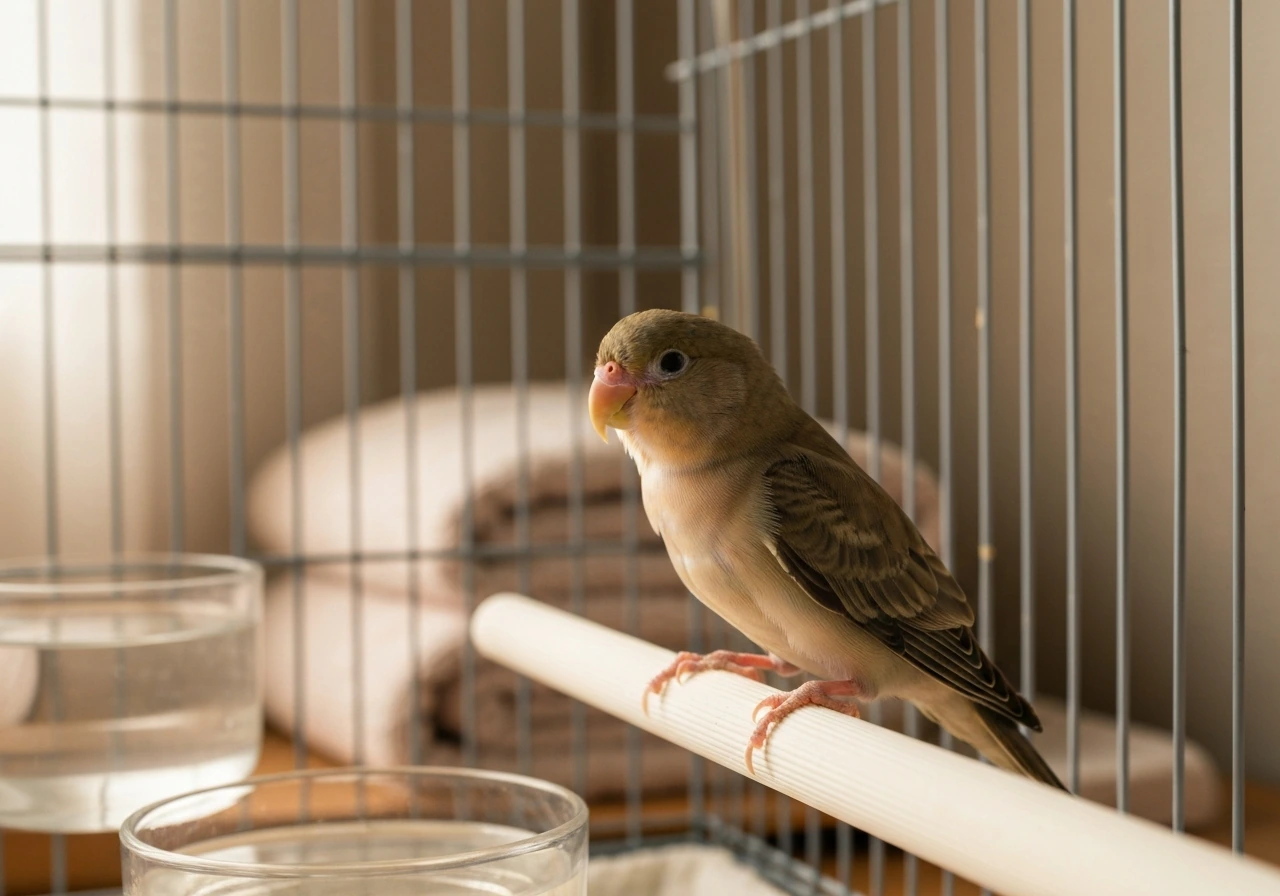
If your bird is breathing with its mouth open, bobbing its tail with every breath, or making wheezing or clicking sounds, that is a genuine warning sign that needs attention today. Birds hide illness until they can't anymore, so visible breathing trouble usually means things have already progressed. Get to an avian vet as soon as possible for any bird that looks like it's working hard to breathe. That said, there are safe steps you can take right now to reduce stress on the bird while you make that call.
Bird Breathing Problems: Signs, Causes, and What to Do Now

Marcus Webb
18 Jun 2026
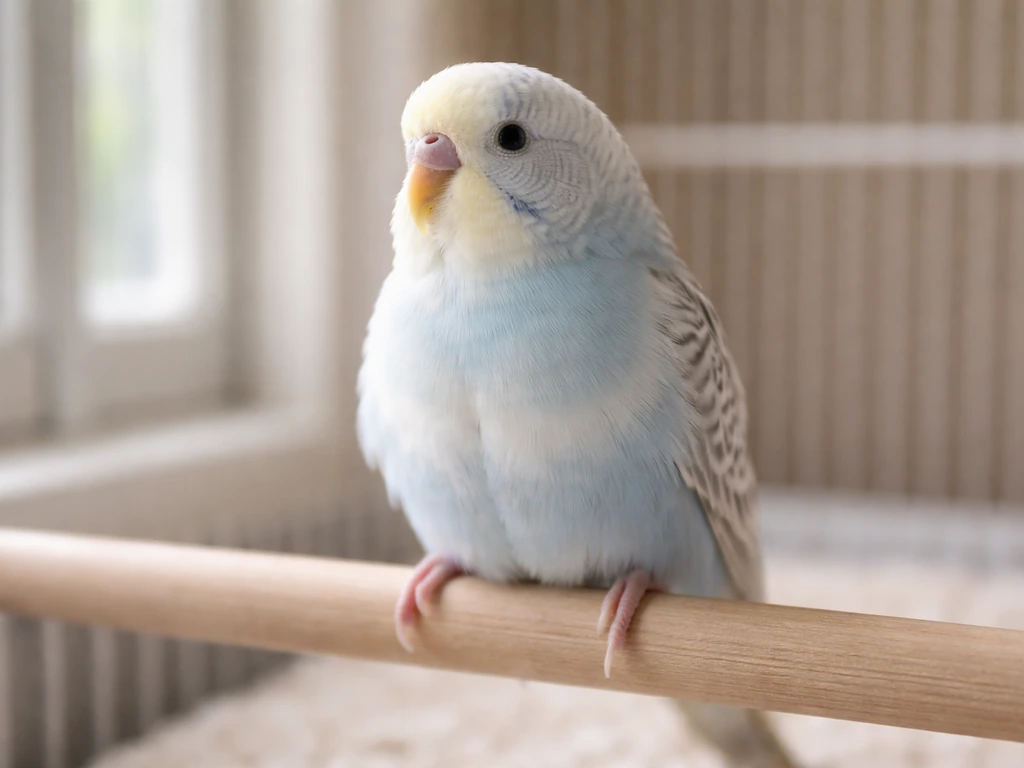
Signs of breathing problems to watch for in birds
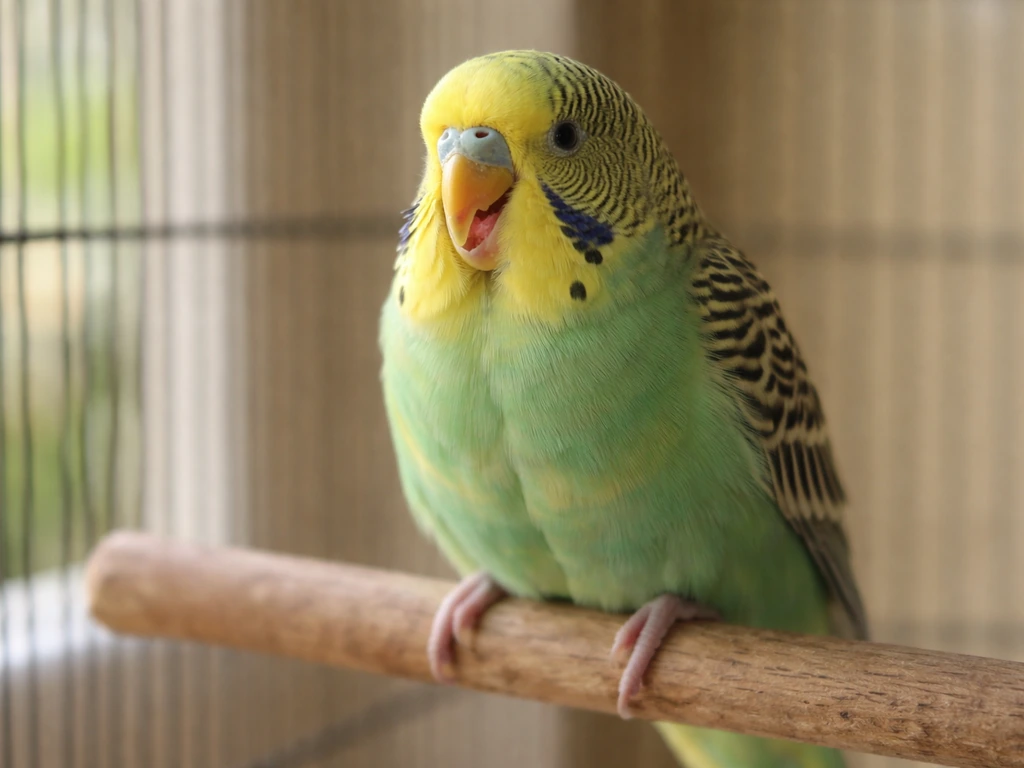
Breathing changes in birds can be subtle at first, so knowing what to look for makes a real difference. The clearest signs are behavioral and postural, and once you see them you'll recognize them immediately.
- Open-mouth breathing: a bird breathing through its open beak when it hasn't been exerting itself is almost always a red flag
- Tail bobbing: the tail moving visibly up and down with each breath means the bird is using extra muscles to breathe
- Wheezing, clicking, or wet rattling sounds during breathing
- Neck stretching or head bobbing, as if trying to open the airway wider
- Fluffed feathers combined with labored breathing and lethargy
- Nasal or eye discharge, sneezing, or crusting around the nares (nostrils)
- Swelling around the face, eyes, or sinuses
- Sitting low on the perch, leaning forward, or reluctant to move
- Changes in voice, such as a quieter, hoarser, or altered call
- Exercise intolerance: getting winded very easily or refusing to fly
The combination of two or more of these signs at once is especially concerning. A bird that is tail-bobbing AND breathing with an open mouth AND sitting fluffed at the bottom of the cage is in significant respiratory distress and needs emergency care. Even a single sign like persistent tail bobbing warrants a vet call that same day.
Quick home checks before you call the vet
Before or while you call an avian vet, do a rapid walk-through of the bird's environment. This information helps the vet triage over the phone and often points directly at the cause.
Environment
Check the room temperature and humidity. Was anything cooked recently on non-stick cookware, or was the oven used at high heat? Non-stick coatings containing PTFE (Teflon) release fumes when overheated that can kill a bird within minutes. Even if the pan didn't visibly smoke, fumes can be enough. Also look for any aerosol sprays used recently: air fresheners, insecticides, cleaning sprays, scented candles, or incense. Any of these can trigger acute respiratory distress in birds.
Posture and behavior timeline
Note when you first noticed the breathing change and whether it came on suddenly or gradually. Sudden onset after a cooking or cleaning event strongly suggests toxin inhalation. Gradual worsening over days points more toward infection. Also check: is the bird still perching, eating, and drinking? A bird that has stopped perching or refuses food and water is at a more urgent stage.
Recent changes and exposures
- Any new birds introduced in the past 30 days (and whether quarantine was used)
- New bedding, substrate, or cage furnishings that could be dusty or treated
- Changes in diet, especially moldy or dusty seeds
- Recent use of new cleaning products in or near the cage
- Exposure to cigarette smoke, incense, or paint fumes
- Unusual temperature swings or drafts
- Contact with wild birds or birds from an unknown health background
Common causes of bird breathing difficulty
Respiratory problems in birds fall into three broad categories: upper respiratory causes, lower respiratory causes, and environmental irritants or toxins. They can look similar from the outside, but the history and accompanying signs often give clues. Drexotic also notes that upper airway obstruction and lower causes like pneumonia, pulmonary congestion or hemorrhage can both show up as respiratory distress, and other non-lung abdominal problems may contribute too blank" rel="noopener noreferrer">upper airway obstruction and pneumonia or pulmonary hemorrhage can present as respiratory distress.
| Category | Common Causes | Typical Signs |
|---|---|---|
| Upper respiratory | Bacterial infection (e.g., chlamydiosis, bordetellosis), viral URI, fungal sinusitis | Sneezing, nasal discharge, facial swelling, voice change, clear or cloudy discharge from nares |
| Lower respiratory | Aspergillosis (fungal), bacterial pneumonia, air sac infection, aspiration | Open-mouth breathing, tail bobbing, neck stretching, wheezing, lethargy, anorexia |
| Environmental irritants or toxins | PTFE/Teflon fumes, aerosol sprays, smoke, cleaning chemicals, dust, extreme heat | Sudden onset gasping, severe dyspnea, acute collapse, can progress to death very quickly |
Aspergillosis, a fungal infection caused by inhaled Aspergillus spores, is one of the more common serious lower respiratory diseases in pet birds. It can cause tachypnea (fast breathing), gasping, neck stretching, and ruffled feathers. Avian chlamydiosis (caused by Chlamydia psittaci) can present as respiratory distress, listlessness, and facial swelling and can also affect humans, so it's worth flagging for your vet. Upper respiratory infections from bacteria like Bordetella can cause sneezing, watery eyes, nasal discharge, and mouth breathing. Abdominal masses or fluid can also compress the air sacs and mimic respiratory disease, which is why lower respiratory signs sometimes have a non-lung explanation.
What to do right now at home
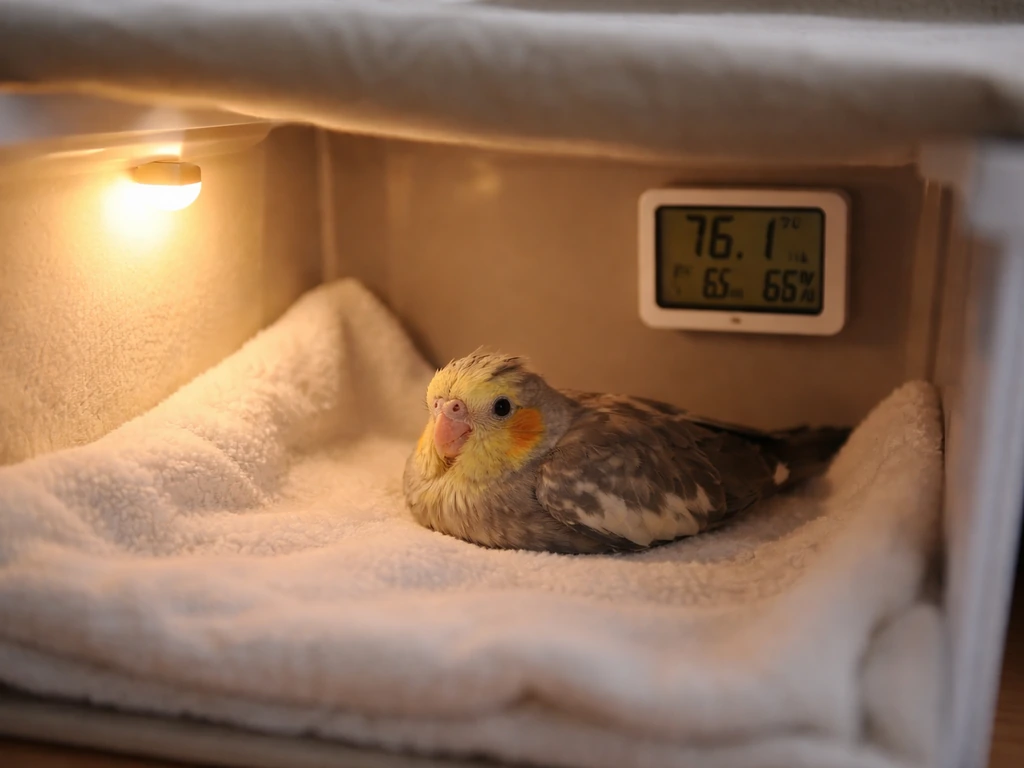
Your main job at home is to reduce stress on the bird and stabilize its environment while you arrange veterinary care. Do not try to diagnose or treat this yourself beyond these steps.
- Move the bird to a warm, quiet space: aim for around 85°F (29°C) with humidity around 60-70% if possible. A warm bathroom with the shower briefly run to create steam can help ease breathing temporarily.
- Remove the bird from any potential fume or irritant source immediately. If you suspect Teflon or aerosol exposure, move the bird to fresh air and ventilate the space.
- Keep handling to an absolute minimum. Stress makes respiratory distress worse. If you need to handle the bird, use a gentle towel wrap and never put pressure on the chest.
- Lower perches or place food and water at floor level if the bird is struggling to perch, so it doesn't have to exert itself.
- Separate the sick bird from other birds in the home to prevent potential spread of infection.
- Observe and document: note the breathing rate if you can count it, the sounds, the posture, and any changes. Video is extremely helpful for the vet.
There are a few things you should not do. Do not give over-the-counter medications from a pet store: they are generally ineffective for bird respiratory disease and can delay proper treatment. For more on how these symptoms can present as lung issues, see bird keepers lung symptoms bird respiratory disease. Do not try to force-feed fluids or attempt nebulization at home without veterinary direction. Do not place the bird in a small airtight container thinking it will help keep it warm: ventilation matters.
When it's an emergency: red flags and how fast to act
Some respiratory signs in birds are absolute emergencies. If you see any of the following, call an avian vet or avian emergency clinic immediately and go today, not tomorrow.
- Open-mouth breathing at rest, especially combined with tail bobbing
- Gasping, choking, or a clicking/rattling sound on every breath
- Blue, gray, or pale coloring around the beak or mucous membranes (cyanosis)
- Sudden collapse or inability to stand
- Bird is found at the bottom of the cage and cannot perch
- Acute onset after suspected Teflon fume or chemical exposure
- Complete refusal to eat or drink, combined with any respiratory sign
- Visible swelling around the face, eyes, or throat
For a bird showing severe respiratory distress, think in terms of hours, not days. Severely dyspneic birds can decompensate very quickly and may need hospitalization with oxygen support and 24-hour care. Even milder signs like persistent tail bobbing alone or subtle wheezing should result in a same-day or next-morning vet call. Birds are very good at hiding illness, which means by the time a sign is obvious to you, the condition has usually been developing for a while already.
Preparing for the vet visit
The more information you bring, the faster a vet can narrow down the cause. Before you go, jot down or have ready the following: when symptoms started, whether onset was sudden or gradual, any recent environmental changes (new products, cooking events, new birds), what the bird has been eating, whether any other birds in the house are affected, and the bird's vaccination history if it has one.
A short video of the bird breathing at rest is incredibly valuable. Vets often can't replicate breathing sounds during an exam, and a clip showing tail bobbing or audible wheezing gives them a lot to work with. If there was a specific suspected exposure like overheated non-stick cookware, bring the product name or a photo of the packaging.
What tests and treatments the vet may use
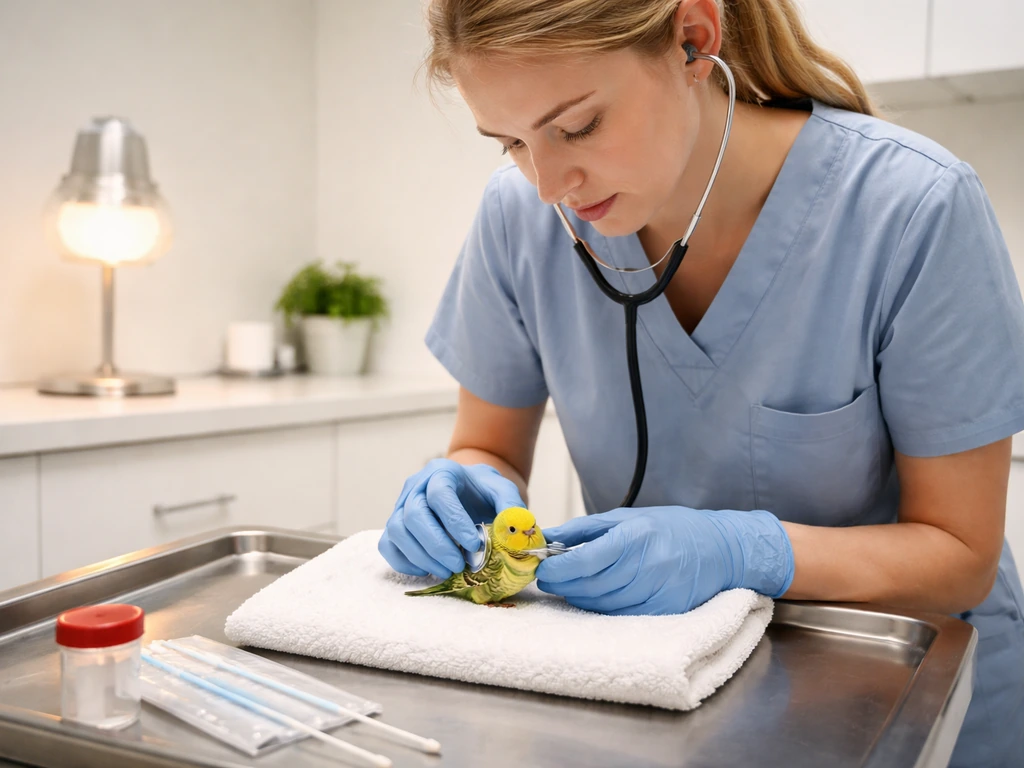
For respiratory disease, vets often start with a physical exam and history, then build toward diagnostics based on what they find. Common workup steps include:
- Cultures and sensitivity testing of nasal or tracheal discharge to identify bacteria or fungi
- Sinus aspirate or nasal flush to sample the upper respiratory tract
- Tracheal wash for lower respiratory sampling
- Chest radiographs (X-rays) to assess the lungs and air sacs
- PCR panel testing for specific pathogens including Chlamydia, Aspergillus, and common viral agents
- Blood work (CBC) to look for systemic infection or inflammation
- Endoscopy of the lower airways or air sacs if needed
- CT imaging in complex or unclear cases
Treatment depends entirely on what the workup finds. Treatment depends entirely on what the workup finds, so the best way to treat a bird respiratory infection will vary by the underlying cause how to treat bird respiratory infection. Bacterial infections are treated with antibiotics matched to the culture results. Aspergillosis requires antifungal therapy, which may be oral, injectable, or nebulized under veterinary direction. Air sac mites and parasitic infections have their own targeted treatments. A severely distressed bird may receive oxygen support and warmth in a hospital incubator before any of these diagnostics even begin, because stabilization comes first.
Reducing respiratory risk long-term
Many bird respiratory problems are preventable with consistent attention to air quality and husbandry. These habits won't eliminate all risk, but they make a significant difference.
Air quality in the home
The single most impactful thing you can do is get all non-stick cookware and appliances with PTFE coatings out of the kitchen if you have birds, or at minimum, never leave them unattended at high heat and always cook with maximum ventilation. This applies to non-stick pans, drip trays, and even some heat lamps with PTFE coatings. Beyond that, avoid using aerosol sprays of any kind near birds: this includes air fresheners, disinfectant sprays, insect repellents, and hairspray. Candles, incense, and plug-in scent diffusers can also irritate bird airways. Cigarette smoke and vaping should never happen in a space shared with birds.
Cleaning, dust, and humidity
Clean the cage regularly with unscented, bird-safe cleaners and rinse thoroughly before returning the bird. Dusty seed mixes, moldy substrate, and feather dust buildup can all contribute to respiratory irritation over time. Maintaining appropriate humidity (generally 40-60% in most homes) helps keep mucous membranes healthy without promoting mold growth. Avoid placing the cage directly under a cold air vent or in a drafty location, though normal room airflow is not itself a health risk.
New birds and quarantine
Any new bird brought into a home with existing birds should be quarantined for at least 30 days in a separate room with separate equipment. Many respiratory infections are spread between birds before symptoms are obvious. Ideally, new birds should get a health check from an avian vet shortly after arrival. Asking for veterinary health records when acquiring birds from a breeder or rescue is completely reasonable and worth doing.
Routine monitoring
Get into the habit of observing your bird's breathing at rest once a day. You don't need to count breaths every time, just notice whether anything looks different: is the tail moving more than usual, does the bird seem quieter, are the feathers fluffed? Catching a change early, before open-mouth breathing or severe distress sets in, gives you a much better window for treatment. Finding an avian-experienced vet before you have an emergency is one of the most practical things you can do as a bird owner, so you're not searching in a panic when something goes wrong.
FAQ
What should I do if my bird is breathing fast but still seems alert?
Treat it as urgent and arrange a same-day or next-morning avian vet call. Fast breathing (tachypnea) can worsen quickly in birds even before they look “sick,” especially if you also notice tail-bobbing, neck stretching, or reduced perching.
How can I tell if the breathing problem is from the upper airways versus the lower air sacs?
You cannot reliably confirm at home, but clues help. Upper issues often come with sneezing, nasal discharge, or watery eyes, while lower issues more often show tail-bobbing, open-mouth breathing, wheezing, gasping, or neck stretching. Use those clues to guide what you report to the vet.
Should I put my bird in a steamy bathroom or use humidification to loosen mucus?
Avoid DIY “treatments” like steam baths or aerosolizing water unless your avian vet specifically directs it. Moisture and temperature changes can worsen stress, and humidifiers can disperse mineral dust or contaminants that further irritate airways.
Is it safe to use a carrier to keep my bird warm while traveling to the vet?
Yes, but prioritize airflow. Do not use an airtight container. Use a well-ventilated carrier, keep it comfortably warm with safe external warmth (like a warm not hot heat pack placed outside the carrier), and avoid strong heat lamps that may add fumes or overheat the bird.
Can I give leftover antibiotics or any medicine from a previous bird?
No. Sharing or reusing medications can delay correct diagnosis and may be ineffective for fungal, parasitic, or non-infectious causes. Birds can also respond dangerously to the wrong drug or dose, so only use treatments your avian vet prescribes.
When should I suspect toxin exposure, and what details matter most?
If breathing trouble starts suddenly after cooking, cleaning, or using an aerosol product, toxin or fume exposure becomes more likely. Tell the vet the exact timing, what product was used (including brand and ingredients if you have them), where the bird was positioned in the home, and whether there was any overheating or visible smoke.
What if only one bird is affected in a multi-bird household?
Do not assume it is “less serious.” One bird can be the first to show signs, even if others carry the infection. Report which birds are symptomatic, any recent introductions or transfers, and whether birds share the same room air and cleaning products.
How do I document symptoms so the vet can triage faster?
Write down the start time, whether changes were sudden or gradual, current appetite and water intake, perching status, noise level, tail movement, and any other signs like sneezing or facial swelling. A short video at rest, ideally with sound, is more useful than a description alone.
Should I count breaths per minute for the vet?
If you can do it calmly, it can be helpful, but do not stress the bird to obtain a number. Focus on observable effort indicators (open-mouth breathing, tail-bobbing, neck stretching, fluffed posture). If you do count, note the time you observed it and whether the breathing improved or worsened during rest.
Could feather dust, air fresheners, or scented laundry affect bird breathing?
Yes. Even if you do not see immediate smoke or obvious residue, scented products (including plug-in diffusers and scented detergents that leave strong fragrance) can irritate sensitive airways. If symptoms align with a recent scent, cleaning, or laundry change, mention it to the vet.
What humidity level is safe, and should I change it right away?
Aim for a reasonable indoor range (commonly around 40 to 60% in many homes). If humidity is extremely low, gentle whole-room humidification can help comfort, but avoid making rapid swings. Do not create misting or direct aerosol exposure in the bird’s immediate space.
If the vet advises stabilization first, what might that include?
Stabilization can mean oxygen support, careful warming in an incubator, and reducing handling stress before diagnostics. Ask whether your bird should be kept warm in transit and whether you should bring the breathing video and a list of recent exposures.
How can I reduce the risk of bird breathing problems without missing early signs?
Keep a daily observation routine at the same time each day, then track changes (tail movement, posture, appetite, voice, and activity). Early detection matters most, so if you notice even subtle tail-bobbing or increased respiratory effort, call your avian vet before it reaches open-mouth breathing.
Next Article
How to Treat Bird Respiratory Infection at Home and When to See a Vet
Recognize bird respiratory signs, try safe at home supportive care, and know when symptoms mean urgent vet help.