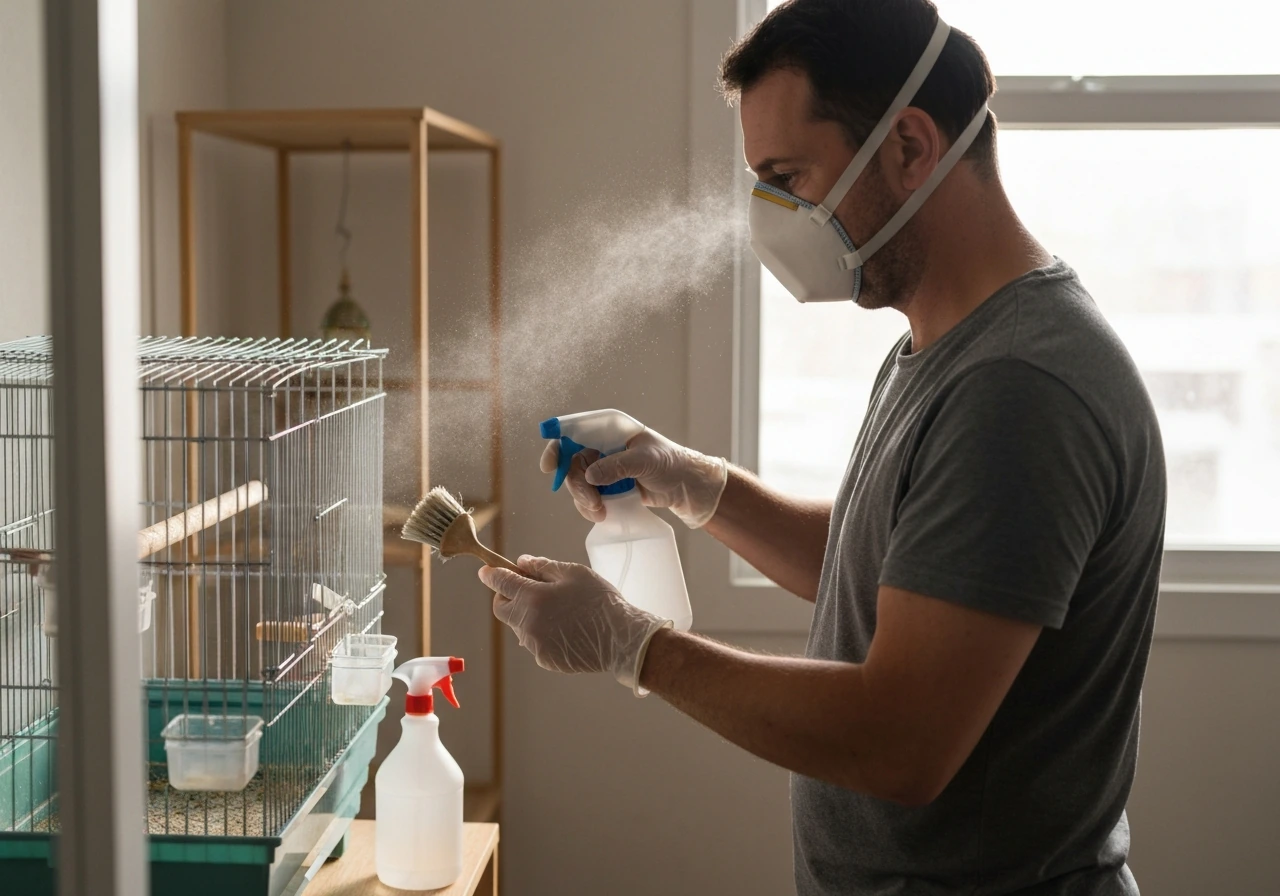
If your bird is showing signs of a respiratory infection, the most important things you can do right now are: move it to a warm, quiet, stress-free space, make sure it stays hydrated, and contact an avian vet as soon as possible. Home care can stabilize a sick bird and keep it comfortable, but respiratory infections in birds almost always need a diagnosis and proper medication to actually clear up. What you do at home buys time; the vet is what fixes it.
How to Treat Bird Respiratory Infection at Home and When to See a Vet

Marcus Webb
11 Jun 2026
Recognize respiratory infection signs in birds
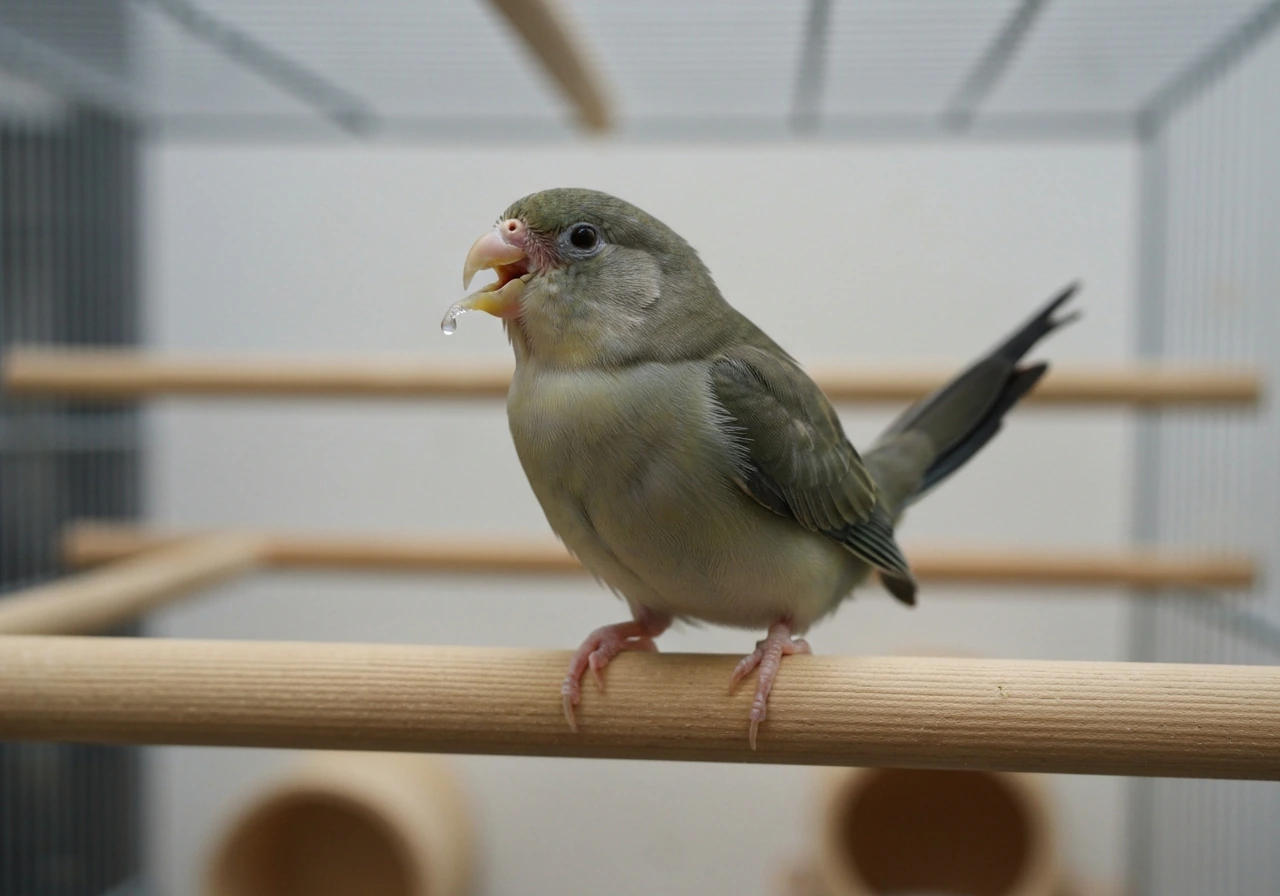
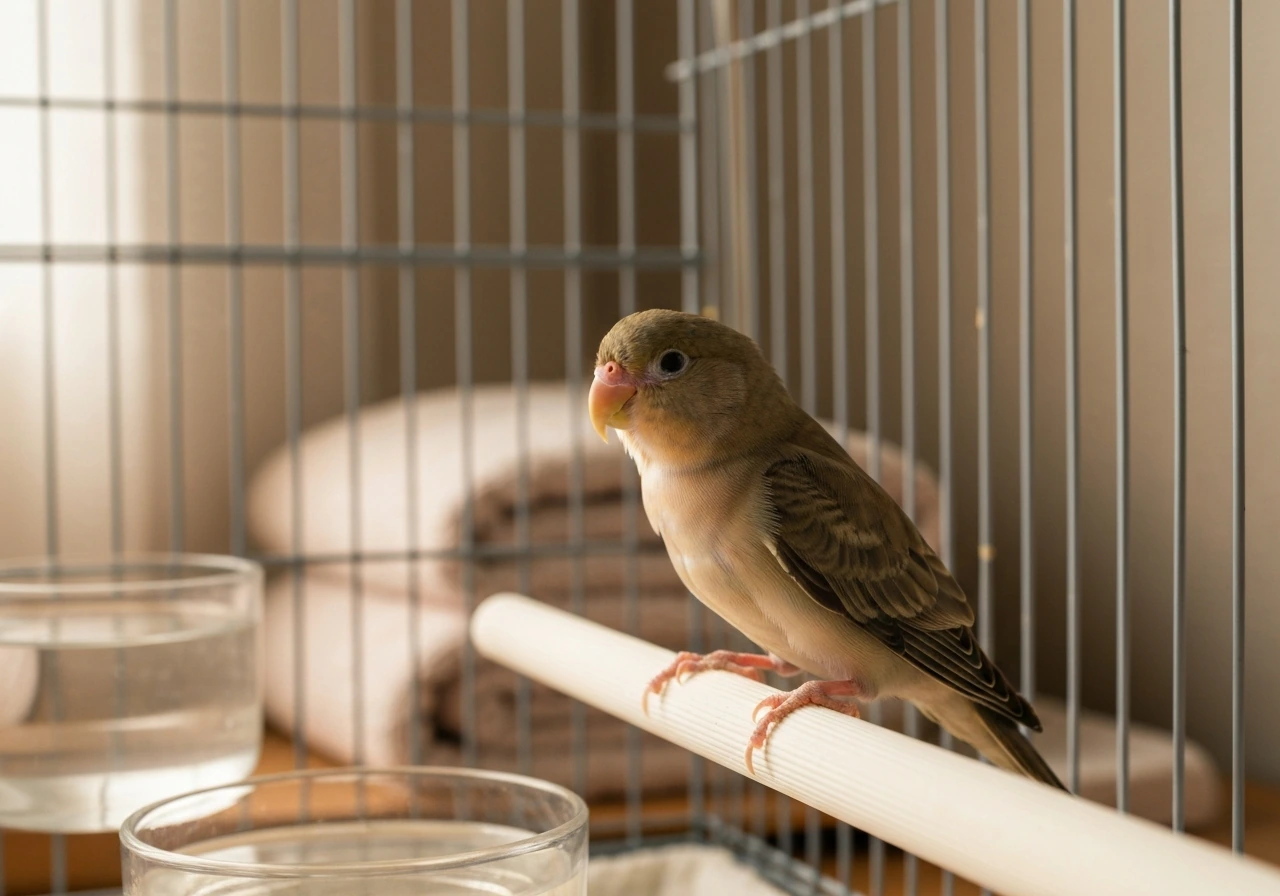
Catching this early makes a real difference. Birds instinctively hide illness, so by the time you notice something is off, the bird may have been sick for longer than it appears. These are the signs that point toward a respiratory problem: These signs can include a fluffed, silent bird that sleeps most of the time, droops on the perch or bottom of the cage, and may have laboured breathing fluffed, silent, sleep most of the time, droop on the perch or bottom of cage, and laboured breathing.
- Open-mouth breathing (outside of brief heat-related panting, this is a red flag)
- Tail bobbing with each breath, visible sternal movement, or wing flaring while breathing
- Wheezing, clicking, rattling, or any abnormal breathing sounds
- Sneezing, coughing, or a changed voice
- Nasal discharge, runny or crusty nostrils, or watery/foamy eyes
- Fluffed feathers, drooping on the perch, or sitting at the bottom of the cage
- Lethargy, sleeping excessively, and reduced or absent appetite
- Rapid breathing at rest (for small birds under 300 g, normal resting rate is 30–60 breaths per minute; for larger birds 400–1,000 g, it is 15–30 breaths per minute — anything well above that at rest is a concern)
The most serious signs are open-mouth breathing, tail bobbing, and visibly labored breathing. Those point to significant respiratory distress and need immediate attention. Sneezing once or twice without other symptoms is less urgent, but if sneezing is paired with discharge, lethargy, or appetite loss, treat the whole picture as concerning.
In Merck Veterinary Manual’s description of bordetellosis in poultry, signs can include sneezing, watery or foamy eyes, clear nasal discharge, mouth breathing, dyspnea, and tracheal rales sneezing, watery/foamy eyes, clear nasal discharge, mouth breathing, dyspnea, and tracheal rales. If you notice these bird lung symptoms alongside reduced energy or appetite, it is safer to contact an avian vet right away.
If you want to go deeper on specific symptoms, the topics around bird breathing problems and how to tell if your bird has a respiratory infection cover individual signs in more detail.
First-aid at home: isolate, warm, humidify, and reduce stress
Before anything else, separate the sick bird from any other birds you have. Respiratory infections can spread quickly through shared air, contact, and water sources. If you notice respiratory symptoms, use the guidance on how to tell if your bird has a respiratory infection to pinpoint what to watch for. Even if you are not sure the illness is contagious, isolating the bird protects the others and also reduces stress on the sick bird, which helps it conserve energy for recovery.
Warmth is one of the most effective supportive measures you can provide. A sick bird cannot regulate its body temperature well and burns extra energy trying to stay warm. Move the bird to a warmer environment, around 85–90°F (29–32°C) for most pet birds, but watch its response. If it pants or holds wings away from its body, it is too hot. A hospital cage or a small enclosure with a low-wattage heat lamp directed at one side (so the bird can move away if needed) works well. Covering part of the cage retains warmth without overheating.
Adding some humidity helps. Dry air irritates already-inflamed airways and makes breathing harder. Running a cool-mist humidifier in the room (not directly aimed at the bird) or briefly placing the bird in a steam-filled bathroom for 10–15 minutes a few times a day can ease congestion and loosen secretions. Do not over-humidify as excess dampness can encourage fungal growth.
Stress suppresses a bird's immune response and makes recovery slower. Keep the area quiet, dim the lighting slightly, minimize handling to what is necessary, and keep other pets and foot traffic away from the sick bird's space. Do not try to force interaction or training during illness.
Supportive care basics: hydration, nutrition, and monitoring
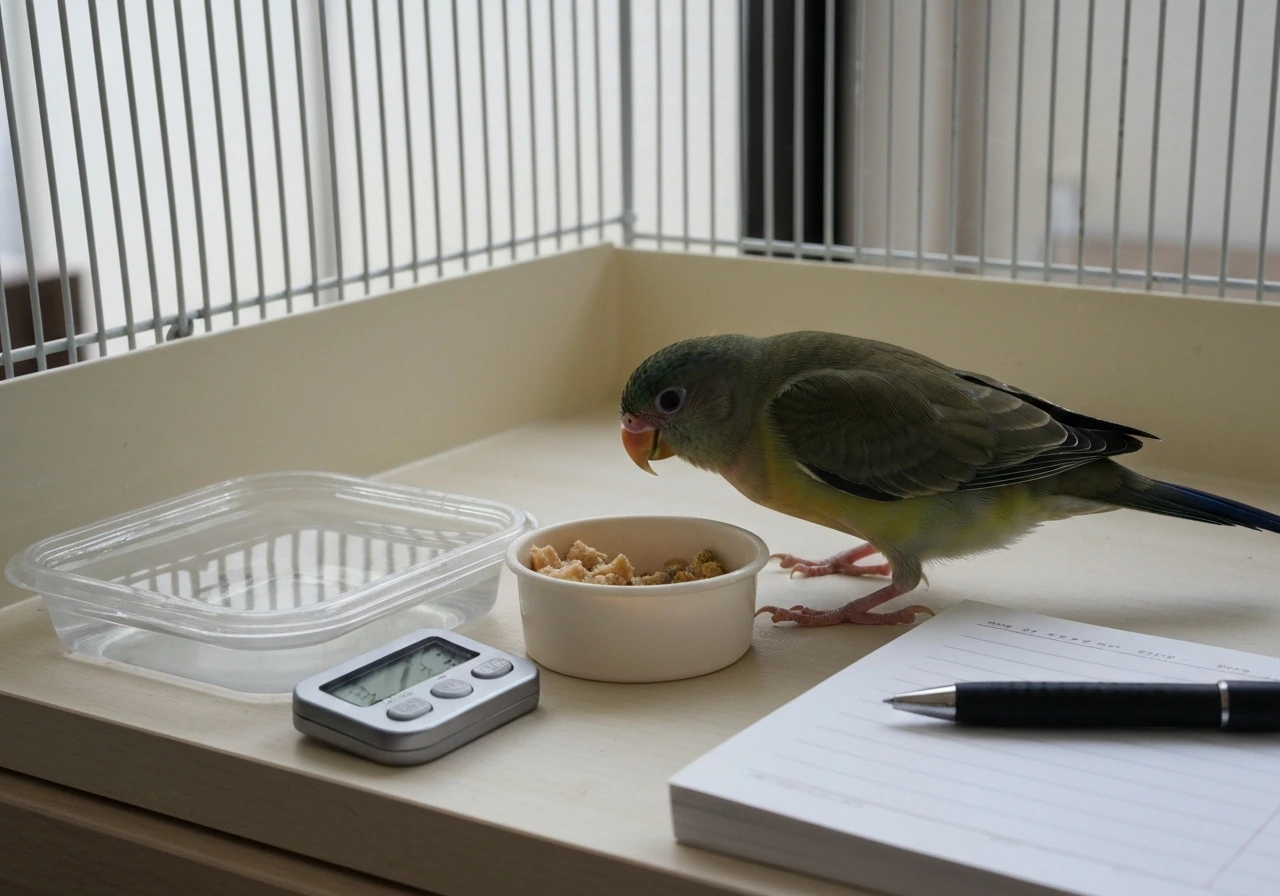
A sick bird often stops eating and drinking, which leads to dehydration and weakness fast. Make sure fresh water is always accessible and easy to reach. If the bird normally drinks from a bottle, also offer a shallow dish since a very weak bird may not have the energy to use a sipper nozzle. Warm water (around room temperature) is easier to drink than cold.
Encourage eating by offering the bird's favorite foods in small amounts, making them easy to access at the bottom of the cage if the bird is too weak to perch reliably. Soft, easily digestible foods are helpful, things like cooked grains, soft fruits, or soaked pellets. Do not force-feed unless a vet has specifically instructed you on how to do this safely, as improper technique can cause aspiration.
Monitor the bird every few hours. Track whether breathing is getting better, staying the same, or worsening. Watch for changes in droppings (color, consistency, and volume), changes in energy level, and whether the bird is eating or drinking at all. Keep a simple written log with the time and what you observed. This record is valuable when you talk to the vet.
Normal resting respiratory rate varies by species size. Smaller birds under 300 g typically breathe blank" rel="noopener noreferrer">30–60 times per minute at rest; larger birds in the 400–1,000 g range breathe 15–30 times per minute. If your bird is breathing significantly faster than its normal range while resting quietly and in a warm environment, that is a sign the condition may be worsening. You can use these typical resting ranges as a starting point to spot bird respiratory problems earlier and know when symptoms are truly outside normal.
What NOT to do and how to avoid spreading illness
There are some common mistakes that can make things worse, and a few safety points worth being direct about.
- Do not use over-the-counter human cold or flu medications on birds. These are toxic to avian species and can be fatal.
- Do not use essential oils, scented candles, aerosol sprays, air fresheners, or incense near a sick bird. Birds have extremely sensitive respiratory systems and these substances can cause rapid deterioration. Non-stick cookware fumes (PTFE/Teflon) are also highly toxic.
- Do not try to diagnose and treat with leftover antibiotics from another bird or from a previous illness. Using the wrong antibiotic, or the right antibiotic at the wrong dose, can cause harm and contribute to resistance.
- Do not delay seeing a vet because the bird seems to be "managing". Birds mask illness and can decline rapidly.
- Do not expose other birds. Change your clothing and wash your hands thoroughly before and after handling the sick bird, and use separate food and water dishes, cleaning tools, and perches.
- Do not place the sick bird in a cold draft or a room with poor ventilation while trying to keep it warm. Consistent gentle warmth is the goal, not fluctuating temperatures.
If you keep multiple birds, monitor the others closely for early symptoms in the days following the isolation of your sick bird. Respiratory infections like bacterial bordetellosis or viral metapneumovirus infections spread readily through nasal discharge and shared environments, so early detection in flock companions matters.
Likely causes and why the treatment depends on the diagnosis
This is an important point that a lot of people miss: the word "respiratory infection" covers a huge range of underlying causes, and the treatment is completely different depending on what is actually going on. A bacterial infection needs antibiotics. A fungal infection (like aspergillosis) needs antifungals. A viral infection may need supportive care while the bird's immune system does the work. A parasitic infection needs antiparasitic treatment. Using the wrong treatment does nothing, and using an antibiotic for a fungal infection can actually worsen it by disrupting normal flora.
Beyond infectious causes, respiratory symptoms can also come from non-infectious irritants: dust, mold spores, cigarette smoke, toxic fumes, or a foreign body in the airway. In those cases, removing the irritant and providing supportive care may be sufficient, but only if you correctly identify the cause.
| Cause Type | Examples | Typical Treatment Approach |
|---|---|---|
| Bacterial | Bordetella, Mycoplasma, Chlamydia (psittacosis) | Prescription antibiotics (specific to pathogen) |
| Viral | Avian metapneumovirus, Newcastle disease, ILT | Supportive care; antivirals rarely used in avian practice |
| Fungal | Aspergillus (aspergillosis) | Prescription antifungal medication, often long-term |
| Parasitic | Air sac mites (common in finches/canaries) | Antiparasitic medication (e.g., ivermectin under vet guidance) |
| Non-infectious irritant | Smoke, fumes, dust, mold | Remove exposure source; supportive care; vet if persistent |
This is exactly why a vet visit is not optional for most respiratory infections in birds. Without cultures, imaging, bloodwork, or other diagnostics, you cannot know what you are treating. Home care keeps the bird stable; diagnosis determines whether that care will actually lead to recovery.
When to call an avian vet urgently
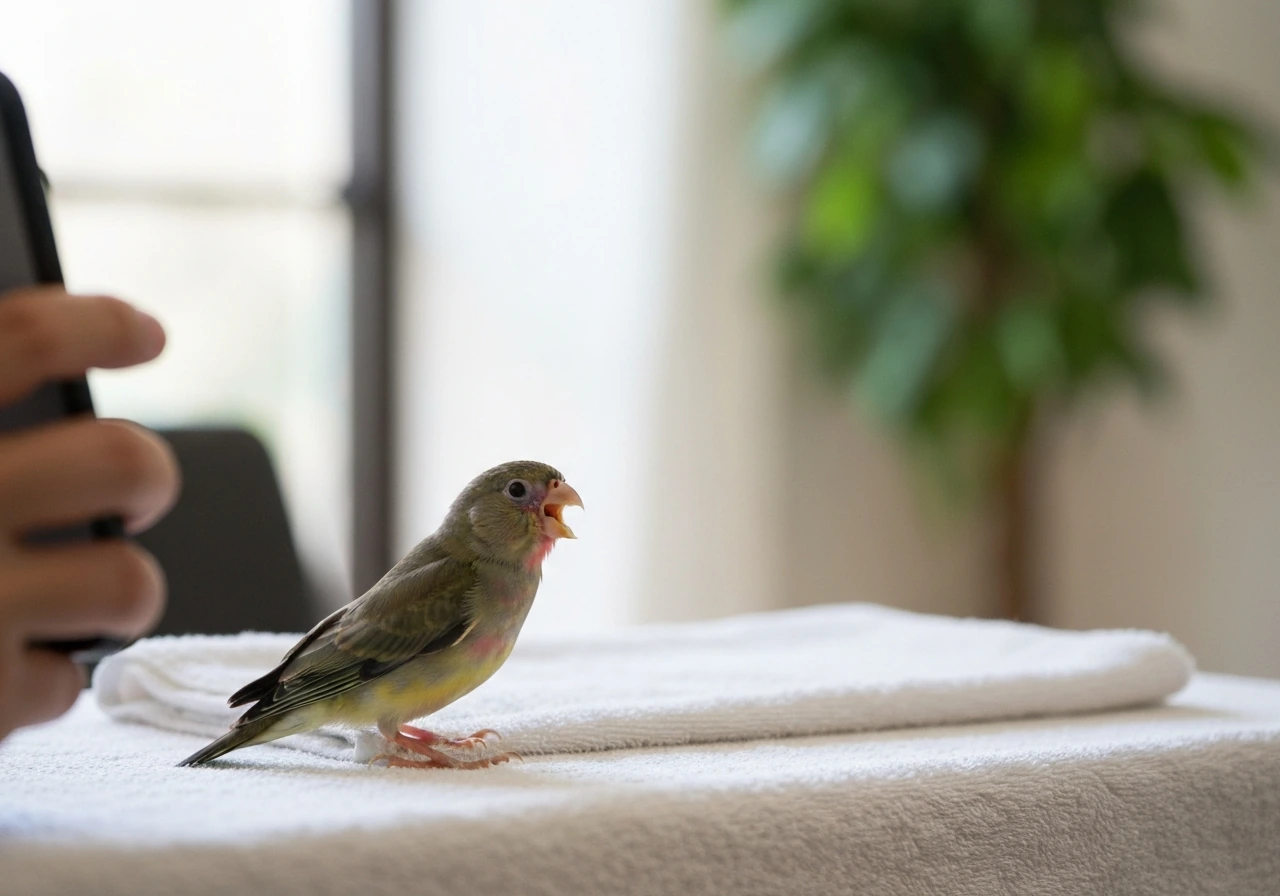
Some situations need a same-day or emergency call, not a wait-and-see approach. If your bird is showing any of the following, contact an avian vet immediately:
- Open-mouth breathing that is not resolving within a few minutes of moving to a cooler, calmer spot
- Tail bobbing with every breath or visible effort on every inhale and exhale
- The bird cannot stay on a perch and is sitting at the bottom of the cage
- Blue or gray coloring around the beak or feet (cyanosis, a sign of oxygen deprivation)
- Audible clicking, wheezing, or rattling with every breath
- Complete refusal to eat or drink for more than 24 hours
- Rapid or severe deterioration over a few hours
- The bird is unconscious or barely responsive
- Panting for more than two hours without an obvious heat-related cause
Even without those severe signs, any respiratory symptoms that have persisted for more than 24–48 hours without improvement warrant a vet call. Bird keepers should also watch for subtle lung-related signs like open-mouth breathing, wheezing, or increased effort with each breath and contact an avian vet if they persist. Birds deteriorate faster than most mammals, and early intervention is much more effective than waiting until the bird is in crisis.
What to expect from the vet and how to follow through at home
When you call or go to the vet, bring as much information as you can. Write down when symptoms started, what you have observed, the bird's normal diet and environment, any recent changes (new bird in the home, new food, cleaning products used, smoke exposure), and any other birds in the household. The more detail you provide, the easier it is for the vet to narrow down a diagnosis quickly.
A good avian vet will likely start by stabilizing the bird if it is in distress, sometimes with supplemental oxygen or a warm incubator, before doing anything else. From there, diagnostics typically include a physical exam with auscultation (listening to the chest and air sacs), followed potentially by a choanal swab or nasal flush culture, bloodwork, and chest X-rays or endoscopy depending on what they find.
Treatment at the clinic may involve injectable antibiotics, antifungals, nebulization therapy (inhaled medication delivered through a fine mist directly into the respiratory tract), or other interventions depending on the cause. Ask the vet directly: What do you think is causing this? What are we testing for? What does the treatment do? How will we know if it is working? You deserve clear answers.
Once you are home, following the treatment plan precisely is critical. If antibiotics are prescribed, complete the full course even if the bird looks better halfway through. Stopping early is one of the most common reasons respiratory infections come back, often stronger. Keep a log of medications given, times, and doses. Set phone alarms if needed since missing doses can undermine the whole course of treatment.
Continue the supportive care at home: warmth, humidity, stress reduction, hydration, and easy access to food. Schedule follow-up appointments as recommended, and call the vet proactively if the bird worsens, stops eating entirely, or develops new symptoms. Recovery from a respiratory infection can take days to weeks depending on the cause and how early it was caught, so patience and consistency in care are just as important as the initial treatment.
FAQ
How long should I try home care before I call the avian vet for how to treat bird respiratory infection?
If there is no improvement within 24 to 48 hours, or if symptoms are getting worse at any point, call an avian vet. If the bird is already showing more serious signs like open-mouth breathing, tail bobbing, or visibly labored breathing, do not wait.
Is it safe to give my bird human cough medicine or antibiotics at home?
Do not use human cough syrups, decongestants, or antibiotics unless an avian vet prescribes them for your bird’s specific diagnosis and dose. The wrong medication can worsen fungal disease, and many human products are harmful to birds.
Can I use a nebulizer or steam at home, and how do I avoid overdoing it?
Humidity can help loosen secretions, but keep it indirect, not blowing directly into the bird’s face. Avoid high humidity for long periods, and stop steam sessions if the bird becomes more distressed. Direct misting can irritate airways, especially in weak birds.
What temperature is best for warmth when treating a bird respiratory infection?
Aim for about 85 to 90°F (29 to 32°C) but adjust based on behavior. If the bird pants or holds wings away, it is overheated. Provide a warm area on one side so the bird can move away if needed.
How do I tell if the bird is dehydrated even if it seems alert?
Look beyond drinking. Check droppings frequency and consistency, and monitor skin and energy level. If the bird is not eating and drinking normally, dehydration can progress quickly, so focus on easy water access and call the vet if intake stays low.
Should I continue separating birds, and for how long after symptoms start?
Yes, isolate the sick bird immediately and monitor the rest closely for several days. How long to maintain isolation depends on the diagnosis and how quickly symptoms resolve, but do not reintroduce birds until the sick bird is clearly stable and the vet says it is safe.
If my bird is sneezing only a little, do I still need a vet?
Sneezing once or twice can be mild, but if it comes with discharge, reduced appetite, lethargy, or any breathing effort, treat it as potentially significant and contact an avian vet. Persistent symptoms beyond 24 to 48 hours also warrant a call.
What diet changes help most while I’m treating a bird respiratory infection?
Offer small amounts of soft, easy-to-digest foods near the bottom of the cage if perching is difficult. Examples include soaked pellets or soft fruits and cooked grains. Avoid forced feeding unless your avian vet instructs you, because aspiration can worsen respiratory problems.
How should I track breathing at home, and what counts as a concerning change?
Resting respiratory rate matters, but compare to your bird’s usual baseline while the bird is calm and warm. If it is breathing significantly faster than normal at rest or you see open-mouth breathing or increased effort, contact the vet promptly.
My bird’s breathing looks noisy, could it be something other than an infection?
Yes. Respiratory signs can also come from irritants (dust, mold, smoke, fumes) or an airway obstruction. If you recently changed cleaning products, used candles or incense, introduced new bedding, or suspect a foreign body, tell the vet because treatment will differ.
What information should I bring to the vet for how to treat bird respiratory infection?
Bring symptom start time, all observed changes (breathing effort, discharge, appetite, droppings), and recent household changes such as new birds, new foods, cleaning products, and any smoke exposure. A short written log with times helps the vet make faster, more accurate decisions.
If the vet prescribes antibiotics, how do I prevent relapse?
Give every dose exactly as prescribed and do not stop early when the bird looks better. Set reminders for dosing times, keep a medication log, and contact the vet if you miss a dose or notice worsening or new symptoms.
Next Article
Bird Keepers Lung Symptoms: Causes, Red Flags, and Next Steps
Learn bird keeper’s lung symptoms, red flags, likely causes, and next steps to seek care and reduce exposure.