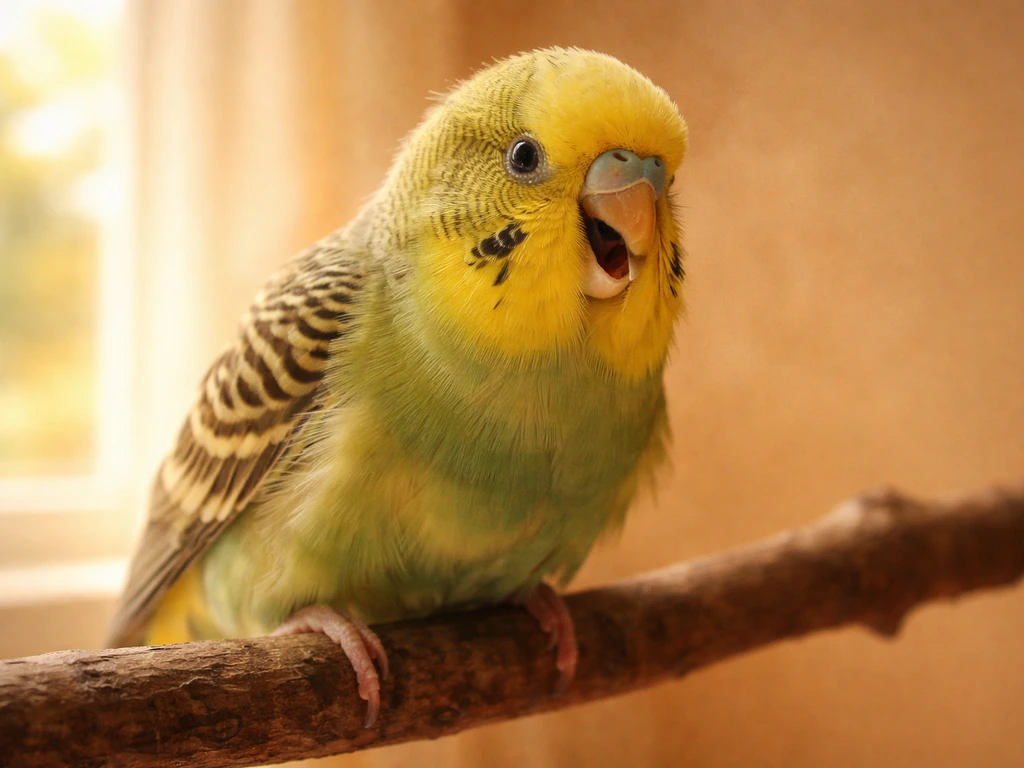
When a bird shows something brown, it usually comes down to one of three things: feathers that look dirty, discolored, or damaged; droppings that have shifted to a brown or dark color; or brown scabs, crusts, or lesions on the skin. If you are seeing crusts, scabs, or lesions, those bird skin problems can point to pox, mange mites, or other causes that need prompt evaluation. Each of those tells a different story. Brown droppings are often harmless and tied to diet, but they can also signal a digestive infection or systemic illness. Brown, damaged feathers may point to mites, lice, or poor nutrition. And brown crusty lesions on the skin or face can be a sign of something like pox or mange mites. This guide walks through each possibility so you can figure out which one you're actually dealing with and what to do about it today.
Bird Brown Health Problems: Causes and What to Do Now

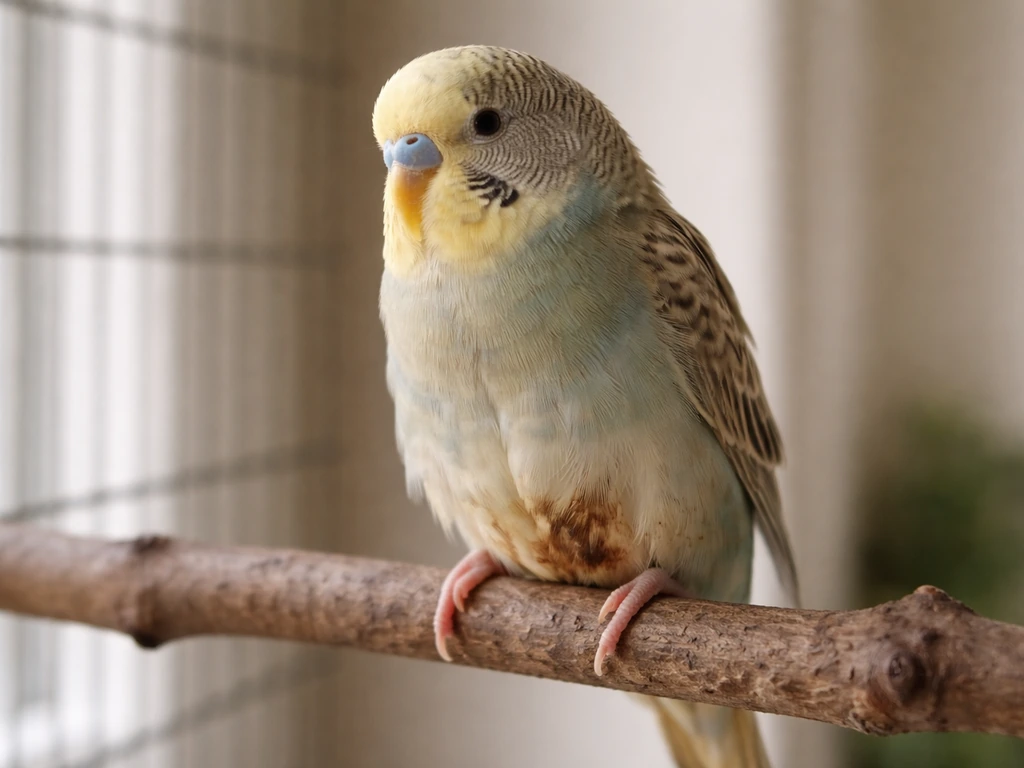
What 'Brown' Actually Means on a Bird
The word 'brown' can describe several different things when it comes to bird health, and it matters to get specific before drawing any conclusions.
Brown or Dingy-Looking Feathers
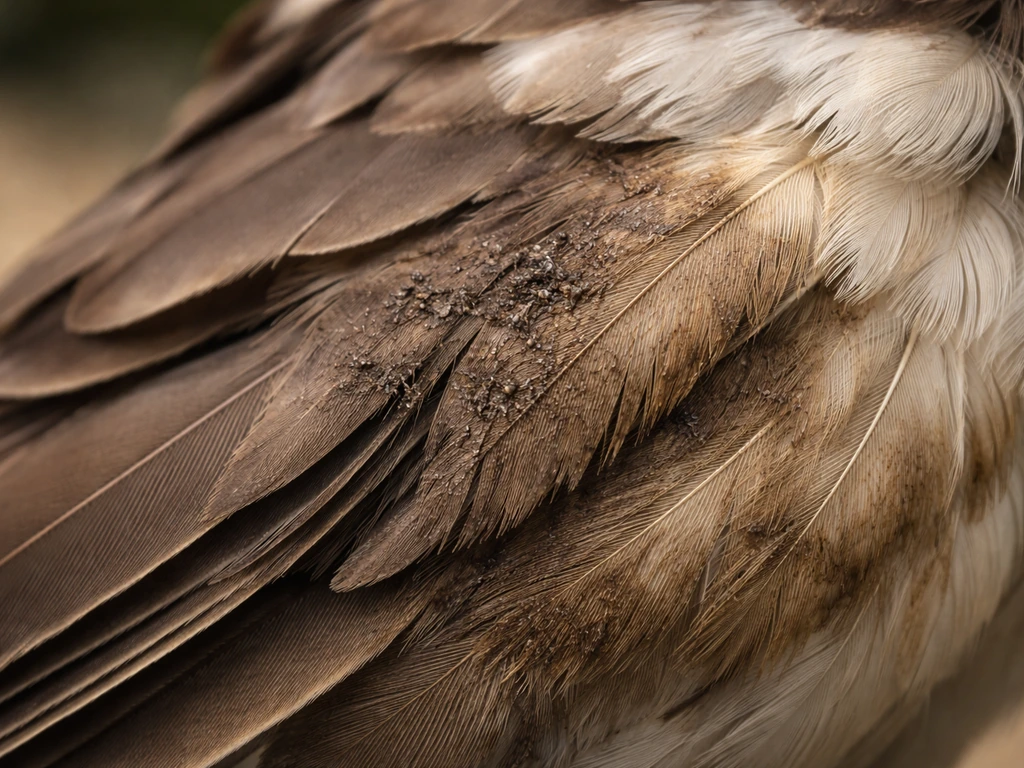
Feathers that have gone dull, brownish, or look grimy can reflect a few different problems. Sometimes it's actual physical staining from droppings, food, or a wound nearby. Other times the feather structure itself is being damaged by ectoparasites like feather mites or lice, which chew through the barbs and leave feathers looking ragged and discolored. Nutritional deficiencies can also cause abnormal feather coloring over successive molts. If the feathers look brown in patches, especially near the vent, tail, or face, take a close look for parasites or signs of skin irritation underneath.
Brown Droppings
Healthy bird droppings have three distinct parts: the fecal portion (usually dark green to brown), chalky white or beige urates, and a small amount of clear liquid urine. Brown feces specifically is actually normal for birds on a pellet-based diet, so if your bird recently switched to pellets and the droppings are brown, that's often the diet talking. The concern is when the urates shift brown or dark, when the fecal portion becomes very loose and unformed (true diarrhea), or when the droppings smell unusually bad. Brown or reddish-brown urine or urates can indicate something more serious, including kidney stress or conditions like lead toxicity in Amazon parrots.
Brown Scabs, Crusts, or Lesions on the Skin
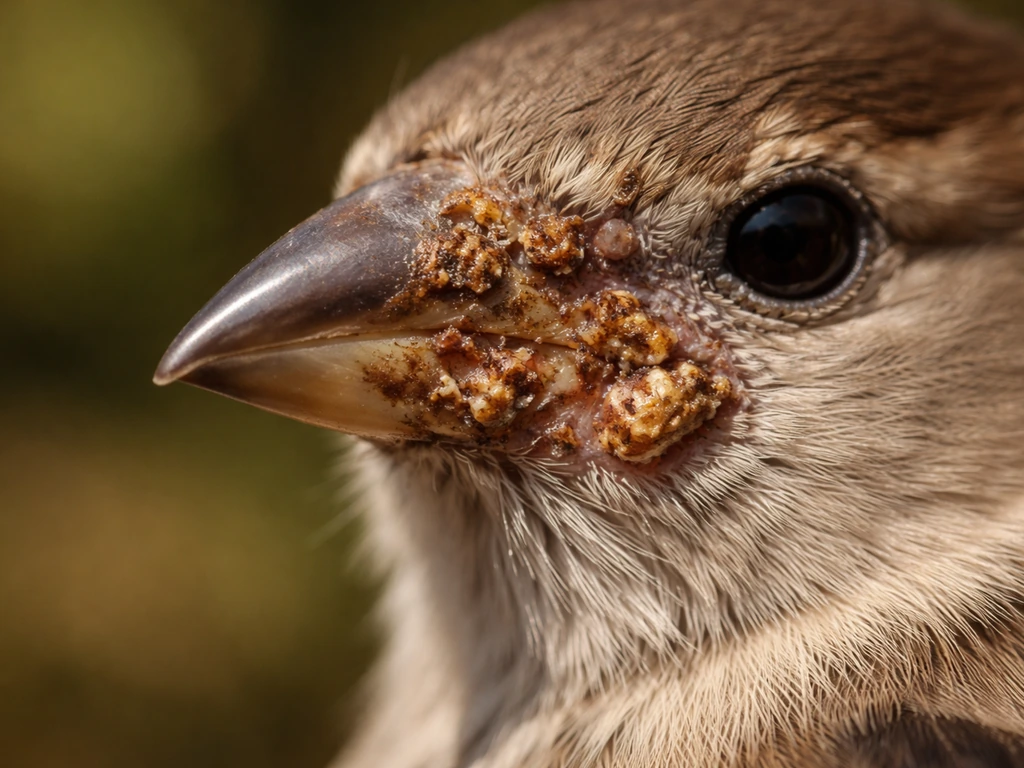
Brown or dark crusty spots on the face, beak edges, legs, or feet are a different problem altogether. Fowl pox lesions, for example, often start as raised spots and progress to rough, brown-black scabs. Knemidocoptic mange (scaly face/scaly leg mites) can also create crusty, layered growths around the beak and legs. Any wound or injury that has started to heal will form a scab that looks brown. The key is whether the crusting is spreading, located near the eyes/nares/beak, or accompanied by swelling.
Quick At-Home Assessment: What to Check Right Now
Before you do anything else, spend five minutes observing the bird quietly without disturbing it, then do a closer check. Here's what to look at:
- Appearance: Are feathers ruffled, fluffed up, or held tight to the body? Any visible brown staining around the vent, face, or feet? Can you see any raised or crusty spots on the skin?
- Behavior: Is the bird alert and reactive when you approach, or sitting quietly hunched on the cage floor or a low perch? Is it hiding more than usual?
- Appetite: Has the bird been eating and drinking today? Check for seed hull accumulation in the bowl (a sign the bird has been working on food) vs. untouched food.
- Breathing: Watch from a distance. Is the mouth open? Is the tail bobbing rhythmically up and down with each breath? Any clicking, wheezing, or squeaking sounds?
- Energy and posture: Is the bird moving around normally, flying if it has space, or mostly stationary? Is it able to grip and stay on its perch, or is it unsteady?
- Droppings: Look at the cage floor or lining. Are droppings formed, or are they very watery/loose? What color is the fecal portion? What color are the urates (the white/beige part)? Any smell?
- Skin and feathers up close: If the bird tolerates handling, gently part the feathers around the neck, under the wings, and near the vent to look for mites, lice, nits, or skin irritation.
Take a photo of the droppings and any visible skin lesions. This is one of the most useful things you can bring to a vet, and it costs you nothing to document now.
The Most Common Causes of Brown Changes in Birds
Diet Change and Normal Variation
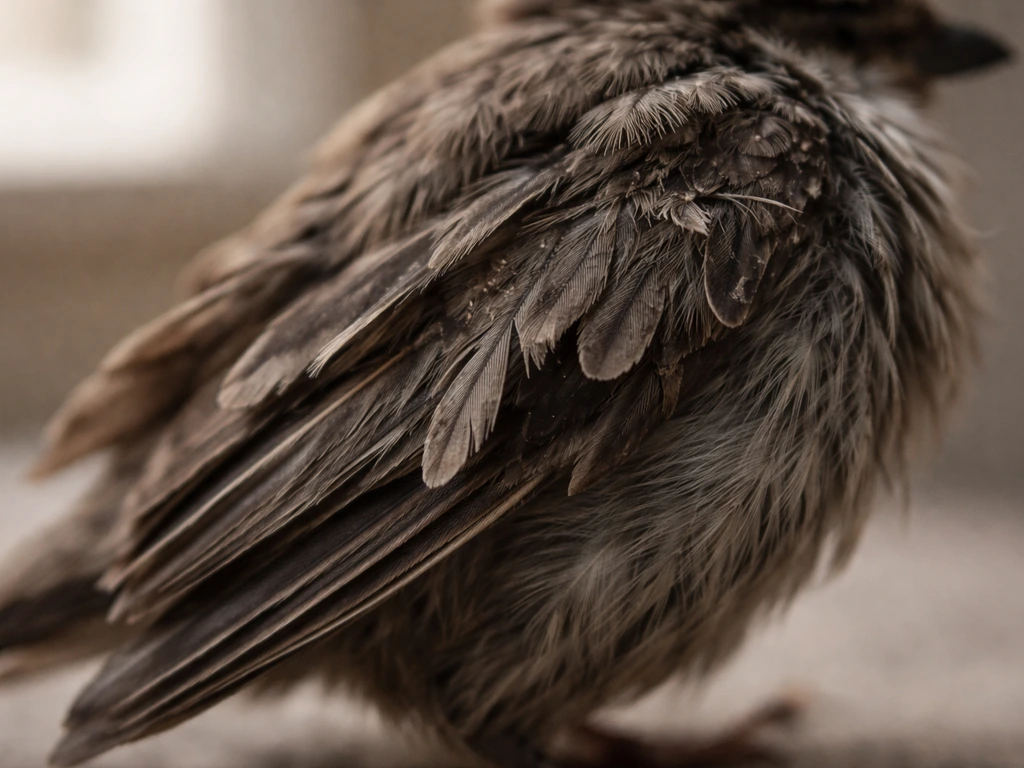
This is the most common and least alarming cause of brown droppings. Birds on pellet diets often produce brown feces as a baseline. If you recently changed the food or added more fruit or vegetables, the droppings may look watery or loose temporarily. If there are no other symptoms and only one or two abnormal droppings, switching back to the usual diet and watching for 24 hours is a reasonable first step.
Ectoparasites: Mites and Lice
Feather mites, red mites, and biting lice are common culprits behind feather damage that gives birds a brown, rough, or tattered look. Lice chew through feather barbs and can also cause skin irritation and, in heavier infestations, contribute to anemia from blood loss. Knemidocoptic mange mites specifically cause the crusty, layered buildup around the beak and legs that looks brown and flaky. Diagnosis is confirmed by a vet using a skin scraping examined under a microscope, so don't try to self-treat with random products before you know which parasite you're dealing with.
Gastrointestinal Infections and Parasites
True diarrhea (loose, unformed feces, not just extra liquid urine) points toward bacterial infection, yeast overgrowth (like Candida), or intestinal parasites. Intestinal nematodes are diagnosed with fecal flotation, though egg shedding can be intermittent. Protozoal infections like coccidiosis or atoxoplasmosis (especially in canaries) can produce significant GI signs and abnormal droppings. A pasted or dirty vent with a strong smell is a red flag for active infection.
Poxvirus Infection
Avian pox produces the kind of brown crusty skin lesions that owners often notice on the face, around the eyes, or on the feet and legs. Lesions start as small raised spots and progress to rough, dark scabs that can spread. This is more common in outdoor birds, aviaries, or birds that have had contact with wild birds or mosquitoes. Diagnosis can be confirmed by skin biopsy or scraping from the affected tissue.
Systemic or Organ Disease
When the urates shift brown or dark, or when the urine looks reddish-brown, that's a more serious signal. Conditions affecting the kidneys, liver, or blood (including lead or heavy metal toxicity) can change urate and urine color. Birds are good at hiding illness until it's advanced, which is why an unexplained color change in the urates, especially alongside any behavior change, warrants prompt veterinary attention rather than a wait-and-see approach.
Wounds and Healing Injuries
A brown scab on the skin may simply be a healing wound from a scratch, bite, or cage injury. These are usually localized, stop growing, and don't spread. The concern is when you can't explain the wound's origin, when it looks infected (swollen, oozing, warm to touch), or when there are multiple lesions.
Narrowing It Down: Pattern Recognition
The pattern of what's brown and what else you're seeing alongside it is how you narrow down the most likely cause. Use this table as a guide:
| What you see | Key associated signs | Most likely cause |
|---|---|---|
| Brown feces, otherwise normal bird | Recent diet change, no other symptoms | Diet variation, normal for pellets |
| Very loose/watery brown droppings | Loss of appetite, lethargy, smelly | GI infection, yeast, parasites |
| Brown or dark urates (the white part has turned) | Lethargy, fluffed feathers, weight loss | Kidney/liver disease, systemic illness, toxin |
| Reddish-brown urine component | Weakness, history of possible metal exposure | Heavy metal toxicity (e.g., lead), systemic disease |
| Brown, tattered or rough feathers in patches | Scratching, skin redness, visible tiny bugs/nits | Feather mites, lice |
| Brown crusty buildup on beak/legs/feet | Layered flaky growth, spreading slowly | Knemidocoptic (scaly face/leg) mites |
| Brown-black raised scabs on face/feet | Multiple lesions, near eyes or nares, spreading | Avian pox |
| Brown staining around vent | Loose droppings, pasted feathers, odor | GI infection, diarrhea |
| Single brown scab on body | Localized, not spreading, bird acting normally | Healing wound or minor injury |
If the brown change is isolated (just a diet-related dropping color or a small healing scab) and the bird is acting completely normally, eating well, breathing quietly, and perching steadily, you have some time to monitor. If the brown change comes with any behavioral change, weight loss, lethargy, or breathing difficulty, that changes the urgency level significantly.
What You Can Do Today
Check and Adjust the Diet
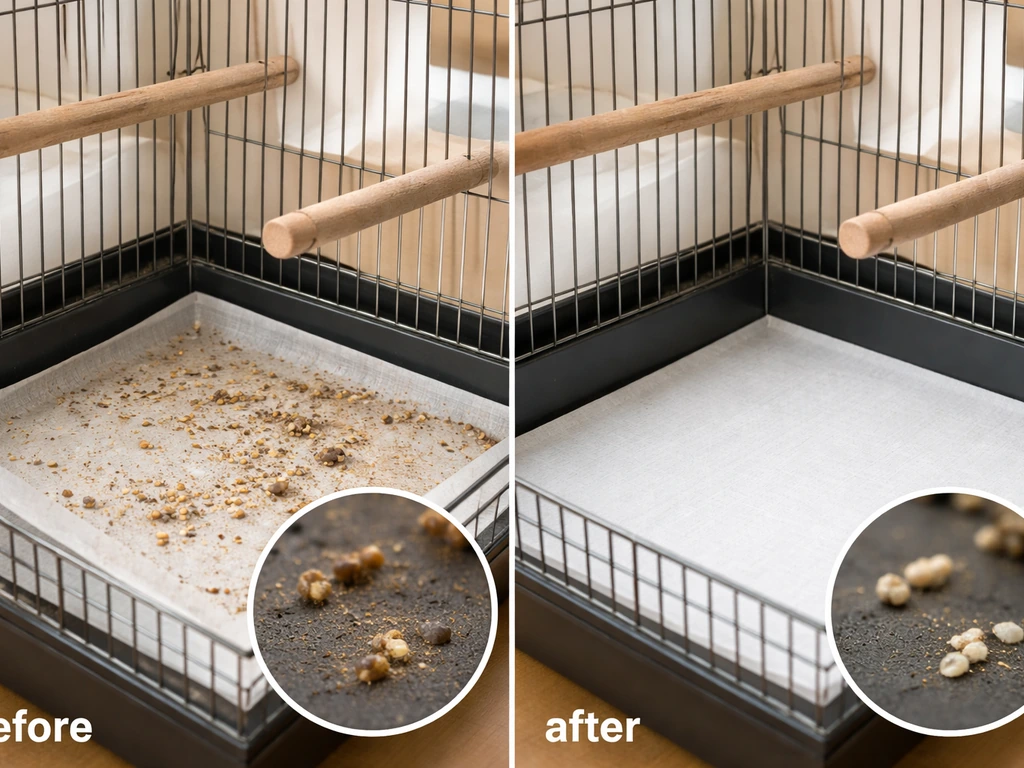
If you recently changed food or gave extra fruit and vegetables, go back to the bird's normal diet and see whether droppings normalize within 24 hours. Make sure fresh water is available. Dehydration makes GI issues worse quickly in birds.
Clean the Cage and Environment
Change the cage liner and clean perches and surfaces today. This accomplishes two things: it removes any droppings you've already documented (take photos first), and it gives you a clean baseline so you can monitor new droppings accurately over the next 12 to 24 hours. If you suspect mites, check perches and cage seams at night with a flashlight since red mites hide during the day.
Keep the Bird Warm and Reduce Stress
A sick bird loses heat quickly. Heat stress can be dangerous too, and learning bird heat stroke symptoms helps you spot overheating early before it becomes critical A sick bird loses heat quickly.. If the bird looks fluffed or lethargic, keep the environment around 85 to 90°F (29 to 32°C) using a heat lamp on one side of the cage (so the bird can move away if too warm). Minimize handling, loud noises, and cage changes. Stress compounds almost every health problem in birds, something worth keeping in mind if you're also noticing what could be bird stress symptoms alongside the brown changes.
Isolate If You Have Multiple Birds
If you have other birds in the home, move the affected bird to a separate cage and space. Many GI infections, pox, and ectoparasites can spread. This is especially important if the unwell bird has been in direct contact with others.
Start a Symptom Log
Write down or photograph: the bird's weight if you have a scale (gram-accurate kitchen scales work fine for small birds), what the droppings look like every few hours, what it's eating and drinking, and any behavioral changes. This information is genuinely valuable to a vet and can help them prioritize diagnostics faster. If you need a checklist for gathering information about your bird’s condition, organizations like the Petsitters.org pet owner resources can help you organize what to note for veterinary triage checklist and follow-up timeline).
Emergency Now vs. Book a Vet Soon
This is the part that matters most. Birds mask illness well and can decline rapidly once they start showing obvious signs, so the threshold for seeking care should be lower than you might think for other pets. If you notice sudden breathing problems, weakness, or collapse, ask about bird heart attack symptoms as well, since severe illness can progress quickly.
Go to an Emergency Vet Now If You See:
- Open-mouth breathing or breathing with the neck extended and gasping
- Tail bobbing with every breath (visible rhythmic up-and-down movement)
- Wheezing, clicking, or high-pitched sounds with breathing
- Blue, very pale, or grayish coloring around the beak or skin
- Collapse, inability to stand, or falling off the perch
- Seizures or uncontrolled trembling
- Uncontrolled bleeding, including from a wound or the vent
- Straining in the vent area or a visibly swollen abdomen
- Known or suspected toxin exposure (heavy metals, fumes, chemicals)
Respiratory signs in particular are treated as emergencies. A bird that is open-mouth breathing or showing pronounced tail bobbing is in serious distress and needs care immediately, not tomorrow morning. If you notice open-mouthed breathing with a high-pitched noise, IVIS describes that as a sign of a respiratory emergency that needs urgent attention open-mouth breathing.
Book a Vet Appointment Within 1 to 2 Days If:
- Diarrhea or very loose droppings persist beyond 24 hours after returning to normal diet
- The urates have shifted brown or dark and the bird is acting off
- You see brown or reddish-brown urine that doesn't match the bird's normal baseline
- There are growing, spreading, or multiple crusty skin lesions
- The bird has been eating less or lost noticeable weight
- Feathers look increasingly damaged, rough, or patchy without an obvious molting explanation
- The bird is quieter or less active than usual for more than a day, even without obvious breathing problems
- There is discharge from the eyes or nares alongside any brown skin changes
When in doubt, err toward calling the vet. A brief phone call to an avian vet can often help you triage whether you need to come in same-day or can wait a day or two. Don't wait for a bird to look dramatically worse before acting.
What to Expect at the Vet
What the Vet Will Ask and Check
An avian vet will want a detailed history: what the bird eats, how long the symptoms have been present, any recent changes to environment or diet, and whether the bird has had contact with other birds. They'll do a physical exam that includes checking the feathers, skin, vent area, eyes, nares, beak, and body condition. They'll almost certainly want to look at the droppings, which is why bringing a fresh sample in a clean container or zip-lock bag is helpful.
Likely Diagnostic Steps
- Fecal exam (direct smear and/or flotation) to check for parasites, bacterial overgrowth, or yeast
- Skin scraping examined under a microscope if mites or mange is suspected
- Gram stain of the feces or cloacal swab to assess bacterial flora
- Blood work if systemic illness (organ disease, toxin, infection) is a concern based on urate color or behavior
- Skin biopsy if pox lesions or unusual skin masses are present
- Urinalysis if urine color changes are a primary concern
Follow-Up and At-Home Care
Treatment depends entirely on the diagnosis. Ectoparasites are treated with appropriate antiparasitic medications (not over-the-counter guesses). GI infections may require antibiotics, antifungals, or antiparasitic drugs depending on what the fecal exam shows. Pox is typically managed supportively since there is no specific antiviral cure, with care focused on keeping lesions clean and preventing secondary infection. If the vet suspects heavy metal toxicity, chelation therapy may be started. Whatever the outcome, the vet will give you a monitoring checklist and follow-up timeline, and it's worth asking them specifically what signs should prompt you to come back sooner.
Brown changes in birds are rarely just a cosmetic issue. Whether it's droppings, feathers, or skin, each type points toward a specific set of causes, most of which are treatable when caught early. Some birds can also show overheating-related symptoms alongside other changes, so make sure you monitor breathing, behavior, and droppings closely bird overheating symptoms. The key is knowing which combination of signs you're seeing, acting on the right timeline, and not waiting too long to get an expert set of eyes on the bird.
FAQ
If my bird has brown droppings but is acting normal, how long is it safe to monitor before calling a vet?
If the bird is eating, perching steadily, breathing quietly, and the only change is baseline brown fecal color, monitoring for about 24 hours after you return to the usual diet is reasonable. Call sooner (same day if available) if the droppings become truly unformed, the odor is markedly stronger than usual, the bird stops eating, or you notice any change in urates toward dark brown or red-brown urine.
How do I tell whether “brown droppings” are diet-related feces or a problem with urates (or urine)?
Visually separate the parts. Normal urates are chalky white or beige; a problem is when the urates themselves turn dark brown or when urine appears reddish-brown. Also note consistency, if the fecal portion is watery and not just extra liquid urine, that points more toward GI infection than diet alone.
Can brown scabs from a cage injury be treated at home without causing more harm?
If the scab is small, localized, not spreading, and the bird otherwise looks well, you can focus on cleaning the area indirectly by improving hygiene (fresh liner, wiped surfaces) and reducing irritation. Avoid applying random creams, powders, or antiseptics unless a vet tells you what to use, because many products can worsen skin irritation or interfere with accurate diagnosis if mites or pox are involved.
Should I isolate my bird even if I’m not sure whether it’s mites, pox, or an infection?
Yes, isolation is a low-risk step while you triage. Move the bird to a separate cage with separate food and cleaning tools, because ectoparasites and several infectious causes (including some GI illnesses) can spread through contact and contamination. Isolation can be stopped after a vet rules out contagious causes.
Do not treat for mites or lice “just in case,” what’s the risk of self-treating?
The main risk is using the wrong product for the actual cause. For example, knemidocoptic mange requires diagnosis and targeted management, and “guess treatments” can irritate skin, delay correct care, and complicate a vet’s ability to confirm what organism is present. A skin scraping under a microscope is the usual way vets confirm ectoparasites.
What’s the difference between raised brown scabs from avian pox and crusts from mange mites?
Both can start as small spots, but pox lesions typically progress to rough, dark scabs that can spread on the face or legs, often after exposure to mosquitoes or wild birds. Knemidocoptic mange classically creates layered, crusty buildup around beak edges and legs, and crusting often has a scaly appearance. Because overlap exists, a vet check (and possibly scraping or biopsy) is the safest way to confirm.
My bird’s vent looks dirty and there’s strong smell. Is that an emergency?
A pasted vent with a strong odor is a red flag for active infection, and it should be prioritized quickly rather than treated as a routine diet issue. If the bird is also lethargic, not eating, fluffed, or shows signs of weakness, contact an avian vet immediately, since GI infections can escalate faster in birds.
Could brown urine or brown urates be caused by something other than poisoning or organ disease?
Yes, dehydration and diet changes can sometimes shift appearance, but reddish-brown urine or dark brown urates generally warrants prompt veterinary evaluation because they can reflect kidney stress or systemic issues. If the bird’s behavior or appetite changes alongside the color change, don’t wait to “see if it passes.”
What temperature should I keep for a fluffed, lethargic bird, and how can I avoid overheating?
The goal is gentle warmth on one side of the cage, roughly 85 to 90°F (29 to 32°C), so the bird can move away if too warm. Monitor breathing and overall comfort, if the bird pants, has open-mouth breathing, or seems worse after increasing heat, stop and seek veterinary guidance immediately.
What should I bring or document for the vet beyond a photo?
Bring a fresh droppings sample in a clean container or sealed bag, and include the timing. Record whether the feces are watery versus formed, whether urates are normal color, and any behavioral changes (hiding, tail bobbing, reduced perching, reduced appetite). If you have a scale, note the bird’s weight to the nearest gram and write down the diet changes over the last week.
When you say “respiratory signs are emergencies,” what specific signs mean I should go immediately?
Open-mouth breathing, pronounced tail bobbing with effortful breathing, sitting with abnormal posture and difficulty moving comfortably, and any rapid worsening count as emergency signs. Even if the brown issue seems mild, respiratory distress can signal severe illness, so treat breathing first.
Bird Overheating Symptoms: Early Signs and First Aid
Learn bird overheating symptoms and first aid steps, what to avoid, and when to seek urgent vet care.