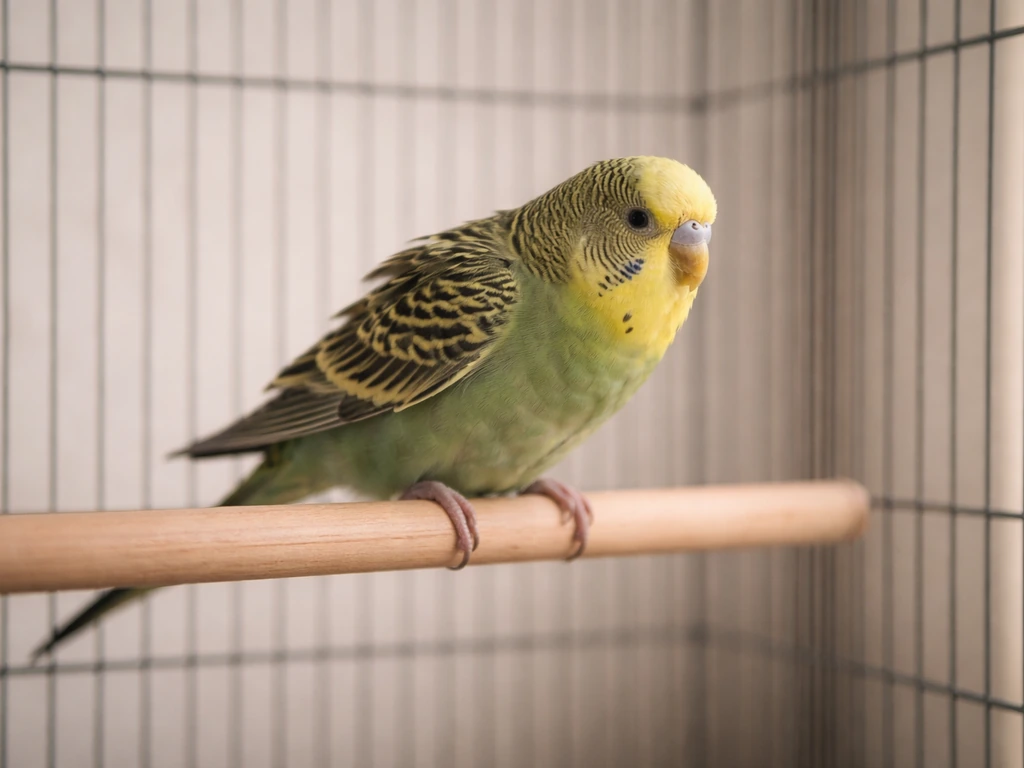
Bird skin problems show up as feather loss, scabs, crusty buildup, redness, swelling, lumps, or a bird that won't stop scratching and over-preening. Most cases fall into one of four buckets: parasites (like mites or lice), injury, infection (bacterial or fungal), or dermatitis (an irritation or allergic response). Some are minor and manageable; others signal something serious going on inside the bird. The key is knowing which signs mean act now and which ones give you time to monitor and get a regular vet appointment.
Bird Skin Problems: Symptoms, Causes, and What to Do Now

Marcus Webb
14 Jun 2026
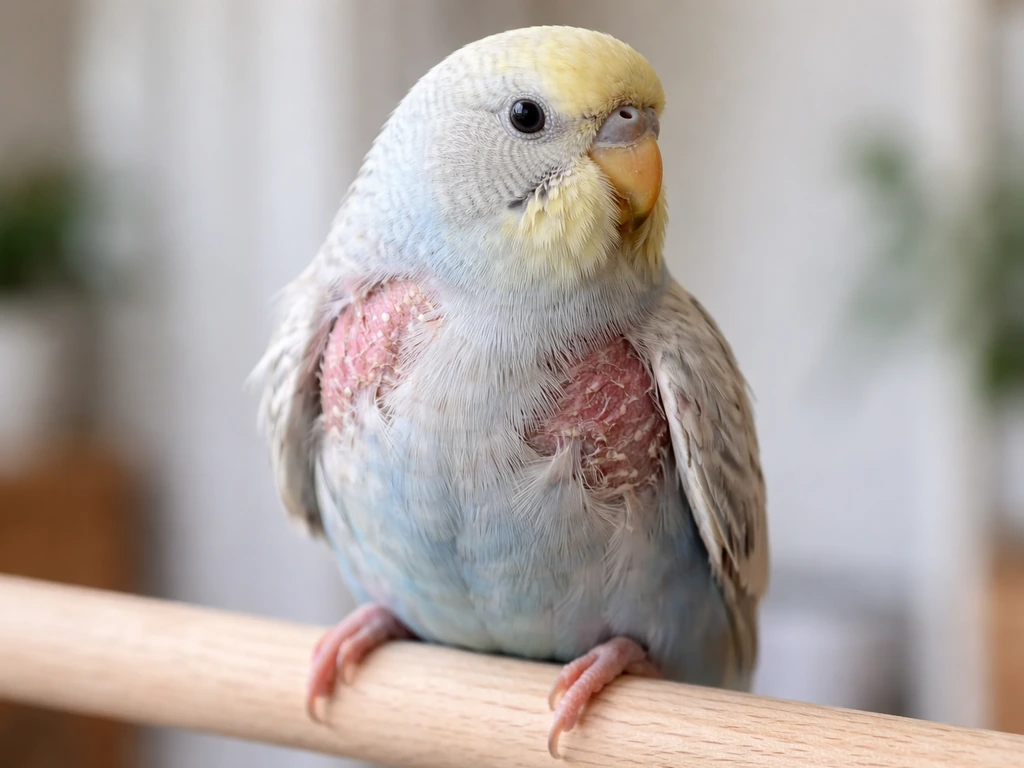
How to recognize bird skin problems
Birds hide illness well, so skin changes are often the first visible clue that something is off. When you're doing a visual check, you're looking at feathers, bare skin patches, the face and beak area, legs, and feet. A bird that seems restless, keeps scratching, or repeatedly chews at its own feathers is telling you something is wrong even before you see a wound.
Here's what to look for systematically, working from head to foot:
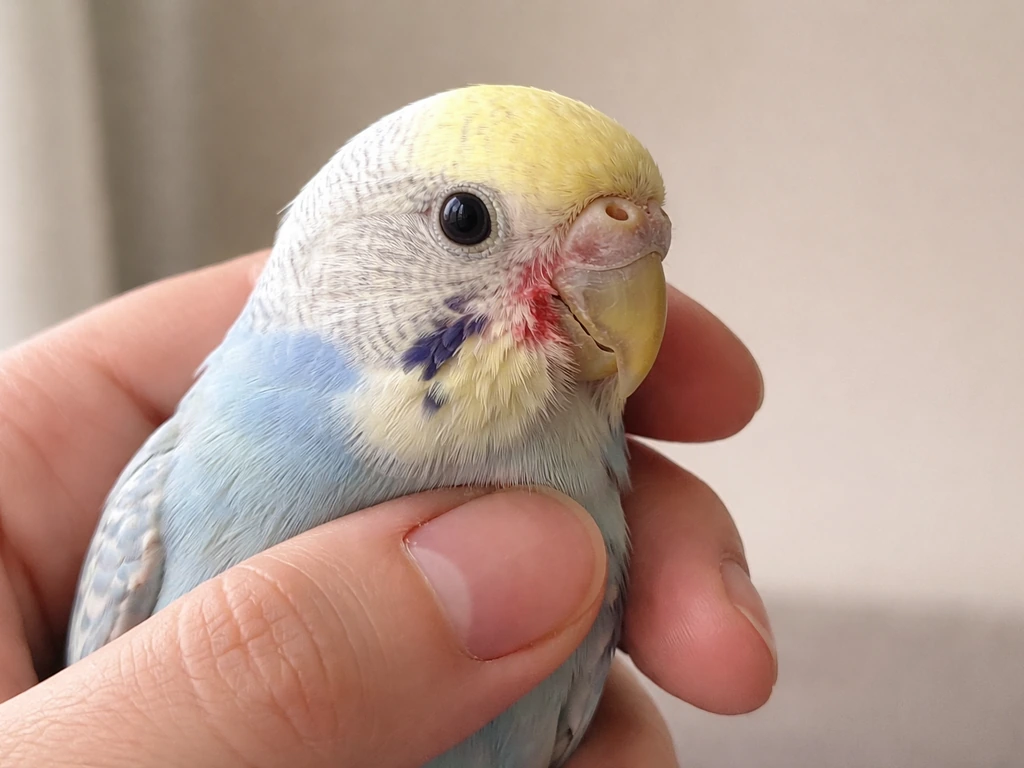
- Crusty, porous, or white buildup around the beak, cere (the fleshy area above the beak), nostrils, mouth corners, or eyelids — classic scaly face mite territory in budgies, canaries, and finches
- Feather loss — whether it's a small bald patch or widespread thinning; note whether the skin underneath looks raw, red, or scabbed
- Broken, discolored, or malformed feathers — especially if you see them at multiple growth stages or clustered in one area
- Redness, inflammation, or visible sores anywhere on the skin
- Scaling, flaking, or dry skin that looks thickened or rough
- Nodules, lumps, or raised masses under or on the skin
- Ulceration (open sores) or crusting that looks like dried discharge
- Encrustation on the legs or feet (can indicate burrowing mites)
- The bird scratching, head-shaking, rubbing against cage bars, or obsessively over-preening
- Other birds in the same enclosure showing similar signs — a red flag for contagious parasites
Also pay attention to behaviors alongside the skin signs. A bird that's fluffed up, sitting low, not eating, or breathing with its mouth open has moved into more urgent territory, skin problems can sometimes be the surface signal of a systemic disease affecting the whole bird.
Common causes: parasites, injury, infection, and dermatitis
Getting a rough sense of the likely cause helps you decide how fast to act and what to tell your vet. Here's how the four main categories tend to look in practice.
Parasites (mites and lice)
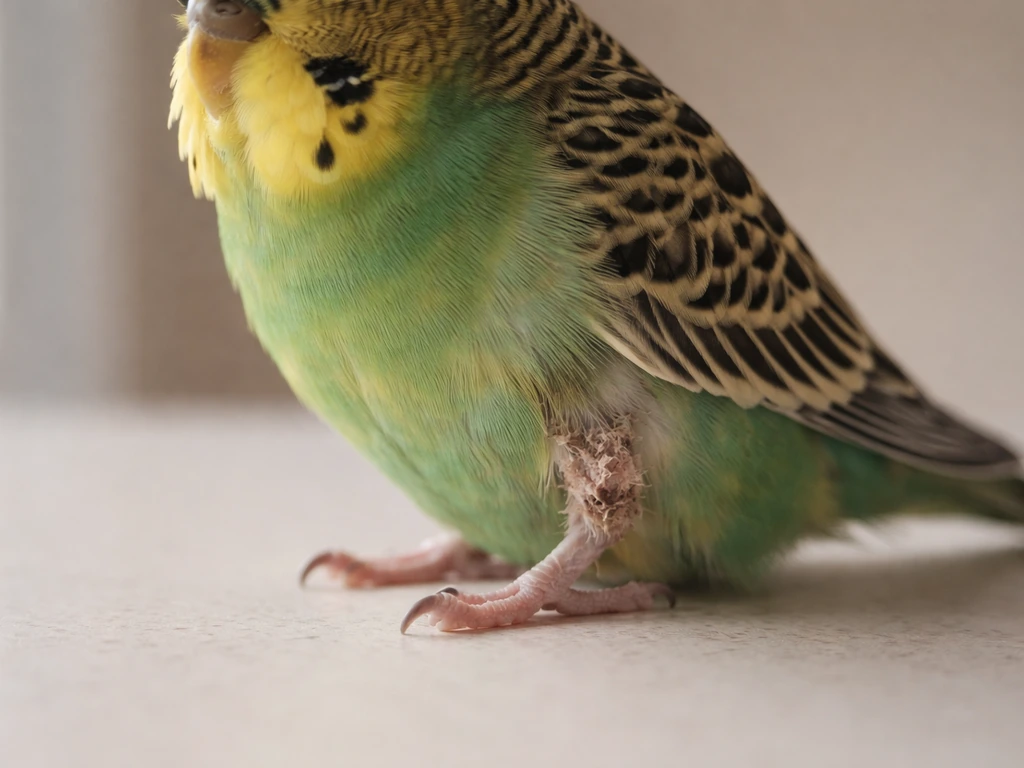
Mites are the most discussed skin parasite in pet birds, but they're actually a less common cause of feather loss than most people assume. That said, when they do take hold, the effects are hard to miss. Knemidocoptes (scaly face or scaly leg mites) burrow under the epidermal scales of the skin, causing thickening, encrustation, and disfiguring dermatitis.
RSPCA also notes that scaly-face mites versus other mite types may need different treatment, so it's best to discuss options with an avian vet rather than self-guessing scaly-face mites vs other mite types may require different treatment.
In budgies and canaries, you'll typically see the white, porous, crusty buildup first around the cere and beak corners, sometimes spreading to eyelids, legs, or the vent area. Red mites and feather mites can occasionally damage feathers and cause irritation, and feather mite infestations can be contagious to other birds sharing a space, especially in aviaries with wooden nest boxes. Lice can also be present, though they're less commonly implicated in clinical disease.
You can't definitively identify mites by eye, diagnosis requires a skin scraping examined under a microscope by a vet.
Injury and trauma
Physical injury produces fairly obvious signs: bleeding, open wounds, missing feathers around a specific trauma site, or bruising under skin. Causes include cage-mate aggression, impact injuries (flying into glass or walls), burns, or self-inflicted wounds from over-preening and feather-chewing. If a blood feather (a new feather still with a blood supply) breaks, it can bleed significantly. Injuries tend to be localized and have a visible starting point rather than the gradual, spreading pattern you see with infections or parasites.
Bacterial and fungal infections
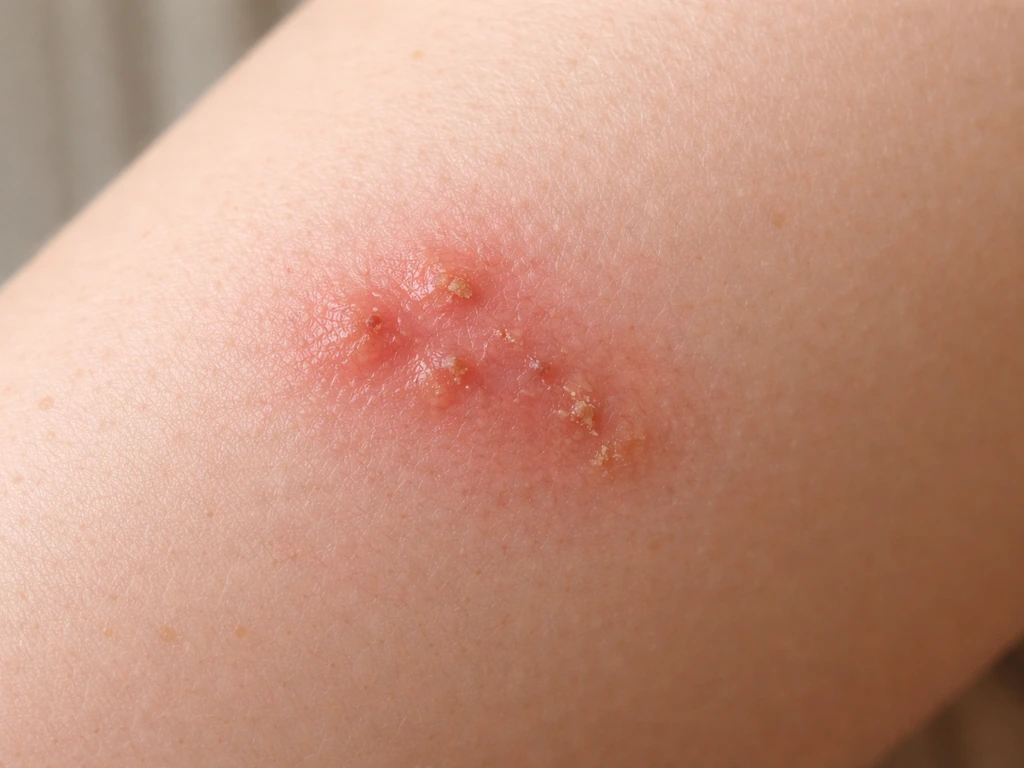
Bacterial skin infections often show up as redness, swelling, discharge, or ulceration. They can develop secondary to a wound, feather follicle inflammation (folliculitis), or as a complication of another skin problem. Fungal skin infections are less common but do occur, and they require identifying the specific fungus before treatment can be prescribed, a key reason not to try treating skin infections at home with antifungal products meant for humans. Cytology (checking cells from the skin surface) and culture tests are how vets sort out bacterial from fungal causes.
Dermatitis (irritation and allergic reactions)
Dermatitis means inflammation of the skin, and it can be triggered by environmental irritants (smoke, cleaning chemicals, sprays near the cage), poor nutrition, dry air, or contact with materials in the cage. It shows up as redness, scaling, flaking, or skin that looks generally unhappy without a clear wound or mite pattern. Bird stress symptoms can include restlessness and feather-damaging behavior that may lead to secondary skin irritation. Stress, boredom, hormonal changes, and underlying medical conditions can all drive feather-damaging behavior that injures skin secondarily, so even when the skin looks like the main problem, it may be the result of something else going on.
| Cause | Typical Location | Key Signs | Contagious? |
|---|---|---|---|
| Scaly face/leg mites | Cere, beak, face, legs | White crusty/porous buildup, skin thickening | Yes, to cage mates |
| Feather mites/lice | Feathers, body surface | Feather damage, itching, restlessness | Yes, especially in aviaries |
| Bacterial infection | Localized or follicles | Redness, swelling, discharge, ulceration | Depends on pathogen |
| Fungal infection | Variable | Scaling, crusting, discoloration | Depends on fungus |
| Injury/trauma | Specific wound site | Bleeding, open wound, localized feather loss | No |
| Dermatitis/irritation | Variable, often widespread | Redness, scaling, flaking, dry skin | No |
Quick triage: when it's urgent and when you can monitor
Not every skin issue is an emergency, but some absolutely are. The challenge with birds is that by the time they look obviously unwell, they've often been struggling for a while. If you notice sudden collapse, severe weakness, or breathing distress that doesn't match a skin-only problem, consider bird heart attack symptoms and seek urgent avian care. Use this breakdown to decide how fast you need to move.
Go to an emergency avian vet today
- Open-mouth breathing, wheezing, pronounced tail bobbing, or any sign of labored breathing alongside skin changes
- Bleeding that is dripping steadily and the bird appears weak, fluffed, or sleepy
- Collapse or sudden inability to perch or stand
- Blue or very pale tissues (beak, skin, or mucous membranes)
- Facial lesions that are rapidly spreading or involving the eyes
- Rapidly worsening swelling anywhere on the body
- Severe trauma, burns, or known toxin exposure
- Complete refusal to eat combined with obvious skin wounds or lesions
Schedule a vet visit within 24 to 48 hours
- Red or irritated skin with reduced appetite, fluffed posture, or unusual lethargy
- Crusty buildup around the face, beak, or cere that has appeared or grown in recent days
- Feather loss that is spreading, not explained by normal molt, or accompanied by skin changes
- Multiple birds in the same enclosure showing similar symptoms (possible contagious parasite)
- Any lumps, nodules, or masses you haven't had evaluated
- Suspected scaly mite infection in a bird that's already looking unwell
Okay to monitor briefly while booking a regular appointment
- A single small scab or minor redness with no behavior changes and the bird eating, drinking, and acting normally
- Mild over-preening of one area without visible skin damage, in a bird that seems otherwise healthy
- Very minor feather loss in a known molt period with clean skin beneath
Keep in mind that skin problems can sometimes run alongside other health events. Heat stroke in birds can be dangerous quickly, so learn the bird heat stroke symptoms and act fast if you notice them. Birds experiencing stress, heat exposure, or circulation issues may also show skin and feather changes as part of a broader picture. Since heat stress can also cause bird overheating symptoms, watch for panting, open-mouth breathing, and sudden fluffed-up restlessness alongside any skin changes heat exposure. If you suspect stress is involved, watch for bird stress symptoms like restlessness, increased feather damaging behavior, and changes in appetite. If something feels off beyond just the skin, trust that instinct.
Safe at-home steps you can do today
There's a meaningful difference between supportive care you can safely provide and DIY treatments that can do real harm. Stick to the former until you've had a vet evaluation.
What you can safely do
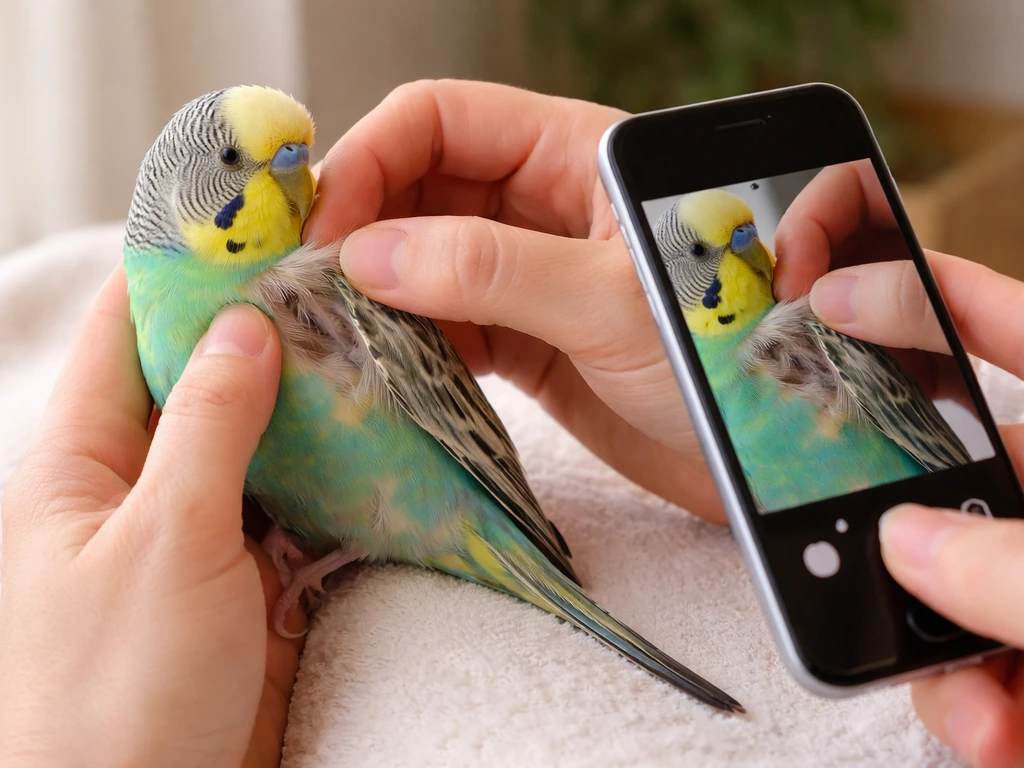
- Isolate the affected bird if you suspect a contagious parasite or infection and you have other birds. Use a separate cage in a different airspace if possible.
- Do a gentle visual inspection under good light. Don't poke, prod, or scrape the skin yourself — you're just observing and documenting what you see.
- Photograph the affected areas clearly. Close-up photos of any crusty buildup, lesions, feather loss, or redness will help your vet enormously.
- Remove obvious irritants from the cage environment: scented candles, aerosol sprays, strong cleaning products used near the bird, or smoke exposure.
- Clean the cage using hot water and a non-toxic bird-safe disinfectant. Scrub the entire cage, perches, and food/water dishes. Aim to do this at least every one to two weeks as a baseline, and immediately if parasites or infection are suspected.
- Ensure the bird has access to clean water and its normal food. Nutritional deficiencies can contribute to poor skin and feather condition.
- Keep the bird warm and calm. Stress worsens almost every skin condition and can accelerate feather-damaging behavior.
- Note and write down: when you first noticed the problem, whether it's getting worse, which areas of the body are affected, whether other birds are affected, and any recent changes to diet, cage materials, or environment.
What to avoid
- Do not apply human antifungal creams, antibiotic ointments, or any medication not prescribed specifically for your bird by a vet
- Do not attempt to scrape or pick off crusty lesions — this can cause bleeding, pain, and secondary infection
- Do not use flea or tick products designed for cats or dogs — many are toxic to birds
- Do not try to pull broken blood feathers yourself unless you have specific training and a genuine emergency (active, uncontrolled bleeding from that feather)
- Do not use essential oils, tea tree products, or 'natural' sprays on or near your bird without veterinary guidance — many are harmful to avian respiratory and skin health
Getting a diagnosis: what a vet will check
When you bring a bird in with skin problems, an avian vet starts with a full history and hands-on physical exam. This is why your notes and photos matter, the more detail you can provide about onset, location, behavior changes, and environment, the faster they can narrow things down.
From there, the diagnostics depend on what the exam reveals. Here's what the workup commonly looks like:
- Skin scraping and microscopy: the primary tool for diagnosing mites. A small scraping from the affected area is examined under a microscope — this is how Knemidocoptes and other mite species are confirmed
- Cytology (impression smear or cutaneous swab): cells from the skin surface or a lesion are stained and examined to look for bacterial, fungal, or inflammatory patterns
- Feather pulp cytology: a plucked feather is examined to assess for folliculitis or follicular disease
- Bacterial and fungal culture with sensitivity testing: especially important if infection is suspected, because treatment depends on identifying the specific organism
- Skin biopsy: a small tissue sample sent to a veterinary pathologist — used when cytology doesn't explain the clinical picture or when a mass or unusual lesion needs histological evaluation
- Bloodwork (hematology and biochemistry): helps identify nutrient deficiencies, signs of systemic infection, or organ issues that could be contributing to or causing the skin problem
- Feather evaluation: plucked feathers examined for structural abnormalities or evidence of disease at the follicle level
It's worth knowing that fungal infections specifically require identifying the fungus before treatment is prescribed, the vet won't just guess at an antifungal and hope it works. This is one of the clearest reasons why at-home treatment of suspected fungal skin conditions is a bad idea.
Preventing skin problems: habitat, hygiene, nutrition, and irritants
A lot of skin problems in pet birds are preventable or at least reducible with consistent care. These aren't complicated steps, but they make a real difference.
Cage hygiene
Clean the full cage, including perches, food dishes, and water bowls, at least once to twice per month using hot water and a non-toxic, bird-safe disinfectant. Don't let waste accumulate on cage surfaces, dried droppings can harbor bacteria and fungal spores that irritate skin on contact. If you have wooden nest boxes, know that these are a common reservoir for feather mites in aviaries, so inspect and clean them regularly.
Nutrition
Poor feather and skin condition often has a nutritional component. Birds fed exclusively seed diets are at higher risk of deficiencies in vitamins A, D, and E, all of which affect skin and feather integrity. A diet that includes a quality pellet base along with fresh vegetables and appropriate supplements (as guided by your vet) goes a long way toward keeping skin and feathers healthy.
Reducing environmental irritants
- Keep the cage away from kitchens where cooking fumes and non-stick cookware off-gassing can harm birds
- Avoid aerosol sprays, scented candles, air fresheners, and cigarette smoke near the bird's space
- Use only bird-safe cleaning products on and around the cage
- Maintain appropriate humidity — very dry air can dry out skin and irritate feather follicles
- Ensure good ventilation without drafts directly on the bird
Stress reduction
Chronic stress is a genuine driver of feather-damaging behavior, which then leads to secondary skin trauma. Providing mental enrichment, consistent routine, appropriate social interaction, and an environment where the bird feels secure reduces the likelihood of stress-driven over-preening and self-injury.
Pet birds vs wild birds: different rules apply
The approach to a sick pet bird and a sick wild bird is genuinely different, both in terms of what you should do and what risks are involved.
Pet birds
With a pet bird, you have an established relationship, you know its history, and your goal is to get it proper veterinary care. The steps above apply directly: document, isolate if needed, avoid harmful home treatments, clean the environment, and get a vet evaluation. You can handle your pet bird as you normally would while being careful around any open wounds.
Wild birds
If you find a wild bird with visible skin problems, wounds, or obvious illness, the guidance is much more cautious. Do not attempt to treat the bird yourself. Wild birds carry external parasites and can carry pathogens, including avian influenza, that pose risks to humans and to other birds. If you need to contain or move the bird, use thick work gloves to protect yourself from bites, scratches, and potential zoonotic exposure. Place the bird in a ventilated box in a quiet, dark space and contact your local wildlife rehabilitator or animal control immediately. Do not wear the clothing you handled the bird in again before washing it.
The goal with a wild bird is safe, humane containment and handoff to a licensed professional, not diagnosis or treatment on your part. This is especially important when you don't know the cause of the skin problem or whether multiple birds in the area are affected, which can signal a broader disease event.
One final note: skin problems in birds don't always stand alone. If you're also noticing signs that look more like a systemic issue, such as changes in droppings, unusual posture, or respiratory symptoms, it's worth reading up on those separately, as they may be connected to what you're seeing on the skin. Bird brown health problems can also present beyond the skin, so any broader symptoms should be checked by an avian vet promptly systemic issue.
Bird stroke symptoms are also something to consider if you notice sudden weakness, imbalance, or trouble flying along with other changes. Bird heart attack symptoms are different from skin problems, so if your bird seems lethargic, weak, or has sudden breathing trouble, treat it as urgent and contact an avian vet right away.
FAQ
How can I tell if my bird’s bird skin problems are more likely parasites versus an injury or infection?
Look for a pattern. Localized damage with a clear starting spot (bleeding, bruising, missing feathers) points more toward injury. Widespread crusting or thick scale that develops gradually, especially on the face corners, cere, or legs, is more suggestive of mites. Discharge, ulcers, or rapidly spreading redness are more concerning for infection and should be seen by an avian vet sooner rather than later.
What should I document and photograph so the vet can diagnose bird skin problems faster?
Take close-ups of the exact location (cere and beak corners, vent area, legs and feet), plus one photo showing the full bird posture. Track timing (first day you noticed scratching and when skin changes began), whether the bird is fluffed or not eating, and any recent changes (new cage items, cleaning products, travel, new bird in the household). If possible, include a short video of the scratching or preening behavior.
Is it safe to use over-the-counter creams or disinfectants for bird skin problems?
Usually no. Human creams, triple-antibiotic ointments, steroid creams, and antifungal products can worsen infections, mask symptoms, or delay correct diagnosis. For example, antifungal treatment without identifying the fungus can fail and allow the condition to progress. Stick to gentle, non-medicated approaches (keep the area clean and dry) until an avian vet tells you what to use.
Can bird skin problems spread to other birds in the home?
Yes, some causes are contagious. Feather mites can spread in shared spaces, and certain infections may spread depending on the organism and hygiene conditions. If you suspect a parasite or your bird lives with others, isolate the affected bird and wash hands and change clothing between birds before veterinary guidance on cleaning and treatment.
What’s the “do now” supportive care I can give while waiting for a vet appointment for bird skin problems?
Keep the bird warm, reduce stress, and avoid any new products on the skin. Remove obvious irritants near the cage, ensure clean food and water, and keep the enclosure dry. If there is bleeding or an open wound, do not apply household antiseptics or ointments unless your avian vet instructs you, because some products are toxic to birds.
If I suspect mites, how do I confirm without guessing?
Ask for a skin scraping and microscopic exam. Visual inspection can suggest scaly face or scaly leg involvement, but mites cannot be definitively identified by appearance alone. A vet can also check for lice and evaluate how extensive the infestation is, which guides the correct medication and follow-up timing.
Could bird skin problems be from poor nutrition, and what diet changes are safe before the visit?
Nutrition can contribute, especially if the bird is mostly seed and has reduced vitamin intake. You can safely switch toward a pellet-based foundation and add vet-approved fresh vegetables, but avoid sudden drastic changes without guidance if your bird is fragile or underweight. Do not add supplements in high doses. Wait for an avian vet plan if your bird is already losing weight or has severe dermatitis.
How fast should I treat bird skin problems as urgent?
Treat as urgent if the bird is not eating, is lethargic, is breathing with the mouth open, has severe swelling, has rapidly worsening redness, has uncontrolled bleeding, or has fluffed posture plus breathing changes. Birds hide illness, so “small” skin changes plus systemic signs should be handled promptly, ideally the same day if possible.
What if my bird has bird skin problems but no visible wounds or mites?
It can still be dermatitis from environmental irritants or stress-related over-preening. Review recent changes: new air fresheners, smoke exposure, strong cleaners, sprays, dusty bedding, and even new cage materials. If the skin looks generally irritated without a clear pattern, ask the vet about irritation causes and whether the bird’s behavior (sleeping position, appetite, boredom) suggests stress-driven self-injury.
Can wild birds with skin problems be brought indoors for treatment, even temporarily?
Generally, no. Do not attempt treatment yourself. Wild birds may carry pathogens and external parasites, including risks to people and other birds. Use thick gloves if you must contain the bird for transport, place it in a ventilated box in a quiet dark area, and contact a wildlife rehabilitator or animal control immediately.
Next Article
Bird Stress Symptoms: Signs, Causes, and What to Do
Identify bird stress symptoms, tell stress from illness, and follow safe triage steps and prevention tips.