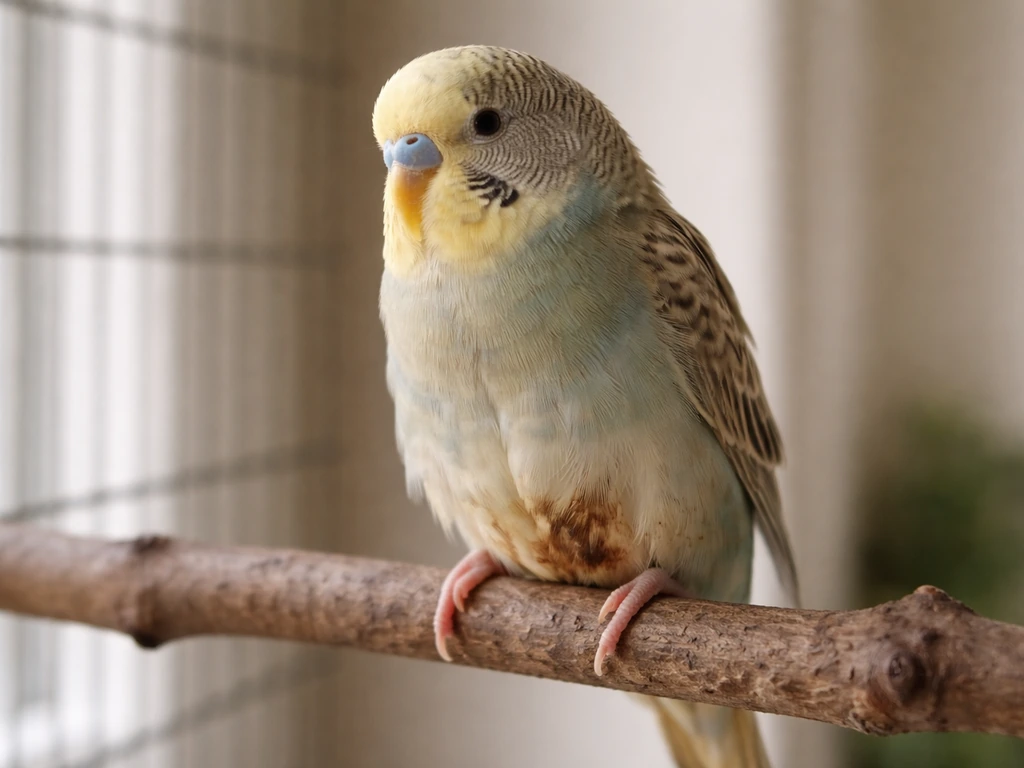
Bird stress symptoms range from subtle behavioral shifts like feather fluffing, hiding, and reduced vocalization to more obvious physical signs like feather destructive behavior, loss of appetite, and abnormal droppings. The tricky part is that some of those same signs also show up in sick birds, so your job right now is to figure out whether you are looking at a stressed bird that needs a calmer environment or an ill bird that needs an avian vet today. This guide walks you through both.
Bird Stress Symptoms: Signs, Causes, and What to Do

Marcus Webb
12 Jun 2026
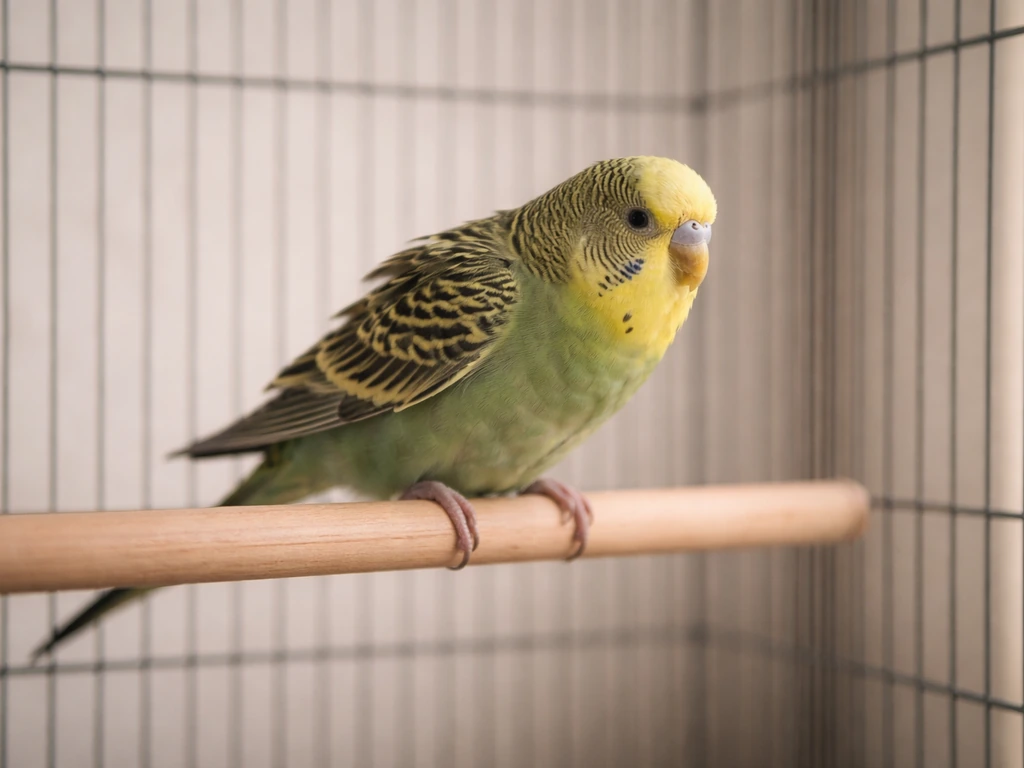
What bird stress actually looks like
Stress shows up across three categories: behavior, physical appearance, and body function. You will rarely see just one sign on its own. More often, you notice a cluster of small changes that together tell the story.
Behavioral signs
- Increased screaming, squawking, or alarm calling that is out of character
- Going quiet and withdrawn when the bird is normally vocal
- Biting or lunging more than usual during handling
- Repetitive pacing, rocking, or head-bobbing that looks compulsive
- Feather picking, over-preening, or self-mutilation
- Refusing to step up or hiding in a corner of the cage
- Night frights: sudden thrashing in the cage after dark
- Loss of interest in toys, foraging, or interaction
Physical and appearance signs
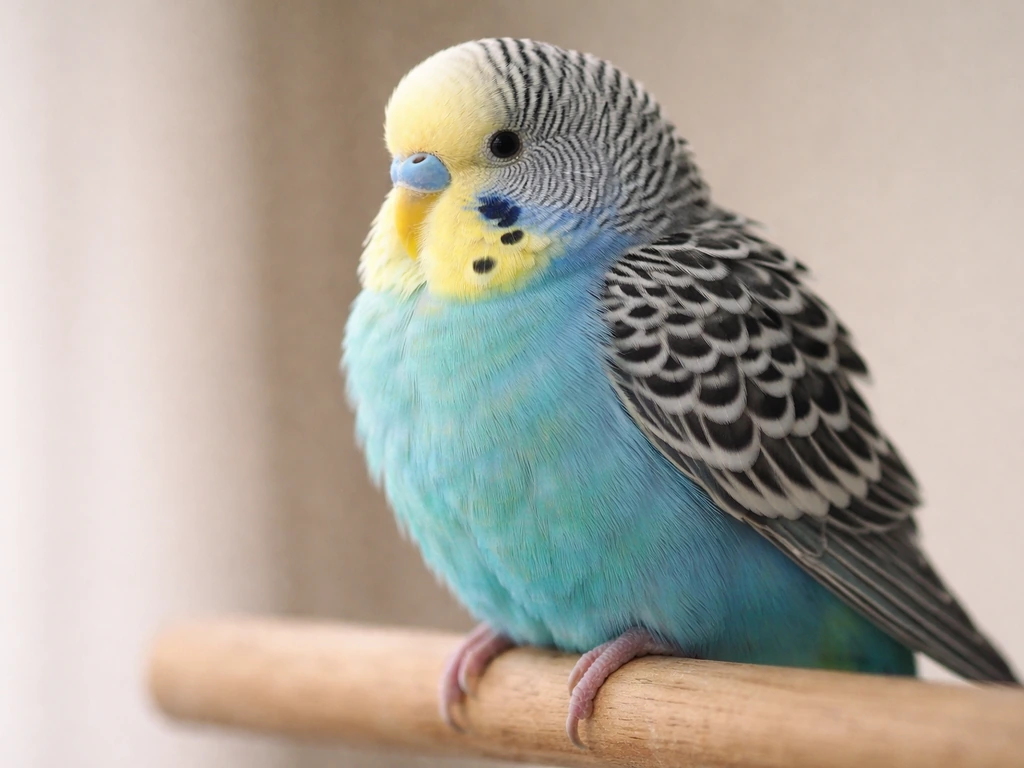
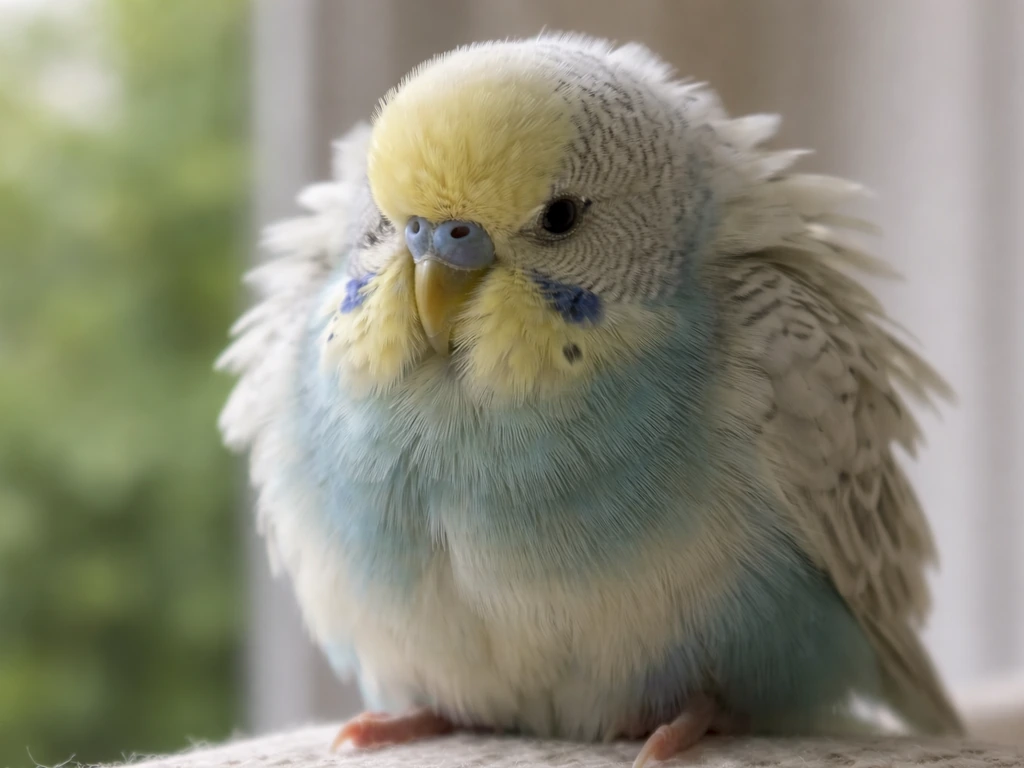
- Fluffed feathers held close to the body for long periods (not just after bathing)
- Raised feathers around the head or wings held slightly away from the body
- Stress bars on feathers: thin horizontal lines across a feather shaft that develop during a period of nutritional or physical stress
- Reduced food and water intake
- Droppings that change color, consistency, or frequency
- Weight loss that becomes noticeable over days to a week
Feather picking deserves a special note. It can start as a stress response, but it can also signal an underlying skin condition, parasite load, nutritional deficiency, or illness. Bird skin problems can overlap with stress signs, so it is important to rule out medical causes. If your bird is actively pulling feathers, do not assume it is purely behavioral without ruling out medical causes first.
Common causes and triggers
Knowing what caused the stress gets you halfway to fixing it. Some triggers are obvious in hindsight, others are easy to overlook because they have become part of the background noise of your household.
Environmental triggers
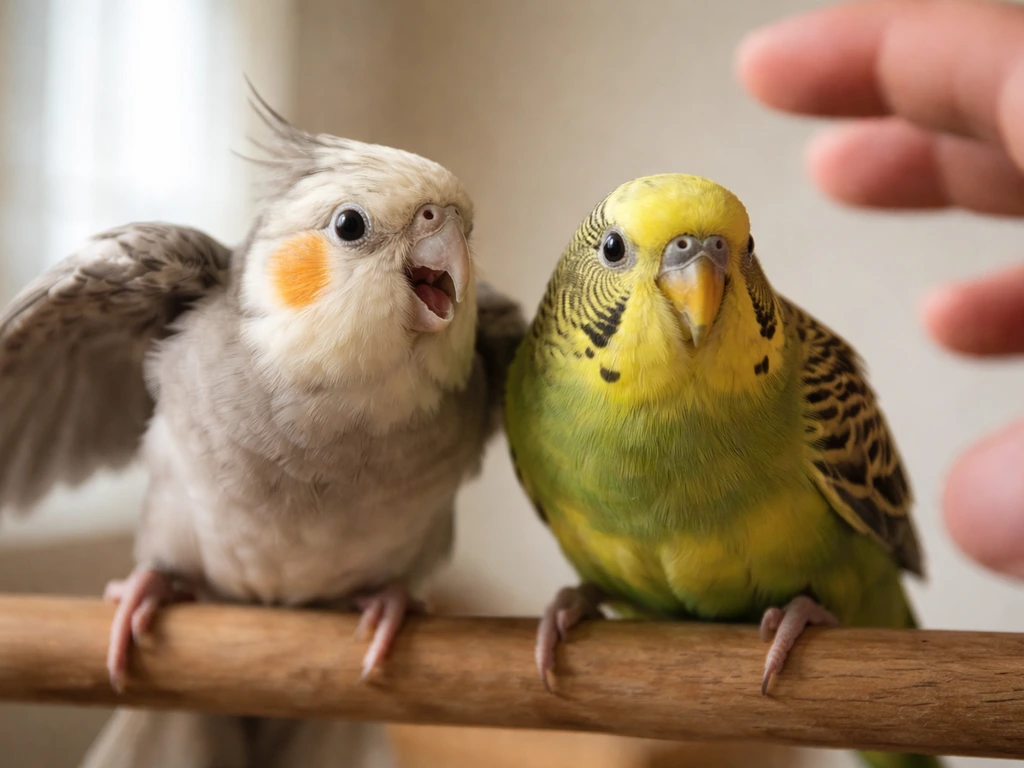
- Loud or sudden noise: TVs, stereos, construction, vacuum cleaners, and food processors are common culprits. Birds are prey animals with a strong startle reflex and excessively loud household noise is a genuine stressor, not just a minor annoyance.
- Cage location: a cage placed in a high-traffic, noisy room or near a window with outdoor predators visible gives the bird no safe retreat.
- Inadequate sleep: most pet birds need 10 to 12 hours of uninterrupted darkness. A cage placed near a TV that stays on late disrupts this significantly.
- Rapid temperature changes or drafts: moving between very different temperatures quickly, or placing a cage near an air conditioning vent, creates physiological stress.
- Overcrowding: too many birds in a shared space leads to competition, aggression, and chronic low-level stress.
- New cage, new room, or a house move: even a familiar bird in a new environment can show stress signs for days to two weeks.
Social and handling triggers
- Introduction of a new bird without a proper quarantine and gradual introduction period
- Rough or forceful handling, especially in birds that are not yet tame
- Loss of a bonded companion bird or human
- Changes in the owner's schedule or absence after a period of close contact
- Young children or unfamiliar people approaching the cage quickly and unpredictably
Husbandry and dietary triggers
Poor husbandry and inadequate diet are directly linked to both stress and disease in caged birds. An abrupt change in diet, a switch from seeds to pellets done too fast, or nutrient deficiencies can all produce stress-like symptoms. Transport, even a short vet visit, is one of the most reliable stress triggers you will encounter.
Stress vs illness: how to triage what you are seeing

This is the most important section for anyone who is worried right now. Stress and illness share symptoms. Bird stroke symptoms can sometimes be mistaken for routine stress or illness, so it is important to watch closely for neurologic signs. Fluffed feathers, lethargy, and reduced eating can describe both a bird that had a bad fright this morning and a bird in the early stages of a respiratory infection. The difference matters because the response is different.
The respiratory red flags that separate stress from illness
Breathing changes are the most important thing to watch for. A stressed bird may breathe faster right after a fright, but it should return to normal breathing within minutes once the stressor is gone. If you see any of the following at rest, this is no longer a stress management situation.
- Open-mouth breathing at rest: very serious and not a sign of stress alone
- Tail bobbing: the tail pumps rhythmically up and down with each breath, meaning the bird is using extra muscle effort to breathe
- Tail flicking or pumping with each breath while the bird is sitting still
- Wheezing, clicking, or rattling sounds during breathing
- Coughing or sneezing repeatedly
- Neck stretched forward or upward while gasping
- Exercise intolerance: the bird breathes hard after minimal movement or just being picked up
These breathing signs indicate a respiratory emergency. Look for labored or open-mouth breathing at rest and tail bobbing, because VCA Animal Hospitals lists both as illness-associated signs in pet birds blank" rel="noopener noreferrer">labored breathing/open-mouth breathing and tail bobbing. They look like a bird working hard just to get air. Avian Welfare shelter medicine materials also advise watching for specific respiration signs such as open-mouthed breathing and tail flicking with each breath when assessing for illness blank" rel="noopener noreferrer">working hard just to get air. Unlike the fast breathing that follows a fright and resolves in minutes, these signs persist and often worsen. This is a vet call today, not a wait-and-see situation.
A practical stress vs illness checklist
| Sign | Likely stress | Lean toward illness |
|---|---|---|
| Fluffed feathers | Resolves once stressor removed, bird alert | Persistent, bird also lethargic or not eating |
| Breathing changes | Faster after fright, returns to normal within minutes | Open-mouth breathing, tail bobbing, or wheezing at rest |
| Appetite loss | Skips a meal or two after a stressor | Multiple days of reduced eating |
| Droppings | Looser or more watery on a stressful day | Consistently abnormal color, bloody, or absent for hours |
| Behavior | Withdrawn but responsive, recovers after quiet time | Unresponsive, falling off perch, unable to balance |
| Feather condition | Slight fluffing or minor over-preening | Patches of missing feathers, skin visible, sores |
| Weight | Stable | Visible keel bone, notable loss over days |
Keep in mind that stress weakens immune function, so a bird that has been under chronic stress is more vulnerable to picking up an infection. Stress and illness are not always separate events, one can lead to the other.
What to do right now to reduce stress safely
If you have assessed your bird and you believe this is stress rather than illness, here is what to do today. These steps are safe to apply while you continue monitoring.
- Move the bird to a quiet, low-traffic room. If the cage is near a TV, stereo, or kitchen, relocate it. Choose a room where the bird can hear normal household sounds but is not in the middle of them.
- Reduce visual chaos. Cover three sides of the cage with a light cloth so the bird has a sense of security. Leave one side open so it does not feel trapped.
- Restore a consistent light cycle. Aim for 10 to 12 hours of darkness at night. If the bird is not getting this, start immediately. A dark, quiet sleeping environment is one of the fastest stress-reduction tools you have.
- Keep temperature stable. Avoid placing the cage near drafts, AC vents, or windows that get cold at night. Maintain a consistent room temperature between roughly 65 and 80 degrees Fahrenheit for most pet birds.
- Do not force interaction. If the bird is stressed, let it settle. Speak softly near the cage without reaching in. Calm, predictable presence helps more than trying to handle or comfort the bird physically.
- Check food and water. Make sure fresh water is available and that familiar foods are in the cage. Do not change the diet while the bird is already stressed.
- Remove or reduce the specific stressor if you can identify it. New bird in the house? Increase visual separation. Construction next door? Move the cage to a quieter room. New family member visiting? Give the bird time to observe from a distance before any introductions.
- Write down what you observe every few hours: breathing, droppings, food intake, posture. This log is valuable if you end up calling the vet.
Do not use over-the-counter stress products, supplements, or calming sprays without talking to an avian vet first. Some of these can mask symptoms that you need to be able to see clearly.
When to call an avian vet today
Birds hide illness as a survival instinct. By the time a bird looks obviously sick, it has often been unwell for longer than you realize. Critically ill birds can deteriorate very quickly, which is why acting early matters more than waiting to be sure. Bird heat stroke symptoms can also present as sudden illness, so if you suspect overheating or rapid deterioration, review those signs alongside your stress checklist. Bird heart attack symptoms are another reason to seek urgent guidance from an avian vet if you notice severe sudden distress or collapse.
Call an avian vet the same day if you observe any of the following.
- Open-mouth breathing at rest, even briefly
- Tail bobbing or pumping with each breath
- Wheezing, clicking, rattling, or wet-sounding breathing
- The bird is on the cage floor and cannot or will not perch
- Eyes are closed or partially closed and the bird does not rouse easily
- No droppings in several hours in a bird that was eating
- Bloody droppings or very dark, tarry droppings
- Visible injury: bleeding, wounds, or a wing held at an abnormal angle
- The bird was exposed to a toxic fume, chemical, non-stick cookware smoke, or cleaning products
- Stress signs that are not improving after two to three hours of a calm, quiet environment
- Any sign that could also be a heat stroke, stroke, or cardiac event, especially if the bird has been in direct sun or a hot environment
When you call the vet, be ready to tell them the species and approximate age, what you observed and when it started, any recent changes in the environment or routine, what the bird ate in the last 24 hours, and the appearance of its droppings. That information helps them triage the call and advise you on whether this is an emergency visit or a next-day appointment.
Preventing stress from coming back
Once you have addressed the immediate situation, the goal is to set up conditions that reduce the baseline stress load on your bird going forward. This is less about doing one big thing and more about small, consistent habits.
Environment and routine
Consistent daily routines are genuinely powerful for birds. Feeding, uncovering, lights on, and lights off at roughly the same times each day helps a bird feel safe and predictable. Rotate toys and foraging opportunities regularly to provide mental stimulation without introducing sudden startling changes. Keep the cage location stable and avoid frequent room moves.
Cage placement matters more than most people realize. Position the cage so at least one side is against a wall, giving the bird a sense of having its back covered. Avoid high-traffic intersections in the home, kitchens (fumes and temperature swings), and anywhere that gets a lot of sudden loud noise.
Handling and socialization
Handle birds calmly and predictably. Approach the cage at the same height and speed each time. For less tame birds, build confidence gradually with short positive interactions rather than long sessions that overwhelm them. Children and new people should be introduced at a distance first, letting the bird observe before any direct interaction.
Introducing new birds or changes
Any new bird should be quarantined for at least 30 days before introduction, both for disease prevention and to allow gradual visual and auditory acclimation. Cage changes, diet changes, or habitat upgrades should happen incrementally. Placing a new cage next to the old one for a few days before the full switch, or mixing new food into the current diet over one to two weeks, removes a lot of the shock.
Nutrition and regular checkups
A nutritionally complete diet reduces the biological stress load on a bird's immune system. Seeds-only diets are a known risk factor for both nutritional deficiency and related disease. Work with an avian vet to transition birds toward a more balanced diet if needed, and schedule annual wellness visits even when the bird appears healthy. Catching subtle issues early prevents them from becoming emergencies later.
FAQ
How can I tell if fast breathing is fear-related or a respiratory emergency?
Yes. If your bird is gasping, holding its wings away from the body, breathing with an obvious tail bob, or you see persistent mouth breathing while at rest, treat it as respiratory emergency rather than stress. Stress breathing should settle within minutes after the trigger is gone.
What if my bird seems stressed, but symptoms do not improve quickly?
If symptoms do not clearly improve after you remove the trigger and keep the bird in quiet, dim conditions for about 30 to 60 minutes, do not keep waiting. Birds can worsen quickly, and stress can also lower immunity enough to let infection take hold.
Can I use human or store-bought calming sprays and supplements to help a stressed bird right now?
Do not. Even if you are confident it is stress, over-the-counter calming sprays and supplements can temporarily mask warning signs, and some ingredients may irritate airways or interact with underlying medical problems. Contact an avian vet for advice on safe calming options.
My bird is hiding and fluffing, how do I decide when it is illness instead of stress?
Start by checking for medical red flags alongside behavior. For example, weight loss, persistent abnormal droppings, repeated vomiting, open-mouth breathing, wobbliness, or one-sided weakness suggest illness. If you see these, switch from stress management to same-day vet guidance.
When feather picking happens, how do I know it is stress versus a skin, parasite, or nutrition problem?
Yes. Feather destructive behavior that is intense, spreading, associated with bare patches, scabs, or skin redness can point to parasites, dermatitis, or nutritional issues rather than only anxiety. If picking is active or worsening, ask an avian vet to rule out medical causes.
What symptom clusters are most suspicious that stress is turning into illness?
Signs like fluffed feathers, quietness, and reduced eating can overlap with early infections. The most practical approach is to track clusters over time, especially breathing and appetite, and to call the avian vet the same day when symptoms persist or worsen.
Should I handle my bird more to help it relax if I think it is stressed?
Limit handling until you have stabilized the environment, then use calm, brief interactions only for comfort and assessment. If the bird shows escalation like biting hard, frantic scrambling, or increased breathing during touch, stop and reassess from a distance.
What is the best way to quarantine a new bird for stress reduction and disease prevention?
For quarantine introductions, visual and auditory acclimation still matter. Keep the new bird in a separate room if possible, and avoid sharing air, towels, food bowls, or perches between cages. Wear different outer clothing or sanitize hands between birds.
How can I reduce stress during transport to a vet or while traveling?
Yes. If you must transport for any reason, keep it short, warm but not overheated, and minimize loud conversation or vibration. Use a secure carrier with familiar footing, and plan to monitor breathing, appetite, and droppings for the next 24 hours.
What are common mistakes owners make when trying to fix “stress symptoms” at home?
Common mistake: changing multiple variables at once (new cage, new food, new location) because you think stress is the cause. Instead, make one change at a time on a schedule you can observe, then reassess the symptom cluster.
If the stress might be triggered by fumes or household chemicals, what should I do?
If your bird has been exposed to something potentially toxic or irritating, like nonstick fumes, cleaning chemicals, heavy smoke, or strong aerosols, treat it as urgent. Remove the source immediately, ventilate the area, and call an avian vet right away, because symptoms may not look like typical stress.
Next Article
Bird Brown Health Problems: Causes and What to Do Now
Match brown feathers, droppings, stains, or scabs to likely bird health causes, check signs now, and know urgent vet ste