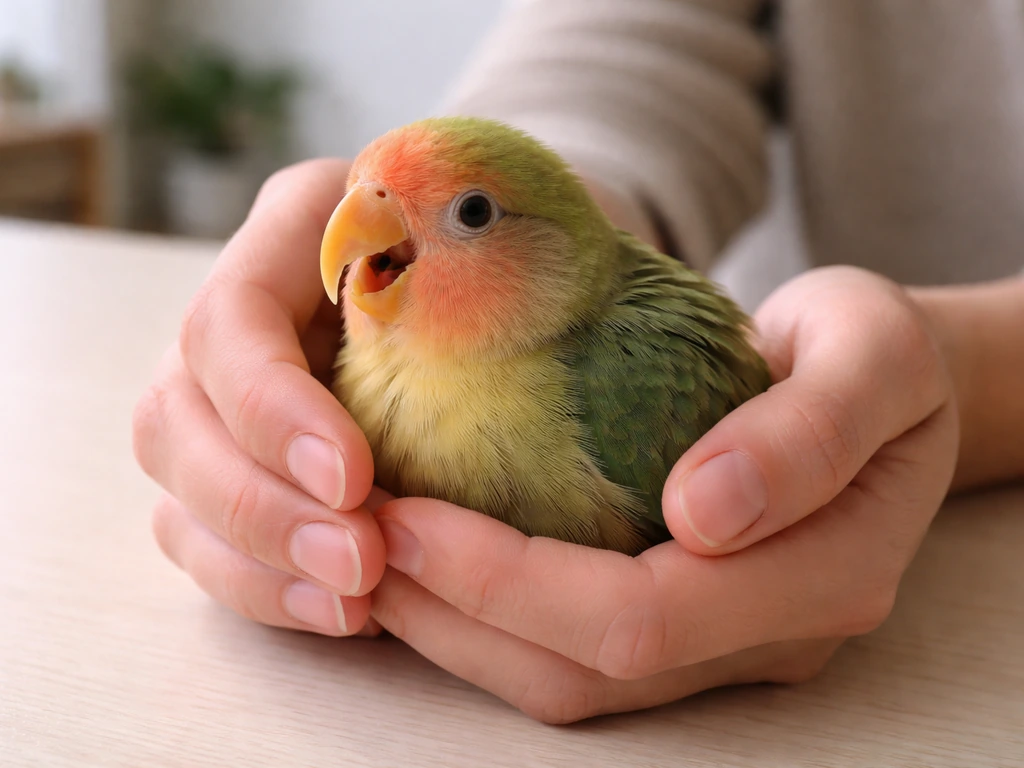
The most common pet bird diseases fall into four main groups: respiratory infections (like aspergillosis and psittacosis), gut and feather problems (like coccidiosis, bumblefoot, and feather plucking), nutritional and metabolic issues (like calcium deficiency and egg binding), and contagious infections (like polyomavirus and avian chlamydiosis). Most of them share a handful of early warning signs, especially [fluffed feathers](https://www. avianwelfare. org/shelters/pdf/NBDshelterssymptomsofillness.
Common Pet Bird Diseases: Signs and What to Do Next

Marcus Webb
6 Jun 2026
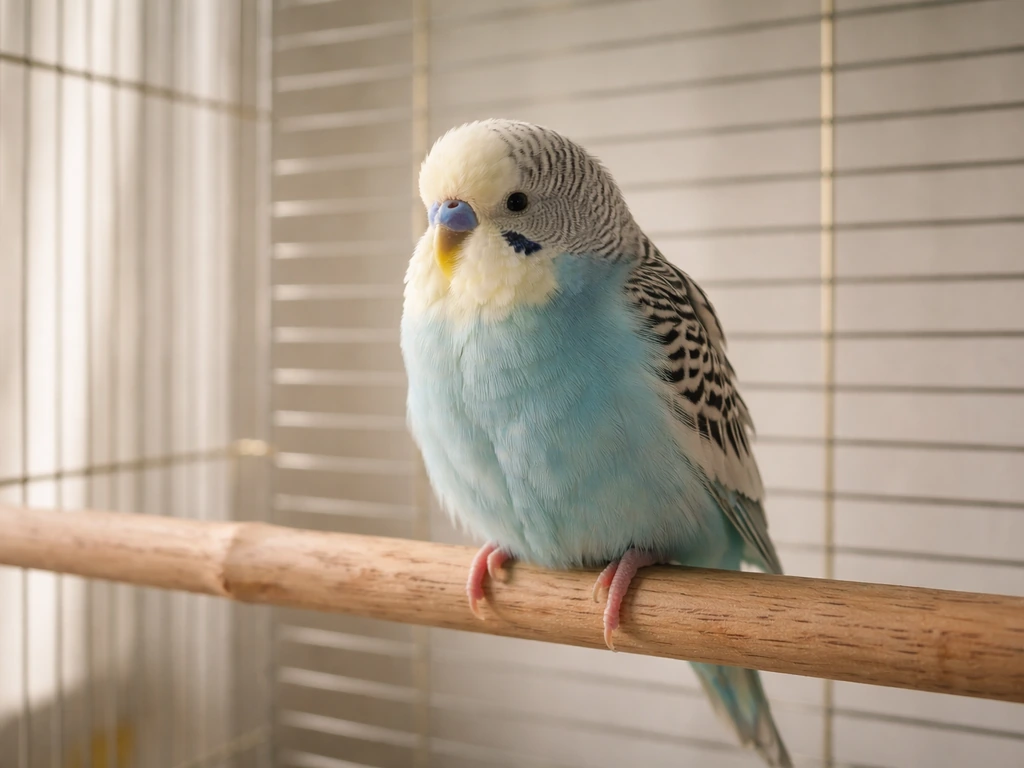
pdf), lethargy, and changes in droppings. Once you know the common bird illnesses in this category, you can watch for the early warning signs that suggest it is time to call your avian vet common pet bird diseases. Common bird ailments often show early warning signs that you can spot before symptoms become severe. Catching these early is the difference between a manageable vet visit and a genuine emergency.
Quick triage: signs that mean call the avian vet now
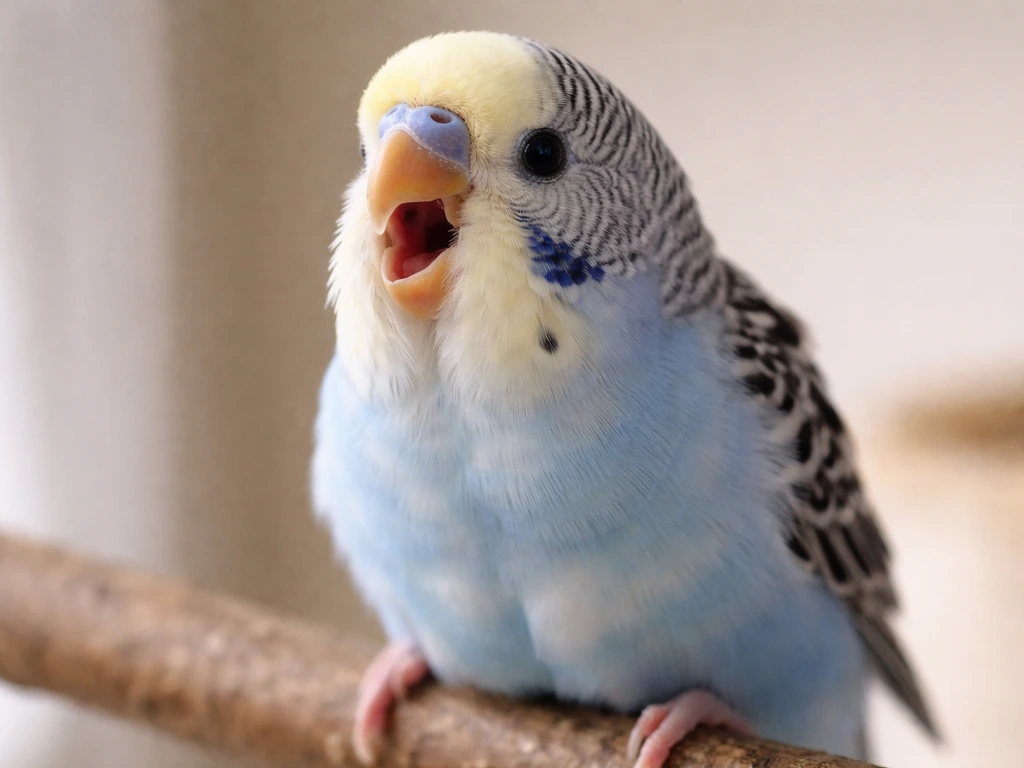
Birds hide illness well. By the time you can clearly see something is wrong, things may already be serious. These specific signs should prompt a same-day or emergency call to an avian vet, not a wait-and-see approach.
- Open-mouth breathing or gasping
- Pronounced tail bobbing with each breath (the whole tail pumps visibly)
- Audible wheezing, clicking, or labored breathing
- Blue or very pale tissues around the beak or eyes
- Collapse or inability to stand
- Seizures or convulsions
- Sitting on the cage bottom instead of perching, with sudden weakness
- Uncontrolled bleeding
- Suspected toxin exposure (fumes, plants, foods like avocado)
- Severe trauma or burns
Any one of these alone is enough. Don't wait to see if the bird improves on its own when these signs are present. Respiratory distress in particular can deteriorate fast, and birds in serious oxygen deficit have very little reserve time.
Most common pet bird respiratory diseases and what they look like
Respiratory problems are the category where pet bird owners most often need to move quickly. The visible signs overlap between several conditions, so your job at home isn't to diagnose precisely, it's to recognize that the breathing is off and act accordingly.
Aspergillosis
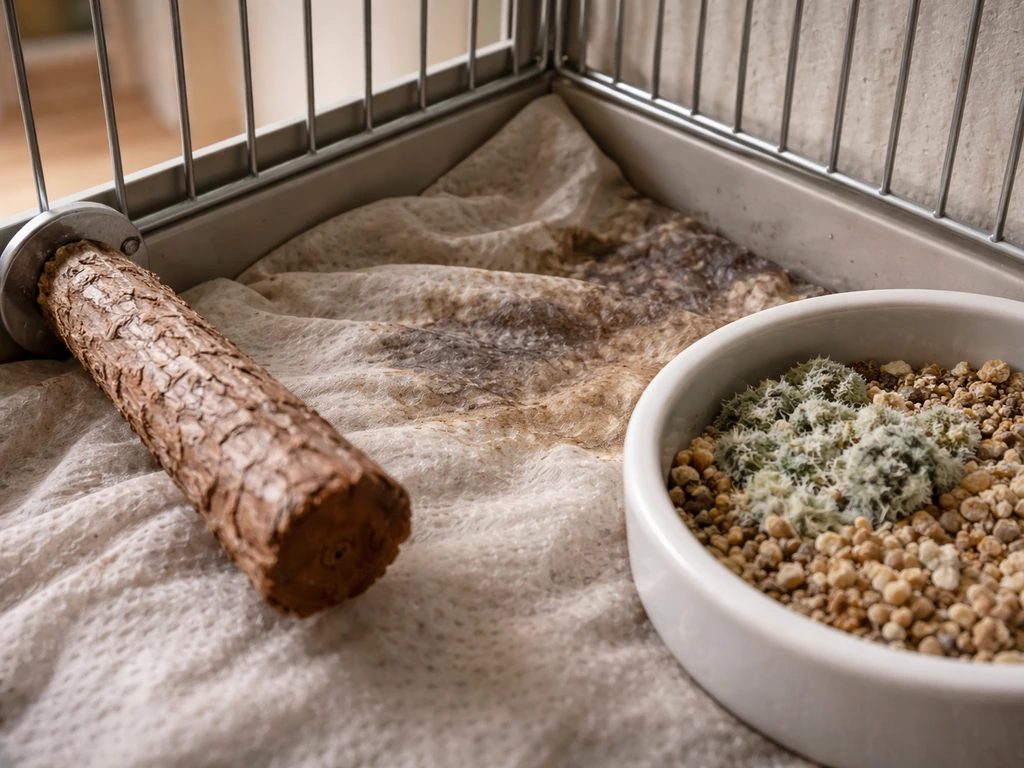
Aspergillosis is a fungal infection caused by Aspergillus spores, which are everywhere in the environment, especially in moldy food, damp bedding, or poorly ventilated spaces. Birds inhale the spores, and immunocompromised or stressed birds are most vulnerable. In acute cases, especially in young birds, you'll see rapid breathing, loss of appetite, listlessness, and sometimes convulsions. Chronic cases are sneakier, with gradual weight loss and subtle breathing changes over weeks. Open-mouth breathing and tail bobbing can appear as the disease progresses. Keeping food fresh and mold-free is one of the most effective preventive steps you can take against this disease.
Avian chlamydiosis (psittacosis)
This bacterial infection, caused by Chlamydophila psittaci, is one of the most talked-about pet bird diseases partly because it can spread to humans. In birds, signs include nasal discharge, conjunctivitis, lethargy, ruffled feathers, and greenish or yellowish droppings. Transmission happens mainly through inhaling aerosolized contaminated feces or respiratory secretions, and also through feather dust and dander. Parrots and cockatiels are the most commonly implicated species in human cases. If your bird is showing these signs and you've recently handled a new bird or been to a bird fair, mention that to your vet.
Tracheal obstructions and foreign bodies
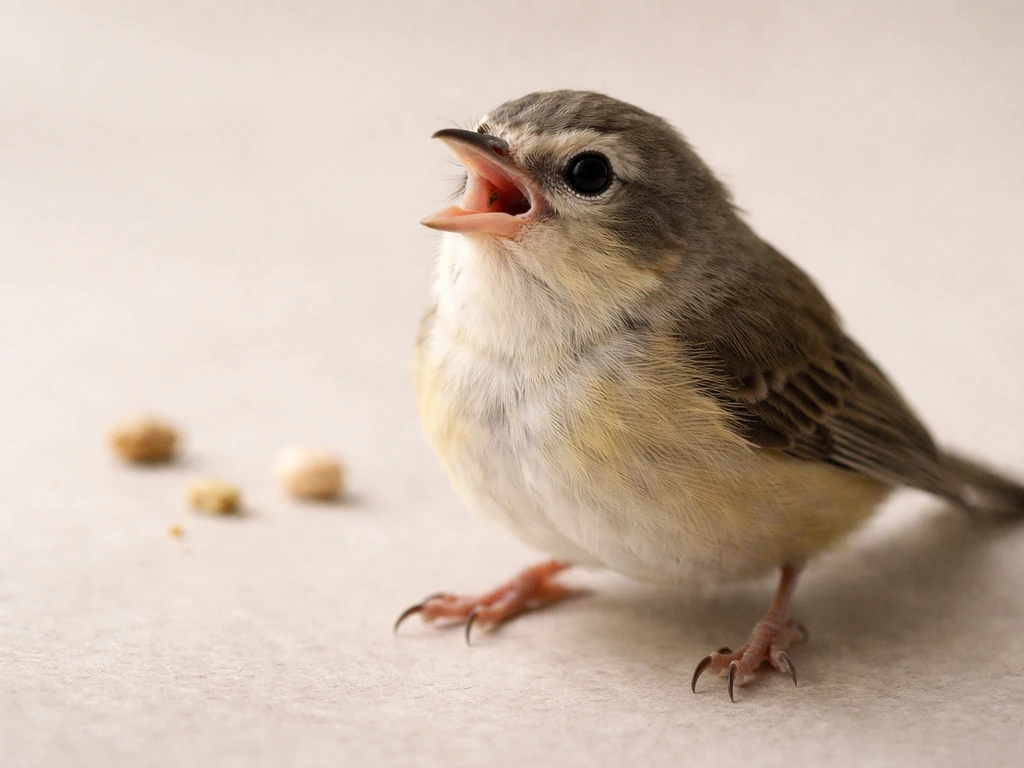
Less common but worth knowing: a bird can inhale a small object or develop a growth that partially blocks the trachea. This presents as sudden respiratory distress, a changed or absent voice, and obvious breathing effort. It's a clear emergency that requires immediate vet intervention, sometimes including oxygen support. Don't try to dislodge anything at home.
Gut, feather, and skin problems: common illnesses and key symptoms
Coccidiosis
Coccidiosis is a parasitic gut infection most common in birds kept in less than ideal sanitary conditions. The main sign is diarrhea. In mild cases you'll just notice loose, frequent stools. In more severe infections it progresses to dysentery (bloody diarrhea), dehydration, and visible straining. Young birds are hit hardest. If you see persistent diarrhea in any bird, especially combined with lethargy and weight loss, treat it as a vet visit rather than a watch-and-wait situation.
Bumblefoot (pododermatitis)
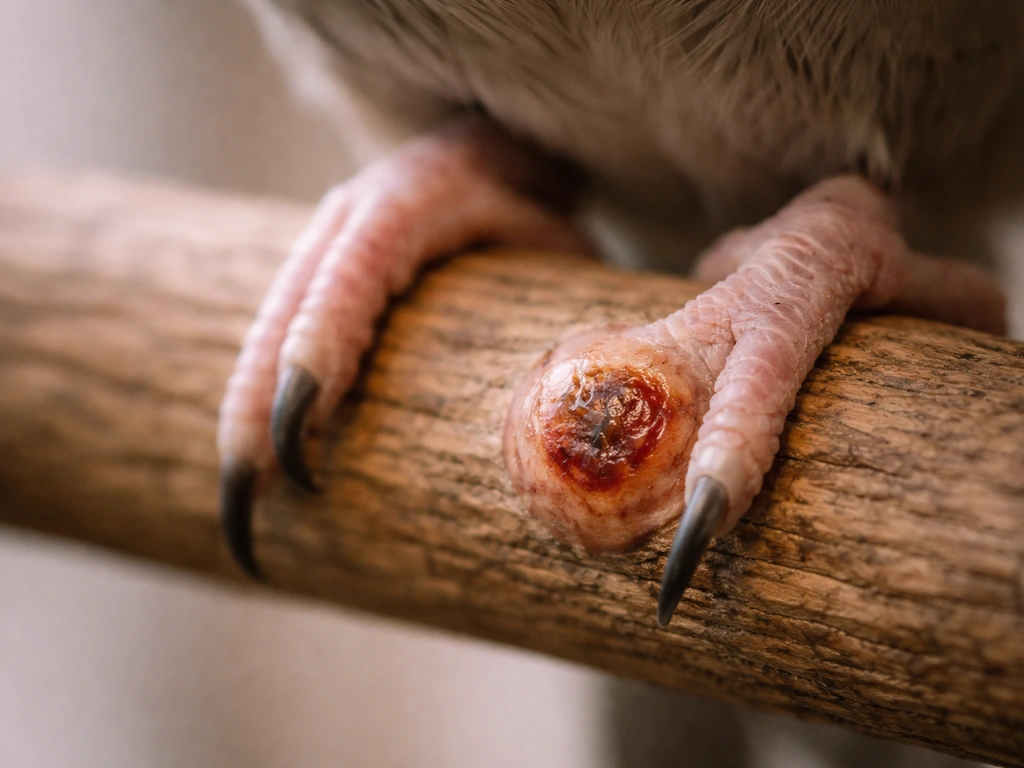
Bumblefoot starts as pressure-related irritation on the bottom of the feet, often from perches that are too hard, too narrow, or the same diameter throughout. Early signs are easy to miss: slight redness, flaking or hyperkeratosis (thickened skin), minor swelling, or a small abrasion. Caught at that stage, better perch setup and early treatment can often resolve things without escalation. If you see an actual lesion, swelling, or bruising, take the bird to an avian vet right away. Once infection sets in, bumblefoot becomes a much bigger problem involving deeper tissues.
Feather plucking and feather abnormalities
Feather plucking is genuinely tricky because it has a wide differential. It can be psychological (boredom, stress, lack of enrichment), but it can also signal infection, parasites, or metabolic disease. Don't assume it's behavioral until a vet has ruled out physical causes. Feather abnormalities can also point to polyomavirus, especially in young birds, where feather dystrophy appears alongside other systemic signs. Psychological feather plucking typically shows as missing feathers on accessible areas with otherwise normal clinical findings, but you need a vet to confirm that.
Trichomonosis
Trichomonosis (caused by Trichomonas gallinae) most commonly affects finches and pigeons but can show up in pet birds. The hallmark sign is yellow, cheesy-looking plaques inside the mouth or on the roof of the mouth. Affected birds may make exaggerated swallowing motions and drool excessively. If you notice any unusual material in the mouth or throat area, combined with difficulty swallowing, this is a vet-visit finding.
Nutritional and metabolic issues: how to spot them early
Nutritional problems are slow-burn issues that often go unnoticed until they've progressed significantly. The good news is that early signs are recognizable if you know what to look for.
Calcium deficiency
Calcium deficiency is particularly common in birds on all-seed diets. Early signs include weakness, poor grip on perches, and subtle tremors. As it progresses you can see more pronounced trembling, seizures, and fragile bones. Laying hens are at special risk because egg production depletes calcium reserves fast, which can lead to weakness around laying time and increase the risk of egg binding. Cuttlebone, mineral blocks, and a varied diet are the main preventive tools.
Egg binding
Egg binding is a reproductive emergency in female birds. A hen that is straining, sitting on the cage floor, appears fluffed and lethargic, or is making repeated attempts to pass a dropping without success may be egg-bound. If the egg isn't passed, the situation can escalate to paralysis or death. This is not something to manage at home beyond keeping the bird warm and getting to a vet immediately.
Kidney disease
Kidney problems in birds often look like many other illnesses at first: fluffed feathers, lethargy, reduced appetite, and weight loss. A more specific clue is polyuria, meaning the area around the droppings is excessively wet. You might also notice increased thirst and, in advanced cases, difficulty breathing. Birds on high-protein diets or those with chronic low-grade dehydration are at higher risk. Regular vet checkups are the best way to catch kidney issues before they become critical.
Infectious diseases to recognize: contagiousness, spread, and isolation basics
Several common pet bird diseases spread easily between birds, and some (like psittacosis) can infect people. Knowing the basic transmission routes helps you contain a problem before it spreads.
| Disease | Main Transmission Route | Spreads to Humans? | Isolation Priority |
|---|---|---|---|
| Avian chlamydiosis (psittacosis) | Airborne fecal dust, feather dander, respiratory secretions | Yes | High: isolate immediately, wear a mask when cleaning |
| Avian polyomavirus | Direct contact, droppings, feather dust | No | High: especially around young or unvaccinated birds |
| Aspergillosis | Environmental spores (mold, damp feed) | Rare/only in severely immunocompromised people | Moderate: improve ventilation and remove moldy material |
| Coccidiosis | Fecal-oral route, contaminated water/feed | No | Moderate: clean cage thoroughly, separate affected bird |
| Trichomonosis | Direct contact, shared food/water | No | Moderate: separate affected birds, disinfect shared items |
The most important rule: any new bird coming into your home should be quarantined for a minimum of 30 days, completely separate from your existing birds. If the new bird shows any signs of illness during that period, the 30-day clock resets to day one. This applies even if the bird looks perfectly healthy when you bring it home. Many infections have incubation periods that mean a bird can be contagious before showing symptoms.
Polyomavirus deserves special mention because it can be rapidly fatal in young birds, sometimes within 24 to 48 hours in acute cases. If you keep or breed budgies, lovebirds, or other small parrots, talk to your avian vet about vaccination options. If your lovebird is showing concerning signs, prompt evaluation can help catch love bird diseases symptoms early lovebirds. It spreads through contact with infected droppings and feather dust, so rigorous hygiene around young birds is critical.
It's also worth noting that some diseases look similar in pet birds and wild birds but behave differently in terms of risk and spread. Wild bird diseases like salmonellosis and avian influenza have their own dynamics. If you find a sick wild bird near your home or aviary, keep it well away from your pet birds and check with a wildlife rehabilitator before handling it. If you are dealing with a wild bird at home, learning about common wild bird diseases can also help you decide how to protect your pet birds. Wild bird diseases and symptoms can help you recognize when a wild bird needs professional wildlife care rather than handling it yourself.
Prevention checklist for everyday bird care and monitoring
Most pet bird diseases are preventable or at least detectable early with consistent daily habits. None of this is complicated, but it does require being deliberate.
- Check your bird briefly every morning: look at posture (fluffed or alert?), droppings (color, consistency, wetness), activity level, and breathing
- Weigh your bird weekly on a gram scale and track it — weight loss is often the first measurable sign of illness
- Feed a varied diet, not just seeds: pellets, fresh vegetables, and appropriate fruits reduce nutritional deficiency risks significantly
- Provide cuttlebone or mineral supplements for calcium, especially for laying hens
- Keep food fresh and discard any seed or pellets that show clumping, discoloration, or a musty smell — mold is a direct aspergillosis risk
- Use perches of varying diameters and textures to reduce foot pressure point risks and prevent bumblefoot
- Clean the cage and food/water dishes daily; full disinfection weekly
- Ventilate the room well but avoid cold drafts directly on the bird
- Keep the bird away from cooking fumes (especially non-stick cookware), scented candles, aerosols, and cigarette smoke
- Quarantine any new bird for a full 30 days before introducing it to resident birds
- Schedule an annual well-bird checkup with an avian-experienced vet even when the bird seems healthy
- Wash your hands before and after handling your bird, its food, or its cage, especially if it shows any signs of illness
What to do before the appointment: home care, tracking symptoms, and vet-ready info
Once you've decided the bird needs a vet, there are practical things you can do between now and the appointment that will help your bird and help the vet work faster.
Keep the bird warm and calm
A sick bird loses body heat fast. Move the bird to a quiet, warm space, around 85 to 90 degrees Fahrenheit if possible, away from drafts, other pets, and household noise. You can use a heating pad on low under one side of the cage (not the whole floor, so the bird can move away if it gets too warm). Don't try to force food or water. Don't handle the bird more than necessary, as stress makes respiratory distress worse.
Track what you're seeing
Write down everything you've noticed and when it started. Avian vets work quickly and need good history. Think about: when you first noticed something was off, what the droppings have looked like in the past 24 to 48 hours, whether the bird has eaten or drunk normally, any recent changes in diet or environment, and whether any new birds or people have been in contact with your bird recently.
What to bring to the vet
- A fresh dropping sample in a clean container or on a paper towel (collected in the last few hours if possible)
- The bird in its own cage if it's small enough, or a secure transport carrier with some familiar perches
- A list of everything the bird eats and any supplements
- Any medications or products you've used on the bird in the past month
- Notes on symptom timeline: when signs started, what's changed, and how quickly
- Your bird's normal weight if you track it, and a recent weight if you have one
- Information on any new birds introduced to the household in the past 60 days
The more specific you can be, the faster the vet can triage and prioritize. Avian medicine moves differently from cat and dog medicine, and an experienced avian vet will appreciate a prepared owner. If you're not sure whether what you're seeing warrants a call, err on the side of calling. Most avian vets or clinics that see birds are used to helping owners triage over the phone and will tell you honestly whether it can wait until morning or needs to be seen today.
FAQ
When should I call an avian vet as opposed to waiting until the next business day for common pet bird diseases?
Call right away (same-day or emergency) if breathing seems abnormal (open-mouth breathing, tail bobbing, increased effort), there is straining without a successful passing of droppings, the bird stops eating for more than a short window, or droppings look dramatically different (especially with lethargy). Birds can worsen quickly, so if you are unsure, a phone triage call is appropriate and often fast.
Are fluffed feathers and lethargy enough to assume one of the common pet bird diseases?
Those signs are common to many illnesses, including infections and metabolic problems, so they are not enough to narrow the cause. Use additional observations like breathing pattern, appetite, drinking, and droppings moisture. If you cannot identify a clear benign explanation (like sleep), treat it as illness and contact your avian vet.
What droppings changes should I pay special attention to with common pet bird diseases?
Look beyond “normal versus not normal.” Note color (greenish or yellowish with nasal or eye signs can suggest psittacosis), presence of blood or strong straining (can align with coccidiosis), and whether the area around droppings is excessively wet (polyuria, which can point toward kidney issues). Take a photo if possible so the vet can compare.
Can I clean the cage or disinfect at home if I suspect a contagious common pet bird disease?
Yes, but focus on reducing airborne dust and contact contamination first. Remove soiled liners and droppings promptly, replace with fresh material, and avoid dry sweeping or actions that aerosolize dander. For shared items (food dishes, perches, toys), wash with appropriate cleaner and discard porous items that are heavily soiled. Your vet can advise what is safe for the specific illness.
Should I isolate my bird even if I only suspect common pet bird diseases and there are no obvious symptoms yet?
If you suspect exposure to contagious causes, isolation is reasonable. The most important step is quarantine for any new bird, separate airflow and handling if possible. Also limit contact between birds with suspected illness and healthy ones until an avian vet tells you what you are dealing with.
My bird is plucking feathers. How do I avoid assuming it is just boredom?
Assume the symptom is a clue, not the final diagnosis. Check for signs of illness you might otherwise miss, like changes in droppings, abnormal breathing, skin lesions, weight loss, or mouth abnormalities. Environmental enrichment can help if the vet rules out physical causes, but do not treat it as behavioral without that medical check.
What should I do if I suspect an object or growth is blocking my bird’s airway?
Treat it as an emergency. Do not try to dislodge anything at home. Keep the bird warm in a quiet area and contact an avian vet immediately so they can assess safely and provide supportive care such as oxygen if needed.
If aspergillosis is suspected, what home changes help while I wait for the vet?
Reduce spore exposure immediately: remove any moldy or damp food, discard anything that smells musty, and replace bedding. Improve ventilation without creating drafts. Avoid disturbing dusty bedding or aerosolizing particles. These steps support treatment and reduce ongoing inhalation of spores.
What is the safest way to handle feeding and water when a bird is sick with common pet bird diseases?
Do not force food or water, especially if swallowing is impaired or breathing is difficult. Instead, offer normal access to food and water in a calmer, warmer setup and let the vet guide further steps. If the bird is dropping, drooling, or has mouth plaques, do not try to probe the mouth at home.
Are heating pads safe for sick birds, and how should I use them?
Use a heating pad on low under only one side of the cage, so the bird can move away if it gets too warm. Avoid warming the entire floor or creating a situation where the bird cannot regulate temperature. Stop and reassess if you notice signs of overheating or stress.
How should I prepare information for the vet appointment to improve triage for common pet bird diseases?
Write down the timeline (when symptoms started), appetite and drinking changes, and what droppings looked like over the last 24 to 48 hours. Also list any recent diet changes, new cage items, cleaning products used, travel or bird fairs, and any new birds or people that had contact with the bird. Photos of droppings and the overall posture can be very helpful.
If polyomavirus is a concern, what should I ask the vet to do for my young birds?
Ask about vaccination and a screening plan appropriate for your species and age, especially for budgies, lovebirds, and similar small parrots. If you keep or breed young birds, discuss hygiene routines to limit exposure to infected droppings and feather dust, because young birds can deteriorate extremely fast.
Next Article
Love Bird Diseases Symptoms: Quick Triage Guide for Owners
Quick triage for lovebird disease symptoms, matching respiratory, digestive, nervous and skin signs to next steps and ve