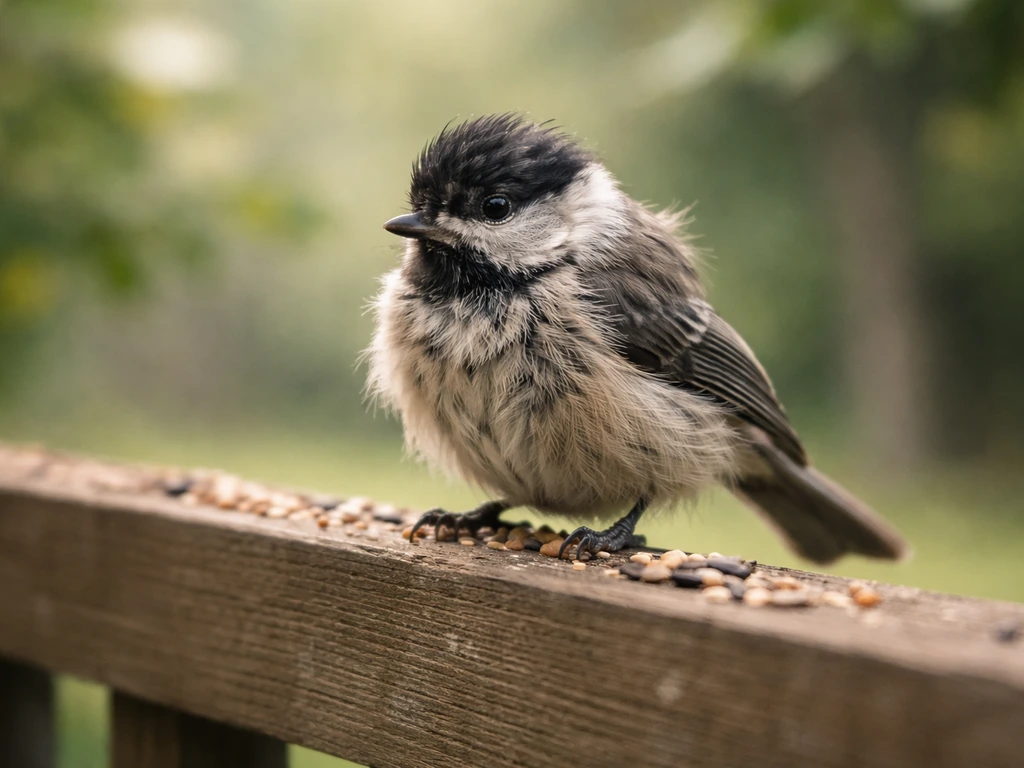
If you spot a wild bird acting strangely, the fastest way to figure out what's wrong is to watch from a distance of at least 10 feet and look for a handful of clear warning signs: labored breathing, discharge from the eyes or nostrils, twisted neck or loss of balance, pasty or bloody droppings, matted feathers, or simply a bird that can't fly or stand. What you see in those first moments will tell you a lot about whether you're looking at a respiratory infection, a neurological disease, poisoning, or an injury, and it determines exactly what you should do next.
Wild Bird Diseases and Symptoms: What to Do Now

Marcus Webb
11 Jun 2026
What to look for first, from a safe distance
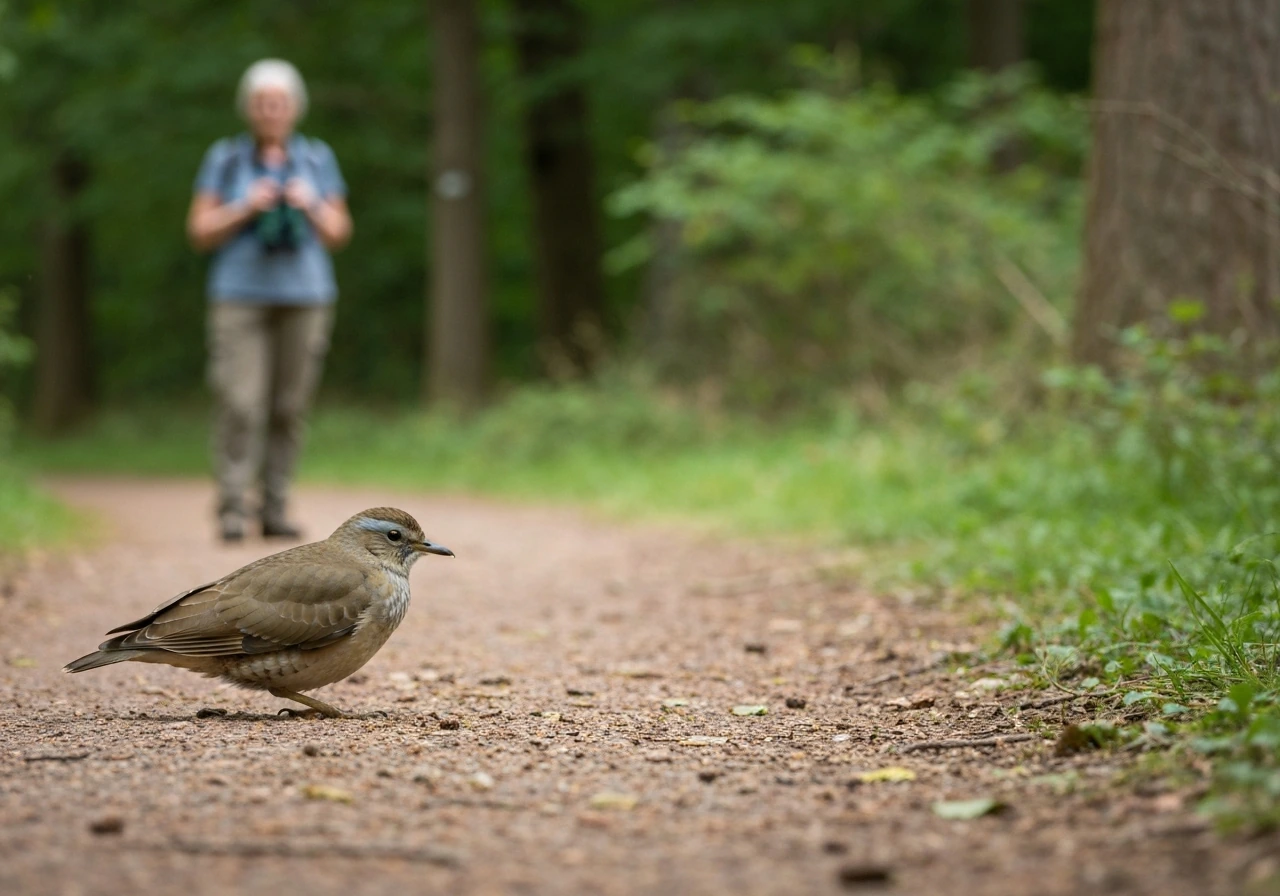
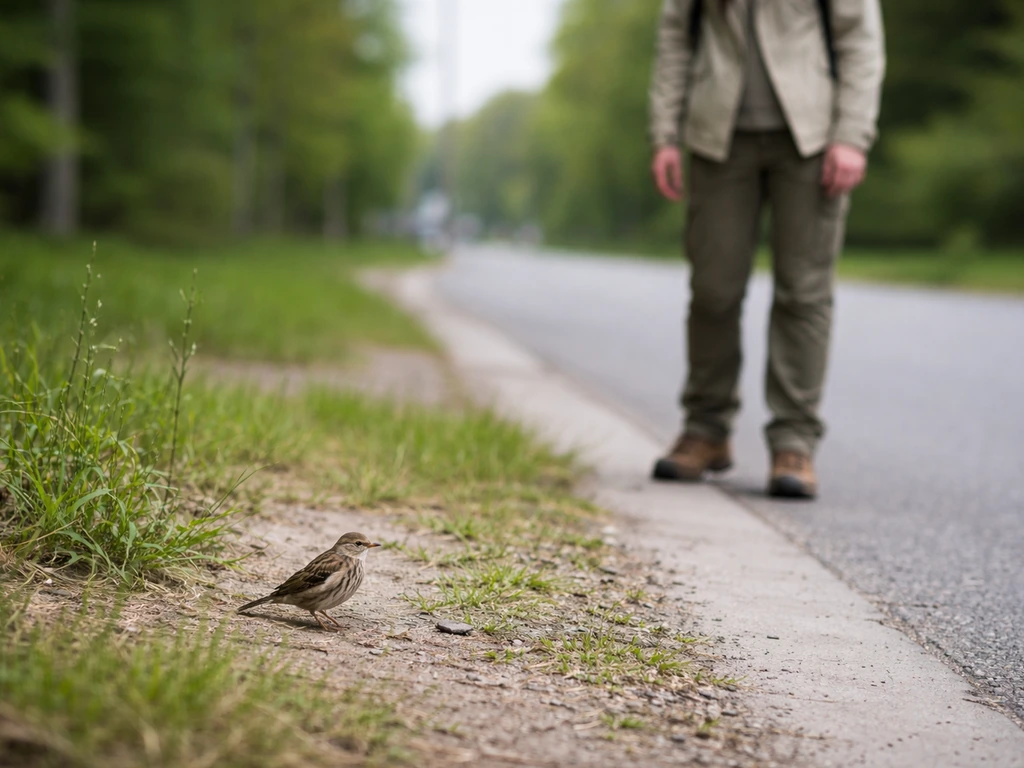
Before you take any action, stay back and observe for two or three minutes. You'll gather more useful information that way than by rushing in, and you won't risk exposing yourself or stressing the bird further. The goal at this stage is to build a quick mental picture of behavior and body condition.
Start with behavior. A healthy wild bird flushes (flies away) when a person approaches within several feet. If the bird lets you walk close without reacting, or it's just sitting on the ground in an open area during daylight, something is wrong. Watch how it holds its body: is it hunched with fluffed feathers? Is the head drooping or pulled tight against the chest? Is it listing to one side or spinning in circles?
Then look at specific body parts. Even from 10 feet away, you can often spot a drooping wing, swollen eyes, crust around the nostrils, labored or open-mouth breathing, or a wet or matted face. Note the droppings if you can see them near where the bird is sitting: unusual color (green, yellow, red), watery consistency, or white urate absence are all worth noting.
Also pay attention to context. Is this one bird, or are there multiple sick birds in the same area? Are there dead birds nearby? Did this happen suddenly, or have you been watching a slow decline? Are there bird feeders or a bird bath close by? These details matter when you call for help or report what you've seen.
Symptom checklist by body system
Running through a quick mental checklist by body system helps you categorize what you're seeing and communicate it clearly to a wildlife rehabilitator or vet.
Respiratory signs
- Open-mouth breathing or panting (not related to heat)
- Audible clicking, rattling, wheezing, or gurgling sounds
- Tail-bobbing with each breath (a sign of labored breathing)
- Discharge from the nostrils or mouth
- Head shaking or frequent swallowing, which can signal throat irritation
- Rapid or shallow breathing at rest
Eye and nose signs
- Swollen, crusty, or partially closed eyes
- Watery, cloudy, or foamy discharge from one or both eyes
- Visible swelling around the eye socket or face
- Crusted or wet nostrils
- Visible pox-like lesions near the eyes or beak corners
Skin and feather signs
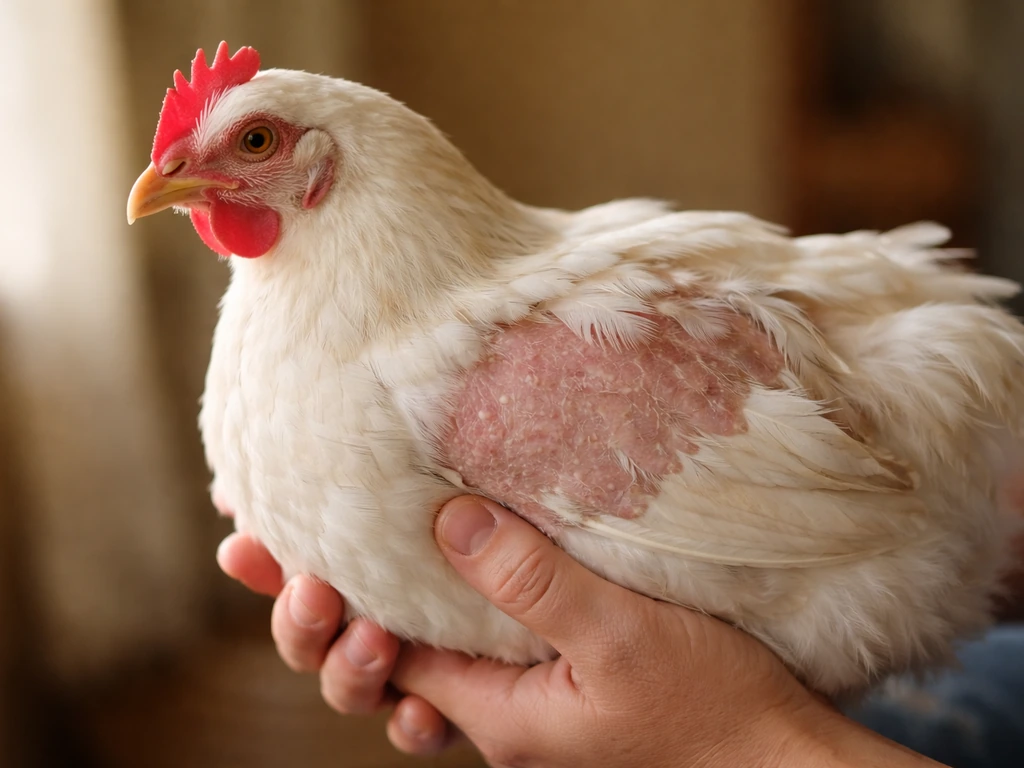
- Feathers consistently fluffed even in warm weather
- Patchy feather loss or bald spots (beyond normal molting)
- Wart-like or crusty growths on the face, legs, or feet
- Feathers appearing wet, matted, or dirty around the face and vent
- Visible wounds, swelling, or lumps on the body or legs
GI and droppings signs
- Watery or liquid droppings (diarrhea)
- Green, yellow, or bloody-colored droppings
- Droppings stuck to feathers around the vent (vent pasting)
- Swollen or distended abdomen
- Visible weight loss or a prominent keel bone (chest bone)
Neurological and behavioral signs
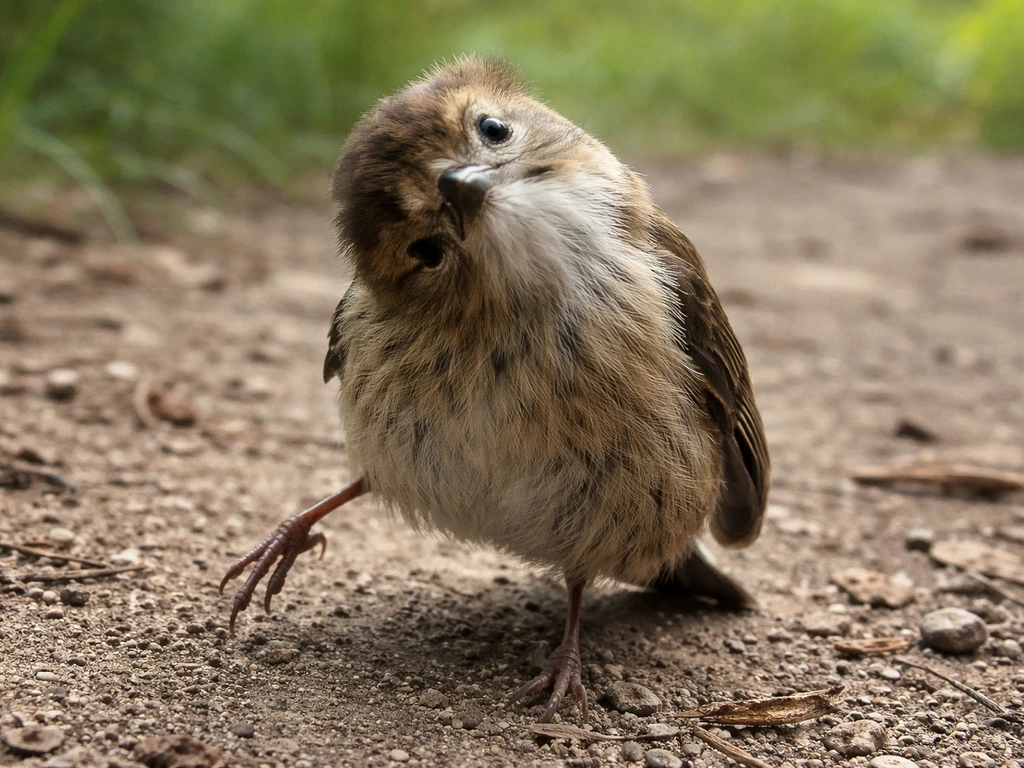
- Head tilting, twisting, or spinning in circles (torticollis)
- Tremors, seizures, or involuntary muscle twitching
- Loss of balance, falling over, or inability to stand
- Walking in circles or disoriented movement
- Paralysis or weakness in one or both legs or wings
- Extreme lethargy or unresponsiveness
Common wild bird illness patterns and what they look like
Knowing the most common disease categories helps you match what you're seeing to a likely cause. None of this replaces a vet diagnosis, but it gives you a framework to work from and helps you explain the situation when you call for help. A good next step is to review common bird illnesses so you know what symptoms belong to respiratory, digestive, neurological, and other disease patterns. If you need a quick overview, you can also review common bird ailments to recognize patterns by symptoms.
| Disease / Condition | Species commonly affected | Typical symptoms you'll see |
|---|---|---|
| Avian influenza (HPAI/LPAI) | Waterfowl, shorebirds, raptors, backyard chickens | Respiratory distress, neurological signs (head tilt, circling), diarrhea, sudden death; some infected birds show no signs at all |
| Virulent Newcastle disease (vND) | Poultry, pigeons, some wild birds | Respiratory, neurological (twisted neck, circling, paralysis), and digestive signs; can progress rapidly |
| West Nile virus | Corvids (crows, jays), raptors, many species | Neurological signs (loss of balance, tremors, inability to fly), sudden death; crows are particularly susceptible |
| Salmonellosis | Feeder birds (sparrows, finches, doves) | Lethargy, fluffed feathers, diarrhea, clustered sick birds near feeders; often multiple birds affected at once |
| Mycoplasmal conjunctivitis | House finches, goldfinches | Swollen, red, crusty, or foamy eyes; otherwise alert bird; spreads rapidly at feeders |
| Avian pox | Many species | Wart-like growths on bare skin (face, legs, feet); dry form shows crusty bumps, wet form affects the mouth/throat |
| Trichomonosis (frounce) | Doves, pigeons, raptors | Difficulty swallowing, regurgitation, head bobbing, yellow/cheesy deposits in the throat; often seen in doves near feeders |
| Aspergillosis | Raptors, waterfowl, stressed birds | Respiratory distress, weight loss, lethargy; no contagion between birds but linked to moldy food or damp conditions |
| Lead / rodenticide poisoning | Raptors, vultures, scavengers | Sudden profound weakness, inability to fly or stand, drooping head, no group pattern |
It's worth noting that avian influenza is particularly tricky because the USDA and CDC both confirm that infected wild birds, especially migratory waterfowl, can carry it without showing any signs. So an apparently healthy-looking bird near a die-off should still be treated with caution. Virulent Newcastle disease hits three systems at once (respiratory, nervous, and digestive), which often makes it look more dramatic than a single-system illness. Virulent Newcastle disease can affect the respiratory, nervous, and digestive systems, which aligns with USDA APHIS guidance under its Defend the Flock signs of illness framing Virulent Newcastle disease hits three systems at once (respiratory, nervous, and digestive).
If you're also concerned about diseases in domestic or pet birds, the patterns seen in common pet bird diseases and lovebird illnesses share some overlap with wild bird pathogens, but transmission routes and risk levels differ significantly. If you’re specifically watching for love bird diseases symptoms in a pet lovebird, look for similar red flags and contact an avian vet promptly lovebird illnesses.
Injury and poisoning vs. infection: quick ways to tell the difference
This is one of the most practical distinctions you can make, because it shapes who you call and how urgently you need to act.
Signs pointing toward injury or trauma
- Only one bird is affected, with no others nearby showing similar signs
- Obvious physical damage: a drooping or broken wing, leg held at an odd angle, visible wound, blood on feathers
- Bird is near a window, road, fence, or other physical hazard
- Otherwise alert and responsive despite being grounded
- No respiratory or neurological signs, just inability to fly or move normally
Signs pointing toward poisoning or toxicity
- Sudden onset of profound weakness or collapse, especially in a bird that appeared fine shortly before
- Multiple birds affected in the same small area at the same time
- Neurological signs (tremors, seizures, inability to stand) without obvious respiratory illness
- Raptors or scavenging birds found near bait stations, treated grain, or carcasses
- No spread to new birds over time (poisoning events tend to cluster and then stop)
Signs pointing toward contagious infection
- Multiple birds showing similar symptoms over days or weeks
- New birds getting sick in a pattern that suggests spread (especially from a shared feeder or bird bath)
- A mix of respiratory, digestive, and neurological signs in the same bird
- Eye discharge or swelling that's showing up across several individuals of the same species
- History of sick birds at the same location across different time points
Lead poisoning is worth a special mention because it frequently gets mistaken for neurological disease. Raptors and vultures that feed on carcasses containing lead shot can develop sudden profound weakness, a drooping head, and an inability to fly. They're often found alone and near a food source. If you see a hawk or eagle on the ground that appears neurologically impaired but is otherwise physically intact, lead toxicity is high on the list.
Immediate steps if you find a sick or dead wild bird
The CDC is direct on this: do not touch a sick or dead wild bird with your bare hands. That applies even if the bird appears to have died from an obvious cause. Here's a practical sequence to follow.
- Stay back and observe first. Before doing anything else, watch from at least 10 feet away for a few minutes. Note behavior, posture, droppings, and whether other birds nearby are acting strangely.
- Take photos and document. Use your phone to photograph the bird from a safe distance. Note the species if you can, the exact location, date and time, how many birds are affected, and whether any have died. This information is genuinely useful to wildlife officials.
- Do not touch without protection. If you absolutely must move the bird (for example, it's in immediate danger from traffic), wear disposable waterproof gloves. If there's any risk of splashing or aerosolized material, add eye protection. Place the bird directly into a sealed plastic bag without touching it with bare skin.
- Keep pets and children away. Move them away from the area immediately and keep them away from feeders, bird baths, and surrounding ground until the situation is resolved.
- Wash your hands thoroughly. Even if you didn't touch anything, wash with soap and water after being near a sick or dead bird, and before touching your face.
- Report the bird. For a single sick bird, contact a local wildlife rehabilitator or your state wildlife agency. For unusual die-offs or suspected avian influenza or Newcastle disease, call the USDA's reporting line at 1-866-536-7593 or contact your state veterinarian.
- Do not dispose of the bird yourself if multiple birds are affected. Leave it in place or bag it without crushing and keep it for wildlife officials to collect. For single dead birds with no obvious disease concern, your local government may have disposal guidelines.
If you're not sure whether what you're seeing qualifies as a reportable event, err on the side of calling. Wildlife agencies routinely investigate reports of sick or dying birds, especially when larger numbers are involved, and they'd rather hear from you than not.
Red flags that need urgent wildlife or vet help
Some situations are more urgent than others. Contact a wildlife rehabilitator or call USDA right away if you're seeing any of the following.
- Multiple birds dying in the same area within a short timeframe (hours to a couple of days)
- Any bird showing severe neurological signs: seizures, head twisting, spinning, complete loss of coordination
- Obvious respiratory distress combined with neurological signs in the same bird (raises concern for Newcastle disease or HPAI)
- Dead or dying waterfowl, shorebirds, or raptors during migratory seasons (elevated HPAI risk)
- A bird that is completely unresponsive or unconscious
- Any situation where you or a pet may have already made contact with a sick or dead bird
On the containment side: if you have backyard poultry or pet birds, keep them strictly separated from any area where sick wild birds have been found. Don't use the same tools, shoes, or clothing near your flock after being in contact with a sick bird zone. If you have a pet bird at home, be aware that some diseases can bridge wild and domestic populations, which is a topic worth exploring separately when you're dealing with specific species or settings.
Protecting your backyard and other birds
If you're finding sick birds regularly at your feeders, the feeders themselves may be part of the problem. Crowded feeding stations are one of the most effective ways for diseases like salmonellosis, mycoplasmal conjunctivitis, and trichomonosis to spread from bird to bird. Here's what actually helps.
Feeder and bird bath cleaning
The National Wildlife Health Center, Audubon, and the US Fish and Wildlife Service all recommend the same basic approach: clean feeders and bird baths with a solution of 1 part bleach to 9 parts water. Scrub to remove debris, apply the bleach solution, and let it soak. The key detail most people miss is contact time: the surface needs to stay visibly wet for the full time listed on the product label to actually disinfect. Then rinse thoroughly and let everything dry completely before refilling.
For bird baths, Cornell Lab's FeederWatch recommends refreshing the water every couple of days, not just when it looks dirty. Stagnant water accumulates droppings and pathogens faster than most people realize.
When to take feeders down entirely
During a local outbreak of a highly contagious disease (salmonellosis cluster at feeders, confirmed HPAI in your area, or a Trichomonosis outbreak in doves), the right move is to take your feeders down for two to four weeks. This disperses bird congregations and breaks the transmission chain. It feels counterintuitive if you enjoy feeding birds, but it's genuinely the most protective thing you can do for them in that situation.
Protecting yourself and your pets
- Always wear gloves when cleaning feeders or bird baths, and wash hands thoroughly afterward
- Wet down dried droppings before sweeping or cleaning to avoid inhaling dust (especially important for psittacosis prevention)
- Keep cats indoors, not just for bird protection but to prevent cats from picking up pathogens from sick birds
- Keep dog food and water bowls indoors or in covered areas so they don't attract wild birds
- Use EPA-registered disinfectants with proven influenza A claims if you're cleaning up after a suspected HPAI event, and follow the label contact time exactly
- Change shoes and wash clothes after handling any sick bird or cleaning up a die-off area before going near backyard poultry or pet birds
The zoonotic risk from most common wild bird diseases is genuinely low for healthy adults who take basic precautions. Common wild bird diseases are often spread through droppings and contaminated surfaces, which is why cleaning and safe handling matter. The situations that create real risk are direct contact with sick birds, handling without gloves, or exposure to aerosolized droppings during cleanup. None of that requires fearmongering, just sensible habits.
If you're dealing with a backyard flock or pet birds in addition to wild bird concerns, the overlap in disease risk between wild and domestic birds is worth understanding in more depth, since the transmission pathways and precautions differ meaningfully from what applies to wild birds alone.
FAQ
How can I tell if a bird is just stunned versus sick, and what should I do first?
If the bird can stand and responds to movement within a few minutes, it may be stunned and able to recover without treatment. Keep pets and people away, observe from a distance, and do not try to feed or give water. If it stays unable to stand, has visible breathing effort, discharge, or worsening coordination, treat it as illness or injury and contact a wildlife rehabilitator promptly.
Is it safe to pick up a sick-looking wild bird if I use gloves?
Gloves reduce skin contact risk but do not eliminate exposure from bites, scratches, or aerosolized droppings when handling or restraining a bird. If you must move it for safety (for example, off a roadway), use a rigid container or box and a second layer of protection (gloves plus eye/face protection), then wash hands and launder clothing separately. Otherwise, keep distance and call for guidance.
What do I need to note before I call a wildlife agency or vet?
Write down the location (including landmarks), date and time you first noticed the bird, species if known, number of birds, whether there are dead birds nearby, and what body signs you observed (breathing changes, discharge, droppings color, drooping wing, inability to fly). Also note whether it was at a feeder or bird bath, and whether behavior was sudden or gradual over days.
Should I bring a dead bird to testing or disposal myself?
Often it is better to let the agency advise you on proper collection and packaging, especially during outbreaks. If you are directed to collect it, handle it as if it could be contagious, use tools and a sealed bag or container, avoid washing the carcass, and keep it cool until you can hand it off. Do not compost or discard it in a way that exposes other animals.
If I see multiple sick birds, how quickly do I need to respond?
Act sooner when numbers increase, when multiple species are involved, or when you see sudden symptoms (for example, respiratory signs and neurologic signs appearing within the same day). For clusters at feeders or near a water source, take down feeders immediately and contact local wildlife authorities so they can determine whether it is an outbreak and what timeframe to follow.
Can birds get sick from feeding without looking visibly unwell at first?
Yes. Some pathogens spread via contaminated surfaces, pooled droppings, or standing water, so the first signs can appear after several hours to a few days. This is why routine cleaning and not refilling bird bath water endlessly between cleanings matters, even when all birds look normal.
How often should I clean feeders and bird baths during normal times (not an outbreak)?
In addition to weekly scrubbing of feeders, refresh and clean bird baths on a predictable schedule. A practical approach is to dump, scrub, and refill every couple of days, and after heavy bird traffic or visible droppings. If you notice repeated wet, matted areas on birds around the bath, escalate cleaning frequency and consider temporarily removing the bath.
What mistake makes bleach cleaning ineffective?
The most common issue is not keeping surfaces wet long enough. You need the entire surface to stay visibly wet for the full contact time specified on the label. After soaking, rinse thoroughly and let everything fully dry before use, since leftover residue can deter birds and irritate skin and eyes.
Do all neurological symptoms in wild birds mean poisoning?
No. Neurological signs like twisted neck, circling, or loss of balance can come from infectious disease as well as toxins or injuries. Lead exposure is a specific concern when birds are otherwise physically intact, found alone near likely carrion or shot remnants, and show sudden profound weakness. If you suspect poisoning, report the location so authorities can assess local hazards.
What should I do if sick birds are near my home but I cannot identify the species?
You do not need exact species to report the situation effectively. Focus on counts, location, and observable signs (breathing difficulty, discharge, droppings appearance, wing droop, inability to fly). If possible, describe size, color patterns, and posture, and whether it was on the ground, at a feeder, or in vegetation.
How can I reduce disease risk to my pets if my dog or cat sees a wild bird?
Prevent contact by keeping pets indoors or supervised outdoors, especially around feeders, bird baths, or areas with dead birds. Do not allow pets to eat carcasses. If a pet touches a bird or carcass, follow an immediate hygiene routine (remove collar access to the area, wash paws and fur, and contact your veterinarian if there was biting or ingestion).
What is the safest way to handle clothing and shoes after visiting an area with sick birds?
Avoid carrying contamination into your home or flock area. Change clothes and footwear before entering, or keep a dedicated set for cleanup tasks. If you cannot fully change, keep items separate in a sealed bag and wash promptly. This matters because droppings can dry and spread on surfaces you track inside.
Next Article
Common Wild Bird Diseases: Symptoms and Safe Response Guide
Spot common wild bird diseases by symptoms and act safely with do’s, don’ts, and when to call vets or rehabbers.