The most common wild bird diseases you'll realistically encounter fall into a handful of symptom clusters: respiratory illness (coughing, nasal discharge, labored breathing), eye problems (swollen or crusty eyes), neurological signs (head tilting, circling, seizures), digestive illness (diarrhea, vomiting), and general weakness or lethargy. When you find a bird showing any of these signs, the right call is to limit your own contact, keep the bird calm and contained if it's safe to do so, and contact a licensed wildlife rehabilitator or avian vet as quickly as possible. This guide will walk you through identifying which disease is most likely, what to do right now, and who to call.
Common Wild Bird Diseases: Symptoms and Safe Response Guide

Marcus Webb
6 Jun 2026
What actually counts as a wild bird disease
A "wild bird disease" is any infectious or non-infectious condition that causes illness in free-living birds, songbirds, waterfowl, raptors, shorebirds, and everything else living outside human care. The term covers viral, bacterial, fungal, and parasitic infections, but it also gets misapplied to plenty of situations that aren't disease at all, like starvation, cold stress, window strikes, and poisoning. That distinction matters because the right response is very different depending on cause.
It's also worth being realistic about what you can identify from a distance or a brief look. Most wild bird diseases can't be confirmed without lab testing. What you can do is recognize the symptom cluster well enough to make a smart decision about whether this bird needs help and who should provide it. If you're also curious about diseases in pet birds, there's a meaningful overlap in some conditions, but wild birds present unique exposure and handling challenges that change the guidance considerably. If you keep pet birds, understanding common pet bird diseases can help you spot overlap symptoms and respond correctly.
Common wild bird diseases grouped by what you'll actually see
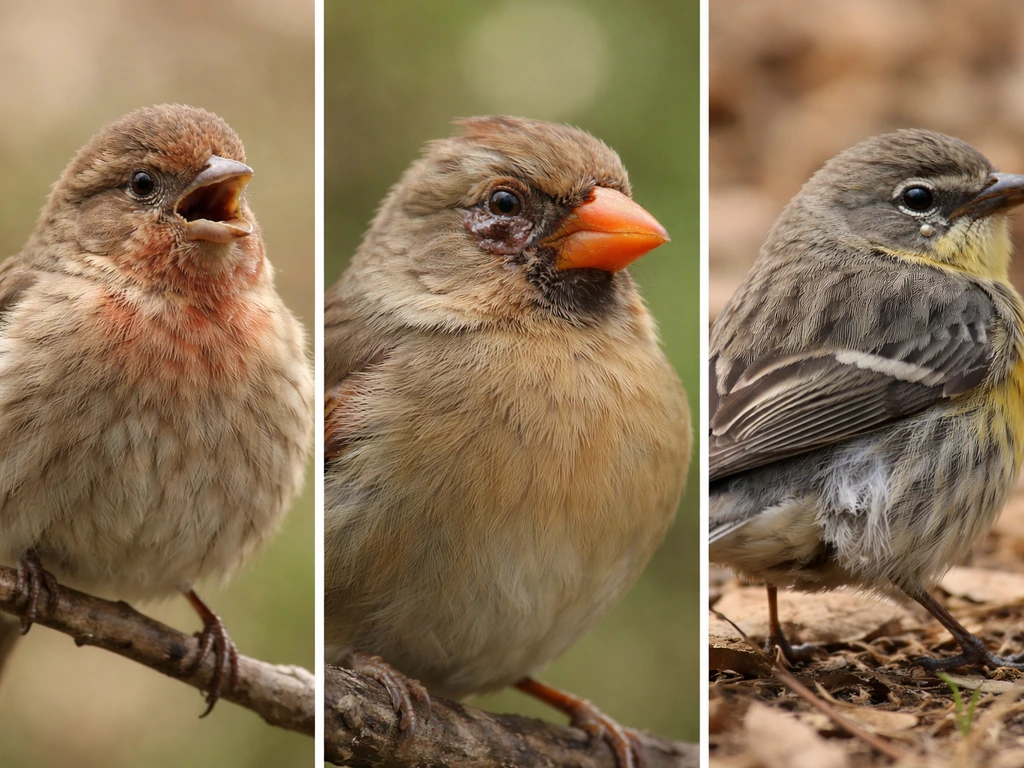
Rather than listing diseases alphabetically, it's far more useful to think in symptom clusters, because that's what you're actually observing. Here are the most frequently encountered diseases, organized by the signs that bring them to your attention.
Respiratory signs: open-mouth breathing, nasal discharge, coughing
Avian influenza (bird flu), specifically highly pathogenic avian influenza (HPAI) caused by the H5N1 strain, is the most critical respiratory disease to be aware of right now. It has caused significant wild bird die-offs in the U.S. and is actively tracked by both the USDA APHIS and the CDC. Affected birds, especially waterfowl, shorebirds, and raptors, may show rapid death, neurological symptoms, or respiratory distress. HPAI is a reportable disease, meaning authorities need to know about it.
Virulent Newcastle disease (vND, sometimes called exotic Newcastle disease) is another serious respiratory virus that can cause breathing difficulty, nasal discharge, and neurological signs. It's also on the USDA APHIS reportable disease list and is considered a major concern in both domestic and wild bird populations.
Mycoplasmosis (Mycoplasma gallisepticum) is a bacterial infection that's become very common in house finches and goldfinches across North America. It doesn't typically cause the acute mass die-offs of HPAI, but you'll see sick-looking finches sitting still at feeders with swollen, crusty, or weeping eyes and sometimes labored breathing. It spreads easily at feeders, which is why feeder hygiene matters so much.
Eye problems: swelling, discharge, or cloudiness
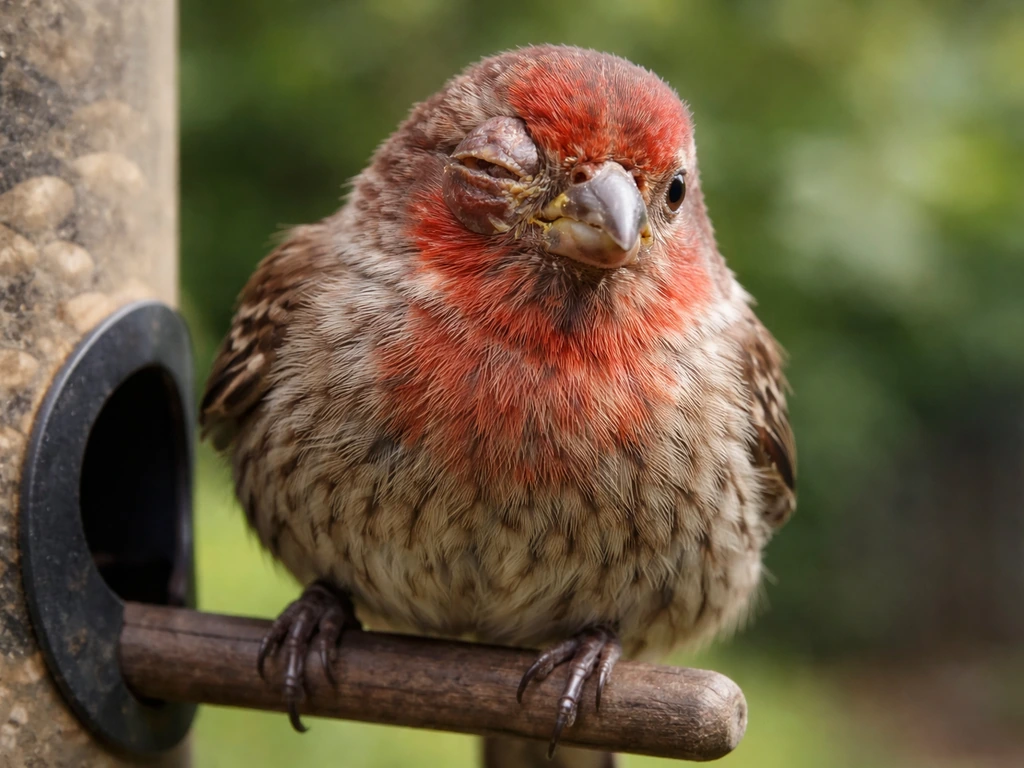
Swollen or crusted eyes in finches at your feeder is almost always mycoplasmosis until proven otherwise. But eye disease in wild birds can also be caused by pox virus (avian pox), which produces wart-like growths on the skin around the eye, beak, or feet. Avian pox is spread by mosquitoes and direct contact and is common in passerines and doves. Affected birds often look grotesque around the face but can sometimes survive mild cases.
Neurological signs: circling, head tilt, tremors, seizures
A bird that's spinning in circles, holding its head at a sharp angle, falling over, or having seizures is showing neurological signs. The most common causes are West Nile virus (spread by mosquitoes, seen most often in crows, jays, and raptors), Newcastle disease, and HPAI. Lead poisoning also causes severe neurological symptoms in raptors and waterfowl that have ingested lead shot or fishing sinkers. Any bird showing neurological signs needs professional evaluation immediately.
Digestive illness: diarrhea, vomiting, weight loss
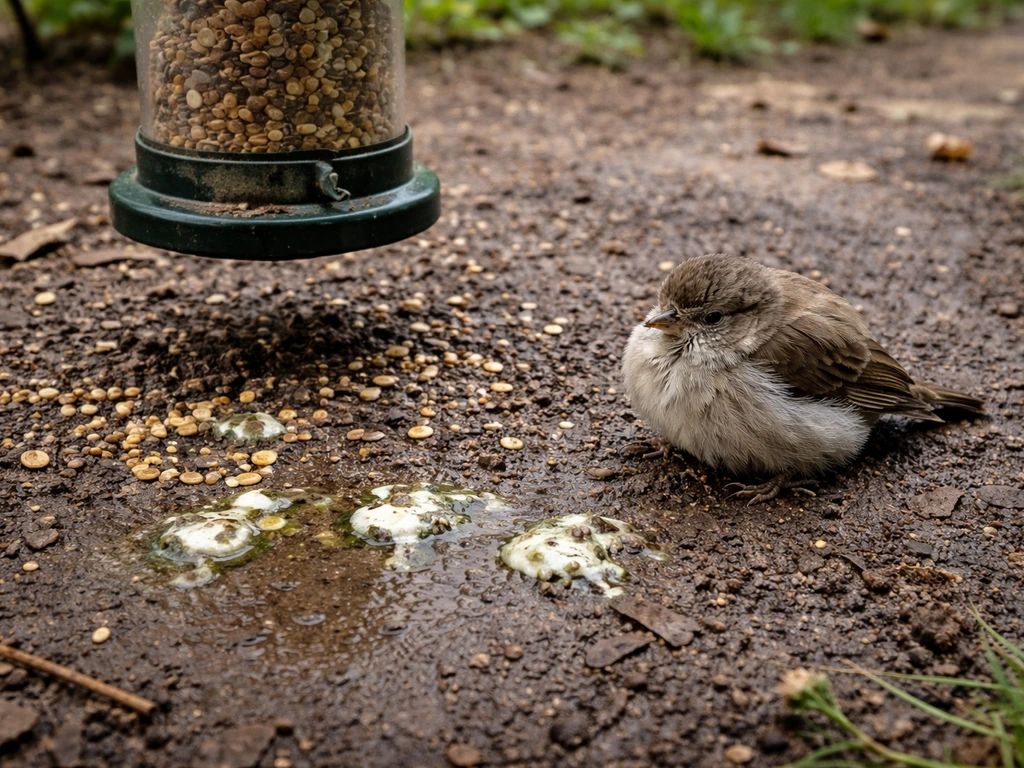
Salmonellosis is the digestive disease you're most likely to encounter at feeders. It's caused by Salmonella bacteria and is common in sparrows, finches, and other ground-feeding birds. Sick birds look fluffed up, lethargic, and weak, and you may find them dead near feeders. Trichomoniasis ("canker") affects the upper digestive tract and is very common in mourning doves and pigeons, causing swelling in the throat that makes swallowing difficult. Aspergillosis, a fungal infection of the respiratory and digestive systems, is another one to know, especially in waterfowl and raptors that have been stressed or immunocompromised.
Respiratory diseases and eye issues: what to recognize quickly
Respiratory disease is the symptom cluster that demands the fastest response, both because the bird is suffering and because some respiratory diseases have public health implications. If you are trying to narrow down the cause, common bird ailments you might compare against include respiratory, digestive, and neurological conditions described in this guide. Here's what to watch for and what it likely means. If you're dealing with a lovebird that seems ill, learning the love bird diseases symptoms that overlap with respiratory and digestive issues can help you seek the right avian care quickly.
| Sign you see | Most likely cause(s) | How urgent |
|---|---|---|
| Open-mouth breathing, labored breathing | HPAI, Newcastle disease, aspergillosis | Urgent — contact rehab or vet today |
| Nasal discharge, rattling breath | Mycoplasmosis, HPAI, respiratory bacterial infection | High — seek help within 24 hours |
| Swollen, crusty, or sealed eyes | Mycoplasmosis (finches), avian pox | Moderate — contact rehab, clean feeders now |
| Cloudy or sunken eye | Eye injury, severe infection | High — may be trauma or advanced disease |
| Growths around eye or beak | Avian pox | Moderate — isolate from other birds, contact rehab |
The most important thing to remember with respiratory disease is that HPAI is still circulating in North America. If you find dead or dying waterfowl, shorebirds, or raptors in clusters, or even a single obviously sick bird of these species, treat it as a potential HPAI situation. That means no bare-hand contact, and a call to your state wildlife agency or local health department.
Digestive, neurologic, skin and feather problems, and general weakness
Digestive conditions
A bird sitting fluffed near a feeder, not eating, with loose droppings is a classic picture of salmonellosis. It can spread fast at feeders because sick birds contaminate seed and water that healthy birds then use. Trichomoniasis shows up as difficulty swallowing, regurgitation, and sometimes a visibly swollen throat or yellowish plaque inside the mouth if you can get a safe look. Coccidiosis is a parasitic intestinal disease common in young or stressed birds, causing bloody or very liquid droppings.
Neurological conditions
West Nile virus is probably the most common cause of neurological signs in backyard and park birds in North America, especially in late summer and fall when mosquito populations peak. Crows and jays are particularly susceptible and often die rapidly. Raptors show head tremors, weakness, and inability to stand. Lead toxicosis is another major neurological cause in raptors and waterfowl, and it's entirely preventable if hunters and anglers use non-lead alternatives.
Skin and feather conditions
Avian pox produces crusty, wart-like growths on bare skin areas like the feet, face, and beak. Feather mites and lice are extremely common in wild birds but rarely cause serious disease on their own unless the bird is already sick or stressed. Abnormal feather color, missing patches, or severe feather loss (beyond normal molting) can signal nutritional deficiency, heavy metal toxicity, or a chronic systemic illness. If the bird is otherwise alert and active, feather issues alone are usually not an emergency.
General weakness and lethargy
A bird that's just sitting on the ground, unresponsive to your approach, and fluffed up is in serious trouble regardless of the specific cause. Weakness like this can be the end stage of many diseases, but it also shows up in starvation, hypothermia, and after window strikes. Don't assume it's disease before considering these other causes, because the response is different.
Disease vs. injury vs. poisoning: how to tell them apart
This is one of the most practical distinctions to make, and it's often more straightforward than it seems. Here's how to think through it.
| Cause | Typical signs | Context clues |
|---|---|---|
| Infectious disease | Respiratory signs, eye discharge, diarrhea, neurological signs, fluffed posture | Multiple sick birds in same area, found near feeder or water source |
| Trauma / injury | Asymmetric wing droop, visible wounds, blood, unable to fly but otherwise alert | Found near window, road, fence, or predator activity |
| Starvation / exposure | Extreme thinness, weakness, cold to the touch, no other obvious signs | Young bird, harsh weather, found far from habitat |
| Poisoning | Sudden neurological signs, seizures, multiple dead birds simultaneously, no obvious disease signs | Found near treated lawn, agriculture, rodenticide use, or industrial area |
A key clue for poisoning is speed and pattern: if multiple birds die in the same small area very suddenly, especially in a yard where rodenticide or pesticides have been used, poisoning should jump to the top of your list. Secondary poisoning in raptors (from eating poisoned rodents) is extremely common and often shows up as neurological signs in hawks and owls.
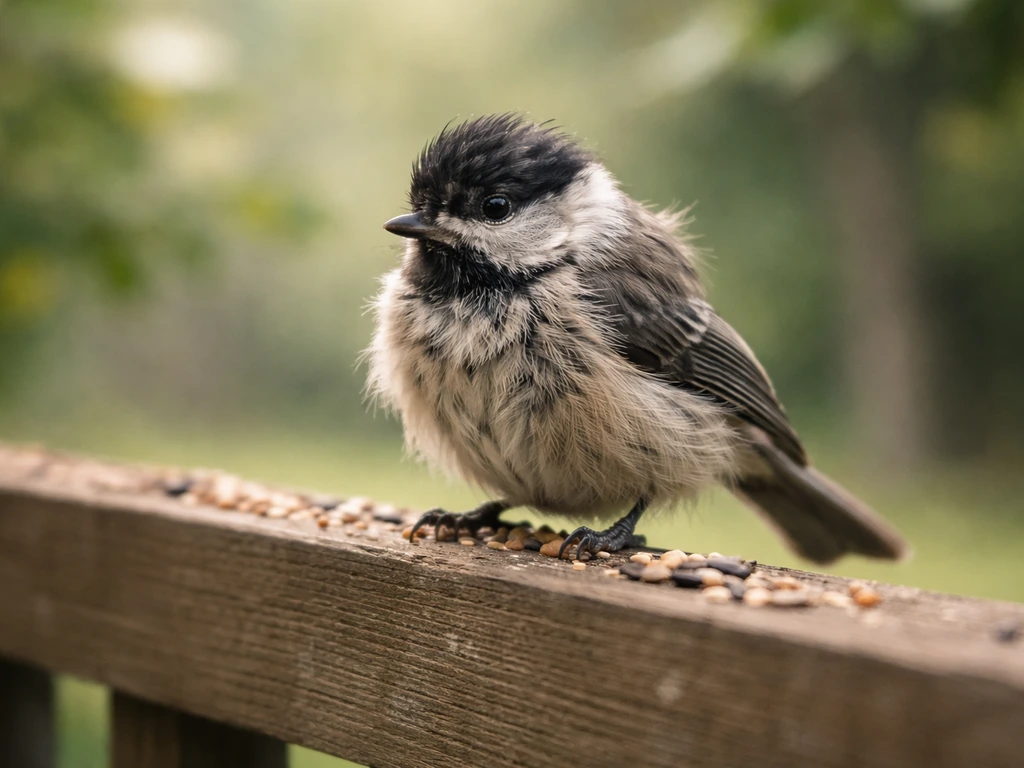
Starvation and cold stress can look deceptively like disease. A fledgling on the ground that's just sitting there may simply be a normal fledgling learning to fly, with parents nearby. Resist the urge to "rescue" every bird you see on the ground. Watch it for 15 to 30 minutes from a distance before intervening.
What to do right now if you find a sick wild bird
Do these things
- Wear gloves or use a thick towel, cloth, or doubled-up plastic bag as a barrier before touching any sick or dead bird. Never use bare hands.
- Place the bird in a ventilated cardboard box lined with a paper towel, in a quiet, dark, and warm (not hot) location. This reduces stress significantly.
- Wash your hands thoroughly with soap and water after any contact, even if you wore gloves.
- Take a photo if you can do so without approaching closely. A clear photo of the bird's posture, eye condition, and surroundings helps a wildlife rehabilitator or vet triage the situation.
- Note the location, how long the bird has been sick, any other sick or dead birds nearby, and what the bird was doing when you found it.
- Keep pets and children away from the area where the bird was found.
- If multiple birds are dead or dying in the same area, report it to your state wildlife agency or the USGS National Wildlife Health Center.
Don't do these things
- Don't handle the bird with bare hands, especially if HPAI or another reportable disease is possible.
- Don't give the bird food or water unless specifically told to by a rehabilitator — the wrong food or forcing fluids can cause harm.
- Don't keep the bird in a hot car or in direct sunlight.
- Don't try to treat the bird yourself with human medications or supplements.
- Don't release the bird if it's clearly ill, even if it seems to perk up briefly.
- Don't put it in a cage with other birds or let it near your feeders.
- Don't discard dead wild birds in open trash where scavengers or pets can access them.
The CDC is clear that people should avoid unprotected contact with sick or dead wild birds because of the risk of diseases like HPAI. This isn't fearmongering, it's just practical hygiene. Wild birds can carry germs even when they look healthy, and a sick bird is a higher-risk situation.
When and where to get help
Wildlife rehabilitator vs. avian vet: who to call
A licensed wildlife rehabilitator is your first call for any sick wild bird. They're trained specifically for this, they have the legal permits to hold wild birds, and they often work in coordination with avian vets. To find one, search the National Wildlife Rehabilitators Association (NWRA) or the Wildlife Center of Virginia's rescue directory, or simply call your local animal control or state wildlife agency and ask for a referral.
An avian or exotics vet becomes the right call when a rehabilitator isn't available within a reasonable timeframe and the bird is clearly in acute distress, or when you need to confirm a diagnosis for reportable disease purposes. Not all general practice vets are comfortable treating wild birds, so ask specifically for an avian or exotics vet.
If you find multiple sick or dead birds, especially waterfowl, shorebirds, or raptors showing neurological signs, contact your state wildlife agency directly. For potential HPAI situations, your state may involve USDA APHIS and/or the USGS National Wildlife Health Center, which actively receives reports and specimens from mortality events. The definitions used for APHIS reportable animal disease surveillance consider where disease is present and whether it occurs in domestic species and/or wildlife Reportable Animal Diseases. Your local health department is also a relevant contact if you're concerned about human exposure risk.
What to tell them when you call
- Species (or your best description of the bird)
- Location where you found it (city, county, and a specific address or GPS coordinates if possible)
- How long the bird has appeared sick or how long it's been in the same spot
- All symptoms you've observed (breathing, posture, eyes, droppings, movement)
- Whether there are other sick or dead birds nearby
- Any possible exposures (feeders, pesticide use, open water, road)
- A photo sent via text or email if the rehabilitator or vet requests it
What treatment actually looks like for wild birds
Treatment varies enormously by disease. Bacterial infections like salmonellosis and mycoplasmosis can be treated with antibiotics under professional care. Viral diseases like West Nile, HPAI, and Newcastle disease have no specific cure, so care is supportive: fluids, warmth, nutrition, and rest. Fungal infections require antifungal medications. Parasitic conditions like trichomoniasis respond to antiparasitic drugs. The reality is that many wild birds with serious disease don't survive, and euthanasia may be the kindest option. A wildlife rehabilitator or vet will make that call honestly.
Preventing disease at your feeders and in your yard
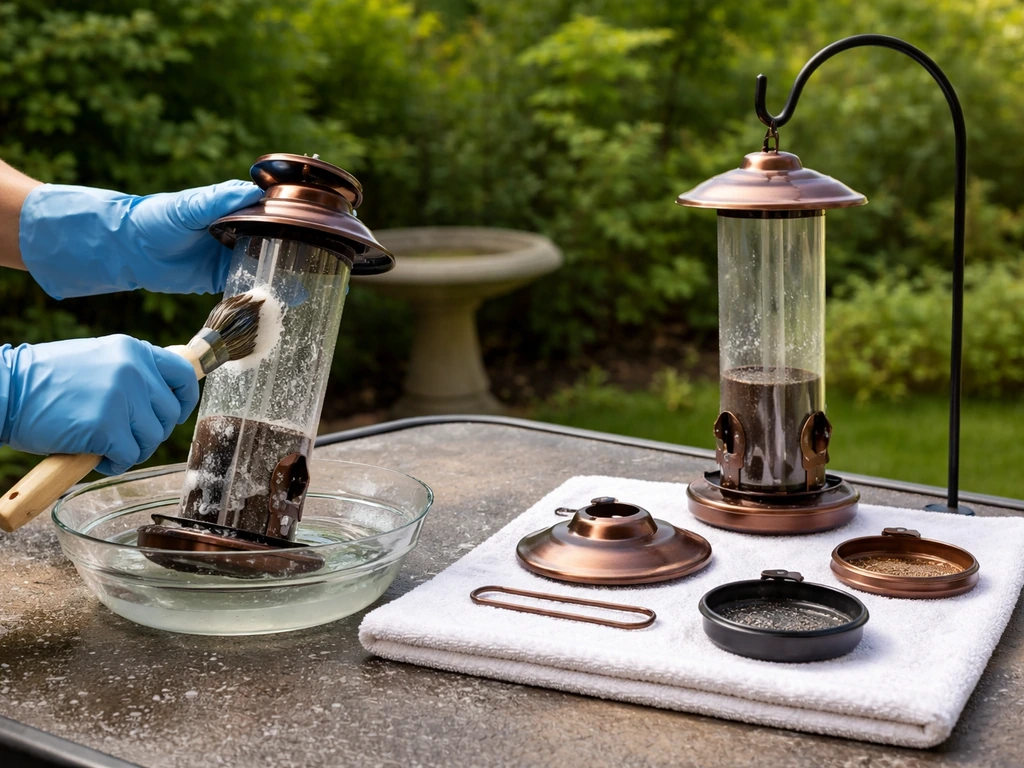
Your backyard feeders and bird baths are the number one human-created source of disease spread in wild songbird populations. Crowding and shared surfaces create the perfect conditions for mycoplasmosis, salmonellosis, and trichomoniasis to move from bird to bird. The good news is that basic maintenance dramatically reduces risk.
- Clean feeders every 1 to 2 weeks with a 10% bleach solution (one part bleach to nine parts water), rinse thoroughly, and let them dry completely before refilling.
- Clean bird baths every 2 to 3 days and change the water daily in hot weather.
- Remove old or wet seed promptly. Moldy seed harbors aspergillosis fungal spores and should never be left in a feeder.
- Spread feeders out to reduce crowding. Multiple smaller feeders spaced apart are better than one packed feeder.
- If you see sick birds at your feeder, take the feeder down for at least two weeks and clean it thoroughly before putting it back up.
- Rake up seed hulls and droppings under feeders regularly. Ground-feeding birds like sparrows concentrate disease in these areas.
- If you witness a local die-off (multiple dead birds in a short period), report it to your state wildlife agency even if you're unsure of the cause.
For waterfowl or park birds, avoid feeding bread or human food scraps, which causes overcrowding and nutritional deficiency that makes birds more susceptible to disease. Natural habitat and dispersed food sources reduce the congregation that drives disease transmission.
Finally, recognize the difference between a sick bird and a dead one when it comes to reporting. A single dead bird with no obvious cause is sad but not necessarily alarming. A cluster of dead birds, especially of the same species, in the same location over a short period is something to report. The USGS National Wildlife Health Center and state wildlife agencies want to know about unusual mortality events because they help track emerging diseases before they become bigger problems.
FAQ
Should I wear gloves and a mask if I’m just trying to move a sick bird off a sidewalk?
Wear at least disposable gloves, avoid touching your face, and wash hands and exposed skin right after. If there’s any chance it’s a potentially high-risk species or you see clusters of illness, skip handling entirely and call the state wildlife agency or local animal control. A mask can reduce exposure to droplets and dust, but it does not make it “safe,” especially if the bird is coughing or actively shedding.
What should I do if a bird is clearly injured or it’s a window strike, but it also looks sick?
Start with trauma and environmental causes, then treat illness signs as secondary. If the bird has bleeding, broken wings, or is stunned and not responsive, focus on immediate stabilization guidance from a wildlife professional rather than assuming infection. Cold stress and shock can mimic weakness and fluffed posture, so get a quick assessment from a rehabilitator if the bird cannot right itself and walk away.
How long should I observe a “fluffed” ground bird before intervening?
The article suggests watching from a distance for 15 to 30 minutes, but make the timing responsive to the situation. If the bird is getting colder, shows repeated labored breathing, cannot maintain posture, or appears to have neurological signs, don’t wait the full window, contact a rehabilitator sooner.
If I suspect salmonellosis or trichomoniasis at my feeder, do I stop feeding completely?
Pause feeding and remove shared dishes temporarily to break transmission, especially if multiple birds look ill or you notice lots of loose or dead birds near the feeder. Once the area is clean and no new sick birds appear for a period, you can resume with strict hygiene (empty, scrub, rinse, dry) and avoid crowding by offering fewer, cleaner feeding points.
What counts as a “cluster” of dead birds that I should report?
Use pattern over exact numbers. Report when you see multiple dead or dying birds of the same or related species in the same area within a short time window, or when waterfowl, shorebirds, or raptors show neurological signs. If you’re unsure, err on the side of reporting, especially during periods when HPAI is being tracked.
Can I quarantine or isolate a sick wild bird at home until help arrives?
Only do safe, minimal containment if you’re confident you can prevent further exposure and you can keep the bird warm, dark, and stress-free. Do not keep it with other pets or in living areas where people may handle it. If a rehabilitator is available, wait for instructions, and if not available, the safest option is often to transport under guidance rather than long-term home care.
Does “fever-like” behavior, panting, or staying still always mean disease?
Not always. Normal behaviors like resting, molting, or thermoregulation can look similar to illness from a distance. The key is combination and progression, for example, fluffed plus not moving to avoid you, plus poor appetite, plus abnormal droppings, or plus respiratory effort. If symptoms worsen over hours or involve breathing trouble, eye crusting with swelling, or neurological signs, treat it as likely disease.
What if the bird has a head tilt or is spinning, but I also see something like lead in the area?
Treat neurological signs as an emergency and call for professional evaluation immediately, because multiple causes can look similar. If you suspect lead, consider that it is often linked to hunting or fishing residue, such as sinkers or shot, and it is preventable. Professionals can guide whether there’s any safe way for you to remove hazards while the bird is handled by permitted experts.
How do I handle a feather- or eye-related issue if the bird seems otherwise alert?
Eye crusting with swelling in finches strongly suggests a specific contagious cause, but if a bird is bright, moves well, and is feeding, it may not require the same urgency as respiratory distress or neurologic signs. Still, avoid contact, reduce feeder traffic, and contact a rehabilitator if the eye discharge is severe, the bird is unable to open the eye, or multiple birds develop similar eye problems.
Should I clean bird baths and feeders weekly, or is it only necessary when birds look sick?
Regular cleaning is the best prevention. Even when birds look fine, shared water and surfaces can spread pathogens quickly. Aim for consistent maintenance, and scrub feeding areas so residue is removed, then fully dry before refilling. If you had sick birds, clean more thoroughly and pause feeding until the area is stable.
I found one dead bird. Do I still need to contact wildlife authorities?
One dead bird alone may be environmental or noninfectious, but report if you see unusual patterns, for example the same species repeatedly in nearby locations, deaths concentrated in one spot, or dead birds in a short time period. If the species is one that is commonly affected in mortality events (such as certain waterfowl or raptors) or the cause is unknown and timing seems abnormal, contact your state wildlife agency.
If I have pet birds, can I bring them into the same room as where I store anything related to wild birds?
Don’t. Keep wild-bird materials, including gloves, towels, and any supplies, away from pet bird areas. Wash hands thoroughly, change clothing if you handled a wild bird, and avoid bringing contaminated items back into your pet bird space. Even if you don’t see symptoms, cross-contamination via people or surfaces is a common mistake.
Next Article
Common Pet Bird Diseases: Signs and What to Do Next
Learn signs, likely causes, and next steps for common pet bird diseases, plus prevention and when to see an avian vet.