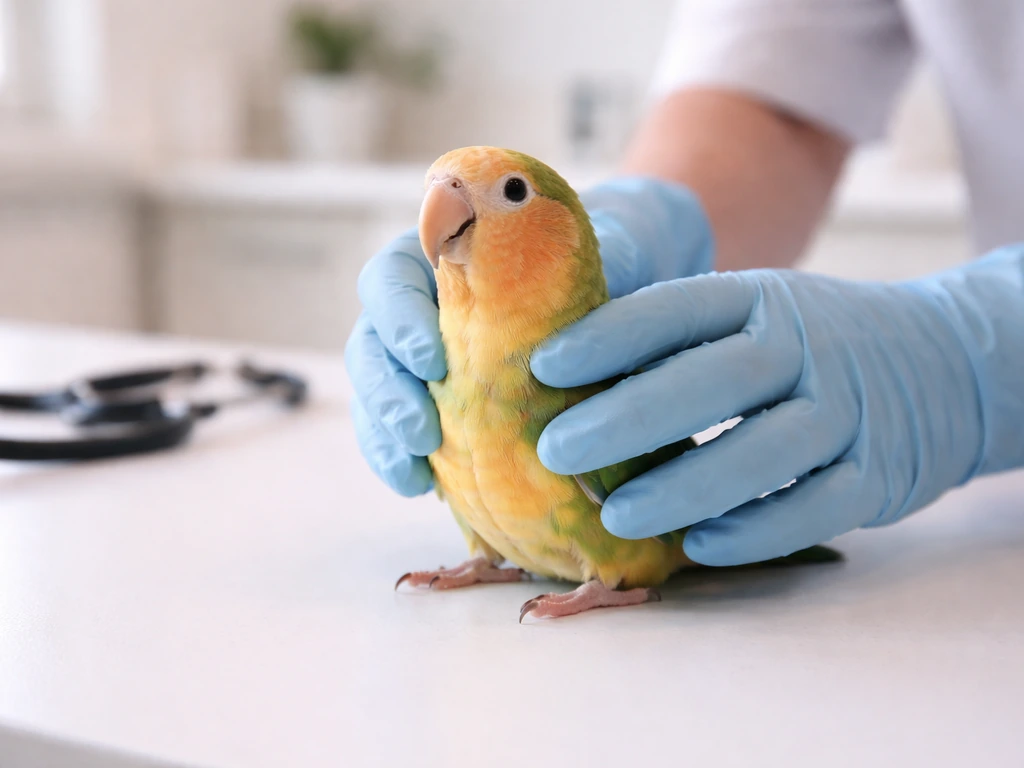
Bird nests themselves are not directly classified as carcinogenic, and the current evidence does not show that routine exposure to bird nests causes cancer in humans. The real risks from bird nests are respiratory infections, fungal lung disease, and inflammatory irritation from inhaling contaminated dust, dried droppings, and debris. These are serious health concerns worth taking seriously, but they are not the same thing as cancer.
Can Bird Nest Cause Cancer? Risks and Safe Cleanup

Marcus Webb
1 Jun 2026
What's actually inside a bird nest that can harm you
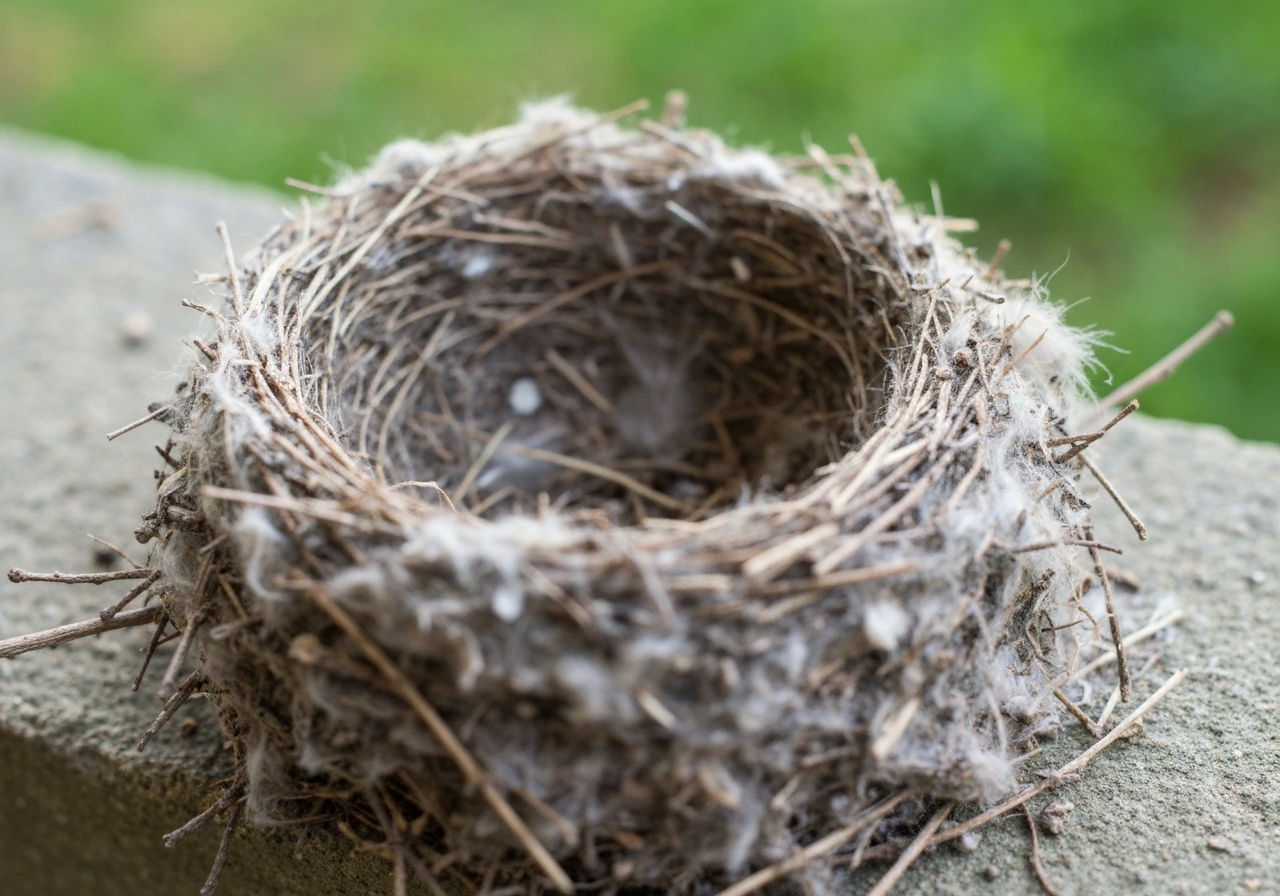
A bird nest isn't just twigs and feathers. By the time a nest has been used for a season or two, it can be a concentrated mix of dried droppings, shed skin cells, feather dust, mites, mold spores, and bacteria. Each of these carries its own risk profile.
- Dried bird droppings: The most significant hazard. Droppings from birds (and bats) can harbor Histoplasma capsulatum, the fungus responsible for histoplasmosis. When dry droppings are disturbed, they release spores into the air that you can breathe in without realizing it.
- Bacteria from droppings and secretions: Chlamydia psittaci, the bacteria behind psittacosis (parrot fever), is shed in the droppings and respiratory secretions of infected birds. Both visibly sick birds and birds that look perfectly healthy can shed it.
- Mold: Damp nesting material is an ideal breeding ground for mold. Some molds produce irritants or allergens that aggravate airways, especially in people with asthma or compromised immune systems.
- Mites and parasites: Bird mites can abandon a nest once chicks leave and wander into living spaces, causing skin irritation in people. They don't transmit disease reliably, but they're unpleasant and cause real discomfort.
- Feather and nest dust: Fine particulate matter from feathers and plant material is an airborne irritant that can trigger or worsen respiratory symptoms in sensitive individuals.
Cancer risk versus the more likely health risks
Let's be direct: the primary documented health risks from bird nest exposure are respiratory infections and inflammatory lung conditions, not cancer. If you are specifically worried about does bird have cancer, the key takeaway is that the best-supported risks from nest exposure are respiratory infections and inflammatory lung conditions, not malignancy. Histoplasmosis is a lung infection caused by breathing in [Histoplasma spores](https://www. cdc.
gov/histoplasmosis/index. html), and it can present just like pneumonia with cough, fever, and fatigue. In healthy adults, it often resolves on its own, but in people with weakened immune systems or after heavy exposure, it can become chronic or disseminated and require antifungal treatment. [Psittacosis is another acute respiratory illness caused by inhaling dust containing dried bird droppings or secretions](https://www.
cdc. gov/psittacosis/about/index. html), and it can cause abrupt fever, chills, and a persistent cough.
The reason cancer sometimes comes up in this conversation is that chronic, unresolved lung inflammation and repeated exposure to certain biological agents can, over very long timeframes, create conditions that raise general health risks. But that is a far cry from a nest in your attic giving you cancer. The immediate, practical concern from a nest cleanup or a bird-contaminated space is infection and inflammation, not malignancy. In game terms, you can check the Crazed Bird's health value from its stat page or in the match UI to see exactly how much HP it has Crazed Bird health.
How exposure actually happens
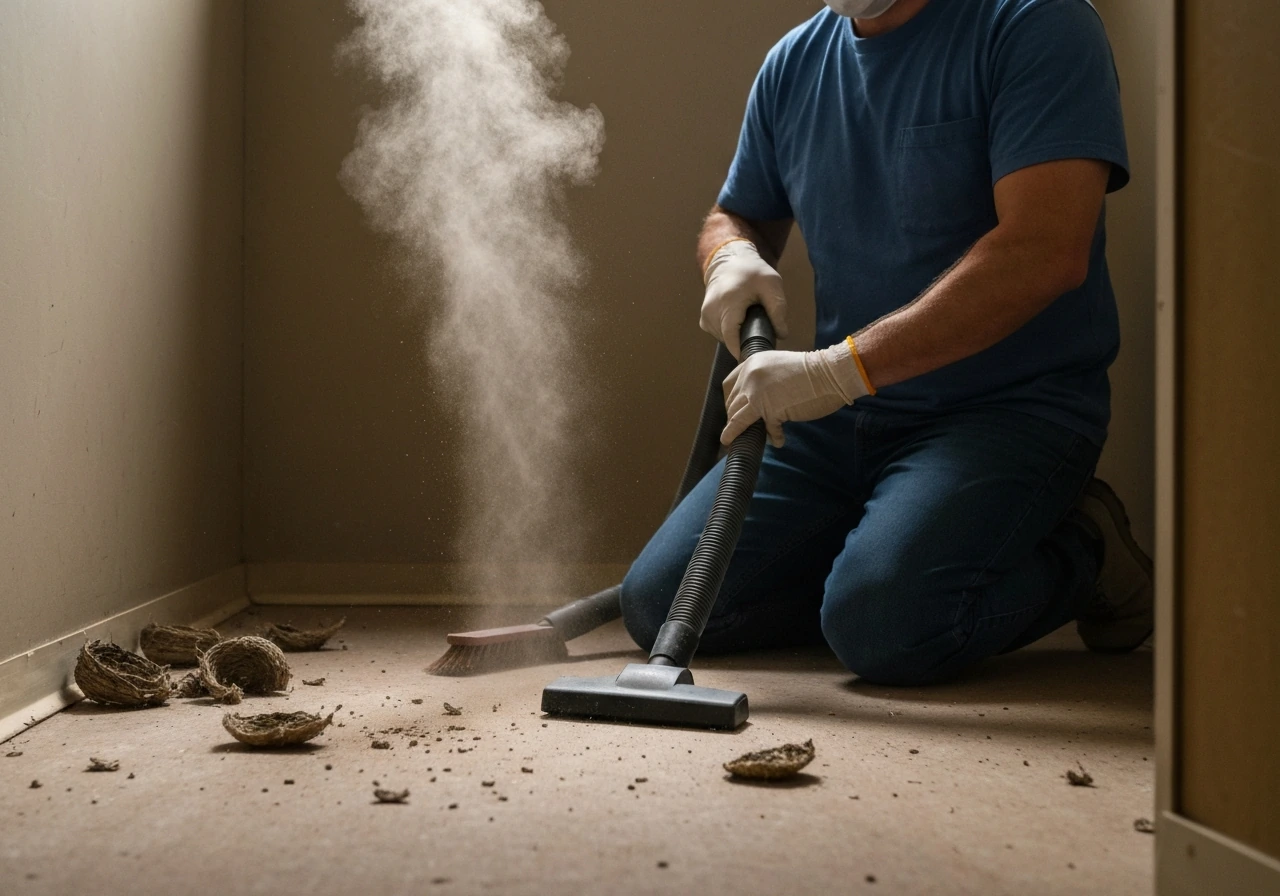
Most people get exposed during nest removal or cleanup, and the route is almost always inhalation. The highest-risk moments are the ones that generate dust or aerosolize dried material.
- Dry sweeping or vacuuming nest debris: This is the most dangerous approach. It launches dried droppings and spores directly into the air at face level.
- Disturbing a nest without wetting it first: Picking up a dry nest or brushing debris off a surface sends particulates airborne instantly.
- Working in enclosed spaces with poor ventilation: Attics, crawl spaces, and wall cavities concentrate contaminated dust with no airflow to dilute it.
- Handling nesting material with bare hands then touching your face: A secondary but real route, especially for bacterial contamination.
- Leaving cleanup unfinished: Partially disturbed material continues to release spores and particulates over time.
How to safely remove or avoid disturbing a nest today
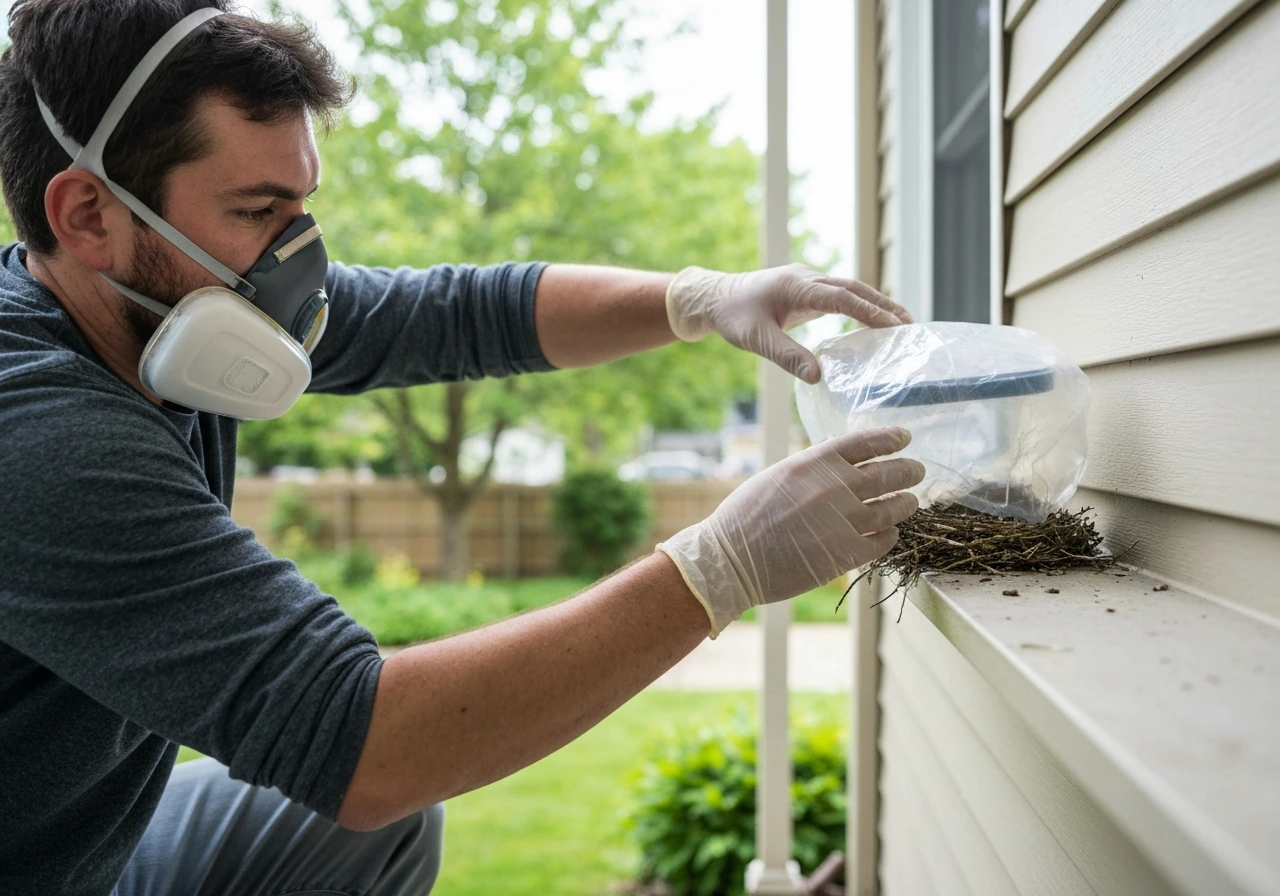
If you've found a nest right now and need to deal with it, here's the safe way to approach it. The goal is to keep contaminated material wet and contained so you're never breathing in dry dust.
- Gear up before you touch anything: Put on an N95 respirator (not a basic dust mask), disposable gloves, eye protection, and clothing you can bag and wash immediately. NIOSH and CDC guidance specifically lists respirators as part of protective equipment for this type of exposure.
- Wet the nest and surrounding debris: Use a spray bottle or garden sprayer to thoroughly dampen the nest and all visible droppings before disturbing anything. This dramatically reduces aerosolized particles.
- Never dry sweep or vacuum: This is the single most important rule. Broom sweeping and standard vacuum cleaners spread contaminated particles into the air. If you must vacuum, use a HEPA vacuum only.
- Pick up and bag carefully: Use gloved hands or tongs to place the wet nest directly into a heavy-duty plastic bag. Double-bag it and seal before moving through your home.
- Disinfect the area: Spray the surface where the nest sat with a disinfectant solution and wipe down with disposable cloths. Bag those too.
- Wash up thoroughly: Remove your gear carefully to avoid contaminating yourself, bag clothing, shower, and wash hands with soap and water.
- If the infestation is large, call a professional: A large accumulation of droppings in an attic or crawl space is a job for a licensed wildlife or remediation professional who has proper respiratory protection and disposal protocols.
Warning signs in people and birds
Symptoms in people that need medical attention
If you've recently cleaned up a nest or spent time in a bird-contaminated space and develop any of these symptoms, see a doctor and mention your exposure. Early treatment for histoplasmosis and psittacosis works much better than delayed treatment.
- Fever, chills, or night sweats starting within days to weeks of exposure
- Persistent dry or productive cough that isn't improving
- Fatigue and general malaise out of proportion to any obvious illness
- Chest pain or shortness of breath
- Headache and muscle aches accompanying respiratory symptoms
- Skin irritation, redness, or welts (may indicate bird mites)
Symptoms in birds that signal a problem
If your pet bird has had contact with wild bird nests, nesting material, or has been near wild birds, watch closely for signs of respiratory infection or fungal illness. If you are wondering about whether a bird from Alaskan bush is sick, the same idea applies to any pet bird that has contact with wild bird nests pet bird not from alaskan bush. Birds can carry and shed pathogens like Chlamydia psittaci without looking sick themselves, but they can also show clear signs of illness.
- Labored or noisy breathing, clicking sounds, or tail-bobbing with each breath
- Nasal discharge or crusty nostrils
- Lethargy, fluffed feathers, or sitting on the cage floor
- Loss of appetite or significant weight loss
- Changes in droppings (color, consistency, volume)
- Eye discharge or swelling around the eyes
- Sneezing repeatedly or voice changes
Any of these symptoms in a bird warrant a call to an avian vet, not a wait-and-see approach. Respiratory illness in birds can deteriorate fast, and some of the organisms involved (like Chlamydia psittaci) are transmissible to people in the same household.
Preventing future nesting and contamination
The safest situation is one where birds aren't nesting in or directly on your home in the first place. Once you've cleared a nest, take steps to discourage the same thing from happening again.
- Block entry points: Seal gaps in eaves, soffits, vents, and roof edges where birds commonly enter attics or wall cavities. Use wire mesh or hardware cloth rated for pest exclusion.
- Install bird deterrents: Physical deterrents like bird spikes, slope systems, or netting on ledges and beams reduce nesting opportunities without harming birds.
- Remove attractants: Keep outdoor pet food secured, reduce standing water, and trim dense shrubs close to the home's exterior.
- Address droppings accumulations quickly: The longer droppings are allowed to accumulate and dry, the greater the fungal spore risk. Regular cleaning of outdoor areas where birds roost reduces the buildup of Histoplasma-contaminated material.
- Ventilate attics and crawl spaces: Good airflow dries out any residual moisture faster, which limits mold growth and reduces the hospitable conditions that attract birds and concentrate contaminants.
- Keep pet birds away from wild bird contact: Avoid placing cages near open windows where wild birds perch, and never introduce wild-caught or unquarantined birds to a flock.
The bottom line is that a bird nest is genuinely worth handling carefully, but the risks are manageable if you approach cleanup methodically. Wet it, bag it, wear your respirator, and don't sweep. The infections you're protecting against (histoplasmosis and psittacosis especially) are real and sometimes serious, but with basic precautions the risk of serious illness drops significantly. Cancer is not the primary concern here. Infection and respiratory inflammation are, and those respond well to prevention and early treatment.
FAQ
If I breathe dust from a bird nest, could it lead to cancer later?
For typical home cleanups, the main concern is infection (for example histoplasmosis or psittacosis) and lung inflammation from inhaling contaminated dust. Cancer is not considered a primary or directly linked outcome from routine nest exposure, especially when you follow dust-control precautions like wetting and using proper respiratory protection.
How is the cancer worry different from the illness symptoms I might get after cleanup?
Cancer risk from a nest is different from infection risk. Infection can cause symptoms soon or over weeks, while cancer generally develops over long periods and requires specific exposures and biological mechanisms. If you develop breathing symptoms after cleanup, treat it as an infection/inflammation concern first, and mention your nest exposure to help clinicians decide on testing.
Are some bird nest cleanups much more risky than others?
Yes, higher risk situations include larger or older nests, heavy buildup across multiple nests or years, enclosed spaces with poor ventilation, and anyone disturbing material that is dry enough to create clouds of dust. Children, older adults, and people with asthma, COPD, or weakened immunity should be extra cautious and often should avoid handling the cleanup themselves.
What if I have asthma or chronic lung disease, can a nest still affect me?
If you have asthma, COPD, or other chronic lung disease, even non-cancer risks can be more severe because inflammation and irritation can trigger flare-ups. In these cases, consider professional cleanup, and do not dry-sweep or vacuum with household equipment, since that can aerosolize particles.
What should I do if I already cleaned a nest and didn’t use a respirator?
If you already cleaned without wetting or respiratory protection, monitor for symptoms like cough, fever, chest discomfort, wheezing, or unusual fatigue, especially within the weeks after exposure. If symptoms appear, contact a clinician promptly and explicitly describe the type of bird nesting area (attic, shed, garage) and that dried droppings were disturbed.
How long after nest exposure should I worry, and when should I see a doctor?
Not all symptoms mean serious infection, but you should seek medical advice if you have persistent cough, fever, worsening shortness of breath, or symptoms that do not improve. Mention possible fungal or bacterial exposure from bird droppings and nesting dust, because early treatment for conditions like histoplasmosis and psittacosis can change outcomes.
What are the most important cleanup steps to reduce inhalation risk?
A key step is containing dust. Wet the contaminated material before removal, bag it promptly, and avoid dry sweeping or brushing. For respiratory protection, use an appropriate respirator rated for fine particles rather than a simple dust mask, and make sure it seals well.
Is it safe to vacuum a bird nest or droppings with a household vacuum?
Yes. Vacuuming can spread contaminated particles through the air, and using a household vacuum without proper filtration can increase exposure. If you must use a machine, it should be designed for hazardous particulate containment, otherwise stick to wet methods and bagging.
What if the nest is inside my living space, not just in an attic or shed?
If the nest is in an occupied space like a bedroom or on a ventilation system pathway, treat it as a higher-risk contamination area. Increase ventilation, limit access while cleaning, and consider professional help if the contamination is extensive or hard to reach.
If I’m immunocompromised, should I treat this as a different level of risk?
For people who were exposed, the practical decision aid is whether symptoms are present and escalating, not whether cancer is likely. The evidence focus is infection and inflammation. If you have risk factors (immunosuppression, pregnancy, severe lung disease) and you were exposed to heavy, dusty disturbance, lower your threshold for medical evaluation.
What symptoms in a pet bird mean I should contact an avian vet immediately?
For pet birds, watch for respiratory signs like abnormal breathing, nasal discharge, decreased appetite, lethargy, fluffed posture, or greenish droppings, and call an avian vet quickly if anything appears. Birds can carry pathogens without looking sick, so do not rely on appearance if exposure to wild nesting occurred.
How can I discourage birds from nesting there again after cleanup?
You can reduce future risk by preventing access, removing nesting sites, and making the area unattractive before the next nesting season. Use safe deterrents or exclusion methods so birds cannot build on vents, ledges, or near openings, and inspect routinely during peak nesting times.
Next Article
Does Bird Have Cancer? Symptoms, Causes, and Next Steps
Yes or no on does bird have cancer, plus key symptoms, common lookalikes, vet diagnosis steps, and urgent care guidance.