If you've found a bird in an Alaskan bush or backcountry setting that looks 'off,' the fastest way to assess it is to check five things: posture, breathing, eyes and nose, ability to move, and responsiveness to your presence. A bird that is fluffed up, sitting on the ground without moving, breathing with its beak open, or not flying away when you approach is almost certainly sick or injured. That combination of signs means you need to contact a licensed wildlife rehab center or report through Alaska's distressed wildlife channels today, not tomorrow.
Is Bird From Alaskan Bush Sick? Triage Checklist and Next Steps

Marcus Webb
3 Jun 2026
What 'Alaskan bush bird' probably means and what a sick bird looks like
When people search for whether a 'bird from Alaskan bush' is sick, they usually mean one of two things: a wild bird they've spotted in Alaska's backcountry or bush landscape that seems unwell, or a bird someone has found up close that clearly can't get away. Either way, the concern is the same: something looks wrong and you want to know if it's serious.
It's worth being clear about something from the start: you cannot identify a specific disease just by looking at a bird. If you are instead dealing with a game character and are just checking stats like how much health does crazed bird have, that is a different question than assessing real-world illness in an Alaskan bush bird. In most cases, a wild bird's signs are caused by infections, parasites, toxins, or injuries, so cancer is not the first or most likely explanation cancer in birds. What you can do is recognize a pattern of signs that tells you whether the bird needs help urgently, needs monitoring, or is probably fine. That's the real goal here.
Wild birds are hardwired to hide illness. In the wild, showing weakness is dangerous, so a bird that appears obviously sick in the open is usually much further along in its decline than it looks. If it's sitting still in a spot where you can walk right up to it, that alone is a meaningful red flag.
Fast symptom checklist: what to look for right now
Run through each of these categories while observing from a short distance. You don't need to handle the bird to assess most of them.
| Category | What to look for | Concerning sign |
|---|---|---|
| Posture | How is the bird holding itself? | Feathers fluffed out, hunched, or leaning to one side |
| Behavior | Is it reacting to your presence? | No flight response, lethargic, unresponsive, or stumbling |
| Breathing | Watch the chest and beak | Open-beak breathing, tail bobbing with each breath, audible clicking or wheezing |
| Eyes and nose | Look for discharge or crustiness | Runny or crusted eyes, wet or stained feathers around the nostrils or face |
| Movement | Can it stand, walk, or fly? | Falling over, dragging a wing, unable to stand, or circling |
| Appetite | Is it foraging or showing interest in food? | Completely uninterested in surroundings, not foraging at all |
| Droppings | Note color and consistency if visible | Very watery, green, bloody, or absent droppings |
| Physical damage | Look for visible wounds | Bleeding, broken or hanging wing, missing feathers in patches, swelling |
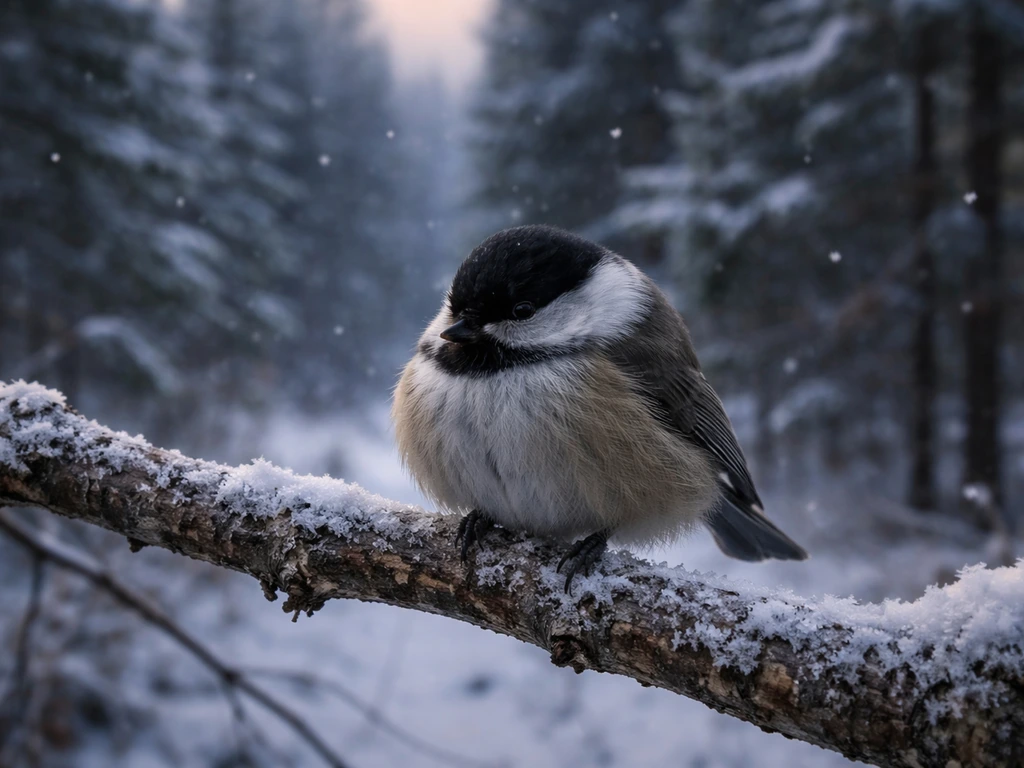
One important note: fluffed feathers on their own can mean a bird is cold, especially in Alaska. But fluffed feathers combined with lethargy, discharge, or abnormal breathing means something is genuinely wrong. Don't confuse a bird that's resting quietly with one that is lethargic and can't rouse itself.
Common causes: what makes wild birds sick in bush settings
You're unlikely to pinpoint a diagnosis in the field, and that's fine. What's useful is knowing the main illness categories so you can describe what you saw accurately when you contact a wildlife rehab center or vet. If you are asking about whether a specific bird like Harley Bird has cancer, the best next step is still contacting a wildlife rehab center or avian veterinarian for an exam contact a wildlife rehab center or vet.
Infectious diseases (viral and bacterial)
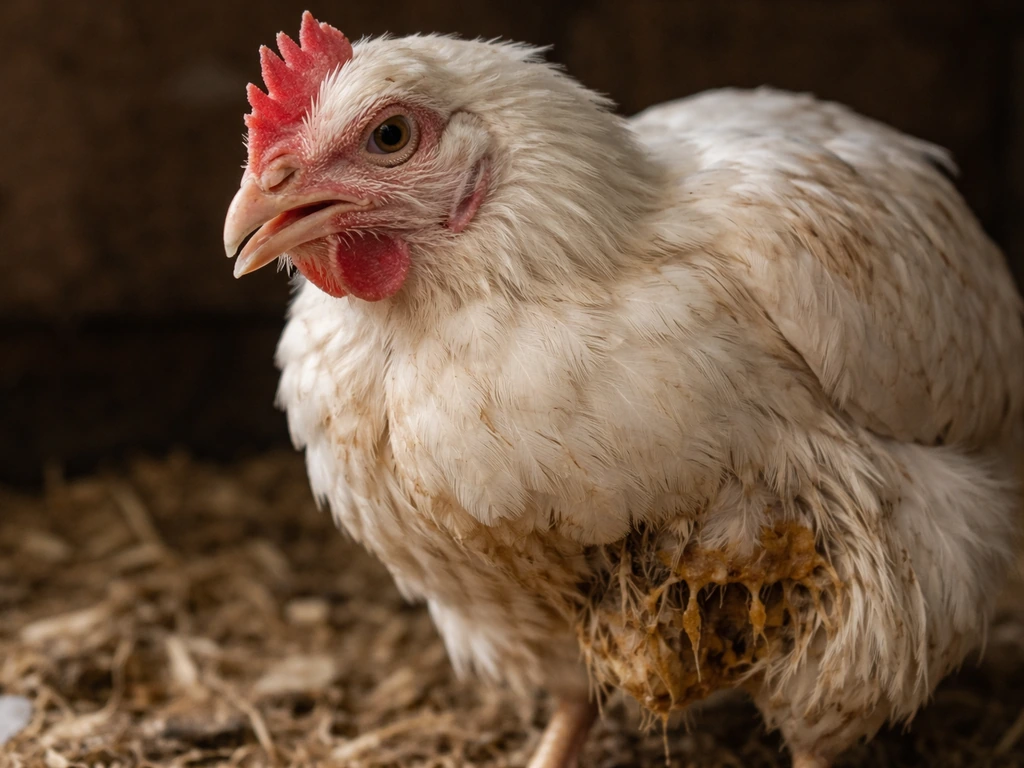
Respiratory and neurological signs together, such as sneezing, nasal discharge, labored breathing, stumbling, head bobbing, and diarrhea, can point toward viral diseases like Avian Paramyxovirus (APMV). Bacterial infections like Mycoplasmosis can cause eye swelling, discharge, and lethargy, and can spread between birds through contaminated surfaces including feeders. Highly pathogenic avian influenza (HPAI/H5N1) is an active concern in Alaska and across North America, and it can produce a rapid collapse in wild birds, often with neurological signs. This is one reason the U.S. Fish and Wildlife Service explicitly advises against handling any sick or dead birds you find in the wild.
Parasites
Internal and external parasites can cause weight loss, poor feather condition, anemia, and lethargy. Eye parasites or secondary infections from scratching can produce the kind of discharge and irritation that looks similar to conjunctivitis. These are less immediately life-threatening than viral disease but still require professional treatment.
Toxins and environmental exposure
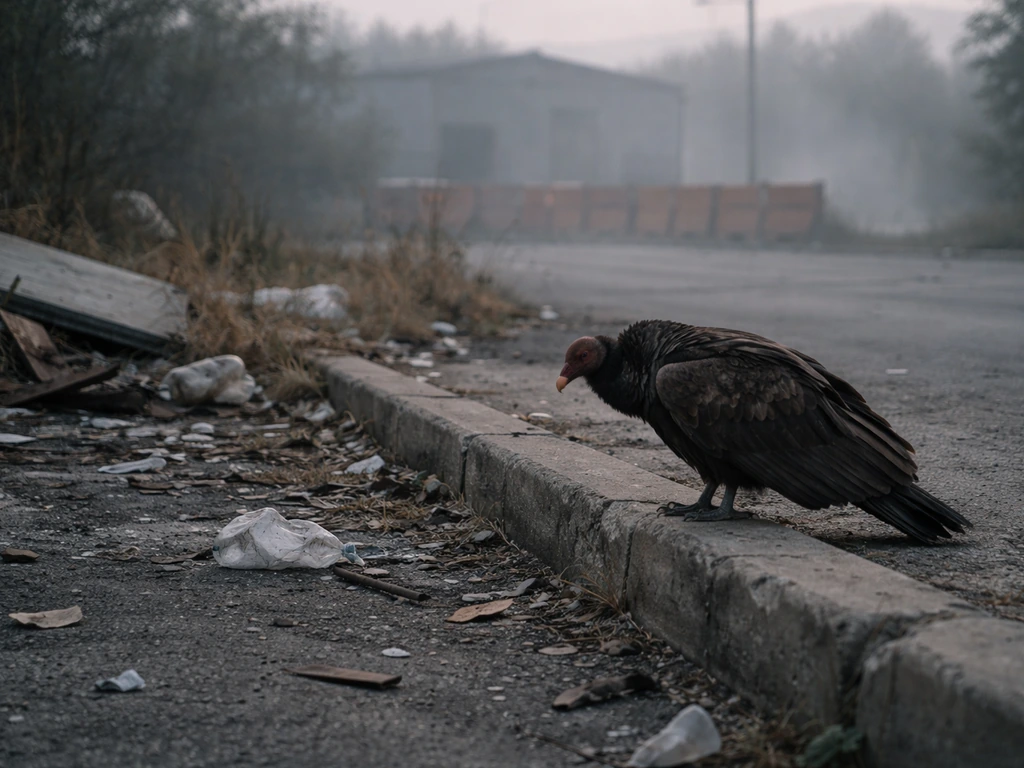
Lead poisoning from ingesting shot or contaminated prey is a known problem in raptors and scavenging birds. Petroleum or chemical exposure near industrial or transportation areas in Alaska can damage feathers and the respiratory system. Birds that have ingested something toxic often show neurological signs like tremors, seizures, or loss of coordination. Smoke inhalation from wildfires, which are increasingly common in Alaska, can also cause acute respiratory distress.
Injuries and trauma
Window strikes, vehicle collisions, predator attacks, and entanglement in fishing line or netting all produce injured birds that may look 'sick' but are primarily traumatized. A bird found on the ground after a window strike may be stunned and recover within an hour, or it may have internal injuries. Visible wounds, broken wings, or bleeding are trauma indicators. Shock alone can make a bird appear severely ill even without an underlying disease.
Red flags that mean you need to act today
Some signs mean a bird is in immediate danger and every hour counts. If you see any of the following, contact a wildlife rehab center or Alaska wildlife reporting line right away.
- Active bleeding that is visible and ongoing
- Open-mouth breathing or audible respiratory distress at rest
- Seizures, tremors, or uncontrolled head bobbing or circling
- Complete inability to stand or extreme difficulty holding the head up
- Obvious broken limb or wing hanging at an abnormal angle
- Bird is cold to the touch and minimally responsive
- Emaciated appearance: keel bone (breastbone) sharply prominent, sunken chest
- Multiple birds in the same area showing similar signs simultaneously
That last point matters a lot in Alaska right now. A cluster of sick or dead birds in the same location can indicate a disease outbreak, including HPAI. This is exactly the situation where the Alaska Wildlife Alliance and U.S. Fish and Wildlife Service ask you to report rather than intervene on your own. Professional responders can assess the risk and respond appropriately.
What to do right now: safe steps while you arrange help
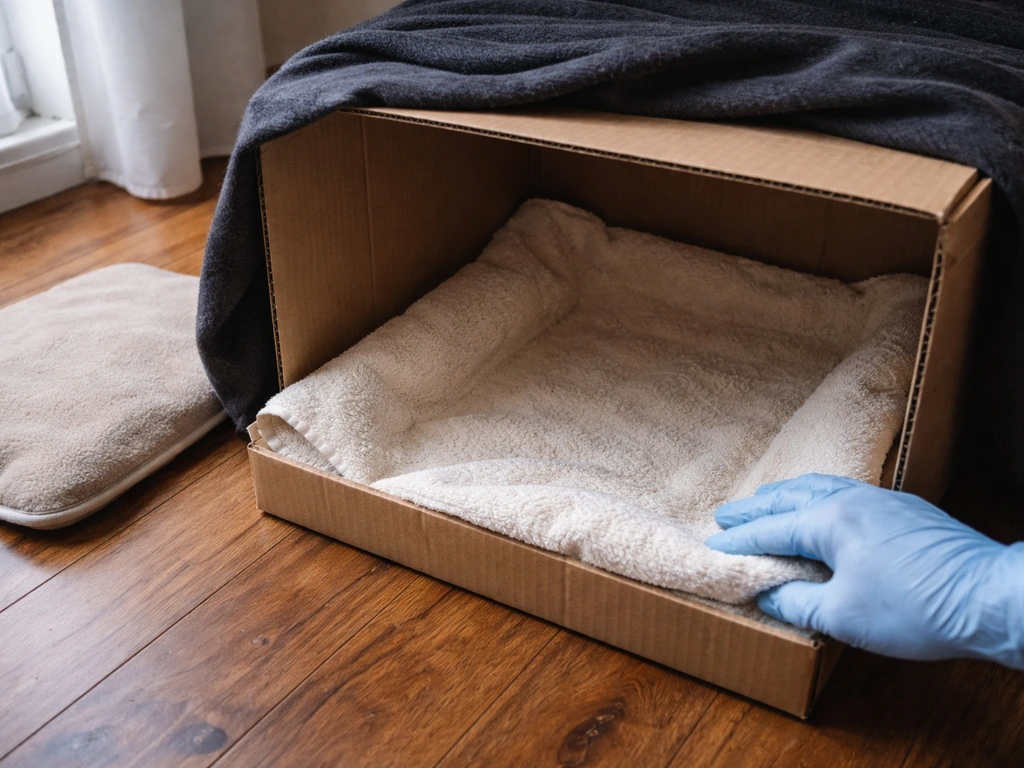
The most important thing to understand is that you should not attempt to treat a wild bird yourself. Your job is containment, warmth, quiet, and getting it to professionals as quickly as possible. Here's the correct sequence.
- Do not handle the bird with bare hands. If you absolutely must move it for safety (yours or the bird's), use thick gloves and minimize contact. U.S. Fish and Wildlife Service guidance specifically warns against handling sick or dead wild birds due to disease transmission risk.
- If you need to contain the bird, place it in a cardboard box with ventilation holes in the lid, lined with a small cloth or paper towel. Don't use a wire cage or anything the bird can injure itself on.
- Keep it warm. Place one end of the box on a heating pad set to low, or put a warm water bottle wrapped in a cloth next to the bird. The goal is gentle ambient warmth, not direct heat on the bird.
- Put the box somewhere dark, warm, and quiet. Darkness reduces stress significantly. Covering the box helps. Keep it away from pets, children, and noise.
- Do not give food or water. This sounds counterintuitive, but incorrect food or forced water can cause aspiration or make a fragile bird worse. Tufts Wildlife Clinic is explicit about this.
- Do not give any medication, including over-the-counter products or supplements.
- Contact a licensed wildlife rehab center or Alaska's distressed wildlife reporting line immediately. In Alaska, the Alaska WildBird Rehabilitation Center and the Alaska Wildlife Alliance are starting points. Alaska's U.S. Fish and Wildlife Service also has reporting pathways for distressed wildlife.
If there is active bleeding, you can apply gentle direct pressure over the wound with a clean cloth while you arrange transport. This is the one hands-on first aid step that is appropriate for a layperson. Beyond that, leave treatment to the professionals.
How to get a diagnosis: what to tell the vet or rehab center
The more detail you can give when you call, the better. Wildlife rehab intake and avian veterinarians use exposure history alongside physical signs to narrow down what's going on. For suspected HPAI, Michigan MDARD guidance recommends isolating or quarantining birds on intake and separating new admissions by species and age class blank" rel="noopener noreferrer">exposure history alongside physical signs. You don't need to know the answers to all of these, but think through what you observed before you call.
- Species or best description of the bird (size, color, beak shape, any field marks)
- Exact location where you found it, including whether it's near water, a road, a building, or other birds
- When you first noticed something was wrong and how the bird's condition has changed since then
- What symptoms you observed: posture, breathing, discharge, movement, droppings
- Whether there are other sick or dead birds nearby
- Any possible exposure: nearby construction, a body of water with an oil sheen, fire or smoke, a bird feeder, known predator activity
- Whether you or anyone else has touched the bird
- Photos or short video if you can take them safely from a distance
A licensed veterinarian in Alaska can stabilize a bird under certain authorities to get it to a rehab center within 48 hours, so if you're in a remote area and a vet is your nearest option, that is a legitimate first stop. The key is getting the bird into professional hands, not attempting home treatment.
If the bird is deceased, don't discard it. A dead bird can provide valuable diagnostic information, especially if a disease outbreak is suspected. Report its location to Alaska's wildlife reporting channels and follow any guidance they give about whether to collect or leave it.
Preventing spread: protecting other birds and yourself
If you have other birds at home (pet birds, backyard chickens, or a multi-bird household), the sick wild bird is a biosecurity concern. Wild birds can carry diseases including HPAI that transmit to domestic birds through droppings, respiratory secretions, and contaminated surfaces.
- Keep the sick wild bird completely isolated from any other birds. A separate room is the minimum; a separate building is better.
- Change your clothing and wash your hands thoroughly with soap before interacting with your other birds after handling the sick bird or anything it has contacted.
- Any surfaces, clothing, or tools that the sick bird has contacted should be disinfected. A household bleach solution (using bleach with 5 to 6% sodium hypochlorite) is effective for hard surfaces. Follow current guidance from your state or territory wildlife health authority for mixing ratios.
- If you have a bird feeder and you're seeing sick wild birds in the area, consider taking the feeder down temporarily. Feeders concentrate birds in one spot and can accelerate transmission of bacterial diseases like Mycoplasmosis.
- Do not release a wild bird you've been housing back into the wild without clearance from a wildlife rehabilitator or vet. It may still be contagious.
- Report any situation where multiple wild birds are affected. This is especially critical for HPAI, where wildlife health authorities need rapid notification to track spread.
If you're wondering about illness in birds more broadly, questions like whether specific birds have cancer or other serious conditions follow a similar triage logic: symptoms matter more than assumptions, and professional evaluation is always the right move when something looks genuinely wrong. If you’re asking whether a specific bird has cancer, a professional assessment is the only reliable way to know what’s going on whether specific birds have cancer. The same principle applies here whether you're watching a wild ptarmigan on the tundra or a raven outside a bush plane hangar.
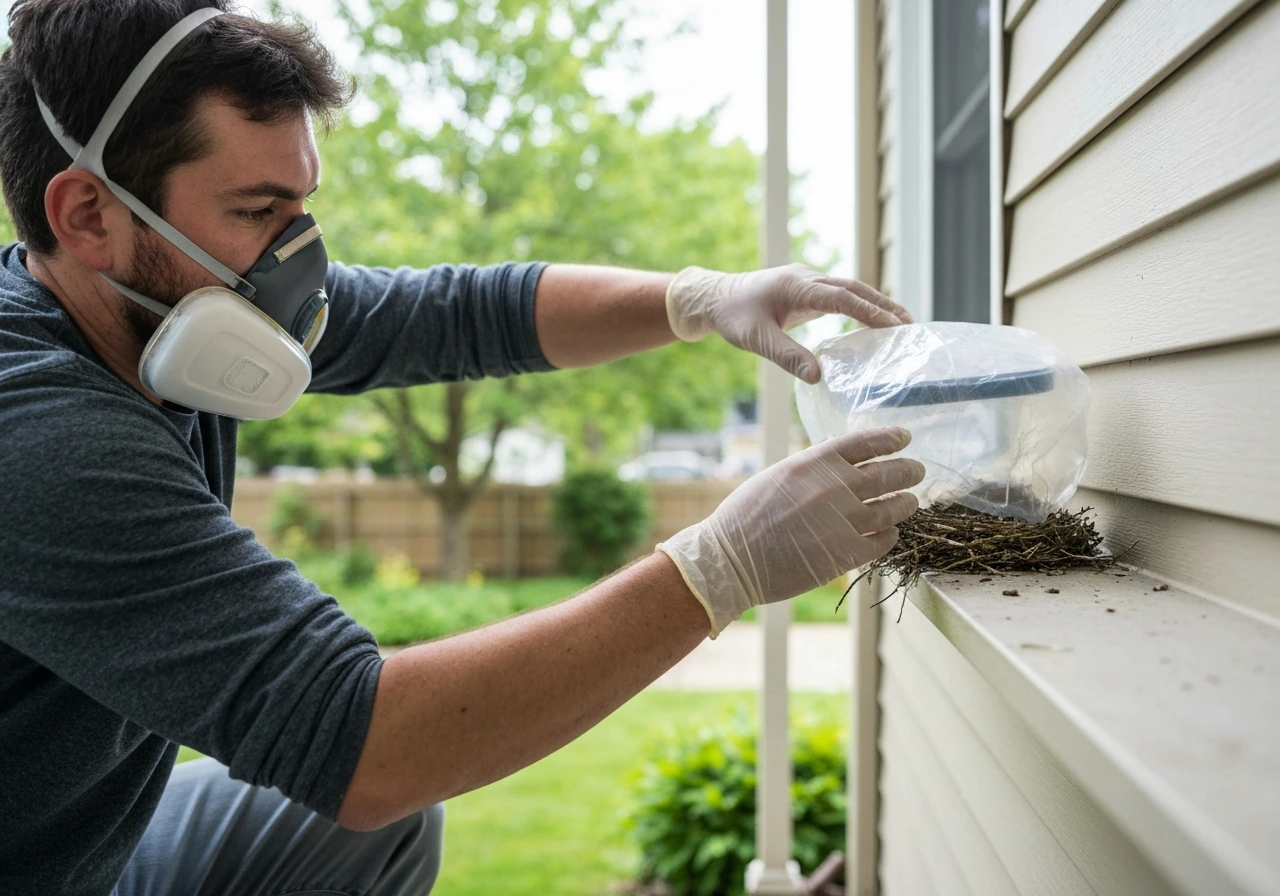
The bottom line is that Alaska's wild birds are resilient, but a bird that lets you get close to it is probably in trouble. Trust your instincts, run through the checklist above, watch for the emergency red flags, and get help from trained professionals the same day. That's the best outcome for the bird and the safest approach for you. If you're wondering about health risks like cancer from a nest, it's also worth focusing on safe cleanup and expert guidance rather than handling materials yourself can bird nest cause cancer.
FAQ
What if the bird is cold and just “fluffed up,” how can I tell it apart from a sick bird?
Fluffed feathers alone can be a normal cold response, especially in Alaska. The deciding factors are whether it is lethargic (can’t rouse), breathing looks abnormal (open-mouth breathing, gasping, wheeze), there is discharge from the eyes or nose, or it can’t move normally. If you see two or more of those, treat it as sick or injured and contact a wildlife rehab center.
Is it ever safe to pick up a wild bird to check its condition?
Only for minimal first-aid when there is active bleeding. Otherwise, avoid handling. Handling increases stress and can also expose you to diseases, including outbreak risk when multiple birds are affected. Focus on warmth, quiet, and getting it to professionals.
How long should I wait to see if a stunned bird recovers before reporting?
For some trauma like certain window strikes, a bird may recover within roughly an hour, but you should still report if it remains grounded, can’t fly, shows repeated abnormal breathing, or can’t right itself. If there is visible bleeding, broken wings, or neurological signs, skip waiting and contact help right away.
What details should I gather before calling a rehab center so they can triage faster?
Note exact location (nearest landmark, GPS if possible), time you first saw it, whether other birds are nearby, what the bird was doing before it was found, and the specific signs you observed (posture, breathing pattern, eye/nose discharge, ability to move, responsiveness). Also describe weather and any obvious exposures you noticed (oily feathers, wildfire smoke, power lines, fishing line, or nearby industrial activity).
If I found multiple sick or dead birds in the same area, what should I do differently?
Treat it as a potential outbreak. Do not try to collect or manage the birds yourself. Report the cluster promptly, keep people and pets away from the area if possible, and avoid contaminating the ground or surfaces you used (gloves, footwear, and tools matter). Professionals will advise whether any sampling or cleanup is needed.
Can I put the bird in my garage or backyard cage temporarily while I drive to help?
Better options are a quiet, warm, low-traffic space until transport, but avoid long-term holding and avoid contact with domestic birds. If you must keep it temporarily, use a secure, ventilated container, keep it separate from other animals, and sanitize hands and anything that touches the bird. The goal is short duration and fast handoff to responders.
What should I do if I suspect toxins or lead, and the bird looks neurologically abnormal?
If you see tremors, seizures, head tilt, severe loss of coordination, or sudden weakness, treat it as urgent and prioritize professional help immediately. Do not attempt home treatments. Keep the bird contained to prevent additional exposure and because ongoing toxin exposure can make the situation worse quickly.
What if I only see “symptoms” but no obvious injury, can it still be trauma or disease?
Yes. Birds can look “sick” after trauma with shock, internal injuries, or concussion even when wounds are not obvious. Conversely, disease can cause lethargy without visible injury. Use the checklist focus areas (breathing, eyes/nose, movement, responsiveness) and report what you observe rather than guessing the cause.
What is the safest way to handle cleanup if the bird dies or if it shed droppings where pets can reach?
Keep pets and people away. Wear disposable gloves if you have them, avoid sweeping dry droppings (to reduce aerosolizing), and disinfect surfaces that the bird may have contacted. If the location is associated with a cluster of sick or dead birds, follow the guidance you receive from wildlife reporting, since they may recommend specific containment or cleanup steps.
How should I protect my other birds at home if a wild bird was nearby or I briefly handled it?
Assume there is a biosecurity risk and separate the wild bird scenario from domestic birds. Do not let pets contact the bird, droppings, or contaminated surfaces. Wash hands thoroughly, change clothes if you contacted the bird directly, and avoid sharing feeders or cleaning tools between areas until you’ve disinfected and isolated as instructed by professionals.
Should I report if the bird is already dead, and do I need to move it to get a better look?
Report it, especially if death is clustered in the same area. Do not move it unless professionals specifically ask you to collect it. Location and context (where it was found, how many nearby, and weather conditions) can be more valuable than additional handling.
What if I am unsure whether it is actually “sick,” should I still call?
If your instinct says “something is off,” it is reasonable to contact help. Wildlife rehab and veterinary intake can triage by description. In practice, birds that allow you to get close, sit on the ground without normal movement, or show abnormal breathing or discharge are usually enough to warrant a call the same day.
Next Article
Can Bird Nest Cause Cancer? Risks and Safe Cleanup
No evidence bird nests cause cancer, but droppings dust can trigger infection and lung irritation. Safe cleanup steps.