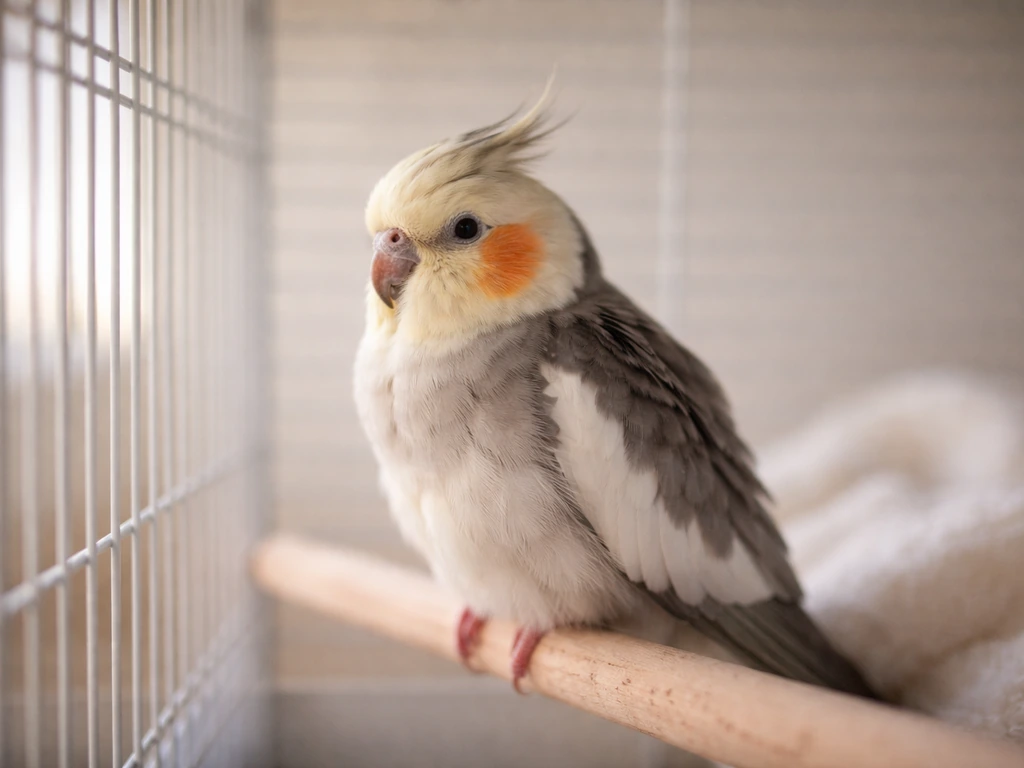
If you're searching for 'how much health does crazed bird have' because you're playing The Battle Cats, the Crazed Bird Cat starts with 500 HP at Level 1 and scales up to roughly 21,000 HP at Level 50 depending on the version. That's a game stat, not a medical concept. But if you landed here because you have a real bird in front of you acting frantic, disoriented, or wildly agitated, that's a completely different situation and one that genuinely needs a fast, clear answer. If you suspect your bird may be sick, focus on the emergency signs and how quickly you need to act real bird in front of you.
How Much Health Does Crazed Bird Have? Vet Signs Guide

Marcus Webb
19 Jun 2026
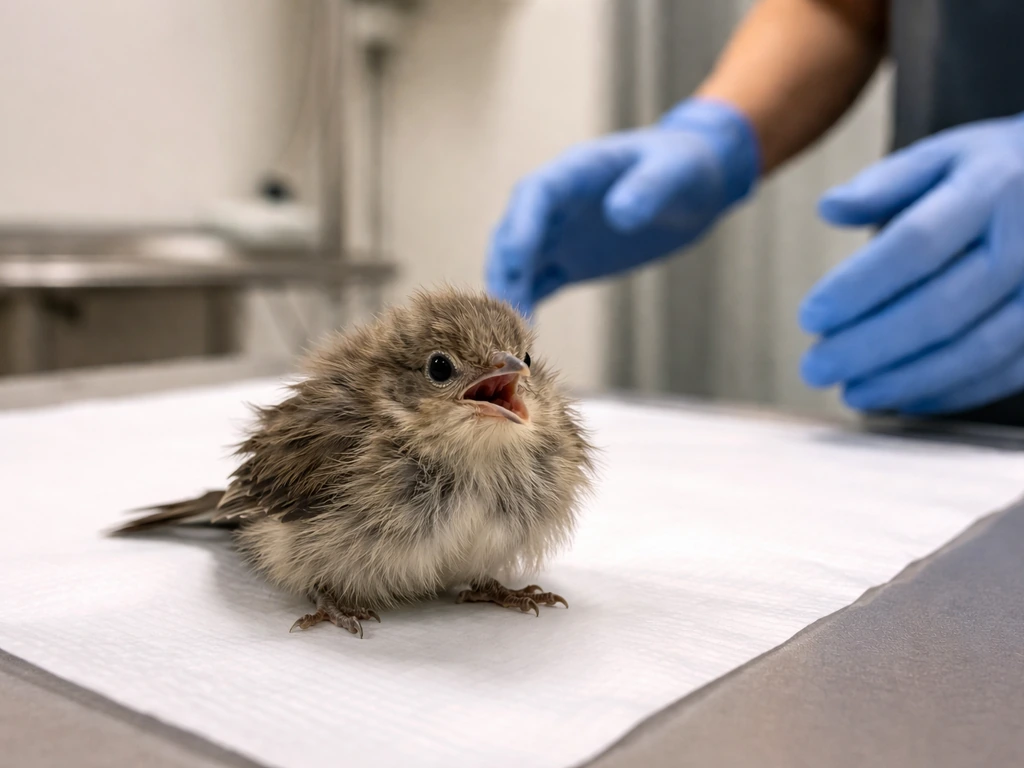
Game stat or sick bird? Let's clear this up first
The term 'crazed bird' comes from The Battle Cats, a mobile tower defense game where the Crazed Bird Cat is a playable unit with defined HP values. If that's what you're after, any Battle Cats wiki will give you the exact numbers by level, since they update with each game patch. A Battlefield/Stage page for Heavenly Tower Floor 33 in The Battle Cats Wiki lists an “Enemy Base’s Health” value in HP, showing how “health” is represented as HP for that stage Enemy Base’s Health value in HP.
This site focuses on real bird health, so the rest of this article is for people dealing with an actual bird that is behaving erratically, spinning, thrashing, acting terrified without cause, or showing other alarming signs. 'Crazed' is how a lot of bird owners describe a bird that's suddenly not acting right, and it's a useful description for thinking through what might be wrong and how serious it is.
What 'health' actually means when we're talking about a real bird
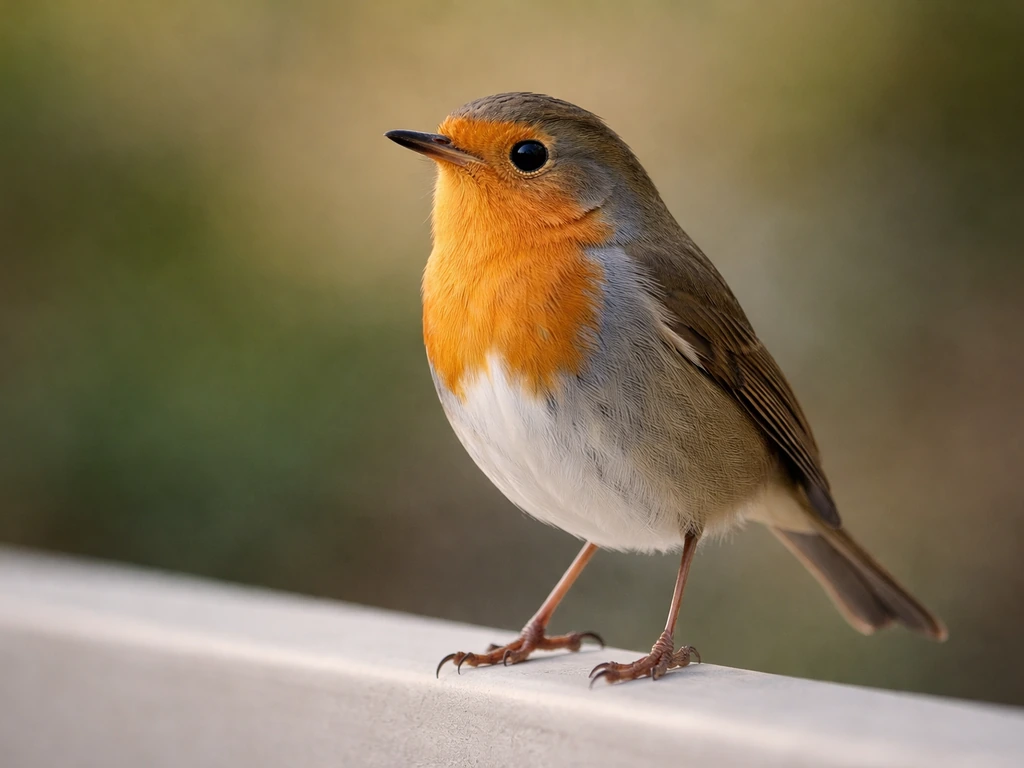
Birds don't have a health bar. What you're really trying to figure out is clinical urgency: is this bird stable enough to wait until tomorrow, or does it need to be seen by an avian vet in the next hour? That distinction matters because the wrong call in either direction has real consequences. Waiting too long with a critically ill bird can be fatal. Rushing a stable bird into a stressful car ride and exam when it just needs a quiet space can also make things worse.
The way to gauge 'health' in a bird is to go through a quick mental checklist of what you're observing right now. Some signs are immediately life-threatening. Others are serious but allow a few hours. And some warrant monitoring rather than panic. The sections below walk through each category.
Quick severity checklist: where does your bird fall?
| What you're seeing | Urgency level | Action |
|---|---|---|
| Seizure, collapse, or inability to stand | Emergency: go now | Wrap loosely, transport immediately |
| Open-mouth breathing, tail bobbing, gasping | Emergency: go now | Minimize handling, keep bird warm and calm |
| Blue or very pale tissue color anywhere | Emergency: go now | Do not delay, oxygen may be needed |
| Uncontrolled bleeding or severe trauma | Emergency: go now | Apply light pressure if safe, go immediately |
| Head tilt, spinning, severe disorientation | Urgent: same-day vet | Dark, quiet, warm space; call ahead |
| Frantic behavior with no other physical signs | Urgent: same-day vet | Assess environment, monitor closely |
| Watery or bloody droppings, no appetite | Urgent: same-day/next-day | Note timeline, call your vet today |
| Mild puffing, quieter than usual | Monitor closely | Warm environment, watch for escalation |
Neurological and behavioral red flags in an agitated bird
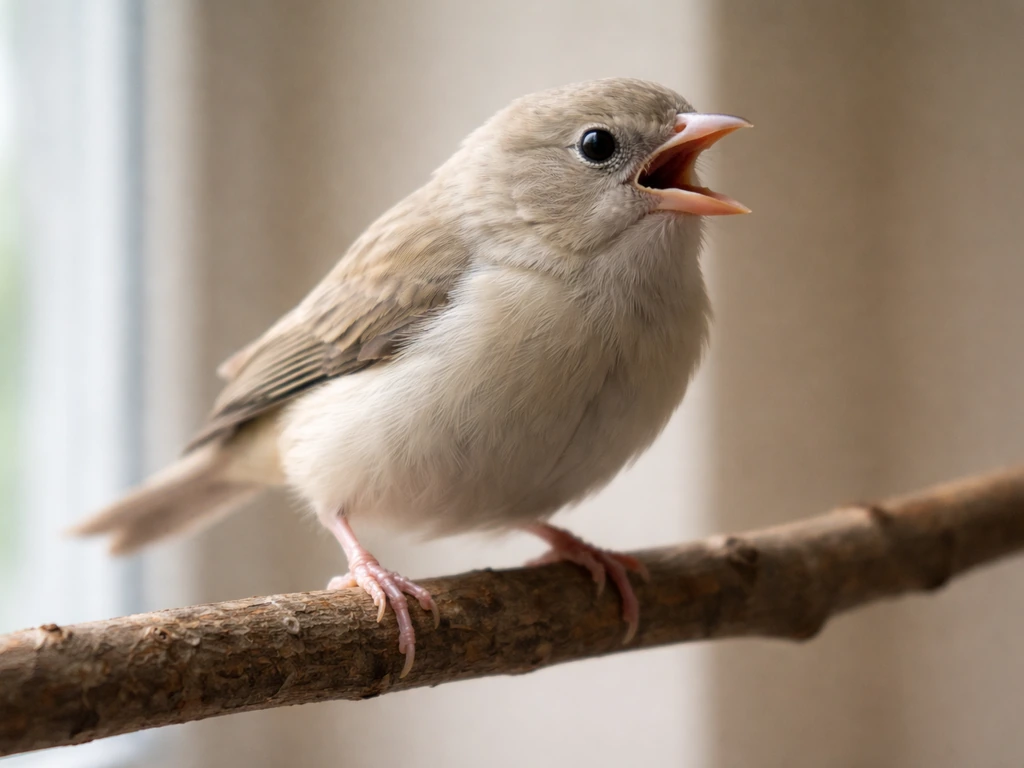
When a bird looks 'crazed,' the brain or nervous system is often involved. Neurological problems can show up suddenly and escalate fast, so these signs deserve extra attention. Seizures are the clearest emergency: if your bird is convulsing, shaking uncontrollably, or has fallen off its perch and can't right itself, that's an immediate vet visit. Don't wait to see if it passes.
Short of a full seizure, watch for head tilt (the head held persistently to one side), circling or spinning in one direction, ataxia (stumbling, inability to grip the perch properly, falling repeatedly), and tremors in the head, neck, or body. Blindness or a sudden glassy stare with reduced responsiveness to movement near the face can also point to a neurological event.
Birds experiencing a stroke or cerebrovascular episode, a toxin exposure, or a serious infection can all present with these signs. Sudden onset is itself a red flag: a bird that was fine this morning and is now disoriented or spinning this afternoon needs to be seen the same day. Cancer is another serious cause of sudden illness in birds, but it is usually not the first thing owners can confirm at home does bird have cancer.
- Seizure or full-body convulsion: emergency, go now
- Head tilt that won't resolve: urgent same-day
- Circling or spinning in one direction: urgent same-day
- Falling off perch repeatedly, can't grip: urgent same-day
- Tremors in head, neck, or body: urgent same-day
- Staring blankly, reduced response to stimuli: urgent same-day
- Sudden extreme aggression or fear with no trigger: assess for other signs, contact vet
Respiratory and physical warning signs to check right now
Breathing problems are always an emergency in birds. Their respiratory systems work very differently from mammals, and a bird that is struggling to breathe can deteriorate within minutes. Look at the tail: if it's bobbing up and down with every breath, the bird is working hard to breathe and needs help fast. Open-mouth breathing in a bird that isn't overheated is another major red flag, as is any audible wheezing, clicking, or gurgling sound.
Other physical signs worth checking include discharge from the nostrils or eyes, swelling around the face or eye area, and the color of any exposed skin or mucous membranes. Blue or very pale coloring means the bird isn't getting enough oxygen and is a genuine emergency.
Check the droppings too if you can do it safely without stressing the bird further. Blood in the droppings, complete absence of droppings over several hours, or a dramatic change in color or consistency all point to something serious happening internally. If you were instead thinking about longer-term risks like can bird nest cause cancer, that is a separate question, but right now these droppings changes still need prompt veterinary attention.
- Tail bobbing with each breath: respiratory distress, emergency
- Open-mouth breathing when not hot: respiratory distress, emergency
- Wheezing, clicking, or gurgling: respiratory distress, emergency
- Nasal or eye discharge (clear or cloudy): upper respiratory disease, urgent
- Swelling around the face or eyes: urgent
- Blue or very pale skin/tissue: oxygen deprivation, emergency
- Blood in droppings: urgent to emergency
- No droppings for several hours: urgent
Common reasons a bird acts 'crazed' and what to look for
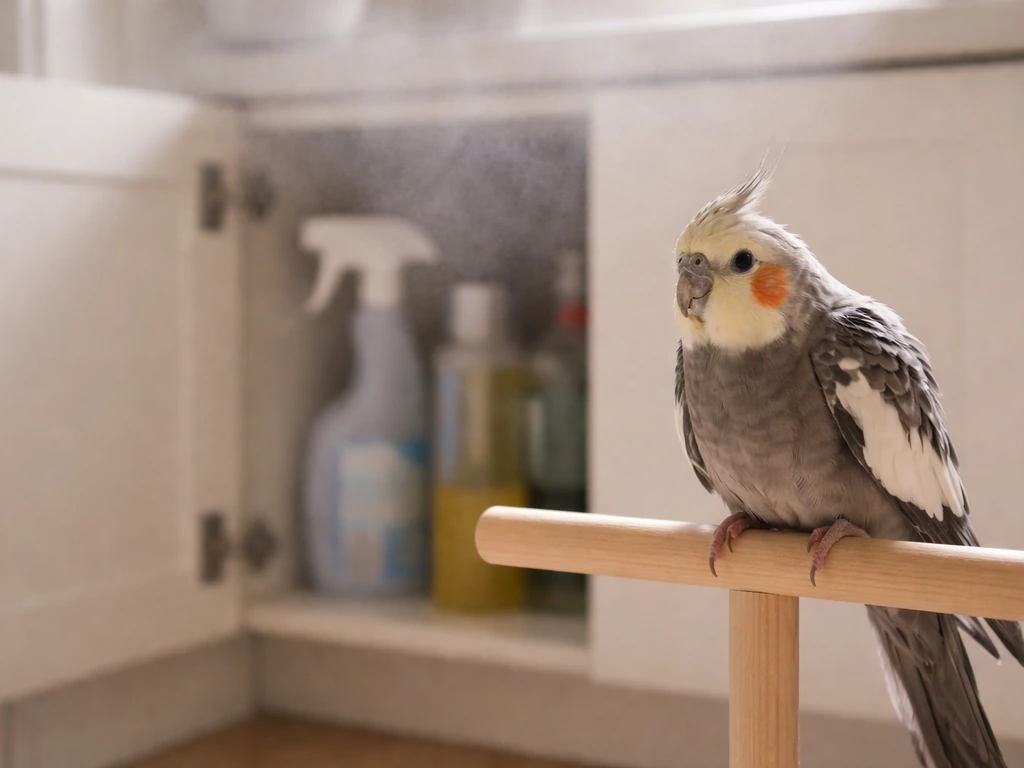
Extreme agitation in a bird rarely comes from nowhere. There are several medical causes that can produce this kind of presentation, and knowing the most common ones helps you ask the right questions while you're assessing the situation. Does Harley Bird have cancer? If you’re seeing persistent or worsening symptoms, asking an avian vet about cancer is an important step too.
Toxin or fume exposure
Birds are extraordinarily sensitive to airborne chemicals. Overheated non-stick cookware (PTFE/Teflon), aerosol sprays, cleaning products like bleach or ammonia, scented candles, and air fresheners can all cause rapid neurological and respiratory collapse. If you recently used any of these in or near the room where the bird lives, that's your most likely culprit. Move the bird immediately to fresh air and get to a vet. Don't wait for symptoms to worsen.
Neurological disease or head trauma
A bird that flew into a window, was startled and hit the cage wall hard, or has been exposed to heavy metals (like lead paint or zinc from cage hardware) can show sudden neurological signs. Head tremors, spinning, and inability to perch are classic. If there's any chance of physical impact or heavy metal ingestion, mention it to the vet immediately.
Infectious disease
Avian influenza and other viral or bacterial infections can produce neurological signs alongside respiratory symptoms. If you have multiple birds and more than one is showing signs, or if there's been any new bird introduced recently, isolate any affected bird now and mention the exposure history to the vet. Respiratory signs combined with neurological ones in the same bird are a serious combination. Cancers can also be a possibility in birds, so if you are worried about does bird from alaskan bush people have cancer, mention weight loss, abnormal growths, or long-lasting symptoms to the avian vet.
Extreme stress or fear response
Sometimes a bird acts frantic because something genuinely frightened it: a predator outside, a loud noise, a new pet in the house, or a sudden change in its environment. This is worth ruling in or out. If the agitation came on suddenly after a specific event and the bird has no physical symptoms at all, a quiet, dark, covered cage environment and 30 minutes of careful monitoring may be appropriate. But if the behavior persists or any physical symptoms appear, that changes things.
Safe at-home steps while you decide what to do
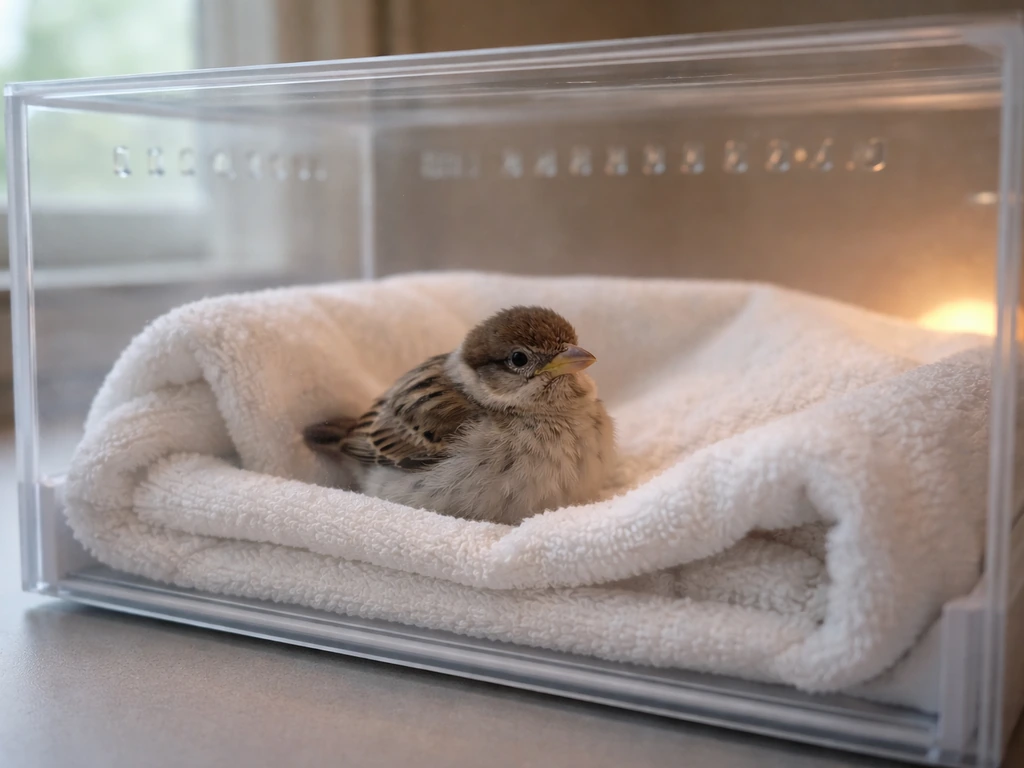
The first thing to do is reduce stress. Minimize handling as much as possible. Birds in distress can go into shock from being held, especially if they're already struggling to breathe. Cover the cage partially with a light cloth to create a darker, quieter environment. Move the bird away from drafts, direct sun, and any potential sources of fumes.
Warmth matters. A sick bird has trouble regulating its own body temperature. A safe range for supportive warmth is about 80 to 90 degrees Fahrenheit (roughly 27 to 32 degrees Celsius). You can achieve this with a low-heat pad placed under one half of the cage or a small desk lamp positioned nearby (not inside the cage), giving the bird the option to move away if it gets too warm. Don't overheat.
Keep fresh water accessible but don't force food or water on a bird that appears unable to swallow, is vomiting, or is severely disoriented. Forced feeding in that state risks aspiration. If the bird is alert enough to eat or drink on its own, that's actually a mildly reassuring sign.
While you're doing this, start gathering information for the vet. You'll want to have all of it ready when you call.
- Note the exact time symptoms started and what you first observed
- Write down the species, age, and sex of the bird if known
- List everything the bird has eaten in the last 24 to 48 hours
- Think through any recent environmental changes: new products used, new pets, new people, rearranged room
- Note whether any other birds in the household are showing similar signs
- Check for any possible toxin exposures: cooking fumes, sprays, candles, paint, or construction dust
- If it's safe to do so without adding stress, take a 20 to 30 second video of the behavior so the vet can see exactly what you're describing
When to go to an avian vet urgently and what to tell them
If your bird has any of the emergency signs listed above (open-mouth breathing, tail bobbing, seizure, collapse, blue tissue color, uncontrolled bleeding, or severe neurological signs like spinning and head tilt), do not wait. Call ahead if you can so the clinic can prepare, but don't delay the trip trying to reach someone. Wrap the bird loosely in a small towel to keep it contained and warm, place it in a ventilated box or carrier, and go.
For urgent but not immediately life-threatening signs, call an avian vet first thing. Not all general practice vets are equipped to handle birds, so if possible, find a vet with avian experience. When you call, be specific: describe the exact behaviors, when they started, how quickly things changed, and what else you've observed. The video you recorded is genuinely useful here.
Tell the vet the bird's species and age, your diet and feeding setup, what cleaning products or cooking methods you use near the bird, whether you've introduced any new birds recently, and whether any other animals in the home are showing signs of illness. This kind of history is exactly what an avian vet needs to narrow down the cause quickly. The more specific you are, the faster they can help.
One practical note: during transport and in the exam room, birds in respiratory or neurological distress should be handled as little as possible. Let the vet team take the lead on restraint. Even well-meaning handling during a crisis can tip a bird from distressed to dangerously unstable. Your job is to get the bird there safely and give the team the information they need.
Birds mask illness instinctively, so by the time a bird looks obviously sick or 'crazed,' something has often been building for a while. That's not a reason to panic, but it is a reason to take these signs seriously and act on them rather than waiting to see if things improve on their own. If you've been researching whether a bird can have cancer or other serious underlying conditions, those are worth discussing with your vet during the visit as part of a broader health picture.
FAQ
If I’m asking about a real bird, what does “health” mean since birds do not have a HP bar like in Battle Cats?
For real birds, health is about clinical stability, not a number. Focus on whether the bird is breathing comfortably, alert enough to stand and perch, responsive to its environment, and producing normal droppings. If breathing is hard, tissue color looks blue or very pale, or there are seizure or severe neurologic signs, treat it as an emergency regardless of any “overall” condition.
My bird is frantic but not obviously breathing badly. When should I still treat it as an emergency?
Treat it as urgent same-day care if agitation is sudden and the bird is disoriented, spinning, repeatedly falling off the perch, unable to grip, persistently head-tilting, or has new eye or facial swelling. Respiratory distress can sometimes start subtly, so watch for tail bobbing, open-mouth breathing, and any unusual sounds while you decide whether to leave now.
What if the bird seems scared, how long can I monitor before calling a vet?
If the bird was fine and the agitation began right after a specific scare (loud noise, predator sighting, new pet, window impact) and there are no physical red flags, you can monitor in a quiet covered cage for about 30 minutes. If symptoms persist beyond that, worsen, or any neurologic or breathing signs appear, call an avian vet and do not wait.
Should I warm the bird if it’s “crazed,” and what’s the safest way to do it?
Yes, supportive warmth can help because birds lose temperature regulation quickly when unwell. Use a low heat source under only one half of the cage (or a lamp placed nearby but not inside), aim for about 80 to 90°F (27 to 32°C), and make sure the bird can move away if it gets too warm. Avoid overheating because it can worsen breathing and distress.
Is it safe to offer water or food while the bird is disoriented or vomiting?
Do not force feeding or water if the bird cannot swallow normally, is vomiting, or is severely disoriented. Forced intake can lead to aspiration. Instead, keep fresh water accessible and only offer food if the bird is able to eat or drink on its own.
How do I decide whether transport can wait versus calling for immediate help?
If you see open-mouth breathing, tail bobbing, seizure-like convulsions, collapse, blue or very pale tissue color, uncontrolled bleeding, or severe neurologic signs such as nonstop spinning and persistent head tilt, do not delay. If you have urgent but not immediate threats, call the avian clinic first and ask what to do during the ride, especially regarding restraint and warming.
Can I give a sedative or calm the bird to make it easier to examine?
Avoid sedating or dosing unless an avian veterinarian specifically instructs you. Many common calming approaches can mask worsening symptoms or change breathing, and holding a struggling bird can increase shock risk. The safest “calming” is reducing handling, covering part of the cage for darkness, and minimizing stress during transport.
Could fumes or chemicals cause these symptoms, even if I only used something once?
Yes. Birds can react rapidly to airborne chemicals such as aerosol sprays, cleaning products (like bleach or ammonia), scented candles, air fresheners, and overheated non-stick cookware (PTFE/Teflon). If you used any of these near the bird recently, treat it as likely, move the bird to fresh air immediately, and go to an avian vet even if symptoms seem mild at first.
What should I tell the vet if my bird hit a window or struck the cage wall?
Tell them exactly what happened and when, including whether there was any fall, visible head trauma, disorientation afterward, abnormal spinning, inability to perch, or tremors. Even if the injury seems minor, those details help the vet prioritize neurologic injury and rule out toxins from cage hardware or environmental exposures.
If only one bird is acting “crazed” but I have other birds, should I isolate it?
If multiple birds are involved or there was any new bird introduced recently, isolate the affected bird now and tell the vet about the group situation and timing. Combination cases, like respiratory signs plus neurologic signs, should be treated as more serious and are important for triage.
What information should I gather for the vet call to speed up diagnosis?
Have the bird’s species and age, recent diet and feeding setup, cleaning products used and cooking methods used near the bird, whether any new birds were introduced, and whether any other animals show symptoms. Also note the exact start time, how fast things changed, and bring a short video if you can. This helps narrow possibilities quickly.
During transport or the exam, should I restrain my bird to “keep it calm”?
Keep handling to a minimum, especially if breathing or neurologic symptoms are present. Let the clinic team take the lead on restraint because incorrect handling can tip a bird from distressed to dangerously unstable. Your role is to contain the bird safely, keep it warm and ventilated, and communicate what you observed.
Next Article
Does Harley Bird Have Cancer? Symptoms, Triage, Tests
Learn if Harley Bird may have cancer, spot key symptoms, triage urgency, and understand tests, treatment, and prognosis.