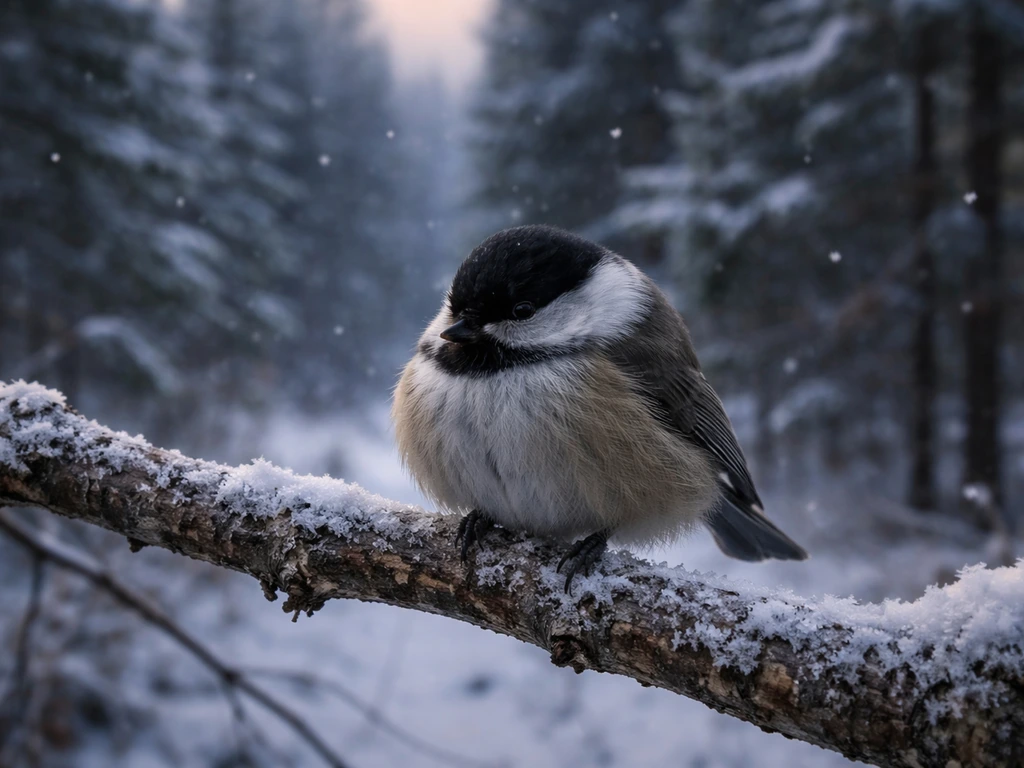
If your bird Harley is acting off and you're wondering whether it could be cancer, the honest answer is: it's possible, but most of the time the signs you're seeing are caused by something else first. Cancer does occur in pet birds across almost every organ system, but infections, reproductive problems, parasites, nutritional deficiencies, and toxin exposure are far more common and often look identical in early stages. The most important thing you can do today is stop guessing and start documenting, then get Harley to an avian vet for a proper exam.
Does Harley Bird Have Cancer? Symptoms, Triage, Tests

Marcus Webb
3 Jun 2026
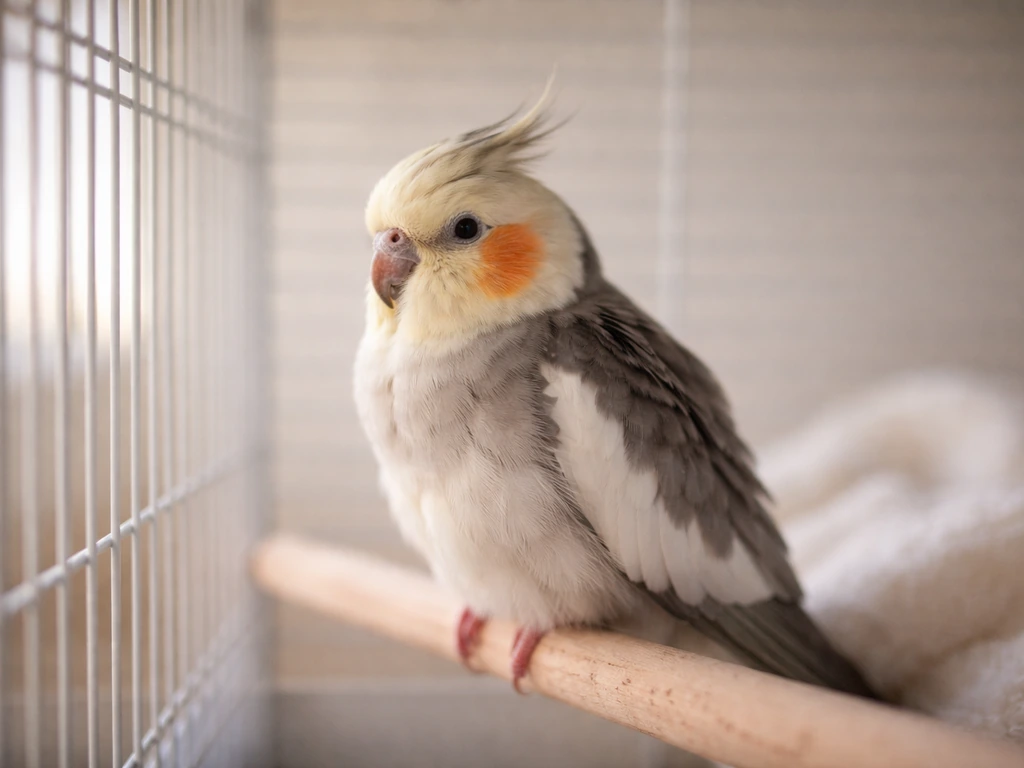
How to Tell If Harley Might Have Cancer
Cancer in birds rarely announces itself clearly. What you usually notice first are vague changes: Harley is quieter than normal, not finishing meals, sitting fluffed at the bottom of the cage, or favoring one leg. These signs show up with dozens of different illnesses, which is why they're easy to dismiss at first.
The things that push the concern toward cancer specifically are growths or masses you can see or feel, unexplained and progressive weight loss over days to weeks, distension or swelling of the abdomen (coelomic distension), and neurological signs like seizures, blindness, loss of balance, or sudden lameness. If Harley has any of these, especially in combination, cancer has to be on the list of possibilities. But so do several other serious conditions, which is exactly why a vet exam is essential and home guessing won't cut it.
One important practical point: birds hide illness extremely well. By the time Harley is visibly sick, the problem has often been developing for a while. That means what looks like a sudden change is usually not sudden at all.
Common Bird Cancers vs. More Likely Illnesses
Before assuming cancer, it helps to know what else produces the same signs. If you're wondering about whether a bird nest can contribute to cancer risk, a vet can help you weigh the specific situation for your bird can bird nest cause cancer. Lumps and swellings, for example, are far more often abscesses, cysts, feather cysts, or inflammatory masses than actual tumors.
Abdominal distension in a female bird is more often egg binding or reproductive tract disease than an internal tumor. LafeberVet notes that in many parrots, an egg typically moves through the oviduct over about 24 to 48 hours, and egg-related problems can mimic serious systemic illness and may warrant imaging or clinical pathology if the bird is stable [Abdominal distension in a female bird is more often egg binding or reproductive tract disease than an internal tumor. ](https://www. lafeber.
com/vet/presenting-problem-shelled-egg-palpable/). Lethargy and appetite loss are listed by VCA Animal Hospitals as common to virtually every serious bird illness, including infections, parasites, endocrine disease, toxicities, and organ failure, not just cancer.
That said, cancer is a real possibility, especially in certain species and age groups. Birds can develop neoplasia in the skin, sinuses, oral cavity, GI tract, lungs and air sacs, liver, spleen, kidneys, reproductive tract, bones, connective tissue, and brain. blank" rel="noopener noreferrer">Lymphoma is also recognized in birds. The point is that no symptom pattern reliably separates cancer from other disease at home. What you can do is identify which body system seems affected and communicate that clearly to your vet.
| Sign | Could Be Cancer | More Common Cause |
|---|---|---|
| Lump or mass on skin/body | Skin tumor, lipoma, sarcoma | Feather cyst, abscess, inflammatory swelling |
| Swollen abdomen | Internal tumor (kidney, ovary, liver) | Egg binding, ascites from liver/heart disease |
| Weight loss | GI, liver, or systemic cancer | Parasites, chronic infection, malnutrition |
| Lethargy and anorexia | Any internal cancer | Infection, toxin exposure, organ disease |
| Breathing difficulty | Lung/air sac tumor, coelomic mass pressing on air sacs | Respiratory infection, aspergillosis, heart disease |
| Leg weakness or lameness | Kidney tumor pressing on sciatic nerve | Injury, gout, arthritis |
| Neurological signs (seizures, blindness) | Brain tumor, pituitary/thyroid cancer | Toxin exposure, infection, nutritional deficiency |
| Regurgitation | GI tract tumor | Crop infection, foreign body, behavioral regurgitation |
Symptoms Checklist by Body System
Go through this list and note everything you've observed in Harley. The more detail you bring to the vet appointment, the faster they can work through a diagnosis.
Lumps, Skin, and External Growths
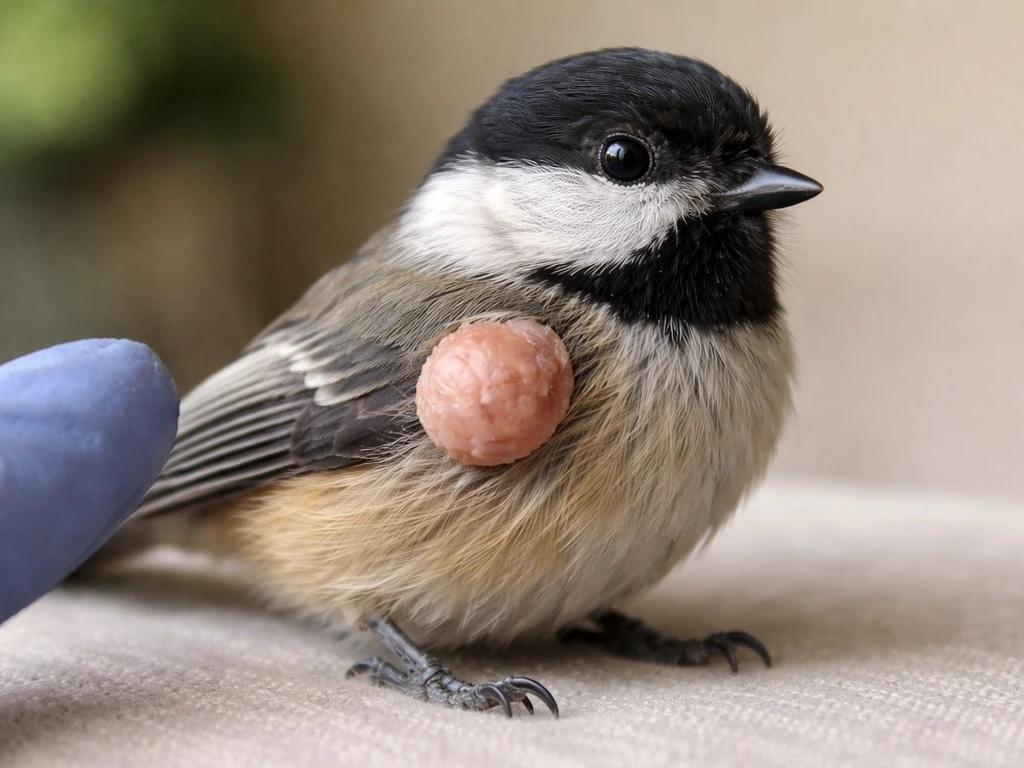
- Visible lump, bump, or mass anywhere on the body
- Swelling that is firm, soft, or fluctuant (fluid-filled)
- Discoloration, ulceration, or bleeding from a growth
- Feather loss over a specific area
- Unusual growth around the beak, nares, or eyes
Weight and Appetite
- Noticeable weight loss (keel bone feels more prominent than usual)
- Reduced interest in food or water
- Eating less despite appearing hungry
- Regurgitating or vomiting food
Breathing and Respiratory
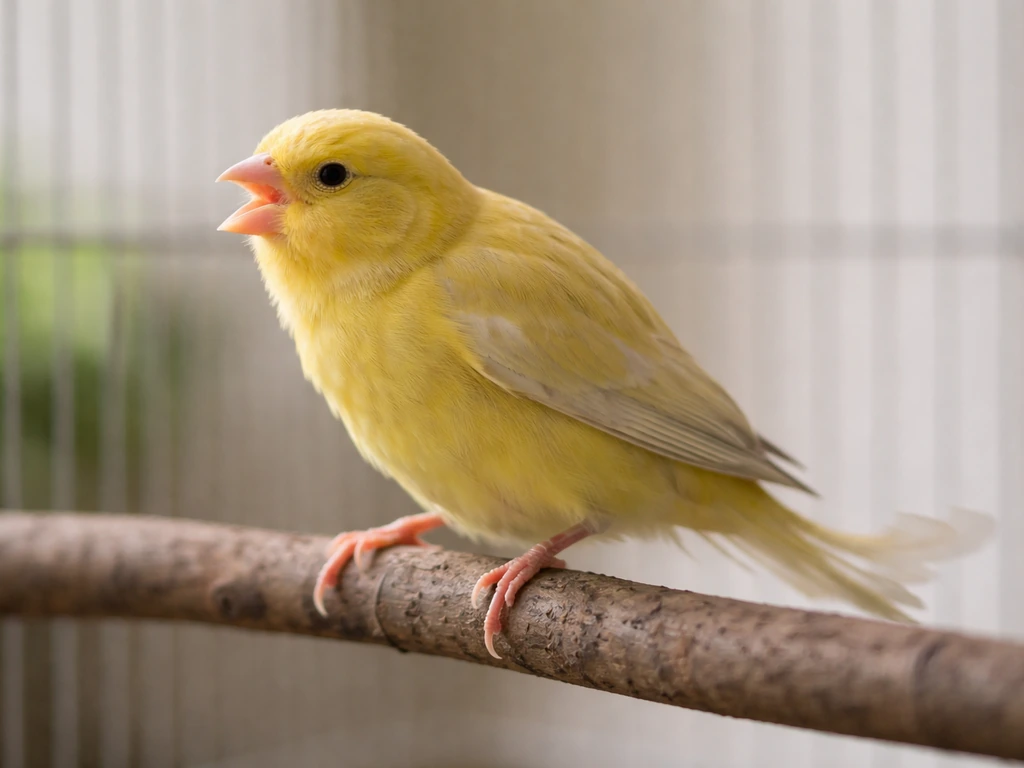
- Labored or open-mouth breathing
- Tail bobbing with each breath (a significant warning sign)
- Clicking, wheezing, or abnormal sounds during breathing
- Voice change or loss of normal vocalizations
Abdomen and Digestion
- Distended or swollen abdomen
- Straining to defecate or pass an egg
- Changes in droppings (color, consistency, volume)
- Bloody or very dark droppings
Neurological and Movement
- Seizures or loss of consciousness
- Head tilt or circling
- Loss of balance or falling off the perch
- Leg weakness, dragging one leg, or lameness
- Sudden blindness or lack of visual tracking
General Behavior
- Persistent lethargy or fluffed feathers during the day
- Sitting on the cage floor
- Hiding or avoiding interaction
- Abnormal bleeding from any body opening
What Tests an Avian Vet Uses to Diagnose Cancer
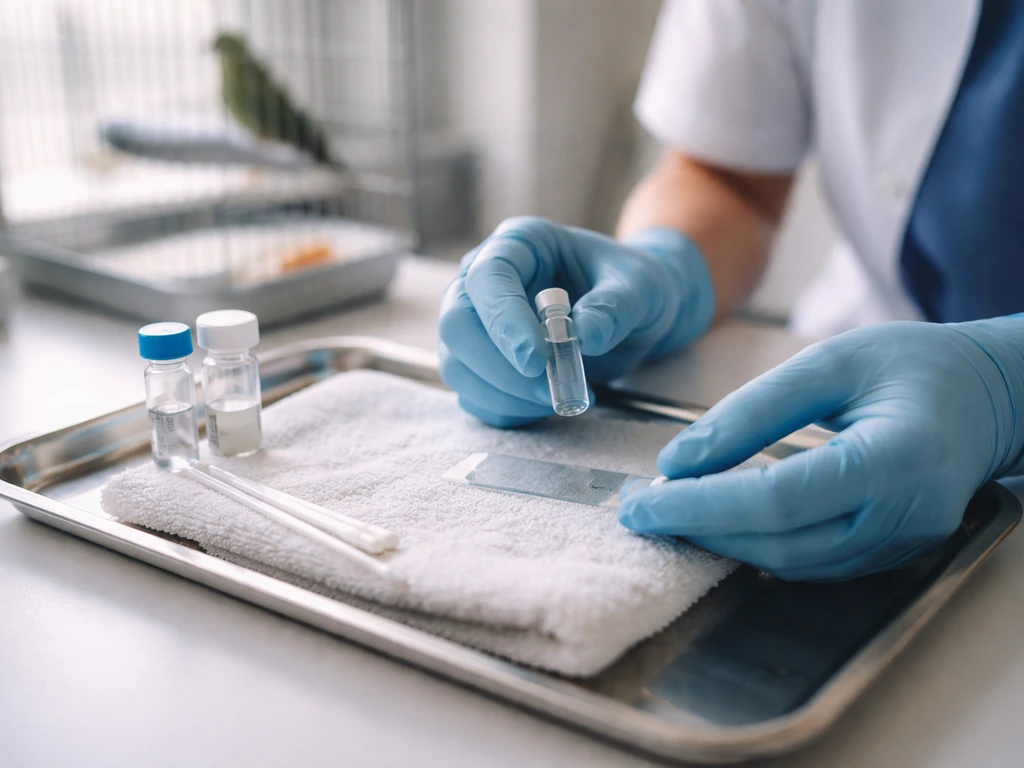
An avian vet doesn't guess any more than you should. They work through a specific diagnostic process to find out what's actually going on with Harley.
- Physical exam and palpation: The vet will feel for masses, assess the abdomen, check body weight and muscle condition, and look at the beak, eyes, nares, and vent. A lot of useful information comes from this step alone.
- Bloodwork (CBC and chemistry panel): This checks organ function (liver, kidneys), rules out infection, and flags anemia or abnormal cell counts. It won't confirm cancer on its own but narrows the field significantly.
- Imaging (X-ray and ultrasound): Radiographs show internal masses, bone changes, and organ enlargement. Ultrasound adds soft-tissue detail and can guide needle sampling of a mass. Together these are often the most informative non-invasive tools.
- Cytology and fine-needle aspirate: The vet inserts a small needle into a mass and looks at the cells under a microscope. This can differentiate an abscess from a tumor, and sometimes identify the tumor type, without surgery.
- Biopsy and histopathology: If cytology is inconclusive, a tissue sample sent to a pathology lab gives a definitive answer on cell type and whether the mass is malignant.
- Endoscopy: A small camera can be passed into the coelomic cavity or respiratory tract to directly visualize internal structures and take targeted biopsies when imaging suggests something is there but sampling is difficult.
The vet may not need all of these. They'll start with the least invasive options and escalate based on what they find. For a bird like Harley who is already stressed, the vet will also consider whether the bird is stable enough for more involved procedures.
Treatment Options and What's Realistic
If Harley is diagnosed with cancer, the next conversation is about what can realistically be done. Outcomes vary a lot depending on tumor type, location, and whether it has spread.
Surgical Removal
For accessible, localized masses (skin tumors, lipomas, isolated internal masses), surgery to remove the growth is often the best option and can be curative when the tumor hasn't spread. An avian-experienced surgeon and proper anesthesia monitoring are essential, since birds have less physiologic reserve than mammals during anesthesia.
Chemotherapy and Systemic Treatment
Chemotherapy is used in birds for certain tumor types, including lymphoma, though the evidence base is smaller than in dogs or cats. It's usually administered by a specialist and requires careful monitoring. Not every bird is a candidate, and the goal is often disease management rather than cure.
Palliative and Supportive Care
When a tumor isn't operable or the bird isn't strong enough for aggressive treatment, palliative care focuses on comfort and quality of life. This can include pain management, nutritional support, anti-nausea medication, and modifications to the bird's environment to reduce stress and energy expenditure. This is a valid and compassionate path, not a failure.
Prognosis: Being Realistic
Prognosis in avian cancer depends heavily on what type of cancer it is, where it is, and how early it's caught. A small skin tumor caught early may have an excellent outcome after removal. An internal tumor in a vital organ that has already caused significant organ compromise carries a much more guarded prognosis. Your vet is the right person to give you honest numbers once the diagnosis is confirmed. Ask your avian vet how much health is likely left and what that means for Harley's outlook after diagnosis how much health does crazed bird have.
Red Flags: When to Go Right Now vs. Soon
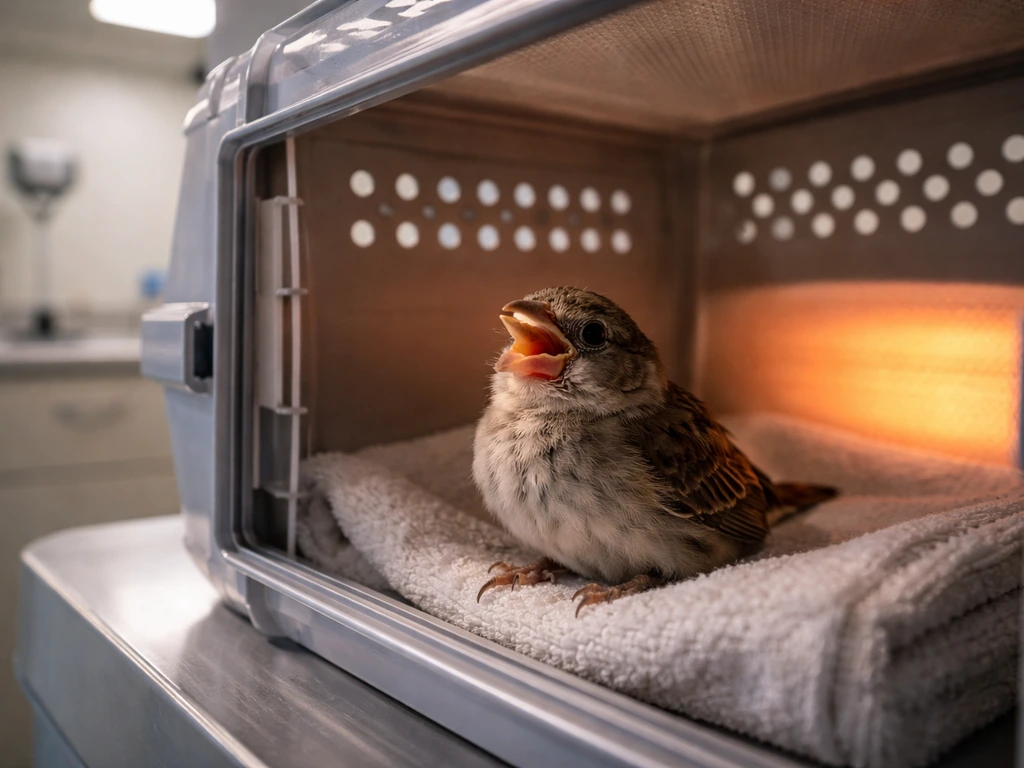
Some of what you might see in Harley requires same-day emergency care. Other signs are serious but allow you a day or two to get an appointment. Knowing the difference matters.
Go to an Emergency Avian Vet Today
- Open-mouth breathing or visible respiratory distress
- Tail bobbing with every breath
- Seizures or loss of consciousness
- Active bleeding from any body opening
- Complete collapse or inability to stand
- Bird is unresponsive or extremely cold to the touch
- Straining repeatedly without producing a dropping or egg (may be egg binding)
Schedule an Urgent Appointment Within 24 to 48 Hours
- Sitting on the cage floor but still responsive
- Not eating for more than 24 hours
- Visible lump or mass that wasn't there before
- Leg weakness or lameness without an obvious injury
- Significant weight loss over a short period
- Persistent lethargy lasting more than a day
Birds deteriorate quickly once they stop compensating for illness. If you're not sure which category Harley falls into, treat it as urgent. A phone call to an avian vet or emergency line to describe symptoms can help you decide.
What You Can Do at Home Right Now
While you're arranging veterinary care, there are practical steps you can take today that are safe and genuinely helpful for Harley. If your bird from the Alaskan bush is showing illness, it can be caused by many different problems, so an avian vet exam is important rather than guessing bird from alaskan bush sick.
Supportive Care at Home
- Keep Harley warm: a sick bird loses heat fast. Aim for an ambient temperature around 85 to 90 degrees Fahrenheit (29 to 32 degrees Celsius) using a heating pad on one side of the cage or a ceramic heat emitter, and always give Harley a cool side to move to.
- Reduce stress: cover three sides of the cage, minimize handling, keep noise and activity low, and don't let other pets or children approach the cage.
- Offer easy-to-eat foods: soft foods like warm cooked grains or a little fruit may encourage eating if Harley has gone off regular seed or pellets.
- Ensure water is accessible: move the water dish close to where Harley is resting if they're too weak to move far.
- Do not give human medications or supplements unless specifically directed by a vet. Many are toxic to birds.
- Isolate Harley from other birds if you have more than one, to reduce competition stress and prevent spread if there's any infectious component.
Document Everything Before the Vet Visit
The more information you bring to the appointment, the more productive it will be. Write down when you first noticed something was off, what the specific changes are, whether Harley has lost weight (weigh them at home on a kitchen scale in grams if you can), what Harley normally eats versus what they've eaten recently, and any possible exposures like new toys, cleaning products, foods, or changes in environment. If you can take a short video of any abnormal behavior, breathing pattern, or the lump itself, do that too. Vets find footage genuinely useful.
Questions to Ask Your Avian Vet
- Based on what you see today, what is your top differential diagnosis, and where does cancer rank on that list?
- What is the minimum set of tests you need to start ruling things in or out?
- If we find a mass, what are our options for sampling it?
- Is Harley stable enough for imaging and bloodwork today, or do we need to stabilize first?
- What should I watch for at home between now and any follow-up?
- If this turns out to be cancer, what would treatment look like for a bird like Harley, and what are realistic outcomes?
- Are there any supportive care steps I should or should not be doing at home right now?
- What is the most urgent thing to address first?
Questions like these keep the conversation practical and make sure you leave with a clear plan rather than just a diagnosis. You're the one who knows Harley's baseline, and partnering with an avian vet who takes that seriously is the best position you can be in right now. Whatever is causing Harley's symptoms, an early, thorough evaluation gives you the most options.
FAQ
If Harley has a lump, does that automatically mean cancer?
No. In birds, many visible lumps are more commonly abscesses, cysts, feather cysts, or inflammatory masses. A key distinction is that cancer tends to be progressively enlarging without clear triggers, while infections may come with warmth, sudden swelling, discharge, or rapid worsening. An exam, and sometimes imaging or a needle aspiration, is how a vet separates these.
How quickly should I act if I’m worried about cancer in Harley?
If there is rapid progression, trouble breathing, inability to perch, repeated seizures, sudden blindness, or inability to eat, treat it as urgent or emergency. For slower changes like mild lethargy or early weight loss, you still should book an avian vet visit promptly, because birds can decline quickly once they stop compensating.
What home observations help most, beyond general “symptoms”?
Focus on trends and localization. Record exact dates of onset, whether the bird is still eating and pooping normally, sleep and activity changes, and which body area seems affected (breastbone area, abdomen, wing, face, feet). If possible, track body weight daily for 3 to 7 days using the same scale and same time, since percent loss over days is very actionable to vets.
Can diet or supplements cause symptoms that look like cancer?
Yes. Imbalanced nutrition and deficiencies, including poor calcium or vitamin intake, can cause weakness, poor growth of feathers, and abnormal behavior that can be mistaken for serious disease. Also, sudden diet changes, high-fat treats, or supplement overdosing can stress the body. Bring your full diet and supplement list to the appointment so the vet can rule out nutritional and toxic causes.
If Harley is a female bird with belly swelling, could it be cancer or something else?
Abdominal distension in females is often due to reproductive issues such as egg binding or reproductive tract disease, but cancer is still on the differential if swelling persists or progresses despite supportive measures. The practical step is to get an avian exam and imaging to determine whether the swelling is consistent with an egg or organ mass.
What tests will an avian vet commonly use to check for cancer?
Expect a stepwise approach. It often starts with a thorough physical exam and sometimes bloodwork or imaging. Depending on location, the vet may recommend X-rays or ultrasound to look for organ involvement, and if a mass is accessible, aspiration or biopsy for cell identification. The specific plan depends on how stable Harley is and how the findings look.
Is it safe for me to try “natural” treatments or antibiotics at home while waiting for the vet?
Usually it is safer not to self-treat. Many conditions that mimic cancer, especially infections, need correct diagnosis and targeted therapy. Random antibiotics, herbal products, or pain meds can mask symptoms, complicate test results, and stress the liver or kidneys. Until you have an avian vet plan, focus on minimizing stress, keeping warmth, and collecting accurate observations.
What should I do if Harley seems “stable” but I suspect cancer?
Stability can be misleading in birds. They often look “okay” until illness is advanced. If you are seeing weight loss, progressive changes, a persistent mass, or repeated episodes of abnormal behavior, schedule the earliest available avian appointment even if Harley is still perching.
If the vet suspects cancer, what questions should I ask right away about prognosis and next steps?
Ask for (1) the most likely tumor type or primary organ system, (2) whether there is evidence of spread, (3) what diagnostic steps are needed to confirm it, and (4) what the realistic goals are (cure, control, or comfort). Also ask about anesthesia and monitoring if surgery is being considered, and ask for a clear plan if Harley cannot tolerate aggressive treatment.
When should cancer be considered “not treatable” and palliative care become the focus?
Palliative care is appropriate when the bird cannot safely undergo anesthesia or procedures, when the tumor is widespread or in a vital area with poor function, or when treatment would likely cause more decline than it prevents. A good avian vet can help you create a comfort plan that includes pain control, supportive feeding strategies, and environmental changes to reduce stress.
Next Article
Is Bird From Alaskan Bush Sick? Triage Checklist and Next Steps
Triage guide for an Alaskan wild bird: red flags, what they may mean, and emergency next steps today.