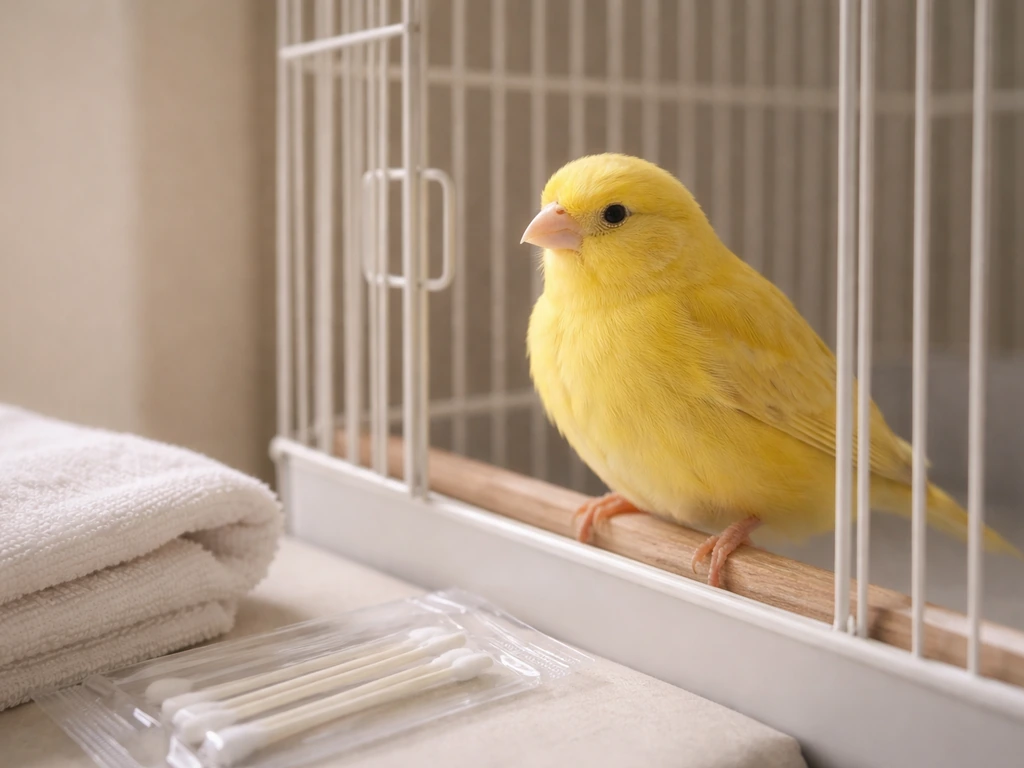
If your canary is sitting on the cage floor, fluffed up, breathing with its beak open, or has stopped singing, those are genuine red flags that need attention today, not tomorrow. For cockatiels, common sick symptoms include changes in breathing, posture, appetite, and droppings cockatiel bird sick symptoms. Canaries hide illness well, so by the time you notice something is off, the problem may already be fairly advanced. The good news is that most canary health problems fall into a handful of clear categories, and once you know what to look for, you can triage quickly and decide whether you need an avian vet in the next few hours or can monitor safely for a day.
Canary Bird Health Problems: Same-Day Triage Guide

Marcus Webb
18 Jun 2026
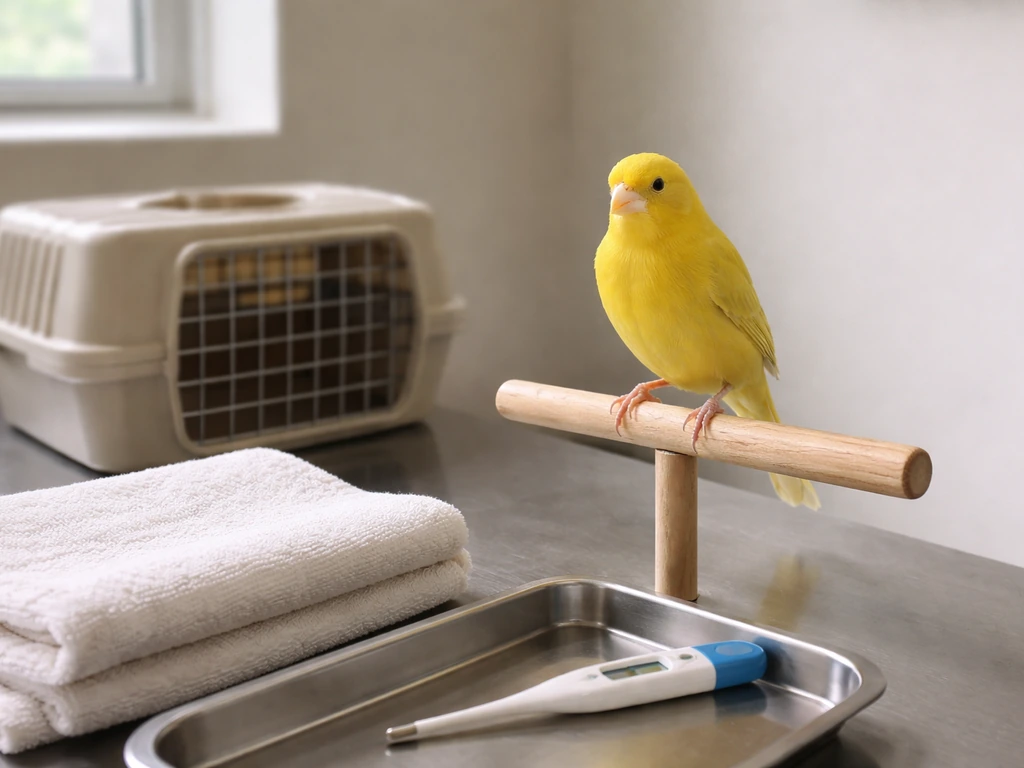
Common canary health warning signs
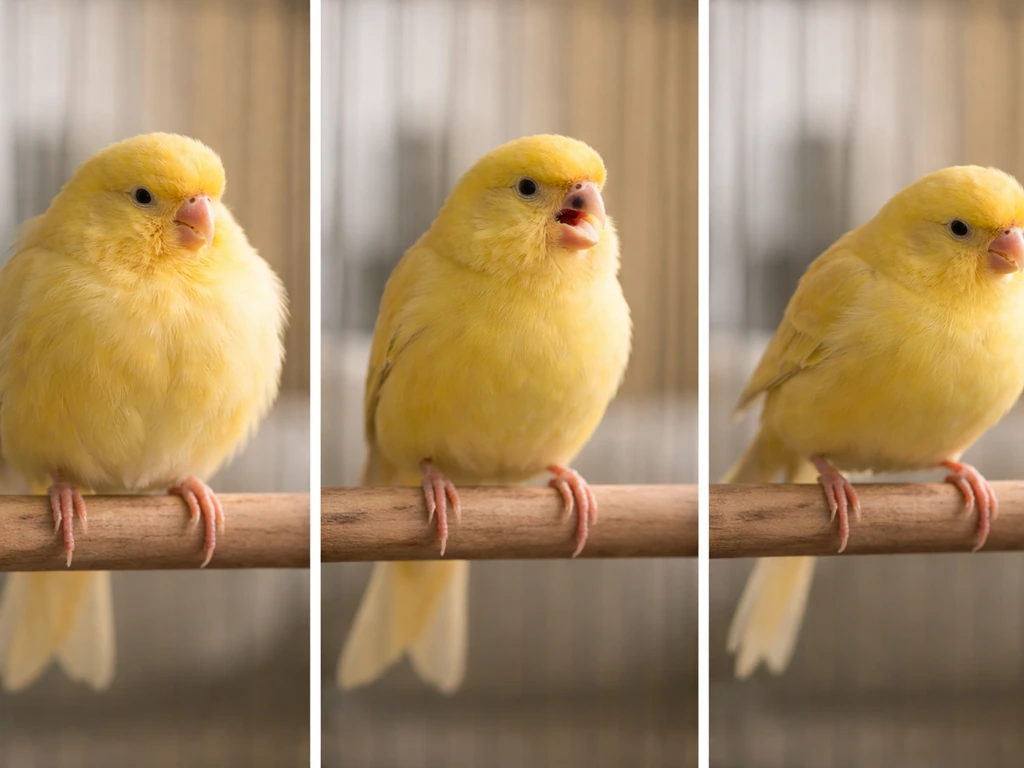
The earliest signs of illness in canaries are often subtle, which is why it helps to know what normal looks like for your individual bird. A healthy canary is active, alert, sings regularly, eats with enthusiasm, and has smooth, well-kept feathers. When something is wrong, the first changes are usually behavioral: the bird gets quieter, perches lower, stops preening, or sleeps more than usual during daylight hours.
These are the warning signs that should put you on alert, ranging from early to serious:
- Fluffed or ruffled feathers, especially when the bird is not sleeping
- Sitting on the cage floor or on a low perch instead of the usual high spots
- Reduced or absent singing (a major red flag in canaries specifically)
- Decreased appetite or not touching food and water
- Discharge from the nostrils, eyes, or mouth, including drooling
- Excessive droppings caked in the feathers around the vent
- Tail bobbing with each breath
- Open-mouth breathing at rest
- Noticeable weight loss, where you can feel the keel bone sharply when you cup the bird gently
- Changes in droppings color, consistency, or volume
One important reminder: do not confuse a bird napping during the day with lethargy. Canaries do rest during daylight, but a truly lethargic bird is unresponsive to movement around the cage, stays puffed up even when disturbed, and may have its eyes partially closed at times when it would normally be active.
Respiratory problems in canaries
Respiratory issues are one of the most urgent categories of canary health problems. Because respiratory symptoms are so common, addressing bird health problems early can help prevent worsening breathing or other complications canary health problems. Canaries breathe with their whole bodies: if you watch a healthy canary breathe, the movement is barely visible. When something is wrong with the airways or air sacs, you will see obvious effort, including the tail bobbing up and down rhythmically with each breath, visible sternal (chest) movement, and in serious cases, the beak opening to breathe even while the bird is at rest.
Open-mouth breathing at rest is a serious sign. A petsitters.org PDF on signs of bird illness flags open-mouth breathing and tail bobbing while breathing as reasons to contact a veterinarian. It means the bird cannot get enough air through its normal nasal passages. Alongside this, watch for wheezing, clicking, or high-pitched sounds when the bird breathes. These sounds point toward obstruction or inflammation in the airways.
Other respiratory clues include blank" rel="noopener noreferrer">head shaking, rubbing the beak on perches or cage bars, yawning repeatedly, sneezing, and nasal discharge. A change in the quality of the song, like a cracked, hoarse, or absent voice, can actually be an early respiratory sign before breathing distress becomes visible. Aspergillosis, a fungal infection, is known to change vocalization before more obvious breathing difficulty sets in.
Air sac mites: a canary-specific respiratory threat
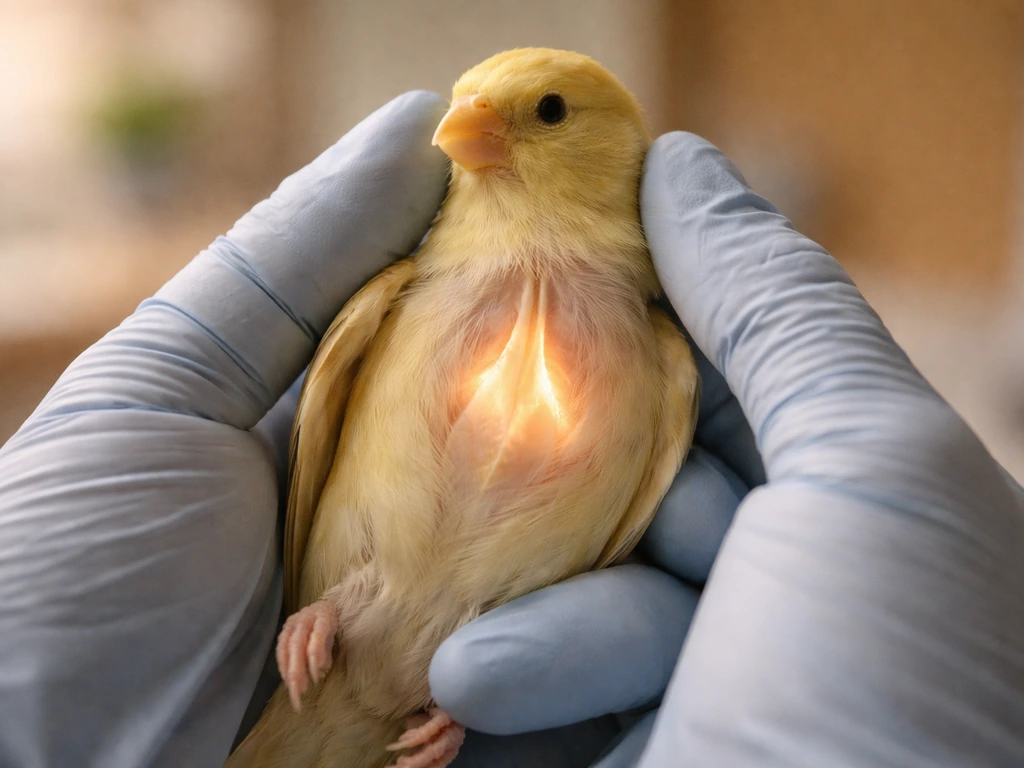
Canaries are particularly vulnerable to air sac mites (Sternostoma tracheacolum), which live inside the trachea and air sacs rather than on the skin. A heavily infested bird will produce clicking or wheezing sounds, show tail bobbing and open-mouth breathing, have reduced activity, and may seem worse at night or after any kind of stress. Voice changes are common and often the first thing owners notice. If your canary's song has gone raspy or disappeared and there is any breathing difficulty, air sac mites should be high on your list of possibilities, and this needs a vet to confirm and treat.
Environmental causes of breathing trouble
Not every respiratory symptom is caused by infection or parasites. Ammonia from a dirty cage can irritate the respiratory mucosa from the nose all the way down to the lungs. You can also improve respiratory safety by checking canary bird air quality, especially in rooms where fumes are present. Drafts, cigarette smoke, scented candles, non-stick cookware fumes (PTFE/Teflon toxicity), and aerosol sprays are all serious hazards to canaries. Birds exposed to toxic fumes can show wheezing, gasping, weakness, and in severe cases can be found collapsed. If you suspect a fume exposure, move the bird to fresh air immediately, this is an emergency.
Digestive and weight/behavior issues
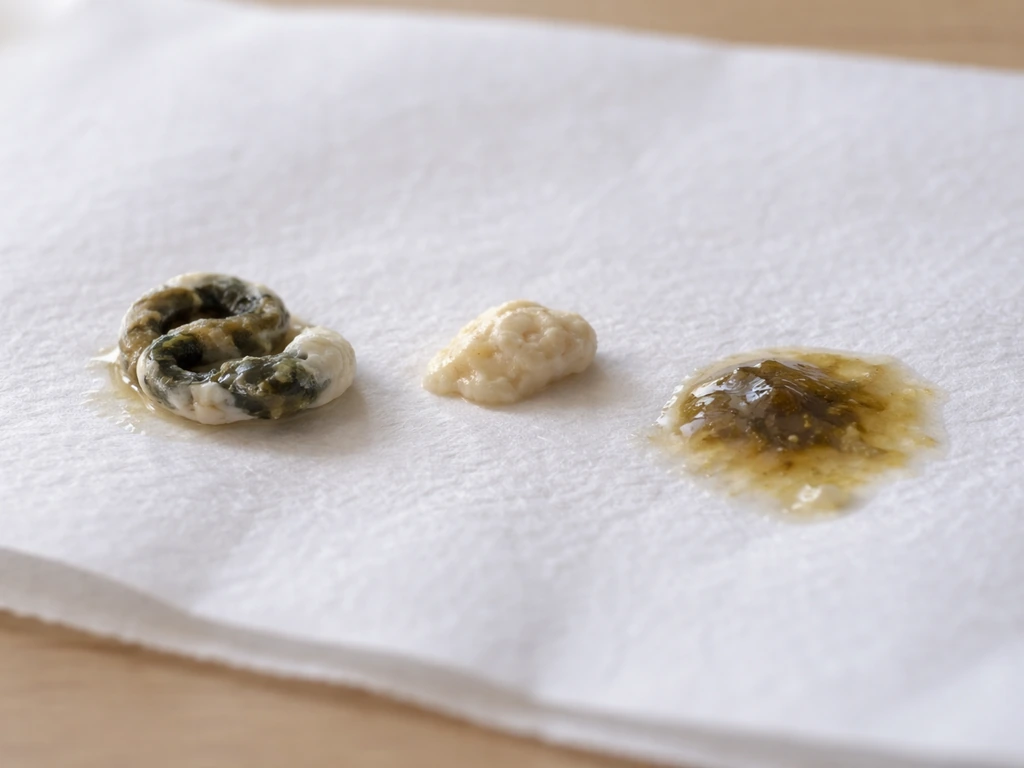
Canary droppings tell you a lot about what is going on internally. A normal dropping has three visible parts: a dark green or brown formed fecal portion, a white or beige urate component, and a small amount of clear liquid urine. If those three parts have blended together into a watery mess, that is diarrhea, not just a soft dropping. Unformed feces blended with the urates and urine indicate a digestive problem that needs attention.
Here is what different dropping changes can suggest:
| What you see | Possible meaning | Urgency |
|---|---|---|
| Watery or unformed droppings | Diarrhea, infection, dietary change | Monitor 24 hrs; see vet if it persists or other symptoms appear |
| Bright red or tarry black droppings | Bleeding in the digestive tract | Urgent, contact vet today |
| Bright yellow or lime-green urates | Liver disease or severe infection | Urgent, contact vet today |
| Pale or absent urates | Kidney or hydration issues | See vet soon |
| Excessive volume of urine (wet cage paper) | Kidney disease, diabetes, or stress | Monitor and note; mention to vet |
| No droppings at all | Blockage or not eating | Urgent |
A single abnormal dropping after a dietary change, like eating more fruit than usual, is usually not alarming. But if the droppings stay abnormal throughout the day, or if they are paired with lethargy, appetite loss, or fluffed posture, that cluster of signs warrants veterinary attention. Do not wait more than 24 hours if multiple symptoms are present at once.
Weight loss in canaries can be hard to notice visually because feathers hide the body shape. The most reliable way to check is to gently cup the bird and run your finger along the keel bone (the ridge down the center of the chest). In a healthy bird, the keel should be flanked by rounded muscle. If the keel feels sharp and prominent, the bird has lost significant body condition and needs a vet evaluation promptly.
Skin, feathers, and external parasites
Feather and skin problems are common in canaries and range from minor stress-related issues to parasitic infestations that need treatment. The key is figuring out whether the problem is coming from inside the bird (a systemic illness, nutritional deficiency, or behavioral issue) or from something external like mites or lice.
Feather loss and plucking
Patchy feather loss or ragged, barbered-looking feathers can have several causes. A canary in a cage with other birds may be having its feathers pulled by a cagemate (barbering), which you may catch by watching for pecking behavior. Self-plucking, where the bird pulls its own feathers, can be triggered by stress, boredom, skin irritation, or an underlying health issue including pain. Feather plucking that goes untreated can lead to skin infections and will often be accompanied by decreased appetite and lethargy as the condition worsens.
Mites and Knemidocoptes (scaly mites)
Scaly face and scaly leg mites (Knemidokoptes species) are burrowing mites that cause pale, crusty, honeycomb-like lesions around the beak, face, legs, and feet. In severe cases, the beak can become deformed. If you look closely at a canary's legs and see a rough, scaly buildup that looks different from normal scale texture, mites are a strong possibility. A magnifying glass can help you inspect the skin. Diagnosis is confirmed by a vet using a skin scraping, and treatment typically involves repeated applications about two weeks apart.
Red mites (Dermanyssus gallinae) are another common issue, especially in outdoor or aviary birds. These mites feed on the bird at night and hide in cage crevices during the day. You may not see them on the bird itself, but the canary will be restless at night, scratch more than usual, and look pale or anemic over time. Check cage joints and perch ends with a flashlight at night.
Eye and neurologic symptoms
Eye discharge, swollen eyelids, or a cloudy appearance to one or both eyes should be checked by a vet. These can indicate infection, a nutritional deficiency (particularly vitamin A), or a systemic illness. Discharge from the eyes alongside nasal discharge points toward a respiratory infection that has spread to involve the sinuses and eyes.
Neurologic signs in canaries are less common but very concerning when they appear. These include a head tilt to one side, circling or falling off the perch, tremors (rhythmic shaking that is not related to cold or fear), seizure-like episodes, and loss of coordination. These signs can result from infections reaching the brain, vitamin deficiencies (particularly vitamin E or B vitamins), toxin exposure, or trauma. A canary showing any neurologic signs needs same-day veterinary care.
Infectious vs. non-infectious causes
Understanding whether a problem has an infectious or non-infectious root helps you respond correctly. Both can look similar on the surface, but they have different urgencies and different fixes.
| Category | Common causes | Clues that point here | What to do |
|---|---|---|---|
| Infectious (bacterial) | Mycobacterium, Chlamydia, Pasteurella | Gradual wasting, respiratory signs, multiple birds affected | Vet diagnosis and appropriate antibiotics required |
| Infectious (viral) | Circovirus, herpesvirus | Immunosuppression, feather abnormalities, general decline | Supportive care, vet management |
| Infectious (fungal) | Aspergillus species | Respiratory signs, voice change, wasting, poor ventilation history | Antifungal treatment under vet supervision |
| Infectious (parasitic) | Air sac mites, Knemidocoptes, red mites | Specific lesion patterns, respiratory sounds, skin/feather changes | Vet-confirmed diagnosis and targeted treatment |
| Environmental/non-infectious | Ammonia, drafts, fumes, humidity extremes | Sudden onset, multiple birds affected, no fever, resolves with environment fix | Remove the source, improve ventilation, monitor closely |
| Nutritional | Vitamin A, E, or B deficiency, seed-only diet | Gradual onset, skin/feather/eye changes, poor diet history | Dietary correction with guidance, address deficiencies |
| Stress/behavioral | New cage, new bird, handling changes | Recent environment change, feather plucking, no other symptoms | Reduce stressors, enrich environment, monitor |
A key question to ask yourself: did multiple birds get sick at the same time? That pattern points strongly toward an infectious or environmental cause. A single bird declining gradually, especially one on a seed-only diet, may be dealing with a nutritional problem. Sudden respiratory distress in a bird that was fine an hour ago often means fume exposure or a severe mite infestation. These distinctions help guide whether you need an urgent vet visit or can investigate at home first.
How to do a same-day health check and what to track
You do not need to handle your bird excessively to get useful information. In fact, a stressed bird breathes harder and may show symptoms more acutely, so the first part of your health check should be done by watching the bird quietly in its cage for five to ten minutes.
Observe from a distance first
- Watch the breathing rate and pattern. Is the tail bobbing? Is the beak open? Count breaths per minute if you can (normal is roughly 60-100 per minute for small birds at rest).
- Check posture. Is the bird perching upright on a high perch, or sitting low and fluffed?
- Note activity level. Is it moving around and responding to you, or staying still even when you approach?
- Listen. Is there any clicking, wheezing, or absence of the usual song?
- Look at the cage floor. How many droppings are there, and what do they look like? Is the bird near the water dish, suggesting excessive drinking?
Then do a brief hands-on check
If the bird is not in obvious respiratory distress, you can gently cup it in your hand for a quick physical assessment. Keep this brief, under two minutes, because handling adds stress. Check the keel bone for muscle condition. Look at the feathers around the vent for any soiling or caked droppings. Inspect the beak and face for any crusty or scaly buildup. Look at the nostrils for blockage or discharge. Check the legs and feet for swelling, lesions, or scale changes. Use a magnifying glass if you have one.
What to write down and track
Keep a simple log for the next several hours and bring it with you to the vet. Track these things:
- Breathing: normal, labored, tail bobbing, open-mouth, sounds present (yes/no)
- Droppings: color of feces, color of urates, consistency, volume, any blood
- Activity: perch position, movement, response to stimulation
- Appetite: is the bird eating and drinking? How much compared to normal?
- Feathers: fluffed, ruffled, missing patches, soiled around vent
- Visible discharge: from nostrils, eyes, or mouth
- Any sounds: singing present or absent, quality of voice, wheezing or clicking
- Recent changes: new food, new bird introduced, cleaning products used, anything cooked nearby, change in room temperature or draft
Photographs are genuinely useful here. Take a short video of the breathing pattern if you see tail bobbing or open-mouth breathing, and photos of the droppings, the cage setup, and any visible skin or feather lesions. These give the vet information that a description alone often cannot.
When to contact an avian vet and what to ask
Some situations require same-day or emergency veterinary care. Do not wait overnight if you see any of the following:
- Open-mouth breathing at rest
- Tail bobbing with every breath
- Sitting on the cage floor and not responding normally to stimulation
- Bright red, tarry black, or bright yellow/green droppings
- No droppings at all
- Suspected fume or toxin exposure
- Neurologic signs: head tilt, seizure, tremors, circling
- Visible bleeding
- Complete refusal to eat or drink for more than 12 to 24 hours alongside any other symptom
If the symptoms are milder, such as softer-than-normal droppings, slightly reduced singing, or mild fluffing without any respiratory involvement, monitoring for up to 24 hours while you arrange a vet appointment is reasonable. canary bird sick symptoms respiratory involvement. But any worsening during that window should move you to urgent contact.
What to bring and what to ask
When you call or visit an avian vet, bring or have ready: your observation log, photos and video of symptoms, a sample of the droppings in a clean container or bag (fresh is best), the bird's food, any supplements or medications including packaging, and photos of the cage setup and environment. This gives the vet context that genuinely speeds up diagnosis.
Useful questions to ask at the appointment:
- What tests do you recommend to narrow down the cause, and what will those results tell us?
- Is this likely infectious, and could my other birds (if any) be at risk?
- What should I watch for at home that would mean I need to come back sooner?
- Are there any changes to the environment or diet I should make right now while we wait for results?
- What is the treatment plan, and how will I know if it is working?
Finding an avian-specialist vet (or at minimum a vet with bird experience) makes a real difference. General practice vets may not be familiar with canary-specific conditions like air sac mites or the subtleties of avian droppings assessment. If you are not sure where to look, the Association of Avian Veterinarians maintains a directory you can search by location.
The bottom line: canaries are small, and their health can decline quickly once symptoms become visible. Trust your instincts if something seems off. You know your bird's normal behavior better than anyone, and acting early when you notice changes is almost always the right call. Cockatiels can show similar warning signs like changes in breathing, posture, appetite, and feather condition, so it helps to review cockatiel bird health problems as well.
FAQ
If my canary is fluffed up but breathing seems normal, is that still a canary bird health problem?
Yes, fluffed posture can signal stress, pain, or illness even without obvious respiratory effort. The quick decision aid is responsiveness: if the bird is not moving toward warmth, refuses food, or stays puffed when you gently observe from outside the cage, treat it as same-day concern rather than waiting overnight.
How can I tell normal daytime sleeping from true lethargy?
Napping usually comes with normal posture changes and returns you to typical singing or alert perching after a rest. True lethargy is characterized by reduced response to movement near the cage, persistent puffing, and partial eye closure during a time you normally see activity.
What should I do if I suspect my bird inhaled fumes but I am not sure?
Act as if it is an emergency until proven otherwise: move the canary to fresh, clean air away from kitchens, sprays, and smoke, then ventilate the room before bringing the bird back. If you see open-mouth breathing, gasping, or weakness, do not wait for symptoms to “settle,” contact an avian vet the same day.
Can ammonia exposure from a dirty cage cause canary health problems even if there is no obvious diarrhea?
Yes. Ammonia can irritate the respiratory lining and cause sneezing, nasal discharge, and subtle breathing changes before droppings look abnormal. If you recently changed cleaning routine, odor increased, or the room smells “strong,” prioritize respiratory monitoring and air-quality control while arranging care.
Are soft droppings always diarrhea in canaries?
Not necessarily. “Diarrhea” in canaries is watery, where fecal and urine components look blended into a runny mess. Softness with separated parts can occur with diet or mild stress, but if it repeats through the day or comes with fluffed posture, reduced singing, or appetite loss, treat it as a health problem needing evaluation.
My canary ate fruit and had a change in droppings once, should I still worry?
A single abnormal dropping after diet changes is often not alarming, but reassess if you see a cluster. The practical rule is duration and pairing: if abnormalities continue into the rest of the day, or you also notice reduced activity or altered breathing, do not assume it was just fruit.
How do I check for weight loss safely without stressing my bird?
Use the shortest possible handling, under a minute, and do not squeeze. Gently feel along the keel, you should find it rounded with muscle on both sides. If the ridge feels sharp and prominent, plan prompt veterinary assessment rather than repeating checks repeatedly that can increase stress.
What if I see scaly legs, but the bird is otherwise acting normal?
Scaly face and leg mites are possible even when the bird seems okay, and early cases can still worsen without treatment. A decision aid is visual change from baseline: if the texture looks rough, crusty, or honeycomb-like, arrange a vet exam and avoid trying to “scrape” the skin yourself.
I found no mites on the bird, could it still be air sac mites or another internal cause?
Yes, air sac mites are inside the trachea and air sacs, so you may not see anything on the skin. Look for the combination of voice change plus respiratory effort like tail bobbing or open-mouth breathing at rest, and treat it as a same-day veterinary issue if present.
When can I monitor at home for 24 hours versus needing urgent care?
Monitor briefly only when symptoms are mild and not worsening, such as slightly reduced singing or isolated soft droppings without breathing changes. If there is open-mouth breathing at rest, rhythmic tail bobbing, collapse, neurologic signs, or a clear worsening trend, contact an avian vet same day rather than waiting.
Is it okay to use over-the-counter remedies for canary health problems?
Avoid it, especially anything inhaled or designed for mammals, because dosing and side effects can be unpredictable for small birds. If you think there is a respiratory infection, toxin exposure, or mite issue, focus on removing hazards, keeping the environment calm, and getting an avian-trained clinician involved.
What information helps an avian vet diagnose faster in the first visit?
Bring a photo set and at least one short video of breathing or voice changes, plus a sample of droppings in a clean container. Also bring the exact cage layout (perches, bedding, cleaning products used recently) and a list of food brands and supplements, since diet and environment details often distinguish infection from non-infectious causes.
If multiple birds in my household get sick, does that change what I should do first?
Yes. A same-time pattern points toward an environmental or infectious trigger, like shared exposure to aerosols, kitchen fumes, or contaminated air. Quarantine affected birds if possible, eliminate the shared suspected source immediately, and seek guidance promptly, because outbreaks in small birds can escalate quickly.
Should I isolate my canary from cage mates if I suspect a health problem?
If you notice a bird with respiratory distress, neurologic signs, or significant weakness, isolate it to reduce stress and to separate potential contaminants from the environment. Keep the patient in a warm, quiet, draft-free spot, but do not delay veterinary contact when breathing difficulty or open-mouth respiration is present.
Next Article
Canary Bird Sick Symptoms: Checklists and What to Do Next
Canary bird sick symptoms checklists for breathing, behavior, appetite and droppings, plus urgent vet signs and next ste