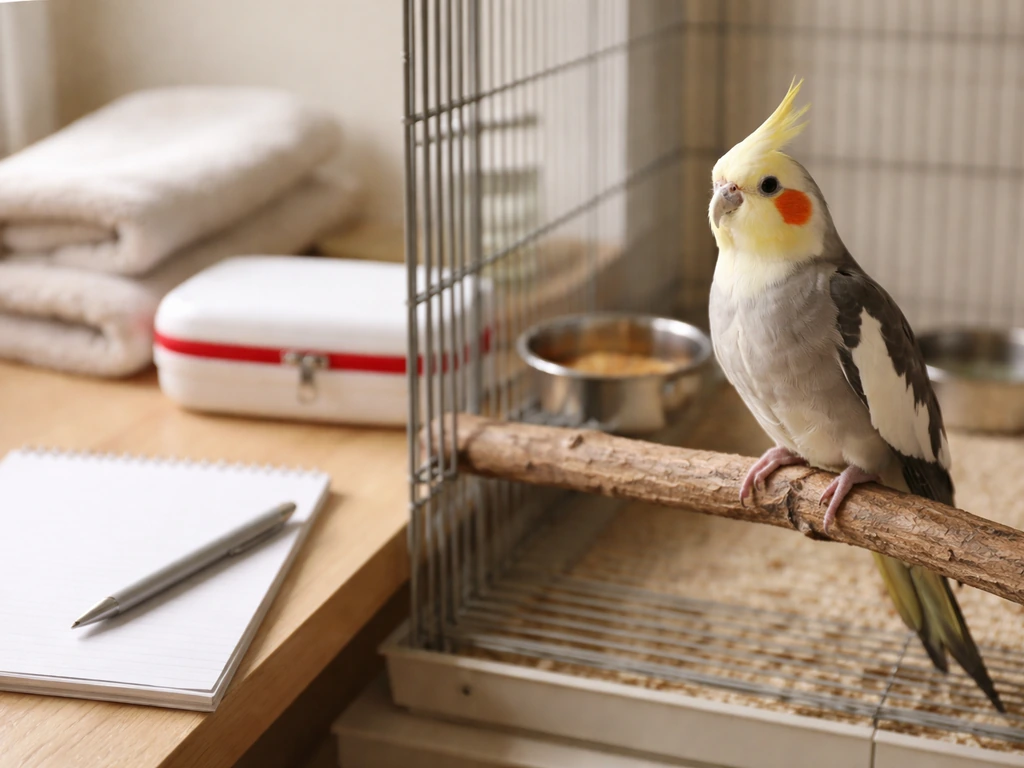
If your canary is sitting on the cage floor, breathing with its mouth open, or looks fluffed up and quiet, treat it as urgent. Canaries are small and fragile, and they hide illness instinctively, so by the time symptoms are obvious, the bird is often already in real distress. The most important thing you can do right now is watch carefully without handling the bird, keep it warm, reduce stress in its environment, and contact an avian vet as soon as possible. If you suspect cockatiel bird leg problems, your avian vet should examine your bird promptly to check for issues like injury, arthritis, or parasites.
Canary Bird Sick Symptoms: Checklists and What to Do Next

Marcus Webb
16 Jun 2026
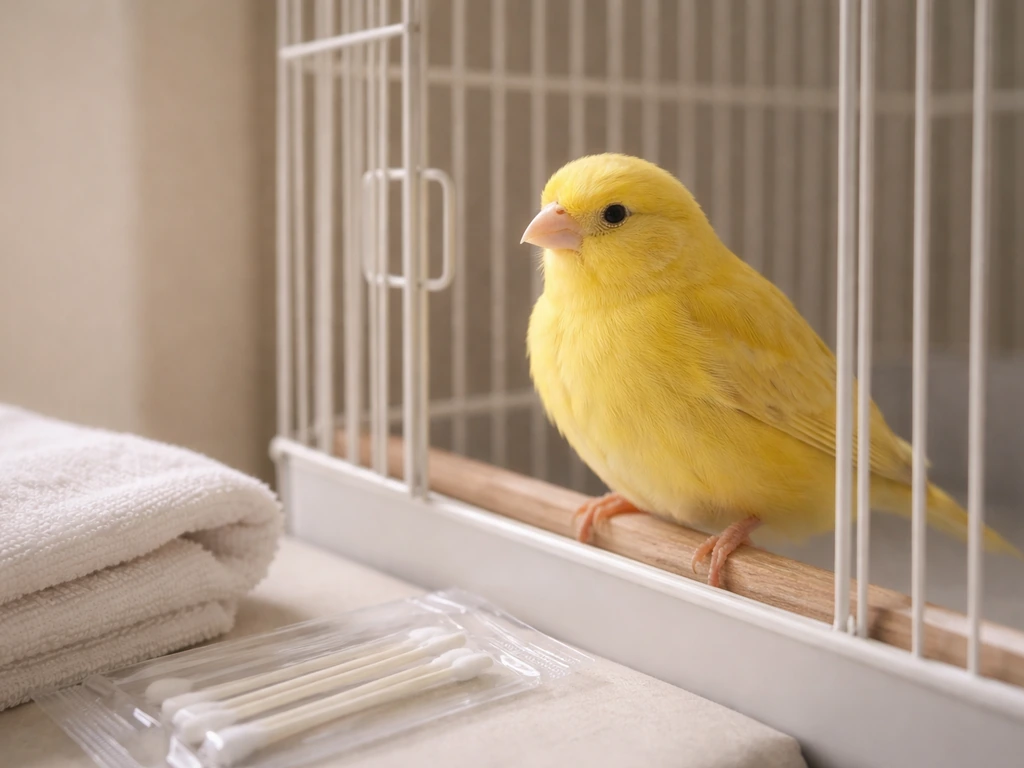
Quick triage: signs your canary needs a vet today
Some symptoms are genuinely emergencies. If your canary is showing any of the following, don't wait to see if it improves on its own.
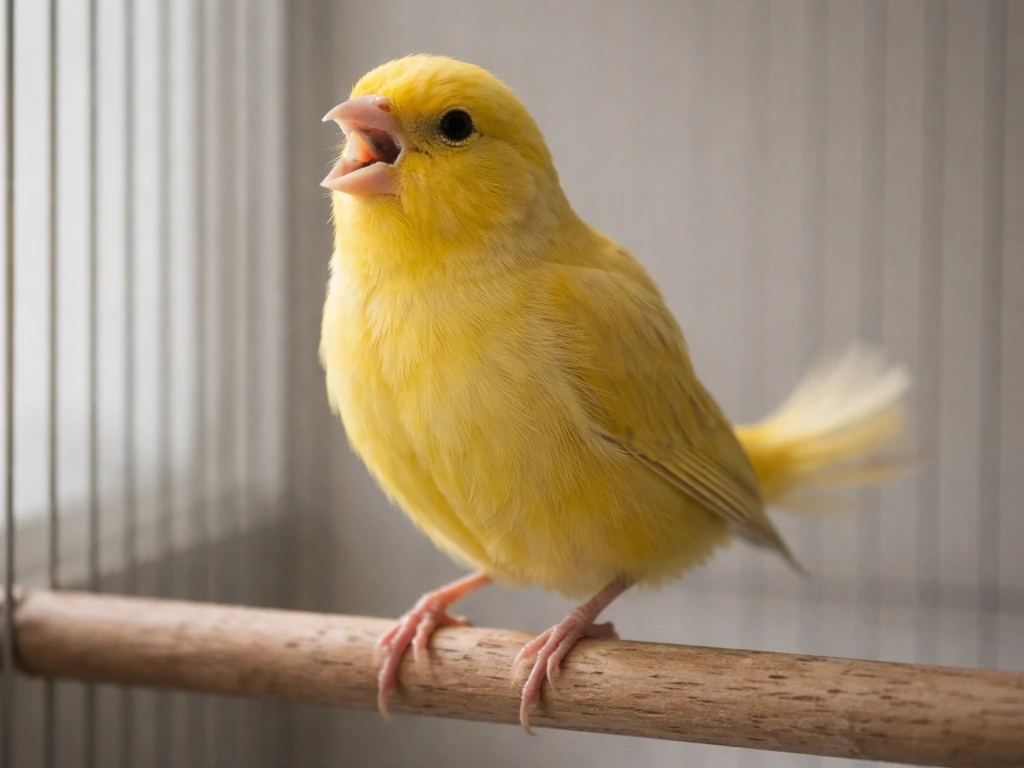
- Open-mouth breathing at rest
- Tail bobbing with every breath (the tail pumps visibly up and down)
- Wheezing, clicking, or whistling sounds when breathing
- Blue or very pale tissue around the beak or eyes
- Collapse, inability to perch, or laying on the cage floor
- Seizures or uncontrolled tremors
- Stretching the neck forward constantly to breathe
- Sudden inability to stand or coordinate movement
- Signs of toxin exposure (fumes, smoke, aerosol sprays nearby)
Any one of these alone is enough to call an avian vet immediately. Respiratory distress in particular can deteriorate fast in a bird as small as a canary. The combination of open-mouth breathing plus tail bobbing plus lethargy is a serious red flag.
Symptom checklist: what to look for without touching the bird
Work through this checklist by observing your canary quietly from a short distance. Don't pick it up yet. Many symptoms are clearest when the bird doesn't know it's being watched.
Breathing and respiratory signs
- Is the beak open at rest or between chirps?
- Is the tail bobbing rhythmically with each breath?
- Can you see or hear the chest (sternum) moving more than usual?
- Any clicking, wheezing, or rattling sounds?
- Is the bird stretching its neck forward or upward to breathe?
- Does breathing seem to worsen after any movement or mild activity?
Eyes and nose
- Are the eyes partially or fully closed when the bird should be alert?
- Any discharge, crustiness, or swelling around the eyes?
- Nostrils blocked, crusty, or showing any visible discharge?
- Does the area around the nares look wet or stained?
Posture and feathers
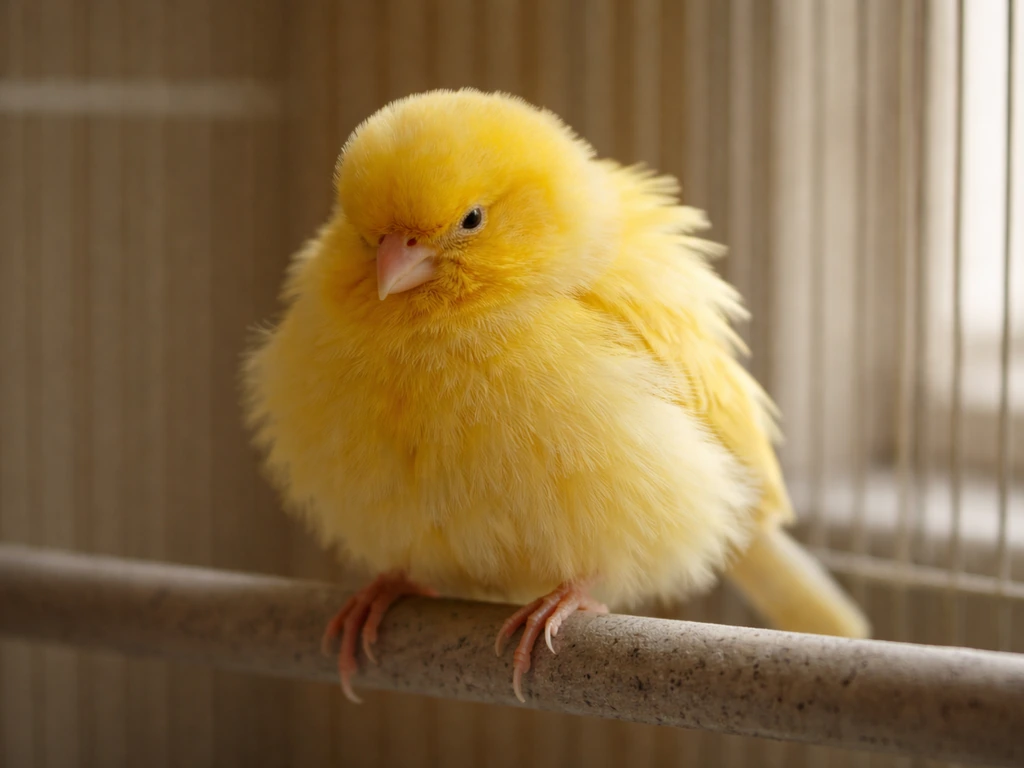
- Is the bird fluffed up (feathers puffed out, looking larger than normal)?
- Is it hunched or ruffled rather than sitting upright?
- Sitting on the cage floor instead of a perch?
- Feathers look dull, ragged, or broken when they normally look clean?
- Any missing patches of feathers or visible skin irritation?
A fluffed, ruffled canary that looks half-asleep during the day is one of the most consistent non-specific signs that something is wrong. On its own it doesn't tell you exactly what the illness is, but it tells you the bird is not well.
Behavior and appetite changes worth tracking
Canaries are vocal, active birds. When something is off, their behavior usually changes before the physical signs become severe. These shifts are easy to miss if you're not paying close attention.
Singing
A healthy male canary sings regularly throughout the day. If your bird has gone quiet or is producing only occasional, weak sounds when he normally sings freely, that's a meaningful change. Reduced or absent singing is often one of the earliest signs that a canary is unwell.
Activity level
Watch whether the bird is moving around its cage, hopping between perches, and responding to movement near it. A sick canary tends to stay in one spot, move slowly, or appear to doze off during the day more than usual. Be careful not to confuse normal midday rest with genuine lethargy. If the bird doesn't respond to mild activity near the cage, that's more concerning.
Appetite and weight
Check whether seed levels in the dish are going down normally. A bird that stops eating or dramatically reduces its intake is showing a significant warning sign. Because canaries are small, weight loss can happen quickly. If you have a small gram scale, weigh the bird regularly when it's healthy so you have a baseline. Noticeable weight loss or a noticeably prominent keel bone (the ridge running down the center of the chest) are signs that nutrition has been poor for some time.
What droppings can tell you
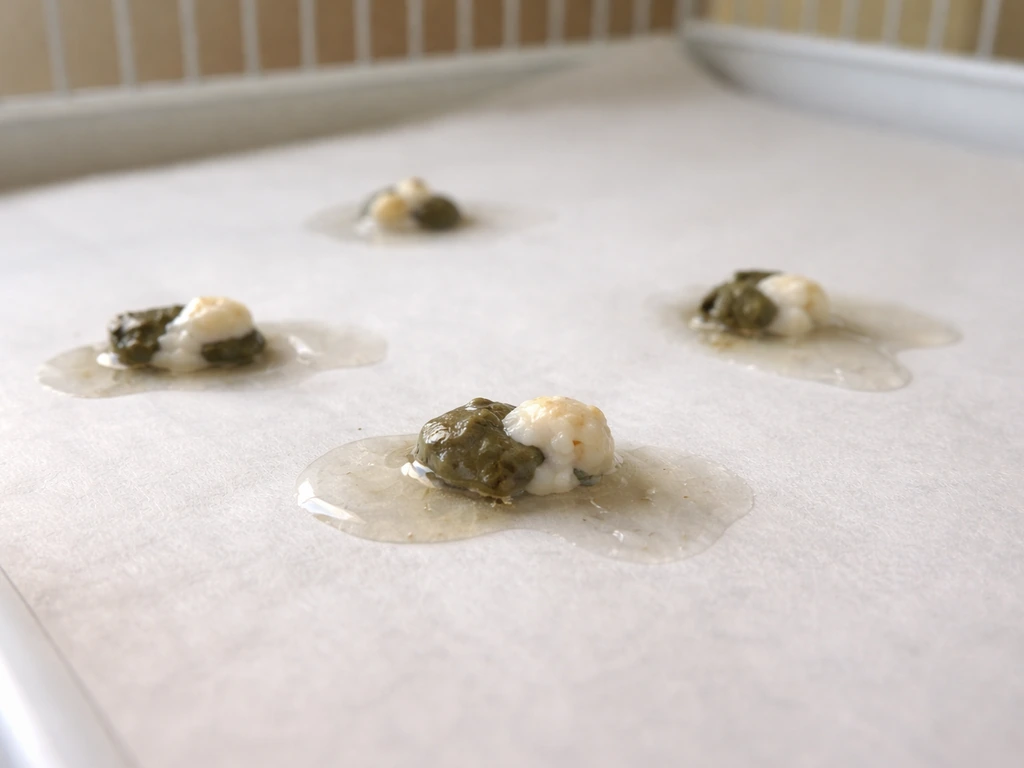
Canary droppings are one of the easiest health indicators to check daily. Normal droppings for a small caged bird like a canary have three distinct parts: a small, formed dark green or brown fecal blob, white or beige urates mixed in, and a small amount of clear liquid urine around it. If you know what normal looks like for your bird, abnormalities become obvious quickly.
| What you see | What it may mean |
|---|---|
| Formed dark green or brown fecal blob with white/beige urates | Normal |
| Watery liquid surrounding the dropping (clear) | Possible polyuria (excess urine), not necessarily diarrhea |
| No shape to the fecal part, runny "pea soup" consistency | True diarrhea, warrants concern |
| Yellow or bright green urates (not just green feces) | Possible liver disease or systemic infection |
| Black or very dark tarry droppings | Possible bleeding in the digestive tract |
| Blood visible in droppings | Urgent, contact vet immediately |
| Droppings stuck to vent feathers | Sign of prolonged loose droppings or weakness |
One unusual dropping isn't necessarily alarming. A temporary diet change or stress can affect droppings briefly. The rule of thumb: if droppings remain abnormal throughout the day and across multiple droppings, or if they're still abnormal after 24 hours, that's a reason to call the vet, especially if the bird also looks unwell in other ways.
How to do a safe home observation
The goal of a home assessment is to gather as much information as possible without adding stress to a sick bird. Handling a canary that's already struggling to breathe can make things worse. Here's how to approach it:
- Observe from a normal distance first. Sit quietly near the cage and watch the bird's breathing, posture, and movement for at least two to three minutes before doing anything else.
- Check the breathing rate and effort. Look at the chest and tail. A healthy bird at rest breathes smoothly and quietly. Visible tail bobbing with each breath, audible sounds, or open-mouth breathing are all signs of effort.
- Note the posture. Is the bird sitting upright on a perch, or hunched down? Is it on the cage floor? Are feathers fluffed?
- Check eyes and nares without touching. Look for discharge, crustiness, swelling, or partial eye closure.
- Look at the droppings on the cage tray. Check color, consistency, and whether the fecal portion is formed.
- Check the food and water levels. Has anything been consumed since you last checked? This gives you a rough sense of appetite.
- Note whether the bird responds to your presence. A sick bird may barely react. A healthy bird typically becomes alert or active when you approach.
- Write down what you observe with a timestamp. This information will be valuable when you speak to a vet.
Avoid handling the bird unless absolutely necessary for transport. Birds that are frightened or in pain should not be picked up or examined by hand more than required. The stress of restraint can worsen a bird that is already compromised.
Possible illness categories based on symptom patterns
These are not diagnoses. Only a vet can confirm what's wrong. But matching symptom patterns to illness categories can help you have a more informed conversation with your vet and understand the urgency.
Respiratory illness
Open-mouth breathing, tail bobbing, wheezing, clicking sounds, neck stretching, and nasal discharge all point toward a respiratory problem. Air sac mites are a well-known respiratory concern specifically in canaries and finches. They cause open-mouth breathing and clicking or whistling sounds, and symptoms often worsen with any handling or exercise. Bacterial infections, aspergillosis (a fungal infection), and environmental irritants like fumes or aerosol sprays can also cause serious respiratory signs.
PetMD notes that fumes and aerosol poisoning in birds can cause difficulty breathing and tremors or other neurologic signs fumes or aerosol sprays. Bacterial infections and fungal infections like aspergillosis are among the canary bird health problems that commonly show up with respiratory signs.
Bird health problems can come from infections, parasites, or irritants, so it helps to watch closely and involve an avian vet early. Poor air quality in the room, including cooking fumes, scented candles, or non-stick cookware overheating, can trigger sudden respiratory distress in a canary. This is worth checking even before assuming an infectious cause. If you have a cockatiel, the same approach to spotting sick-bird warning signs can help you act quickly on cockatiel bird sick symptoms.
Digestive and gastrointestinal problems
Persistent diarrhea, runny or discolored droppings, weight loss, reduced appetite, and a distended abdomen can all suggest a GI issue. This category covers a wide range of causes including bacterial infections, yeast overgrowth, parasites, and dietary problems. Increased water consumption combined with runny droppings can also suggest a urinary or kidney issue.
Parasites
Air sac mites are the most serious parasite concern for canaries from a respiratory standpoint. Other external parasites can cause feather damage, irritation, and restlessness. Internal parasites can contribute to weight loss and abnormal droppings. If your canary is constantly scratching, has patchy feathers, or seems restless at night, parasites are worth discussing with your vet.
Systemic illness
When a bird is generally unwell but it's hard to pinpoint one specific system, it may be dealing with a systemic infection, liver disease, or a nutritional deficiency. Yellow or bright green urates, extreme lethargy, anorexia, and fluffed feathers without obvious respiratory signs suggest something affecting the whole body. Vitamin A deficiency, for example, can weaken respiratory defenses and increase susceptibility to infections. Systemic illness often requires blood work and broader testing to identify.
Safe supportive care while you arrange the vet visit
This is supportive care only. It buys time and reduces further stress, but it doesn't treat the underlying problem. Get a vet appointment scheduled as a parallel step, not afterward.
- Keep the bird warm: Canaries do well in the 85 to 90°F (29 to 32°C) range when sick. Use a heating pad set on low under one half of the cage (never the whole floor, so the bird can move away if too warm), or position a heat lamp to one side. Check that the bird isn't panting from excess heat.
- Reduce stress: Cover three sides of the cage with a light cloth to block visual stimuli. Keep the room quiet. Limit handling to what's essential.
- Isolate from other birds: If you have multiple birds, separate the sick canary immediately to limit potential transmission.
- Keep water accessible: Make sure fresh water is easy to reach. A bird that is weak may not be able to climb to a high water source. Lower it if needed.
- Don't use fumes or sprays: Remove any air fresheners, scented candles, cleaning sprays, or non-stick pans from the vicinity. These can rapidly worsen respiratory symptoms.
- Use a vaporizer nearby: Adding some humidity near the cage with a cool-mist vaporizer may offer mild relief for respiratory symptoms while you wait for the vet.
- Don't attempt home medication: Avoid giving any over-the-counter treatments, vitamins, or antibiotics without vet guidance. Some can make things worse or mask symptoms.
- Document everything: Write down when symptoms started, what they look like, what the droppings look like, and whether the bird has eaten or drunk anything. Take photos or a short video if you can.
When and how to get an avian vet involved
Ideally, you want an avian vet, not just a general small-animal vet. Avian medicine is specialized, and a vet with bird experience will be better equipped to recognize what's happening and order the right tests. If you don't already have one, search for avian veterinarians in your area or contact a general vet to ask for a referral.
When you call, describe exactly what you're seeing. Mention whether there's open-mouth breathing or tail bobbing, how long symptoms have been present, any changes in droppings, whether eating and drinking have changed, and anything that may have changed in the environment recently (new products, cleaning, cooking fumes). If you notice cockatiel bird sick symptoms like open-mouth breathing, tail bobbing, or sudden lethargy, consider this an urgent sign open-mouth breathing or tail bobbing. A good vet will want this history before the exam.
What to expect at the appointment
The vet will likely observe the bird before handling it, checking breathing rate, effort, and posture first. Physical exam will include checking the eyes, nares, vent, feathers, and body condition. They may assess the keel bone to gauge weight and muscle condition. Depending on what they find, common diagnostic tests include: A lab workflow for bacterial testing may include gram stain or cytology, or bacterial culture with sensitivity results, along with turnaround times.
- Fecal float to check for parasites
- Gram stain or bacterial culture to identify infections
- Respiratory swab or PCR testing for organisms like Mycoplasma or air sac mites
- Blood work for systemic illness, liver function, or nutritional deficiencies
- Imaging (X-ray) if respiratory or abdominal involvement is suspected
Bring your documented notes and, if possible, a fresh dropping sample in a clean container. Some vets prefer the bird to come in its own cage for context, though this isn't always practical. Ask when you call. For transport, keep the carrier warm and partially covered to minimize stress, and avoid placing the bird in a position that restricts chest movement since birds need full chest expansion to breathe.
The earlier you catch symptoms and get a vet involved, the better the outcome tends to be. Canaries are resilient birds when illness is caught early, but they can decline quickly once symptoms become severe. If you're also managing health concerns in other pet birds, the same early-recognition principles apply across species, though canaries are particularly sensitive to air quality and respiratory conditions compared to larger parrots.
FAQ
If I suspect my canary is sick but the symptoms seem mild, when should I stop monitoring and call a vet right away?
Yes. If your canary is open-mouth breathing, has tail bobbing, or is not responding normally, do not wait for a daytime improvement or try home “breathing treatments.” Instead, keep it warm, minimize handling, move it to a low-stress spot away from fumes, and call an avian vet or emergency service immediately. Timing matters more than guessing the cause.
How can I tell whether abnormal droppings are a one-time issue versus a canary bird sick symptom that needs care?
If you notice a color or texture change, compare it to your bird’s usual droppings first. Then treat it as more urgent if abnormalities persist across multiple droppings through the day, or if you also see reduced appetite, fluffed feathers, weight loss, or changes in urates (especially bright yellow or green). One odd dropping can be diet or stress related, repeated abnormal droppings are not.
What should I do if my canary stops eating, should I try to force-feed or offer specific foods?
Do not force food or water. For a stressed or weak canary, restraint and forced feeding can worsen breathing and shock. The safer approach is supportive care (warmth, quiet environment), observe appetite trend, and let your vet guide whether assisted feeding is needed and what method is safest.
Could room factors like fumes or air quality cause canary respiratory symptoms, and what else should I check besides cleaning products?
Any major respiratory signs call for an air-quality check, but also look for temperature and airflow. Avoid drafts from AC or fans, and remove aerosols or irritants (including scented products) before you call the vet. Keep the room ventilated without creating a chill, since rapid temperature swings can trigger further distress.
Is it ever okay to pick up a fluffed, lethargic canary to examine it?
A canary that is fluffed, quiet, and sitting low is already trying to conserve energy, so handling can quickly increase stress and make breathing worse. If transport is necessary, plan it in advance (warm, partially covered carrier, minimal movement time) and avoid examining the bird by hand unless the vet tells you to do so.
How often should I weigh my canary to track weight loss, and what weight changes matter?
If you can, weigh the bird when it is well and then intermittently during concern, but rely more on trend than a single number. Also watch for the keel bone becoming more prominent over time, since small birds can lose condition faster than people expect.
My canary makes clicking or whistling sounds sometimes, should I try to stimulate it to see if it improves?
If your bird is producing clicking or whistling sounds, nasal discharge, or open-mouth breathing, it can worsen with activity. Limit excitement and movement, keep the bird calm, and do not “exercise” it to see if it perks up. Let the vet determine whether it is mites, infection (bacterial or fungal), or irritants.
What history should I gather when symptoms begin suddenly, and how does that affect urgency?
A bright red flag is if the symptoms started after a change in environment such as new cookware, a new cleaner, a fresh air freshener, smoke, or a non-stick cookware overheating event. In that scenario, treat it as urgent because irritant-triggered respiratory distress can escalate quickly and may be mistaken for infection.
How do I decide whether I should drive to an avian vet versus seeing my regular vet first?
A general small-animal vet can be helpful, but for canaries you should prioritize an avian-experienced clinician because diagnostics and interpretation differ by species size and vulnerability. When you call, ask whether they routinely treat small birds and what tests they typically use for respiratory and GI signs.
Next Article
Cockatiel Bird Health Problems: Symptoms and What to Do Now
Spot cockatiel health warning signs fast, check breathing and droppings, act safely at home, and know when to seek urgen