
Cockatiels are experts at hiding illness, often appearing fine until they're seriously unwell. The most common health problems owners run into include respiratory infections, digestive issues, feather and skin conditions, and reproductive problems like egg binding. Knowing what to look for daily, and acting fast when something's off, is the difference between catching a problem early and facing an emergency.
Cockatiel Bird Health Problems: Symptoms and What to Do Now

Marcus Webb
15 Jun 2026
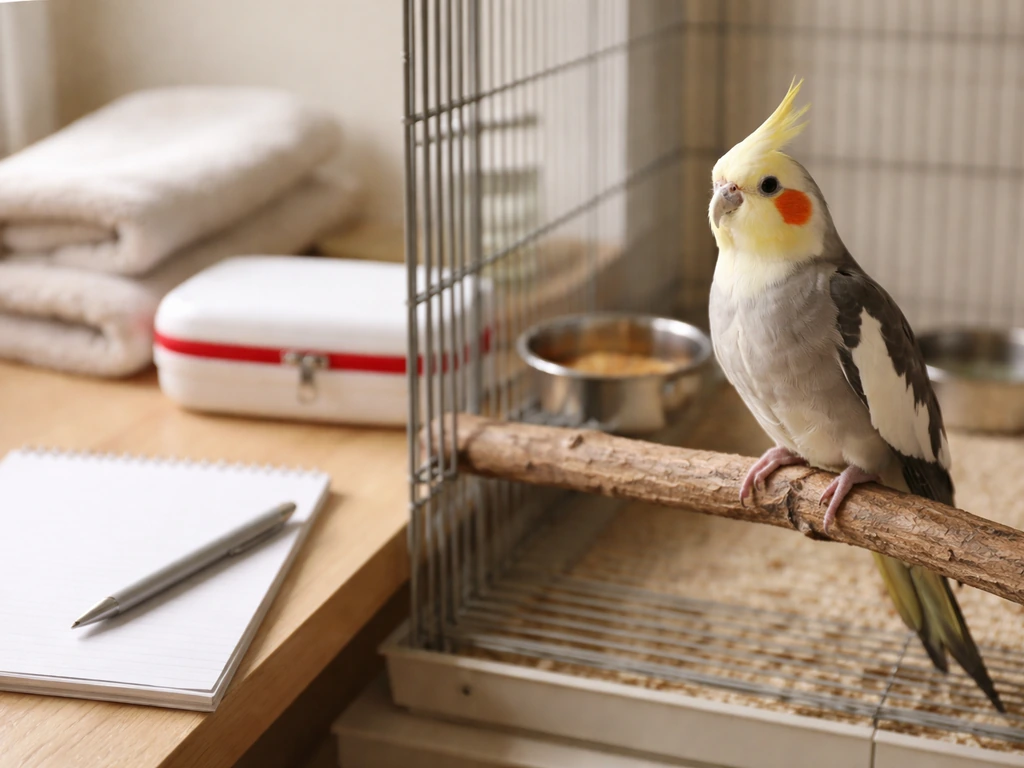
Quick symptom checklist for cockatiels
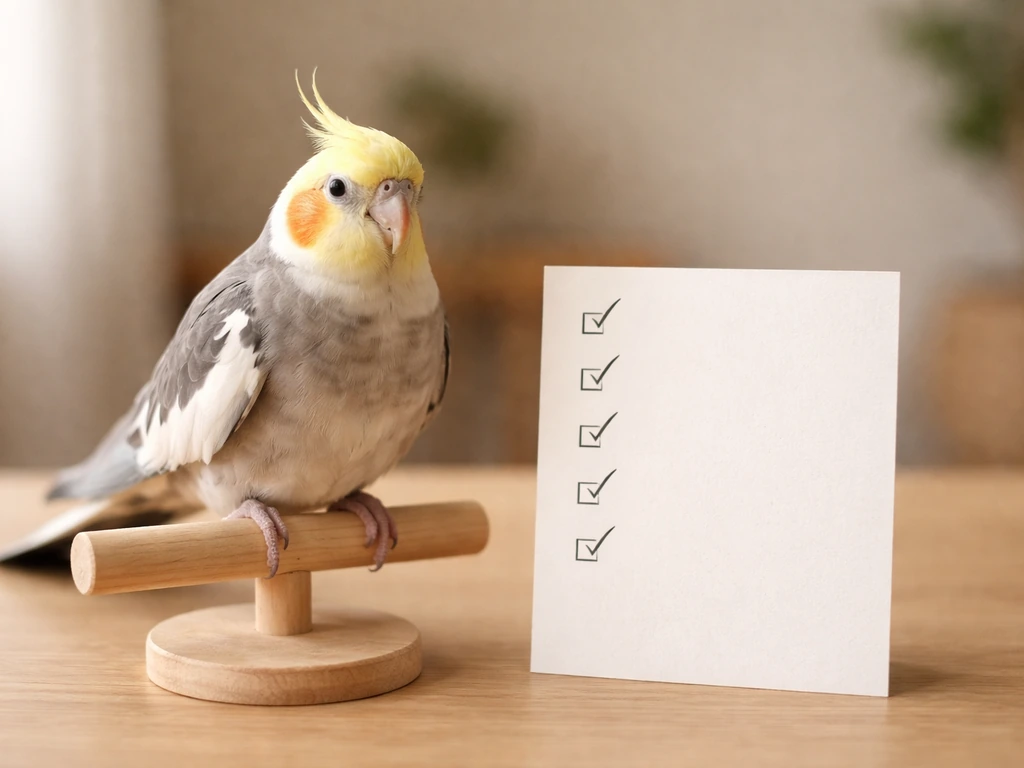
Run through this list any time you suspect your cockatiel isn't feeling right. These are the signs that matter most at home, organized so you can scan quickly.
Breathing and posture
- Open-mouth breathing at rest (not during or just after exertion)
- Tail bobbing with each breath — a reliable early warning sign, especially in cockatiels
- Wheezing, clicking, or squeaking sounds when breathing
- Frequent sneezing, or sneezing with discharge
- Neck stretching or craning as if trying to open the airway
- Fluffed feathers combined with hunched posture
Eating, droppings, and weight
- Refusing food or eating noticeably less than usual
- Vomiting or regurgitating (not the social head-bobbing regurgitation cockatiels do when bonded)
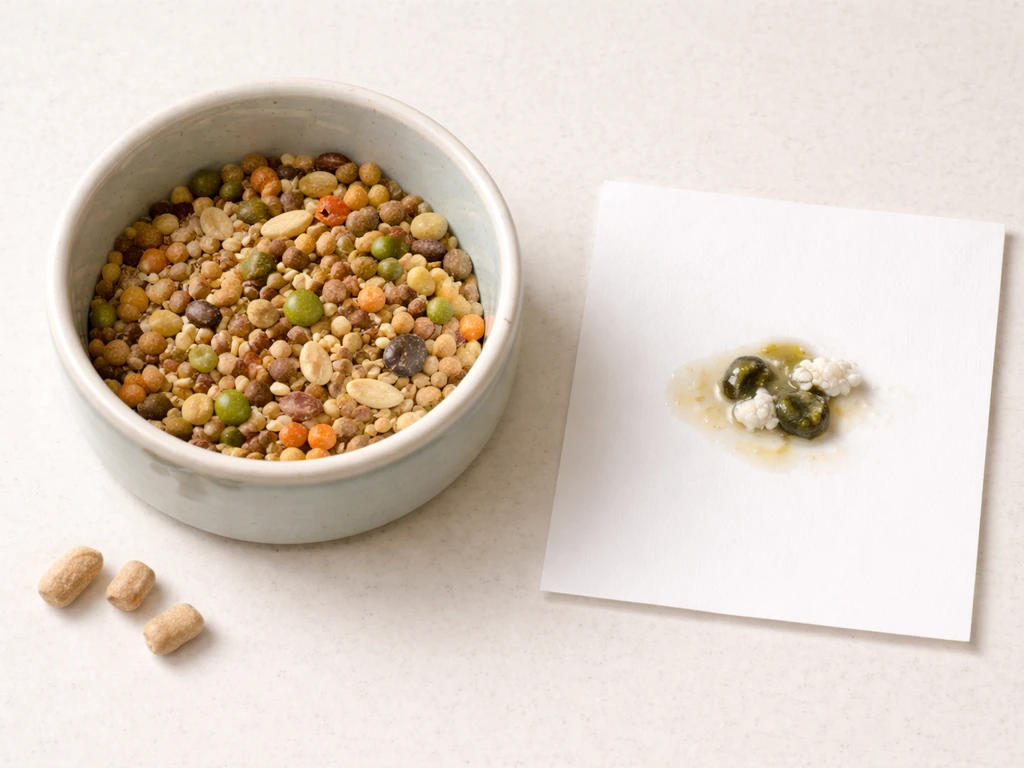
- Droppings that change significantly in color, consistency, or form over 12 to 24 hours
- Watery or 'pea soup' fecal portion in droppings (true diarrhea, not just excess urine)
- Undigested food appearing in droppings
- Fewer droppings overall (a sign the bird has stopped eating)
Behavior and appearance
- Unusually sleepy, inactive, or unresponsive to normal stimuli
- Sitting on the cage floor instead of a perch
- Loss of balance, incoordination, or seizures
- Significant voice change or sudden silence in a normally vocal bird
- Swollen or distended abdomen
- Crusty or scaly buildup around the beak, eyes, or legs
- Feather loss, bare patches, or active chewing/pulling at feathers
- Slimy or mucous-filled appearance around the mouth
Common health problem categories
Respiratory problems
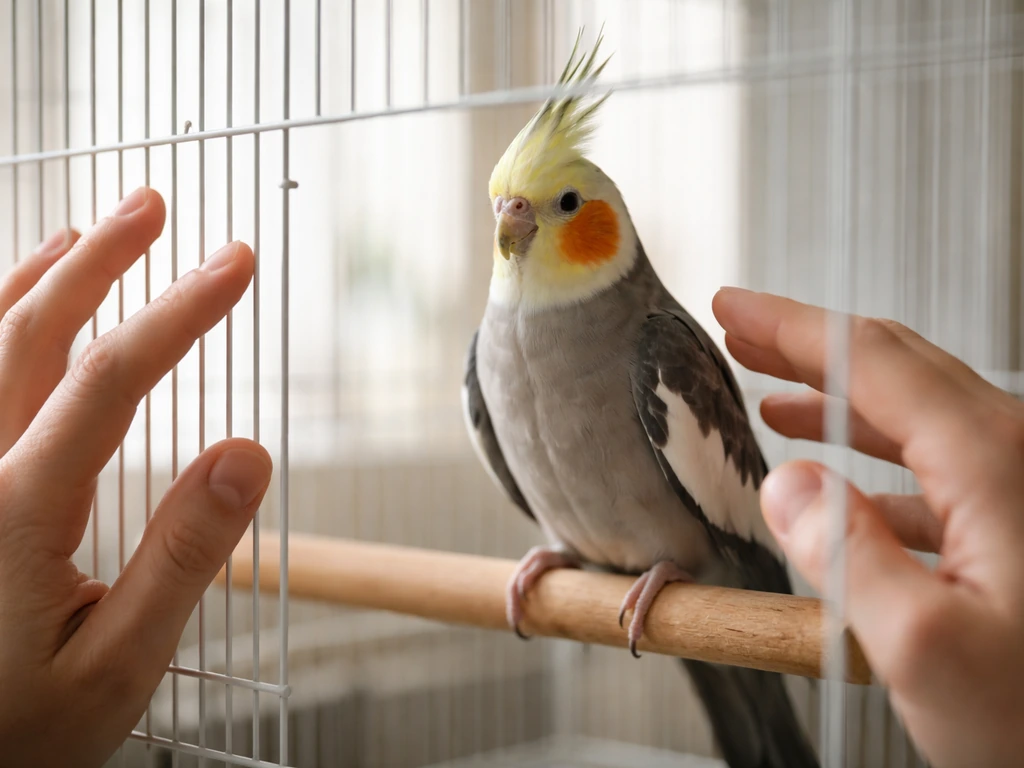
Respiratory illness is one of the most serious categories for cockatiels. It can be caused by bacterial infections, fungal infections (Aspergillus is a common culprit), viruses, or environmental irritants like smoke, aerosols, or the fumes from overheated nonstick cookware (PTFE fumes). The key signs are tail bobbing during breathing, open-mouth breathing, nasal discharge, voice changes, coughing-like sounds, and neck stretching. Because cockatiels breathe differently than mammals and their air sac system is vulnerable, respiratory distress can escalate very quickly. Any cockatiel showing these signs should be treated as an urgent situation.
Gastrointestinal problems
GI problems in cockatiels range from crop issues to infections caused by bacteria, yeast, or parasites. Candida (yeast) is a common GI offender, and Macrorhabdus (a fungal organism) specifically affects cockatiels and similar small birds. Crop stasis, where the crop stops emptying properly, shows up as regurgitation, foul-smelling breath, undigested food in droppings, and a visibly full or doughy crop that doesn't empty overnight. Bacterial infections produce similar GI signs and are diagnosed through swab cultures and Gram stain. Watch for vomiting, dramatic changes in droppings, or a bird that just stops eating.
Skin and feather problems
Feather destruction and skin issues are visible problems, but they have many causes. Feather plucking can stem from external parasites like feather mites or lice, fungal or bacterial skin infections, nutritional deficiencies, boredom, or psychological stress. Knemidokoptes mites (the scaly face and leg mite) are a specific parasitic condition in cockatiels, causing crusty, honeycombed buildup around the beak, cere, eyes, and legs.
Leg problems can also show up in cockatiels, so watch for scaly buildup, swelling, or changes in how your bird stands or grips scaly face and leg mite. Early treatment matters because the longer these mites go untreated, the more deformity they can cause to the beak and facial structures. If you see unusual scaling or crusty deposits, don't wait to have it checked.
Behavioral and neurological signs
Changes in behavior are often the first signal that something's wrong. A cockatiel that becomes suddenly quiet, stops interacting, spends time on the cage floor, or loses balance is telling you something. Neurological signs like seizures, paralysis, or obvious incoordination are emergency-level symptoms. These can result from toxin exposure, nutritional deficiencies (especially calcium and vitamin A), infections, or internal injuries. Behavioral changes tied to illness in cockatiels often show up alongside physical signs, so look at the whole picture.
Reproductive problems (especially egg binding)
Female cockatiels are among the bird species most frequently affected by egg binding, where an egg gets retained and the bird can't pass it. Signs include a visibly swollen or distended abdomen, straining, lethargy, decreased appetite, labored breathing, and sometimes bloody or large wet droppings. Causes include nutritional deficiencies (vitamin A and calcium are common factors), reproductive tract disease, or an oversized egg. Egg binding is a life-threatening emergency. If you suspect it, don't wait.
How to tell mild vs urgent, when to call an avian vet now
The hard truth about cockatiels is that by the time they look obviously sick, they've often been unwell for a while. Birds are prey animals and instinctively suppress signs of illness. That means the window between 'something seems off' and 'this is an emergency' can be much shorter than you'd expect.
Call an avian vet immediately if your cockatiel shows any of the following:
- Open-mouth breathing or tail bobbing at rest — treat any respiratory sign as an emergency
- Wheezing, clicking, or audible difficulty breathing
- Sitting on the cage floor, unable to perch
- Seizures, paralysis, or loss of coordination
- Suspected egg binding (swollen abdomen, straining, labored breathing in a female)
- Suspected toxin or fume exposure, including PTFE/nonstick fumes, smoke, or household chemicals
- Refusing to eat or drink for more than a few hours
- Blood in droppings, mouth, or around the vent
- Sudden complete loss of voice or extreme lethargy in a normally active bird
Milder signs, a single loose dropping, one sneeze without discharge, or slightly ruffled feathers after a stressful event like a new cage introduction, may not need an emergency call. But if these mild signs persist beyond 24 hours, or if they combine with any of the urgent signs above, call your vet. When in doubt, call anyway. Most avian vets would rather field a quick phone question than see a bird brought in too late.
At-home first steps and supportive care you can do safely

While you're getting your bird to a vet or waiting for guidance, supportive care at home can genuinely help. The goal is to reduce stress and keep the bird stable, not to treat the underlying condition yourself. This aligns with avian welfare supportive care guidance, which emphasizes keeping birds warm and hydrated, providing proper nutrition, and housing them away from other birds to reduce stress blank" rel="noopener noreferrer">reduce stress and keep the bird stable.
- Provide warmth: Sick cockatiels benefit from a warmer environment, around 80 to 85°F (up to 90 to 95°F for very weak birds). You can use a heating pad set on low under one half of the cage bottom, a heat lamp positioned to one side (so the bird can move away if too warm), or a warm room. Always check temperature with a thermometer and make sure the bird can move away from the heat source to avoid overheating.
- Move the bird to a quiet, low-stress space: Reduce noise, dim the lights slightly, and keep other pets away. Separate a sick bird from cage-mates to reduce stress on both birds.
- Lower perches or add a soft floor covering: If the bird is weak or unsteady, lowering perches or placing food and water on the cage floor reduces the risk of falling.
- Keep fresh water accessible: Hydration matters. Make sure the bird can reach water without having to climb or strain.
- Observe and document: Note what you're seeing, when it started, what the droppings look like, whether the bird is eating, and any changes since yesterday. This information is genuinely useful to the vet.
- Remove obvious hazards: If you've been cooking with nonstick pans, using aerosol sprays, burning candles, or smoking near the bird, ventilate immediately and move the bird to a clean-air area.
Do not give human medications, antibiotics from a pet store, or supplements without vet guidance. Incorrect treatment can mask symptoms, interact with proper treatment, or cause additional harm.
How avian vets diagnose cockatiel problems
If you've never been to an avian vet before, knowing what to expect can make the visit less stressful. Avian vets approach bird illness very differently from a standard dog or cat exam.
The vet will start with a physical exam, but because handling a sick bird adds stress and can cause rapid deterioration, they'll often observe the bird in its carrier first. They're watching for posture, breathing pattern, and general alertness before they even pick the bird up. Tail bobbing, open-mouth breathing, and overall responsiveness are all assessed at this stage.
Diagnostic tools the vet may use include:
- Gram stain and culture swabs (for bacterial and yeast infections in the crop, cloaca, or choanal area)
- Blood panel to assess organ function, infection markers, and nutritional status
- Radiographs (X-rays) to check for egg binding, organ enlargement, or respiratory tract changes
- Fecal examination for parasites, Macrorhabdus, or other GI pathogens
- Fungal culture or tissue biopsy if Aspergillosis is suspected — this is important because isolating Aspergillus from a swab alone isn't enough to confirm tissue infection
- Endoscopy in some cases for a direct look at the respiratory or GI tract
Bring any droppings samples you've collected, your observation notes from home, the bird's diet history, and information about any environmental changes (new cleaning products, cooking events, new cage-mates, and so on). The more context you provide, the faster the vet can narrow things down.
Treatment overview by problem type
| Problem Type | Typical Treatment Approach | Notes |
|---|---|---|
| Respiratory infection (bacterial) | Antibiotics (based on culture and sensitivity testing) | Never use over-the-counter antibiotics without vet direction |
| Aspergillosis (fungal respiratory) | Antifungal medications (e.g., voriconazole or itraconazole); long treatment course | Requires confirmed tissue involvement to diagnose properly |
| Candida / Macrorhabdus (GI yeast/fungal) | Antifungal treatment (e.g., nystatin or amphotericin B for Macrorhabdus) | Diet adjustments often part of recovery |
| Bacterial GI infection | Targeted antibiotics after culture; supportive care including probiotics as directed | Gram stain guides initial treatment while culture results are pending |
| Crop stasis | Crop lavage by the vet, dietary changes, treatment of underlying cause | Do not try to manipulate the crop at home |
| Egg binding | Heat, fluids, calcium supplementation, and lubrication first; manual or surgical removal if needed | True emergency — oxygen may be needed if breathing is compromised |
| Knemidokoptes mites (scaly face) | Topical or injectable ivermectin or moxidectin as directed by vet | Early treatment reduces permanent beak deformity |
| Feather plucking (parasite-related) | Parasite treatment plus addressing secondary bacterial or fungal skin infection if present | Behavioral/psychological causes need separate management |
| Toxin/fume exposure | Oxygen therapy immediately; supportive care; vet contact or Pet Poison Helpline | PTFE fume exposure is rapidly fatal — speed is critical |
| Neurological signs | Depends on cause: calcium supplementation, toxin management, or infection treatment | Requires urgent diagnostics to identify cause |
Prevention and monitoring to catch problems early
Most serious cockatiel health problems are either preventable or much easier to treat when caught early. Building a simple daily observation habit is the most practical thing you can do as an owner. If you want to reduce bird health problems, a consistent daily routine and early symptom recognition make a big difference.
Daily checks that take under a minute
- Glance at droppings first thing each morning — note color, number, and consistency
- Watch the bird breathe for 30 seconds at rest — no tail bobbing, no open mouth
- Check that the bird is on its perch and alert, not huddled on the cage floor
- Confirm it's eating and drinking (you don't need to measure daily, but track general intake)
- Listen for normal vocalization — a suddenly quiet cockatiel is worth paying attention to
Weekly and monthly habits
- Weigh your bird weekly on a digital gram scale — even a 10 to 15% weight drop before visible symptoms appear is a meaningful early warning
- Inspect feathers, beak, cere, and feet for any scaling, crusting, or abnormal growth
- Clean food and water dishes daily and do a full cage clean weekly to reduce pathogen load
- Rotate and check toys and perches for mold, feces buildup, or rough surfaces that can cause foot injuries
Environment and diet
A varied, nutritionally complete diet reduces many of the risk factors behind cockatiel health problems. Vitamin A deficiency (linked to egg binding and respiratory vulnerability) and calcium deficiency are common in seed-only diets. A diet that includes quality pellets alongside fresh vegetables and limited seed gives your bird a much better nutritional foundation.
Keep the bird's environment free from aerosols, smoke, nonstick cookware fumes, scented candles, and strong cleaning products. Cockatiels have extremely sensitive respiratory systems, and what barely registers as a smell to you can cause serious damage to them. You can also monitor air quality in your home, since poor ventilation and airborne irritants can worsen respiratory issues in cockatiels. This is also a good reason to keep your cockatiel out of the kitchen entirely during cooking.
Regular avian vet visits
Annual wellness exams with an avian vet, even when your bird seems healthy, give you a baseline and catch subclinical problems before they become crises. This is especially important for female cockatiels prone to reproductive issues and for any bird over five years old. If you're new to cockatiels, it's also worth finding a qualified avian vet before you need one urgently, so you're not searching during an emergency.
If you're also keeping other bird species, know that health problems aren't always species-specific. Many of the symptom patterns here (respiratory signs, GI changes, feather issues) overlap with sick bird symptoms across other species. Sick cockatiels often show subtle bird sick symptoms before things become obvious, so use a checklist and act quickly symptom patterns here. If you notice canary bird sick symptoms like changes in breathing, appetite, or droppings, it's still important to get avian guidance quickly sick bird symptoms. But cockatiels have their own quirks, including their particular susceptibility to Macrorhabdus infection and egg binding, that make species-specific awareness genuinely useful.
FAQ
If my cockatiel is breathing oddly but still seems alert, is it still an emergency?
Yes, especially if you notice tail bobbing, open-mouth breathing, or neck stretching. Even when a bird is responsive, respiratory distress can worsen quickly in cockatiels due to their air sac system, so it’s safer to contact an avian vet immediately rather than waiting to see if it improves.
How can I tell the difference between normal shedding or stress ruffling versus a skin or feather problem?
Normal ruffling from a one-off stressful event usually settles quickly and should not keep increasing. If you see crusty deposits, patchy feather loss, greasy or scaly skin, or plucking that persists beyond a day, treat it as a health problem and arrange an avian exam.
What should I do if I suspect crop stasis but my bird is not regurgitating repeatedly?
Crop stasis can start subtly. Look for a crop that stays full or feels doughy and does not noticeably empty by the next overnight check, plus any change in appetite or breath odor. If the crop remains abnormal, contact your avian vet, because delays can lead to complications.
Are single odd droppings ever “normal,” and when does diarrhea or weird stool become urgent?
One loose dropping after a change in routine may be benign, but persistent abnormalities matter. If droppings are consistently different for more than 24 hours, stop eating, or the bird becomes quieter, that combination should trigger an avian vet call. Add “what changed and when” to your notes, because it speeds diagnosis.
Can I test or treat suspected Macrorhabdus or yeast issues at home with probiotics or antifungals?
Don’t self-treat with supplements or human medications. GI infections like Macrorhabdus require correct identification, and supportive steps at home should be guided by an avian vet since the wrong approach can worsen gut balance or mask symptoms.
What home “supportive care” is safe while waiting for the vet?
Focus on keeping the bird calm, warm, and stable. Minimize handling, reduce noise and drafts, and keep the cage environment simple (easy access to food and water). Avoid OTC meds and do not force food, because aspiration and stress can make matters worse.
How should I prepare for the vet visit so they can diagnose faster?
Bring fresh droppings samples in a clean container, your timing notes (when symptoms started, what changed in the environment), a diet breakdown (including pellet brand and how much seed), and photos or short videos of breathing, droppings, crop size, or any scaling. These details help the vet decide which diagnostics to run first.
Is it okay to use a carrier or travel method that’s comfortable for me, or does it affect the bird’s outcome?
It affects the bird. Keep the visit low-stress: a secure carrier, minimal movement, and gentle handling because stress can temporarily worsen breathing or posture. If the bird shows respiratory signs, ask the clinic what setup they prefer during transport.
My cockatiel lays eggs sometimes. When should I worry about egg binding even if she’s eating?
Egg binding can still be developing even with partial appetite. If you see abdominal distension, straining, labored breathing, lethargy, or large wet or bloody droppings, treat it as urgent and contact an avian vet right away.
What nutrition clues suggest higher risk for respiratory problems or egg binding?
Seed-heavy diets raise risk because they commonly lead to vitamin A and calcium gaps, which can affect both respiratory resilience and reproductive health. If your diet is mostly seed or treats, switch to a pellet-based foundation plus appropriate vegetables under vet guidance, since abrupt diet changes can also upset digestion.
If my home has scented candles, cleaners, or aerosols, could they be the cause even if symptoms aren’t sudden?
Yes. Cockatiels are very sensitive to airborne irritants, and effects can be delayed or progressive. If you notice respiratory or persistent coughing-like sounds, review recent changes like new cleaners, scented products, or cooking events, and share that timeline with the vet.
Next Article
Canary Bird Air Quality: Monitor, Signs, and Safe Setup
Learn how to monitor canary bird air quality, spot respiratory warning signs, interpret sensor readings, and fix irritan