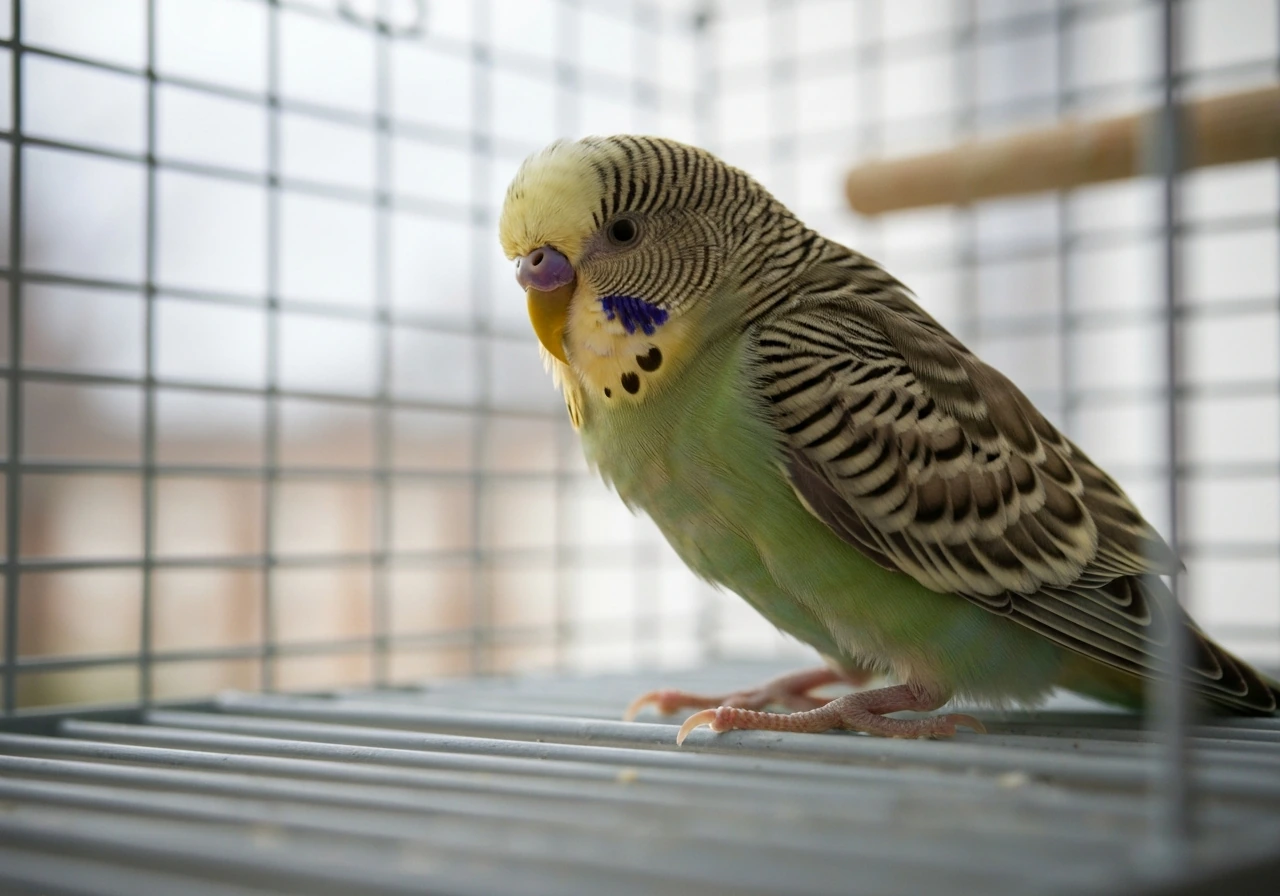
Birds don't actually catch the same cold viruses humans do, but they absolutely can get respiratory infections that look a lot like what we'd call a cold: sneezing, nasal discharge, watery eyes, and general sluggishness. If your bird is showing those signs, take them seriously. Birds are masters at hiding illness, and what looks like a mild sniffle can escalate fast. The good news is that recognizing the symptoms early, knowing which ones demand an immediate vet visit, and taking safe supportive steps at home can make a real difference in your bird's outcome.
Bird Cold Symptoms: What to Watch and What to Do Next

Marcus Webb
13 Jun 2026
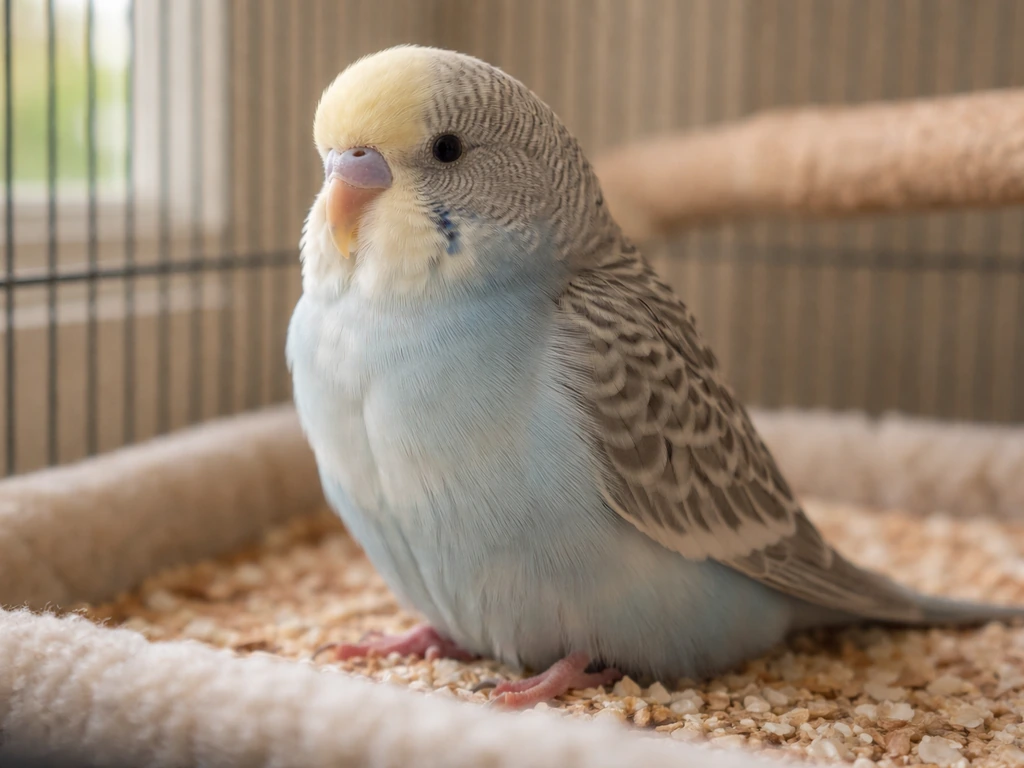
Common "bird cold" symptoms in pet birds
The cluster of signs most bird owners describe as a cold usually involves the respiratory system, but it almost always comes with behavioral changes too. Here's what to watch for:
- Sneezing, sometimes with mucus or discharge from the nostrils
- Nasal discharge that may be watery, thick, or crusty around the nares
- Watery or cloudy discharge from one or both eyes
- Wet, bubbly, or mucusy discharge visible at the beak (this is not normal and should be treated as urgent)
- Wheezing, clicking, or other unusual breathing sounds
- Tail bobbing with each breath (the tail pumps up and down as the bird works to breathe)
- Open-mouth breathing or panting when the bird is not hot or active
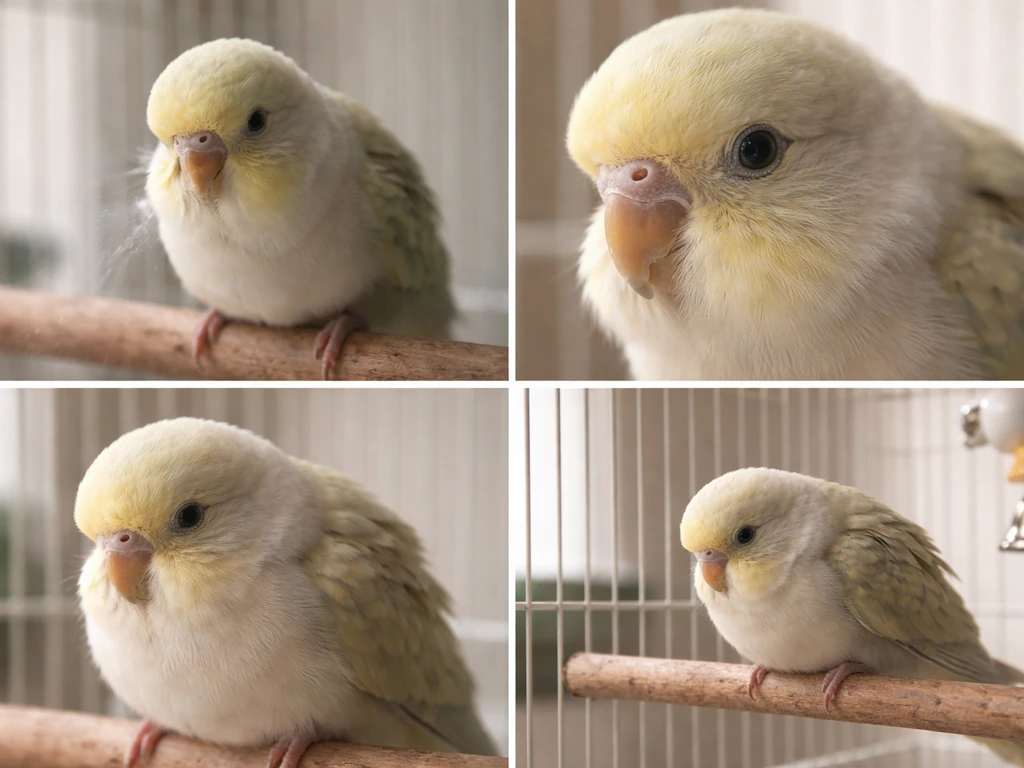
- Fluffed-up feathers, especially when the bird is not cold or sleeping
- Lethargy, sitting low on the perch, or seeming generally "off"
- Reduced appetite or refusing favorite foods
- Changes in voice or vocalizations
Tail bobbing is one of the most important signs to catch early. It shows your bird is working harder than normal to move air in and out, which is never something to brush off. Fluffed feathers combined with closed eyes and reduced activity is another classic combination that tells you something is wrong, even if you can't pinpoint exactly what.
How to tell a cold from other bird respiratory diseases
This is where things get genuinely important, because a lot of serious avian diseases present with the exact same early signs as a simple respiratory infection. Sneezing and nasal discharge alone won't tell you what you're dealing with. If you notice bird worms symptoms in addition to respiratory signs, consider discussing parasite-related causes with your avian vet too. You need to think about the full picture.
Aspergillosis is a fungal infection caused by inhaled Aspergillus spores, and it's one of the more common serious respiratory diseases in pet birds. It can look just like a mild cold early on, with labored breathing and lethargy, but it progresses and doesn't respond to antibiotics at all. Birds with aspergillosis often deteriorate gradually rather than showing a dramatic sudden change.
Avian chlamydiosis (also called psittacosis or parrot fever) is a bacterial infection caused by Chlamydia psittaci. It typically causes a combination of respiratory signs, eye discharge, and digestive symptoms like diarrhea. Because some respiratory infections can also show bird diarrhea symptoms, digestive changes deserve the same prompt attention as breathing trouble. Digestive symptoms like diarrhea can also show up, so watch for signs of bird constipation symptoms alongside the respiratory issues. It's also zoonotic, meaning it can spread to humans, which raises the stakes considerably. If your bird has both respiratory and gastrointestinal signs together, psittacosis needs to be on your radar.
Tracheal obstructions, whether from mucus buildup, pus, or a foreign object, can cause open-mouth breathing and stridor-like sounds (a high-pitched wheezing or squeaking). This can look superficially like a bad cold but is a mechanical problem that needs immediate attention.
| Condition | Key distinguishing signs | Response to antibiotics |
|---|---|---|
| Mild respiratory infection (URI) | Sneezing, mild nasal discharge, slight lethargy | Sometimes, if bacterial |
| Aspergillosis (fungal) | Progressive breathing difficulty, wasting, doesn't improve with antibiotics | No |
| Psittacosis (Chlamydia psittaci) | Respiratory signs PLUS diarrhea, eye discharge, anorexia; zoonotic risk | Yes (doxycycline) |
| Tracheal obstruction | Sudden open-mouth breathing, stridor/squeaking sounds, distress | No (needs procedure) |
| Avian metapneumovirus | Upper respiratory signs, similar to URI, often in flocks | No (viral) |
The honest reality is that you cannot reliably tell these apart at home just by watching your bird. A vet can run targeted tests like PCR swabs, cultures, and imaging to get real answers. The table above is meant to help you understand why a "wait and see" approach isn't safe when respiratory signs appear in birds.
Symptom severity signs that mean urgent vet care
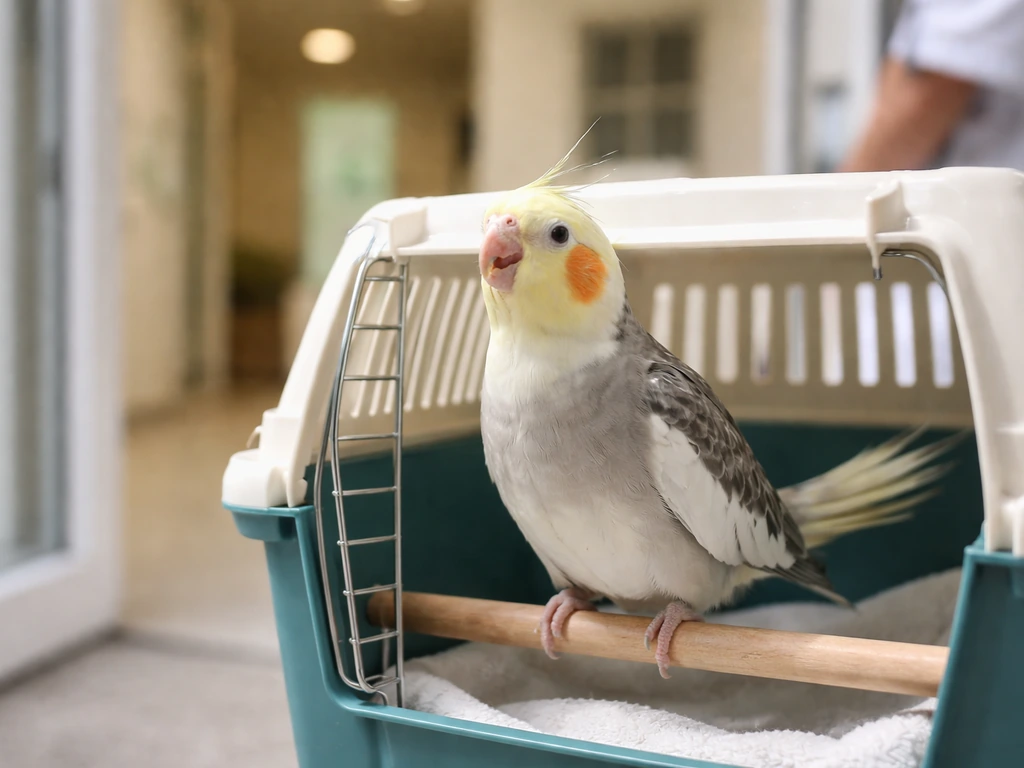
Some signs tell you not to wait for a regular appointment. If you are also noticing fear, avoidance, or panic around birds, look specifically at bird phobia symptoms to guide what to do next. If your bird is showing any of the following, contact an avian vet or emergency exotic animal clinic right now: Bird poisoning symptoms can include trouble breathing, weakness, vomiting, or sudden changes in behavior, so immediate veterinary attention is essential.
- Open-mouth breathing at rest (not after exertion or in heat)
- Tail bobbing with every single breath
- Blue or purple discoloration of the skin, beak, or visible mucous membranes (cyanosis, which means dangerously low oxygen)
- Wet or bubbly discharge coming from the beak
- Visible swelling around the eyes or sinuses
- Extreme weakness, unable to grip the perch, or found sitting on the cage floor
- Complete refusal to eat for more than 24 hours
- Any audible stridor, squeaking, or clicking sound with each breath
- Sudden, dramatic worsening of any respiratory sign
Birds decline very quickly once they hit a crisis point, partly because they hide illness so effectively until they simply can't anymore. By the time a bird looks truly sick, it's often been unwell for longer than you realized. Don't wait to see if things improve on their own when these warning signs are present. Bird starvation symptoms can also show up with weakness and decreased activity, so make sure you assess appetite and body condition alongside breathing changes.
What to do at home right now (safe supportive steps)
While you're arranging a vet visit or monitoring a bird with mild signs, there are safe things you can do at home. These steps support your bird's comfort and reduce additional stress on their system. They are not a substitute for veterinary care, but they genuinely help.
- Warm the environment: Keep your bird's space consistently warm, around 85-90°F (29-32°C), especially if they look fluffed or lethargic. You can place a heating pad set to low under one half of the cage so they can move away from the heat if needed. Never cover the entire cage with heat.
- Add gentle humidity: Slightly increasing humidity in the room can ease respiratory discomfort. A cool-mist humidifier nearby (not blowing directly at the bird) is a reasonable option.
- Remove all airborne irritants immediately: This means no candles, no aerosol sprays, no essential oil diffusers, no non-stick cookware fumes, no cigarette smoke, and no strong cleaning products anywhere near the bird. Birds' respiratory systems are extremely sensitive and chemical irritants can worsen symptoms fast.
- Keep the cage clean: Remove soiled bedding and droppings promptly. Old fecal material can harbor fungal spores, which is the last thing a bird with respiratory signs needs to inhale.
- Minimize handling and stress: Let your bird rest. Avoid excessive interaction, loud noises, or anything that requires energy from them. Stress actively suppresses immune function in birds.
- Monitor and document: Watch your bird's breathing rate, posture, and appetite every few hours. Note any changes so you can give your vet accurate, specific information.
- Separate from other birds: If you have multiple birds, isolate the sick one to reduce spread and to let them rest without competition for food or space.
Do not try home remedies like herbal teas, vitamin C supplements, over-the-counter medications, or anything designed for humans or mammals. These can be harmful to birds and will delay proper diagnosis and treatment.
Likely causes and risk factors
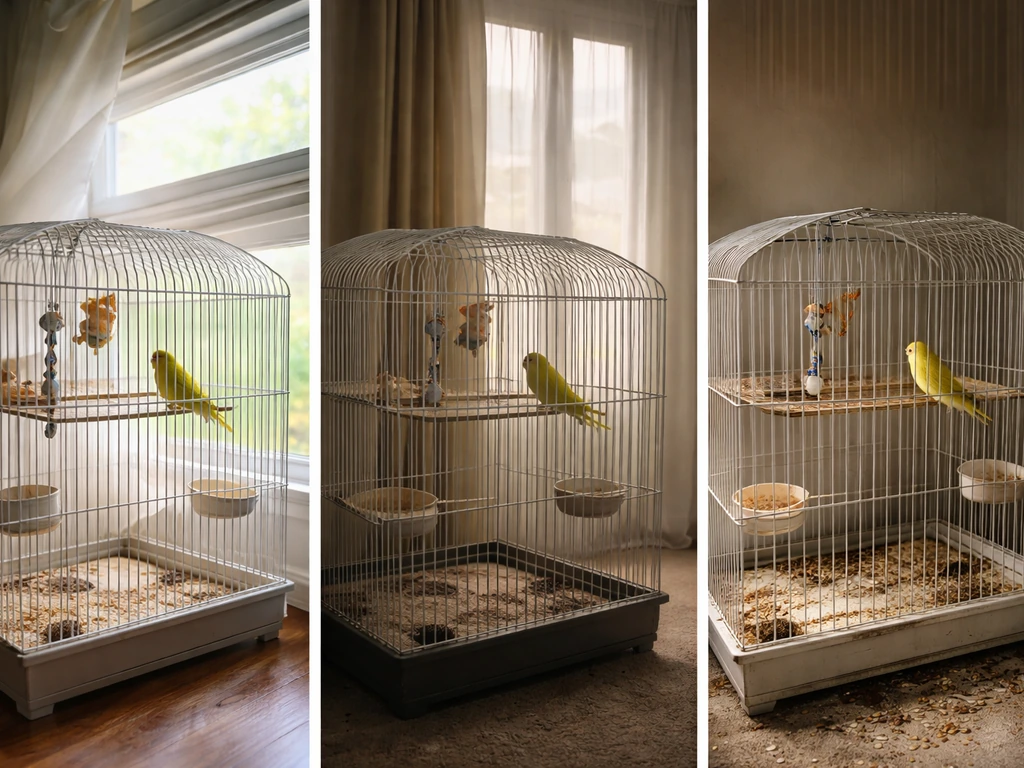
Respiratory illnesses in birds come from a range of sources, and understanding the cause matters because it directly affects treatment. Respiratory disease in pet birds can be caused by bacteria, viruses, fungi, or parasites, as emphasized by the Merck Veterinary Manual. Here are the most common culprits and the conditions that make birds more vulnerable.
Infectious causes
Bacteria, viruses, fungi, and parasites can all cause respiratory disease in birds. Bacterial infections (from organisms like Chlamydia psittaci or various gram-negative bacteria) are among the most common in pet birds. Fungal infections, especially aspergillosis, are particularly concerning in birds that are already stressed or immunocompromised. Viral causes include avian metapneumovirus, which spreads easily and is often seen in birds exposed to others at shows, pet stores, or during transport.
Environmental and management risk factors
- Sudden temperature changes or persistent chilling, especially drafts near windows or air conditioning vents
- Poor ventilation or stagnant air in the bird's living space
- Overcrowded housing with multiple birds
- Exposure to airborne irritants like smoke, dust, cooking fumes, or aerosol chemicals
- Wet or dirty bedding that harbors mold and bacteria
- Moldy or old feed that contains Aspergillus spores
- Chronic stress from noise, predator presence, inadequate sleep, or poor diet
Exposure to new birds
Newly acquired birds or birds that have been to shows, groomers, or pet stores carry a higher risk of introducing infectious disease to your household. This is why quarantine protocols exist. In the U.S., imported pet birds are required to undergo a 30-day federal quarantine with testing before being released, precisely because of the disease risk they can carry. Even domestically, any new bird should be kept separate from your existing birds for at least 30 days.
When to get tests and what vets typically check
Any bird showing respiratory signs warrants a vet visit, and the sooner the better. Once you're there, the vet will likely take a thorough history, do a physical exam, and then decide which diagnostics are most useful based on what they find.
For upper respiratory signs like sneezing and nasal discharge, a vet may perform a sinus aspirate or nasal flush to collect samples directly from the affected area. Swabs from the choana (the slit in the roof of the mouth), conjunctiva, and cloaca are commonly combined to test for Chlamydia psittaci using PCR. PCR testing is now the standard approach for many avian pathogens because it's faster and more accurate than traditional culture methods, especially for organisms that are tricky to grow in a lab.
If bacterial pneumonia is suspected, a transtracheal wash sample may be collected for bacterial culture and sensitivity testing, which tells the vet which antibiotic will actually work. For aspergillosis, PCR testing that detects Aspergillus DNA is preferred over antibody tests, particularly in birds that are already immune-compromised and may not mount a detectable antibody response.
Radiographs (X-rays) are often recommended to assess the lungs, air sacs, and surrounding structures. They can reveal changes that aren't detectable from the outside and help rule out conditions like tumors, fluid accumulation, or foreign bodies. Blood work is also commonly done to look at white blood cell counts and overall organ function, since elevated monocytes can point toward aspergillosis or chronic infection.
It's worth knowing that some of these infections, like psittacosis, can affect people, so your vet may also ask about any symptoms in the humans in your household. Don't be alarmed by that question; it's part of responsible avian medicine.
Prevention: reducing future respiratory illnesses in birds
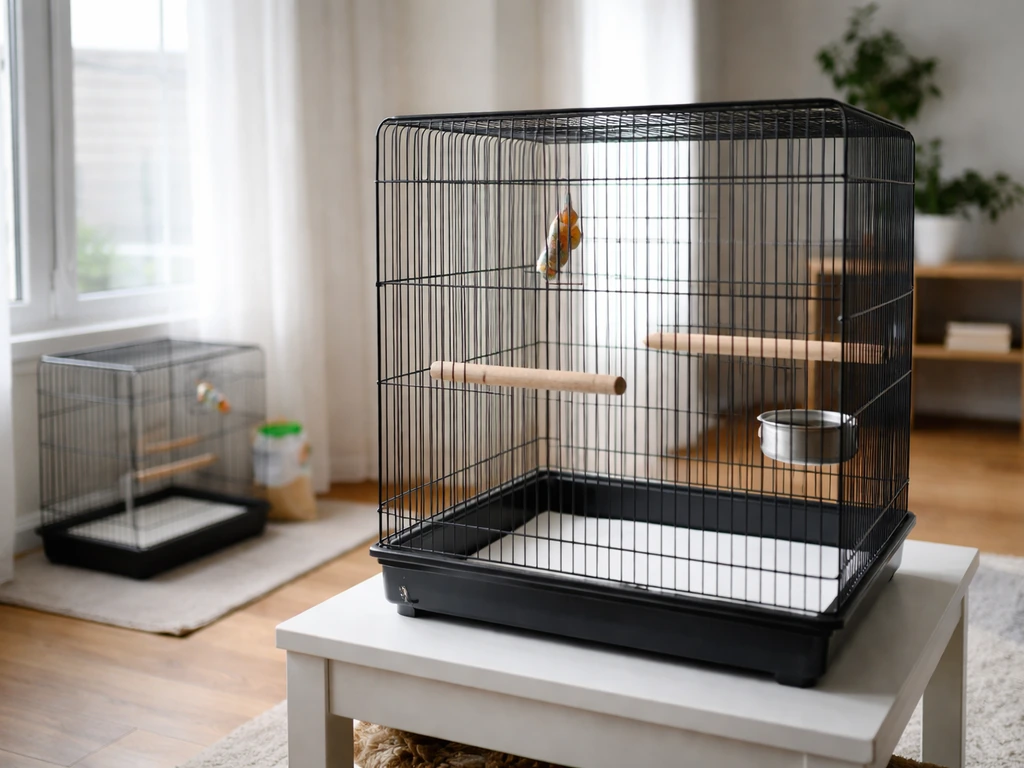
A lot of respiratory illness in pet birds is genuinely preventable with good husbandry. These aren't complicated changes, but they add up significantly.
- Keep the cage in a draft-free location away from air conditioning vents, windows, and exterior doors, but ensure the room has good air circulation overall
- Clean the cage thoroughly and regularly, removing droppings before mold and bacteria have a chance to grow on them
- Use fresh bedding and replace it frequently, especially if it gets wet
- Store bird food in airtight containers and discard any feed that smells musty or shows visible mold
- Avoid all aerosol products, non-stick cookware, candles, and diffusers in rooms where your bird lives
- Quarantine any new bird for at least 30 days before introducing them to existing birds
- Schedule annual wellness exams with an avian vet so problems get caught early, before they become serious
- Feed a nutritionally complete diet, since malnourished birds have weakened immune systems and are far more susceptible to infections
- Reduce chronic stressors in your bird's environment: consistent sleep schedules, safe interaction routines, and predictable daily patterns all support immune health
If you care for wild birds in addition to pets, the same hygiene principles apply: clean feeders and birdbaths regularly, and avoid overcrowding feeding stations where sick birds can spread illness rapidly. Respiratory disease in wild birds can sometimes involve different pathogens than in pet birds, so if you find a wild bird in obvious respiratory distress, contact a licensed wildlife rehabilitator rather than attempting to treat it yourself.
Catching respiratory symptoms early and responding appropriately gives your bird the best possible shot at a full recovery. The signs that look like a mild cold can sometimes signal something much more serious, so if you're seeing sneezing, discharge, tail bobbing, or behavior changes, skip the wait-and-see approach and get your bird in front of an avian vet as soon as you can. Bird kidney disease symptoms can also appear as changes in droppings, appetite, and energy, so have an avian vet evaluate any persistent signs.
FAQ
How can I tell if bird cold symptoms are mild, or something that needs urgent care today?
Use severity and breathing effort as your guide. Tail bobbing, open-mouth breathing, stridor or squeaking, and a bird that is fluffed with closed eyes and not moving normally are urgent, even if the discharge seems “small.” Also treat any rapid decline or refusal to eat as a same-day emergency.
Is it safe to try a humidifier or steam to help my bird with sneezing and nasal discharge?
Mild environmental humidity may comfort some birds, but avoid steam, direct heat, or enclosed “steam tents.” These can worsen breathing if there is infection, can increase aerosol spread, and can overheat or stress the bird. If you do adjust humidity, keep it gentle, ensure good airflow, and focus on getting an avian vet assessment.
Should I isolate my bird right away if it shows bird cold symptoms?
Yes. Isolate from other birds immediately to reduce the chance of spreading infectious respiratory disease. Use separate bowls, towels, and perches when possible, wash hands after contact, and keep the isolated bird in a quiet, warm area until you can arrange a vet visit.
How long should I monitor at home before contacting an avian vet?
For any true respiratory signs in birds, don’t use a multi-day wait-and-see approach. If symptoms are present at all, contact an avian vet promptly, and go sooner if breathing looks harder than normal, activity drops, or appetite changes.
Can birds catch “human colds,” and should I stay away from my bird if I’m sick?
Birds are susceptible to respiratory infections, but they do not get the same viruses humans typically carry. Still, if you are ill, limit close contact, avoid coughing near the bird, and sanitize hands and surfaces, since people can introduce or spread other pathogens through droplets and contaminated hands.
What home changes can I safely do while waiting for an appointment?
Support warmth and rest, keep the environment calm, offer easy-to-eat foods (like softened options if your bird normally eats them), and maintain hydration with the usual food and water routine. Avoid introducing new supplements or medications, and do not force feeding unless your avian vet instructs it.
Are watery eyes and sneezing always part of bird cold symptoms?
They can be, but eye discharge alongside respiratory signs can also point to specific causes like chlamydiosis. If the eyes are swollen, crusted, or the bird is rubbing them, mention that to the vet, and don’t delay diagnostics.
What droppings changes should make me think beyond a simple respiratory infection?
Digestive signs like diarrhea alongside breathing trouble raise concern for chlamydiosis, and reduced droppings or signs of discomfort can suggest constipation or systemic illness. Any persistent change in droppings plus appetite or energy changes should be evaluated promptly by an avian vet.
What should I do if I suspect my bird has something stuck in the throat or airways?
If you hear high-pitched wheezing or squeaking, or your bird is breathing with an open mouth, treat it as potentially mechanical obstruction. Do not attempt to remove anything from the bird’s throat yourself. Keep the bird calm and seek emergency exotic or avian care immediately.
Can stress or poor diet cause symptoms that look like bird cold symptoms?
Stress and immunosuppression can make birds more vulnerable to infections, so it can indirectly contribute. However, symptoms like tail bobbing or labored breathing still need medical evaluation rather than being attributed to stress or “just being run-down.”
Will antibiotics help if it’s “just a cold” in my bird?
Some bacterial respiratory infections respond to antibiotics, but many other causes (including fungal infections and certain bacterial atypicals) will not. That’s why targeted testing matters. Using leftover or human antibiotics can delay the correct diagnosis and may harm your bird.
What diagnostic tests are most useful, and how should I prepare for the vet visit?
Expect a full history and physical exam, and ask about PCR swabs for relevant pathogens when respiratory signs are present. Be ready to share when symptoms started, any recent exposures (shows, pet stores, groomers), changes in droppings, and whether you’ve noticed appetite changes or weight loss. If possible, bring a recent photo or short video of breathing effort.
Is bird cold symptoms contagious to other household pets or to people?
Some respiratory causes in birds can be zoonotic, so assume risk until a vet rules it out. Follow isolation steps, wash hands after handling, and ask your avian vet whether any household members should watch for specific symptoms based on the suspected diagnosis. Also keep other pets from interacting with the bird or its cage materials.
Do I need to quarantine new birds for respiratory bird cold symptoms to prevent spread?
Yes. Quarantine should be separate from your existing birds for at least 30 days, and you should use strict hygiene between areas. Even if a new bird seems healthy, respiratory pathogens can be present before symptoms appear.
Next Article
Bird Worms Symptoms: How to Spot Parasites and What to Do
Learn bird worms symptoms like weight loss, diarrhea, lethargy, gape breathing and next steps for vet testing and care.