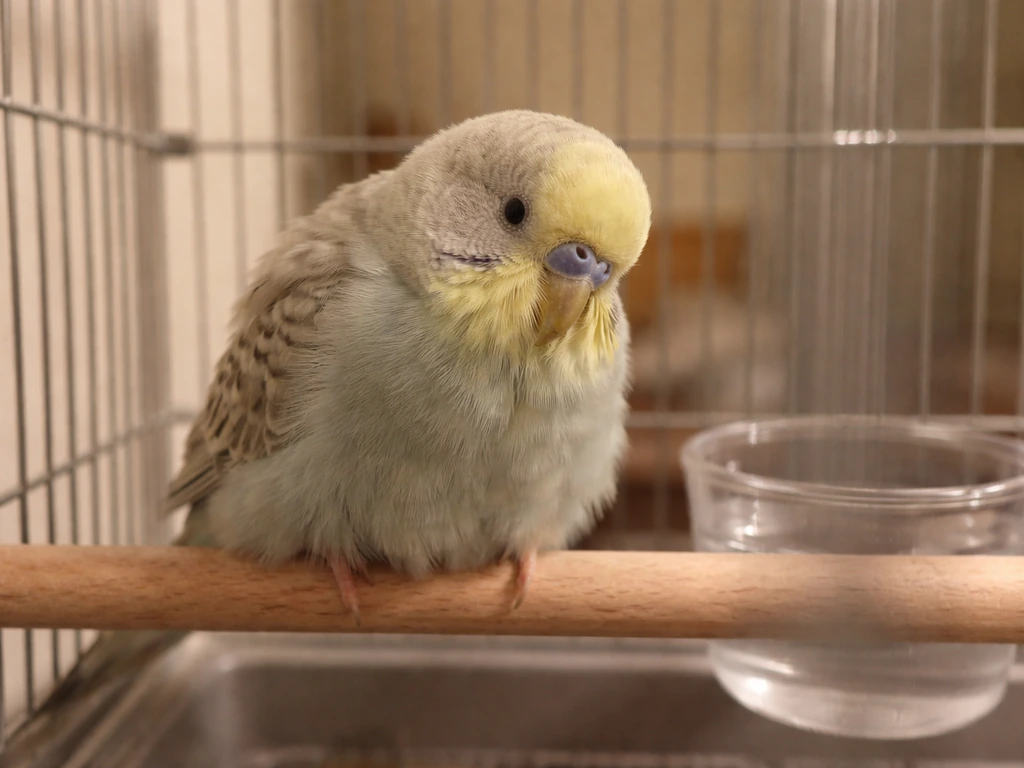
A starving bird will show some combination of these signs: fluffed or ruffled feathers, lethargy and unusual stillness, weakness on the perch or inability to perch at all, loss of interest in food, visible weight loss along the breastbone (keel), sunken eyes, and droppings that are smaller or more watery than normal. The sooner you spot these, the better the outcome. Bird poisoning symptoms can overlap with starvation, so it is important to look for toxin-related signs as well. If the bird is lying on the cage floor, breathing hard, or not responding normally, that is an emergency and you need an avian vet or wildlife rehabilitator right now.
Bird Starvation Symptoms: Signs, Timeline, and What to Do Now

Marcus Webb
31 May 2026
What bird starvation looks like (key symptoms to check right now)
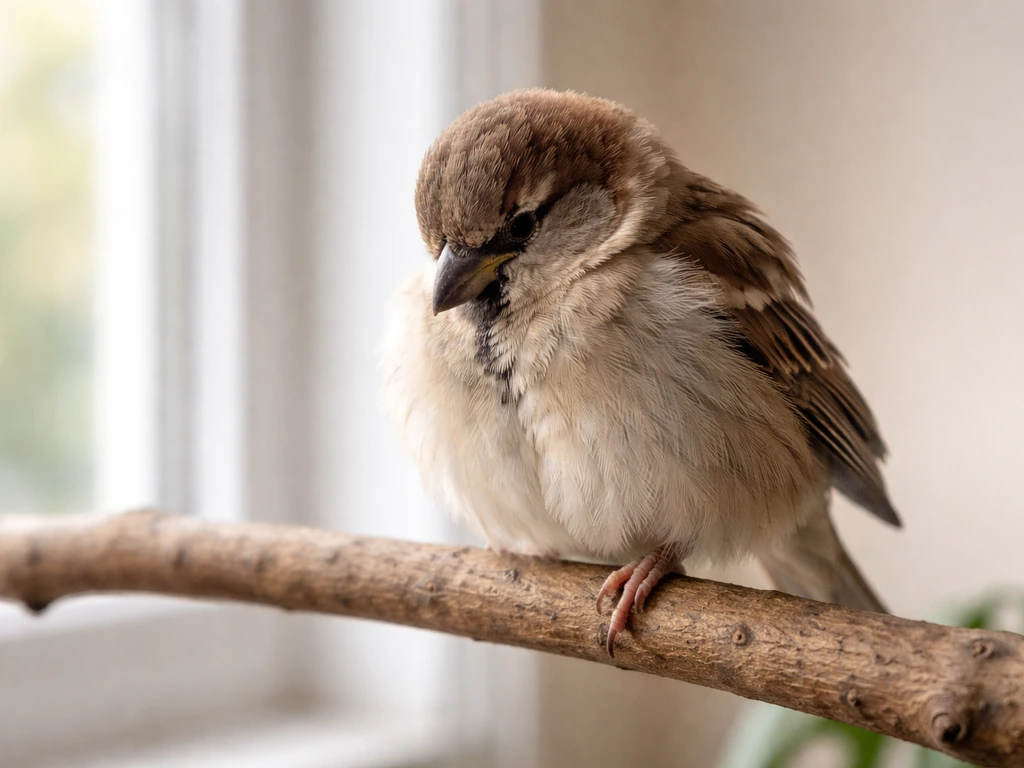
Birds hide illness well, which makes recognizing starvation a bit of a puzzle. The signs you are most likely to see first are behavioral: the bird becomes quieter than usual, stops moving around, and loses interest in food. Physical signs follow. Here is what to look for across the full picture.
Behavioral and activity changes
- Lethargy, listlessness, or general inactivity that is unusual for that bird
- Spending most of the time sitting still or sleeping when normally active
- Reduced or absent interest in food, treats, or foraging
- Less vocalizing or social interaction than usual
- For wild birds: sitting quietly in the open, not trying to escape when approached, or appearing 'dull' with eyes closed
Physical signs
- Fluffed or ruffled feathers (the bird is trying to retain heat due to low energy reserves)
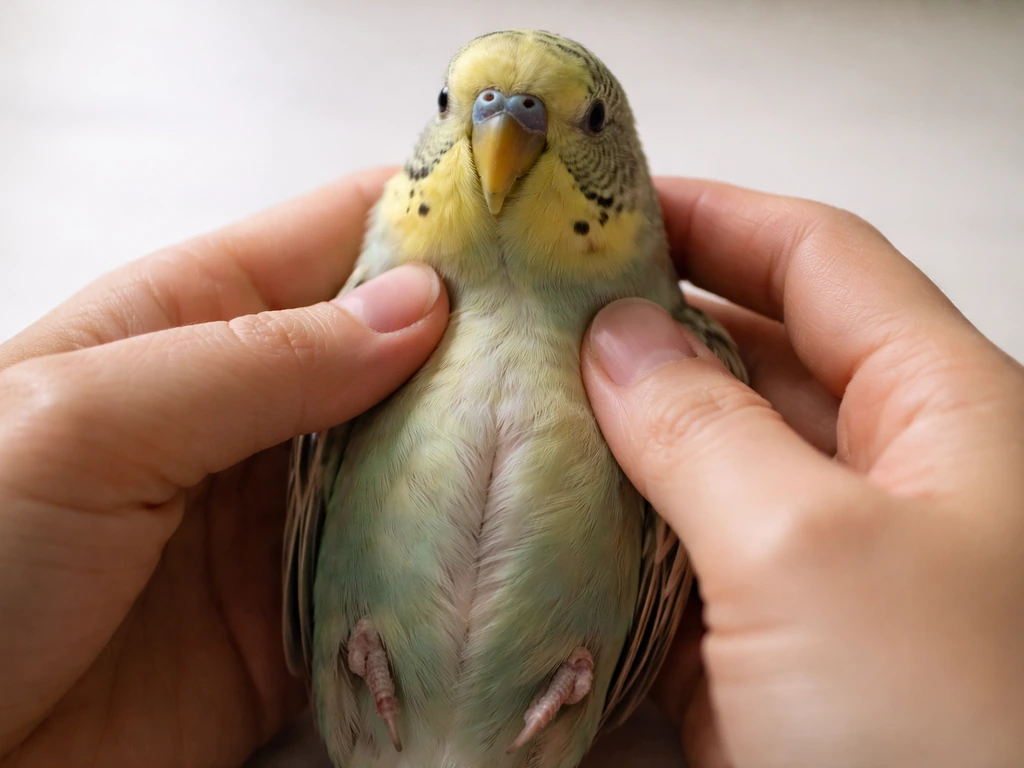
- Prominent, sharp keel bone (breastbone) that juts out when you gently feel the chest — in a healthy bird the muscles on either side create a rounded feel
- Sunken or dull eyes
- Dry or tacky mucous membranes inside the mouth
- Skin that 'tents' slowly when gently pinched and released (a sign of dehydration)
- Cold feet or wingtips
- Swollen, distended, or slow-emptying crop, sometimes with a sour smell from the mouth
Dropping changes
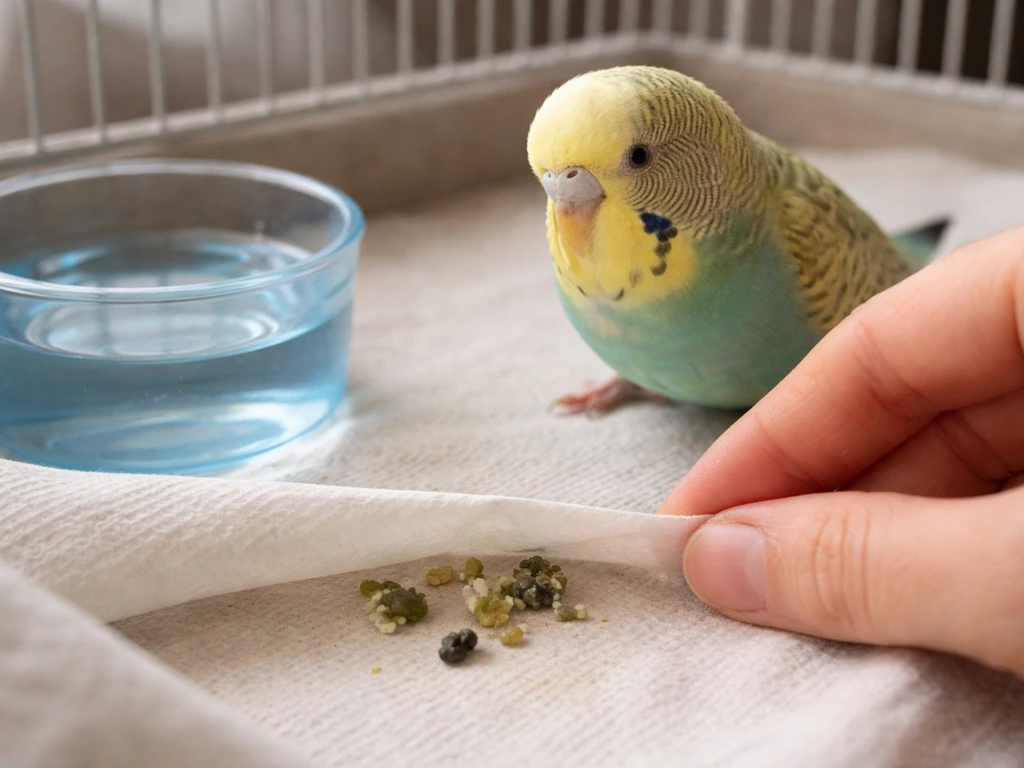
Normal droppings have three parts: green or brown feces, white urates, and a small amount of clear liquid urine. A starving bird produces fewer droppings overall because there is little food passing through. The urates may still look white, but the fecal portion often shrinks significantly or disappears. If urates are discolored or output drops dramatically, that is a red flag worth taking seriously.
Early signs vs late-stage signs (progression timeline)
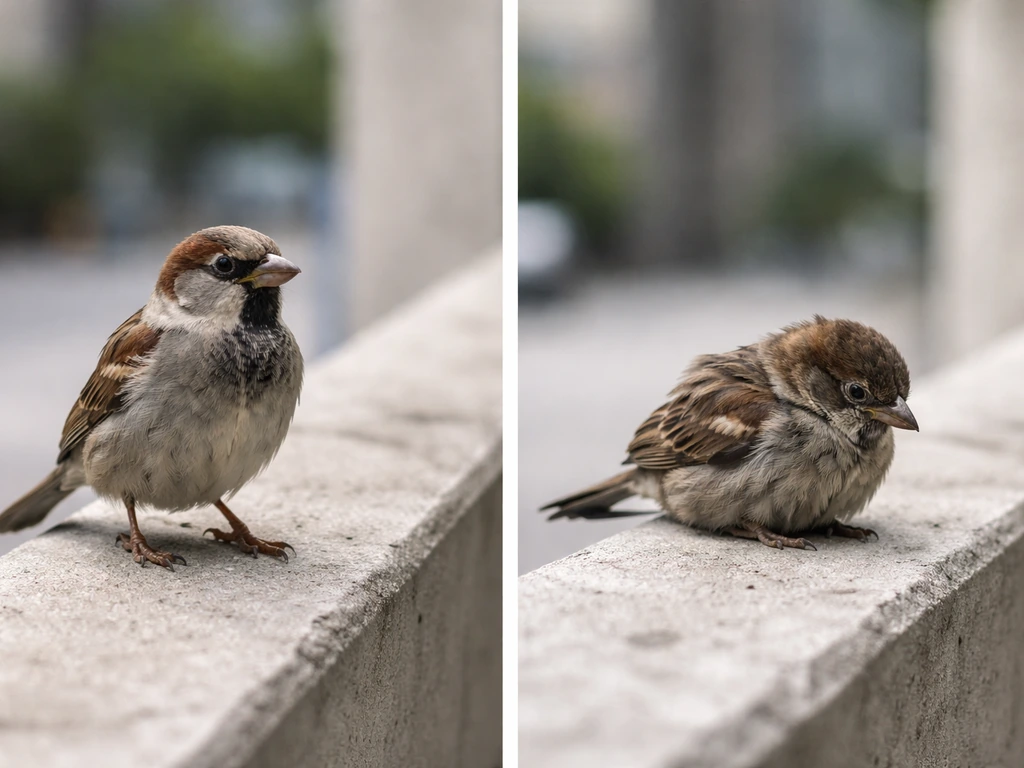
Starvation does not happen all at once. It moves through recognizable stages, and knowing which stage you are looking at tells you how urgently you need to act.
| Stage | Timeframe (approximate) | What you see |
|---|---|---|
| Early | Hours to a couple of days without adequate intake | Reduced appetite, quieter than usual, slightly fluffed feathers, fewer droppings, mild weight loss that may not yet be visible |
| Moderate | Several days of inadequate intake | Noticeable lethargy, visible keel bone sharpening, sunken eyes starting to appear, crop not filling or emptying poorly, droppings greatly reduced, mild dehydration signs (slight skin tenting) |
| Late / Severe | Extended starvation or rapid deterioration from illness | Extreme weakness, unable to perch or perching very low, unsteady locomotion, open-mouth breathing, severe dehydration (skin tents and stays tented, very dry mouth, cold extremities, rapid or weak heartbeat), lying on the cage floor, little to no fear response in wild birds |
The late stage is a life-threatening emergency. Do not wait to see if the bird 'comes around.' A bird lying on its side, having seizures, or gasping for breath needs immediate veterinary care, not home monitoring.
Common causes of starvation in birds (why it happens)
Starvation in birds is almost always a symptom of something else. The bird either cannot access food, cannot eat it, or cannot absorb it properly. Identifying the root cause is as important as treating the starvation itself.
For pet birds
- Not enough food available, or food that has spoiled or become inaccessible (blocked feeder, bullying from a cage-mate)
- Illness suppressing appetite: bacterial, viral, or fungal infections (including candidiasis/thrush affecting the crop), parasites, or organ disease such as liver, heart, or kidney problems
- Crop problems: crop stasis (food sitting in the crop and not moving through), crop infections, or physical obstruction
- Oral or beak problems that make eating painful or mechanically difficult
- Toxin exposure, which can cause rapid appetite loss and GI shutdown
- Stress from environmental changes, new animals, or inappropriate temperature
- Nutritional imbalance that leaves the bird eating but not getting what it needs
- Tumors or foreign bodies blocking the digestive tract
For wild birds
- Injury (wing, leg, or beak) that prevents foraging
- Disease or parasites reducing energy and appetite
- Severe weather cutting off food sources
- Young birds separated from parents before they can feed independently
- Collision trauma affecting neurological function or swallowing ability
It is worth noting that some of these causes, like parasites or GI infections, also show up in related conditions. If you notice symptoms that overlap with bird diarrhea, get veterinary guidance promptly because infections can rapidly worsen the bird’s condition. If you notice symptoms that overlap with bird diarrhea or bird worms, those problems can easily drive nutritional decline into full starvation territory when left untreated. Some organ diseases, including bird kidney disease, can also cause changes in appetite and droppings, so treat overlapping symptoms as a sign to call an avian vet.
How to do an at-home assessment safely
You can gather a lot of useful information before you ever get to the vet. Go through this step by step, and write down what you find so you can give the vet an accurate history.
Step 1: Observe before you handle
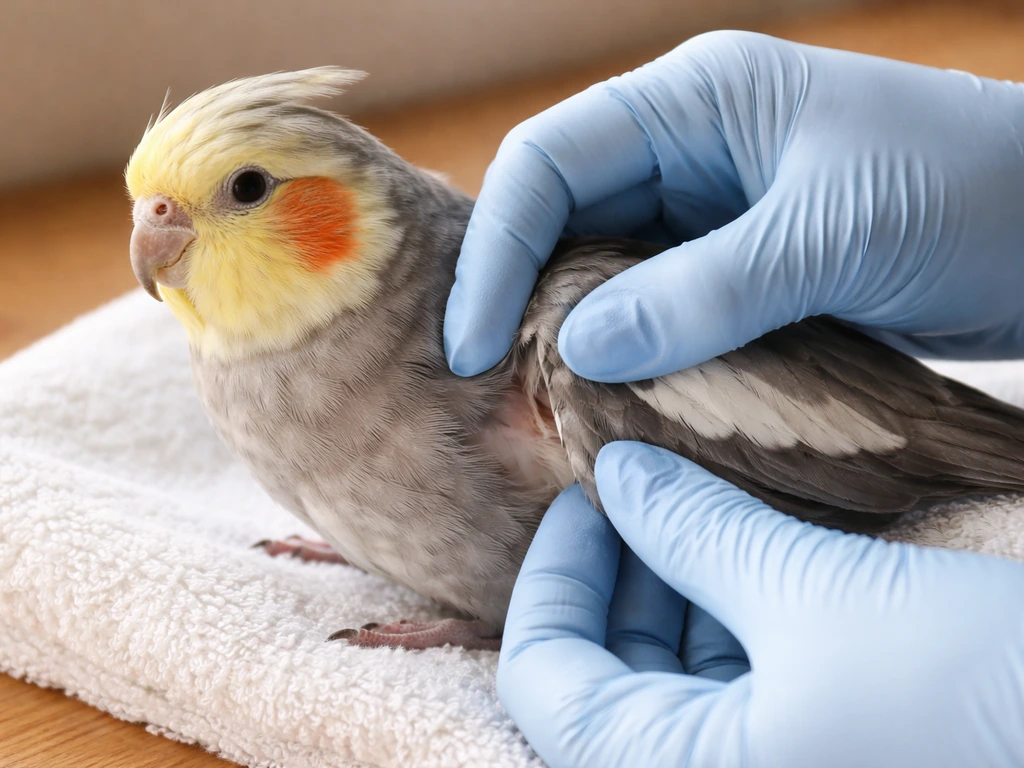
Watch the bird from a short distance first. Note whether it is sitting low or on the cage floor, whether its feathers are fluffed, whether its eyes are fully open, and whether it is moving around or completely still. Also observe whether it is showing any interest in food or water in the cage. Bird phobia symptoms can also cause a bird to avoid handling and seem unusually withdrawn, so watch for those behavior patterns alongside physical signs. In the same way, respiratory illness can also cause lethargy and reduced interest in food, so it helps to recognize bird cold symptoms early.
Step 2: Check food and water intake
Check whether food and water are actually accessible and fresh. If you have multiple birds, watch for bullying at the food dish. Mark the food level and check it again after a few hours to see if the bird is actually eating. A bird that sits near food but does not eat is a different problem than one with no food available.
Step 3: Assess body condition (keel palpation)
If you can safely hold the bird, gently place your fingertip along the center of the chest. The keel (breastbone) runs down the middle. In a healthy bird at good weight, you feel soft muscle on either side and the keel is not sharp or jutting. If the keel feels like a blade with very little muscle tissue on either side, the bird has lost significant body mass. blank" rel="noopener noreferrer">This is one of the most reliable at-home indicators of nutritional decline.
Step 4: Check the crop
The crop sits at the base of the neck, just above the chest. In a healthy bird, it fills after eating and empties within a few hours. Gently feel for it. If it feels persistently full, distended, or fluid-filled even after the bird has not eaten for a few hours (or first thing in the morning before feeding), that points to crop stasis. A sour smell from the mouth alongside a slow crop is another warning sign that something is blocking normal digestion.
Step 5: Check for dehydration
Gently pinch the skin on the back of the foot or the wing web and release it. In a well-hydrated bird, the skin snaps back immediately. If it stays tented for more than a second or two, the bird is dehydrated. Also look at the eyes (sunken is a bad sign) and check inside the mouth if you can safely do so (dry or tacky tissue signals moderate to severe dehydration). Cold feet or wing tips can also indicate poor circulation from dehydration or shock.
Step 6: Examine the droppings
Look at the bottom of the cage. Dramatically fewer droppings than normal, very small droppings, or completely absent fecal matter (with only liquid or urates present) all suggest the bird is not eating enough. Bird constipation symptoms can show up as reduced or dry droppings, straining, or a bird that is not passing normal feces, so check the stool pattern closely. Discolored urates or unusual colors in the fecal portion can point to infection or organ involvement on top of the starvation.
What to do immediately at home vs when it is urgent
Things you can do at home right now
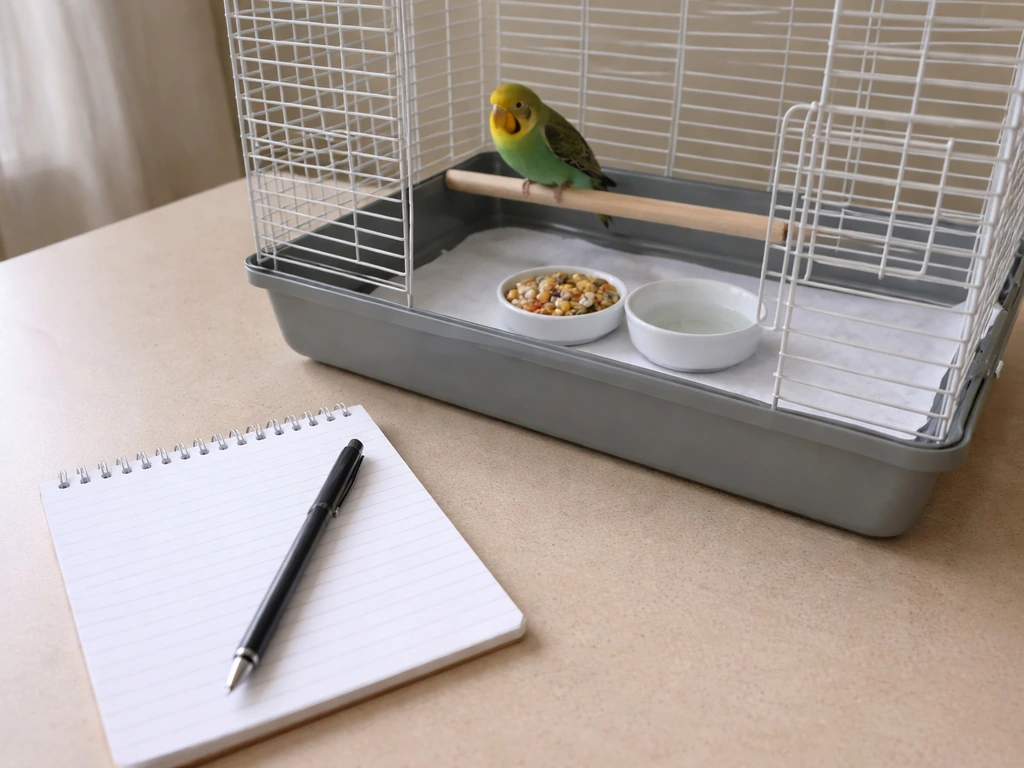
- Make sure fresh, appropriate food and clean water are easily accessible and within reach of the bird (place food at floor level if the bird is too weak to reach a normal feeder)
- Move the bird to a warm, quiet space away from stress; aim for around 85-90°F (29-32°C) for a very weak bird to help conserve energy
- Lower any perches to the bottom of the cage or add a perch close to the floor so a weak bird cannot fall far
- Reduce handling to an absolute minimum to avoid additional stress
- Monitor and document everything: food intake, dropping output, behavior, time of symptoms starting
- Do not attempt to force-feed or tube-feed at home — a bird too weak to eat on its own is at serious aspiration risk without the right technique and equipment
When you need to get to a vet immediately
Do not wait and watch if you see any of the following. In psittacine gavage feeding, regurgitation can cause partial or complete tracheal obstruction and aspiration pneumonia, which is a key reason to avoid DIY or poorly managed assisted feeding. These are emergency signals that the bird cannot recover without professional intervention:
- Lying on the cage floor or unable to stand
- Open-mouth breathing, gasping, tail bobbing with each breath, or noisy breathing
- Repeated vomiting or regurgitation
- Seizures or uncontrolled muscle movements
- Complete refusal to eat for more than 24 hours in a pet bird (less time if the bird is already small or young)
- Severe skin tenting, sunken eyes, cold extremities (signs of severe dehydration)
- A crop that is hard, very distended, or has not emptied at all after a full overnight period
- A wild bird that allows you to approach and pick it up without trying to escape
For wild birds, contact a licensed wildlife rehabilitator rather than trying to care for the bird yourself. If you are unsure how to find one, your local animal control office or a wildlife hospital can point you in the right direction. Transport the bird in a secure, ventilated box in a warm, dark, quiet space and get it there as quickly as possible.
Veterinary diagnosis and treatment (what to expect)
When you bring a starving or severely unwell bird to the vet, the first priority is stabilization, not diagnostics. Once the bird is stable, the vet will work to find out why it stopped eating.
The examination and history
Expect the vet to ask detailed questions: what the bird eats, how long it has been off food, any recent changes in the environment, exposure to other animals, and any medications or supplements. They will weigh the bird (and compare to any previous weights you have), assess body condition including the keel, evaluate the crop, check hydration, and look for underlying signs of infection, injury, or disease.
Diagnostic tests
Depending on what the exam suggests, the vet may run bloodwork to assess hydration status, organ function, and signs of infection. Fecal tests help identify parasites. If crop problems are suspected, imaging such as digital radiography can reveal foreign bodies, masses, or structural issues that are not visible on exam. In some cases, endoscopy allows the vet to directly visualize the crop, proventriculus, and upper airway. Viral and infectious disease testing may also be recommended when infection is a likely cause.
Treatment
Treatment depends entirely on the underlying cause, but supportive care is almost always part of the plan. This typically includes:
- Fluid therapy (subcutaneous or intravenous) to correct dehydration, often before anything else
- Gavage feeding (tube feeding a liquid diet directly into the crop) to restore nutrition in birds that cannot or will not eat on their own — this is a controlled procedure done by veterinary staff, not something to attempt at home
- Warmth and supportive nursing care during recovery
- Targeted treatment for the underlying cause: antifungals for candidiasis, antiparasitics for worm infections, antibiotics for bacterial infections, crop flushing or motility drugs for crop stasis
- Hospitalization with 24-hour monitoring for severe cases involving complete crop stasis, significant dehydration, or extreme weakness
The vet will also guide you on a reintroduction-to-eating plan once the bird is stable, because a severely starved bird's gut cannot handle a sudden return to full feeding volumes.
Prevention: keeping birds eating and avoiding future starvation
Most cases of starvation in pet birds are preventable with consistent observation and good husbandry. Here is what that looks like in practice.
Daily habits that catch problems early
- Check food and water every single day — not just a glance, but confirming the bird is actually eating and that food has not spoiled or become inaccessible
- Learn what your bird's normal droppings look like so you notice any change quickly
- Feel the crop gently each morning before the first feeding; it should be empty or nearly empty after overnight roosting
- Do a quick visual body condition check weekly — look at the posture, feather condition, and activity level
- Palpate the keel monthly to catch gradual muscle loss before it becomes severe
Feeding and environment
- Provide a species-appropriate, varied diet rather than relying on seeds alone, which can create nutritional gaps that predispose birds to secondary infections
- Weigh birds regularly on a gram scale and keep a log — gradual weight loss is easy to miss by eye but impossible to ignore on paper
- In multi-bird households, watch for food-bowl bullying and consider separate feeding stations
- Keep the environment at an appropriate temperature and minimize sudden stressful changes
- Schedule routine avian vet check-ups at least annually; many diseases that suppress appetite are detectable before they cause starvation-level decline
Acting on subtle changes early is the single most effective thing you can do. A bird that is slightly off food for one day is a manageable situation. A bird that has been quietly declining for a week without anyone noticing is a crisis. The difference is the daily five-minute observation habit.
FAQ
Can I safely force-feed a bird showing bird starvation symptoms?
Yes. If a bird is not eating, the immediate goal is to prevent further decline and rule out emergencies, not to force food. Forcing food by hand can worsen aspiration risk if the bird has breathing issues or if the crop is not emptying normally. Use gentle observation, provide fresh food and water, keep warmth stable, and contact an avian vet or wildlife rehabilitator when bird starvation symptoms appear or output drops markedly.
What is the best way to track whether starvation is getting worse at home?
A reliable at-home check is the weight trend. If you have a scale that can measure in grams, weigh the bird daily at the same time and record it. Sudden or steady weight loss, especially when paired with reduced droppings or a sharper keel, is a stronger indicator of progressing starvation than behavior alone.
What should I feed while I wait for a vet appointment?
Offer the same foods the bird already accepts, because changing diet during illness can reduce uptake further. In parallel, confirm the bird can reach the dish, the food is fresh, and other birds are not preventing access. If the crop feels persistently full or there is sour odor, do not switch to high-volume feeding, call a vet for crop-stasis guidance first.
How can I tell if the bird is actually not eating versus having a different illness?
Watch for mismatch between “food available” and “droppings pattern.” A bird that still produces normal-volume droppings while acting lethargic may have another problem, such as respiratory illness, stress, or pain. Conversely, very low output or the absence of fecal portion while urates remain present suggests reduced intake or impaired digestion.
Is it okay to try warming a starving bird before the vet arrives?
Start warming only in a calm, controlled way, because hypothermia can impair digestion and worsen weakness. Use a low, indirect heat source (like a warm room or a safe heat pad under part of a box) so the bird can move away if too warm. Avoid overheating, and do not use hot water bottles directly on the bird.
When is this an emergency versus a “watch for another day” situation?
For pet birds, use an avian vet or an emergency wildlife service when the bird is lying on the cage floor, breathing hard, unresponsive, gaping, seizing, or gasping. For wild birds, do not keep them long-term, contact a licensed wildlife rehabilitator or animal control, and transport promptly in a ventilated container kept warm, dark, and quiet.
What if the crop feels full even though the bird is not eating?
If the crop is distended, persistently full, or smells sour, it can mean something is blocking digestion or causing crop stasis. In that case, the risk is that added food will not move through and may worsen illness. Your next step should be veterinary guidance focused on crop management rather than increasing food amounts.
How do dehydration signs change what I should do about bird starvation symptoms?
Dehydration can mimic parts of starvation, and severe dehydration also changes stool appearance. A simple check is skin recoil (tents and releases slowly), tacky or dry mouth tissue, and sunken eyes. If dehydration signs are clear, treat it as urgent because recovery without professional care often stalls.
Why does the cause matter so much, if the bird is clearly starving?
Yes. Some parasites, GI infections, and kidney or other organ problems can reduce appetite and alter droppings, and some respiratory issues cause reduced interest in food. That is why the vet looks beyond nutrition, using stool testing, hydration and organ checks, and sometimes imaging or endoscopy when crop issues are suspected.
What are the most common mistakes people make when trying to help a starving bird?
Common pitfalls include waiting too long, assuming the bird is “picky,” not tracking droppings volume, and missing bullying when multiple birds share dishes. Also avoid sudden diet changes, unsafe home remedies, and unnecessary handling if the bird is already gasping or unresponsive.
How should feeding be restarted after a starving bird is stabilized?
Once stable, follow the vet’s reintroduction plan. Severely starved birds can have gut slowdown and cannot tolerate a sudden return to normal portions. The vet may recommend small, frequent feedings and specific textures, along with monitoring the crop emptying and droppings as you increase.
Next Article
Bird Constipation Symptoms: What to Look For and What to Do
Learn bird constipation symptoms and safe at-home checks, warning signs, and immediate next steps to get vet care fast.