If your bird is losing weight, passing abnormal droppings, sitting fluffed and listless, or stretching its neck and gasping with its mouth open, internal parasites (worms) are a real possibility. The most important thing to know right now: collect a fresh droppings sample, get it refrigerated, and contact an avian vet. Most worm infections are very treatable once confirmed, but a few (especially gapeworm causing breathing distress) can turn into an emergency within hours.
Bird Worms Symptoms: How to Spot Parasites and What to Do

Marcus Webb
11 Jun 2026
What "bird worms" usually means
When people say their bird has worms, they're usually talking about one of a handful of internal parasites. The most common ones in pet birds, poultry, and wild birds are roundworms (ascarids), Capillaria (hairworms), tapeworms (cestodes), and gapeworms (Syngamus trachea). Each one lives in a different part of the bird's body and causes a slightly different set of symptoms.
- Roundworms (Ascaridia species): live in the small intestine; very common in poultry, pigeons, and some pet birds
- Capillaria (hairworms): also intestinal, but much thinner and harder to see; some species need earthworms as an intermediate host
- Gapeworms (Syngamus trachea): live in the trachea (windpipe), not the gut; cause the distinctive open-mouth breathing known as "gapes"
- Tapeworms (Cestodes): flat, segmented worms in the intestine; less common but worth knowing about
- Trematodes (flukes): rare in most pet birds but seen in wild waterfowl
Gapeworm deserves special mention because it's the one that gets confused with respiratory infections most often. Syngamus trachea larvae migrate up into the trachea and reach sexual maturity in roughly 10 to 14 days, with the full lifecycle completing in about a month. Birds can pick it up directly from contaminated soil or indirectly by eating earthworms that carry infective larvae.
Key symptoms to look for right now
Worm symptoms in birds aren't always dramatic at first. Often the earliest clue is just that the bird looks "off", a bit quieter than usual, not finishing food, or sitting lower on the perch. As the burden increases, signs become more obvious.
Droppings changes
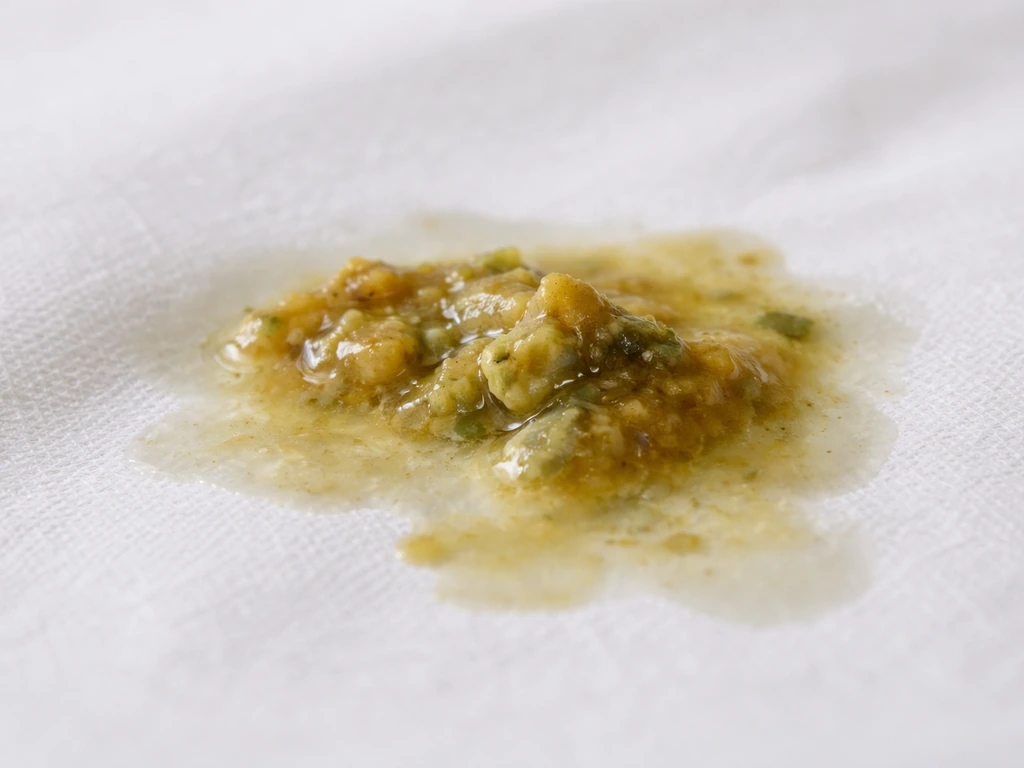
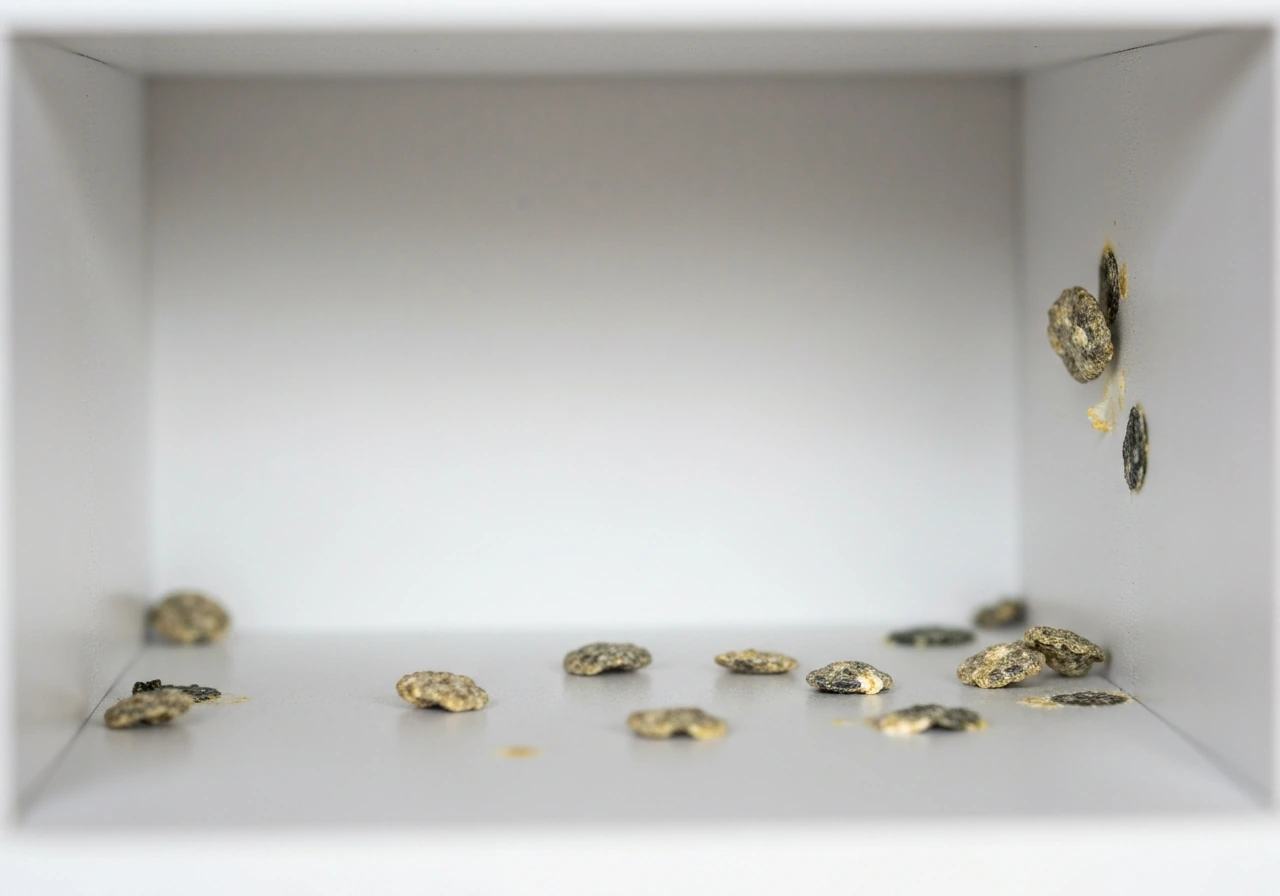
This is often the first concrete clue. Watch for loose or watery droppings, a greenish tint to the urate portion, undigested food (especially whole seeds) in the feces, or mucus-coated droppings. In heavy roundworm infections, you may actually see worms in the droppings. Intermittent soft droppings that come and go are especially suspicious because parasite eggs are shed intermittently, which mirrors that stop-start pattern.
Weight loss and appetite
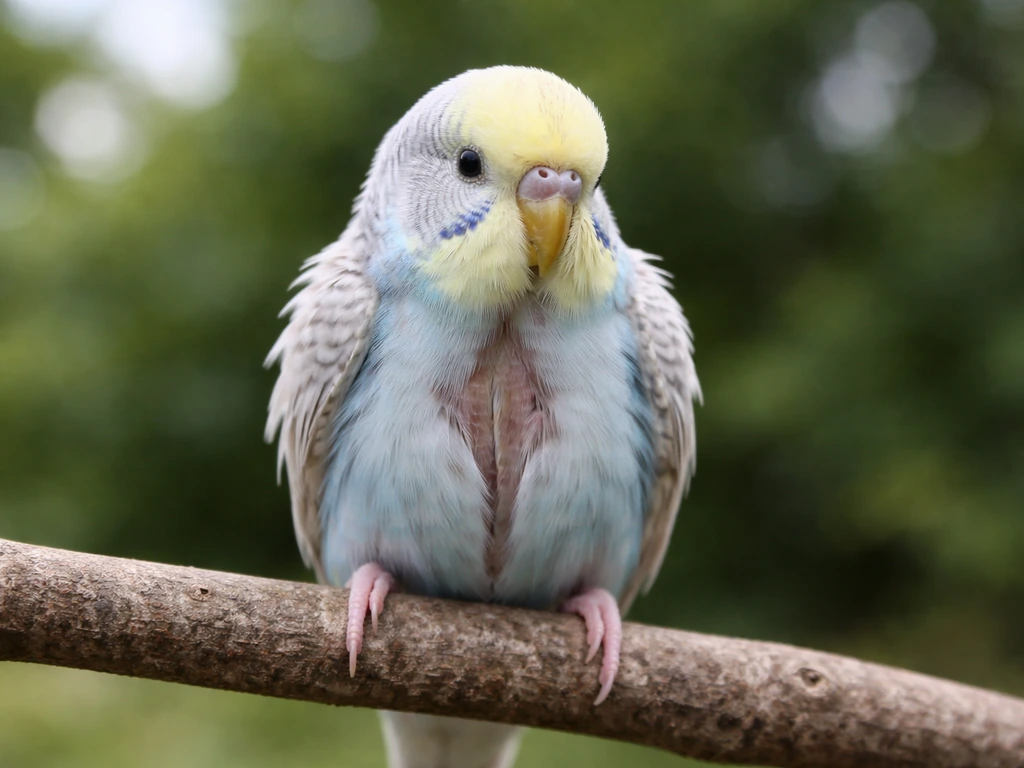
Unexplained weight loss is one of the most consistent signs of intestinal parasitism. The worms compete for nutrients, damage the gut lining, and can cause malabsorption. A bird that used to finish its food and now leaves most of it, or a bird whose keel bone is becoming more prominent when you run a finger along the chest, should be taken seriously. Weakness goes hand in hand with this.
Posture and behavior
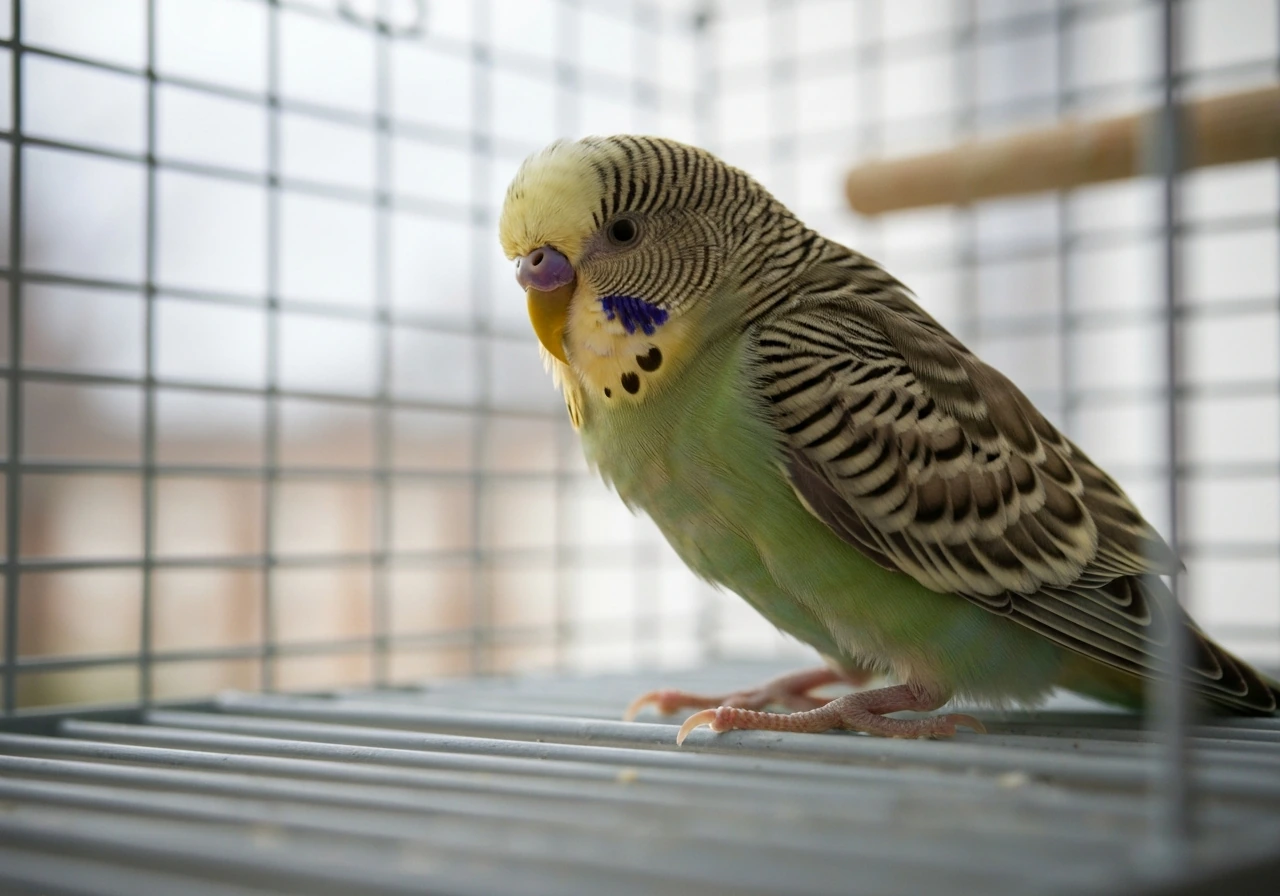
A sick bird with a significant worm burden will often sit fluffed up, sometimes with eyes partially closed, and may be reluctant to move around or vocalize. Lethargy combined with weight loss and abnormal droppings is the classic triad that should push you toward getting a fecal test done promptly.
Breathing and gaping
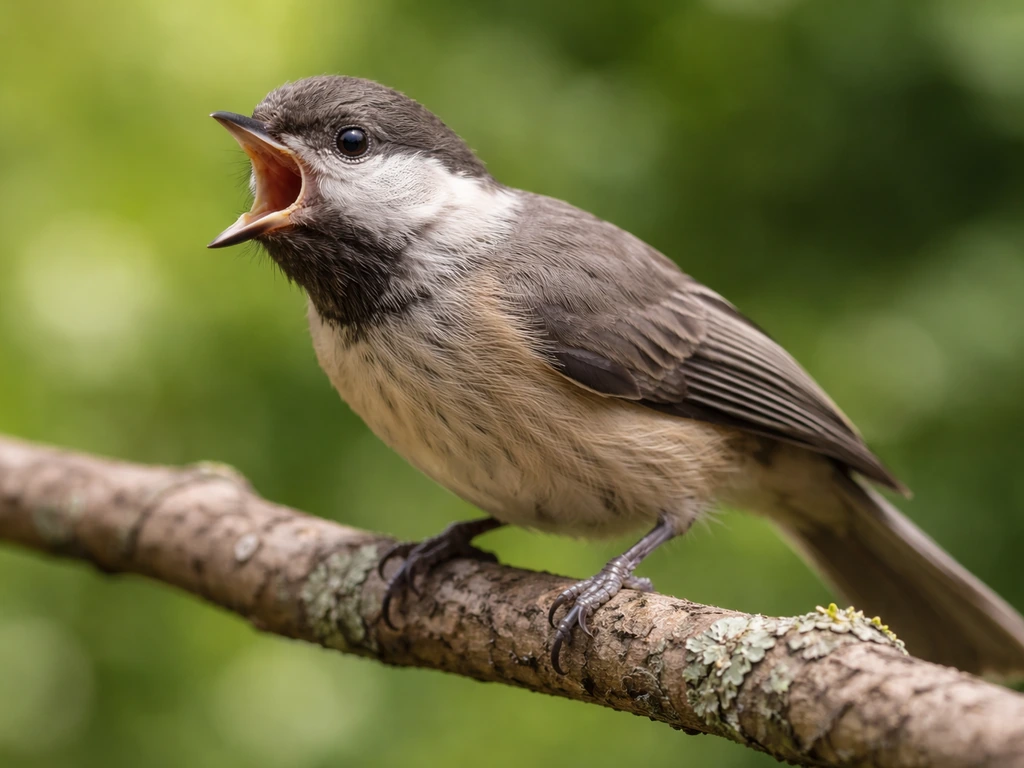
Open-mouth breathing, neck stretching, coughing, wheezing, and a repetitive bill-flicking or head-shaking motion are the hallmark signs of gapeworm specifically. The bird is literally trying to dislodge worms from its airway. This looks alarming because it is: a bird that can't breathe properly is in trouble, and this warrants urgent veterinary attention the same day. If you notice bird poisoning symptoms alongside breathing trouble, get urgent avian veterinary help the same day bird can't breathe properly. If you notice these kinds of bird starvation symptoms along with the worm signs, get veterinary care the same day.
Paleness and anemia
Some worm species damage the gut lining enough to cause blood loss. If the skin visible around the beak, cere, or legs looks pale or bluish rather than a healthy pink, that's a sign the bird may be anemic and needs to be seen quickly.
Symptoms by worm type: intestinal vs. respiratory
| Parasite | Location in bird | Main symptoms | Key clue |
|---|---|---|---|
| Roundworms (Ascaridia) | Small intestine | Weight loss, weakness, diarrhea, sometimes visible worms in droppings | Prominent keel bone, worms seen in feces |
| Capillaria (hairworms) | Small intestine, sometimes crop/esophagus | Diarrhea, weight loss, lethargy, vomiting if in crop | Often severe even with low worm counts |
| Gapeworms (Syngamus trachea) | Trachea (windpipe) | Open-mouth breathing, gasping, neck stretching, coughing, wheezing, bill-flicking | Respiratory signs without nasal discharge |
| Tapeworms (Cestodes) | Small intestine | Weight loss, diarrhea, variable | Segments may appear in droppings |
| Flukes (Trematodes) | Variable (liver, intestine, etc.) | Variable, often chronic wasting | Rare; more common in wild waterfowl |
The key practical split is this: if the main signs are digestive (weight loss, droppings changes, lethargy, vomiting), think intestinal worms. If the main signs are respiratory (gasping, open-mouth breathing, neck stretching, bill-flicking), think gapeworm first. A bird can have both, and gapeworm is the one that becomes life-threatening faster.
Red flags: when to get to an avian vet today
Some symptoms mean you should be calling a vet right now, not browsing articles. If your bird shows any of the following, stop monitoring at home and seek same-day emergency care: If your bird has open-mouth breathing, wheezing, blue or pale tissues, collapse, seizures, uncontrolled bleeding, or a sudden inability to stand or perch, SpectrumCare advises seeking same-day emergency care seek same-day emergency care.
- Open-mouth breathing or pronounced gasping that isn't stopping
- Wheezing, clicking, or audible labored breathing
- Tail bobbing rapidly with each breath (a sign of serious respiratory effort)
- Pale, bluish, or grayish tissue around the beak, cere, or legs
- Collapse, inability to stand or grip the perch
- Seizures or complete unresponsiveness
- Refusal to eat or drink for more than 24 hours combined with visible weight loss
- Suspected ingestion of a deworming product or any medication not prescribed by a vet
Birds deteriorate fast. A bird that seems "a little off" in the morning can be in serious trouble by evening, especially juveniles and small species. If you're not sure whether it's an emergency, err on the side of calling the vet and describing what you see. While you're arranging care, keep the bird warm (a hospital enclosure at around 85°F works well), quiet, and away from other birds.
What else looks like worms (common misdiagnoses)
Worm symptoms overlap heavily with several other conditions. Getting this wrong matters because the treatments are completely different.
Respiratory infections vs. gapeworm
Bacterial or viral respiratory infections also cause open-mouth breathing and wheezing, but they usually come with nasal discharge, eye discharge, or swelling around the sinuses. Bird cold symptoms, such as sneezing, nasal discharge, or watery eyes, can sometimes be mistaken for gapeworm or other infections, so a vet check matters. Gapeworm typically causes the gaping and neck-stretching behavior without much nasal involvement. That said, you can't be certain without a vet exam and testing, so don't try to diagnose this one yourself at home.
Coccidiosis vs. intestinal worms
Coccidiosis is a protozoal infection (not a worm) that causes very similar symptoms: diarrhea, lethargy, weight loss, pale tissues, and anorexia. It's one of the most common misidentifications. The only reliable way to tell them apart is a fecal test, because coccidian oocysts look completely different from worm eggs under a microscope.
Proventricular Dilatation Disease (PDD) vs. worms
PDD, sometimes called macaw wasting disease, causes marked weight loss, regurgitation, and undigested food (whole seeds) in the droppings. This can look almost identical to a heavy roundworm or Capillaria infection. PDD is caused by a virus, not a parasite, so it won't respond to deworming. An avian vet will specifically rule out helminths before diagnosing PDD.
Avian gastric yeast (Macrorhabdus ornithogaster)
This fungal organism lives in the proventriculus and causes weight loss, regurgitation, and abnormal droppings in budgerigars and other small birds. It's another common mimic. Again, a fecal exam and gram stain can distinguish it from worm infections.
It's also worth noting that bird diarrhea and droppings changes can have many other causes, including dietary shifts, bacterial infections, and kidney disease. If your bird has been losing weight alongside increased thirst and unusual droppings, kidney disease is worth ruling out too. If you suspect bird kidney disease symptoms, make sure your vet rules out kidney problems when evaluating abnormal droppings and weight loss.
What to do today: collecting a sample and what to expect at the vet
Collecting a droppings sample
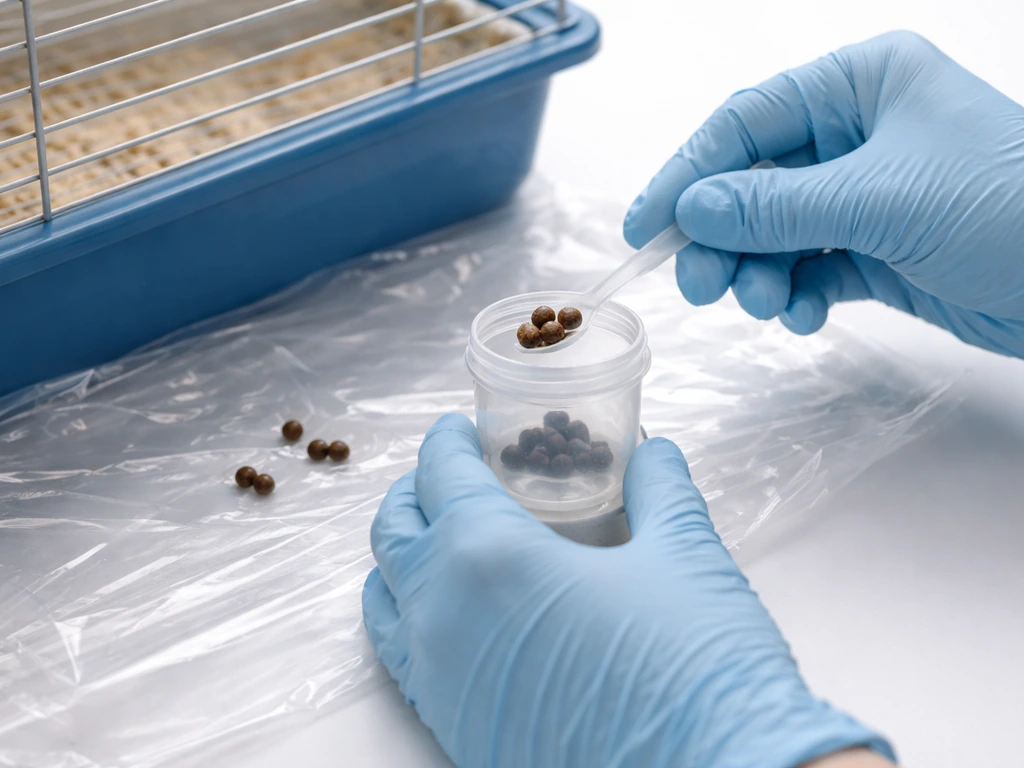
A fresh fecal sample is the single most useful thing you can bring to a vet appointment. Store the fecal sample in the refrigerator until shipping, and do not freeze fecal samples blank" rel="noopener noreferrer">AVC UPEI. Here's how to do it right:
- Line the cage floor with a clean piece of paper or plastic wrap (no gravel or substrate that contaminates the sample)
- Collect the freshest droppings you can find, ideally passed within the last few hours
- Collect at least 3 to 5 grams total (a small pea-sized amount from multiple droppings is fine)
- Place the sample in a clean, sealed container or zip-lock bag
- Refrigerate it immediately — do not freeze it, freezing destroys parasite eggs and makes the test useless
- Get it to the vet or diagnostic lab as quickly as possible, ideally within 24 hours
If you're watching the bird and waiting for a vet appointment, note the time, appearance, and consistency of each dropping you see. This information helps the vet enormously.
What the vet will do
The standard test for worm diagnosis in birds is fecal flotation, sometimes with sedimentation added. Your vet (or a veterinary diagnostic lab) mixes the fecal sample with a flotation solution, spins it, and examines the concentrated material under a microscope for worm eggs or oocysts. Because egg shedding can be intermittent, a single negative result doesn't fully rule out worms, especially if symptoms are strong. Testing on two or three separate days increases accuracy.
For suspected gapeworm, a direct tracheal examination or crop wash may be performed alongside the fecal test. If bacterial infection or yeast is suspected as a concurrent or alternative diagnosis, the vet may also do a gram stain or culture. For birds showing GI signs consistent with PDD, imaging (X-rays) may be added.
Treatment basics and preventing reinfection
Deworming: let the vet prescribe the dose
The most important safety rule here is this: don't dose your bird with deworming products from a farm store or online without veterinary guidance. Dosing errors in small birds and juveniles can be fatal, and you also need to know which parasite you're treating to pick the right drug. Treating a bird for roundworms won't help if it actually has gapeworm, and vice versa.
For intestinal nematodes like roundworms and Capillaria, fenbendazole is commonly used, typically given over multiple days. For tapeworms and flukes, praziquantel is the usual choice. Gapeworm also responds to fenbendazole in most cases. All of these should be dosed by weight, prescribed by a vet, and followed up with a repeat fecal test to confirm the infection has cleared.
Hygiene and preventing reinfection
Worm burdens rebound quickly after treatment if the environment isn't cleaned at the same time. Here's what to do alongside treatment:
- Thoroughly clean and disinfect the cage, perches, food bowls, and water dishes the same day treatment starts
- Remove substrate completely and replace it; don't just spot-clean
- For birds that free-range in a garden or yard, restrict access to heavily used soil areas while treatment is ongoing
- Keep treated birds separate from untreated birds until both have been tested and cleared
- Eliminate or limit access to earthworms in outdoor enclosures if Capillaria or gapeworm is confirmed, since earthworms can carry infective larvae
- Schedule a follow-up fecal test 3 to 4 weeks after completing treatment to confirm the worm burden has been eliminated
Follow-up and long-term monitoring
Reinfection is common if the underlying exposure source isn't addressed. For backyard poultry or aviary birds, routine fecal screening once or twice a year is a smart practice even when no symptoms are visible. For pet birds kept strictly indoors, the risk is lower but not zero, particularly if the bird eats fresh foods, millet sprays, or other items that could theoretically carry contamination. If a bird has had worms once, it's worth building a simple annual wellness check with fecal testing into your routine.
FAQ
My bird has loose droppings sometimes, could bird worms still be the cause even if it looks normal on other days?
Yes. Many intestinal parasites shed eggs intermittently, so symptoms and droppings can improve and worsen. That is why a single “good day” sample can be misleading. If the bird is losing weight, less interested in food, or the droppings are repeatedly abnormal, ask your vet about collecting samples on multiple days for a more reliable fecal test.
What should I do if I cannot collect a droppings sample right away?
Try to collect as soon as possible, ideally within a few hours, and refrigerate it before the appointment. If you must store longer, keep the sample sealed and cool rather than at room temperature. If refrigeration is not available, contact your avian vet immediately, because delayed or warm storage can reduce test accuracy.
How long after treatment should I expect symptoms to improve if it is truly worms?
Improvement often takes several days, not overnight, because worms and gut damage do not resolve instantly. If the bird is worse within 24 to 48 hours, has new breathing trouble, or continues to eat very little, call the vet. A repeat fecal test after treatment is important to confirm clearance and to catch reinfection early.
Can I use my bird’s droppings color changes alone to tell which worm it has?
No. Color or consistency changes can reflect multiple problems, including bacterial illness, protozoal infections, and dietary effects. For example, watery or mucus-coated droppings can point to worms but also to conditions like coccidiosis. Species-specific identification requires microscopy on eggs or oocysts, or additional tests the vet chooses.
If my bird has open-mouth breathing, how do I know it is gapeworm and not a respiratory infection?
Open-mouth breathing, neck stretching, and repetitive head or bill-flicking strongly suggest gapeworm, especially when nasal discharge is minimal. However, respiratory infections can look similar early on. The safest approach is same-day veterinary evaluation, because gapeworm can become critical within hours and treatment choices differ.
Are there any household actions I should take immediately to reduce the risk of reinfection?
Yes. Clean the cage and any perches or floors where droppings land, and remove contaminated bedding promptly. Wash food and water items thoroughly and replace them. For birds in shared environments, isolate the affected bird until testing and start-up cleaning are underway, since eggs can spread from contaminated surfaces.
Do indoor birds really need fecal testing, or is it only for backyard or aviary birds?
Indoor birds have lower risk but it is not zero. Contamination can come from fresh produce, millet or other treats, dust on hands or clothing, or pests entering the home. If your bird has had worms before, is a breeder, or lives with other birds, an annual fecal wellness check is a practical way to catch reinfection before it becomes severe.
My bird tested negative on a fecal flotation once. Does that rule out bird worms symptoms?
Not completely. Worm egg shedding can be intermittent, so a single negative result can miss infection when the bird is still symptomatic. Ask the vet whether to repeat testing on multiple days. This is especially important when weight loss, abnormal droppings, or a respiratory presentation persists.
Is it safe to deworm “just in case” using an online product?
Generally no. Dosing errors in small birds and juveniles can be fatal, and the medication choice depends on the parasite. A mismatch between the drug and the worm species can delay correct care, which matters most with gapeworm. If you need immediate guidance while waiting for testing, contact an avian vet before administering any product.
Could bird worms symptoms be mistaken for coccidiosis, and how quickly can that become urgent?
Yes, coccidiosis can mimic worms with diarrhea, weight loss, lethargy, and pale tissues. It can also worsen quickly in small birds. Because the distinction relies on what the microscope shows (oocysts versus worm eggs), request fecal testing promptly rather than trying to treat based on appearance alone.
Next Article
Bird Diarrhea Symptoms: How to Triage and When to See a Vet
Spot bird diarrhea symptoms fast, triage likely causes, and know when to see an avian vet urgently.