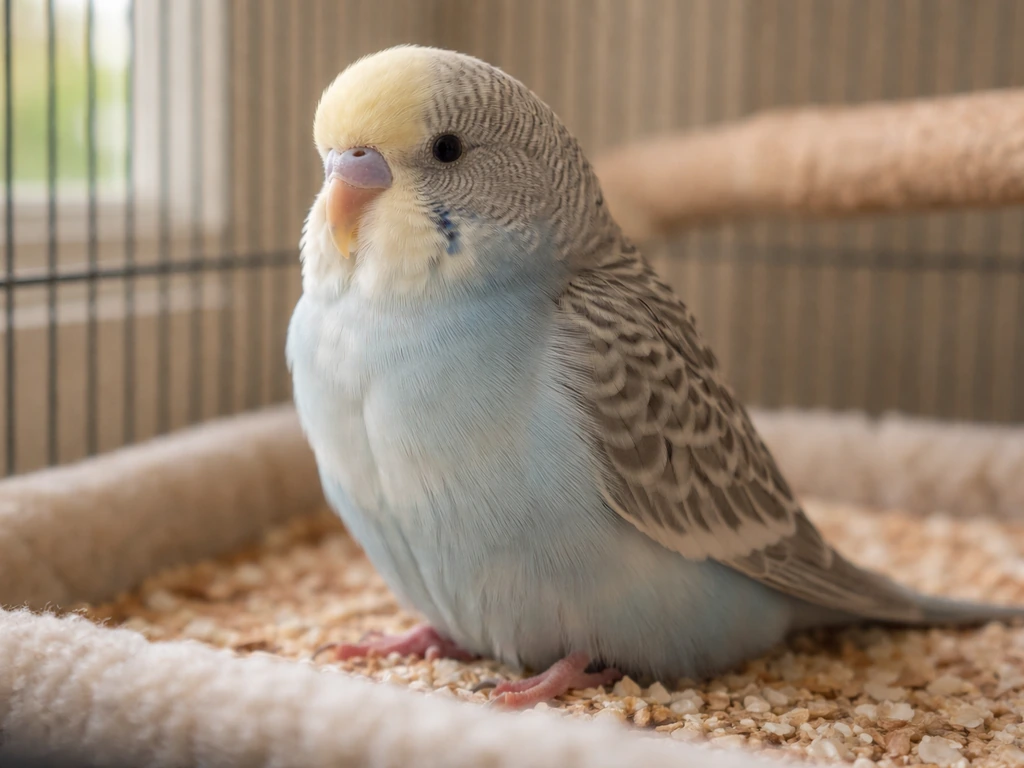
Bird poisoning symptoms can appear within minutes or take several days to show up, depending on what the bird was exposed to. The most urgent signs to watch for are sudden tremors, seizures, labored or open-mouth breathing, loss of balance, vomiting-like regurgitation, or a bird that collapses without obvious cause.
Bird Poisoning Symptoms: Checklists, Causes, and First Aid

Marcus Webb
17 Jun 2026
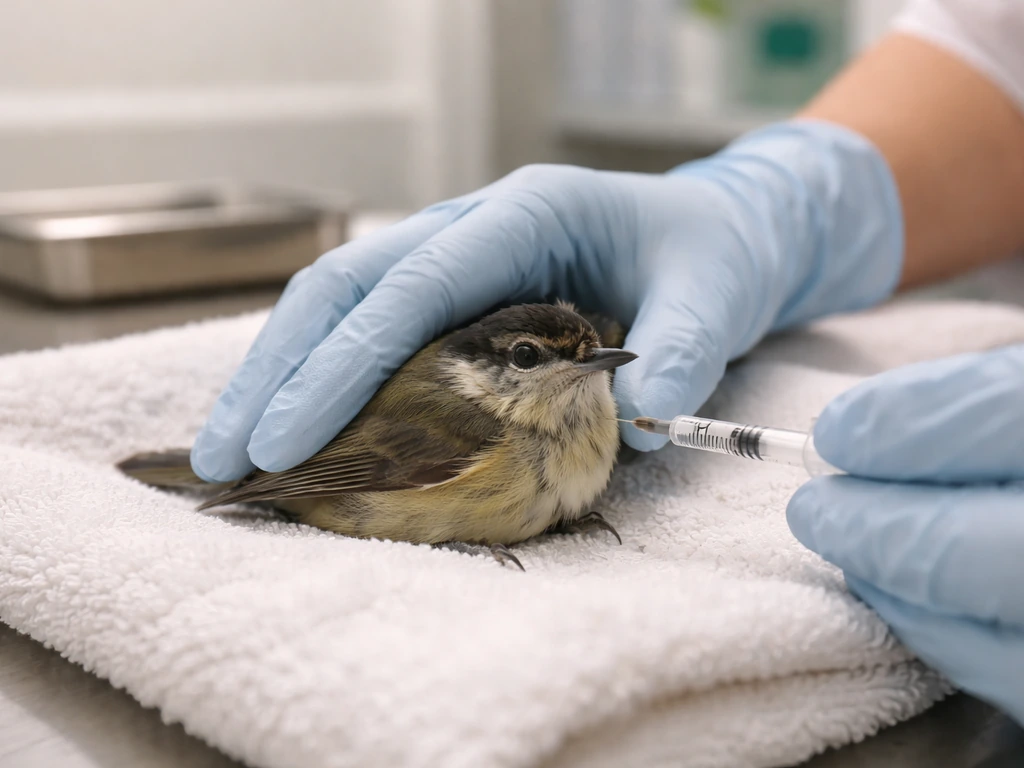
For organophosphate toxicity, Cornell CWHL notes that early signs in animals can include hypersalivation (excess saliva), constricted pupils (miosis), frequent urination, diarrhea, vomiting, colic, and difficulty breathing sudden tremors, seizures, labored or open-mouth breathing.
If you are seeing any of these right now, move the bird away from the suspected source immediately, put it somewhere warm and quiet, and call an avian vet or poison helpline. If your bird is not behaving normally due to bird phobia symptoms like sudden hiding, frantic vocalizing, or fear-based aggression, note those signs alongside any suspected poisoning symptoms so the vet can compare what is driving the change. Do not try to induce vomiting.
Time matters, and this guide will help you figure out what you are dealing with and what to do next.
What bird poisoning looks like: fast vs delayed signs
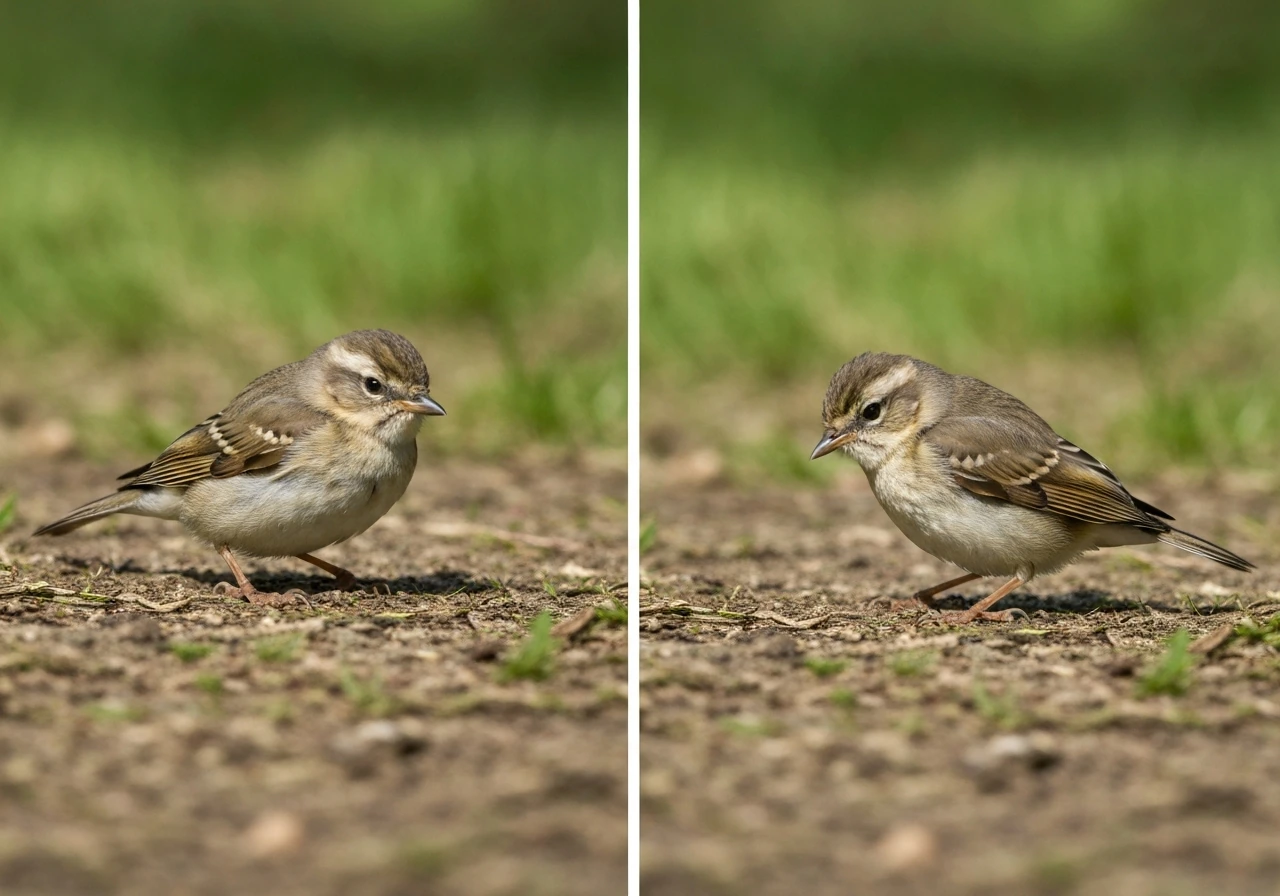
One of the trickiest things about bird poisoning is that the timeline varies enormously. Some toxins hit fast and hard, while others build up quietly over days before anything obvious shows.
Rapid-onset poisoning (minutes to a few hours) is most common with fume and aerosol exposures. Merck Veterinary Manual notes that household cleaners and toxic plants can also endanger pet birds, and that birds’ respiratory tracts are very sensitive to chemical fumes and sprays fume and aerosol exposures. A bird exposed to overheated non-stick cookware fumes (Teflon/PTFE) can go from normal to seizures, coma, or sudden death in under an hour. At high pesticide doses, clinical signs can appear within minutes. With fume poisoning, the first signs you might notice are agitation, rapid or labored breathing, wheezing, and then incoordination before things escalate quickly.
Delayed poisoning (hours to several days) is the pattern with heavy metals and anticoagulant rodenticides. A bird that chewed on a galvanized wire toy or a curtain weight may seem fine for a day or two before developing greenish diarrhea, weakness, or staggering. If you are noticing bird diarrhea symptoms like greenish droppings, it is important to consider poisoning and contact a vet promptly greenish diarrhea. Anticoagulant rodenticides are especially deceptive: blank" rel="noopener noreferrer">clinical signs typically do not appear until 3 to 5 days after ingestion of a toxic dose, so you may not immediately connect what the bird ate to what is happening now.
Birds are also famously good at hiding illness. By the time symptoms are visible, the bird is often significantly compromised. That is why any sudden change in behavior, droppings, or energy level deserves real attention, not a wait-and-see approach.
Common poisoning sources and the symptoms they tend to cause
Different toxins produce recognizably different symptom patterns, and knowing this can help you narrow down the likely cause and describe it accurately to a vet.
| Poisoning Source | Common Examples | Typical Symptoms |
|---|---|---|
| Fumes and aerosols | Overheated non-stick cookware (PTFE/Teflon), air fresheners, perfumes, cleaning sprays, paint fumes, gasoline | Labored/rapid breathing, wheezing, agitation, incoordination, weakness, sudden death |
| Heavy metals | Lead (mirror backings, costume jewelry, old paint, solder), zinc (galvanized hardware, some toys, curtain weights) | Greenish diarrhea, excessive urination, staggering, weakness, seizures, weight loss, increased thirst, sudden death |
| Pesticides and organophosphates | Insecticides, sprays used in or near the home, contaminated food | Excess salivation, tearing, diarrhea, vomiting, frequent urination, tremors, convulsions, paralysis, difficulty breathing |
| Anticoagulant rodenticides | Rat and mouse bait products | Delayed bleeding, weakness, lethargy, difficulty breathing (internal hemorrhage); signs appear 3–5 days post-ingestion |
| Household cleaners | Bleach, ammonia, oven cleaners, toilet bowl cleaners | Eye and respiratory irritation, burns around mouth and eyes, respiratory distress, lethargy |
| Toxic plants | Calla lily, mistletoe, poinsettia, avocado | GI upset, vomiting/regurgitation, lethargy, difficulty breathing (plant-dependent) |
| Contaminated food/water | Moldy food, salt toxicity, chocolate, caffeine, onion, alcohol | Regurgitation, diarrhea, lethargy, tremors, neurological signs (substance-dependent) |
Fume poisoning deserves special emphasis because it is so fast and so lethal. Birds have extremely sensitive respiratory tracts, and a Teflon pan overheated on a stove can kill a bird in the same room within minutes. The only clinical sign in some cases is acute death. If you cook with non-stick pans, the bird should not be in or near the kitchen.
Key symptom categories to check right now
Go through each of these categories when you are assessing a bird you are worried about. You do not need to see signs in every category for it to be serious.
Neurological and behavioral signs
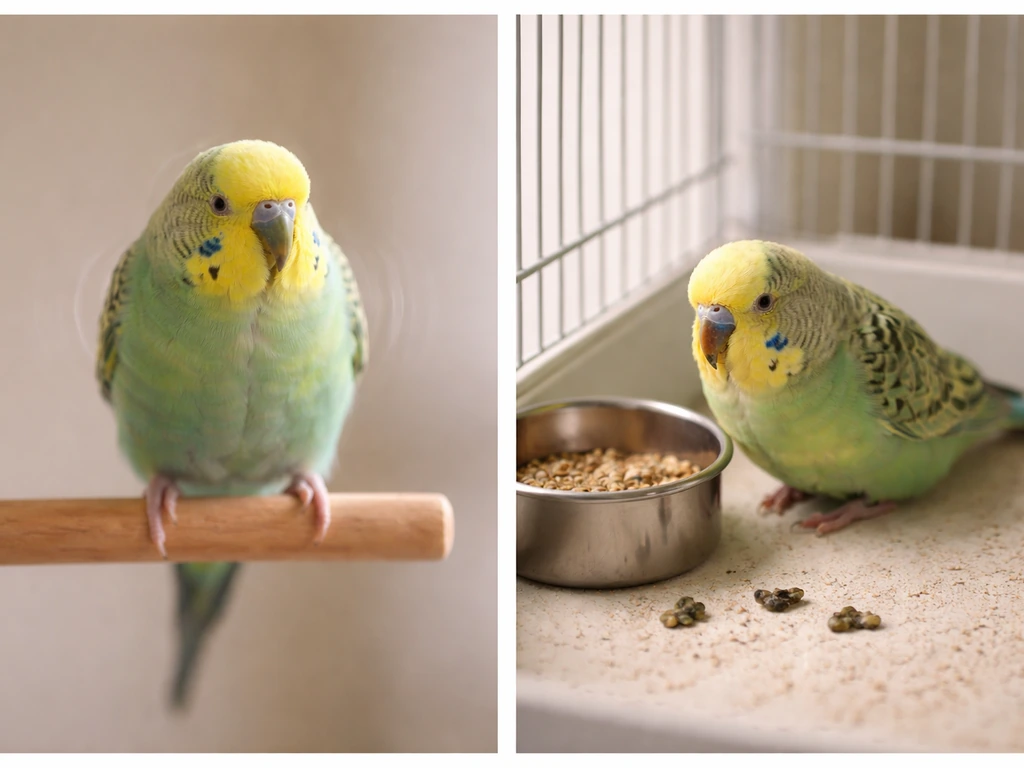
- Tremors or shaking, especially of the head or limbs
- Seizures or convulsions
- Staggering, loss of balance, falling off the perch
- Incoordination or walking in circles
- Sudden blindness or disorientation
- Extreme agitation or unusual aggression
- Weakness, collapse, or unresponsiveness
- Sudden lethargy or depression in a bird that was previously active
Gastrointestinal signs
- Regurgitation (birds cannot truly vomit, but they can regurgitate)
- Diarrhea, especially if green, bloody, or watery
- Excessive or abnormal urine in droppings
- Loss of appetite or complete refusal to eat
- Visible weight loss over a short period
- Increased thirst or water intake
- Drooling or excessive saliva around the beak
Respiratory signs
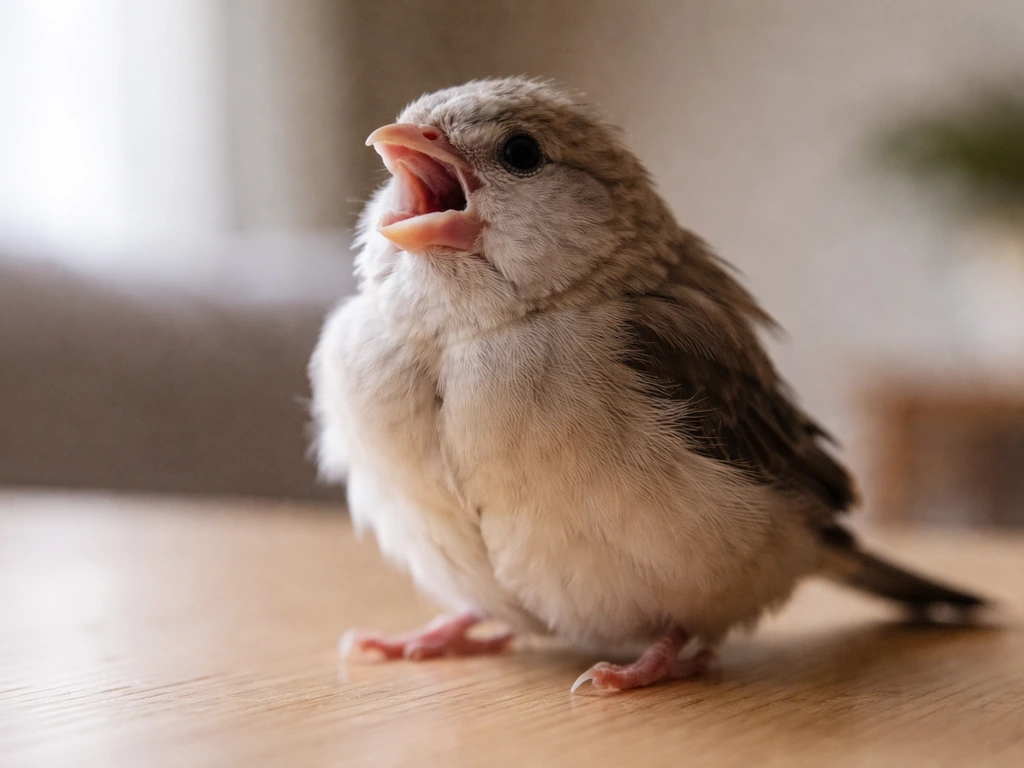
- Open-mouth breathing or labored breathing
- Rapid or shallow breathing
- Wheezing, clicking, or crackling sounds
- Coughing or sneezing (especially sudden onset)
- Tail bobbing with each breath (a sign of respiratory effort)
- Blue or purple coloring around the beak or feet (oxygen deprivation)
Skin, eye, and visible signs
- Red, swollen, or watery eyes
- Burns or redness around the beak, mouth, or skin
- Feather fluffing or abnormal posture (hunched, eyes half-closed)
- Pale or discolored mucous membranes
- Abnormal droppings color or consistency (green, black, bloody, or very watery)
Telling poisoning apart from other illnesses
This is genuinely difficult, and you will not always be able to do it at home with certainty. That is okay. The goal here is to make an informed decision about how urgently to act, not to diagnose the bird yourself. If you are worried about bird kidney disease symptoms, a vet can help sort that out quickly and recommend the right next steps diagnose the bird yourself.
Respiratory signs like labored breathing, wheezing, and open-mouth breathing can look nearly identical in a bird with a respiratory infection versus one with fume poisoning. The key difference is context and speed. Fume poisoning comes on fast and is often linked to a clear environmental event (cooking, cleaning, spraying). Respiratory infections, like those you might read about in a guide on bird cold symptoms, tend to develop more gradually and may include nasal discharge or sneezing without the sudden dramatic collapse.
Diarrhea and GI upset overlap heavily with bacterial or parasitic illness. Constipation in birds can also be a warning sign of an illness or toxin exposure, so check droppings and behavior and contact an avian vet if it persists or worsens. Greenish, watery diarrhea from zinc toxicity can look similar to diarrhea from an infection or even bird worms. Context again helps: did the bird have access to galvanized metal or a new toy? Did multiple birds get sick at once after a food change? These details matter.
Neurological signs like tremors and seizures are less common in routine infections and more associated with toxins, heavy metal poisoning, or certain neurological conditions. Because bird worms symptoms can also include weakness, weight loss, and neurologic issues, a vet may need to rule out parasites when you see these signs. However, severe vitamin deficiencies and some infections can also cause neurologic symptoms, so a vet's workup is the only way to confirm the cause.
Lethargy and loss of appetite are the least specific signs of all. They appear in almost every illness a bird can have, from bird kidney disease to bird starvation to GI infections. Bird starvation symptoms often overlap with many other illnesses, so they should be evaluated alongside droppings, breathing, and any likely exposures. On their own, they do not confirm poisoning, but combined with other signs or a known exposure, they absolutely warrant veterinary attention.
The practical takeaway: if there is any known or suspected exposure to a toxin, treat it as poisoning until a vet says otherwise. Do not wait for a perfect match of symptoms.
Immediate first aid while you get help
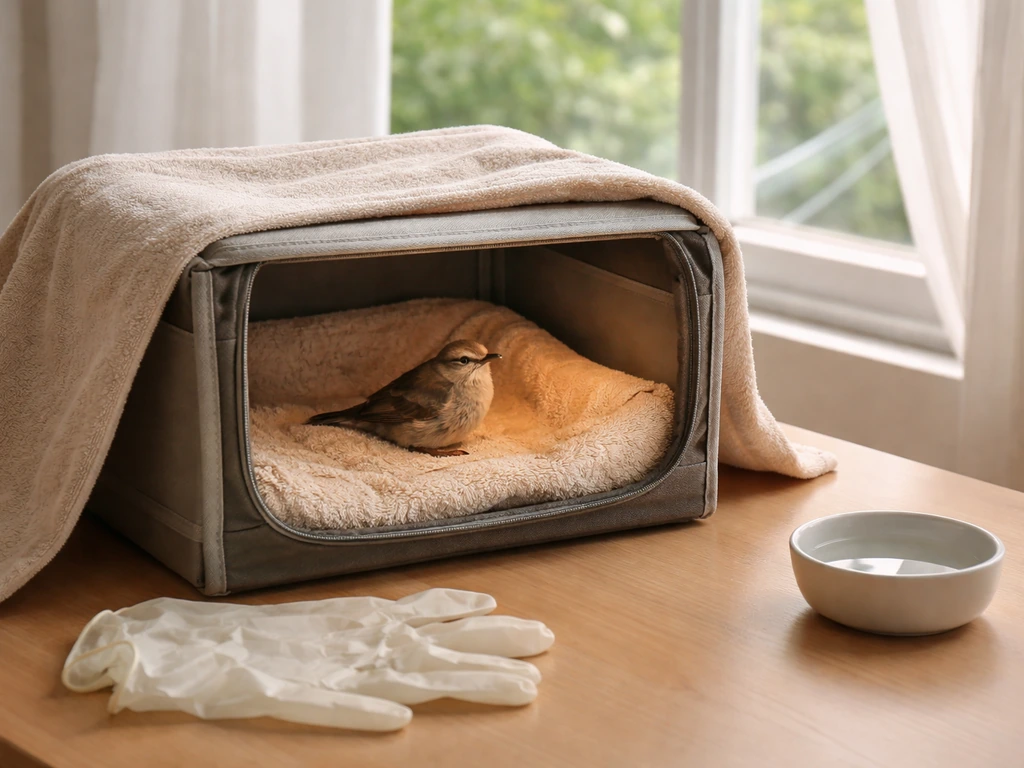
These steps are about stabilizing the situation, not treating the poisoning. Real treatment requires a vet. Your job right now is to stop further exposure and keep the bird as safe and calm as possible.
- Make sure it is safe for you to approach. If there are fumes, open windows or leave the room first before going back in for the bird.
- Remove the bird from the source. If fumes are involved, move the bird immediately to fresh air in a different room or outside (in a secure carrier). If a substance was ingested, move the bird away from it.
- Do NOT induce vomiting. Birds cannot vomit the way mammals do, and attempting to force this can cause serious harm. Do not give home remedies, oils, or anything by mouth unless a vet tells you to.
- If poison is on the feathers or skin, rinse gently with lukewarm water. Do not use soap unless directed by a vet or poison helpline.
- If poison got into the eyes, rinse gently with clean running water for 15 to 20 minutes.
- Keep the bird warm and quiet. Place it in a small, secure container with good ventilation and a warm (not hot) environment. Minimize handling and noise, as stress makes things worse.
- Call an avian vet or animal poison helpline immediately. Do this while you are doing the steps above, or have someone else make the call.
Do not attempt to give activated charcoal, milk, or any other "antidote" you may have read about online without direct guidance from a vet. Some of these can make things significantly worse in birds.
When to go to emergency vet care and what to tell them
Go immediately if the bird is having seizures, has collapsed, is breathing with obvious difficulty, or you know there was a fume exposure. These are not situations to monitor at home. For suspected heavy metal or rodenticide ingestion with milder symptoms, still call right away, because early intervention can make a real difference in outcome.
When you call or arrive, the information you bring matters enormously. Vets can treat more effectively when they know what they are dealing with. Try to gather the following before or during transport:
- What the bird was exposed to, or what you suspect (bring the product label or packaging if possible)
- When the exposure happened or when you first noticed symptoms
- What symptoms you have observed and in what order they appeared
- Photos of the bird, its droppings, and anything it may have chewed or been near
- The bird's species, age, and approximate weight if you know it
- Any recent changes in diet, environment, or household products used
During transport, keep the carrier covered to reduce stress, maintain warmth, and avoid putting the bird in a cold car. If the bird is in respiratory distress, position it upright if possible and do not crowd the container. A bird in distress needs good airflow, not a tight space.
If you cannot reach an avian vet immediately, call the ASPCA Animal Poison Control Center or the Pet Poison Helpline. They can give you real-time guidance specific to the substance and the bird's current condition.
Recovery, prevention, and what to change going forward
Recovery from poisoning depends heavily on what the toxin was, how much the bird was exposed to, and how quickly treatment started. Heavy metal poisoning, for example, often requires chelation therapy over days to weeks. Fume poisoning survivors may need oxygen support and close monitoring for respiratory complications. Your vet will give you a realistic picture of what to expect.
During recovery at home, follow the vet's instructions carefully. This typically includes medication schedules, restricted activity, supportive feeding if the bird is not eating well, and follow-up blood work or imaging. Watch closely for any return of symptoms and report them immediately. Recovery does not always mean linear improvement, and setbacks can happen.
Prevention is where you really protect the bird long-term. Most bird poisonings are preventable with some awareness of what is in your home. Here are the highest-priority changes to make:
- Replace all non-stick (PTFE/Teflon) cookware with stainless steel or cast iron, or never cook while the bird is in or near the kitchen
- Audit the bird's cage and toys for galvanized metal, old paint, lead solder, or costume jewelry components, and replace with bird-safe materials
- Use unscented, bird-safe cleaning products and always ventilate thoroughly; keep the bird out of the room during and for at least an hour after cleaning
- Never use aerosol sprays, air fresheners, scented candles, or incense near the bird's area
- Research any new plant before bringing it into the home and remove any known toxic species
- Store all pesticides, rodenticides, and household chemicals completely out of reach and in sealed containers
- Check food and water sources regularly; do not leave fresh food out long enough to mold, and use filtered or tested water if your tap water quality is uncertain
It is worth doing a full walkthrough of your bird's environment now rather than after another incident. The most common sources of heavy metal poisoning, for example, are things that seem harmless at a glance: a toy with zinc hardware, an old mirror in the cage, a piece of costume jewelry a bird was allowed to play with. Small changes in what the bird has access to can dramatically lower the risk.
If you have a wild bird in your care that was poisoned (by pesticide exposure or a rodenticide, for instance), contact a licensed wildlife rehabilitator as quickly as possible. The treatment approach is similar in principle but requires specialist handling and, in many places, a legal permit to treat wild birds.
FAQ
What should I do if I suspect bird poisoning but the symptoms are mild or not happening yet?
If you suspect poisoning but the bird seems stable, still remove access to the suspected source (pan, cleaner, pesticide area, metal object, treated seed) and call an avian vet or poison helpline for guidance. Some toxins have delayed onset, so “waiting to see” can miss the window when treatment works best.
Can I give my bird water, food, or an antidote at home if I think it ingested poison?
Do not offer water or food as an “antidote.” Focus on preventing further exposure and keeping the bird warm, quiet, and in a familiar carrier area. Only follow feeding or medication instructions from a vet, because certain toxins can worsen with force-feeding or inappropriate foods.
If the bird looks okay today, could it still be poisoning if droppings change later?
Yes. Some toxins cause delayed GI signs, including greenish watery droppings, while the bird may look “mostly okay” at first. If you notice a new pattern of droppings along with any exposure history (new toy, galvanized metal, jewelry, rodenticide around the home), call a vet promptly even if the bird is not actively collapsing.
What information should I gather before calling an avian vet or poison helpline?
When you call, have the exact product name and ingredient list if possible, the brand of any non-stick cookware, when the exposure likely occurred, whether there were fumes or sprays, and whether other pets or birds were exposed too. These details help narrow the toxin and decide whether immediate in-person care is required.
How can I tell fume poisoning from a respiratory infection?
Yes, and it can be misleading. Respiratory infection and fume exposure can look similar, but fume cases are more likely to have a clear, recent event (cooking, cleaning, spraying) and rapid decline, sometimes with minimal nasal discharge. If the timeline is fast or there was an obvious air exposure, treat it as potential fume poisoning and seek urgent advice.
What is the safest way to transport a bird with suspected poisoning symptoms?
No. For fume exposure or suspected breathing difficulty, avoid tight confinement and keep the carrier positioned to allow comfortable breathing (upright if the bird can tolerate it). You should not try to “cool” the bird or put it in a cold car, because temperature stress can worsen respiratory compromise.
What recovery symptoms mean I should contact the vet right away?
Watch for worsening breathing effort, a return of neurologic signs (tremors, seizures), repeated vomiting-like regurgitation, or a rapidly increasing weakness or inability to stand. If symptoms rebound after initial improvement, contact your vet immediately, because some toxins cause fluctuating severity during the first 24 to 72 hours.
When should I treat this as an emergency versus a “call and monitor” situation?
If there was a fume exposure known or strongly suspected, go immediately even if the bird is still standing, because some cases progress extremely quickly and oxygen support may be needed. If exposure to rodenticide or heavy metals is possible, call right away as well, since early intervention can meaningfully change outcomes.
Does it matter if multiple birds get sick around the same time?
If you find multiple birds sick after the same food change, shared toys, or similar room exposures, that pattern increases the likelihood of toxin exposure rather than an isolated infection. Tell the vet how many birds were affected, when each started showing signs, and whether droppings or breathing symptoms followed the same timeline.
What should I do if the poisoned bird is wild, not a pet?
Yes. If a wild bird is suspected to have ingested poison or been exposed to pesticides, contact a licensed wildlife rehabilitator promptly and avoid handling longer than necessary. Wild bird care often requires permits and specialist handling, and some toxins present higher risks to the handler and other animals.
Next Article
Bird Cold Symptoms: What to Watch and What to Do Next
Spot bird cold symptoms in time: respiratory, behavior, discharge, and when to seek urgent vet care.