True bird diarrhea means the solid fecal portion of the dropping is unformed, watery, or impossible to distinguish from the urine and urates around it. It is not just a wet cage bottom. The fastest way to check right now is to look at what your bird left behind: blank" rel="noopener noreferrer">healthy droppings have three distinct parts, a green or brown solid stool, a chalky white urate blob, and a small clear liquid pool. If those three parts have merged into one soupy mess, that is diarrhea. If you only see blank" rel="noopener noreferrer">extra clear liquid but the stool part still looks solid and formed, that is likely excess urine (polyuria), which is a different problem with its own set of causes.
Bird Diarrhea Symptoms: How to Triage and When to See a Vet

Marcus Webb
10 Jun 2026
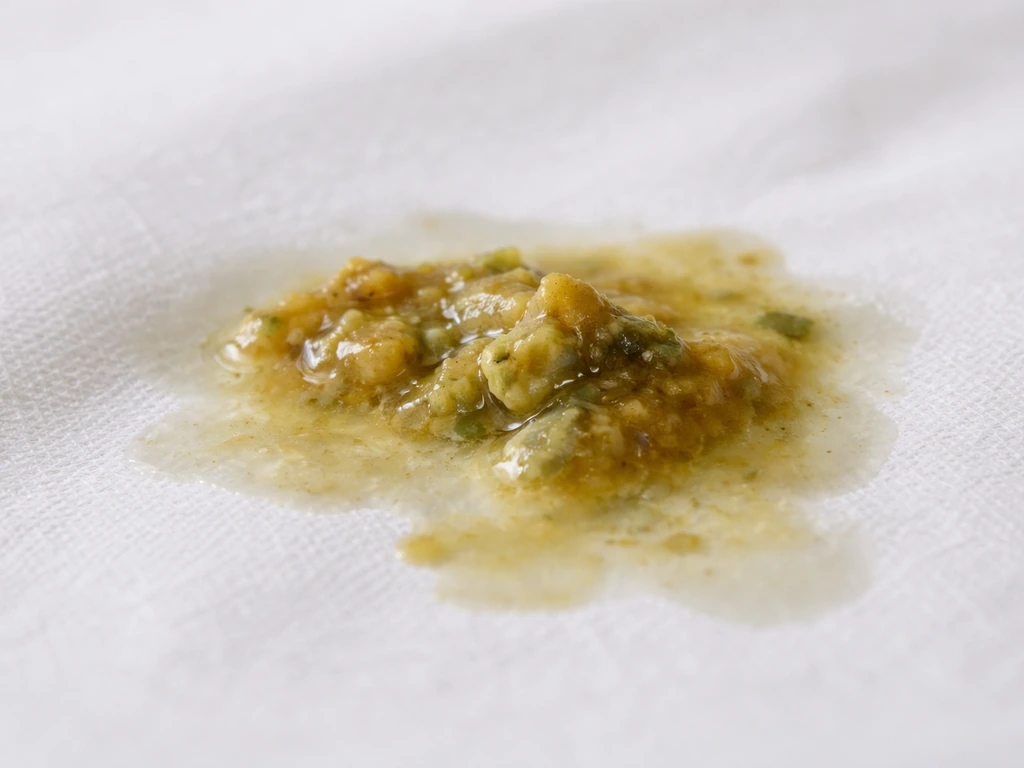
What bird diarrhea actually looks like
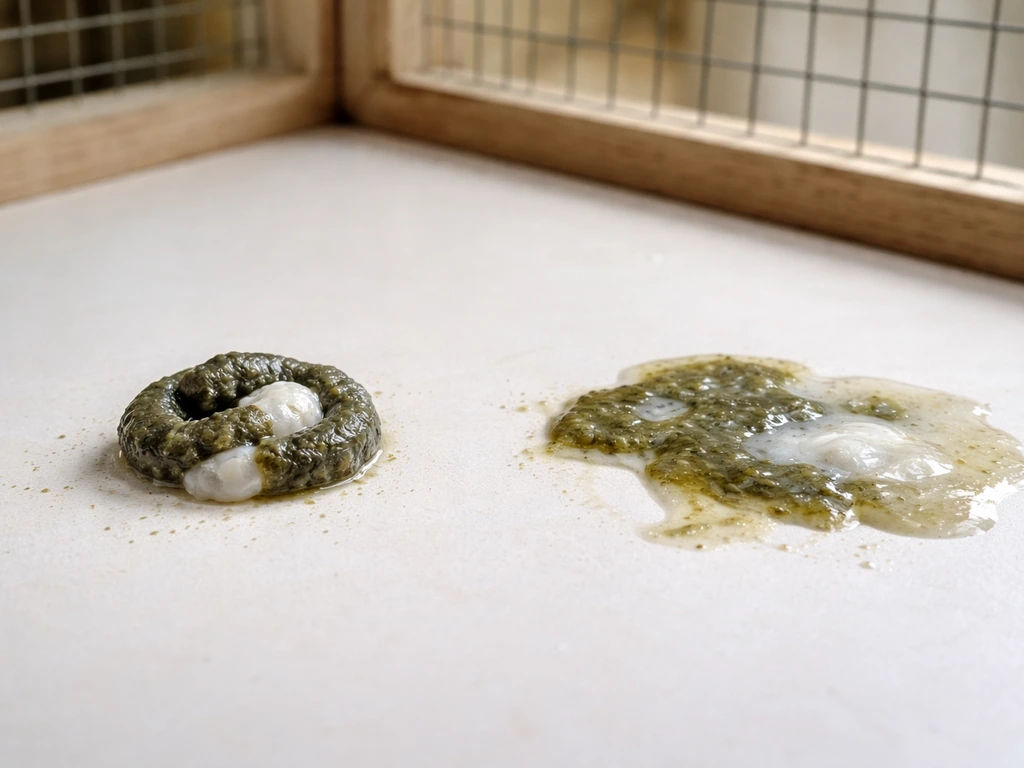
The key thing to look for is whether the fecal portion has lost its shape. In healthy birds, even loose-seeming droppings retain a coiled or formed center. In true diarrhea, that center disappears. The whole dropping spreads out flat, smells stronger than usual, and may soak into the cage liner rather than sitting on top of it.
Color matters too. Green or yellow-green unformed stool can point to liver stress or bacterial overgrowth. Black or very dark tarry feces can indicate digested blood from somewhere in the upper gut, which is a red flag. Bright red streaks in or around the dropping suggest fresh bleeding lower in the intestinal tract or near the cloaca. Pale, grayish, or clay-colored feces can suggest a digestive or pancreatic issue. Any of those color changes combined with loose consistency push this toward the urgent category.
You may also notice the area around the cloaca, the vent opening at the base of the tail, is stained, matted, or has dried fecal material stuck to the feathers. This is called a "dirty vent" or pasting, and it often develops after even a short bout of diarrhea because the feathers trap the loose material.
Signs that point to something more serious
Diarrhea alone is concerning, but diarrhea alongside other symptoms is what tells you this probably needs a vet visit today, not tomorrow. Watch for any of the following in combination with loose droppings: Constipation in birds can also show up as reduced droppings, hard or dry fecal material, straining, or an uncomfortable, puffed-up posture, so look for bird constipation symptoms too loose droppings.
- Lethargy or fluffed-up feathers: a bird sitting puffed up and low on the perch is trying to conserve heat, which often means it is not feeling well
- Reduced or absent appetite: a bird that ignores its favorite food is a significant warning sign
- Vomiting or regurgitation: head-bobbing with food coming back up (different from normal social regurgitation between bonded birds) suggests crop or upper digestive problems
- Visible weight loss: a prominent keel bone (the ridge running down the chest) where it was not obvious before
- Dehydration: skin that stays tented when gently pinched, sunken-looking eyes, or dry, tacky mucous membranes around the mouth
- Neurological signs: seizures, tremors, loss of balance, or circling
- Respiratory changes: tail-bobbing with each breath, clicking sounds, or open-mouth breathing
- Undigested seeds appearing in the droppings, which suggests the gut is not processing food properly
If your bird has diarrhea plus two or more of those signs, that is not a wait-and-see situation. Liver disease, PBFD (Psittacine Beak and Feather Disease), severe bacterial infections, and poisoning can all cause that combination. Poisoning in particular can progress very fast, and if you think your bird may have accessed a toxic substance, treat it as an emergency. If you suspect bird poisoning, focus on bird poisoning symptoms such as sudden illness, vomiting-like behavior, or neurological signs.
Quick triage: is this real diarrhea or a normal variation?
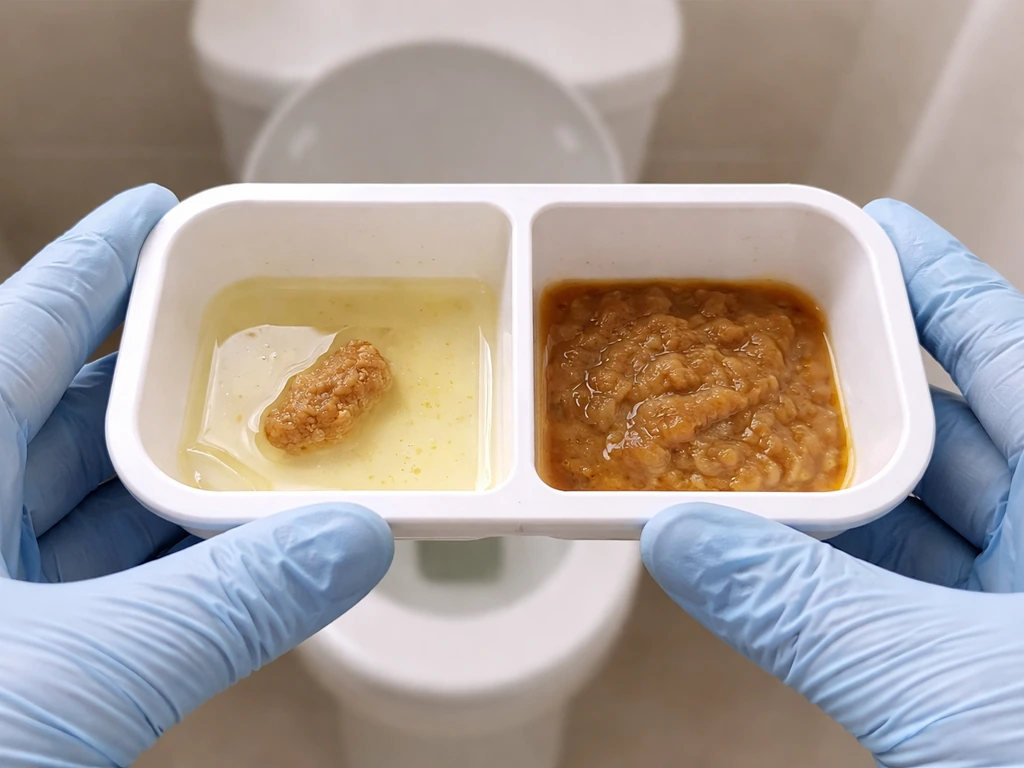
Before you panic, it helps to rule out a few things that commonly make droppings look abnormal without there being a real illness.
| What you see | What it likely means | Urgent? |
|---|---|---|
| Extra clear liquid, solid stool part still formed | Polyuria (excess urine) from stress, fruit-heavy diet, or hormones | Not immediately, but monitor closely |
| Green-tinted stool after eating leafy greens or pellets | Normal dietary pigmentation | No |
| Red/orange stool after eating berries or colored foods | Normal dietary pigmentation | No |
| Loose, unformed feces with no distinct shape, merged with urates | True diarrhea | Yes, needs attention |
| Black or tarry feces, not explained by diet | Possible internal bleeding | Yes, urgent |
| Bright red in or around the dropping | Fresh blood, bleeding near cloaca | Yes, urgent |
| Undigested seeds in the feces | Digestive failure or illness | Yes, needs vet |
| Wet cage paper but droppings look normal | Splashing from water dish or bath | No |
A few natural situations also change droppings temporarily. Female birds approaching egg-laying often pass larger, looser droppings. Young birds being weaned can have inconsistent stool consistency. Birds that ate a lot of fruit, cucumber, or other high-water-content foods will produce wetter droppings for several hours. If you just changed your bird's diet and the looseness started within 24 to 48 hours, diet is the first thing to investigate.
Most likely causes, from simple to serious
Diet and stress
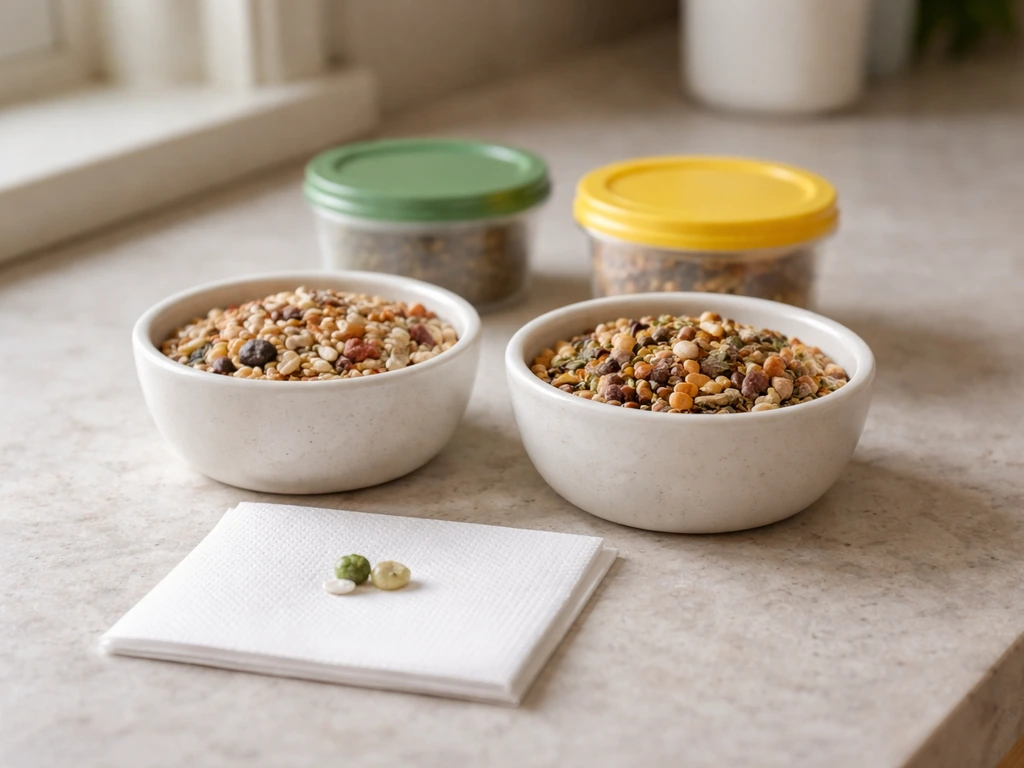
These are the most common culprits, especially if the diarrhea started recently and your bird is otherwise behaving normally. A sudden switch in food, too much fruit, spoiled food, or a food intolerance can all cause loose droppings within hours. Stress from a new environment, a new bird or pet in the home, rearranged furniture near the cage, loud noises, or even a change in routine can trigger loose, sometimes greenish droppings. If this is the cause, the droppings usually normalize within 24 to 48 hours once the stressor is removed or the diet is adjusted.
Bacterial infections
Bacterial overgrowth in the gut is a very common cause of true diarrhea in pet birds. Clostridial bacteria in particular are associated with a foul-smelling, fetid diarrhea that tends to be worse than a simple dietary loose stool. A vet can check for this quickly with a Gram's stain of the droppings. Other bacteria like Salmonella, E. coli, and Campylobacter can also cause diarrhea and are worth testing for, especially if multiple birds are affected.
Parasites
Intestinal parasites including roundworms, tapeworms, Giardia, and Coccidia can all produce loose or abnormal droppings. If you are also seeing weight loss despite a normal appetite, or if your bird has access to wild birds or outdoor environments, parasites should be on your radar. A fecal float test at the vet can confirm or rule this out relatively quickly. Worm infections in particular can look a lot like a bacterial problem on the surface, so proper diagnosis matters. Roundworm infections are one example of bird worms, and their symptoms can overlap with general diarrhea bird worms symptoms.
Viral infections and systemic disease
Viruses like Psittacosis (Chlamydiosis), Polyomavirus, Pacheco's disease, and PBFD can all produce diarrhea as part of a broader systemic illness. These tend to come with other signs like respiratory symptoms, feather abnormalities, or rapid deterioration. These tend to come with other signs like respiratory symptoms, feather abnormalities, or rapid deterioration bird cold symptoms. Liver disease is another common cause of droppings changes in psittacines. If the feces are consistently bright green or yellow-green and your bird seems unwell overall, liver involvement is worth investigating. Kidney disease can also alter droppings, particularly the urate portion. Bird kidney disease symptoms often show up through changes in droppings, especially the urate portion, plus a general decline in appetite or energy.
Toxins and foreign objects
Heavy metal poisoning (from zinc or lead in cage hardware, toys, or household items) is a well-documented cause of diarrhea in pet birds, often alongside neurological signs. Ingested toxins from plants, cleaning products, or non-stick cookware fumes can also trigger rapid-onset diarrhea. If the onset was sudden and dramatic, and your bird may have accessed something unusual, poisoning deserves serious consideration. A swallowed foreign object can also cause digestive disruption and warrants an X-ray.
What you can do at home right now
There is limited treatment you can safely do at home without a diagnosis, but there is a lot you can do to support your bird and prevent the situation from getting worse while you monitor and prepare for a vet visit. If you suspect starvation, look for bird starvation symptoms like weight loss and weakness, and contact an avian vet promptly.
- Keep your bird warm: a sick bird struggling to regulate temperature should be kept in a warm environment, around 85 to 90°F (29 to 32°C). A hospital cage or a box with a heat lamp on one side (so the bird can move away if too warm) works well.
- Ensure fresh water is always available: hydration is critical. If your bird is drinking, that is a good sign. Do not force fluids into the beak as this can cause aspiration.
- Remove any suspect foods immediately: if you recently introduced a new food or your bird ate something unusual, remove it. Offer a plain, easily digestible diet: cooked plain rice, plain cooked sweet potato, or their usual pellets are safe fallbacks.
- Avoid dairy, high-fat foods, sugary treats, and anything fermented: birds cannot digest dairy, and these foods can worsen gut problems.
- Clean the cage thoroughly: replace cage liners or clean the cage floor and remove all droppings. This limits reinfection and helps you monitor new droppings accurately.
- Isolate from other birds: if you have multiple birds, separate the affected bird immediately to prevent potential spread of infection or parasites.
- Photograph or collect droppings: save a photo of fresh droppings on clean white paper, or carefully collect a small sample in a clean zip-lock bag and refrigerate it for the vet.
- Do not give human medications, probiotics formulated for humans, or any unprescribed antibiotics: these can mask symptoms, alter test results, or cause additional harm.
Bird-safe probiotics formulated specifically for avians exist and some vets recommend them for dietary diarrhea. However, unless you have used a specific product before and your vet has confirmed it is appropriate, hold off until you have a clearer picture of what is going on.
When to call an avian vet urgently
Some situations cannot wait for a regular appointment. Get your bird to an avian vet or emergency animal hospital the same day if you see any of the following:
- Blood in the droppings (bright red or dark tarry black not explained by recent food)
- Your bird has been passing diarrhea for more than 24 hours without improvement
- The bird is fluffed up, lethargic, and not moving around the perch
- No droppings at all for more than 12 to 24 hours (can indicate cloacal obstruction or severe illness)
- Visible straining at the vent
- Vomiting or regurgitation that is not related to normal bonding behavior
- Rapid weight loss or a very prominent keel bone
- Suspected poisoning or heavy metal exposure
- Neurological signs including tremors, falling, or circling
- Difficulty breathing, tail-bobbing, or open-mouth breathing alongside diarrhea
- Multiple birds in the same household developing symptoms at the same time
Birds hide illness well and can deteriorate very quickly once they stop being able to compensate. If your instinct says something is wrong beyond just a loose stool, trust it and call ahead to an avian vet. If you are also noticing fear or extreme stress around birds or being handled, knowing the bird phobia symptoms can help you distinguish anxiety-related behavior from illness. Not all general practice vets have strong avian experience, so if possible find one who specifically sees birds.
How to prepare for the vet visit
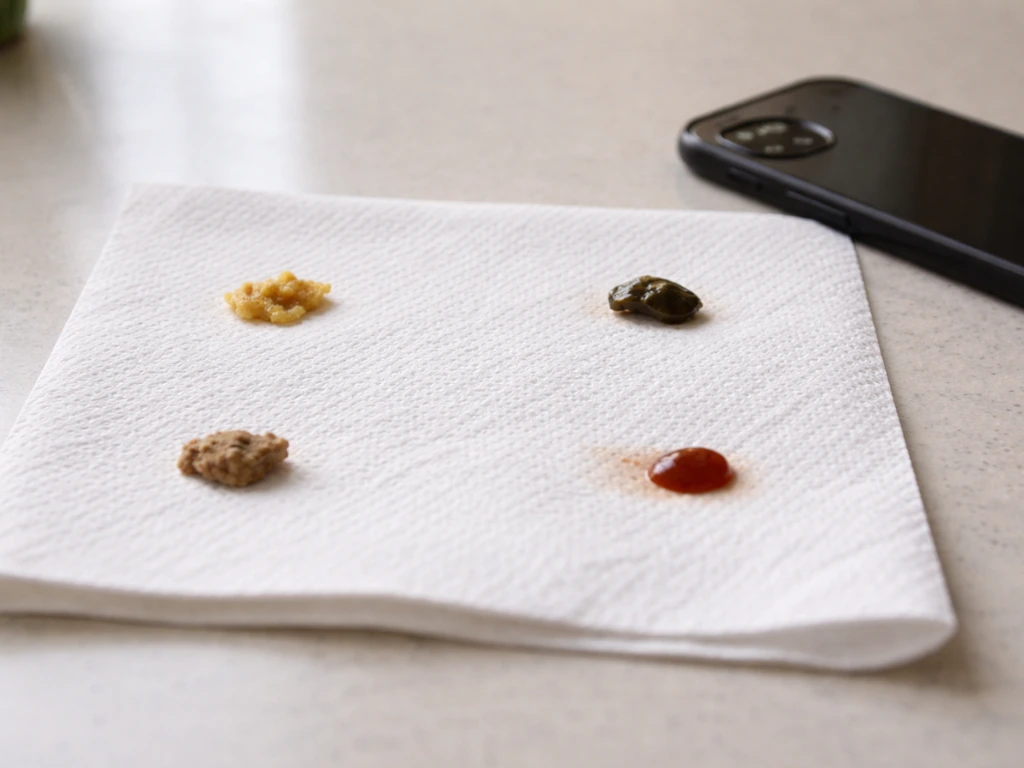
The more information you bring, the faster the vet can get to an answer. Before you go, take a few minutes to note or collect the following:
- Photos of the droppings: take them on a clean white paper towel in natural light if possible, and capture multiple samples from different times if the appearance has changed
- A fresh droppings sample: collected within the last few hours in a clean container, refrigerated but not frozen, ideal for Gram's stain and fecal parasite testing
- Diet history: what your bird has eaten over the past three to five days, any new foods, treats, or supplements introduced recently
- Timeline: when the diarrhea started, how many times per day, and whether it is getting better, worse, or staying the same
- Any recent changes at home: new birds added to the household, travel, new cage or toys, cleaning products used near the bird, any changes in bedding or substrate
- Exposure history: contact with wild birds, outdoor access, other animals in the home
- Medication history: any antibiotics, dewormers, or other treatments given recently, even over-the-counter ones
- Your bird's normal weight if you have a scale (a small kitchen scale works): vets will weigh the bird at the clinic but knowing the baseline helps
At the appointment, the vet will typically perform a physical exam, assess hydration and body condition, and likely run diagnostics. Common tests include a fecal Gram's stain to check bacterial balance, a fecal float to look for parasites, blood work to assess organ function (liver and kidneys especially), and possibly imaging like X-rays if a foreign body or organ enlargement is suspected. Depending on what they find, treatment might include antibiotics, antiparasitics, antifungals, fluids given subcutaneously or via crop tube if the bird is dehydrated, nutritional support, or in more complex cases, specific antiviral or heavy metal chelation therapy. The exact approach depends entirely on diagnosis, which is why testing matters before starting treatment.
One last thing worth keeping in mind: diarrhea in birds is sometimes a window into something bigger. Conditions like kidney disease, liver disease, and intestinal parasites do not always announce themselves loudly at first. If your bird has had recurring soft or loose stools that you have been writing off as dietary, it may be worth getting a baseline wellness check and fecal test done even when things seem to calm down on their own.
FAQ
Is it diarrhea if the dropping is watery, but my bird seems normal and active?
Watery-looking droppings can be true diarrhea or excess urine. If the stool part is still formed and the only change is extra clear liquid, treat it as polyuria-like rather than diarrhea, and start tracking frequency. If the center of the dropping loses shape, spreads flat, or smells stronger than usual, assume true diarrhea and contact an avian vet the same day, even if energy is initially preserved.
How long should I wait before calling the vet for bird diarrhea symptoms?
If looseness began suddenly within the last 24 to 48 hours after a diet change or stressor, you can monitor closely while removing the suspected trigger. However, if loose or unformed feces persist beyond about 48 hours, keep returning or worsening, or you cannot identify a clear cause, call an avian vet promptly to arrange diagnostics rather than waiting for it to resolve on its own.
Can I give my bird an anti-diarrhea medicine meant for people?
No. Many human anti-diarrheal products can be unsafe for birds because dosing and drug effects differ, and stopping gut motility can sometimes make infections or toxin exposure worse. The safer approach is supportive care (warmth, hydration monitoring, and clean housing) and getting avian guidance on testing and bird-appropriate treatments.
What should I feed while my bird has diarrhea symptoms?
Avoid adding new foods while you are troubleshooting. Stick to the bird’s usual base diet and remove high-water foods (like fruit and cucumber) until droppings normalize. If your vet recommends a temporary diet or specific foods, follow that plan, because the right choice depends on whether the problem is bacterial, dietary, parasitic, or organ-related.
Is it safe to give probiotics for bird diarrhea symptoms?
Probiotics made specifically for birds are sometimes used, but they are not universally appropriate. If your bird is lethargic, has blood or very dark stools, or you suspect poisoning, hold probiotics and prioritize avian testing. Also avoid starting multiple new supplements at once, because it becomes harder to interpret whether symptoms are improving for the right reason.
How do I check hydration at home, and what does it mean for vet urgency?
Track more than just droppings. Watch for sunken eyes, tacky skin, weakness, and reduced activity, and compare normal perching and posture. If diarrhea is ongoing with reduced energy, decreased appetite, or signs of dehydration, consider it urgent for same-day evaluation, because birds can worsen quickly when they stop compensating.
What color changes are most concerning for bird diarrhea symptoms?
Color can guide urgency. Bright red streaks suggest fresh bleeding near the cloaca or lower gut, very dark tarry feces can indicate digested blood from higher in the GI tract, and pale or clay-colored droppings can point to digestive or pancreatic issues. Any of these color changes combined with unformed, spreading droppings warrants same-day vet contact.
Can dirty vent or pasting happen even if the diarrhea is mild?
Yes. Even a short bout of loose droppings can lead to matting, staining, or fecal paste stuck to tail feathers because the loosened material traps easily. Clean gently with lukewarm water and a soft cloth if the bird is stable, but if the vent area looks irritated, swollen, or the bird seems uncomfortable, ask a vet, because underlying infection or more serious GI inflammation may be involved.
If multiple birds in my home get diarrhea, does that change what to suspect?
It increases the likelihood of an infectious or shared-environment cause, such as bacterial overgrowth, exposure to contaminated food or water, or certain contagious viruses. It also makes stool testing more important, because different organisms need different treatment. Separate affected birds if you can and call an avian vet for coordinated testing rather than treating individually without a diagnosis.
Could bird diarrhea symptoms be caused by parasites, even if there is no weight loss?
Yes. Some parasites cause changes in stool consistency before obvious weight changes appear. If droppings remain unformed or recur, especially with poor growth, intermittent appetite changes, or outdoor exposure to wild birds, ask for a fecal float test. Rechecking is sometimes needed, because some parasites are not detected on the first sample.
What’s the best way to collect droppings for a vet, and how long do they last?
Collect fresh fecal material as soon as you notice the change, and keep it clean and uncontaminated (no bedding, seed hulls, or urine pooled together if possible). If the vet requests it the same day, deliver promptly; otherwise refrigerate per clinic instructions. Bring enough sample to allow multiple tests, such as Gram’s stain and fecal float, rather than only a tiny smear.
When should I worry about a foreign body as a cause of bird diarrhea symptoms?
If diarrhea-like droppings appear with sudden onset plus decreased appetite, straining, reduced droppings overall, or behavior suggesting discomfort, consider a swallowed object even if you cannot see it. A vet may recommend X-rays because foreign bodies can disrupt digestion and cause secondary stool changes. Treat sudden, dramatic change as urgent.
Could bird diarrhea symptoms be from kidney or liver disease, even at the start?
Yes. Organ disease can first show up as altered droppings, such as persistently green or yellow-green fecal stool with overall unwellness for liver involvement, or changes affecting the urate portion with more decline in energy for kidney involvement. If droppings remain abnormal for more than a short diet or stress window, ask for blood work focused on liver and kidney function rather than only stool testing.
Next Article
Bird Phobia Symptoms: Panic Signs and When to Get Help
Bird phobia panic symptoms and escalation signs, plus how to spot real bird illness and when to seek urgent help.