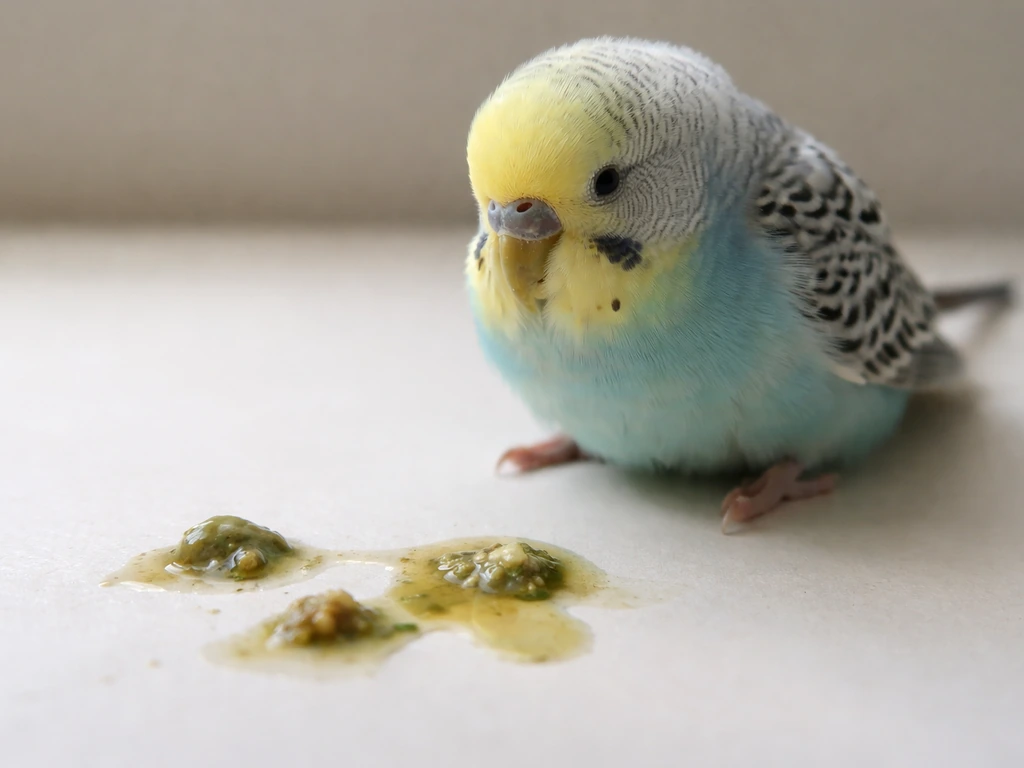
Bird phobia symptoms in people show up as a rush of physical and mental reactions the moment a bird enters the picture: heart pounding, chest tightening, hands shaking, stomach dropping, and an overwhelming urge to get away. These aren't signs of weakness or drama. They're a real anxiety response the body produces automatically, and they can range from mild discomfort to a full panic attack within seconds of seeing, hearing, or even thinking about a bird.
Bird Phobia Symptoms: Panic Signs and When to Get Help

Marcus Webb
5 Jun 2026
What bird phobia symptoms actually feel like
The clinical term for an intense, persistent fear of birds is a specific phobia, animal type. The fear is disproportionate to any real danger, and it tends to kick in fast and hard. Here's what that looks like in practice:
- Rapid or pounding heartbeat (palpitations) that can feel like a cardiac event
- Shortness of breath or a choking sensation, even in open air
- Trembling or shaking hands, legs, or voice
- Sweating, especially palms and face
- Nausea or stomach pain
- Dizziness or lightheadedness
- Chest tightness or pain
- Tingling or numbness, often in hands or face
- Feeling detached from yourself or your surroundings (dissociation)
- Intense urge to flee, freeze, or hide
- Feeling trapped when a bird is nearby and there's no obvious exit
- Persistent worry between encounters about when you'll see a bird again
According to NIMH, panic attacks are sudden episodes of intense fear that produce physical symptoms so severe they can mimic a heart attack. That's not an exaggeration. Many people with bird phobia experience genuine panic attacks when triggered, and the physical symptoms are indistinguishable from the panic attacks seen in panic disorder. The difference is that the trigger is specific: birds.
One important pattern to recognize is catastrophic misinterpretation. Your heart races, and your brain reads that as proof that something is medically wrong, which makes the heart race faster. It becomes a loop. Knowing this loop exists is genuinely useful, because you can start to interrupt it once you recognize what's happening.
Common triggers and patterns
Bird phobia doesn't always require a direct encounter to trigger symptoms. The fear often generalizes across a range of situations, and understanding your specific triggers helps you plan around them and eventually work through them.
Pet birds vs. wild birds
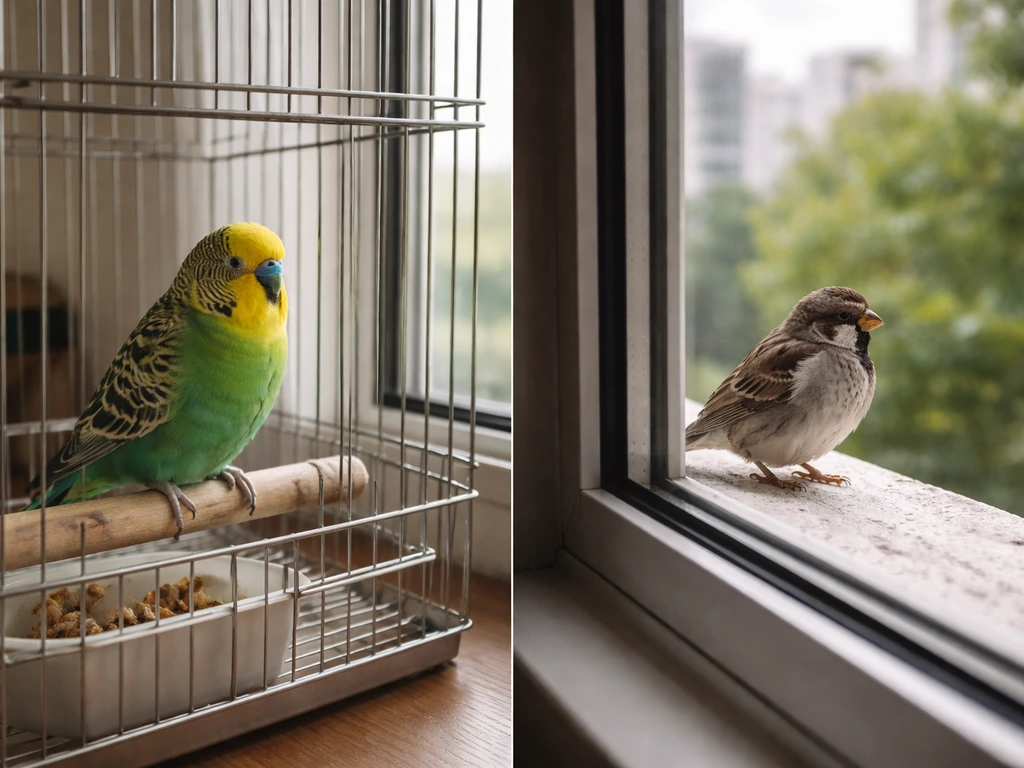
Some people are only afraid of wild birds, particularly large ones like pigeons, crows, or seagulls that appear unpredictably in public spaces. Others are afraid of any bird, including caged pet birds. If you're a bird owner managing this fear, pet birds present a unique challenge: you're responsible for an animal that triggers your anxiety, which creates stress on top of stress. Wild bird encounters tend to feel less controllable, which often makes the fear response sharper.
Specific situations that spike the response
- A bird flying suddenly or flapping near your head or face
- Finding a nest, especially with eggs or hatchlings
- Hearing bird sounds (flapping, chirping, or squawking) before seeing the bird
- Being asked to handle or hold a bird
- Seeing a sick or injured bird, which may feel threatening or distressing
- Images or videos of birds in unexpected contexts
Flapping is one of the most commonly cited peak triggers. The sudden, unpredictable movement seems to activate a startle-threat response even faster than visual contact. If this is true for you, you're not alone, and it's a known pattern.
When bird fear is more than just a strong dislike
Lots of people are uncomfortable around birds. That's not a phobia. A phobia crosses a threshold when the fear is persistent, excessive relative to the actual risk, and starts interfering with daily life. Here are the red flags that suggest something beyond ordinary discomfort:
- You actively reroute your life to avoid areas where birds might be (parks, outdoor restaurants, open markets)
- You experience panic attacks that feel physically dangerous, not just unpleasant
- The fear has lasted six months or more without fading
- You feel a sense of dread or hypervigilance hours before a possible bird encounter
- You experience intrusive thoughts about birds that are hard to control
- After a startling bird encounter, you feel shaky, dissociated, or emotionally raw for hours, which is more consistent with a trauma-like response than a simple phobia
- You've declined social invitations, job opportunities, or outdoor activities because of bird exposure risk
NIMH distinguishes anxiety disorders from ordinary, transient fear. The key marker is persistence and impairment. If bird fear is regularly shrinking your world, that's the signal to take it seriously and get proper support.
Bird health warning signs that can look alarming
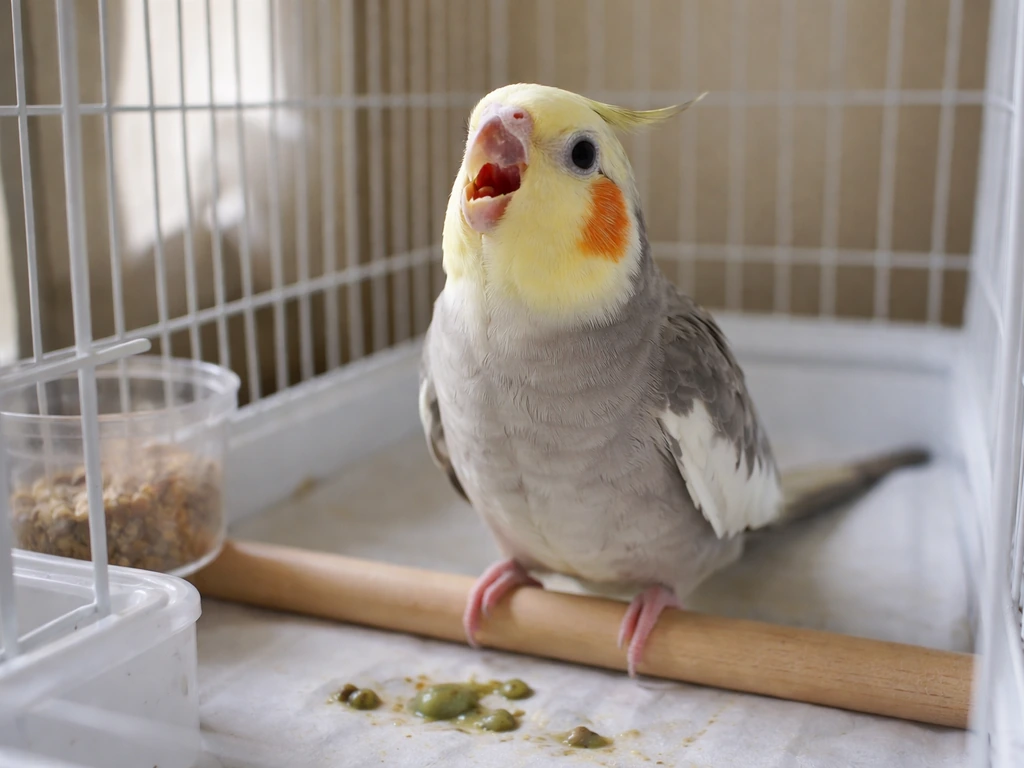
If you have bird phobia and you're responsible for a pet bird or you've found an injured wild bird, you may find certain bird behaviors and symptoms genuinely unsettling to observe. Some sick bird symptoms can look dramatic or threatening when you're already on edge. Knowing what these signs actually mean, rather than reacting to them emotionally, helps you respond appropriately and get the bird real help. Bird starvation symptoms can include noticeable weight loss, weakness, and changes in appetite, so keeping track of daily observations helps you spot problems early.
The most urgent warning signs in birds that require immediate veterinary attention or wildlife rescue contact include: If you are also dealing with bird cold symptoms, look out for common signs like coughing, sneezing, and nasal congestion.
- Open-mouth breathing or labored breathing: a bird breathing with its beak open at rest is in respiratory distress and needs urgent care
- Wheezing, clicking, or rattling sounds with each breath: these point to a serious respiratory condition
- Nasal discharge or crusty buildup around the nostrils
- Tail bobbing with every breath: the bird is working hard just to move air
- Bluish or purple coloring around the beak, feet, or skin (cyanosis): this indicates oxygen deprivation
- Lethargy or complete stillness: healthy birds are alert; a bird that won't move is a bird in serious trouble
- Inability to perch or balance
- Swelling around the face, eyes, or body
- Abnormal droppings (watery, discolored, or absent entirely)
- Sudden collapse or death
A sick bird displaying respiratory symptoms like wheezing or open-mouth breathing can seem alarming if you're already anxious around birds. Bird kidney disease symptoms can include changes in urination, lethargy, and appetite changes, so monitoring for overall health shifts is important. But these are signs the bird needs help, not signs it poses a danger to you. Keeping that framing in mind makes it easier to respond calmly. For comparison, some of these symptoms, like abnormal droppings, overlap with conditions like bird diarrhea symptoms or bird poisoning symptoms, which have their own specific patterns worth recognizing separately. If you notice constipation in a pet bird, it can affect comfort and overall health, so it helps to know the common bird constipation symptoms to decide what to do next.
Symptoms that are NOT emergencies (but still worth monitoring)
- Mild feather ruffling when the bird is resting (normal)
- Occasional sneezing without discharge (can be normal dust response)
- Reduced activity after a stressful event
- Softer or looser droppings after a diet change
The distinction matters. Not every change in a bird's behavior is a crisis. Knowing the difference helps you stay calmer and make better decisions.
How to respond safely if you're afraid but still responsible for a bird
Being the caretaker of a bird while managing bird phobia is genuinely hard. Here's how to handle it practically without making your anxiety worse.
Observation over handling
You don't need to hold a bird to assess its health. Most warning signs are visible from a distance: posture, breathing pattern, droppings, alertness, and whether the bird is perching normally. Position yourself at a comfortable distance and observe for 2 to 3 minutes. A brief, structured observation feels far more manageable than an open-ended, anxious stare.
Minimize direct handling
For routine care, use tools to reduce direct contact: use a long-handled food scoop, change water with a slow, deliberate motion that doesn't startle the bird, and clean the cage while the bird is in another area if possible. This reduces both your anxiety and the bird's stress.
Hygiene basics
Wash hands thoroughly after any contact with a bird or its environment. Avoid touching your face during or after cleaning. This is good practice regardless of phobia and eliminates one extra worry about bird-related health concerns.
Keep a simple symptom log
If you're monitoring a bird's health, write down what you observe each day: eating habits, droppings, activity level, and breathing. A log gives you something concrete to report to a vet and removes the need to rely on anxious memory. It also gives you a sense of control, which helps reduce anxiety around the task.
When to seek help: vet vs. wildlife rescue vs. mental health support
These two tracks run in parallel. You may need both.
| Situation | Who to contact | How urgently |
|---|---|---|
| Bird showing open-mouth breathing, cyanosis, or collapse | Avian vet or emergency animal clinic | Immediately, same day |
| Bird showing lethargy, wheezing, or nasal discharge | Avian vet | Within 24 hours |
| Injured wild bird found on the ground | Licensed wildlife rehabilitator or wildlife rescue line | Same day |
| Bird appears mildly off but is eating and alert | Monitor closely, call vet if symptoms worsen | Within 48 hours if no improvement |
| Your panic symptoms are interfering with daily life | Mental health professional (therapist or psychologist) | Schedule as soon as possible |
| You've had a panic attack that felt physically dangerous | Primary care doctor first to rule out cardiac causes, then mental health referral | Within the week |
| Phobia is causing avoidance that limits your activities | Therapist trained in CBT or exposure therapy | Schedule this week |
For wild birds, never attempt to care for an injured bird at home without guidance. Wildlife rehabilitators are licensed specifically for this and can often provide phone triage advice so you don't have to handle the bird yourself.
Practical next steps you can take today
If you're reading this because your fear of birds is affecting your daily life, here's what to actually do starting now.
Immediate coping strategies

- Slow your breathing deliberately: breathe in for 4 counts, hold for 2, out for 6. This directly counteracts the shallow rapid breathing in panic attacks.
- Name what's happening out loud or in your head: 'This is a panic response. My body is overreacting to a perceived threat. I am physically safe.' This interrupts catastrophic misinterpretation.
- Ground yourself using your senses: name 5 things you can see, 4 you can hear, 3 you can touch. It pulls attention away from the fear loop.
- Move away from the trigger if you can, but note that avoidance alone does not reduce phobia long-term. It provides temporary relief and typically makes the fear stronger over time.
Start tracking your symptoms
Keep a simple notes app entry or a paper log. Every time you have a bird-related fear response, jot down: what triggered it, what symptoms appeared, how long they lasted, and what helped. This data is genuinely useful for a therapist and gives you a clearer picture of your own patterns.
Plan gradual exposure, don't rush it
Exposure therapy is the most well-supported treatment for specific phobias, and CBT is the primary framework used. NIMH identifies exposure therapy as an effective CBT method for phobias. But this should be done with a therapist's guidance, not by forcing yourself into situations that overwhelm you. Gradual exposure means starting at the lowest-anxiety level: looking at a photo of a bird, then a video, then a distant real bird, progressing slowly at your own pace.
Reach out today
If your phobia is significant, the most useful thing you can do today is contact a therapist who specializes in anxiety disorders or phobias. Treatment for specific phobias typically involves psychotherapy, medication, or a combination, and many people see real improvement relatively quickly compared to other anxiety disorders. You don't have to live with this level of fear.
Whether you're managing a pet bird's health, responding to an injured wild bird, or simply trying to get through a day without a panic response, the first step is the same: know what you're dealing with, make a plan, and get the right support in place. If you ever suspect someone may have bird poisoning, the next step is to learn the bird poisoning symptoms so you can act quickly and safely. The phobia is treatable, and the bird situations, however frightening they feel right now, are manageable with the right information.
FAQ
How can I tell bird phobia symptoms apart from a medical emergency like a heart problem?
A panic-style episode usually peaks within minutes and resolves as the fear settles, even though it feels dangerous. If symptoms are new, happen without any bird cue, include fainting or persistent chest pain, or don’t ease after you calm down, treat it as a medical concern and seek urgent evaluation. Keep note of whether the trigger is consistently a bird sighting, sound, or thought.
Can bird phobia happen even if I know I am not in real danger?
Yes. People can have a fear response even when they understand it is irrational, the body still reacts with automatic alarm signals. This is why cognitive insight alone often does not stop symptoms, exposure and CBT skills are usually needed to retrain the threat response.
What if my symptoms start before I actually see a bird, like when I hear flapping or notice bird droppings?
That is common, phobias can generalize to related cues such as sound, movement, outdoor locations, or areas where birds congregate. Track the earliest cue you notice, then plan graded exposure to that cue (for example, looking at a picture of the environment first) rather than jumping straight to an actual bird.
Is it a phobia if I only avoid certain places but I still manage day-to-day life?
Avoidance alone does not automatically mean a phobia, but it can become one when it is persistent and starts limiting routines (work routes, social plans, pet care, errands). A practical check is whether you change plans frequently to prevent bird contact or whether the anxiety keeps recurring even when you try to tolerate it.
What should I do during a panic attack triggered by a bird?
Use a short, repeatable grounding routine. Try slow breathing (inhale for about 4 seconds, exhale for 6 to 8), name what is happening to your body (for example, “this is a fear surge”), and focus on a neutral task nearby (counting steps, feeling your feet on the ground). If you have a prescribed rescue plan from a clinician, follow it.
Will exposure therapy work if I am afraid of all birds, including my own pet?
Often yes, but the plan should respect your specific pattern and begin at the lowest anxiety level that is still doable. With pet birds, the goal may start as safely observing from a distance, then gradually shortening the distance or increasing care tasks in a controlled way, rather than expecting immediate comfortable handling.
How do I make sure my fear is not actually an allergy or sensitivity to birds?
Consider whether symptoms are primarily respiratory or allergic (itching, wheezing, persistent sneezing) and whether they appear with feathers, dander, or specific indoor exposures. If your symptoms include strong allergy features, ask a clinician about allergy evaluation, because treating anxiety alone may not address the physical trigger.
What if I get symptoms from thinking about birds, even when I am indoors?
Mental images and anticipatory thoughts can trigger the same alarm system. Your log should include “thought triggers” and intensity. A therapist may use strategies like cognitive restructuring for threat interpretations and exposure to imagery in a graded manner.
Are there common mistakes that make bird phobia worse?
Two frequent ones are avoidance that grows over time (for example, constantly rerouting to never pass bird-heavy areas) and “self-testing” by forcing direct contact beyond your capacity. Another mistake is trying to fight symptoms without a plan, which increases the catastrophic loop. Use gradual exposure, not abrupt exposure, and pair it with coping skills.
How should I respond if I find an injured wild bird but my phobia is severe?
Do not attempt home care without guidance. Instead, prioritize safety and contact a licensed wildlife rehabilitator for triage advice, and follow their instructions remotely when possible. If handling is unavoidable, consider arranging support from someone who can assist you so your exposure does not escalate into panic.
If a sick bird’s symptoms look alarming, how do I avoid taking on fear as if it were danger to me?
Separate “bird needs help” from “bird is dangerous.” Use observation-based decision steps: check breathing posture, activity, and droppings, then follow a clear next action such as contacting a vet or wildlife service. That framing keeps your response task-focused and reduces the urge to flee.
When should I contact a therapist versus trying self-help strategies first?
Contact a therapist if symptoms are causing regular avoidance, panic attacks, distress that persists between encounters, or difficulty maintaining pet care or basic routines. If you are already having panic-level symptoms, guided CBT and gradual exposure are usually more effective than trying to manage alone.
Next Article
Bird Kidney Disease Symptoms: Checklist and Next Steps
Bird kidney disease symptoms checklist, how to tell them apart, and urgent next steps plus vet workup expectations.