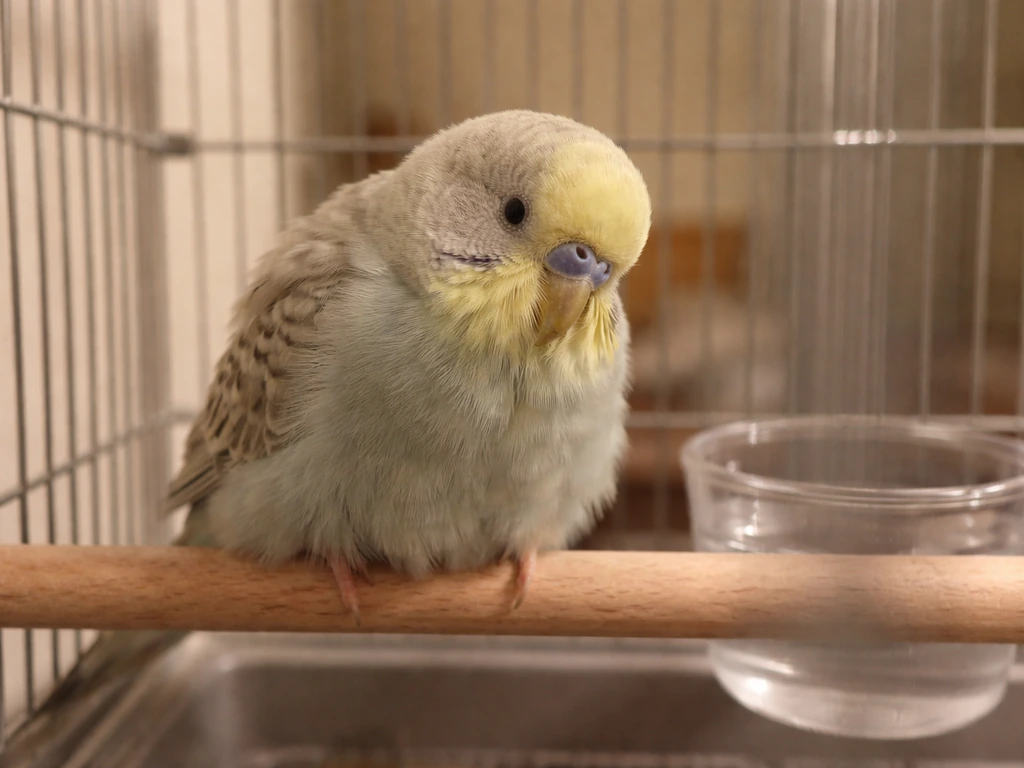
Kidney disease in birds shows up through a specific cluster of signs: excess wetness or wateriness around the droppings (polyuria), changes in the white chalky portion of the dropping (urates), increased drinking, weight loss, lethargy, and a generally fluffed-up, sick-looking bird. These signs are real and worth taking seriously, but they are also easy to confuse with other conditions, from respiratory illness to poisoning to simple dehydration. The most useful thing you can do right now is look closely at the droppings, assess your bird's posture and energy, and compare what you see to what is normal for that specific bird. Bird phobia symptoms can involve intense anxiety, panic, or avoidance behaviors around birds. If something is clearly off, a vet visit should not wait.
Bird Kidney Disease Symptoms: Checklist and Next Steps

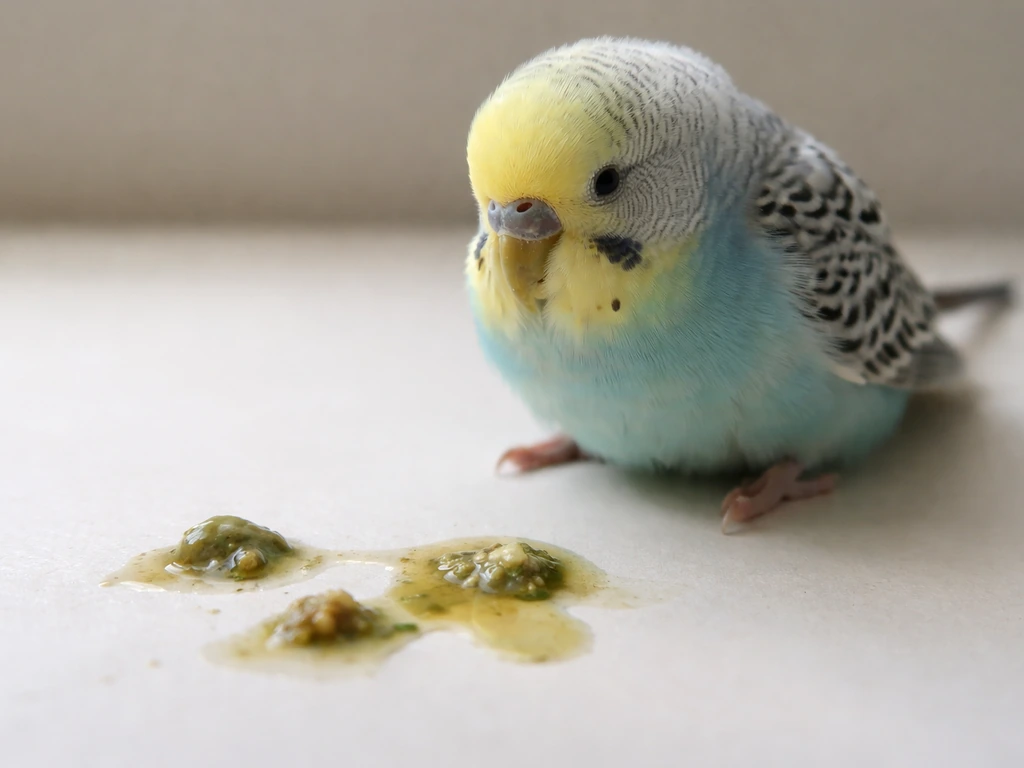
Kidney disease warning signs in birds (quick symptom checklist)
Because kidney disease signs can be subtle at first, it helps to work through a checklist systematically. Look for a combination of these, not just one in isolation.
- Excess urine (watery liquid) surrounding the solid portion of droppings (polyuria)
- Urates (the white or off-white chalky portion) that are discolored, thick, or pasty rather than smooth and white
- Increased water intake (polydipsia) — the bird is at the water dish far more than usual
- Visible weight loss, especially noticeable along the keel (breastbone)
- Lethargy, reduced movement, or sitting low on the perch or at the cage bottom
- Fluffed feathers, giving the bird a 'puffed up' sick appearance
- Reduced appetite or complete refusal to eat
- Signs of dehydration (dry or tacky skin near the eyes, sunken eyes, dry mucous membranes)
- Straining to pass droppings or producing very little output at all
- Swelling in the abdomen or lower body (in more advanced cases)
A fluffed, lethargic bird sitting at the bottom of the cage is never a normal sight and should always prompt action. It does not automatically mean kidneys, but it is a clear signal that something is wrong systemically.
Changes in droppings and urates: what to look for
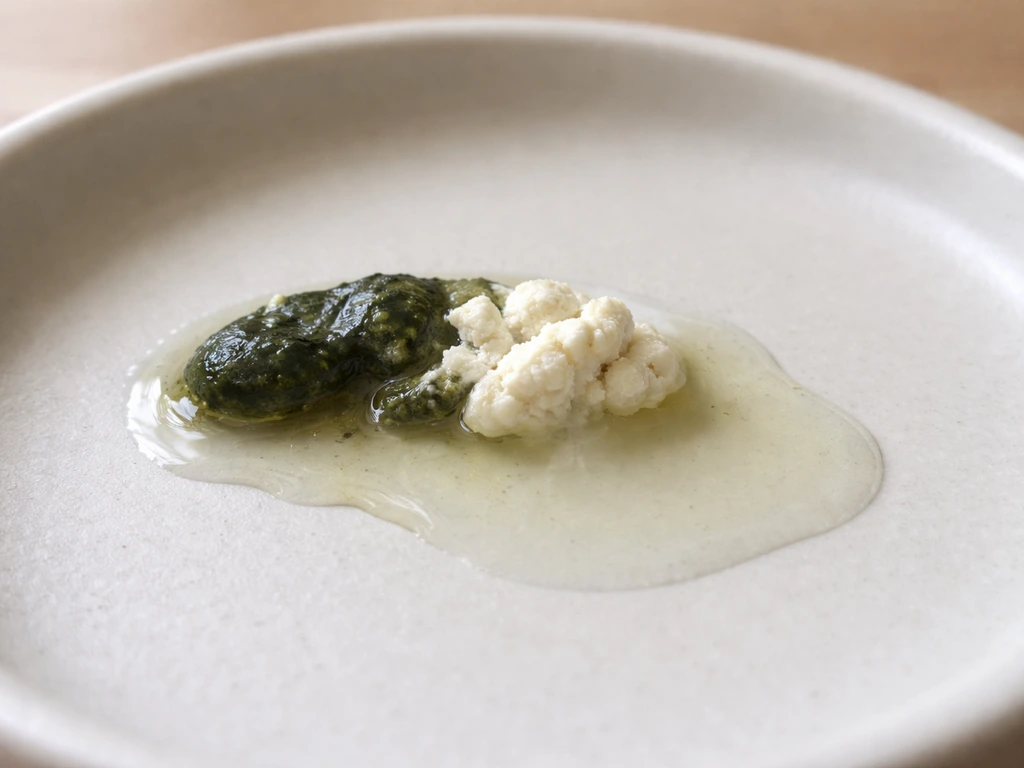
Bird droppings are made up of three distinct parts: the dark or greenish fecal material, the white or off-white urates, and clear liquid urine. Knowing this helps you zero in on exactly which part looks different from normal.
The urates are produced by the kidneys and are the most informative part for spotting kidney trouble. Normal urates range from pure white to creamy white. Thick, pasty urates are often a sign of dehydration and can indicate the kidneys are struggling to process and excrete waste efficiently. Greenish, yellowish, or dark yellow urates point more toward liver disease rather than kidneys, which is a useful distinction when you are trying to narrow down the cause.
Polyuria (too much clear watery liquid around the fecal portion) is a classic kidney disease sign. However, one or two watery droppings after a change in diet, stress, or fruit consumption is not automatically a red flag. The rule of thumb used by avian vets is straightforward: if the excess urine persists beyond 24 hours and your bird has not eaten a lot of fruit recently, it deserves attention. VCA Animal Hospitals notes that urates are usually white and made of uric acid crystals, and that excess urine in droppings may suggest kidney disease, particularly when fruit intake has been minimal over the prior 24 hours blank" rel="noopener noreferrer">excess urine persists beyond 24 hours and your bird has not eaten a lot of fruit recently. If you also see changes in the urate color or consistency alongside the extra liquid, that combination is more significant.
On the other end of the spectrum, very little or no output can also indicate a problem. Minimal droppings often mean the bird is not eating, is severely dehydrated, or both. Red or black-tinged droppings are an emergency signal and can indicate blood from kidney or gastrointestinal damage, sometimes linked to heavy metal poisoning.
One practical tip: collect the droppings your bird produces at home in the 24 hours before a vet visit rather than relying on what is produced during the stressful transport and exam. Home droppings give a much clearer picture of what is actually happening.
Appetite, thirst, weight, and behavior: systemic clues
Kidney disease in birds tends to create a recognizable pattern of systemic signs beyond just the droppings. These signs reflect the body's struggle to manage fluid balance, waste, and energy when the kidneys are not doing their job properly.
Increased thirst (polydipsia) paired with increased urination (polyuria) is a classic pairing. If your bird is drinking noticeably more water and the cage liner is consistently soaked, that combination matters. Weight loss is common too, and the best place to check for it is along the keel bone. If that bone feels sharp and prominent rather than gently padded by muscle on either side, the bird has lost significant body condition.
Behavioral changes are often the first thing owners notice. Depression, reduced talking or singing, disinterest in toys, and simply sitting hunched and still are all signs that a bird feels unwell. In kidney disease specifically, these behavioral signs often accompany the physical ones rather than appearing alone.
Dehydration is both a symptom and a complication of kidney disease. You can do a rough check by gently pinching the skin near the bird's eye or assessing whether the mucous membranes look moist or dry and tacky. A dehydrated bird will also have visibly sunken eyes in more severe cases. Dehydration worsens kidney function, so catching and addressing it quickly matters.
How to tell kidney disease apart from other illnesses

This is genuinely the hardest part of assessing kidney problems at home, because many of the signs overlap with other common avian illnesses. Understanding the overlaps helps you avoid jumping to conclusions while still taking the right symptoms seriously.
| Symptom | Kidney Disease | Respiratory Illness | Poisoning/Toxin | Liver Disease |
|---|---|---|---|---|
| Polyuria (excess urine) | Common and characteristic | Not typical | Can occur | Can occur |
| White/chalky urate changes | Common (thick, pasty) | Not typical | Possible (red/black with heavy metals) | Greenish or yellow urates instead |
| Lethargy / fluffed feathers | Yes | Yes | Yes | Yes |
| Increased thirst | Yes | Not typical | Possible | Possible |
| Weight loss | Yes (gradual) | Possible if chronic | Possible | Yes |
| Open-mouth breathing / tail bobbing | Not typical | Characteristic | Possible if severe | Not typical |
| Nasal discharge / sneezing | Not typical | Common | Rare | Not typical |
| Red or black droppings | Possible (severe) | No | Yes (lead poisoning) | Possible |
| Abdominal swelling | Possible (advanced) | No | Possible | Yes |
Respiratory illness is one of the most common mix-ups. A bird with a respiratory condition may also appear lethargic and fluffed, but the distinguishing signs are breathing-specific: open-mouth breathing, audible respiratory sounds, visible tail bobbing with each breath, or nasal discharge and sneezing. If the signs mainly involve watery droppings, coughing, or a general cold-like illness, also review bird cold symptoms to avoid missing a respiratory cause. Kidney disease does not typically cause those respiratory signs. If your bird is tail-bobbing while breathing or gasping, treat it as a respiratory emergency, not a kidney problem.
Poisoning is another important overlap, especially with heavy metals like lead. Toxins can cause polyuria, depression, and anorexia in a way that looks just like kidney disease, and in fact toxins are a common cause of kidney damage in birds. Bird poisoning symptoms can overlap with kidney disease, so any exposure to toxins should be reported to the vet right away. Red or black droppings, sudden severe collapse, or seizure-level neurological signs tilt the picture toward poisoning. Pacheco's disease (a viral illness) can also cause yellow, watery urates alongside lethargy and ruffled feathers, which mimics kidney-related urate changes closely.
Conditions involving droppings like bird diarrhea or constipation can also overlap with kidney-related changes on first glance, since the fecal portion may look abnormal too. Constipation can also show up in birds with droppings that are unusually dry, reduced in amount, and difficult to pass. The distinction is which part of the dropping is affected: true diarrhea is a change in the fecal component, while polyuria is a change in the liquid urine component surrounding it. Bird diarrhea symptoms can overlap with other conditions, so focus on whether the fecal part, the liquid urine part, or both are changing. It is worth looking carefully rather than just noting that the droppings are 'wrong.'
Common underlying causes in birds and why it matters
Kidney disease in birds is not a single condition with one cause. It is a syndrome that can result from several different underlying problems, and identifying the cause is important because treatment targets the root issue, not just the symptoms.
- Infectious nephritis: bacterial, viral, or parasitic infections that inflame or damage kidney tissue
- Heavy metal toxicosis: lead and zinc poisoning are commonly reported in companion birds and directly damage kidney tissue; blood lead levels above 50 mcg/dL are considered diagnostic for lead toxicosis
- Hypovitaminosis A (vitamin A deficiency): a common nutritional cause of kidney and urinary tract damage, often linked to all-seed diets
- Renal neoplasia: tumors affecting the kidneys, more common in budgerigars (budgies) than other species
- Chronic dehydration: persistent lack of adequate fluid intake stresses the kidneys over time
- Chronic inflammation or immune-related damage
- Certain medications or toxins that are nephrotoxic (kidney-damaging)
Knowing the cause matters practically. For example, heavy metal toxicosis requires removing the metal source and often chelation therapy to pull the metal out of the body. A vitamin A deficiency requires dietary correction. An infection needs appropriate antimicrobials. Simply providing supportive care without addressing the underlying cause will not be enough in most of these scenarios.
This is also why the idea of just 'watching and waiting' at home has limits. Kidney disease is often silent in early stages because birds hide illness well. By the time obvious signs appear, significant kidney function may already be compromised. Getting a diagnosis early gives the underlying cause the best chance of being treated before damage becomes irreversible.
What to do right now and when it's urgent to see a vet
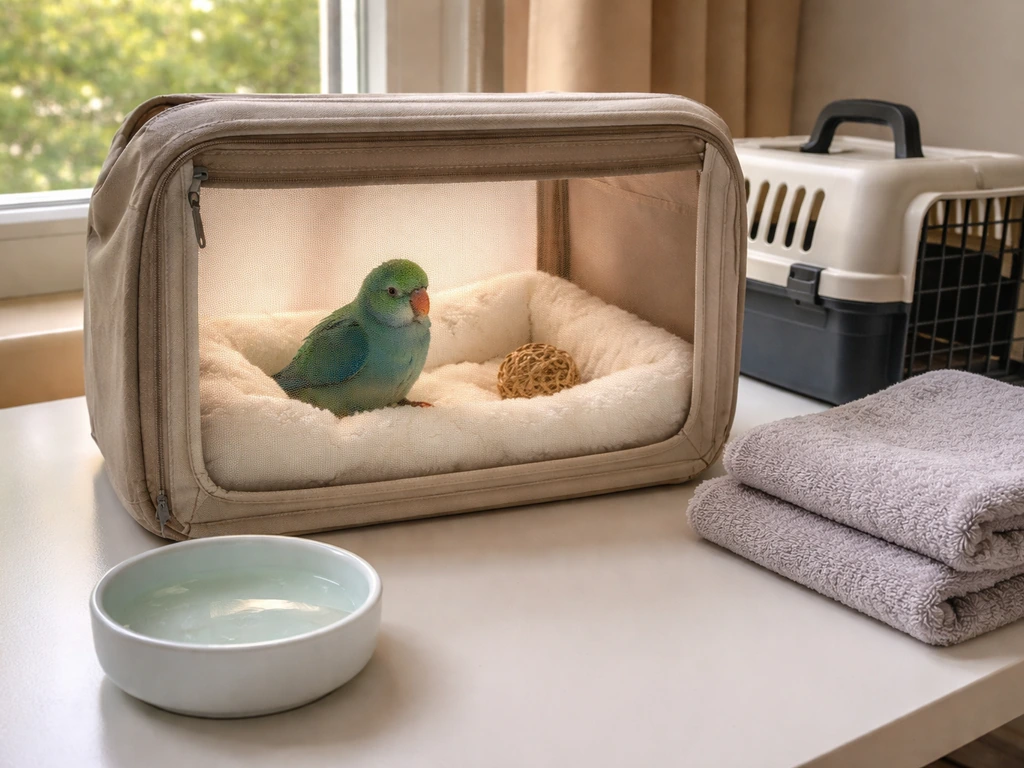
If you suspect kidney disease, here are the steps to take while you arrange veterinary care. These are supportive measures only, not a substitute for diagnosis and treatment.
- Ensure fresh, clean water is always available and that the bird can access it easily. Do not force fluids by mouth unless instructed by a vet.
- Keep the bird warm. A sick bird's ability to thermoregulate is often impaired. Aim for a warm, draft-free environment around 85-90°F (29-32°C) for a clearly ill bird.
- Offer a simple, easily digestible diet. Avoid high-protein foods, which put extra strain on kidneys. Plain cooked grains, appropriate vegetables, and normal seed or pellet mix are reasonable short-term choices.
- Reduce stress as much as possible. Cover part of the cage, limit handling, and keep the environment quiet.
- Monitor and document droppings: how many, what they look like, and any changes. Take photos if you can.
- Keep the cage clean, especially the area around droppings, to reduce infectious load.
- Note how much the bird is eating and drinking over the next few hours.
Seek immediate emergency veterinary care if you see any of the following. These are signs of a bird in crisis, not a bird that can wait until morning.
- Open-mouth breathing, audible breathing sounds, or marked tail bobbing with every breath
- Collapse, extreme weakness, or inability to perch
- Seizures or loss of consciousness
- No droppings at all for more than a few hours combined with visible straining
- Red or black droppings (possible internal bleeding or heavy metal toxicosis)
- Sudden severe deterioration in condition
- Bird sitting motionless at the bottom of the cage
For signs that are concerning but not immediately life-threatening, such as persistent polyuria over 24 hours, gradual weight loss, increased thirst, or mild lethargy, call an avian vet and get an appointment within 24 to 48 hours. Do not wait a week to see if it resolves on its own.
What the vet will likely test for and how to prepare for the visit
When you get to the vet, expect a thorough physical exam first. The vet will assess body condition, muscle mass, hydration status, abdomen for swelling, and respiratory function. They will want to know your bird's normal baseline: what the droppings typically look like, how much it normally eats and drinks, and any recent changes in environment, diet, or exposure to new objects or surfaces (relevant for heavy metal toxicosis).
Blood work is the most important diagnostic tool. A complete blood count (CBC) can identify infection, anemia, dehydration, or signs of toxin exposure. A blood chemistry panel will check uric acid levels, which reflect the functional capacity of the renal proximal tubules in birds. Elevated uric acid (hyperuricemia) is a key marker of impaired kidney function and can also indicate risk for urate deposition in tissues (avian gout). Blood lead levels will likely be tested if poisoning is suspected.
Urinalysis may also be performed. This involves assessing the color and turbidity of the urine, pH, protein, glucose, and specific gravity, along with examination of the urine sediment. Collecting urine from birds is trickier than in mammals, but vets have techniques to obtain usable samples. Urinalysis is particularly useful when blood uric acid levels are already elevated or when polyuria and polydipsia are prominent.
Imaging, typically radiographs (X-rays), helps evaluate kidney size and shape and can reveal masses, kidney enlargement, mineralization, or other structural changes. In some cases, advanced evaluation including laparoscopy or kidney biopsy may be recommended to get a definitive tissue diagnosis, especially if neoplasia is suspected.
Fecal testing may also be part of the workup to rule out parasitic or infectious causes that affect kidney function. Bringing a sample of fresh droppings collected at home in the 24 hours before the appointment is genuinely useful and worth doing.
To prepare for the visit: bring the bird in a secure, warm carrier with a non-slip surface. Bring any recent home droppings you have collected. Write down a short timeline of when symptoms started, any dietary changes, potential exposures (new toys, paint, old cage parts), and any medications or supplements the bird currently takes. Bird starvation can also present with distinct warning signs, so it helps to compare these symptoms to how a bird’s appetite and energy change over time bird starvation symptoms. The more specific you can be, the faster the vet can narrow things down.
FAQ
If my bird has watery droppings, does that automatically mean bird kidney disease symptoms?
Yes, but timing and pattern matter. After a new diet, fresh fruit, or temporary stress, you can see one-off watery droppings, without other changes. If watery urine persists beyond a day, or you also notice urates becoming thicker, darker, or off-color, that combination is more consistent with kidney strain than a brief digestion change.
How can I tell whether the problem is polyuria versus diarrhea when checking bird droppings?
Look at the whole dropping, not just the liquid. If the fecal (dark/greenish) portion is normal but the clear liquid around it increases (polyuria), that points toward kidney-linked urine output. If the liquid is similar but the fecal portion changes first (looser or altered color), diarrhea or another gut issue is more likely.
My bird is still eating, can it still have bird kidney disease symptoms?
Avoid waiting on appetite alone. Kidney issues can start subtly, and birds may keep eating for a while while urine changes first. If you notice increased drinking with soaked cage liner, weight loss along the keel, or persistent abnormal urates, treat it as concerning even if your bird still eats some.
What if my bird is dehydrated or has less droppings, could that still be kidney disease?
Occasionally, dehydration can be mistaken for “less output” rather than kidney trouble. If droppings are reduced because the bird is not eating or is very dehydrated, other dehydration signs will usually show up too, like dry or tacky mucous membranes and more sunken eyes in more severe cases. If hydration seems normal while urate and urine patterns remain abnormal, kidney workup becomes more important.
Can medications or supplements cause symptoms that look like bird kidney disease symptoms?
Yes, drug effects can muddy the picture. Some medications can alter drinking and droppings directly, and any recent antibiotics, diuretics, or supplements should be reported. Also tell the vet if your bird received any pain meds, herbal products, or “detox” supplements, because not all are safe for birds and some can worsen kidney stress.
Can a bird have kidney trouble even if the urates look normal?
Sometimes, urates can appear nearly normal even when kidney function is worsening, especially early on or if the bird’s hydration status varies day to day. That is why vets prioritize trend information, like persistent increased drinking, repeated episodes of watery urine, and progressive weight loss, rather than one dropping.
What should I do if I see red or black-tinged droppings, is that always kidney-related?
Treat it like a mixed urgency scenario. Black or red-tinged droppings are an emergency signal, especially if it is new, spreading quickly, or paired with collapse, weakness, or neurologic signs. Do not delay to collect home samples if the bird is actively in crisis, transport immediately and focus on keeping the bird warm and calm.
How do I measure or track polyuria at home without over-stressing my bird?
Use a consistent method: line the cage with an absorbent, easy-to-check surface (like clean paper without additives), and note how often and how much the clear liquid pools. Replace liner at predictable intervals so you can compare day to day. If your bird is drinking more and producing visibly more clear urine even when the fecal part seems unchanged, that supports polyuria.
If my bird has no respiratory signs, does that rule out kidney disease symptoms?
Yes. Pacheco’s disease, some systemic infections, and toxins can all mimic parts of kidney disease, so “normal breathing” does not rule out kidney issues. The key is whether respiratory signs are present and prominent. If you see respiratory-specific signs like open-mouth breathing, audible sounds, or tail-bobbing, prioritize respiratory emergency evaluation first, while still alerting the vet to the urine and urate changes.
Why does the vet care about potential exposures and diet, not just the droppings?
Don’t assume the cause is only the kidneys. Kidney disease is a syndrome that can reflect underlying toxic exposure, infections, nutritional deficiencies, or organ cross-talk. When you gather history, include cage materials (old paint or metal parts), foraging access, cookware or fumes exposure, and any recent environmental changes, because these details often determine the right first treatment.
I’m not sure how to collect a “good” sample at home, what’s the best approach if my bird is sick?
If possible, collect samples from routine times before transport, but prioritize the bird’s stability over perfection. If your bird is weak, very fluffed, or not steady, focus on immediate transport. For sample quality, collect multiple droppings over that 24-hour period and keep them clean and dry, then bring them in a sealed container to limit odor and contamination.
Bird Starvation Symptoms: Signs, Timeline, and What to Do Now
Learn bird starvation symptoms, timeline, causes, and safe triage steps, plus when to call an avian vet or rehab.