If your dog just ate a bird, here is what actually matters: stay calm, get the remains away from the dog safely, wash your hands, and then watch both the dog and any surviving birds closely over the next 24 to 72 hours. Most dogs that eat a wild bird will be fine, but there are real warning signs worth knowing, and there are situations where you need to call a vet today. If the bird seems to be getting worse or is found dead, check for dying bird symptoms so you know when to call a vet or wildlife agency right away. The bird being eaten does not automatically mean it was diseased, but it does raise the odds enough that you should go through a quick mental checklist before moving on.
Dog Ate Bird Symptoms: What to Check and What to Do Now

Marcus Webb
5 Jun 2026
What to Do Right Now After a Dog Eats a Bird
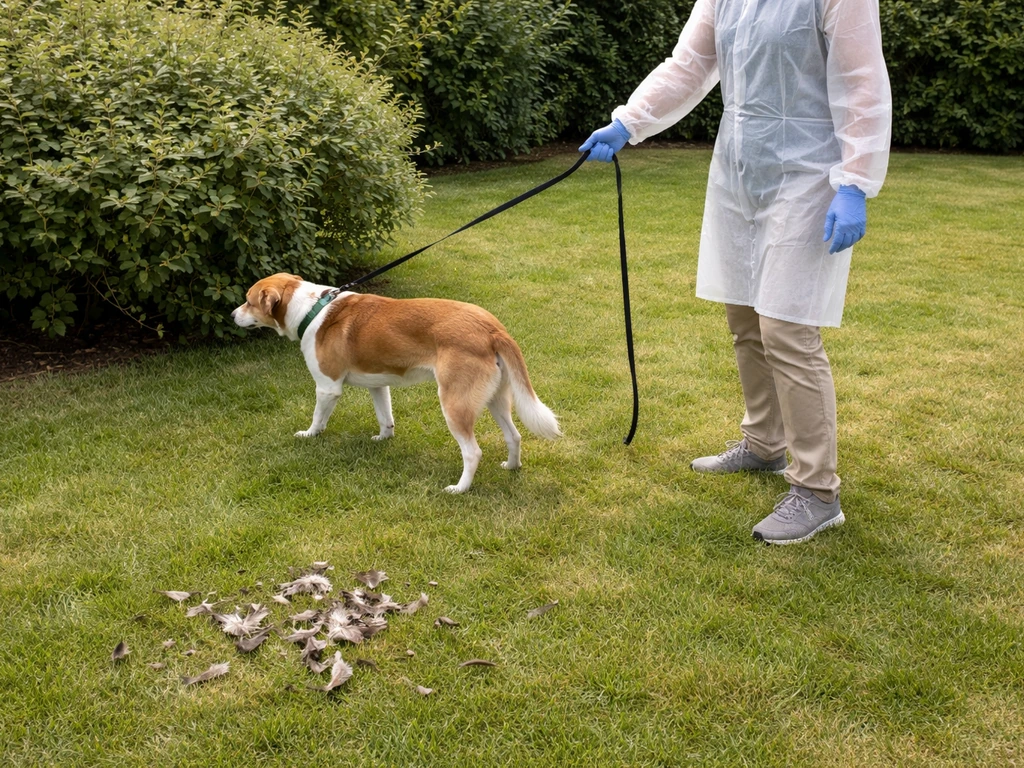
The first few minutes after you discover what happened are the most important for your own safety and for getting ahead of any health risk. Work through these steps in order.
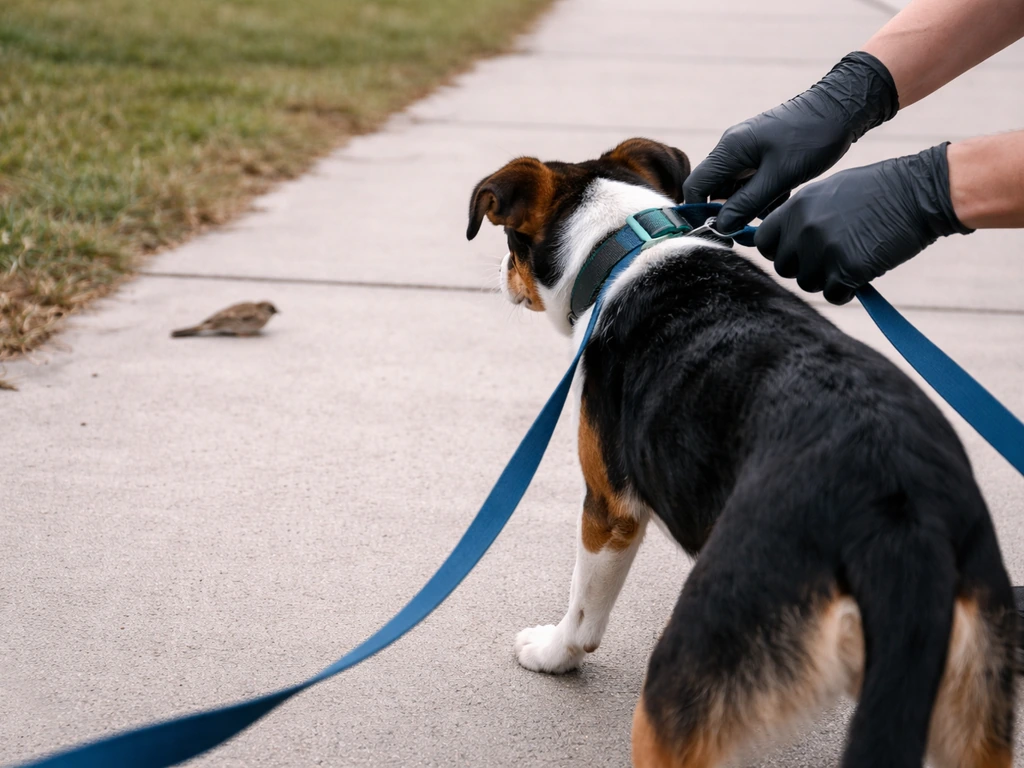
- Get your dog away from any remaining bird parts. Do not let them continue chewing or swallowing bones, feathers, or organs.
- Put on disposable gloves before touching anything. If you don't have gloves, use a plastic bag turned inside out over your hand.
- Collect the remains (feathers, carcass pieces, anything left on the ground) and seal them in a plastic bag. Do not dry-sweep or vacuum the area, since that stirs up dust and can aerosolize any viral or bacterial particles present.
- Dispose of the bag in an outdoor trash can. Check with your local wildlife agency if multiple dead birds are involved, since some jurisdictions want you to report clusters of dead wild birds rather than simply discard them.
- Clean the area where the bird was found: scrub with soap and water first, then use an EPA-approved disinfectant labeled for influenza A viruses, following the product's instructions.
- Wash your hands thoroughly with soap and water for at least 20 seconds. Do this before touching your face, other pets, or food prep surfaces.
- Check your dog's mouth quickly for bone fragments, feathers lodged in the throat, or cuts to the gums. If your dog is gagging, pawing at its face, or showing any signs of choking, call a vet immediately.
- Note the time it happened and what you observed about the bird beforehand (was it already dead, did it look sick, was it a wild bird or a neighbor's pet bird). You'll want this information if you need to call a vet or a health authority.
If you are unsure whether the situation is serious enough to call a vet right now, the ASPCA advises not waiting for signs to get worse. Reach out to your veterinarian, an emergency animal hospital, or the ASPCA Animal Poison Control Center (888-426-4435) or Pet Poison Helpline (855-764-7661) to get a triage plan. This is especially worth doing if the bird looked sick or was found near other dead birds.
Cross-Contamination Risks and Household Hygiene
Birds can carry pathogens that make people and other animals sick even when they look completely healthy on the outside. That's not meant to alarm you, it's just a reason to treat cleanup as a real step rather than skipping it. The two biggest concerns in this scenario are avian influenza (bird flu) and Chlamydia psittaci, which causes psittacosis in both birds and humans.
Avian influenza, including the H5N1 strain circulating widely in U.S. wild bird populations right now, spreads through direct contact with infected birds, their droppings, saliva, or mucus. The CDC specifically advises that if you are around sick or dead birds, you should wear gloves, avoid touching your face, avoid stirring up dust or feathers, and wash your hands immediately afterward. The same logic applies here: your dog was in direct contact with the bird, so their muzzle, paws, and fur should be treated as potentially contaminated surfaces until you have cleaned up.
Wipe down your dog's muzzle and paws with a damp cloth and mild soap after the incident if they were visibly dirty from contact with the bird. Keep them away from other pets and any backyard poultry or pet birds until you've cleaned the area and assessed the situation. If you have a pet bird in the house, keep it in a separate room and monitor it closely over the following days.
For the humans in your household: wash your hands every time you touch the dog, the affected area, or any cleaning materials. Avoid dry sweeping or vacuuming feathers or feces. Use a damp mop or paper towels moistened with water before applying disinfectant. The CDC recommends this approach specifically to prevent aerosolizing infectious particles from bird droppings or feathers.
What Symptoms Look Like in a Bird After an Attack or Injury
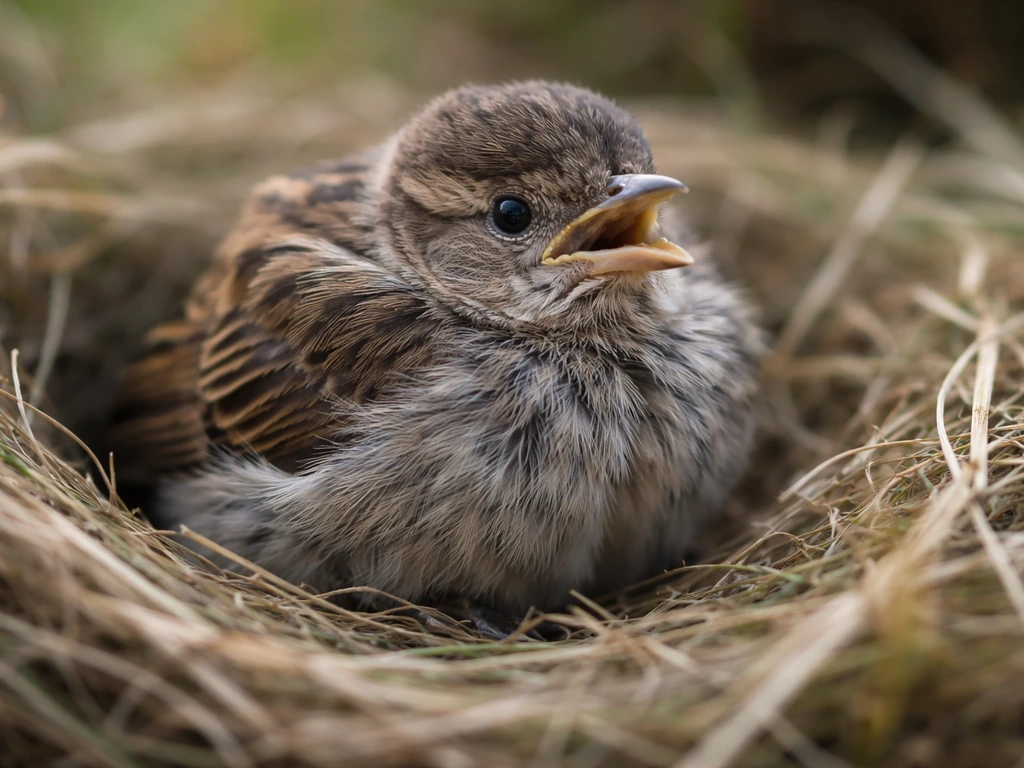
If your dog caught a bird but didn't kill it, or if you have a pet bird or a backyard flock that was exposed to or handled by the dog, you need to know what a sick or injured bird looks like. Birds are masters at hiding illness, which means by the time they are showing obvious signs, they may already be quite unwell.
Injury-related signs are usually visible within minutes to hours: bleeding wounds, inability to fly or stand, a drooping wing, or labored breathing. Air sac rupture is uncommon, but when it happens you may see sudden breathing trouble and rapid worsening after an injury to the bird's chest inability to fly or stand, a drooping wing, or labored breathing.. These need hands-on veterinary attention as soon as possible. Infection-related signs can take longer to appear, sometimes 24 to 72 hours or more after exposure.
Watch for these changes in a bird that was involved in a dog attack or that may have been exposed to an ill bird:
- Ruffled or puffed-up feathers (a classic sign of illness in birds, not just cold)
- Sitting low on the perch or on the cage floor with eyes partially closed
- Labored, open-mouth, or noisy breathing (wheezing, clicking, or tail-bobbing with each breath)
- Eye or nasal discharge: watery, cloudy, or crusty discharge around the eyes or nares
- Sudden drop in vocalization or activity level compared to the bird's normal behavior
- Loss of appetite or not touching food and water
- Greenish, watery, or abnormal droppings (green or yellow-green urates in particular can indicate liver involvement)
- Neurological signs: head tilt, loss of balance, tremors, or seizure-like movements
- Sudden death, especially if other birds nearby also become ill quickly
It is worth noting that stunned or injured birds can initially look very much like sick birds: they may sit quietly on the ground, appear dazed, or have difficulty moving. If the bird was just struck or caught by the dog and then released, you can read more about distinguishing shock and injury from true illness. The key difference over time is that a stunned bird will typically recover within 30 to 60 minutes and attempt to fly, while a sick bird's condition tends to stay the same or decline.
Which Bird Illnesses Are Most Likely in This Scenario
A dog eating or killing a wild bird doesn't confirm disease, but it does open the door to a few specific conditions worth knowing. Dogs most commonly interact with birds that are already compromised, meaning birds that are sick, injured, or too weak to escape. That is relevant because it shifts the probability toward the bird having had a health issue before the encounter.
Avian Influenza (Bird Flu)
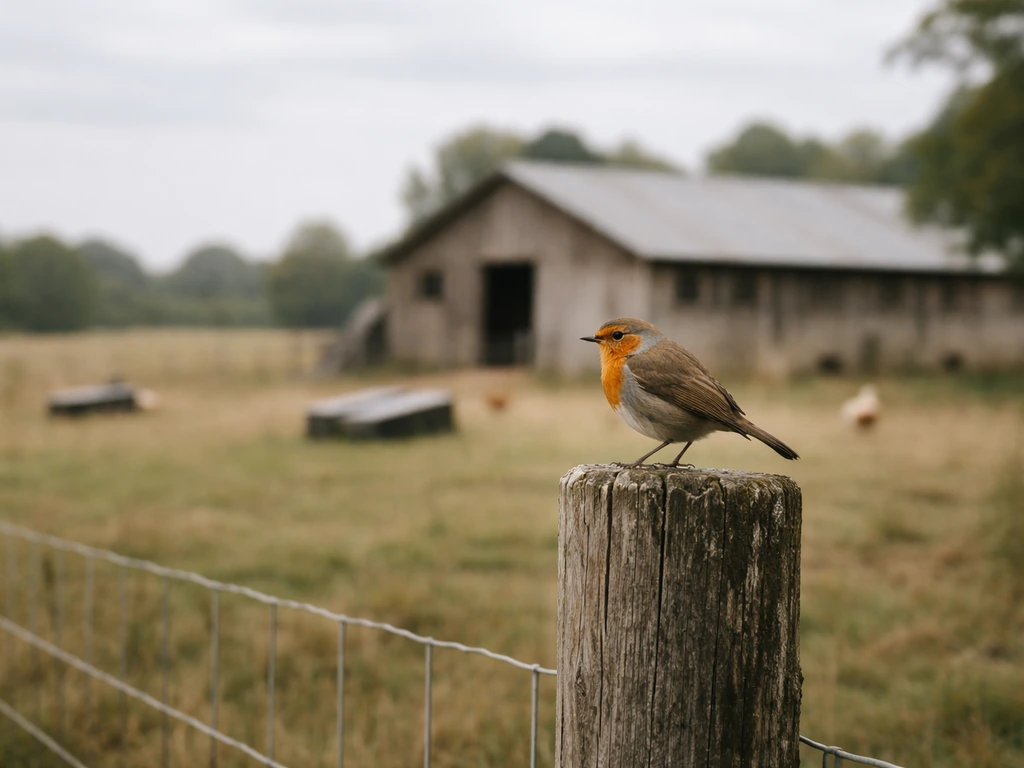
Highly pathogenic avian influenza (HPAI) is at the top of the list right now. The H5N1 strain is present in wild birds across the U.S. and has been spreading into domestic poultry and other animals. Wild birds can carry the virus without appearing sick, but HPAI in domestic birds often causes sudden death, severe respiratory distress, neurological signs (head twisting, loss of coordination), and greenish diarrhea. If the bird your dog caught showed any of these signs, or if multiple birds in the area have recently died, HPAI is worth flagging to your state veterinarian or local wildlife agency.
Psittacosis (Chlamydia psittaci)
Psittacosis is caused by Chlamydia psittaci and can infect parrots, doves, pigeons, and many wild bird species. In birds, it typically shows up as ruffled feathers, lethargy, nasal or eye discharge, labored breathing, diarrhea, and in more severe cases signs of liver disease like green or yellow-green urates. Merck Veterinary Manual describes chlamydiosis in pet birds with signs ranging from asymptomatic carriers to severe disease, including ocular or nasal irritation and discharge, anorexia, dyspnea, depression, dehydration, polyuria or biliverdinuria, and diarrhea nasal or eye discharge. The tricky part is that birds can carry C. psittaci and shed it in their droppings for extended periods without looking obviously sick. In humans, psittacosis causes fever, chills, and a dry cough, typically starting 5 to 14 days after exposure.
Newcastle Disease
Virulent Newcastle disease primarily presents as an acute respiratory illness in birds, but it can also cause neurological signs (twisted neck, paralysis) or diarrhea depending on the strain. Unvaccinated birds can experience sudden death or rapid-onset lethargy and respiratory distress. This is more of a concern with poultry or wild birds that have been in contact with poultry, but it is worth being aware of if multiple birds in the area are affected.
Salmonella and Other Bacterial Infections
Wild songbirds frequently carry Salmonella, especially at crowded bird feeders. A dog that eats a bird infected with Salmonella can develop vomiting and diarrhea, and can pass the bacteria to people who handle them. This is a more common and immediate concern than viral illness in many dog-eats-bird situations.
| Condition | Primary Signs in Birds | Human/Dog Risk | When to Escalate |
|---|---|---|---|
| Avian Influenza (HPAI H5N1) | Sudden death, severe respiratory distress, neurologic signs, green diarrhea | Low but real; contact with infected birds/secretions | Multiple dead birds nearby, bird appeared clearly ill before death |
| Psittacosis (C. psittaci) | Ruffled feathers, eye/nasal discharge, lethargy, green urates, diarrhea | Yes; causes fever and dry cough in humans 5–14 days post-exposure | Any bird with respiratory or GI signs; exposure to psittacine species |
| Newcastle Disease | Respiratory distress, neurologic signs, sudden death in unvaccinated birds | Mild conjunctivitis possible in humans | Backyard poultry or multiple birds affected |
| Salmonella | Often none visible in carrier birds | Yes; GI illness in dogs and humans | Dog has vomiting/diarrhea within 24–72 hours of eating bird |
When to Seek Veterinary Care and What Information to Bring
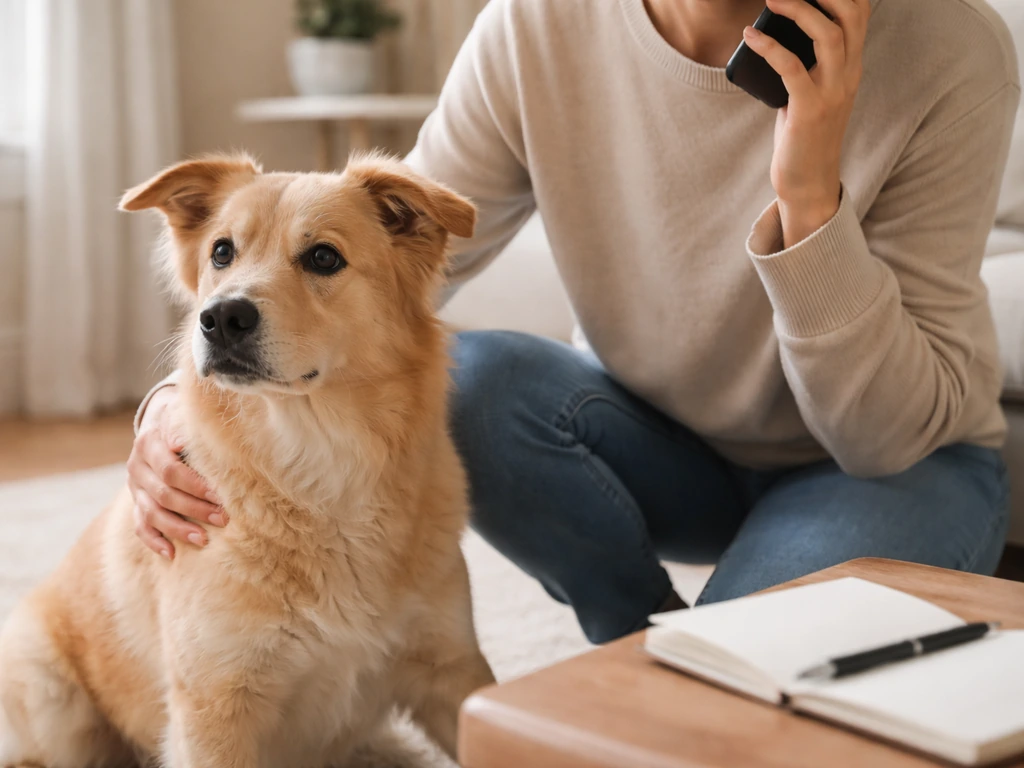
For Your Dog
Call your vet the same day if your dog is showing any of the following after eating a bird: Pet Poison Helpline notes that poisoning signs can include GI upset such as vomiting, diarrhea, or blood, as well as neurologic signs like lethargy, agitation, tremors, seizures, decreased respiratory rate, and coma Call your vet the same day if your dog is showing any of the following after eating a bird:.
- Gagging, retching, or signs of choking (pawing at mouth, extending neck, drooling excessively)
- Vomiting, especially if it contains blood
- Diarrhea, especially bloody or lasting more than 24 hours
- Lethargy, weakness, or collapse
- Tremors or seizures
- Labored or rapid breathing
- Mouth or throat injury visible from a bone fragment or claw
Even if your dog seems totally fine right now, it is reasonable to call your vet and let them know what happened. They may recommend monitoring at home, or they may want to see the dog based on where you live and what bird species were involved. If you can't reach a vet, call the ASPCA Animal Poison Control Center at 888-426-4435 or the Pet Poison Helpline at 855-764-7661 for guidance.
For the Bird (and for Public Health)
If you have a surviving pet bird that was in contact with the dog, or if the bird your dog caught showed visible signs of illness before it died, contact an avian vet as soon as possible. Signs like respiratory distress, neurological symptoms, and green diarrhea are serious in birds and can deteriorate quickly, especially since birds often mask illness until it is advanced.
If you are concerned about HPAI specifically, or if you found multiple dead wild birds in the same area, contact your state wildlife agency or state veterinarian. The USDA APHIS maintains an HPAI resources hub, and the CDC advises checking with your state health department for local guidance on reporting dead or sick wild birds. Different states have different protocols for testing and disposal.
What to Bring to the Appointment
- The approximate time the incident happened
- A description or photo of the bird species if you can identify it
- Where the bird was found (backyard, park, near a poultry farm, near a known waterfowl area)
- Whether the bird appeared sick, injured, or already dead before your dog reached it
- Whether any other birds in the area have been found dead or ill recently
- Your dog's current vaccination status
- A list of any symptoms your dog has shown since the incident, even mild ones
How to Prevent This From Happening Again
Keeping Pet Birds Safer
If you have both dogs and pet birds in the same household, physical separation is the most reliable protection. Even a gentle dog can injure or kill a bird through play or curiosity. Keep birds in rooms the dog cannot access unsupervised, use secure cage latches the dog can't nudge open, and never leave them in the same space without direct human supervision. The stress of close contact with a predator can also suppress a bird's immune system over time, making them more vulnerable to illness.
Protecting Wild Birds in Your Yard
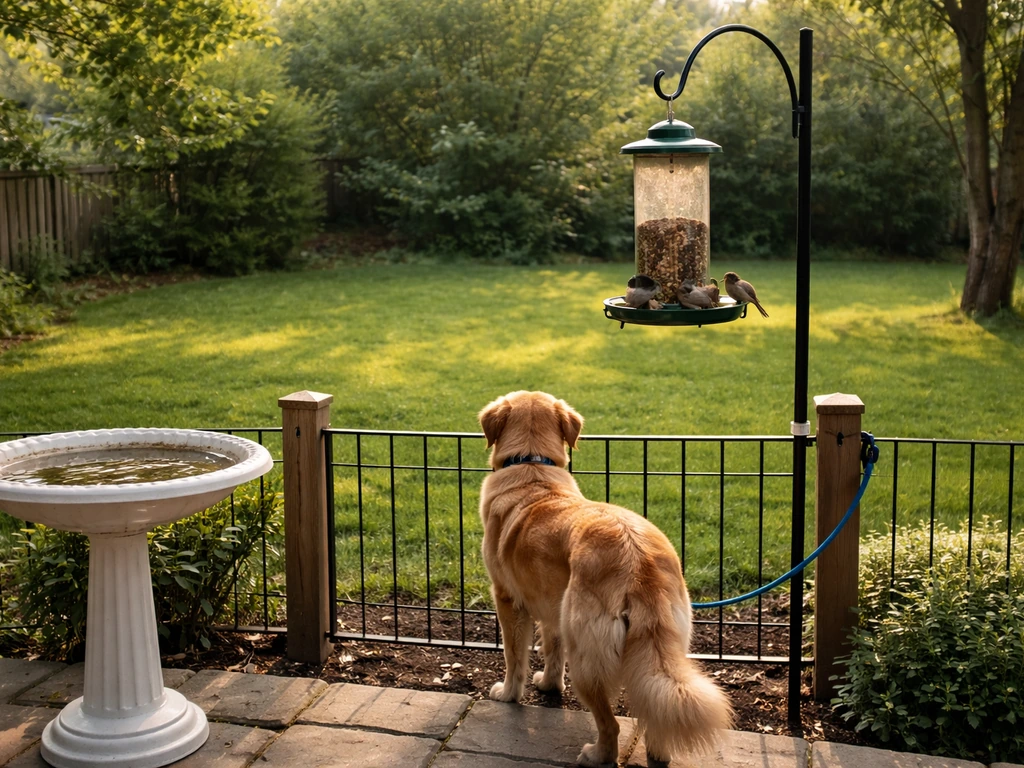
If you have bird feeders or birdbaths, place them high enough that a dog can't reach them and check regularly for dead or sick birds near the feeding area. Remove fallen birds promptly using gloves, and disinfect the feeder or bath with a dilute bleach solution if you find a dead bird nearby. Clusters of dead birds near a feeder can indicate a Salmonella outbreak, which is common at crowded feeding stations and can pass to dogs and people.
Handling Found Dead or Injured Wild Birds
If you find a dead or injured wild bird, always use gloves or a plastic bag before touching it. Do not pick up bird droppings with bare hands and do not dry-sweep the area around a dead bird. If the bird looks obviously ill rather than just injured (ruffled feathers, neurological signs, or green droppings visible), report it to your state wildlife agency before handling it at all. The CDC advises that state and local governments have different policies for collecting and testing sick animals, so it is worth a quick call before you act.
Training and Leash Habits
The most practical long-term prevention is keeping your dog on a leash in areas where ground-feeding birds are common, especially near water, parks, and meadows where waterfowl and shorebirds gather. For dogs with a strong prey drive, a reliable "leave it" command is worth investing in through consistent training. The FDA specifically highlights keeping companion animals from hunting or consuming wild birds as a concrete way to reduce HPAI exposure risk.
If a bird in your care becomes ill after any of these events, the symptom patterns described here overlap with those covered in related conditions worth knowing: respiratory distress, signs consistent with a bird in shock or severe decline, and the broader picture of what a seriously ill wild bird looks like. The symptom patterns described here overlap with those covered in related conditions like poisoned bird symptoms. If you suspect a wild bird is in shock, watch closely for sudden breathing trouble, weakness, and trouble staying upright or moving normally wild bird in shock symptoms. Dehydrated bird symptoms can help you spot worsening illness even when the bird initially just seems weak. These sick wild bird symptoms can also help you decide when to contact an avian veterinarian right away symptom patterns described here. Acting quickly on subtle changes, before a bird is obviously crashing, is always the better outcome.
FAQ
My dog seems totally fine after eating a bird. Do I still need to watch for symptoms later?
If you found no physical injuries and your dog is acting normal, still monitor closely for 24 to 72 hours, because some infections show up late (especially respiratory or intestinal patterns). If your dog vomits once but otherwise seems well, wait and watch for repeated episodes, loss of appetite, diarrhea, lethargy, or any breathing changes before deciding to call.
Should I try home treatments or give my dog something to prevent infection after eating a bird?
Do not “test” by giving food, dewormers, antibiotics, or activated charcoal on your own. Many of these can delay treatment, mask symptoms, or cause harm if the problem is infectious or there are internal injuries. Instead, call your vet or poison triage line with the timing, bird condition (alive, dead, obviously sick), and whether any blood or droppings got into your dog’s mouth or fur.
What should I do with the bird remains, and how do I protect other pets (especially a pet bird)?
If you can safely pick up only the bird remains, double-bag them and clean any area the dog drooled on. Avoid using a household vacuum on feathers or droppings, because it can blow particles into the air. If you have pet birds, contact an avian vet promptly, even if your household birds seem healthy, because they may need observation for delayed respiratory signs.
The bird was alive when my dog caught it. Does that change what I should check on my dog?
If the bird was alive when caught, the risk is not only the bird’s disease, it’s also oral contact and tiny wounds from the dog’s teeth. Ask your vet to evaluate if there are signs like mouth bleeding, excessive drooling, pawing at the mouth, or reduced chewing, because these suggest oral injury that can turn into infection.
When should I worry specifically about HPAI (H5N1) after a dog-eats-bird event?
If you suspect HPAI, the key decision is whether there are multiple dead birds nearby, or the bird had sudden death, severe respiratory distress, neurological signs (head twisting, coordination loss), or greenish diarrhea. In those cases, contact your state veterinarian or wildlife agency for instructions on reporting and disposal, rather than handling the area more than necessary.
What if my dog only touched the bird or carried it around, not ate it?
Yes, even if your dog never ate the bird, contact can still matter if the dog licked the bird, carried it around, or got droppings on fur. Focus on cleaning muzzle, paws, and any fur contaminated, then keep the dog away from other pets and any pet birds until the area is cleaned and dry.
My dog developed vomiting or diarrhea after eating a bird. What does that usually point to, and when is it urgent?
If the dog later develops vomiting or diarrhea without breathing issues, the most likely concern is gastrointestinal infection such as Salmonella, which can also affect people who handle the dog after exposure. Increase hand hygiene and contact your vet if diarrhea is persistent, contains blood, or comes with fever, weakness, or dehydration signs.
How do I know if my dog got injured (not just exposed) during the bird-eating incident?
Small, non-life-threatening injuries can still require care. If your dog has a cut on the mouth, excessive drooling, pawing at the face, or stops eating, internal or oral infection is possible. Call your vet the same day if you see any blood from the mouth, swelling, or a refusal to chew, even if the dog seems otherwise alert.
What hygiene steps matter most for people in the household after this happens?
For people, the most common missed step is not cleaning the dog’s fur and hands after the event, then touching faces or cooking prep areas. Use damp cleanup for feathers and droppings, wash hands thoroughly after contact with the dog or cleaning supplies, and keep children from petting the dog until surfaces are cleaned.
If I also have backyard birds or use bird feeders, what additional steps should I take?
If you have a backyard flock or any bird feeder traffic, check for other dead or sick birds within the same feeding area over the next day or two. Remove fallen birds promptly with gloves, and disinfect feeders or birdbaths after a dead bird is found. If multiple birds are dying, contact your state wildlife agency or veterinarian for guidance on testing and disposal.
Next Article
Wild Bird in Shock Symptoms: What to Check and Do Now
Check shock signs in wild birds, do safe at-home stabilization, and decide when rehab or vet care is urgent.